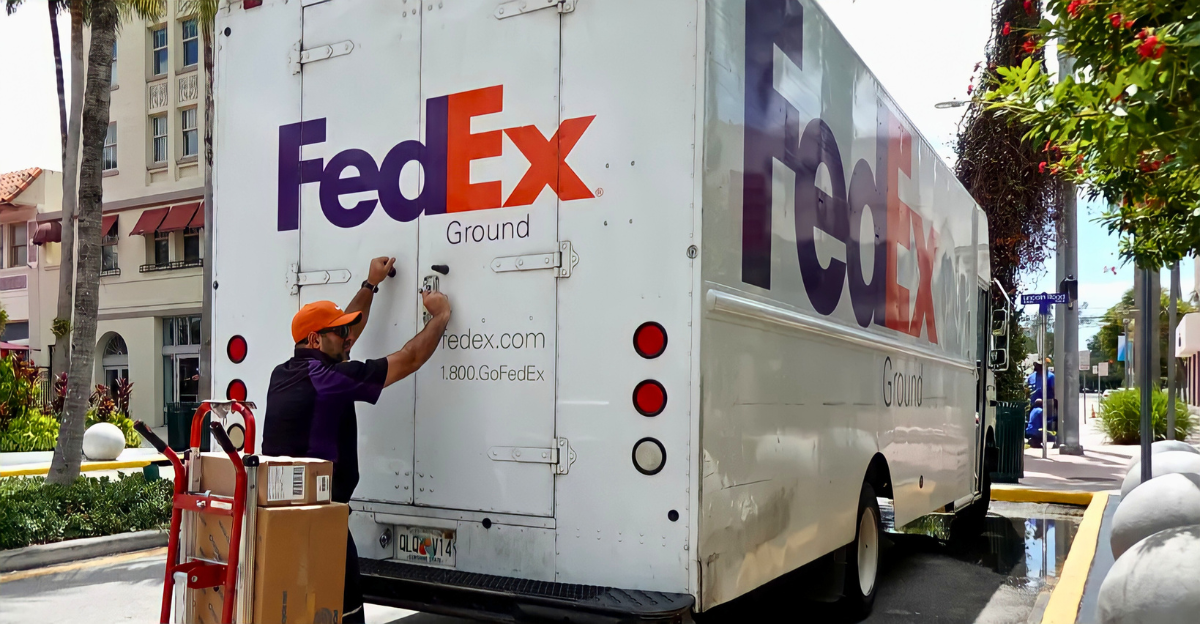
In a stark warning to investors, FedEx has projected a staggering $1 billion drop in adjusted operating profits for the upcoming fiscal year, a direct consequence of new U.S. tariff policies. “These changes are unprecedented,” remarked an industry analyst. With profits and parcel flows under threat, this shift threatens to impact U.S. shoppers just as the holiday shipping season approaches.
The warning from FedEx highlights the considerable strain on the logistics and e-commerce sectors, raising concerns about potential price increases for consumers. As the pressure mounts, all eyes are on the ripple effects of these policies on the broader economy.
Unpacking the Ripple Effects

The recent elimination of the $800 de minimis threshold is poised to reshape U.S. import flows fundamentally. “It’s going to be a challenge for households,” warned an e-commerce executive. FedEx stands as the first major logistics company to acknowledge that the increased costs will likely be passed on to American consumers.
As retailers scramble to adjust, the stakes for e-commerce and holiday demand are heightened, with potential implications for how consumers shop online. This change, once seen as a facilitator of low-cost imports, could morph into a significant burden for shoppers as shipping expenses surge.
A Decade of De Minimis

The de minimis exemptions, which allowed U.S. consumers to receive duty-free imports under $800, have been a game-changer for nearly ten years. Established in 2016, this policy led to an influx of low-value shipments, benefiting Asian e-commerce exporters such as Shein and Temu. “We relied on that policy entirely to grow,” shared a representative from a prominent Asian retailer.
The exemption has fueled a boom in small parcel volumes, making shopping from overseas quick and affordable. As we now face the abrupt termination of this policy, both consumers and businesses must adapt to a new, less favorable landscape.
The Growing Scrutiny
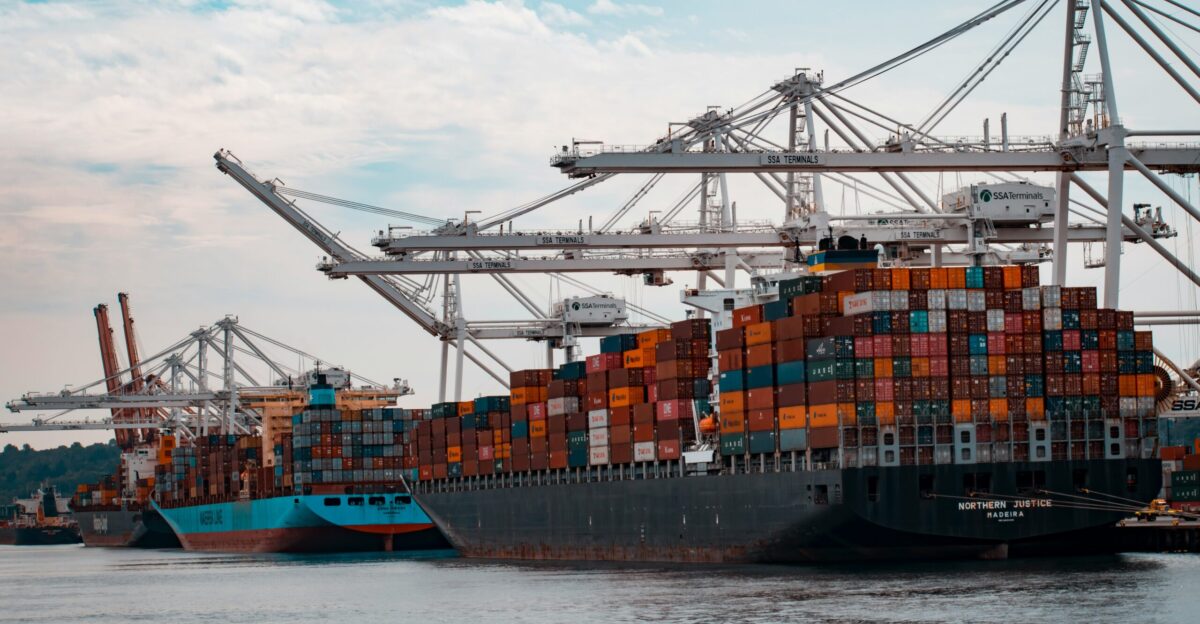
As trade tensions escalate, the scrutiny on the de minimis program has intensified, driven by concerns over tax revenues, safety, and fair competition for domestic retailers. “It feels unfair to local businesses,” said a small business owner, articulating the sentiment of many facing more challenging market conditions.
With Chinese imports accounting for over 75% of U.S. de minimis shipments, logistics companies are left bracing for potential disruptions. The policy’s elimination is not just a bureaucratic change; it threatens the very fabric of supply chains and consumer buying patterns, raising fears over accessibility and affordability in the marketplace.
The $1 Billion Hit
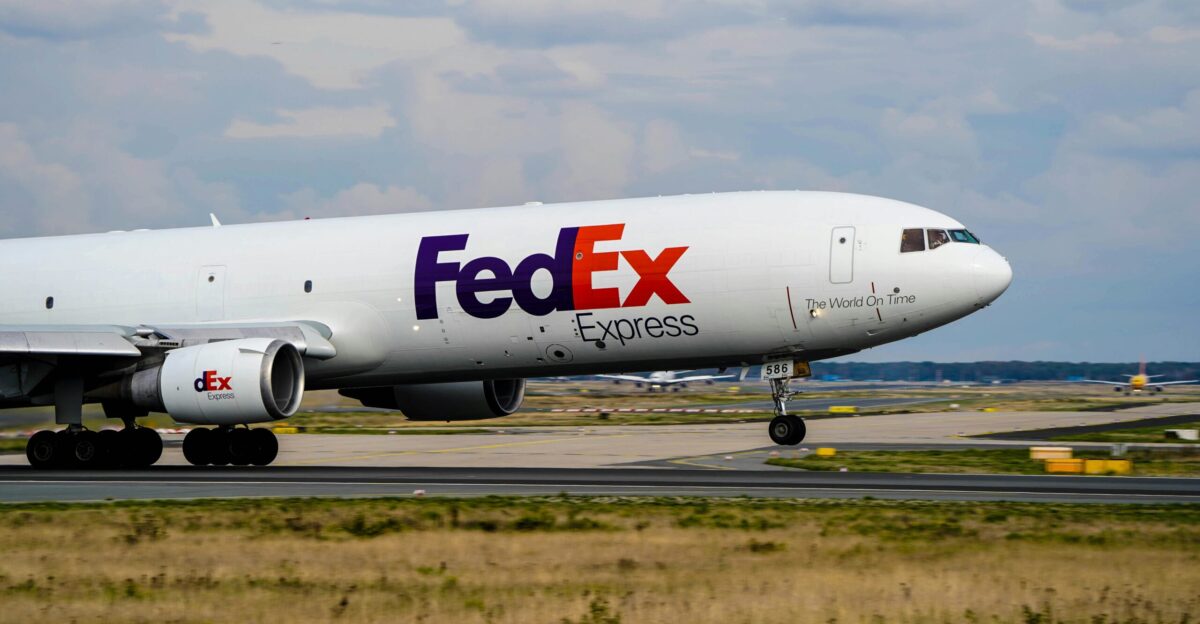
In a definitive statement, FedEx confirmed a projected $1 billion drop in adjusted operating profit during its quarterly earnings call on September 19. “This is a significant setback for us,” remarked FedEx’s CFO. The driving forces? President Trump’s newly imposed tariffs and the abrupt end of the de minimis exemption for low-value parcels coming from China.
The implications of this hit extend beyond FedEx itself, potentially affecting price points and product availability across multiple sectors, as other logistics players prepare for a similar financial reality. This moment marks a pivotal turning point for the industry.
Understanding the Policy Change

The policy change, effective as of May 2, has profound ramifications. All Chinese shipments that previously fell under the de minimis exemption are now subject to a staggering 120% tariff or a newly enforced flat fee. “This will change everything,” an e-commerce logistician noted, emphasizing the dramatic rise in costs.
The consequences include more than four million daily parcels that, once bypassing traditional customs, now face extensive delays and additional taxes, predominantly routed through U.S. West Coast ports. The shift symbolizes a broader policy direction that could redefine the dynamics of cross-border shopping in the years to come.
Conditions at FedEx Memphis

At the heart of operations, FedEx’s Memphis superhub feels the weight of the new tariffs as costs rise and logistics become increasingly complex. “The new tariffs are a game-changer,” expressed FedEx CFO John Dietrich, who traced around $300 million of the projected loss to increased customs processing costs.
The pressure cascades down the operational structure, making daily operations more challenging for the team on the ground. Employees are adapting to a new reality where efficiency is paramount, and the stakes are higher than ever, as the company struggles to maintain service quality amid these upheavals.
Competitors in Flux

FedEx’s struggles are mirrored across the logistics sector, as competitors like UPS scramble to recalibrate their strategies in response to policy shifts. “We’ve had to rethink everything about our supply chain,” an executive at UPS explained. Many companies are diverting their Asian shipments and reassessing U.S. market approaches amid increasing uncertainty.
For smaller logistics providers, navigating the new regulatory landscape presents additional operational challenges, exacerbating competition in an already crowded market. The ripple effect of these tariffs extends deeply, impacting how all players manage their roles in an evolving supply environment.
Macroeconomic Implications

The strain on FedEx signals deeper issues that could resonate throughout the economy, with analysts warning that average U.S. households may face up to $1,300 more in annual expenses due to cascading tariff-driven costs. “This is going to hurt consumers,” cautioned a prominent economic analyst.
Increased consumer inflationary pressure seems inevitable as the logistics sector adjusts to the added costs. This ripple effect not only influences pricing but may also alter consumer behavior, with households becoming more cautious about spending. The extensive implications call for ongoing monitoring of the economic landscape.
The E-Commerce Squeeze

For direct-to-consumer retail giants like Shein and Temu, the removal of the de minimis waiver threatens to squeeze margins further and lengthen delivery timelines. “We must adapt quickly, or face serious challenges,” stated a marketing executive from Shein.
The heavy reliance on low-value shipments from China places these companies in a precarious position, raising questions about the sustainability of their discount shopping models. As consumers face increased prices, the allure of cheap, cross-border shopping may start to fade, pushing these giants to reassess their business models in a rapidly changing environment.
Navigating Internal Tensions

Despite facing external pressures, FedEx has also experienced internal struggles, including shareholder dissatisfaction and employee apprehension. “We’re in uncharted waters right now,” remarked a concerned FedEx employee.
Management has found it challenging to strike a balance between implementing cost-cutting measures and maintaining service quality amid this tumult. As uncertainty looms over the remainder of fiscal year 2025, the company must find a way to reassure both its workforce and investors that it can effectively navigate these challenges.
A Leadership Response
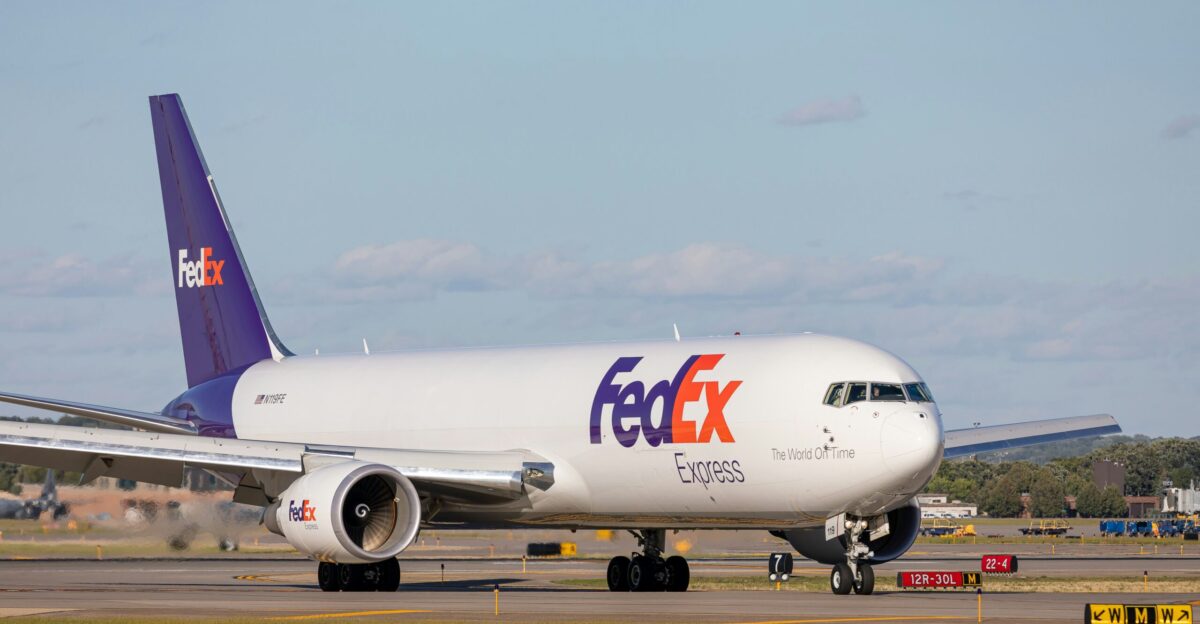
In response to mounting challenges, CEO Ram Subramaniam asserts the need for resilience, rallying the company’s leadership team around a $1 billion cost-cutting initiative. “We must adapt or risk falling behind,” he emphasized during a recent meeting. This involves redeploying FedEx’s air fleet and optimizing operations with a focus on efficiency.
Yet, as international shipment volumes continue to decline, the balance between cost control and service delivery becomes increasingly precarious, raising crucial questions about the company’s ability to endure during this turbulent period.
An Emerging Comeback Strategy

FedEx’s recovery plan is centered around aggressive operational streamlining, along with necessary price adjustments to counteract rising costs. “We believe a rebound is possible,” stated a strategy analyst within the firm.
The company projects a potential revenue growth of 4-6% if demand recovers and tariff costs are manageable. The path ahead will undoubtedly require innovation and agility, as FedEx seeks to navigate the complexities of the new tariff landscape while maintaining its competitiveness in the logistics market.
Persistent Skepticism
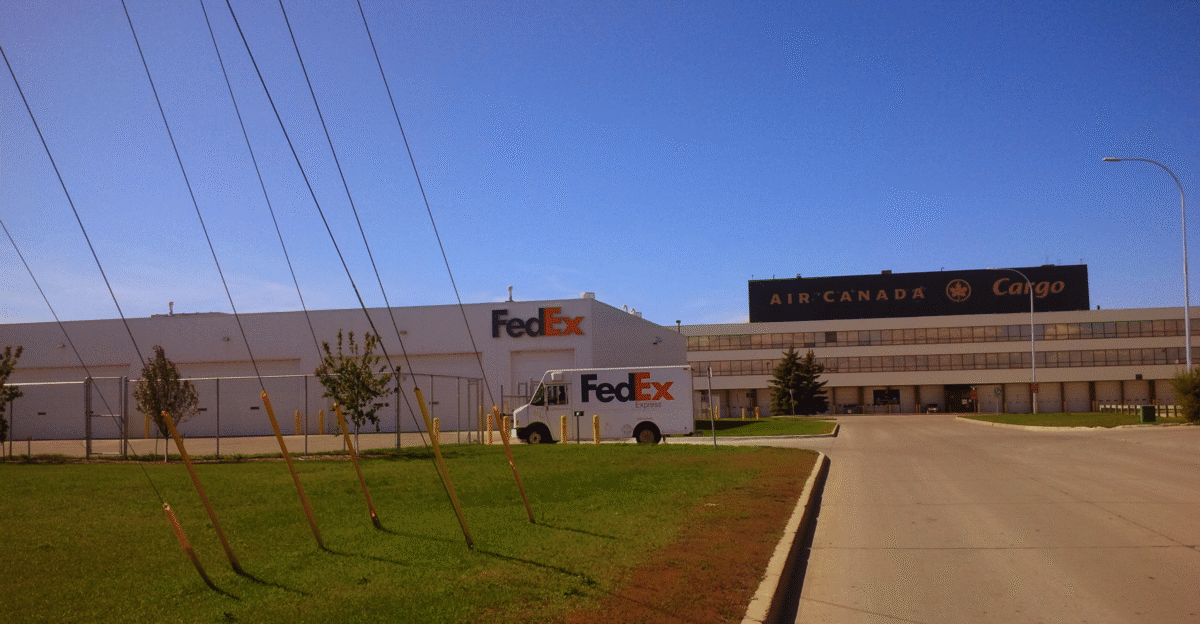
Despite the optimism surrounding FedEx’s strategy, analysts remain cautious, with firms such as Morgan Stanley and LSEG signaling potential downgrades to profit forecasts. “There’s so much uncertainty; it’s hard to predict the future,” a market expert noted.
As macroeconomic and trade volatility persist, FedEx’s fiscal outlook appears clouded by unpredictability. Navigating these regulatory shifts will be crucial for the company, underscoring the need to remain adaptable and responsive to the ever-changing landscape.
Looking Ahead: What’s Next?
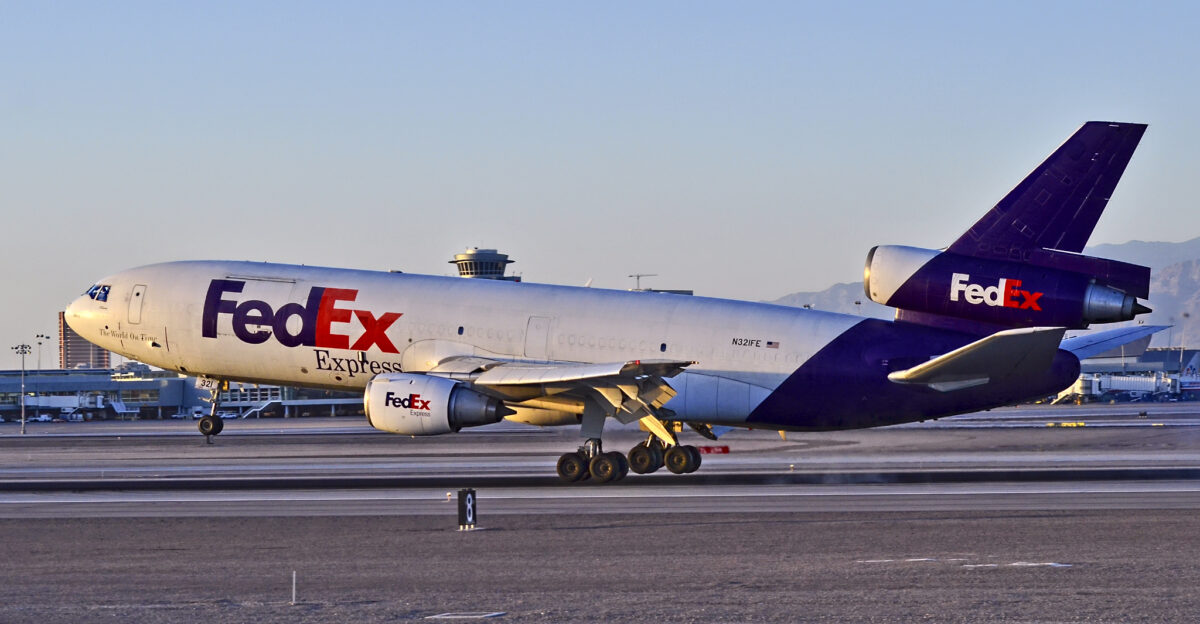
As FedEx approaches the next quarter, all eyes are on potential policy adjustments and corporate responses. “We must lobby for tariff exemptions,” suggested a logistics strategist, pointing towards a strategy that could pivot the company’s fortune.
FedEx is also eyeing new global partnerships to help rebound and recover from these challenges. The outcome of these efforts will be indicative not only of FedEx’s future but also the direction of the broader logistics sector amid shifting trade policies.
Policy Dominoes
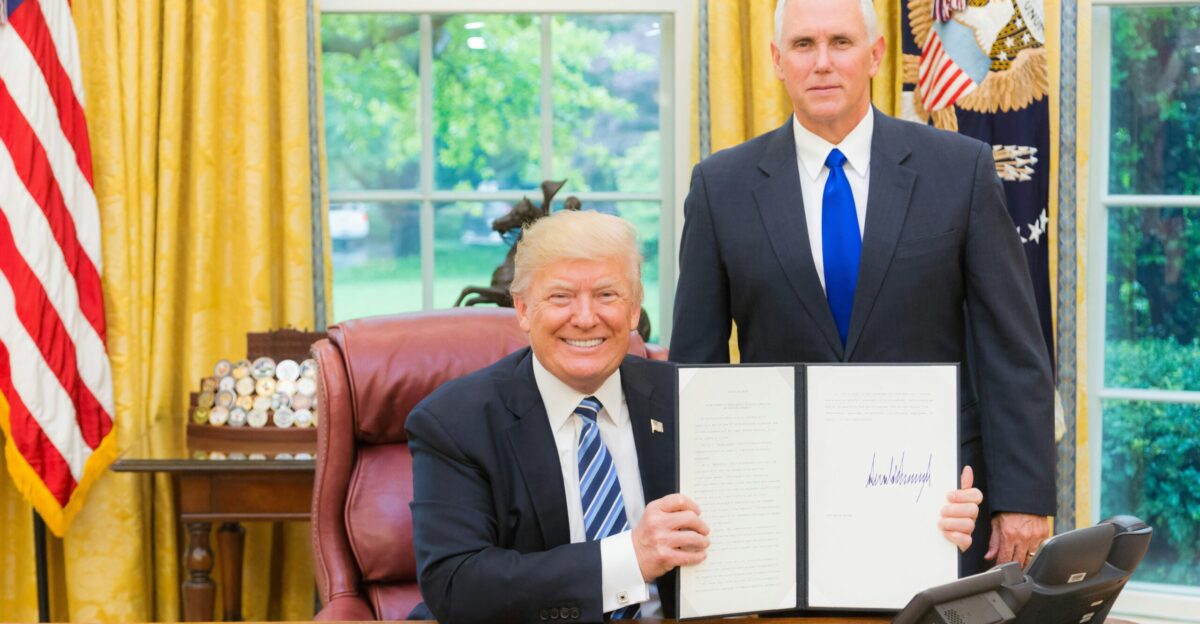
The overarching trade policy reflects a growing skepticism regarding open markets, with President Trump’s administration framing these changes as protective measures for American jobs and safety. “These tariffs are necessary to safeguard our economy,” a White House representative asserted.
Yet for many businesses and consumers, this shift may signify the end of an era of affordable cross-border shopping. The changing landscape raises questions about the balance between safeguarding local markets and supporting consumer access to global goods.
Employment Landscape Shifts

As the logistics industry encounters significant changes, employment opportunities are also being reshaped. “Job security feels less certain now,” expressed a longtime FedEx employee. The evolving demands of the sector may lead to layoffs and workforce restructuring as companies adjust to increased costs.
Moving forward, the challenge for FedEx and other logistics providers will be not only to sustain their operations but also to maintain employee morale and loyalty amidst a climate of uncertainty and transformation.
The Consumer Perspective

For everyday consumers, the impact of tariff changes is already being felt. “I can’t believe prices are going up just in time for the holidays,” lamented a shopper.
As e-commerce prices creep higher due to increased shipping costs, customer loyalty may waver, forcing brands to innovate if they wish to retain their consumer base. The landscape is shifting, and businesses must respond swiftly to meet the changing needs and expectations of their customers.
Innovation Amidst Challenges
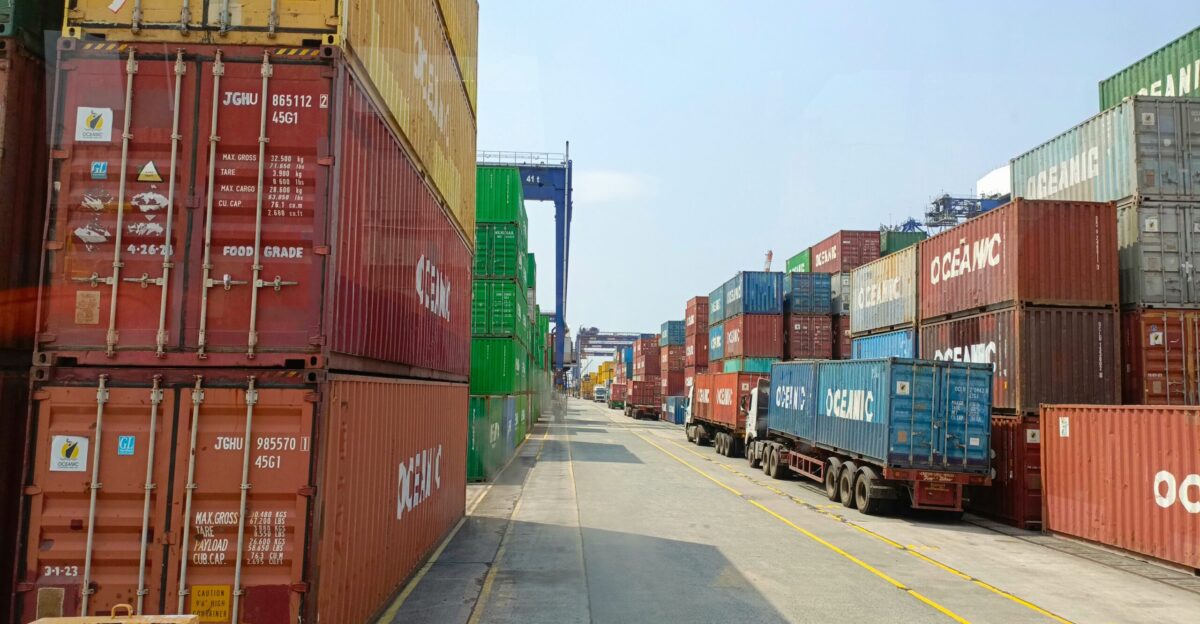
Opportunities for innovation may emerge from these challenges, as FedEx and its competitors explore new technologies and strategies to mitigate the impact of tariffs. “We’re considering alternative shipping routes and methods,” shared a logistics manager.
Embracing automation and data analytics might unveil efficiencies that provide a competitive edge. Businesses willing to embrace change could find that the obstacles posed by tariffs serve as a catalyst for innovation rather than a source of discouragement.
The Final Takeaway

As we stand on the brink of significant changes in the logistics landscape, the trajectory of FedEx and the e-commerce sector serves as a valuable lesson in the complexities of global trade.
The implications of tariff policies extend far beyond balance sheets; they touch the lives of consumers, employees, and the broader economy. As we move forward, adaptability, innovation, and responsiveness will be the keys to thriving in this new era of trade dynamics, which will impact all players in the field.