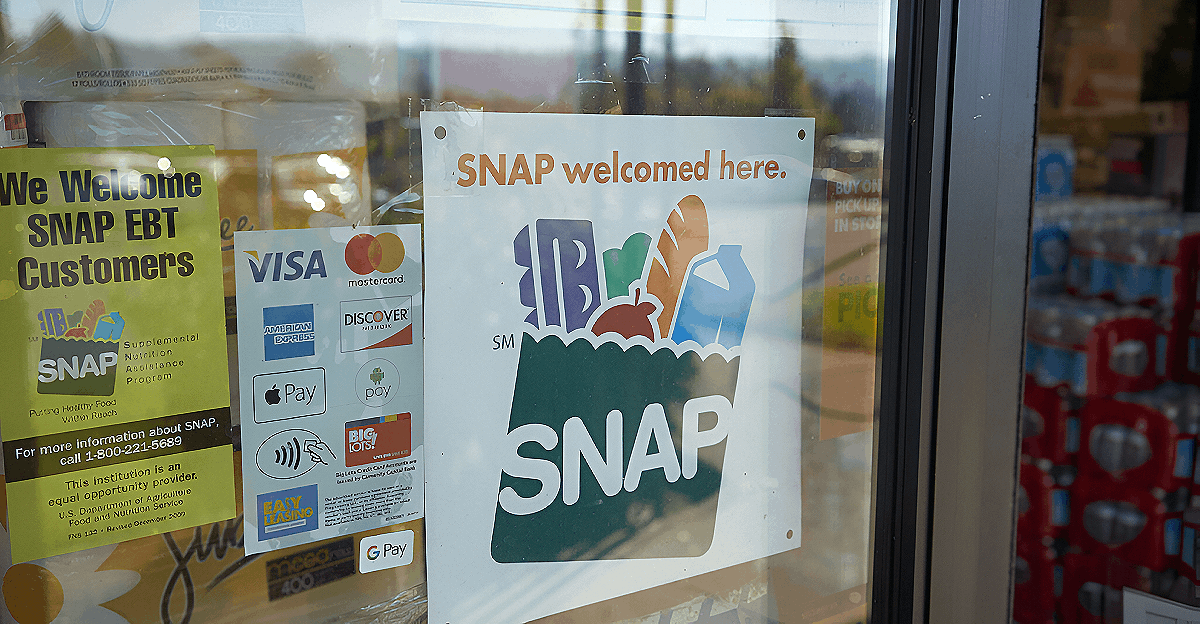
Reuters reports that SNAP (Supplemental Nutrition Assistance Program) helps more than 42 million Americans afford groceries, yet roughly one in five dollars goes toward soda and candy, driving the program’s tab past $120 billion a year. Now, lawmakers are pressured to curb spending on nonessential items without penalizing families relying on SNAP to fill their pantries.
Diet Diseases Drive Policy Change
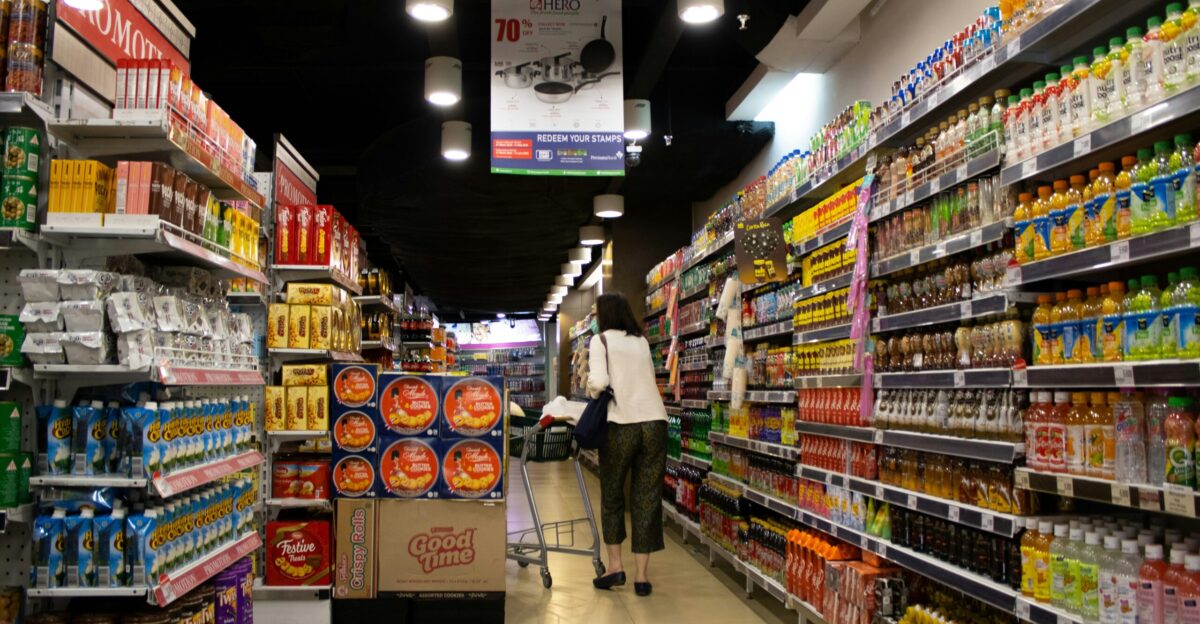
Nearly 40 percent of U.S. adults live with diet-related illnesses, costing about $260 billion annually in medical care, data from the Centers for Disease Control show. Low-income households on SNAP disproportionately purchase sugar-sweetened drinks and ultra-processed snacks, which experts say widens health gaps, NBC News notes. States argue that aligning SNAP with dietary guidelines could protect lives and budgets.
Waiver Rules Evolve Over Time
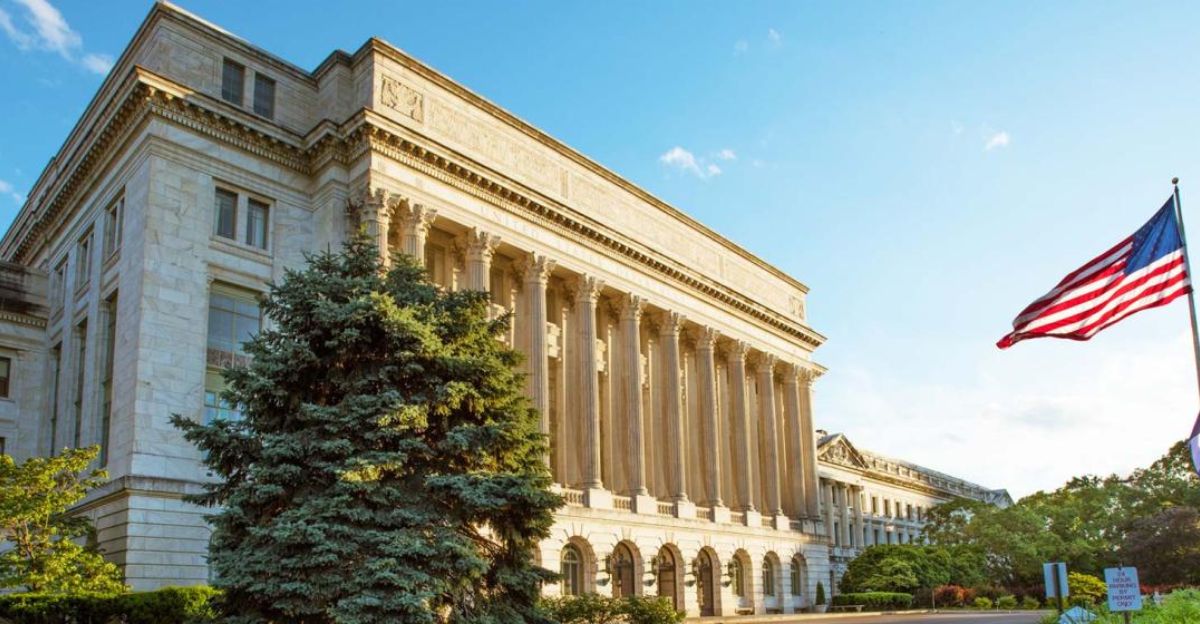
SNAP waivers under 7 CFR § 273.10(k) first emerged to boost benefits during disasters, but limited pilots testing food restrictions were routinely rejected until spring 2025, USDA records show. Reuters reports that only single-state trials, such as Indiana’s soda limit, ever made it off the ground before the recent policy shift. That makes this moment unprecedented.
“Make America Healthy” Push Gathers Steam
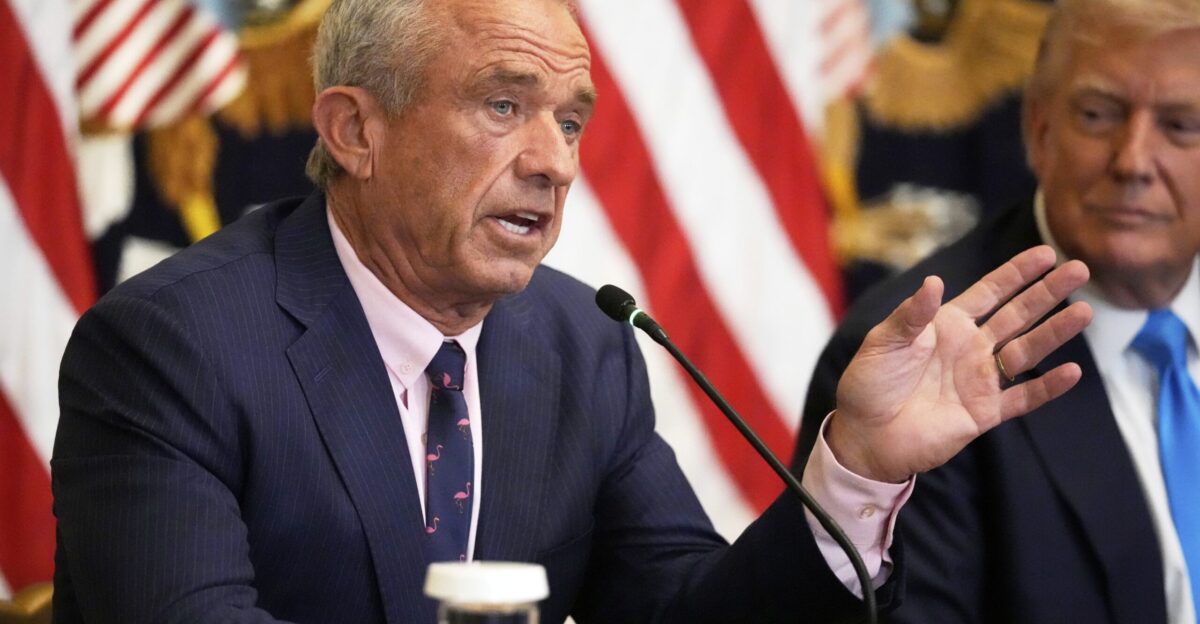
The “Make America Healthy Again” effort, spearheaded by HHS Secretary Robert F. Kennedy Jr., encouraged governors to seek waivers banning junk food purchases, with Agriculture Secretary Brooke Rollins supporting the idea, Reuters writes. The initiative reframes SNAP not only as an anti-hunger tool but also as a public-health program.
SNAP’s First Multi-State Junk-Food Ban
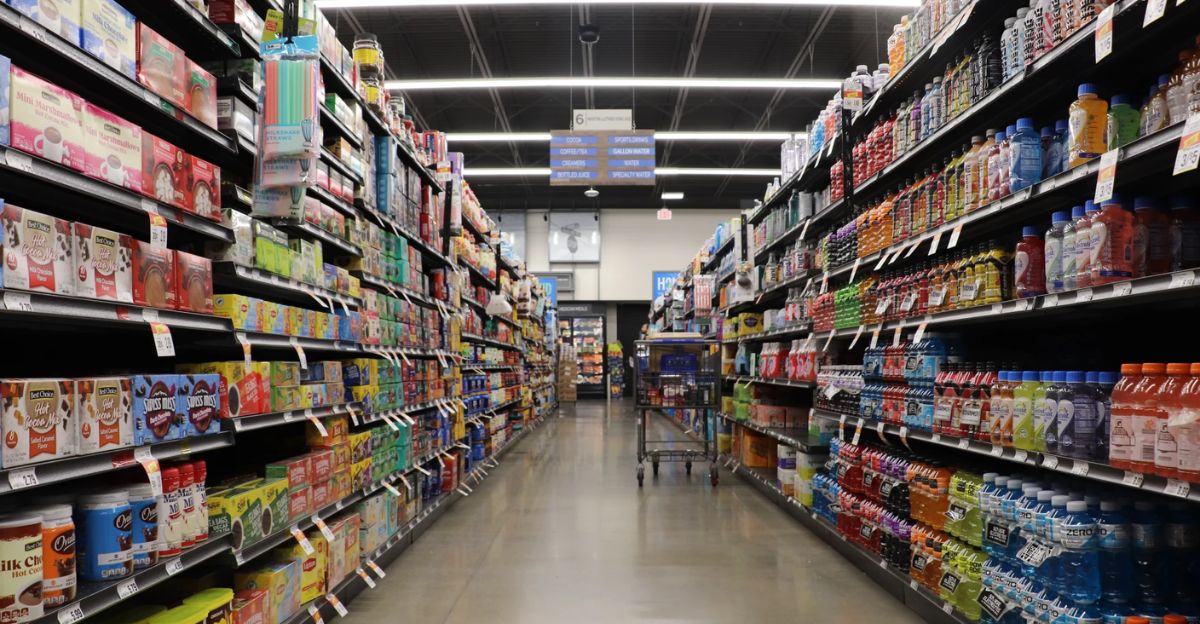
On August 4, 2025, USDA approved six states—West Virginia, Florida, Colorado, Louisiana, Oklahoma, and Texas—to bar more than 400 sweetened beverages and candy bars from SNAP purchases, effective January through April 2026, USDA and Reuters confirm. These two-year pilots narrow the definition of what counts as “food,” steering beneficiaries toward healthier options.
Millions of SNAP Families Face New Rules
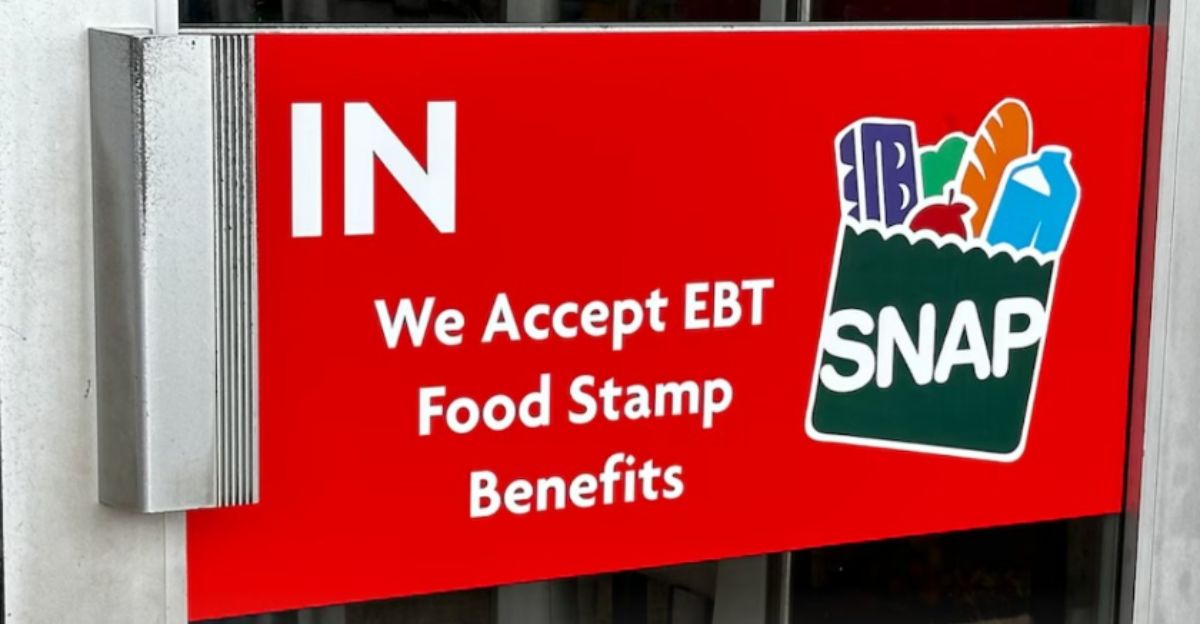
USDA statistics show that those six states represent about 8 million SNAP participants—nearly one in five nationally. Florida and Texas each serve over 3 million recipients, according to the FNS waiver announcement. State agencies will track buying patterns and health outcomes, aiming for fewer diet-related hospital visits as soda consumption falls.
A Mother’s Morning Dilemma
“I worry about feeding my kids healthy meals on a tight budget,” says Houston resident Maria Lopez, who relies on SNAP to stretch every dollar. “Soda keeps longer than fresh fruit.” Her story underscores concerns that restrictions might stigmatize families, ABC News reports, even as supporters insist defaults must favor nutrition.
Stores Scramble to Block Banned Items
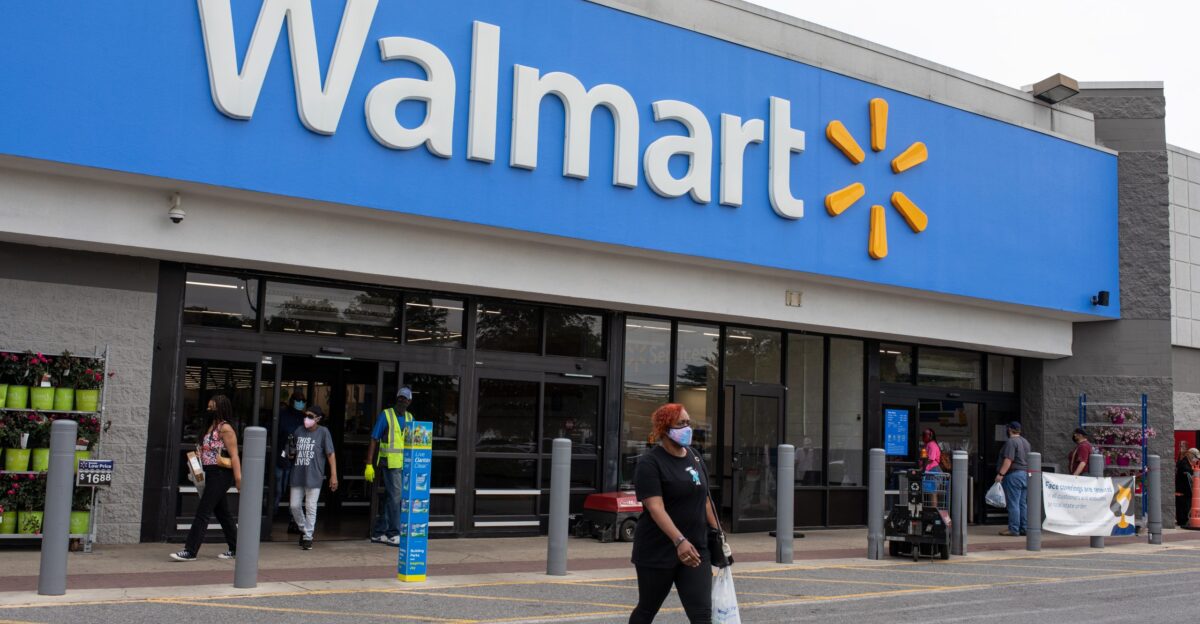
Reuters writes that major grocers like Walmart and Kroger are racing to update checkout systems to prevent SNAP purchases of listed sodas, candy bars, and sweet baked goods. Many plan in-store promotions for produce and whole grains in low-income neighborhoods, while suppliers adjust orders to prepare for the early 2026 launch.
Globally, Nutrition Takes Center Stage

Across the globe, aid programs increasingly tie benefits to diet quality. In the U.K., vouchers cover only fruits and vegetables; Brazil’s Bolsa Família rewards local produce purchases, The Lancet reports. U.S. SNAP pilots are now following suit, shifting from a wallet-style benefit model to one that encourages healthier choices.
Indiana Pilot Shows Mixed Results
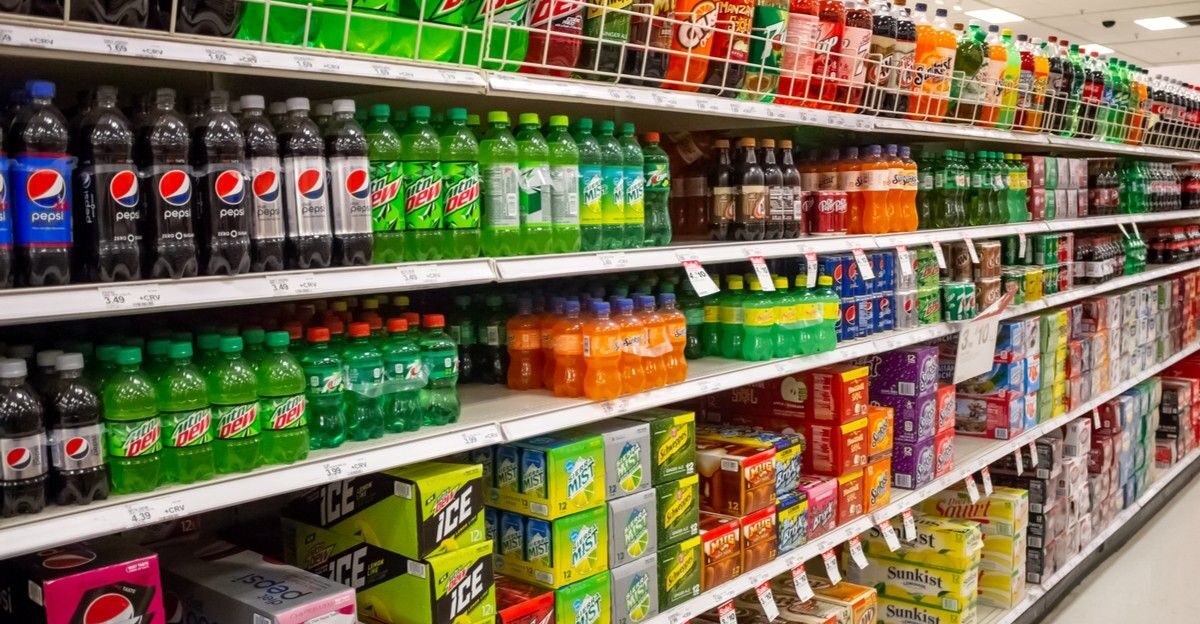
When Indiana tested its soda restriction in 2025, sugary drink purchases among SNAP households dropped 10 percent. Yet, overall diet quality barely budged, a study in the American Journal of Public Health found. Researchers caution that families may use cash to buy alternative sweets, blunting potential health gains.
Confusion Over SKU Lists Causes Delays
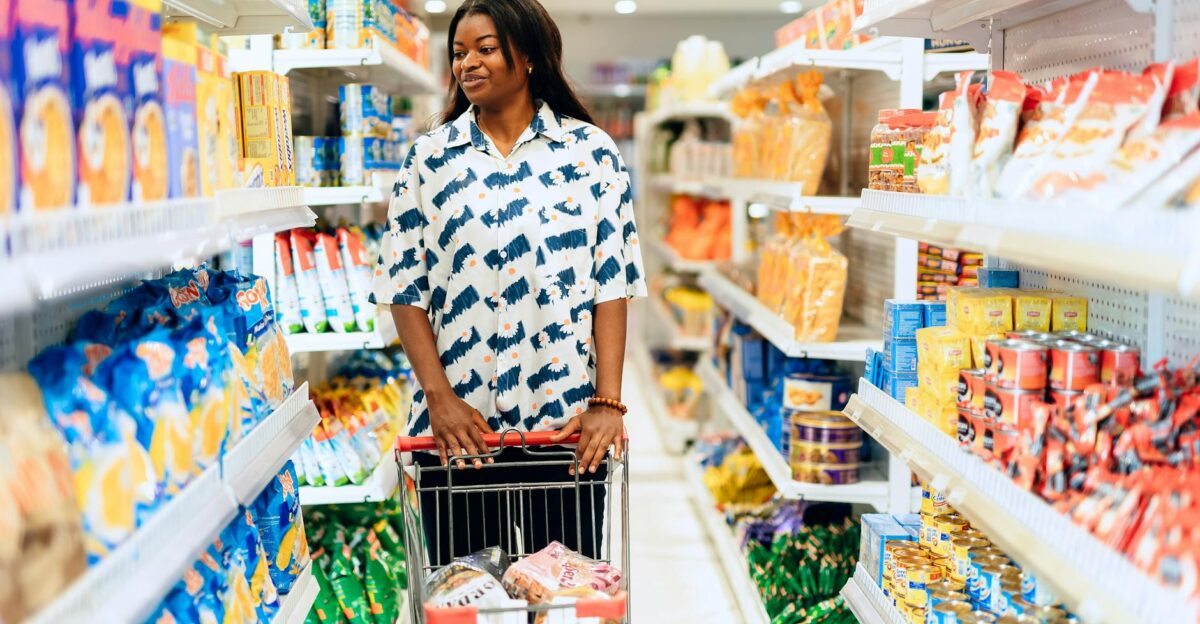
State agencies report ongoing headaches over which products count as “junk,” with Florida’s SNAP director Angela Rivera telling Reuters that clear definitions are critical. She warns that some rural counties risk patchy enforcement because of delayed upgrades to point-of-sale systems.
New Leaders Drive Waiver Wins
The Colorado Department of Human Services notes that Colorado’s recent waiver success followed the appointment of a new state FNS director who prioritized public-private partnerships to highlight healthy foods. Similar leadership changes in Louisiana and Texas fast-tracked their applications in mid-2025.
States Plan Incentives Alongside Bans
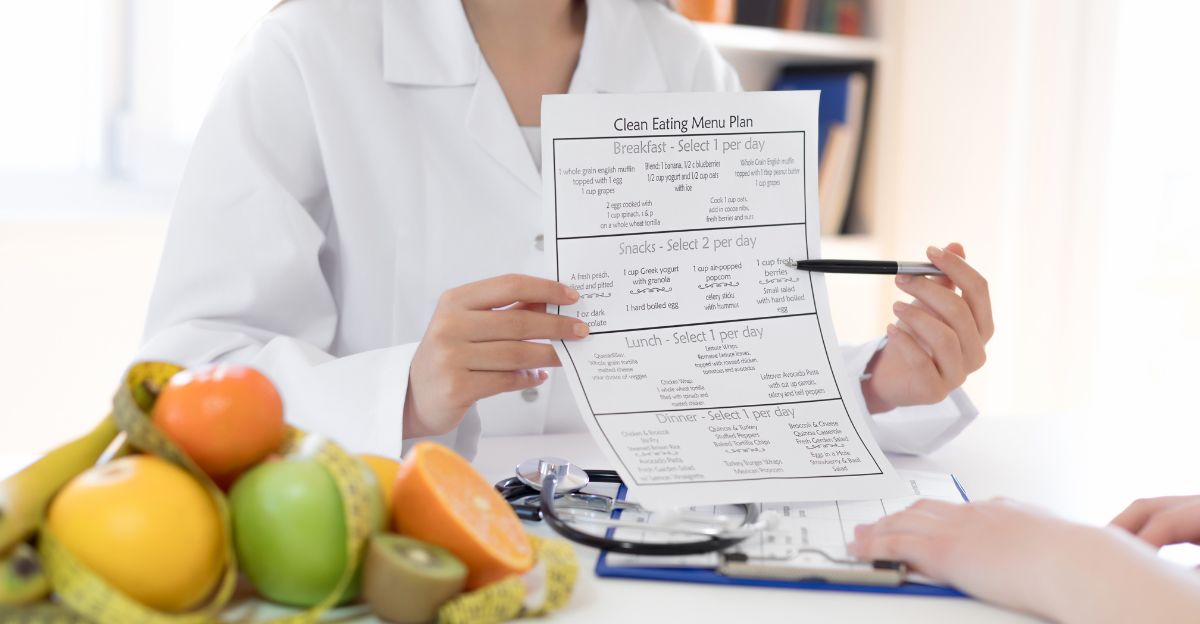
State press releases detail that Oklahoma will funnel savings into nutrition-education programs and farmers-market vouchers, while Louisiana will test a $0.30 bonus per dollar spent on produce. Officials hope pairing restrictions with incentives will keep families from feeling punished.
Experts Urge Broader Access Solutions
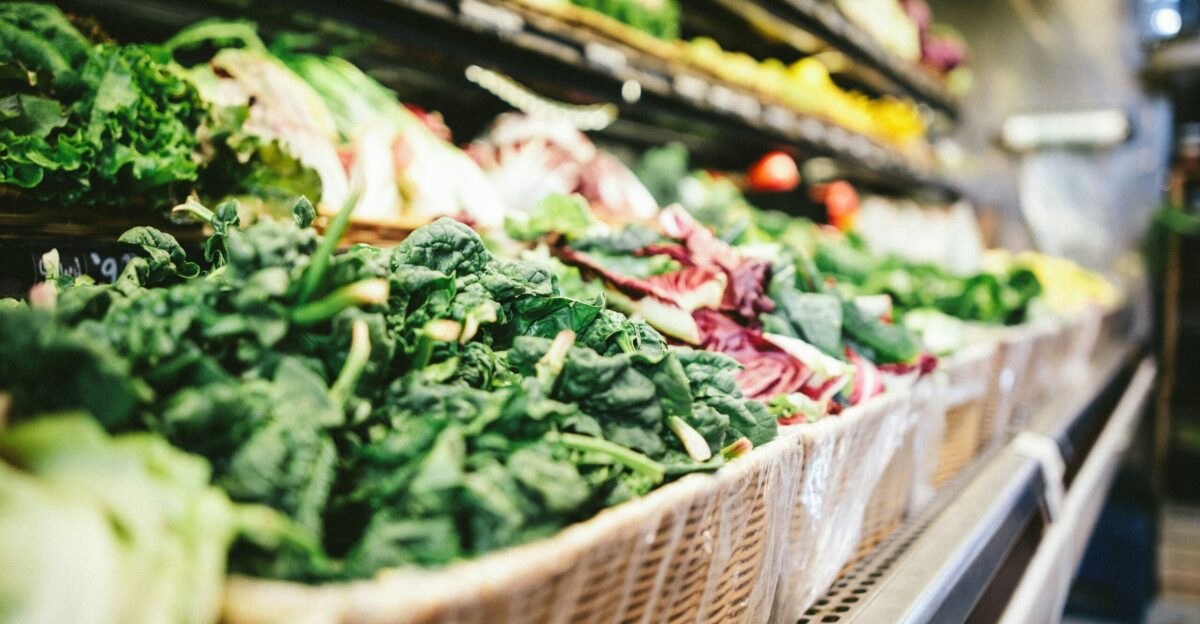
Nutrition specialists praise the focus on diet but caution that restrictions alone won’t fix food deserts. “We need investments in healthy-food retail, transportation, and community outreach,” says Dr. Emily Nguyen of Johns Hopkins, per a university briefing.
Will Other States Follow Suit?
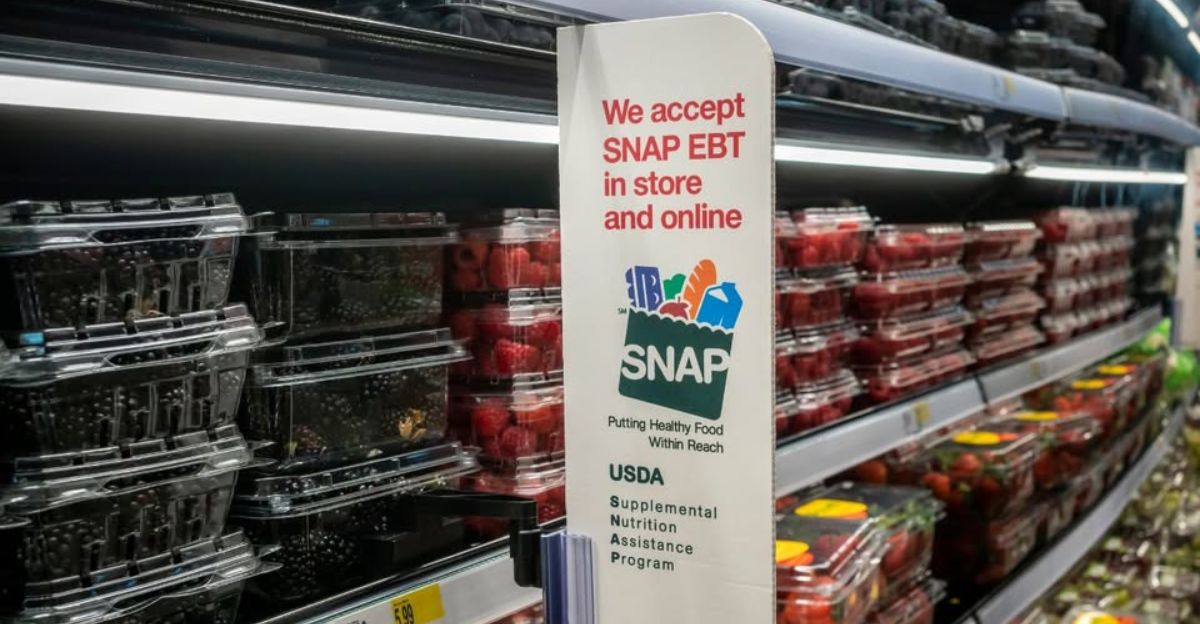
Reuters reports that several states—including Virginia, Ohio, and Kansas—have pending waiver requests, suggesting the pilot could expand in 2026. Meanwhile, Congress is debating whether to enshrine national nutrition standards for SNAP, which could turn temporary waivers into permanent policy.
Friction Over Federal Oversight
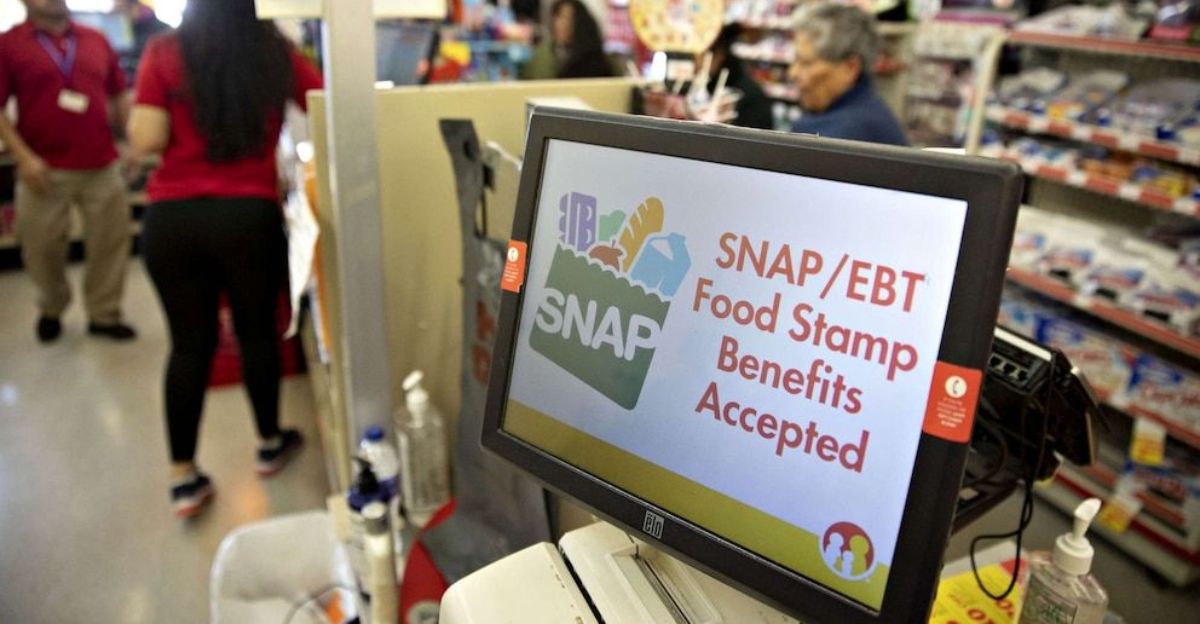
Some lawmakers decry the waivers as federal overreach into state welfare programs. The Hill notes that bills have been introduced to block junk-food bans, and a few Democratic governors warn that mandates could push recipients off SNAP entirely.
Canada Eyes Its Own Pilot
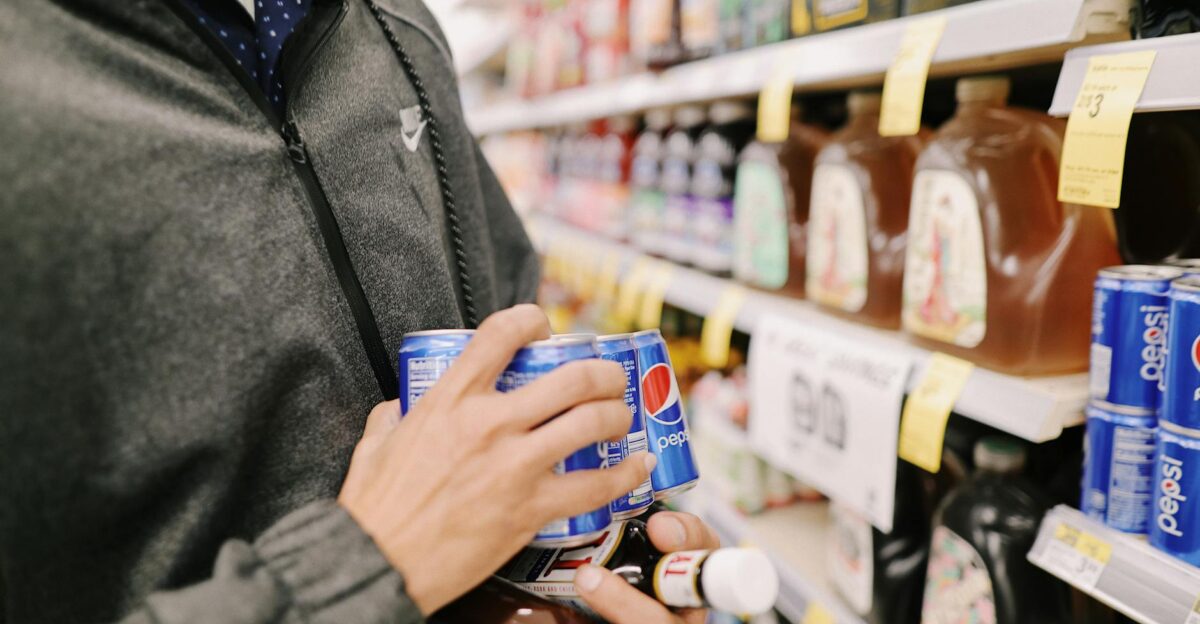
Ontario plans to ban sugar-sweetened beverages from social-assistance spending next year, inspired by U.S. developments, The Globe and Mail reports. Global health organizations are watching closely to see if they should adopt similar measures.
Legal Battles Loom Over Hunger Law

Reuters writes that multiple lawsuits claim that waivers breach SNAP’s anti-hunger mandate. Legal experts argue that excluding entire categories could conflict with Congress’s intent to provide “an adequate diet,” setting the stage for courtroom showdowns.
Plastic Savings and Environmental Benefits
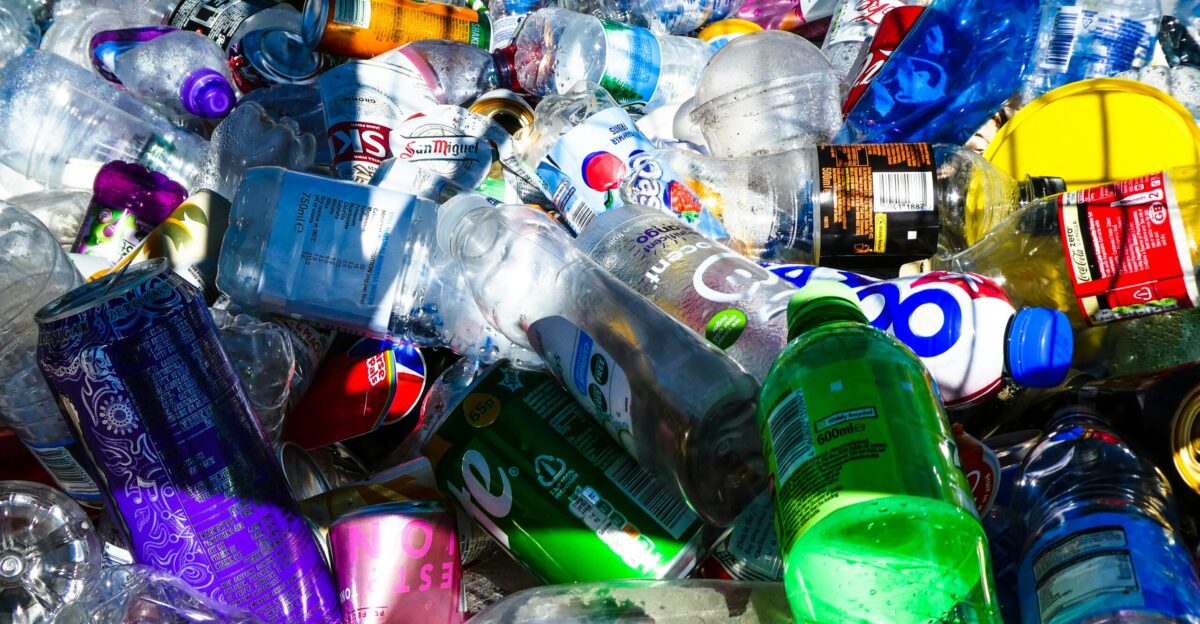
Environmental groups estimate that reducing soda sales through SNAP could eliminate roughly 500 million plastic bottles annually across the six states, according to the Environmental Defense Fund. That side benefit adds another layer to the policy debate.
Shifts in Food Culture and Ethics
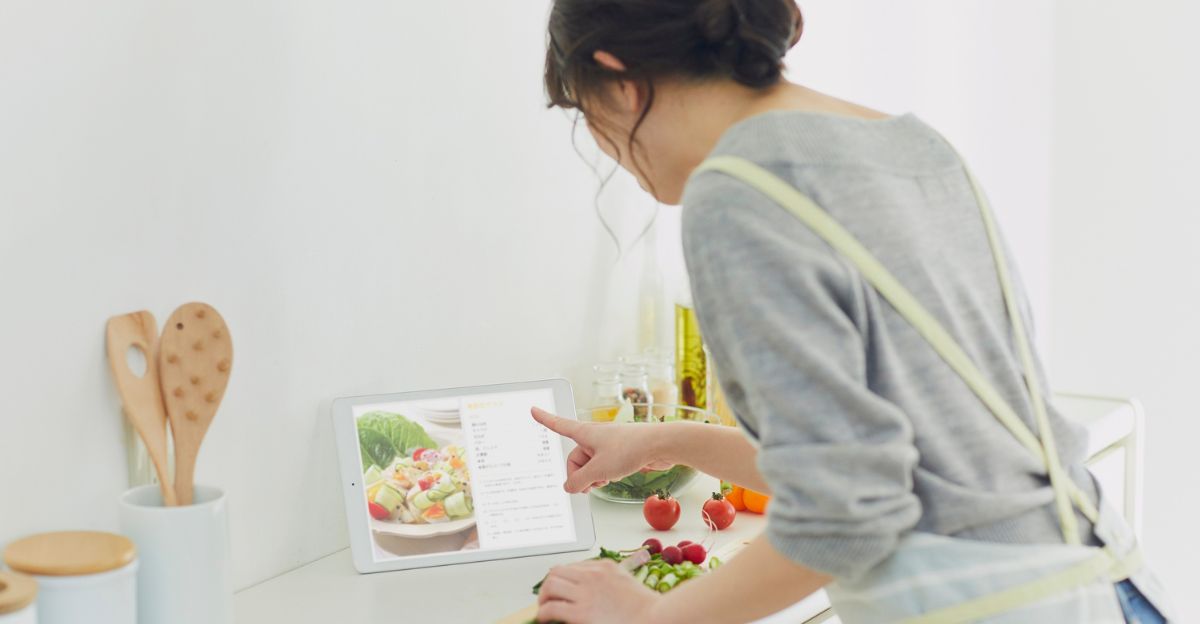
Pew Research finds that younger SNAP recipients increasingly share budget-friendly vegan recipes online. The waiver debate taps into broader generational moves toward wellness and ethical eating, turning grocery aisles into a new cultural battleground.
SNAP’s Nutrition-First Future
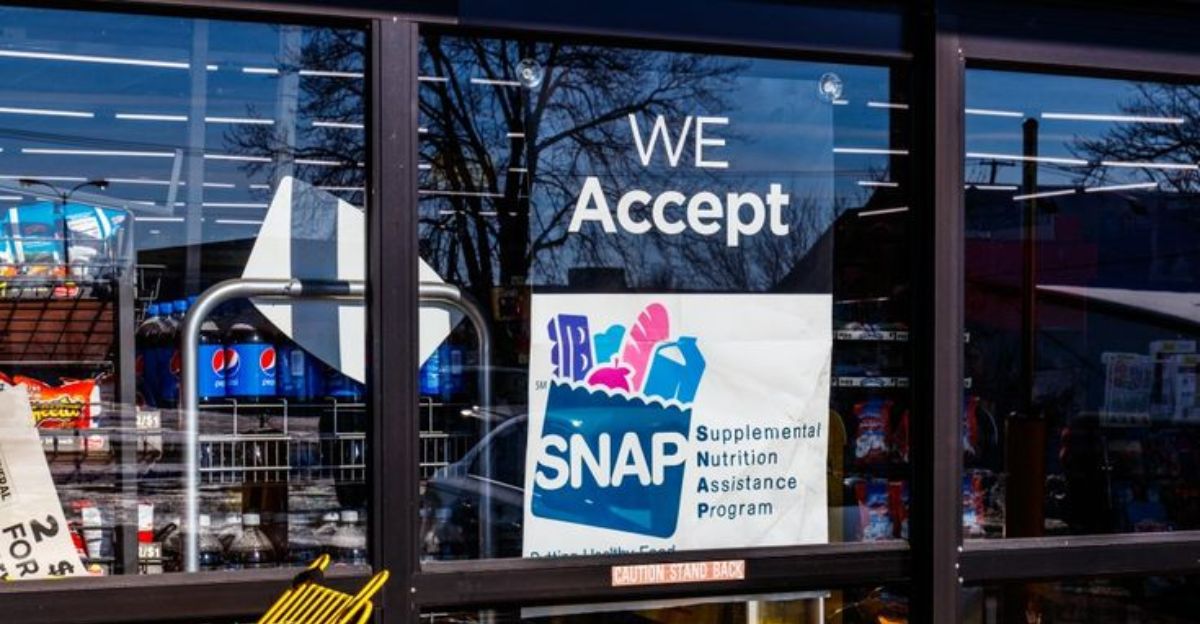
This historic multi-state junk-food ban under SNAP kicks off a nutrition-first era in U.S. welfare. Balancing choice, dignity, and health outcomes will test policymakers as they reshape how America fights hunger and chronic disease.