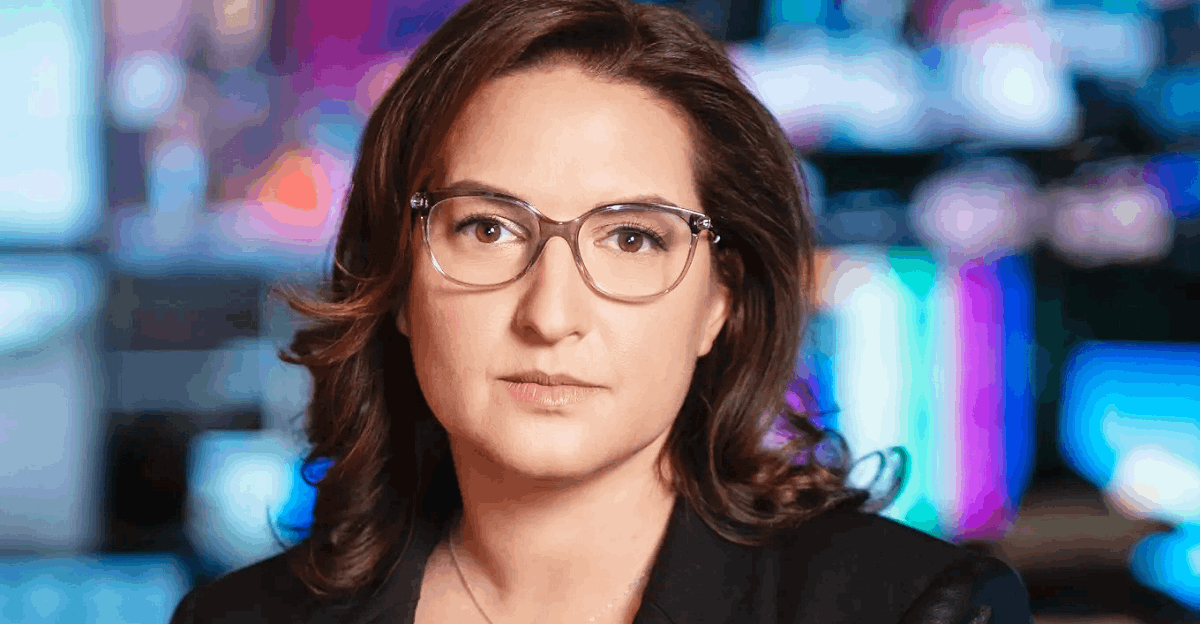
MSNBC is making significant changes to its lineup after its audience dropped by 53% following the 2024 election. The network has canceled several primetime shows, including Joy Reid’s The ReidOut, as many viewers stopped watching after Donald Trump won.
New president Rebecca Kutler announced broad changes to weekday and weekend schedules to stop the ratings slide. These moves are the first steps in a larger overhaul as MSNBC prepares to split from NBCUniversal and become part of a new company called Versant.
Viewer Exodus

MSNBC’s primetime audience fell from 1.34 million before the November election to 661,000 after, a drop of about 51%. Its key 25–54 age group fell even more, by 65%, which hurts ad revenue.
CNN also lost viewers, down about 33%, while Fox News grew and reached roughly 70% of the cable news audience.
Analysts say this happens because viewers often stop watching when their preferred side loses, like fans tuning out after defeating their team.
Corporate Upheaval
Comcast is separating MSNBC and other cable channels into a new company called Versant Media Group because cable news is struggling in today’s fragmented media world.
Versant will include MSNBC, CNBC, USA Network, and E!, bringing in about $7 billion annually. Mark Lazarus, a former NBCUniversal executive, will be its CEO.
The deal, expected to be finished by late 2025, means MSNBC will have to build its reporting operation after long reliance on NBC News, essentially rebuilding parts of its newsroom from scratch.
Industry Context

Cable news is in serious trouble as more people cancel cable and switch to streaming. About 5.04 million traditional pay‑TV subscriptions were lost in 2023, even though streamers have raised prices.
MSNBC’s problems fit this bigger trend: older TV brands struggle to stay relevant when viewers want on‑demand content.
Because MSNBC’s audience spikes around big political moments, it’s hit harder during quiet periods between elections, which leads to shaky ratings and revenue swings that make advertisers nervous.
Programming Purge
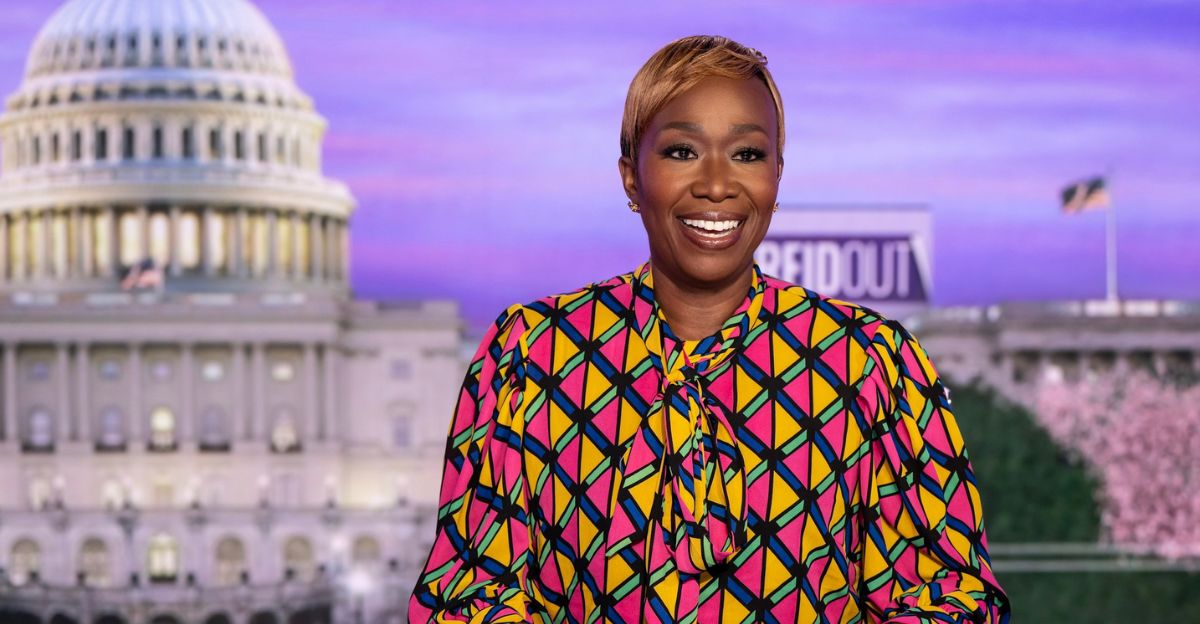
MSNBC dropped at least five shows in February 2025: The ReidOut, Alex Wagner Tonight, The Katie Phang Show, José Díaz-Balart Reports, and Ayman.
Joy Reid’s final episode on February 24 drew about 1.69 million viewers, her best in months, even as the show ended. The network shifted away from solo-host formats and introduced panel-style programming, moving The Weekend hosts Symone Sanders-Townsend, Michael Steele, and Alicia Menendez into a 7 p.m. weekday slot.
Altogether, these moves amount to the network’s biggest lineup shake-up since it launched in 1996.
Regional Impact
MSNBC is consolidating its operations into New York and Washington, D.C., and closing production in Miami, cutting local jobs and reducing its on-air presence in that market.
José Díaz-Balart, who anchored from Miami, will stay with NBC as a weekend Nightly News anchor, and Katie Phang will continue as a legal analyst rather than hosting her show. The Miami shutdown is part of broader cost-cutting and centralization to lower expenses.
It also reduces a national platform tied to a Latino media hub at a time when Hispanic audiences are one of the fastest‑growing segments in U.S. television.
Talent Displacement
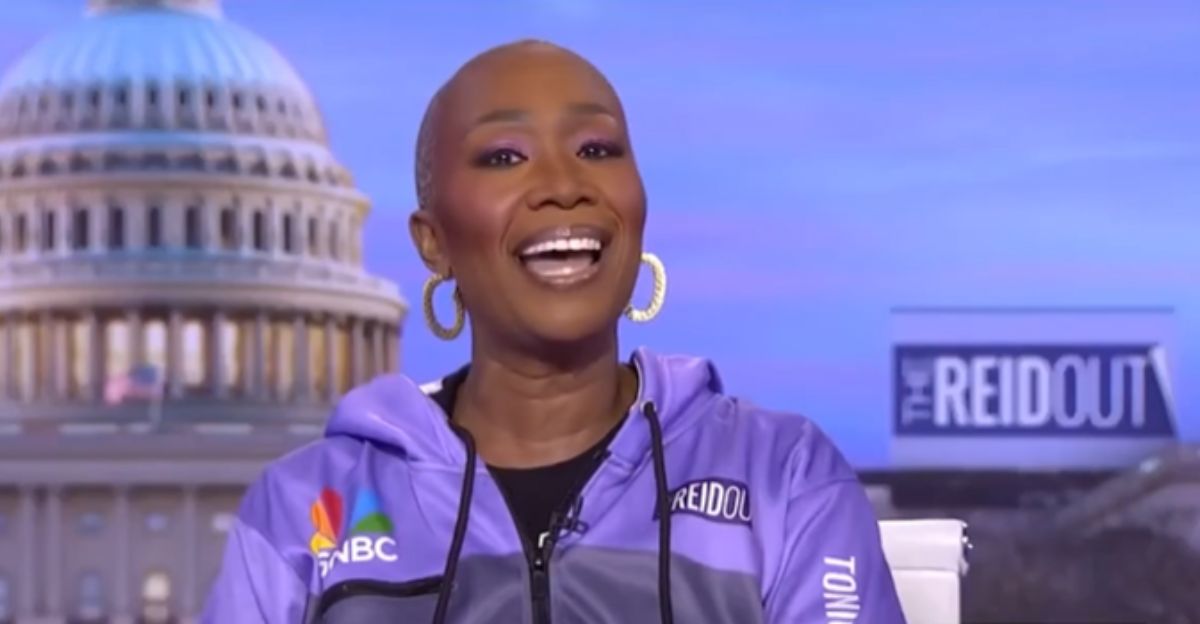
MSNBC’s lineup changes hit hosts of color especially hard. Joy Reid is the highest‑profile Black woman to lose a primetime show in recent cable news memory.
The Asian American Journalists Association said it was “deeply concerned” about the cancellations of Katie Phang and Alex Wagner, two of the few Asian American national news anchors. Rachel Maddow criticized the air moves, saying that on a network with only two nonwhite primetime hosts, both lost their shows.
These shifts come as MSNBC tries to redefine its brand and regain viewers in a highly polarized media environment.
Market Competition
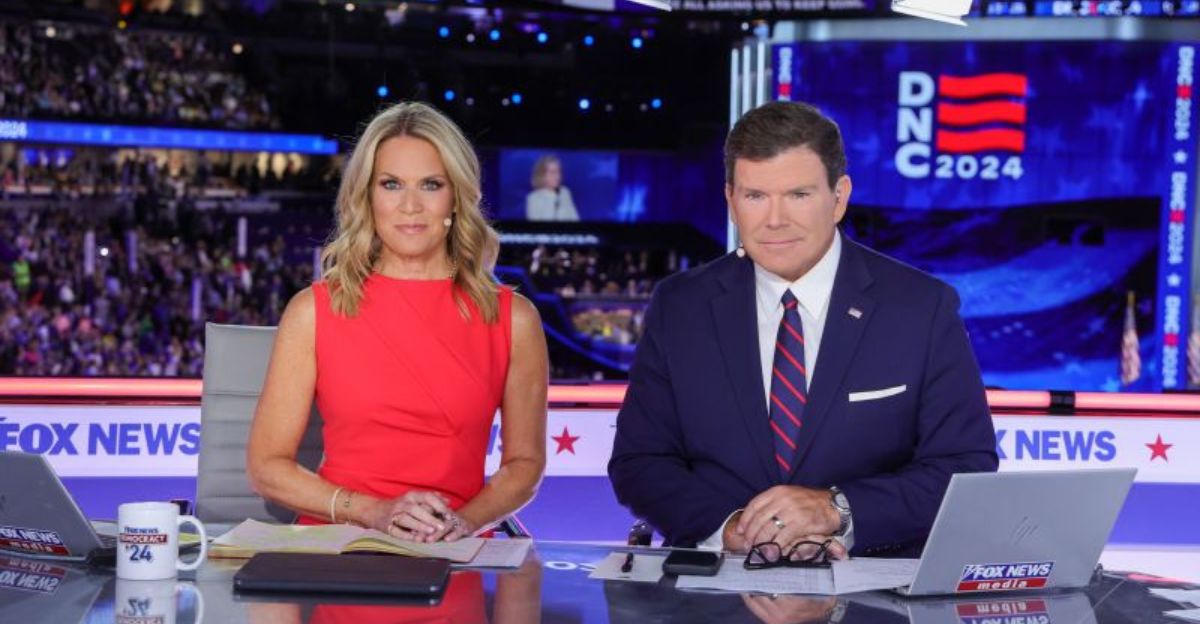
Fox News surged while MSNBC struggled. In Q1 2025, Fox averaged about 3.01 million primetime viewers versus MSNBC’s 1.02 million, its best quarter ever. Fox captured roughly 65% of total cable news viewing, while MSNBC’s audience fell about 18% year over year.
Flagship Fox shows like The Five topped 4 million viewers, far ahead of MSNBC’s strongest hour, The Rachel Maddow Show, at about 1.9 million. That gap puts downward pressure on MSNBC’s ad rates and makes it harder to keep top talent, since weaker ratings can lead to tighter budgets and potential salary cuts for big-name hosts.
Revenue Pressures

MSNBC’s weaker ratings have squeezed ad revenue, and reports say management asked several top anchors to take pay cuts, including Rachel Maddow, Joy Reid, and Stephanie Ruhle. Maddow reportedly agreed to reduce her pay by about $5 million yearly, to roughly $25 million annually on a multi‑year deal.
Ad pressure isn’t unique to MSNBC: more ad dollars are flowing to digital platforms, which drew hundreds of billions in 2025, while cable news’s older-skewing audiences are less attractive to many advertisers. That mix—lower viewership and tougher ad markets—puts additional pressure on talent costs and programming budgets.
Recovery Attempts
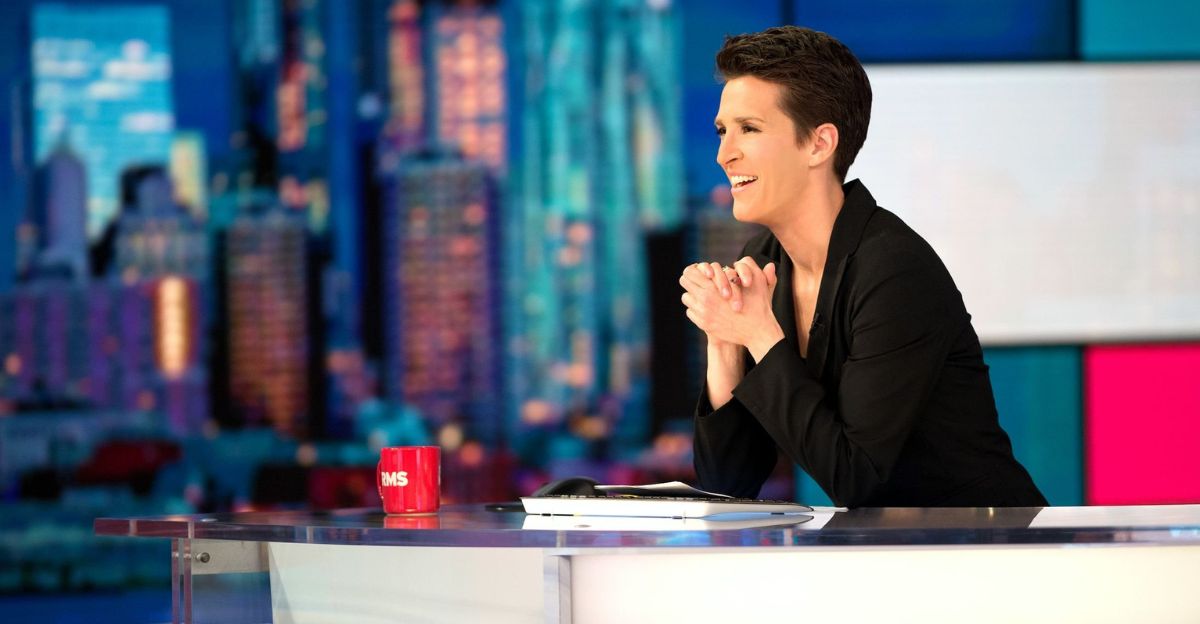
MSNBC received a short-term ratings boost around Trump’s January 2025 inauguration, with primetime viewing nearly doubling compared to pre‑inauguration levels.
The network put Rachel Maddow back on nightly for the first 100 days, averaging around 1.7 million viewers and adding some stability. But the bump faded by May 2025 as audiences returned to pre‑election habits.
The pattern shows MSNBC still relies heavily on Trump‑driven news spikes, which makes sustaining long‑term growth difficult once the immediate news cycle cools.
Leadership Transition

After serving as interim president, Rebecca Kutler became MSNBC’s permanent president in February 2025. She joined MSNBC in 2022 following 12 years at CNN. Her immediate tasks are rebuilding the lineup and preparing for Versant’s spin-off from NBCUniversal, which will require MSNBC to operate more independently.
Her experience with CNN+ and talent management should help her transition. Analysts see her appointment as a sign Comcast still backs MSNBC, but her success will hinge on stopping the audience slide and stabilizing ratings.
Infrastructure Rebuild

After relying on it for decades, MSNBC is building its own Washington, D.C., bureau, separate from NBC News. To support that, it hired Scott Matthews as senior vice president of newsgathering and brought NBC’s Jacob Soboroff on as a full-time correspondent.
It also added Emmy-winning reporter Brandy Zadrozny, a senior enterprise reporter focused on disinformation and political extremism.
These moves are meant to create an in-house reporting operation so that MSNBC can gather news independently while maintaining strong journalistic standards during the transition.
Ownership Questions

Versant will be a separate, publicly traded company, but Comcast CEO Brian Roberts will still keep about one-third of the voting power. Moving MSNBC and other cable channels into Versant takes them off Comcast’s main balance sheet.
After the spin-off was announced, some buyers showed interest, but Versant’s leaders say they’re focused on growth, not selling. The board includes seasoned media executives, with former restaurant chain CEO David Novak as chairman, signaling operational depth beyond TV.
Investors still worry about returns because cable subscription revenue is falling.
Programming Strategy
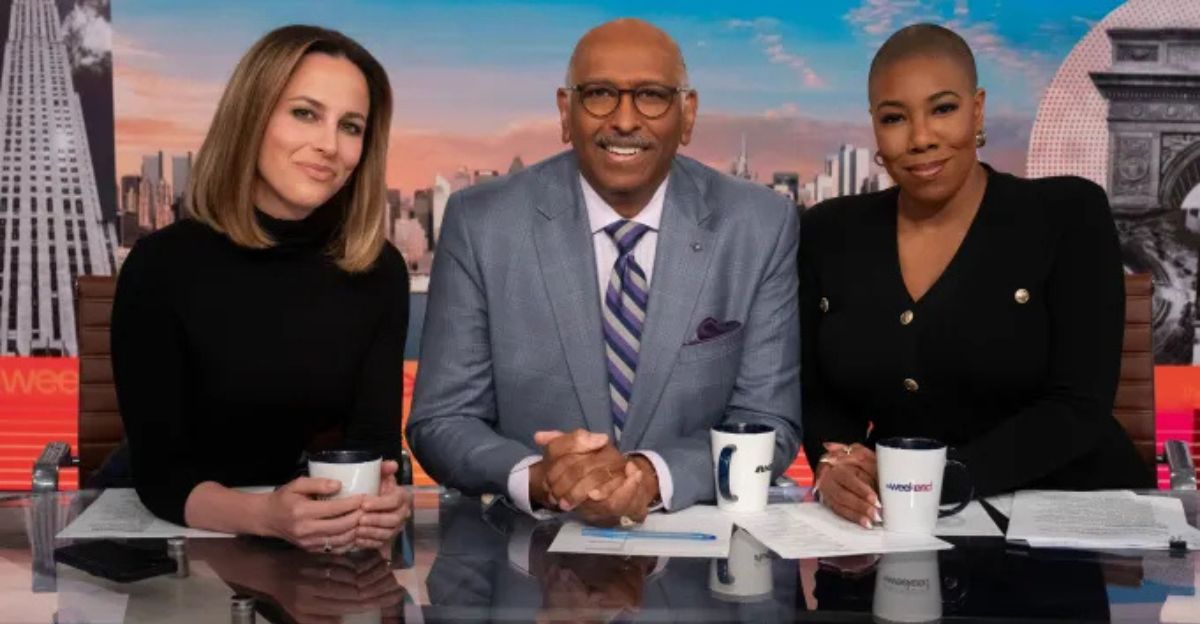
MSNBC is moving from solo-host shows to more panel-style programs to showcase multiple voices, which mirrors a broader industry shift. Early numbers are mixed: The Weeknight with Symone Sanders-Townsend, Michael Steele, and Alicia Menendez has drawn fewer viewers than the shows it replaced, suggesting some pushback to the new format.
At the same time, MSNBC extended Ana Cabrera Reports and Katy Tur Reports to two hours and revamped weekend lineups. The goal is to use current talent and lower costs better, but it’s still unclear whether viewers will embrace these changes over the long term.
Future Challenges
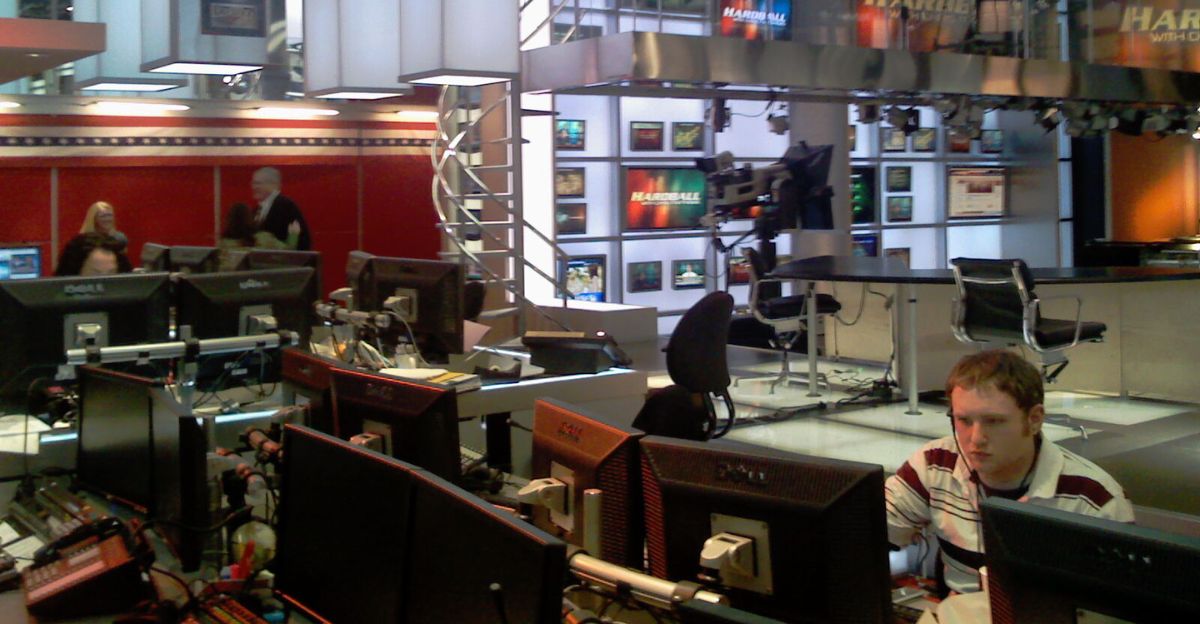
MSNBC faces big tests ahead. It will cover the 2026 midterms while operating more independently from NBC News for the first time. Its left‑leaning audience could splinter further as younger viewers turn to podcasts and alternative digital outlets for progressive news.
Versant’s outlook hinges on keeping cable carriage fees steady while growing direct‑to‑consumer products to counter cord‑cutting. Analysts still see headwinds: traditional cable households are around 37% of U.S. homes today and could drop toward roughly 25% by 2027, which would keep pressure on ratings, revenue, and strategy.
Regulatory Scrutiny

Regulators are getting tougher on big media mergers, which could make it harder for Versant to buy more stations or channels. There’s also a bigger push for diverse ownership so that rules may favor independent outlets over more consolidation.
Congress is reviewing media concentration and could tighten ownership limits, changing how Versant can run and grow its cable properties. At the same time, cable companies face more scrutiny over how they distribute and price channels, adding extra regulatory risk to Versant’s business.
Industry Parallels

Traditional TV and streaming need different strategies, and the industry is adjusting. Warner Bros. Discovery plans to split its streaming and cable businesses, similar to how Versant is being created. CNN is dealing with cuts and schedule changes as its parent tackles debt.
Fox News remains strong, showing that partisan brands can keep loyal audiences even as TV changes. Together, these moves suggest MSNBC’s problems aren’t unique—they’re part of a bigger industry shift—so fixing them will take new ideas, not just shuffling shows.
Social Media Response

Online reaction was intense. Hashtags backing Joy Reid trended after news of her show’s cancellation. Conservative voices framed the moves as proof that audiences are rejecting liberal media. Progressive critics countered that the shake‑up prioritizes profits over diversity and representation.
Social activity around MSNBC spiked during the controversy. Still, it’s uncertain whether that attention converts to steady TV viewing, especially as more people watch short clips on social platforms instead of complete cable broadcasts.
Historical Precedent

There’s precedent for this. In 2015, MSNBC cut back opinion shows for more hard news, and several hosts—including Alex Wagner and Ronan Farrow—left. After Republican wins in 2004 and 2016, MSNBC’s ratings dipped but typically recovered in about 12–18 months.
Fox News has seen similar drops after Democratic victories—around 37% after 2008 and roughly 49% after 2020. History suggests audiences can come back, but today’s shift to streaming and on‑demand viewing may slow or shrink any rebound for traditional cable channels.
Balancing Costs, Credibility, and a Changing Audience

MSNBC’s overhaul isn’t just a reaction to a brief ratings dip—it’s a response to how people now watch news and entertainment. The network has to cut costs without lowering journalistic standards and build its operations to stand independently.
For Versant to thrive, MSNBC must keep its loyal viewers and win younger audiences with stronger digital products and new formats. Ultimately, the question is whether opinion-driven cable news can succeed when viewers have endless alternatives and are less willing to watch at set times.