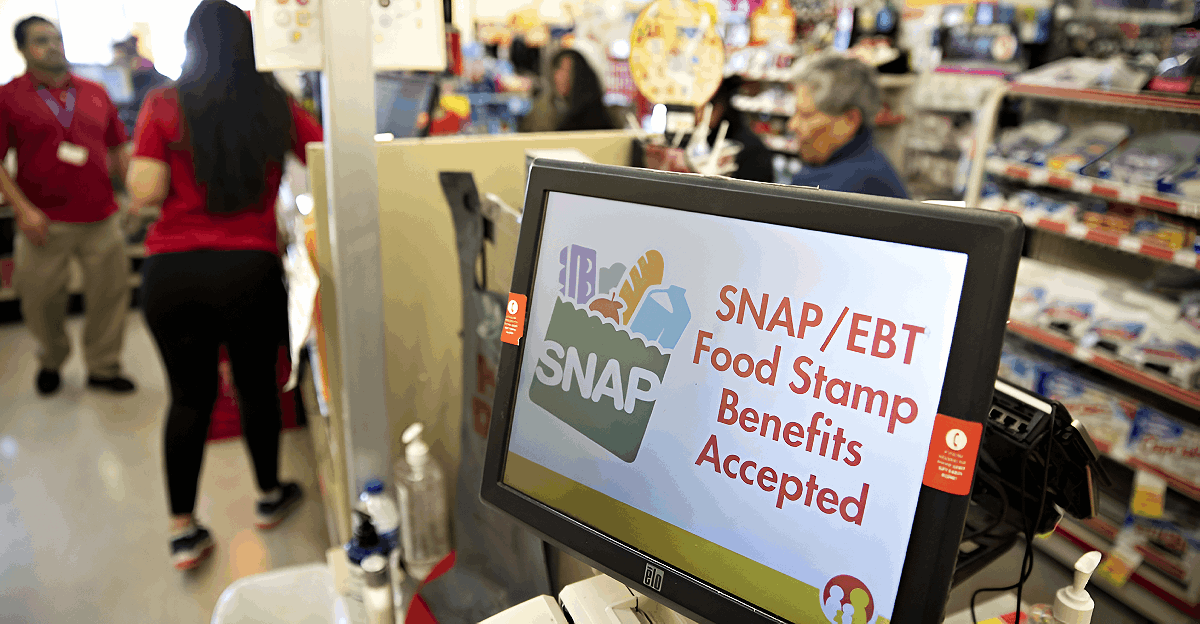
The Supplemental Nutrition Assistance Program currently serves 42 million Americans with benefits averaging $188 monthly per person, this is according to the National Council on Aging. President Trump signed the One Big Beautiful Bill Act on July 4, 2025, creating the most significant changes to SNAP in decades. The Congressional Budget Office projects these changes will affect millions of recipients nationwide.
Food Insecurity Climbs to 13.5% of US Households Despite Existing Safety Net Programs
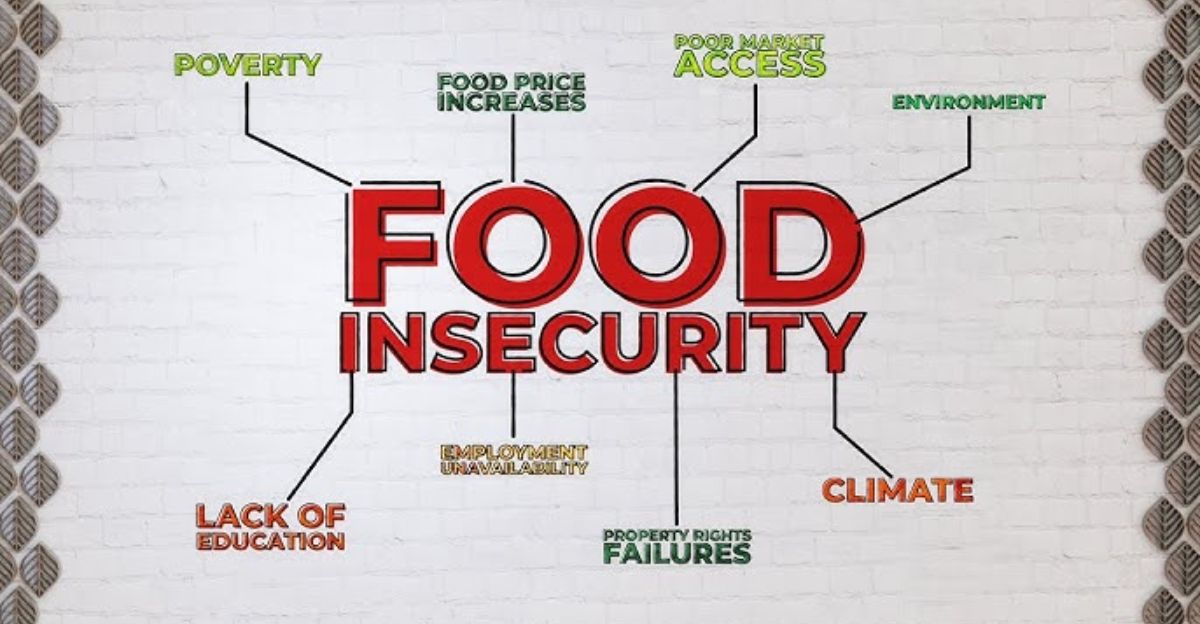
According to the USDA Economic Research Service, food insecurity affects 47.4 million Americans, including 13.8 million children. Rates increased to 13.5 percent of households in 2023 from 12.8 percent the previous year. Arkansas leads the nation with 18.9 percent food insecurity, while New Hampshire reports the lowest rate at 7.4 percent, data from Feed the Children shows.
Six Decades of Federal Policy Created Foundation for Current SNAP Structure

SNAP evolved from 1960s anti-hunger initiatives into America’s most extensive nutrition assistance program. The program provides benefits through Electronic Benefit Transfer cards to households at or below 130 percent of the federal poverty line. Administrative costs have historically been split 50-50 between federal and state governments, with the federal government covering 100 percent of benefit costs, notes the Journalists Resource.
Working Families Comprise 84% of SNAP Recipients as Economic Pressures Mount

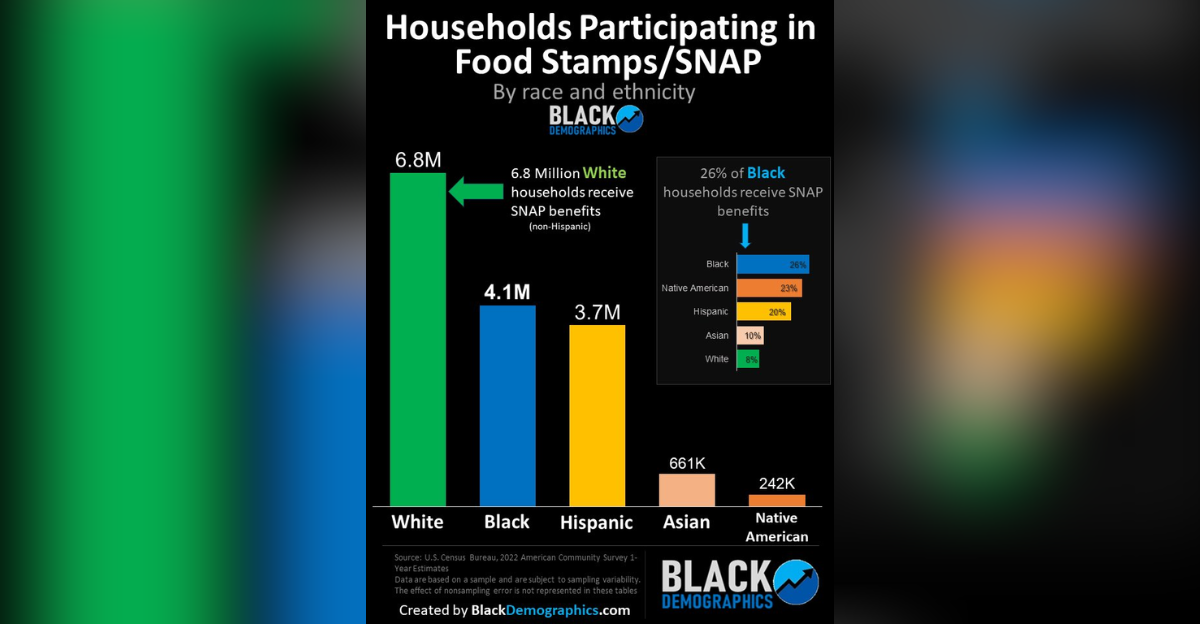
USDA Food and Nutrition Service data reveals that SNAP serves diverse demographics: 39 percent children, 20 percent elderly, and 10 percent individuals with disabilities. Working families represent 84 percent of SNAP households that have employed in the past year. Recent economic pressures intensified demand as pandemic-era emergency allotments ended and grocery prices remained elevated.
Congressional Budget Office Confirms 2.4 Million Will Lose SNAP Benefits Under New Law

The Congressional Budget Office estimates 2.4 million people will lose SNAP benefits entirely due to expanded work requirements in the One Big Beautiful Bill Act. The legislation extends work requirements to adults aged 55-64 and parents with dependent children aged 14 and older for the first time in SNAP history. CNN reports that these changes represent the most significant expansion of work requirements since their introduction in 1996.
States Face New Financial Burden as Error Rates Determine Cost-Sharing Requirements
Beginning in fiscal year 2028, states will pay a portion of SNAP benefit costs for the first time based on their payment error rates. An analysis by Community Solutions states that States with error rates below 6 percent will pay 5 percent of benefit costs, while those with rates of 6-8 percent pay 15 percent. The Congressional Budget Office reports that 42 states currently have error rates above 6 percent.
Food Bank Leaders Warn They Cannot Handle Increased Demand from SNAP Cuts
Feeding America CEO Claire Babineaux-Fotenot stated the legislation “threatens to worsen the crisis, taking away access to food and health care from millions of people, including children, seniors, veterans, and people with disabilities.” Vince Hall from the same organization told Axios that food banks are “stretched literally to the breaking point” and cannot fill gaps if SNAP benefits are reduced or eliminated.
Administrative Cost Burden Shifts from 50-50 Split to 25 Percent Federal Share
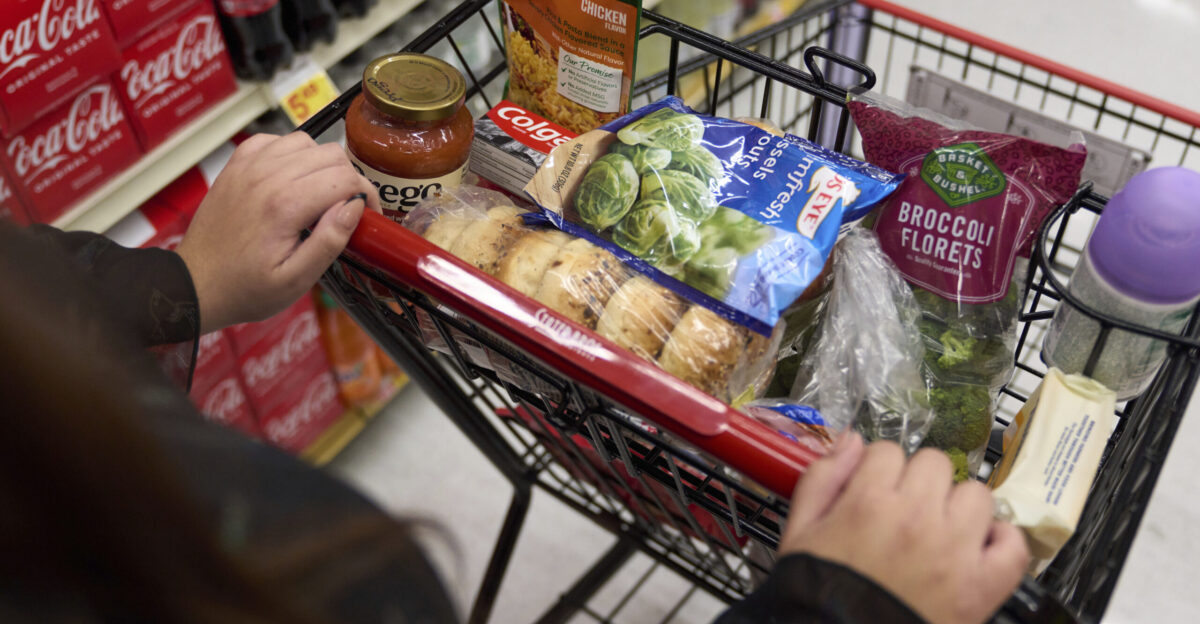
The Conversation reports that the One Big Beautiful Bill Act reduces federal administrative cost sharing from 50 percent to 25 percent beginning in fiscal year 2027. This change will force states to cover 75 percent of administrative expenses, up from the current 50 percent. Wisconsin Public Radio notes states face “millions of dollars” in additional costs with unclear funding mechanisms.
SNAP Cuts Part of Broader $3 Trillion Package Funding Tax Reductions

According to Wikipedia’s analysis of the law, it will add approximately $3 trillion to the national debt while cutting $4.46 trillion in tax revenue over ten years. SNAP reductions help offset tax cuts for higher-income Americans. The Congressional Budget Office projects the law will reduce federal SNAP spending by $255 billion over the 2025-2034 period.
Historic Change Requires States to Fund SNAP Benefits for the First Time Ever

For the first time in SNAP’s history, states must contribute to actual benefit costs rather than just administrative expenses. The CBO estimates this will result in $85 billion in new state spending over ten years, partially offsetting $255 billion in federal reductions. ACNJ reports New Jersey alone needs $100-300 million to implement these requirements or risk eliminating SNAP entirely.
All 23 Democratic Governors Warn Against Dismantling Essential Food Support

Democratic governors sent a unified letter to Congress warning that cost shifts would “effectively dismantle this essential food support,” according to Newsweek. State officials express concern about managing new financial obligations without corresponding revenue sources. Some states may need to raise taxes, cut other programs, or implement barriers that effectively limit program access.
Trump Administration Defends Changes as Restoring Program Integrity

Agriculture Secretary Brooke Rollins stated the bill “holds states accountable for their error rates, strengthens work requirements, and prevents illegal aliens from receiving SNAP,” Wisconsin Public Radio reports. Congressional Republicans argue the legislation encourages workforce participation among able-bodied adults. Trump administration officials frame the changes as efforts to reduce waste and fraud in the assistance program.
Three-Phase Implementation Begins with Work Requirements Through 2028

The rollout occurs in phases: expanded work requirements take effect immediately upon state implementation, administrative cost shifts begin in fiscal year 2027, and state benefit cost-sharing starts in fiscal year 2028. States are developing compliance strategies, including exemption guidance for individuals with physical or mental health challenges, the Urban Institute reports.
Policy Experts Question Whether States Can Implement Changes Successfully
The Center on Budget and Policy Priorities warns that “millions of low-income households could face food insecurity if their states lose SNAP completely,” CNBC reports. Research organizations project particular challenges for young adults aged 18-24, with nearly 3 million current recipients. Some states may choose to reduce benefits, tighten eligibility, or withdraw from the program rather than absorb new costs.
States Must Choose Between Raising Taxes or Limiting Food Program Access
Implementation success depends mainly on states’ ability to improve error rates and generate revenue for new obligations. The changes test the sustainability of the federal-state partnership model that has governed nutrition assistance programs for decades. Some analysts predict states may implement administrative barriers that discourage applications rather than directly absorb costs.
SNAP Changes Could Influence 2026 Midterm Elections in High-Participation States

The legislation reflects Republican priorities of reducing federal spending while shifting costs to states, potentially creating tensions between federal mandates and state budgets. Democratic governors in affected states face difficult choices between raising taxes and reducing services. NBC News reports the changes could significantly influence the 2026 midterm elections, particularly in states with high SNAP participation rates.
US Nutrition Cuts Contrast with Rising Global Food Insecurity Crisis

While the United States reduces nutrition assistance, the UN Food and Agriculture Organization reports increasing worldwide hunger due to conflicts, climate change, and economic instability. International observers note the contrast between American food aid reductions and escalating global humanitarian needs. The timing highlights different approaches to addressing food insecurity domestically versus internationally.
Legal Challenges Expected Over Implementation Timelines and Data Requirements

Several states are preparing legal challenges to federal mandates, arguing that these laws violate state sovereignty principles. The American Civil Liberties Union and food advocacy organizations monitor potential discrimination issues related to expanded work requirements. Kiplinger reports that court challenges could delay implementation while creating regulatory uncertainty for states and recipients.
Generational Divide Emerges Over Government’s Role in Fighting Hunger
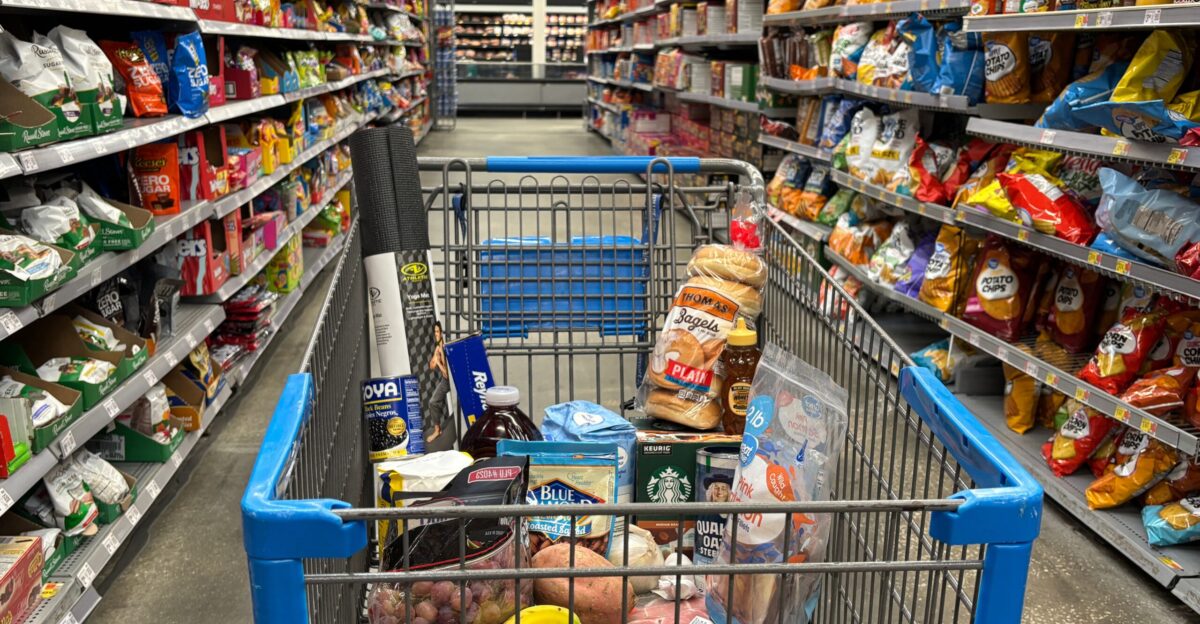
The legislation reflects changing American attitudes toward government assistance, emphasizing work requirements and personal responsibility over universal nutrition access. Generational differences appear in policy support, with younger Americans more likely to support expanded safety nets while older demographics favor work-based models. These changes may reshape perceptions of the government’s role in addressing basic needs.
SNAP Overhaul Tests America’s Six-Decade Commitment to Fighting Hunger
The restructuring represents more than budget policy—it signals a fundamental shift in America’s approach to combating hunger and poverty. Success or failure in implementing changes without increasing food insecurity will test the federal safety net system’s resilience. The outcome may determine whether America maintains its commitment to nutrition assistance or transfers primary responsibility to state governments and private organizations.