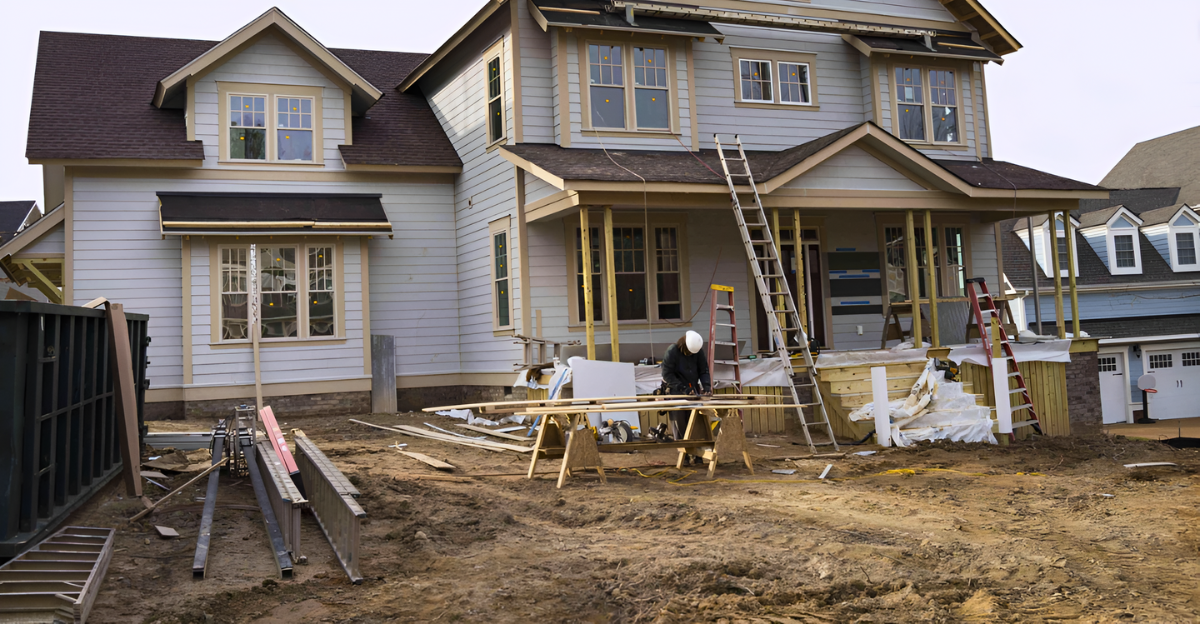
In February 2012, Warren Buffett surprised many investors by saying that buying single-family homes was one of the best investments you could make. Buffett, who usually avoids real estate, told CNBC that he would buy hundreds of thousands of homes if it were easy to maintain them.
At that time, the housing market was still struggling after the 2008 crash.
Mortgage rates were also very low, around 3.5%, which made buying these homes a great deal for investors who wanted to purchase homes that needed fixing.
Why the Market Was So Bad

The housing market in 2012 was still hurting badly after the worst crash since the Great Depression. Millions of people in America lost their homes because they couldn’t pay for them, and in 2011, banks started to take back over 2.3 million homes.
House prices dropped by almost 30% from their highest point in 2006, which meant 11 million homeowners owed more on their mortgages than their homes were worth.
This led to the sale of many cheap dwellings, an excellent opportunity for investors like Buffett.
Getting a Home Loan Was Tough

After the subprime crisis, getting a mortgage became almost impossible. Banks set strict rules and wanted buyers to pay more upfront and have perfect credit.
Because of this, many more people were turned down for home loans compared to before the crisis, even though homes were selling for low prices. With so many people unable to buy, many families had to rent instead, making rental homes much more popular.
Big companies mostly avoided purchasing regular houses to rent because they thought owning and managing lots of separate homes was too complicated compared to running apartment buildings or business properties.
Cheap Loans Made Investing Easier

After the 2008 crisis, the Federal Reserve sharply lowered interest rates to almost zero, making it very cheap for people to borrow money to buy homes. By 2012, 30-year mortgage rates had dropped to about 3.5%, much lower than the usual average of 7-8%.
Because savings accounts and government bonds paid little, people who wanted to invest could borrow at 3.5% and buy homes that could earn between 8% and 12% in rental income.
The Federal Reserve planned to keep rates low for a long time, making it even better for real estate investors who wanted to take advantage of these easy and cheap loans.
How Buffett’s Plan Worked

Buffett’s central idea was easy to understand: buy cheap homes using 30-year loans. He said houses selling for less than it costs to build, which could be rented out for 10–15% returns, were among the best investments available.
The plan was to buy homes at bank sales or auctions, fix them with limited money, and rent them to people who couldn’t get loans. Buffett liked using 30-year loans because if interest rates dropped, investors could refinance, but if rates went up, they still paid the lower amount.
Best Deals Were in the Hardest-Hit Cities
The chance to invest in real estate was very different depending on where you looked, and places hit hardest by the housing crash gave investors the best deals.
In Phoenix, some homes sold for $50,000 even though building them new would take $150,000. In Las Vegas, buyers could get foreclosed houses for much less than their original value and rent them out for $1,200 a month. Florida had empty neighborhoods where big groups of houses were sold cheaply. In California’s Inland Empire, smaller investors could buy homes to fix and sell for less than $100,000.
These places shared huge drops in house prices, many foreclosed homes, and strong demand from people needing somewhere to rent.
How Regular People Were Affected

Millions of American families had their lives changed by the housing crash. People who lost their homes were now renting instead, and sometimes they paid more for rent than they did for their old mortgages.
Young people who wanted to buy homes couldn’t qualify for loans, so they had to keep renting. Older homeowners whose kids had moved out sold their homes for less than they owed and moved to rentals to avoid significant losses.
This helped investors who owned and rented out houses earn steady money if they offered good places to live.
Big Companies Got Interested

When Buffett supported single-family rentals, it helped big companies and investment funds see them as a smart place to put money. Large firms like Blackstone created huge funds to buy thousands of homes, while others like Colony Capital and American Homes 4 Rent did the same.
These companies brought professional management, could buy lots of homes at once, and had access to significant amounts of money that small investors didn’t. However, when these big companies started buying, prices in those markets increased, making it harder for smaller buyers to find good deals.
Because of this, renting single-family homes changed from being run by small landlords to large companies.
Why the Numbers Made Sense

Buffett liked these investments because investors could buy a house that used to be worth $200,000 for only $120,000, spend $20,000 fixing it, and then rent it out for $1,600 each month.
That means they could earn almost 14% a year from rent, much better than most stocks or bonds pay. With a 30-year loan at just 3.5% interest, buyers could borrow most of the money to buy the house, making their profit even higher.
In these troubled markets, rent prices were higher than home prices, showing these houses were a great bargain.
Why 30-Year Mortgages Were So Good

Buffett’s brilliant move was using 30-year fixed-rate mortgages, which he called “a one-way bet” for buyers. Unlike adjustable-rate mortgages that could go up and hurt homeowners, a fixed-rate loan keeps payments the same for 30 years, even if interest rates rise.
Buffett said this was like “shorting the dollar,” because you borrow money that loses value over time to buy homes that go up in value.
In short, these special loans made real estate an excellent deal for savvy investors, at least while rates were so low.
Why It’s Hard to Manage a Lot of Houses

Even though the profits looked good, Buffett admitted running single-family rentals was very tough. You have to deal with tenants individually, keep up with repairs, and handle empty houses, which is more complex than managing apartment buildings.
It’s tough to find trustworthy workers, keep repair costs down, and deal with people moving in and out. Managing a thousand houses scattered around is much more complicated than running a big apartment building with a thousand units in the same place.
Because it’s so difficult, most big investors stayed away, leaving room for smaller investors who didn’t mind the hard work.
How the Market Bounced Back
2012 real estate started to bounce back because more investors were buying homes. By the end of the year, almost half of all home sales were of houses that were in trouble, like foreclosures.
After five years of falling prices, places like Phoenix saw home values increase 23% in one year, as big investors bought in.
Since more homes were bought from banks or at foreclosure sales and fewer homes were being built, the extra supply that had piled up after 2008 started to disappear. Still, some states like Florida and New Jersey, where foreclosures take longer in court, faced enormous backlogs of unsold homes, and clearing these would take years.
From Owning to Renting

The number of people who owned homes dropped from 69% in 2006 to about 65% in 2012, the most significant drop in years.
This wasn’t just a temporary change; renting became popular in cities and suburban neighborhoods with single-family houses.
New types of rental companies started up, managing and renting lots of homes for big investors, making the rental business much more professional than it had been before.
Signs of Recovery

By the end of 2012, the housing market showed real signs of improvement, just as Buffett had predicted.
There were fewer foreclosures than ever since 2007, and building permits for new homes were rising from very low levels. More people were applying for mortgages to buy homes, up 11% compared to the previous year, which meant buyers felt hopeful again.
All these changes showed that the market was recovering, and those who bought homes at the worst time were beginning to benefit.
Big Ideas for Future Investing

When Buffett supported investing in real estate, it showed bigger ideas about how money and markets might work for years.
His plan was based on a few central beliefs: that the U.S. housing market would recover, the dollar’s value would go down because more money was printed, and savvy investors could use borrowed money to make bigger profits, especially when prices were low.
He also expected that government and Federal Reserve policies would continue to help home and stock prices increase, making real estate and stocks better investments than bonds or cash.
What the Government Did

When the housing crisis occurred, government groups started new programs to turn foreclosed homes into rentals. In 2012, the Federal Housing Finance Agency tried out a plan to sell 2,500 Fannie Mae homes in bulk to big investors instead of just promoting homeownership.
The pilot program worked well, so the government kept expanding these efforts, making it possible for thousands of foreclosed homes to be sold to private investors.
These changes made Buffett’s investment idea possible and let large investors build big groups of rental houses.
How the Rental Business Changed
Large apartment companies started buying regular houses spread across different areas, and new companies like American Homes 4 Rent raised money to purchase these types of homes. Tech companies made special software to help manage many houses in different places, making things easier and more organized.
Wall Street also got involved by creating new types of investments linked to rental income from these homes, turning what used to be a small, local business into a vast, professional industry.
This helped fix the problem of managing lots of houses and made it easier for big companies to rent out thousands of homes.
Controversy When Big Companies Buy Homes

When big companies started buying homes to rent out, the story made headlines and stirred up much debate. Critics said big Wall Street investors were making it harder for regular families to buy homes.
Social media helped spread worries that corporations were taking over, lowering homeownership rates, and changing neighborhoods. However, data shows that these companies mainly bought homes already in foreclosure or that people didn’t want, which helped stop neighborhoods from falling apart and could even help the community.
Still, many people saw the situation differently from the data, leading to political discussions about housing rules.
How Buffett’s Investments Fit the Pattern

Buffett’s decision to invest in the housing market was like his other wise choices: he bought great investments when most people were afraid.
In the past, Buffett made big bets on Goldman Sachs during the 2008 financial crisis, bought IBM when tech stocks had a bad reputation, and got into railroads when the economy was weak.
These deals shared a few things: buying good assets that were temporarily undervalued, having support from government policy, and taking advantage of bigger trends like shifting population.
History shows that Buffett earned his best profits by investing during tough times, when prices were lower than what things were worth.
The Main Lesson
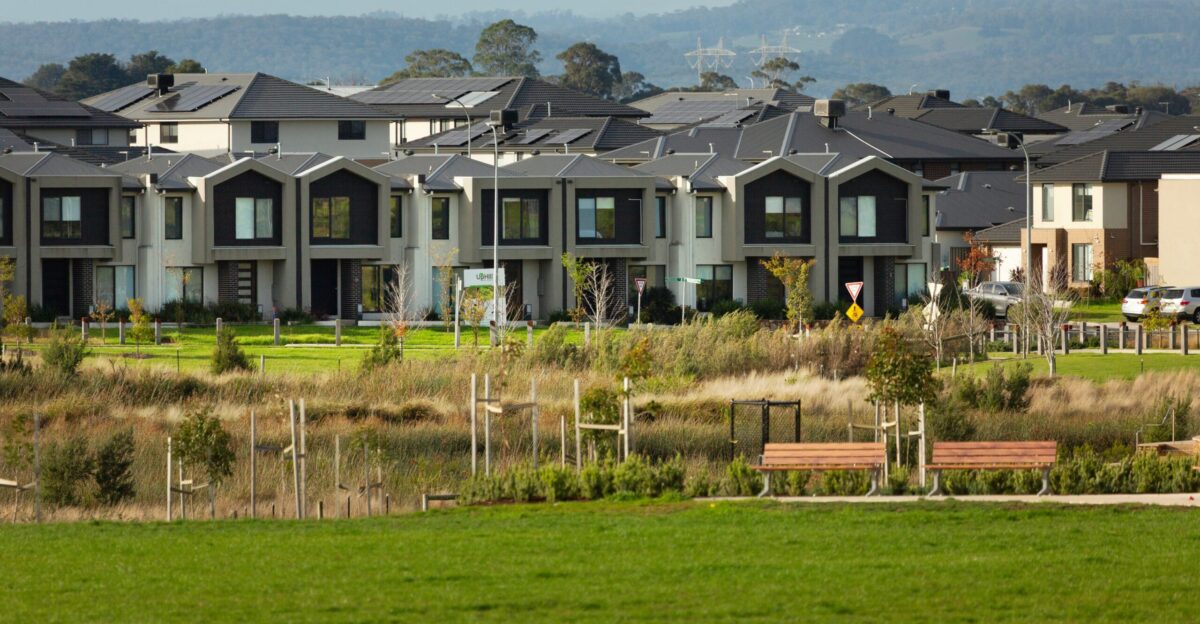
Warren Buffett’s advice about buying homes in 2012 was accurate, and people who listened made a lot of money.
Home prices returned to normal by 2013 and 2014, and rental homes gave steady income during the recovery. Renting out single-family homes became a big business, with companies handling hundreds of billions of dollars’ worth of houses each year.
Now, the housing market is much more expensive and competitive, with higher interest rates and less room for easy profits.