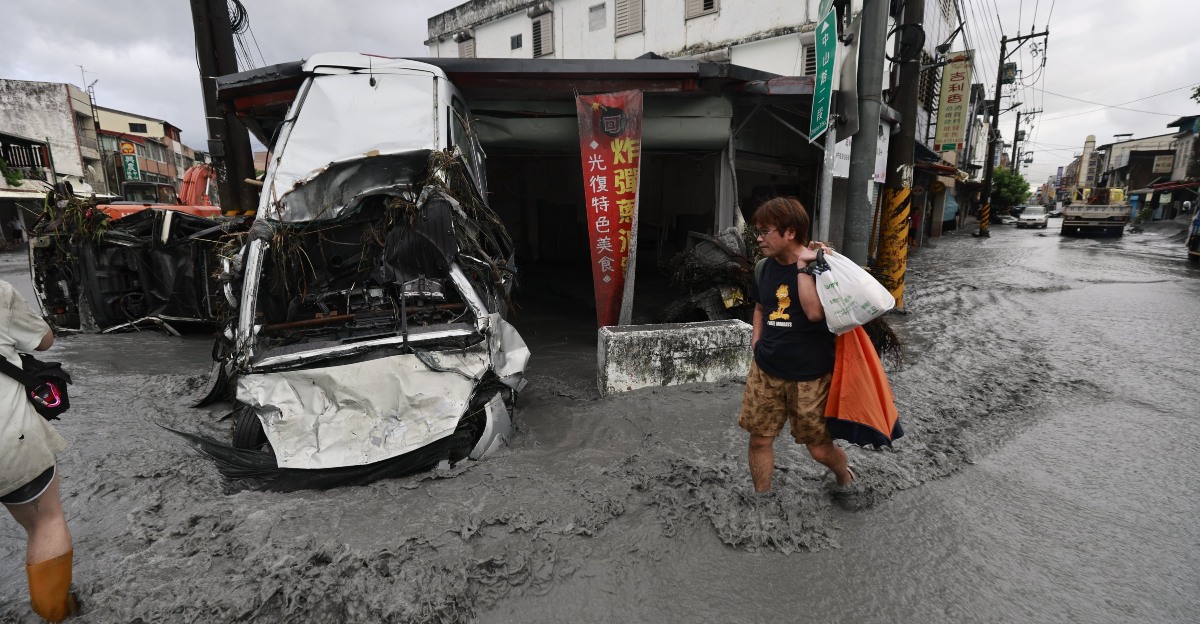
On September 23, 2025, as Typhoon Ragasa drew closer, Chinese authorities announced one of the largest peacetime evacuations in modern history.
Over 1.89 million people living in coastal areas of Guangdong Province were told to pack their bags and leave.
The reason for this massive order was simple: Ragasa had grown into the world’s most powerful storm of the year, threatening the lives of millions living near the sea.
More than 38,000 emergency responders were sent to help people get to safety. Drones scanned damaged roads and waterways for stranded motorists, and local officials distributed 60,000 emergency supply kits.
These included tents, food, bedding, and first aid supplies for families forced to seek shelter.
Guangdong Locks Down

Guangdong Province is famously called the “world’s factory”, a region producing electronics, clothes, toys, and countless goods shipped around the planet. When word came that Typhoon Ragasa was coming, more than ten cities announced total industrial shutdowns.
Entire supply chains stopped as factories halted work, ports suspended shipping, and all public transit systems closed.
Just across the water, Hong Kong shut down its iconic bridges and ordered more than 529 flights grounded in a single day.
This industrial pause temporarily put millions out of work and sent global manufacturers scrambling to adjust. As a result, toys, gadgets, and computers expected for the holiday season might arrive late.
Ragasa Breaks 2025’s Weather Record
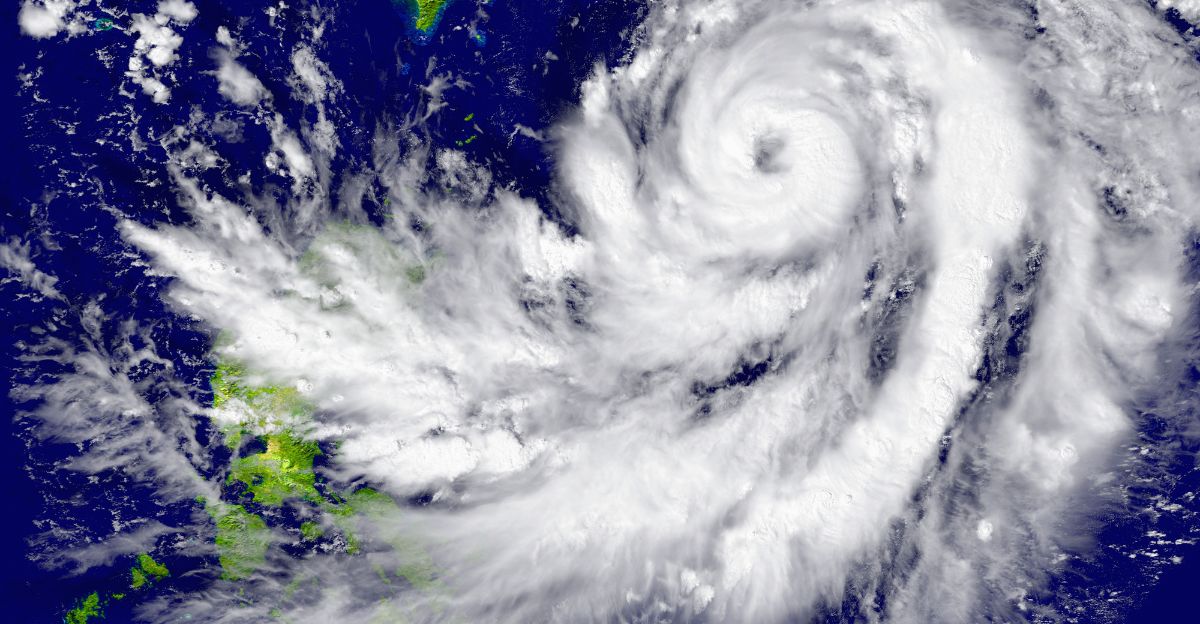
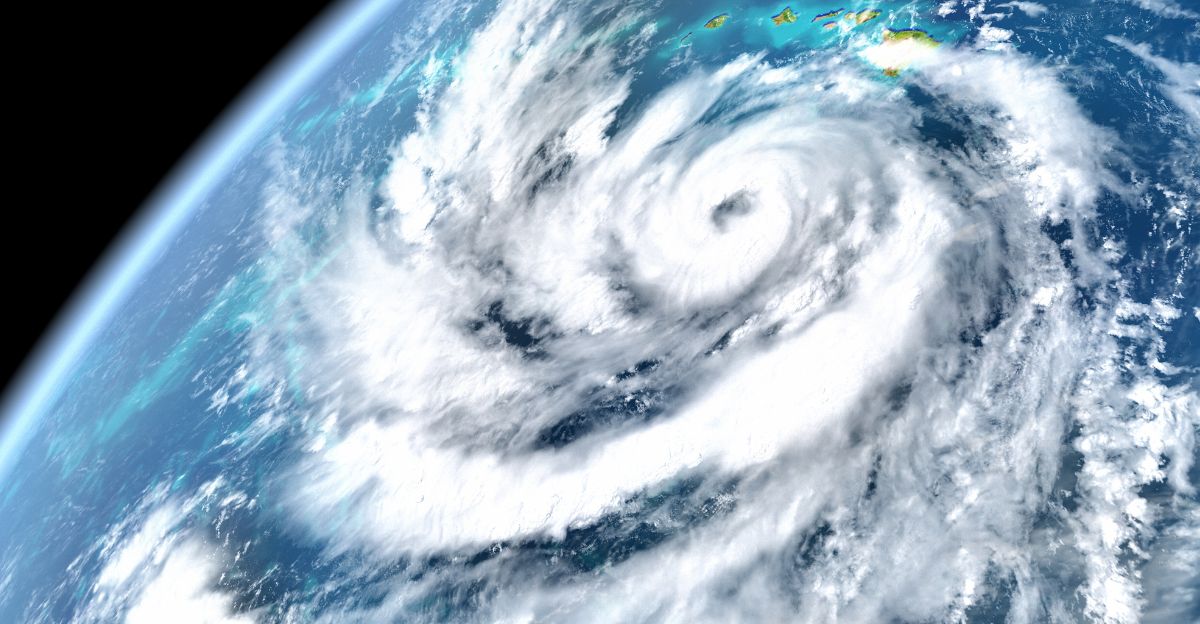
Meteorologists in China, Hong Kong, and worldwide were stunned by Ragasa’s ferocity. The storm achieved peak sustained winds of 270 kph, with even higher gusts at the eye wall, making it the fastest and most powerful tropical cyclone anywhere on Earth in 2025.
Satellite images showed Ragasa’s eye spanning over 50 kilometers and hurricane-force winds stretching hundreds of kilometers beyond, marking it as a truly exceptional weather event.
Ragasa’s power built up fast. Only hours before, it was a tropical storm. But thanks to warm seas and favorable winds, it exploded into a “super typhoon,” a term reserved for only the most intense Pacific tempests.
Ragasa’s Path of Devastation
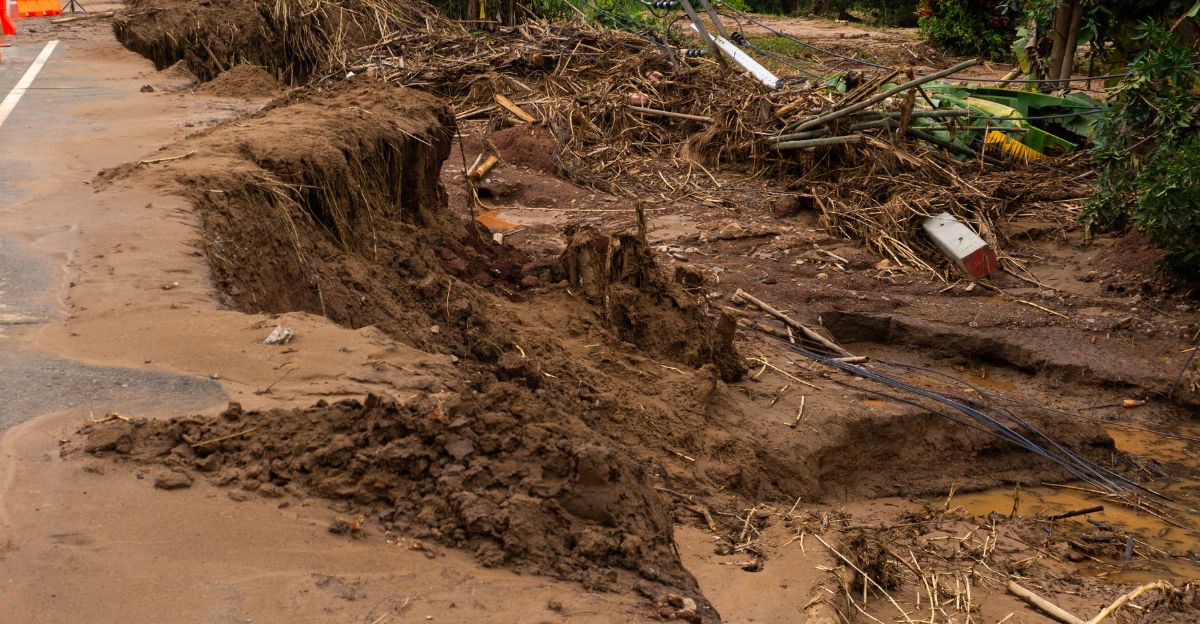
Before Ragasa ever reached China, it wreaked havoc throughout Southeast Asia. In the Philippines, heavy rain and lashing winds triggered deadly landslides in Benguet Province and capsized fishing boats off the coast of Cagayan.
A total of 27 lives were lost there and in Taiwan, where survivors fled as debris-filled floodwaters swept through entire villages.
Taiwan’s mountainous Hualien County saw disaster unfold when a makeshift lake, created by landslide debris, burst.
This unleashed 60 million tons of water downstream, destroying bridges, homes, and cars, and forcing thousands to seek higher ground or race to makeshift shelters desperately.
When Ragasa Hit China
Shortly after 5:00 PM on September 24, Typhoon Ragasa crashed ashore on Hailing Island, just west of the vast city of Yangjiang. The storm’s core was still packing winds of 144 kph, with gusts much more substantial, even enough to bend streetlights and send dangerous projectiles flying.
Meteorologists measured pressures nearing record lows for the region, indicating how explosive Ragasa remained even after landfall.
Heavy rain and hurricane-force winds battered downtown streets.
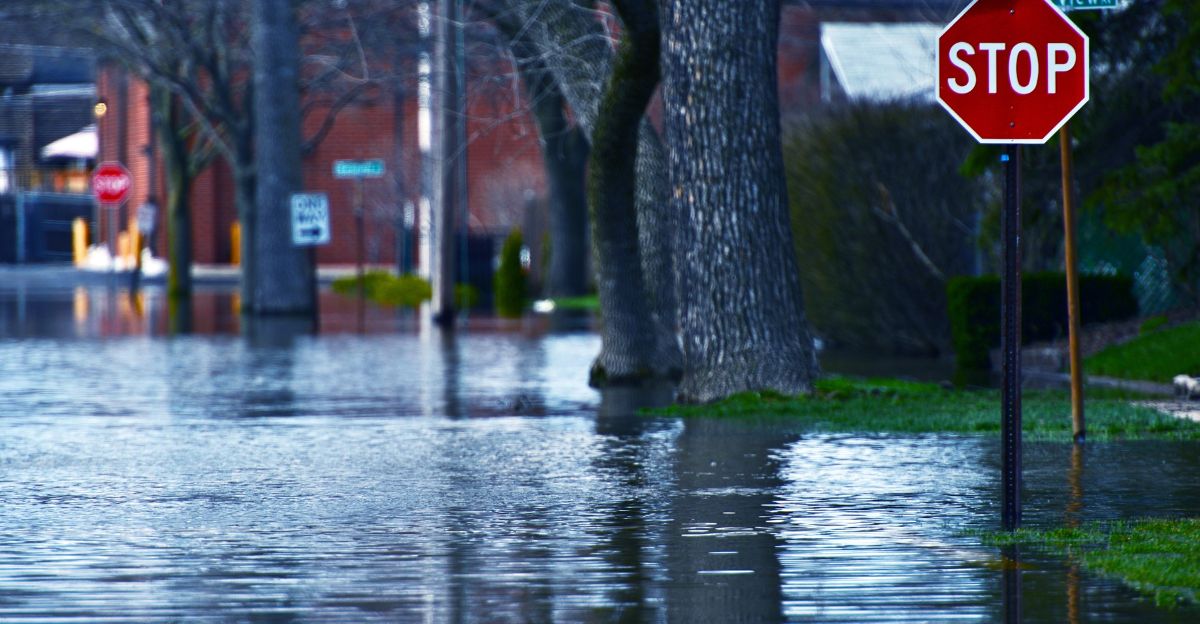
The gales tossed advertising boards, rooftops, and even large trees about. Unfortunately, the storm arrived during high tide, forcing seawater far inland and flooding low-lying neighborhoods.
Emergency phones stayed busy as people reported damage, blocked roads, and collapsed buildings throughout the area.
Hong Kong’s Test
Hong Kong is just about 62 miles from Ragasa’s path and is facing some of its worst weather in years.
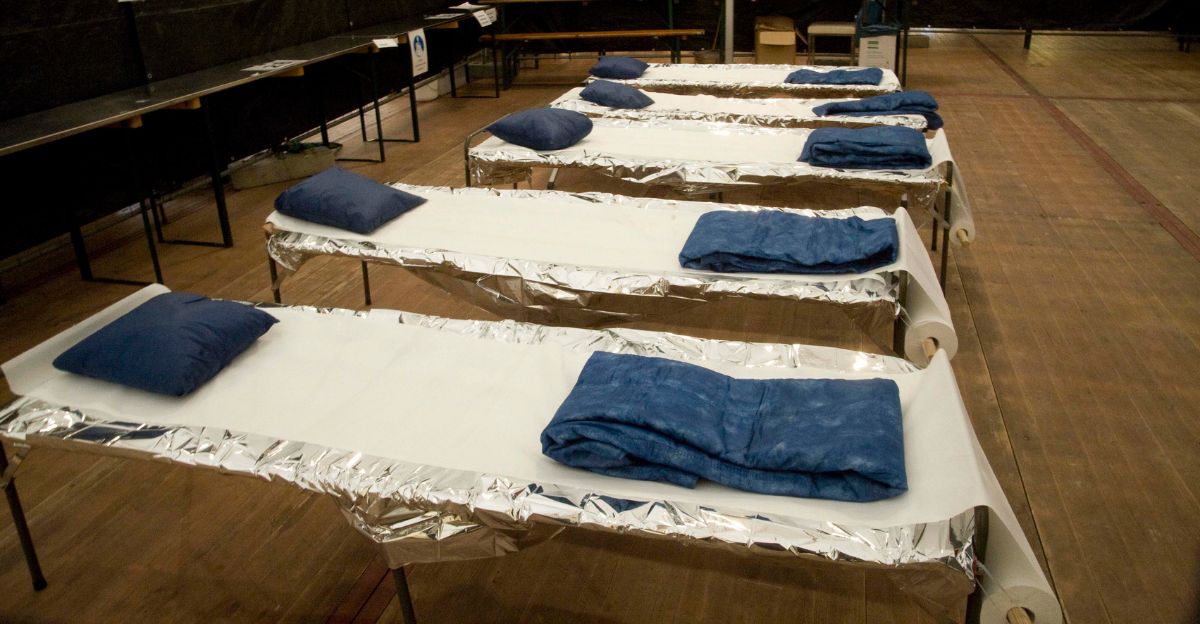
Winds over 100 kph battered the city, injuring at least 90 people and forcing more than 860 residents to seek emergency shelter.
Hospitals cared for people injured by falling debris, glass shards, or accidents caused by strong winds.
One viral video showed ocean waves smashing straight through the glass lobby of the famous Fullerton Ocean Park Hotel, flooding the hotel’s ground floor and sending guests running for their lives.
Rescue workers were called to dozens of emergencies, including to save a mother and young child swept into dangerous surf while wave-watching.
Macau Closes for Safety

Typhoon Ragasa hit Macau, the world’s gambling capital, so hard that all casinos were closed for only the fifth time. Gaming operations were suspended for a record 33 hours.
Analysts estimate the shutdown cost the industry around $186 million. Tens of thousands of casino staff and guests sheltered inside towers as bus lines, bridges, and ferries between Macau, Hong Kong, and the mainland all stopped.
This rare economic pause highlighted how even the world’s richest gambling destination is at the mercy of powerful storms.
No Planes for 36 Hours
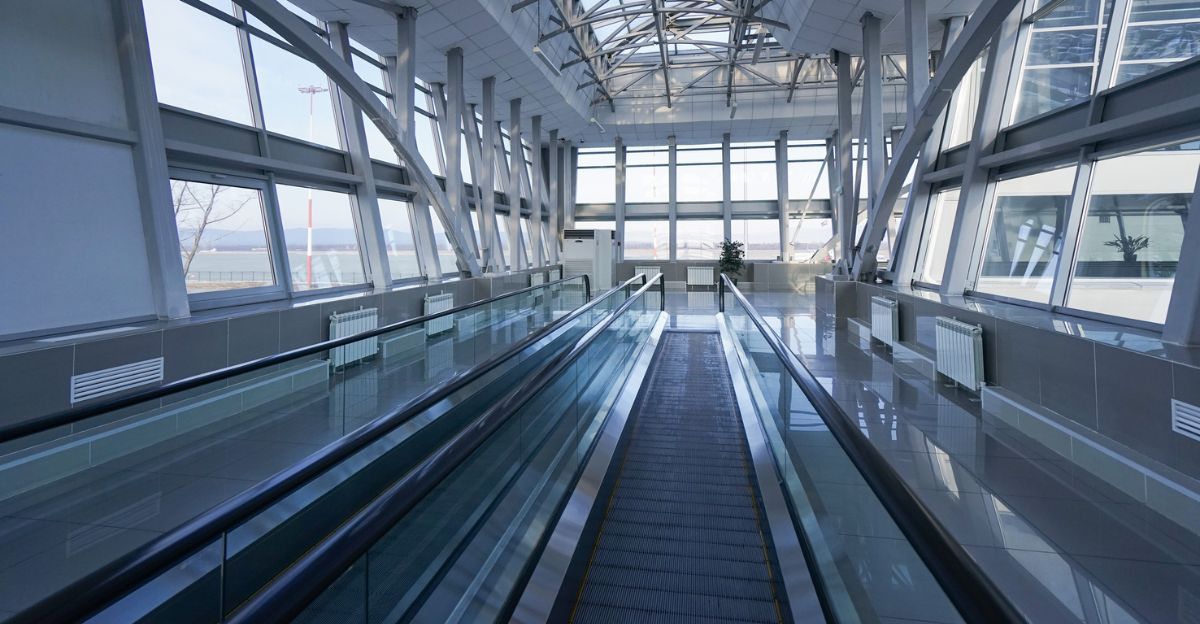
One of Ragasa’s most significant effects was not just at sea or on land but also in the air. Hong Kong International Airport was closed for 36 hours.
Over 1,000 flights were cancelled or rerouted, stranding 140,000 passengers and creating a cascade of travel delays worldwide.
Airlines evacuated most of their planes to safer airports in Asia and Australia. Flight cancellations affected tourists, significant business shipments, perishable goods, and essential connections for the global economy.
With so much modern commerce moving quickly by air, even a day-long shutdown created knock-on effects across the supply chain.
Stronger Typhoons in a Warmer World
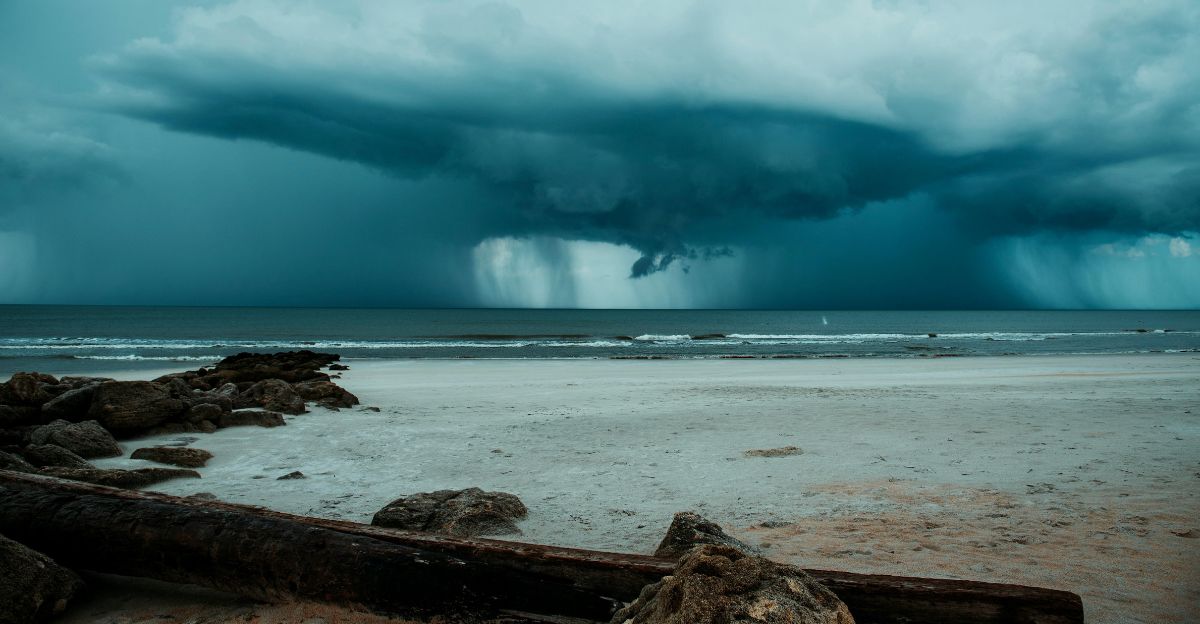
Ragasa’s rapid leap from ordinary storm to catastrophic super typhoon fits scientific predictions about climate change’s effect on the world’s weather.
Ocean waters near Asia have warmed by about 3.47°F over the past century, which fuels stronger, faster-cycling storms.
Weather experts say the Pacific now sees more Category 4 and 5 super typhoons than ever, and patterns show storms are rapidly intensifying much more often.
Events like Ragasa, which went from mild to deadly in mere hours, mean less time for authorities and families to prepare, increasing risk for coastal regions everywhere.
As one scientist commented, “The margin for error is shrinking.”
World’s Largest Emergency Response
China’s central government provided $21 million in emergency relief, mobilized the military, and elevated the nation’s emergency services to the highest level.
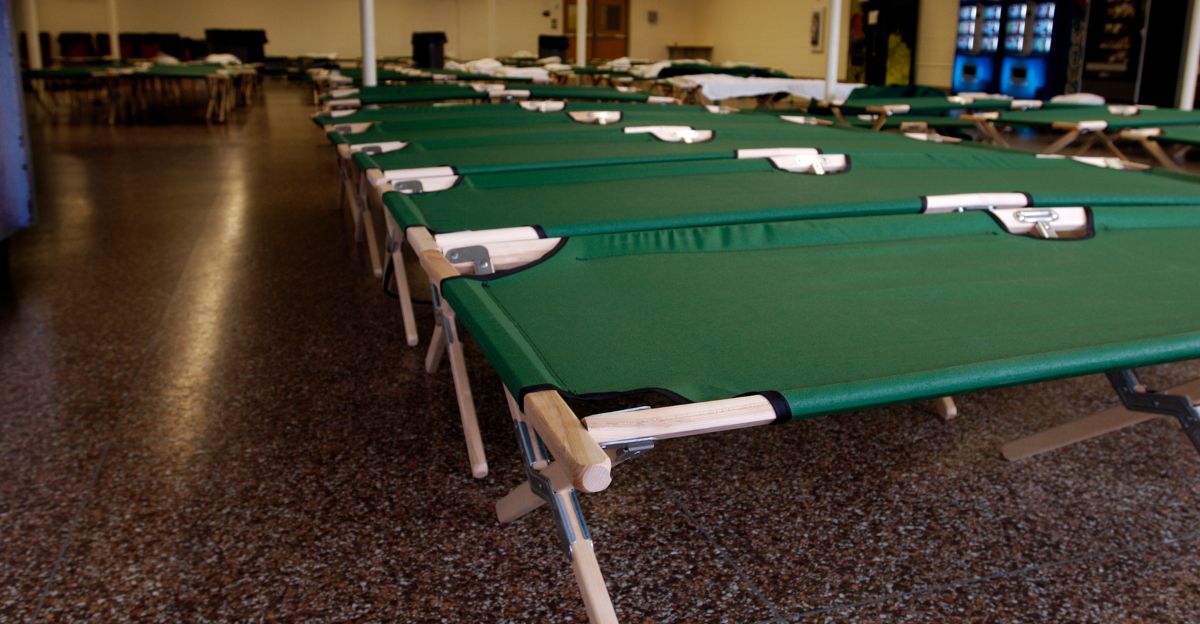
Ultimately, over 2.16 million people were moved, showing how flexible plans had to be as new data arrived. Teams set up thousands of temporary shelters, and army helicopters, fire trucks, and drones worked around the clock.
Lessons from previous storms made leaders act early, focusing on getting people out before disaster strikes instead of cleaning up afterward.
Infrastructure Holds, But Faces Limits
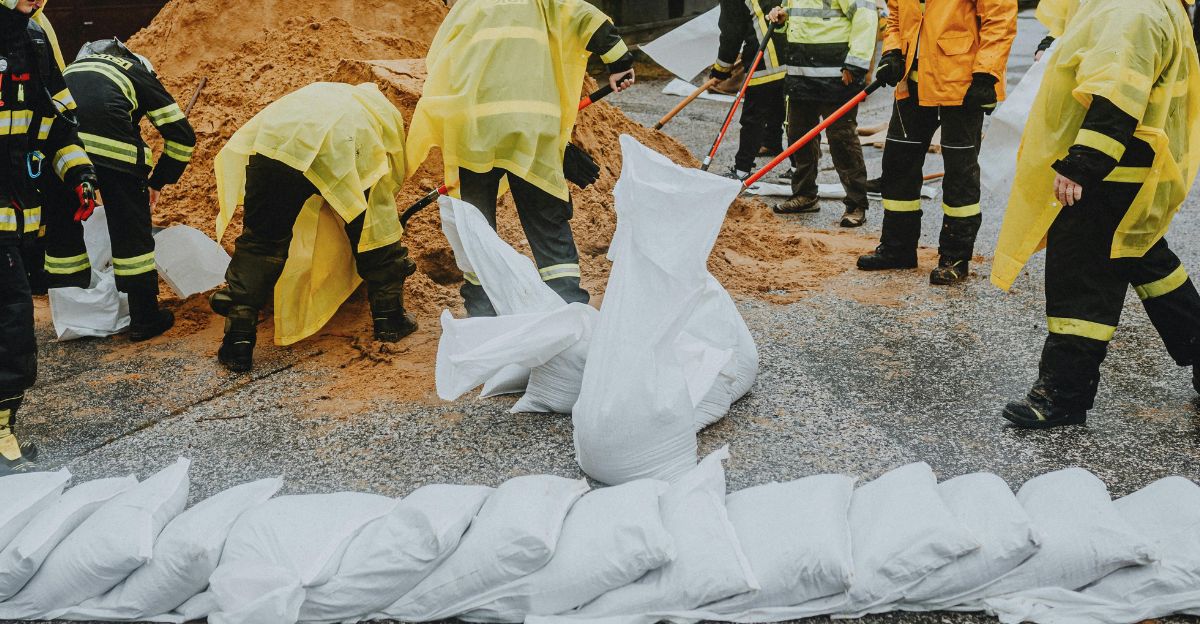
After years of typhoon disasters, Hong Kong and Guangdong had invested billions in new flood controls, huge underground drainage pipes, improved seawalls, and better early warning and communication systems.
These new defences kept storm surge flooding at bay, but Ragasa’s intensity pushed the system to the limit.
Some engineers said the city was lucky it didn’t flood, and climate trends mean even bigger investments are needed for the next generation of storms.
Recovery Gets Underway
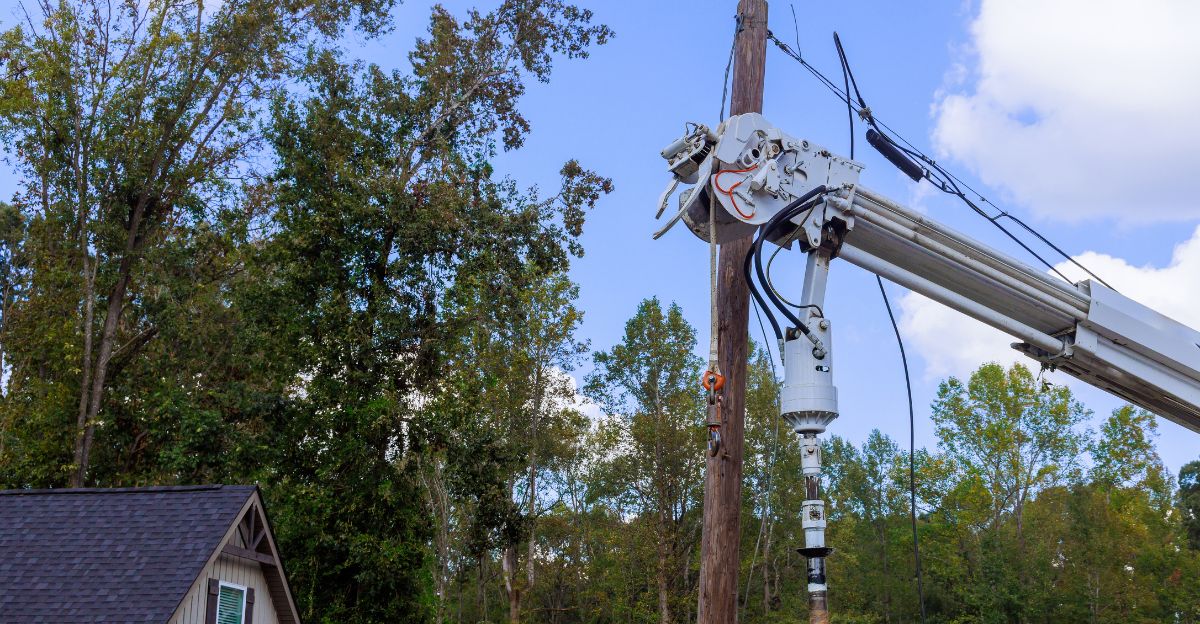
As winds fell and skies cleared by Thursday, recovery teams cleared roads, restored power, and reopened critical spaces.
Some cities restarted business and school as quickly as possible; harder-hit areas stayed closed longer.
Getting back to normal is now the priority for local officials, just as rescuers continue looking for missing people in rural and hard-to-reach places.
Ripples in the World’s Supply Chains
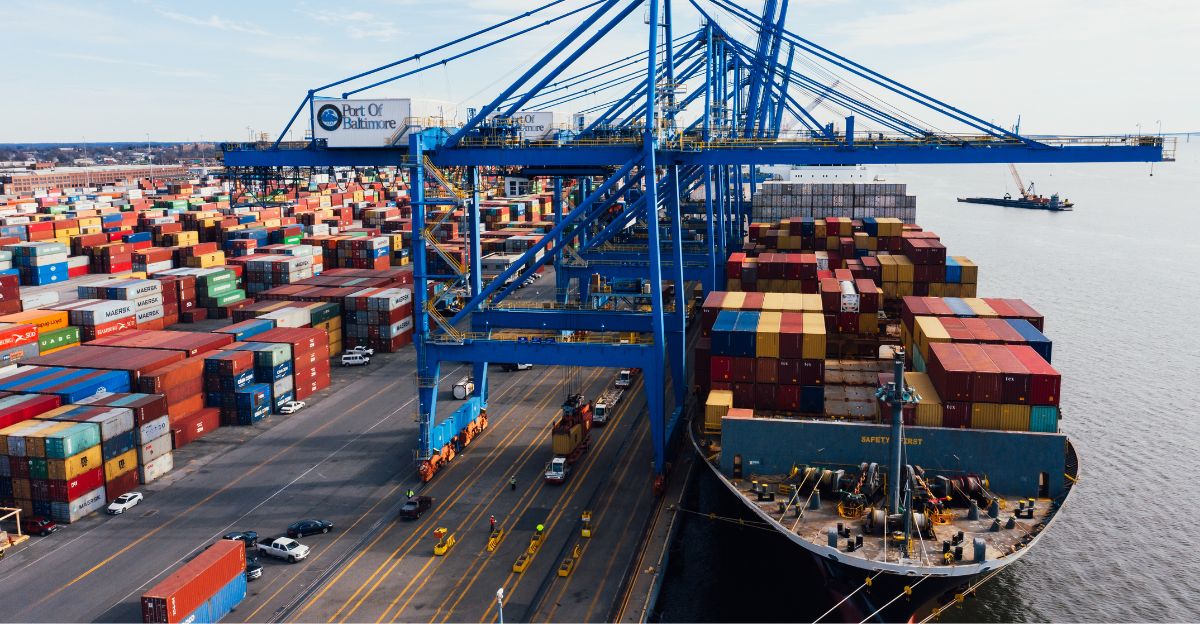
When the “world’s factory” closes, the effects are global. Many electronics, car parts, and clothes sold in America or Europe are made in or near Guangdong.
Even a few days’ shutdown means delays at toy and computer stores at the end of the year as overseas inventories run tight. With cargo ships unable to dock or load, major companies are counting costs.
Economic experts say a storm like Ragasa can raise prices or cause shortages thousands of miles away.
International Aid and Cross-Border Teamwork

Ragasa didn’t just hit China. Governments across Asia called on neighbors and global organizations to send help, share weather data, and provide rescue expertise.
Political tensions were even put aside for storm safety in some places, like Taiwan.
The event showed how disaster relief and recovery require regional, not just local, cooperation, especially as climate extremes cross borders.
Lessons for the Future
As Ragasa’s record winds fade, Chinese and regional planners are reassessing everything from flood maps to the training of recovery teams.
With storms like Ragasa now more frequent and intense, early warning systems, building codes, and evacuation plans need updating.
Many communities are looking at new coastal barriers and how and where to build future cities.
Experts agree: urban areas built for today’s weather may not be safe from tomorrow’s storms, and investing in disaster resilience is critical for everyone’s future safety.
New Policy, Industry, and Social Media Challenges
In the wake of the storm, China announced new reviews of its disaster protocols and building rules.
Big manufacturers are now speeding up plans to expand beyond the Pearl River Delta to avoid putting all their factories in one storm-prone region.
The insurance and aviation industries are also rethinking how they assess and manage weather risk. Meanwhile, social media exploded with dramatic and inaccurate storm videos, showing the need for reliable programs that quickly debunk rumors and share real-time lifesaving information.
A New Era of Super Typhoons

Older residents remember Typhoon Mangkhut in 2018 as the worst in recent history, yet Ragasa topped even that in wind speed and evacuation numbers.
Unlike most storms that lose strength near land, Ragasa stayed almost as strong at landfall as it was over the open ocean, a worrying trend for towns and cities along Asia’s coasts.
Meteorologists say that while typhoons have always been dangerous, climate change appears to be making them stronger, longer-lasting, and more damaging than ever before.
Fact, Fear, and Community

As Typhoon Ragasa swept across Asia, social media became both an emergency tool and a source of confusion. Millions watched dramatic real-time clips of hotel lobbies flooding in Hong Kong, rescue helicopters plucking survivors off rooftops in Taiwan, and fast-moving evacuation campaigns in China.
However, these platforms also fueled dangerous rumors. False claims about storm casualties, exaggerated videos of wind speeds, and misleading climate change theories quickly went viral.
Emergency agencies worked overtime to post verified updates, counter misinformation, and use digital maps and push alerts to guide citizens to shelters and supplies.
The storm proved how powerful social media can be during a major disaster.
Changing Business to Face Future Storms
In the aftermath of the storm, businesses across Guangdong and beyond are changing how they prepare for natural disasters.
Technology and car manufacturers are exploring ways to spread their factories to several regions, reducing the risk that a single storm will bring production to a halt.
Seeing the high cost of typhoon disruption, insurance firms are rewriting their risk models and raising premiums for companies operating in vulnerable coastal areas.
Meanwhile, airlines and shipping companies invest in better storm tracking and develop emergency plans to reroute flights and vessels earlier.
In short, Ragasa has become a case study in corporate disaster planning for a world where extreme weather is becoming the new normal.
Lessons from Ragasa

Typhoon Ragasa was a storm for the record books: it forced China’s biggest-storm evacuation, shut down the world’s manufacturing centers, and tested modern flood systems to their limits.
Good planning and a rapid response saved countless lives, proving that early evacuations and public readiness work.
But the storm’s economic costs and near-catastrophic flooding show that communities and industries must adapt to an era of stronger, faster, and less predictable hurricanes and typhoons.
Global supply chains, city planners, and families everywhere have reason to look to Ragasa’s story as a warning, and as evidence that the right actions, taken quickly and together, can lessen disaster’s toll.