Pacific Ocean temperatures have surged to unprecedented highs. In August 2025, the North Pacific basin averaged 68°F (20°C), the warmest on record by roughly 1°F. For context, that beats the 2013 record and exceeds anything seen since records began.
This “warm blob” anomaly now spans the ocean from Japan to California – thousands of miles of ocean. Scientists warn that this is largely uncharted territory for marine ecosystems.
Such warm conditions can push weather patterns, as past “blob” events have shown, so experts are closely watching for unusual jet-stream or storm impacts.
Record Territory
By late summer 2025, the heatwave covered nearly 8 million km², roughly the size of the contiguous U.S. NOAA analysts rank NEP25A the fourth-largest Northeast Pacific marine heatwave on record (satellite era 1982-present).
The blob’s footprint expanded rapidly: what began as a warm patch in May now blankets the open Pacific. Rachel Hager of NOAA Fisheries notes it’s “approximately the same size as the contiguous U.S.” and among the biggest heatwaves ever observed.
Such an immense scale means huge areas of ocean are unusually warm, with potential impacts on productivity and fish stocks across the entire North Pacific.
Blob History
The term “the Blob” traces back to 2014–2016, when a similar heatwave persisted for 711 days. That event drove sea surface temperatures 2.6°C (4.8°F) above average at its peak.
It spanned from Alaska to Baja California, triggering massive ecosystem disruptions. Kelp forests collapsed, jellyfish blooms exploded, and a giant harmful algal bloom stretched from California to the Aleutians.
Key forage fish vanished, leading to die-offs in seabirds and marine mammals – thousands of common murres and scores of sea lions and whales stranded or perished.
Mounting Pressures
Heatwaves like these are no longer rare. Studies show global marine heatwaves have become about 34% more likely since the early 20th century. In the Northeast Pacific, they’ve grown almost annually. NOAA reports six straight years (2019–2024) have produced major marine heatwaves in the region.
Recent examples include “Blob 2.0” in 2019 (NEP19A), NEP20B in 2020, and another long event, NEP24A, spanning late 2024 into spring 2025. Each year’s warm season now seems to spawn new anomalies.
This trend tracks with human-driven climate change and periodic climate patterns: for instance, positive phases of the Pacific Decadal Oscillation (PDO) tend to amplify heatwaves, and forecasters note that PDO is currently positive.
The Return
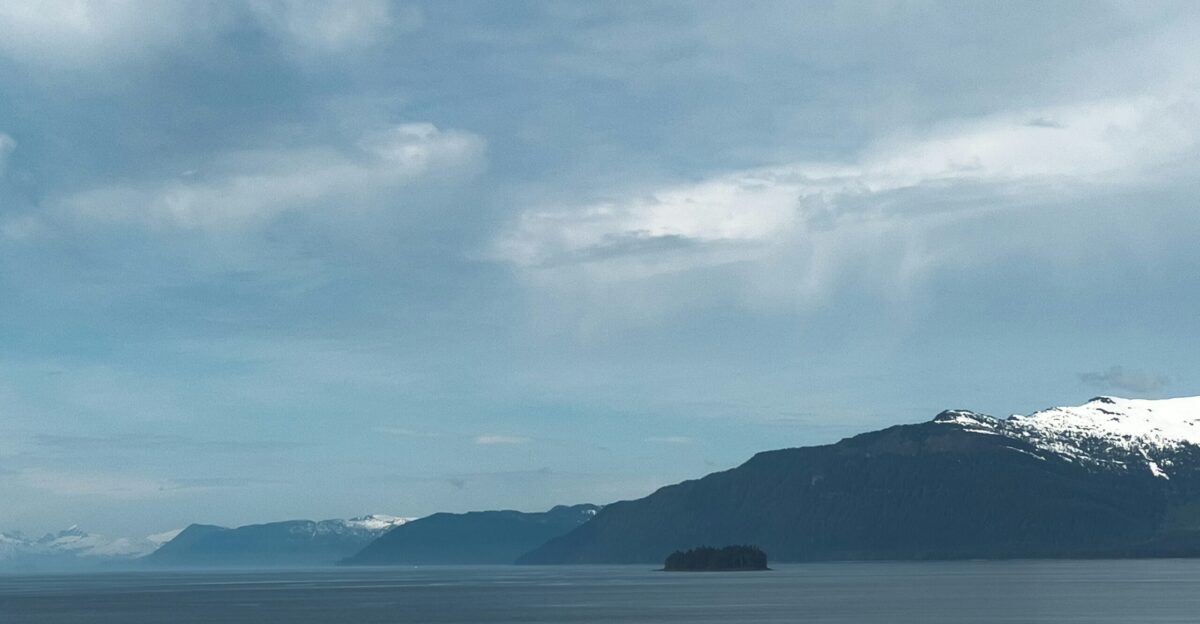
In May 2025, NOAA’s “Blobtracker” began flagging a new heat anomaly, now called NEP25A. A persistent high-pressure system in the Gulf of Alaska warmed the water, and by July it ballooned to ~8 million km².
Within months, it stretched roughly 5,000 miles from near Japan to the U.S. West Coast, engulfing the North Pacific basin. Climatologists say this marks the third “Blob” iteration in a decade. The latest “Blob” is already fueling warm-water outbreaks: tuna and marlin are showing up far north, and unusually early algal blooms are sickening wildlife.
Marine researchers warn that NEP25A came on faster and earlier than any previous heatwave, hinting at shifting ocean climate dynamics.
Alaska’s Transformation
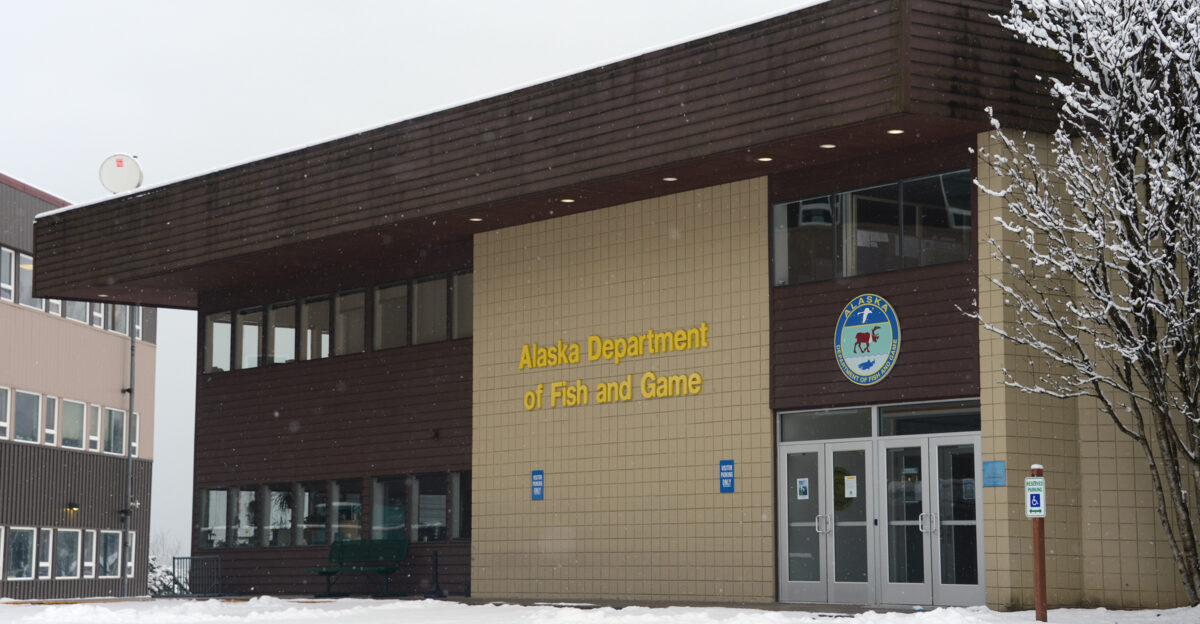
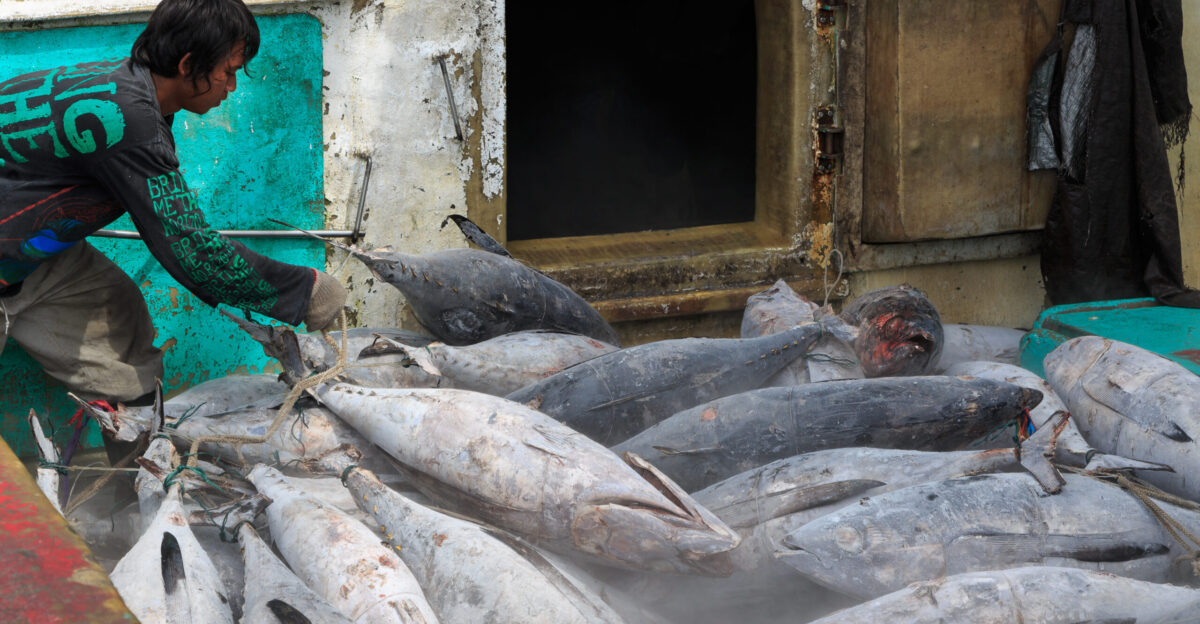
One clear sign of the warming is Alaska’s tuna boom. Warm Pacific water has pushed tropical tuna species into Alaskan waters for the first time in memory. The Alaska Department of Fish & Game hurriedly issued experimental tuna-permit guidelines in 2025, and fishermen around Sitka report catching yellowfin and skipjack tuna in 60°F water offshore.
“It is very exciting; we are hoping to see some tuna harvested in the Sitka area,” said ADF&G scientist Rhea Ehresmann.
This opening of a new tuna fishery would have been unthinkable a few years ago. But “tuna in Alaska” now seems normal to fishermen, while farther south, some traditional fisheries face collapse under the same warming.
Human Consequences
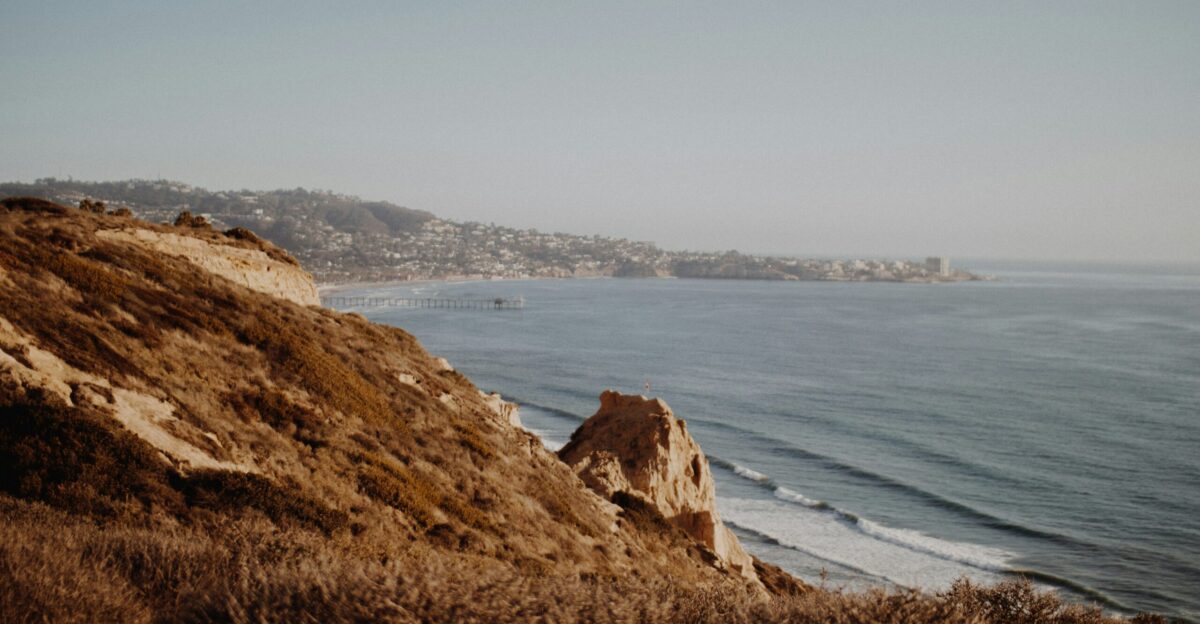
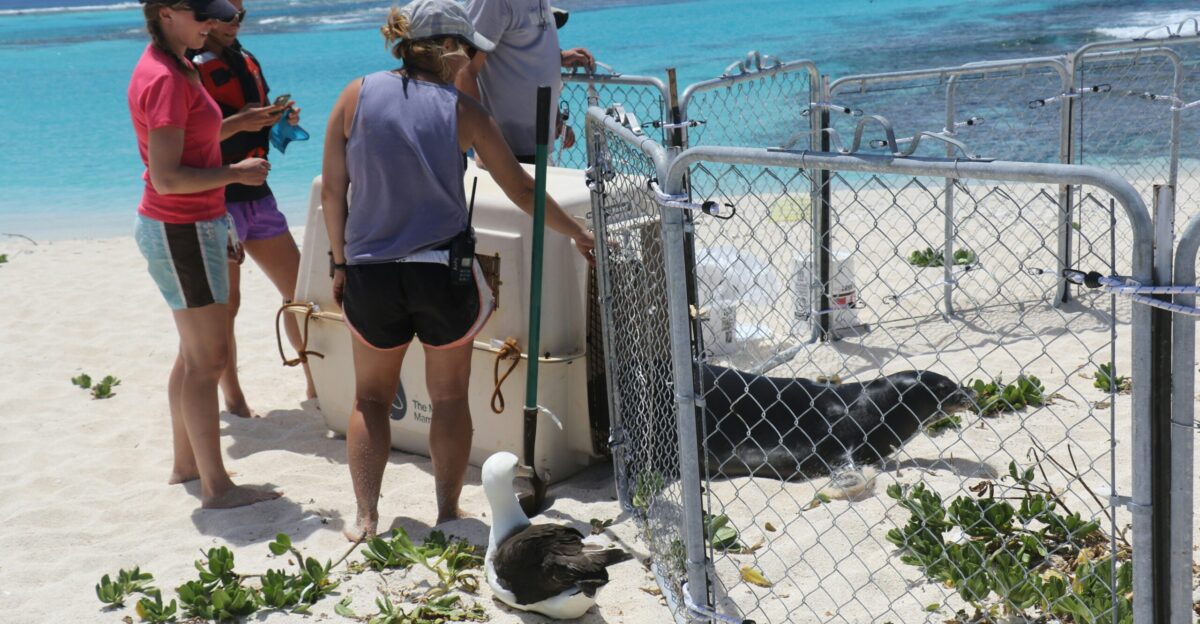
The human fallout is stark. An early toxic algal bloom off Southern California has meant hundreds of sick and dead pinnipeds. Rescuers report over 100 strandings a day of sea lions and dolphins showing domoic acid poisoning.
John Warner of the Marine Mammal Care Center in L.A. describes the situation bluntly: “We are having to do triage on the beach as we try to identify those animals where we have the greatest chance of making a difference.”.
Many sea lions exhibit seizures or erratic behavior from the toxins. So far, dozens have died and hundreds more are hospitalized. People dependent on seafood are also at risk: when algae blooms surge, agencies must shut down fisheries or issue toxic seafood warnings to protect public health.
Industry Impacts
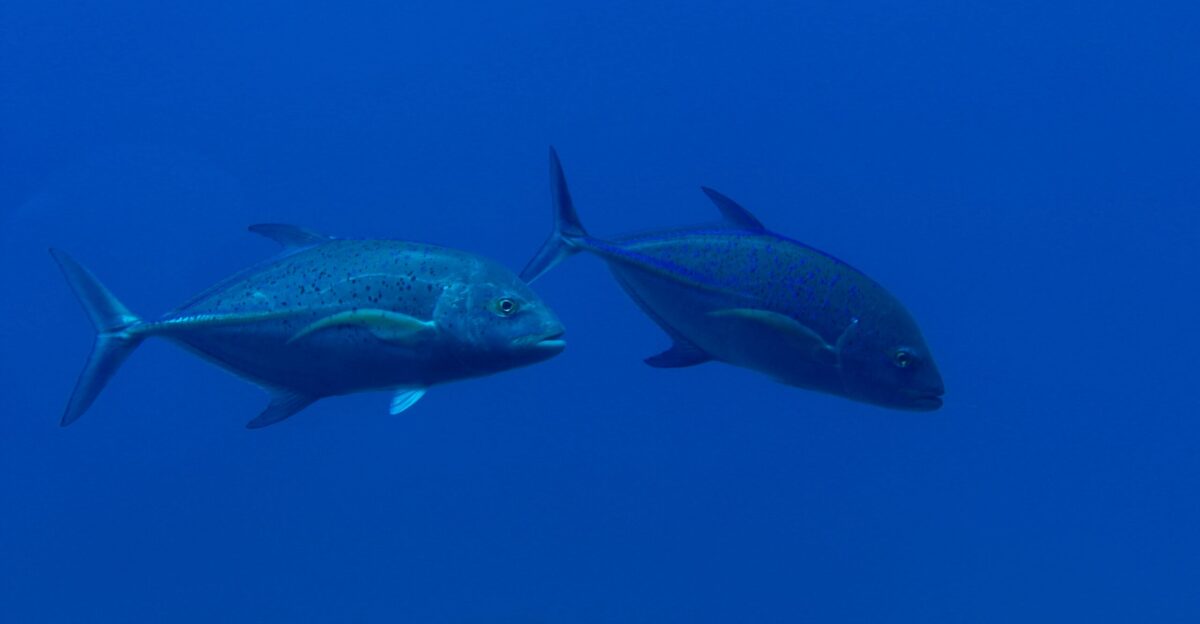
The global instance is reshaping fisheries. In 2024, the Inter-American Tropical Tuna Commission raised Pacific bluefin quotas by ~80% for 2025-26, reflecting a resurgent stock and northward shift.
U.S. captains anticipate record tuna hauls off California this year. Simultaneously, Alaska began its first-ever commercial tuna fishery, opening permit applications for anglers and small boats. Conversely, the crab industry is reeling: California’s Dungeness season closed in July 2025 due to high domoic acid.
Thousands of crab traps sit idle, hurting coastal economies. In short, warming waters have created winners and losers – it’s “anything but typical,” as one biologist notes, with some fisheries booming while others crash under the new conditions.
Global Context
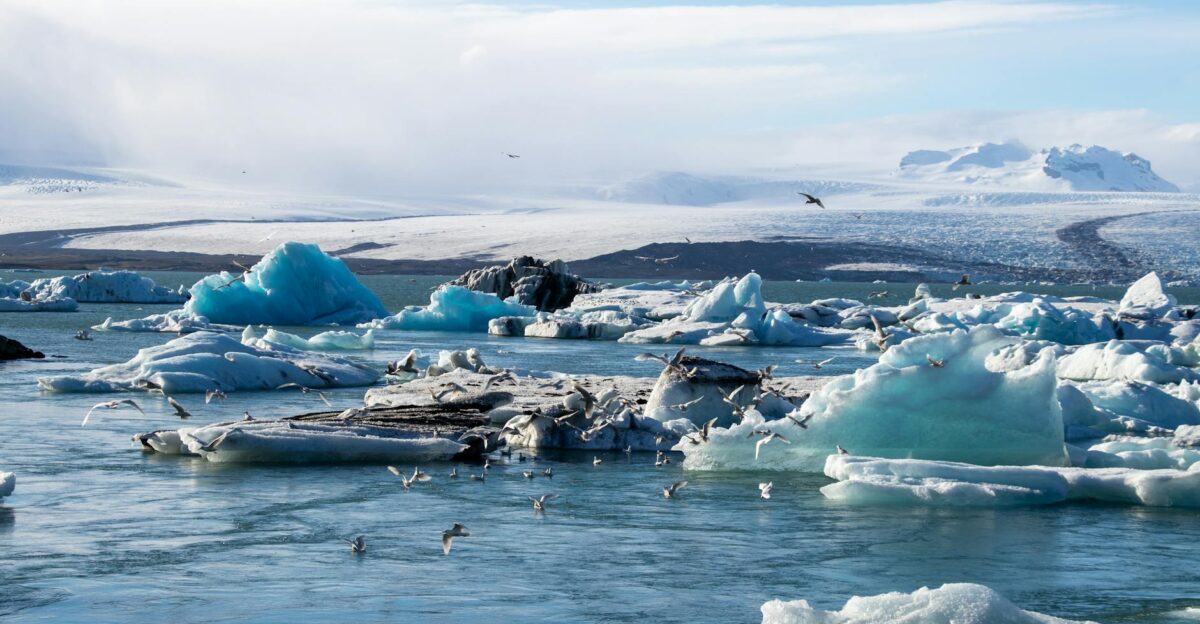
This Pacific heatwave is part of a worldwide trend. August 2025 was among the warmest global ocean months on record (third-highest August globally). Ocean temperature records show a clear upward shift since the Industrial Revolution.
Scientists point out that marine heatwaves have increased by about 50% in annual days in recent decades, affecting nearly all ocean regions.
Climate oscillations play a role too: the current positive PDO phase and forecasts for La Niña both hint at a restless Pacific. Together, these factors suggest that what’s happening locally in the North Pacific also echoes larger-scale climate shifts.
Climate Driver
What’s behind this extreme warming? A key factor is the Pacific Decadal Oscillation (PDO), a multi-year Pacific cycle. The PDO flipped positive recently, which tends to boost North Pacific water temperatures. Researchers have shown that marine heatwaves can be far longer and stronger during positive PDO phases.
On top of that, NOAA notes a La Niñaevent is now likely by winter (over 70% chance of La Niña Oct–Dec 2025). La Niña often alters wind and current patterns in ways that can intensify offshore warmth.
In combination, these climate drivers set the stage for an ocean that stays unusually warm for months at a time.
Scientific Concern
Oceanographers are alarmed by the wave’s speed and reach. Unlike past events, NEP25A raced southwest toward the coast early. By mid-May 2025, its warm edge extended to within 50–75 km of Oregon and Washington shorelines – far earlier in the year than normal.
Such a near-shore incursion surprised many scientists, suggesting a possible weakening of coastal upwelling. Researchers now warn that the marine ecosystem could be under unprecedented stress if these waters linger.
Satellite data and buoys show persistent sea surface anomalies and even unusually warm deep layers. If conditions don’t abate, this heatwave could “defy normal seasonal patterns” and perhaps indicate a new regime for the Pacific climate.
Management Response
Fisheries managers and wildlife agencies are scrambling. NOAA has activated its experimental “Blobtracker” system to give real-time heatwave maps and forecasts.
This online tool helps managers decide on dynamic actions – for example, closing fisheries on short notice if harmful algae are detected. On the ground, marine rescue teams have set up emergency triage protocols. Wildlife centers have expanded hallways into intensive-care wards.
Veterinarians stock up on anticonvulsants and IV fluids. State health offices are issuing frequent seafood alerts.
Recovery Efforts
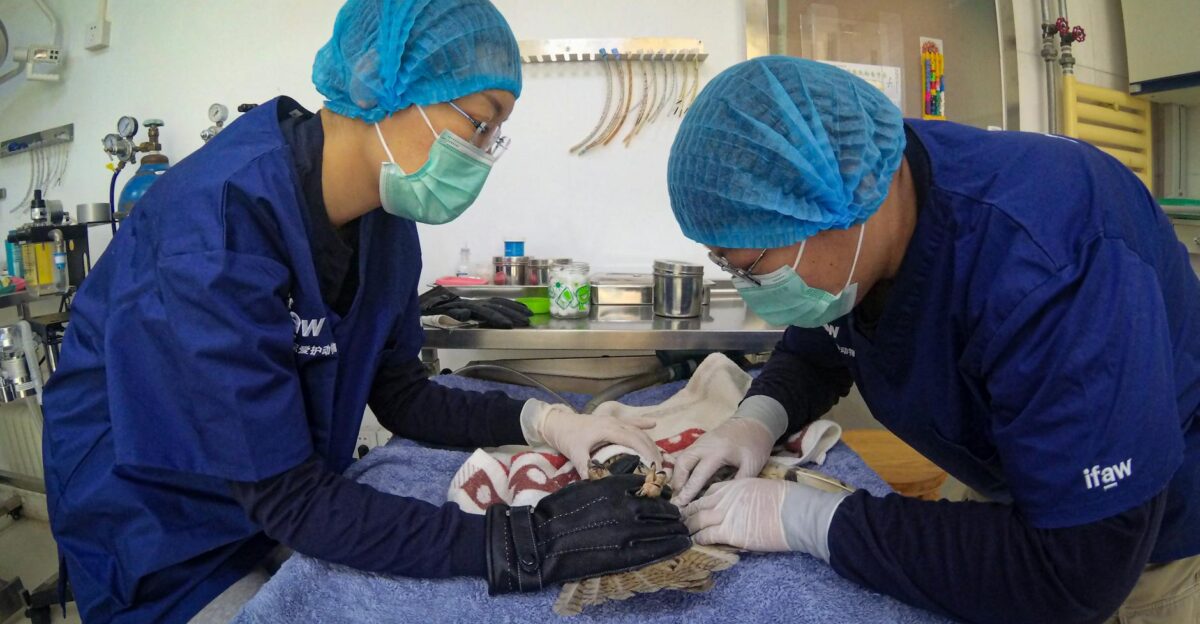
Rehab centers along the coast are under siege. In California, staff work around the clock flushing toxins from sea lions’ bodies. Veterinarians use intravenous fluids and anticonvulsant drugs (such as phenobarbital or diazepam) to stabilize animals.
Patients may stay weeks on “neuro checklists” until they can swim and feed normally. So far, the recovery rate is lower than in previous years, partly because the blooms struck earlier. Pregnant females and young pups are especially vulnerable.
The extra burden is stretching budgets: nonprofits like the Marine Mammal Care Center say they’ve admitted many hundreds of sea lions and dolphins already this year, forcing them to fundraise urgently for more resources.
Expert Outlook
Most marine scientists caution that this is not a short blip. Forecast models – including those used by NOAA – suggest these offshore heat conditions could persist into winter. Upswelling will likely resume by fall, possibly cooling nearshore areas, but offshore hotspots may stay warm well into 2026.
Meanwhile, climate experts warn that such a giant warm pool could nudge the jet stream. Minnesota meteorologist Paul Huttner notes that in 2013–14, a similar blob helped trigger a brutal winter cold spell in the Midwest.
It’s too early to say if a repeat pattern will happen, but forecasters are watching for unusual storm tracks or droughts tied to the warm Pacific.
Winter Implications
The big question: what happens if the Blob persists into winter 2025–26? The warm ocean surface could alter North American weather. A massive Pacific heat reservoir tends to steer storms northward and deepen ridges in the jet stream. That could mean a warm, dry West Coast and a cold, snowy central U.S., echoing the pattern of 2014.
Researchers caution it may also affect the intensity of nor’easters or polar vortices farther east. At the same time, autumn upwelling along California and Oregon might bring cooler coastal waters.
Oceanographers will be closely monitoring both warm offshore currents and returning coastal upwelling.
Policy Ramifications

This unfolding crisis is already reshaping policy debates. Experts like marine ecologist Julia Baum call for dynamic ocean management: policies flexible enough to shut fisheries or protect zones on short notice when conditions change.
Some lawmakers propose expanding marine protected areas or setting adaptive rules for migratory species. International fishery bodies face tough choices: for instance, the Inter-American Tropical Tuna Commission has already raised catch limits to account for northward tuna migration.
Observers say these events highlight the need for rapid, coordinated responses that consider climate-driven shifts. Marine conservation groups argue that static management can’t cope; we may need real-time closures and ecosystem-based strategies to keep up with this new variability.
International Reach

The heatwave crosses boundaries. Water temperatures off Japan, Russia, the U.S., Mexico, and Canada are all above normal, so multiple nations must coordinate responses. Fish don’t care about international lines: species like tuna, mackerel, and crab roam into foreign waters.
Already, the IATTC moved in September 2024 to raise Pacific bluefin quotas by 80% for 2025–26, reflecting a stock recovery but also a shift in habitat.
Canada’s fisheries are closely watching the U.S. for signs of crab or cod closures, while Asian nations watch salmon runs. Shared stocks mean policies must adapt jointly. Regional bodies like the North Pacific Anadromous Fish Commission are discussing new catch areas.
Environmental Justice
The impacts are uneven. Indigenous and rural coastal communities – especially those relying on subsistence fishing – face the brunt. In Alaska and northern Canada, native tribes depend on salmon, herring, halibut, and shellfish for food and tradition. As species shift poleward, those staples may dwindle or vanish, threatening food security and cultural heritage.
Northern communities already report catching more tropical species (like salmon tuna) and fewer cold-water fish than ever before. For example, Inupiat and Yup’ik hunters note that Pacific cod are becoming scarce, even as new species arrive.
Scientists stress that these communities have unique local knowledge of the ocean, but even that isn’t enough to buffer them from rapid change.
Ecosystem Transformation
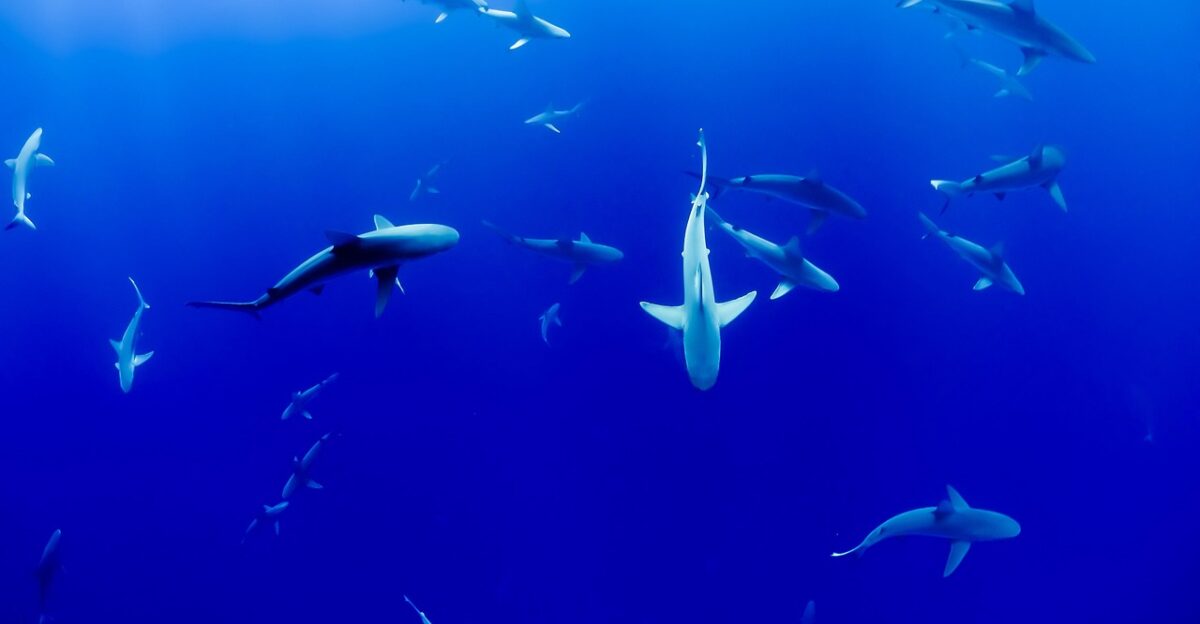
Taken together, scientists say NEP25A is pushing the Pacific toward a new ecosystem state. University of Victoria researchers warn that the 2014–2016 Blob caused permanent shifts in community structure.
In that event, 240 species were documented well outside their usual range – red flags for ecological upheaval. Kelp forests collapsed under urchin outbreaks, plankton cycles rewired, and fish communities reorganized.
Seabird breeding failures and marine mammal die-offs cascaded through food webs. “This is a critical example of how climate change is impacting ocean life,” notes UVic’s Julia Baum.
New Normal
All signs point to the familiar becoming the new normal. Climate researchers warn that extreme marine heatwaves are now routine in a warmed world. UVic’s study of the last Blob warns that life in the ocean may be “rewriting the rules” – making these cataclysmic events far more common.
As Baum emphasizes, the 2014–16 heatwave was once thought impossible, yet it offers a chilling preview of what’s coming.
Conservationists argue that we must shift from reacting to each crisis toward proactive resilience: expanding marine protected areas, cutting emissions, and helping fisheries adapt.