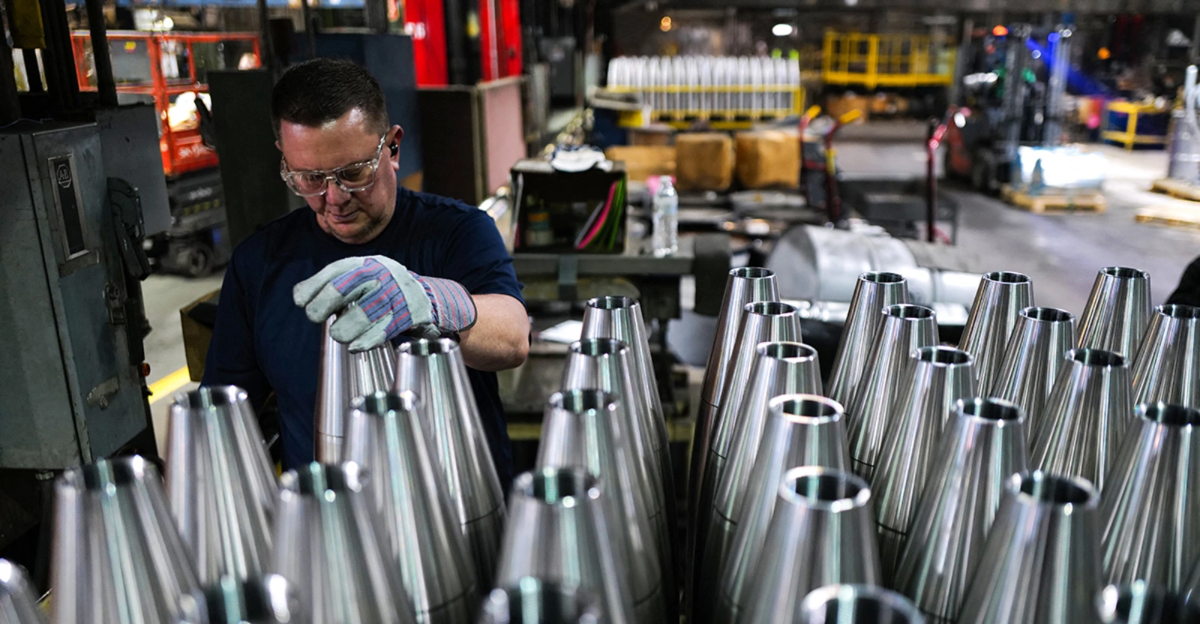
NATO’s approach to security and defense assistance has undergone an unprecedented strategic change as a result of hosting Ukrainian weapons production on its territory. Denmark, a NATO member, is allowing Ukraine’s defense companies to produce weapons on its soil for the first time, specifically solid rocket fuel for the Flamingo cruise missile.
This action is a pragmatic step toward strengthening Ukraine’s independence in the face of intensifying hostilities with Russia, bridging the gap between political backing and real, long-term defense integration. The Danish plant, close to Skrydstrup Air Base, demonstrates a dedication that goes beyond token assistance by incorporating Ukrainian innovation into European defense infrastructure and providing safe production away from the front lines.
NATO’s Defense Industrial Evolution in Historical Context
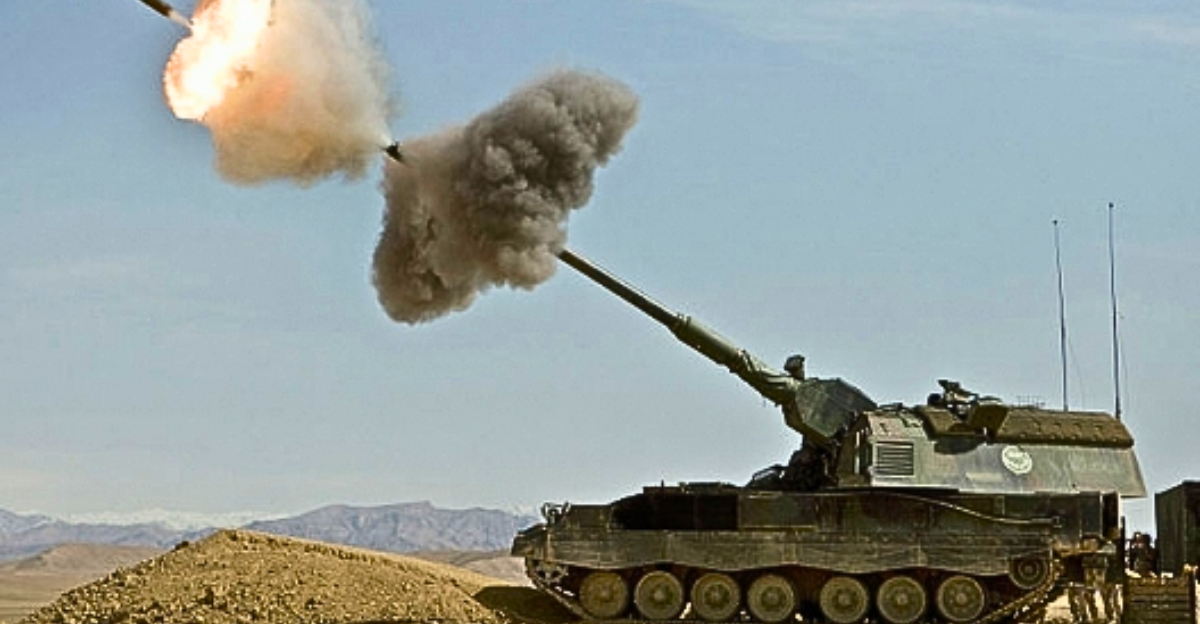
Due to political complexities and the Cold War-era collective defense norms of the alliance, NATO has historically avoided hosting weapons production by non-member frontline states. Instead of directly hosting external weapons manufacturing, the alliance’s expansion and integration processes have generally involved indirect support and stockpiling.
This tradition is broken by the first-ever hosting of Ukrainian weapons production, which reflects a practical adjustment to the realities of hybrid warfare in the twenty-first century. West Germany joined NATO after 1955, but it was careful not to place foreign nuclear weapons in Eastern Europe in order to gain Soviet cooperation. The decision made today is reminiscent of NATO’s famous balancing act, which involves managing regional security sensitivities while exercising deterrence through increased military-industrial cooperation.
Increase in Ukrainian Domestic Arms Production
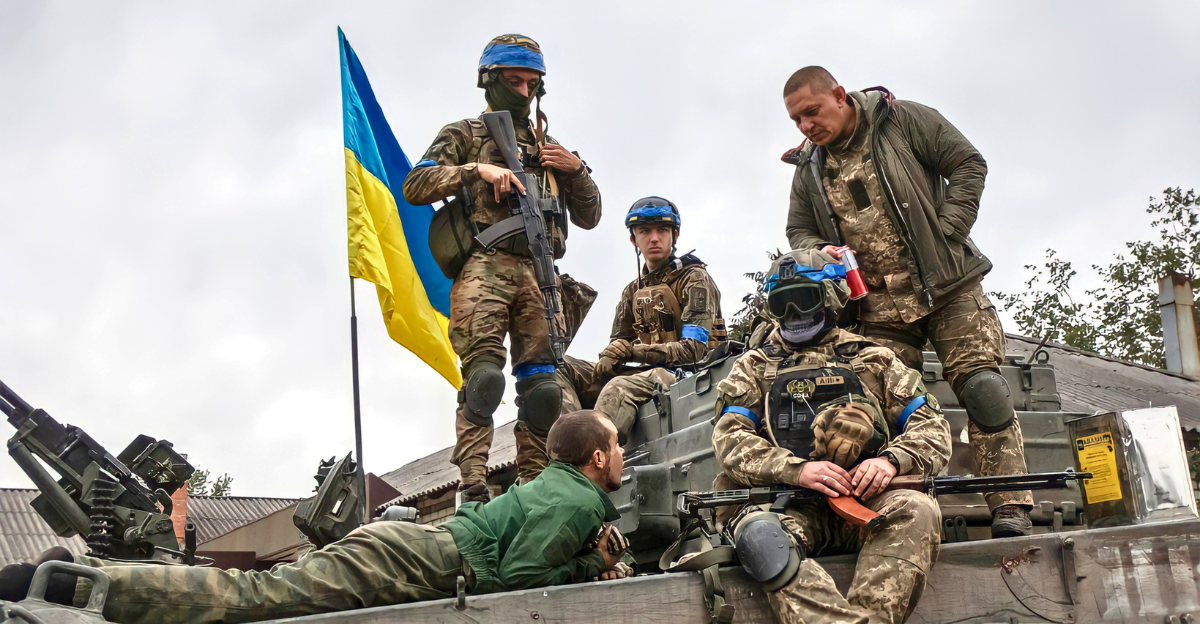
Ukraine’s ability to produce weapons has increased dramatically since Russia’s invasion in 2022, from only 10% of its military requirements being met to nearly 60% by 2025, with plans to reach 50% local production in six months. This quick buildup is a result of both necessity and strategic planning in the face of growing Russian offensives and unstable Western supply chains.
While increased Western financial and technical assistance speeds up this transition, domestic production capabilities allow Ukraine to continue military operations and extend its autonomous defense. The relocation of production facilities to NATO territory, however, helps to mitigate the insecurity associated with being close to the frontlines, which hinders continued growth by protecting manufacturing infrastructure and lowering the risk of disruption.
Strategic Defense Cooperation between Ukraine and NATO
By moving beyond conventional assistance models to promote manufacturing cooperation, the integration of Ukrainian arms production within NATO territory represents a strengthening of strategic defense cooperation. Two examples of institutional frameworks for coordinating defense efforts through shared procurement, technical exchange, and joint capability building are the NATO-Ukraine Council and the Ukraine Defense Contact Group.
By improving operational synchronization and generating benefits for both parties, hosting weapons production within NATO strengthens this alliance: NATO gains access to Ukrainian combat-tested technologies, and Ukraine’s battlefield innovations can complement NATO’s industrial base. The European security architecture is strengthened and alliance resilience against Russian military advances is increased by this synergy.
Challenges in Security and Risk Management
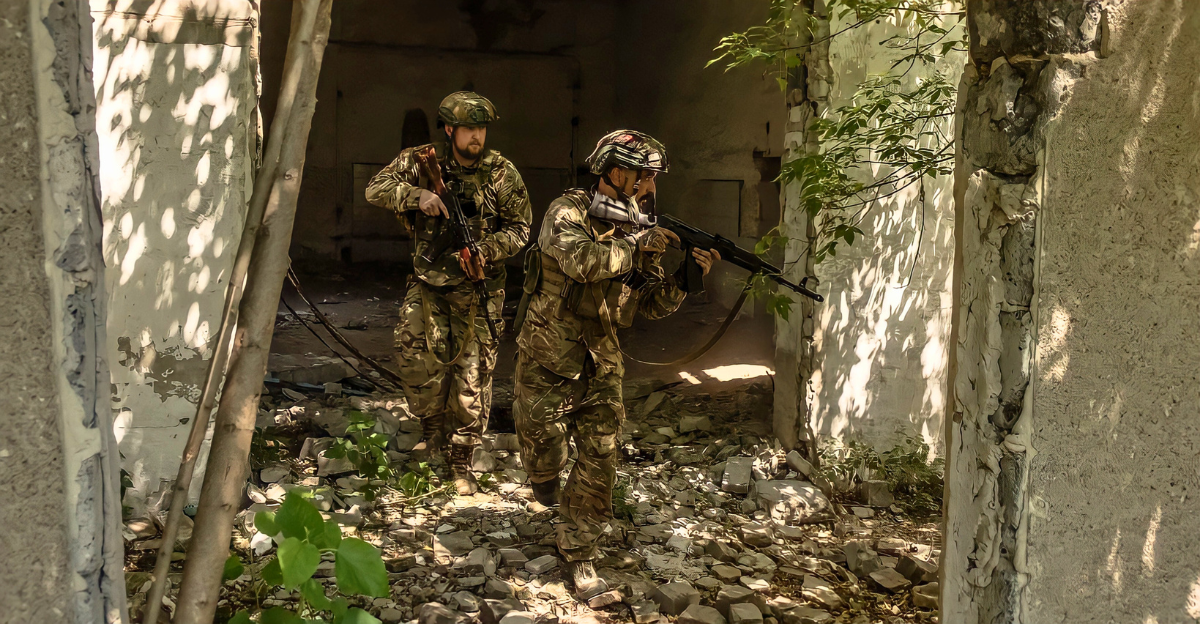
Organizing Complex security issues is brought about by Ukrainian weapons production on NATO territory, particularly in relation to espionage, sabotage, and the possibility of escalation with Russia. Increased counterintelligence and cybersecurity measures are necessary to safeguard sensitive technologies and supply chains due to production’s close proximity to NATO facilities.
However, the security advantages include stabilizing production lines that are essential to the ongoing conflict and reducing direct attacks on Ukrainian manufacturing. In order to protect Ukraine’s war effort and preserve alliance stability, it is necessary to strike a balance between integrating these new industrial footholds into NATO’s larger defensive posture and avoiding unwarranted escalation.
NATO’s Economic and Industrial Consequences
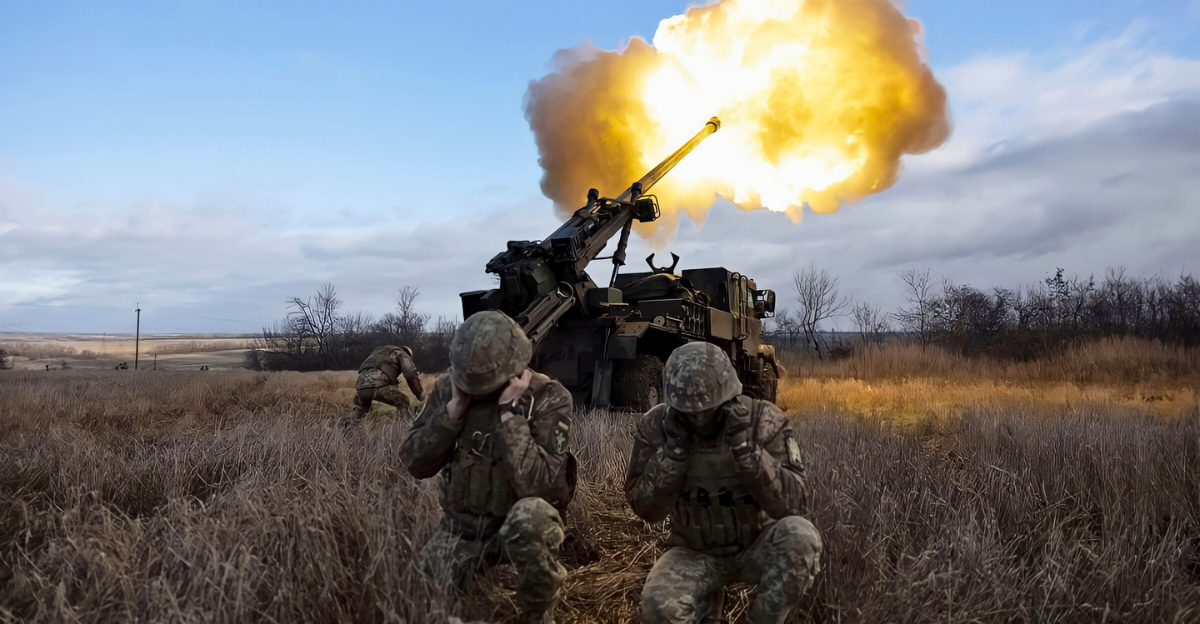
Through new investments, technology transfers, and job creation, the integration of Ukrainian defense companies into the industrial ecosystems of NATO member states stimulates economic revitalization. Denmark’s strategic investment in wartime industrial capacity is demonstrated by its allocation of roughly $77.8 million for the acceleration of the Ukrainian defense industry.
By promoting resilience through distributed manufacturing that lessens dependency on single national supply chains, this collaboration rewires the transatlantic defense industrial base. Long-term economic interdependence between Ukraine and NATO nations has also been established, with the possibility of incorporating Ukrainian technology into upcoming European defense export markets.
Innovation in Technology and Scalability
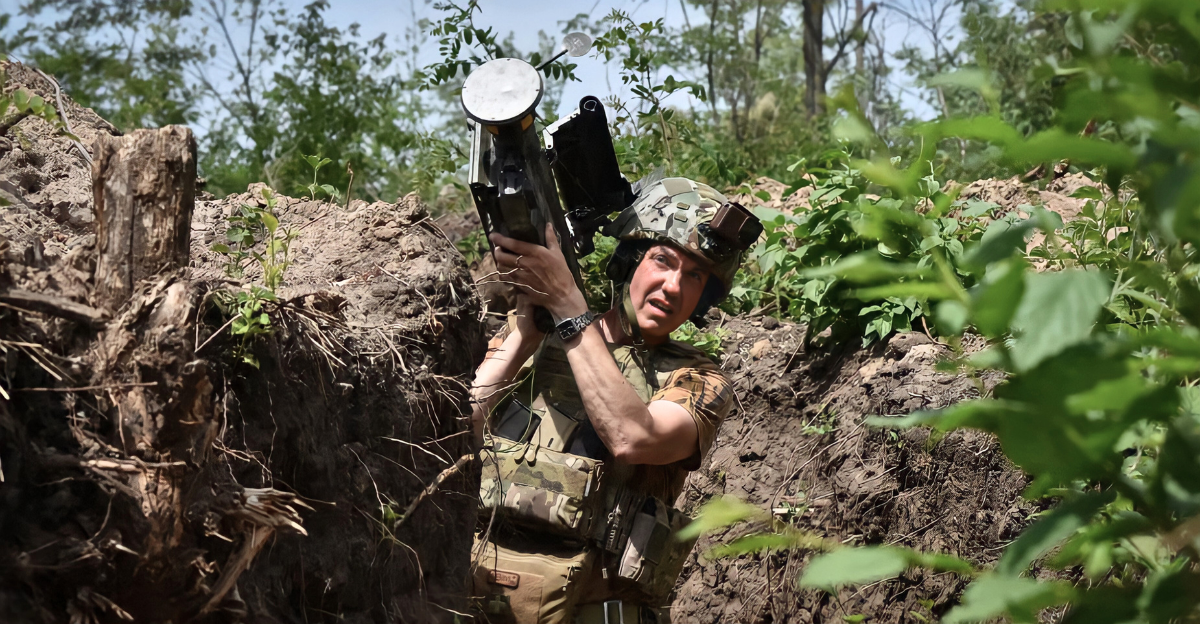
NATO members can benefit from and learn from Ukraine’s defense industries, which are known for their agile innovation and quick production cycles during times of war. Co-locating production on NATO territory speeds up the mass production of vital systems like cruise missiles, rocket fuel by allowing scaling production under safer and more technologically advanced conditions.
This increased scalability is essential as NATO and Ukraine face a battlefield that is evolving quickly, including fending off Russia’s sophisticated glide bombs and fiber-optic drones. Within NATO frameworks, cooperative development and production also promote weapon system standardization and interoperability.
Political Importance and Unity in Alliances
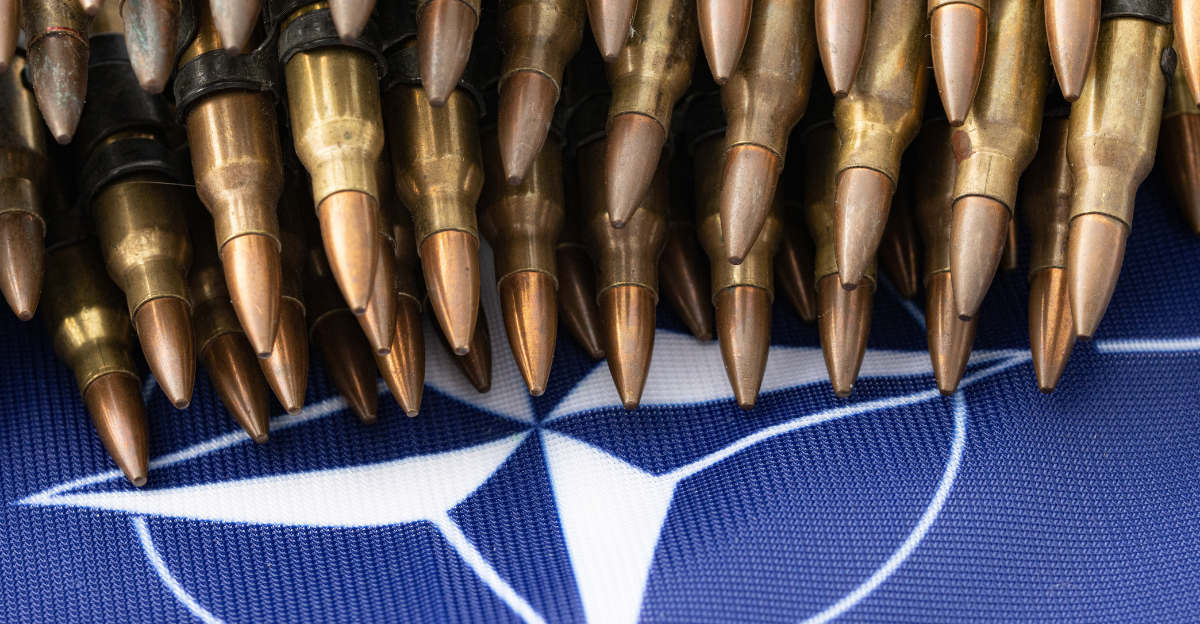
Beyond military considerations, NATO’s hosting of Ukrainian weapons production on its territory demonstrates clear political support for Ukraine. Without full NATO membership, it illustrates a transition from merely external assistance to real territorial commitment.
This change in policy strengthens Ukraine’s integration into European defense architectures and challenges ideas of Ukraine as a peripheral state. Reaffirming that NATO nations are willing to share direct industrial risks sends a deterrent message to Russia. The partnership emphasizes a strategic message of solidarity and fortitude against authoritarian aggression.
Long-term security and strategic deterrence
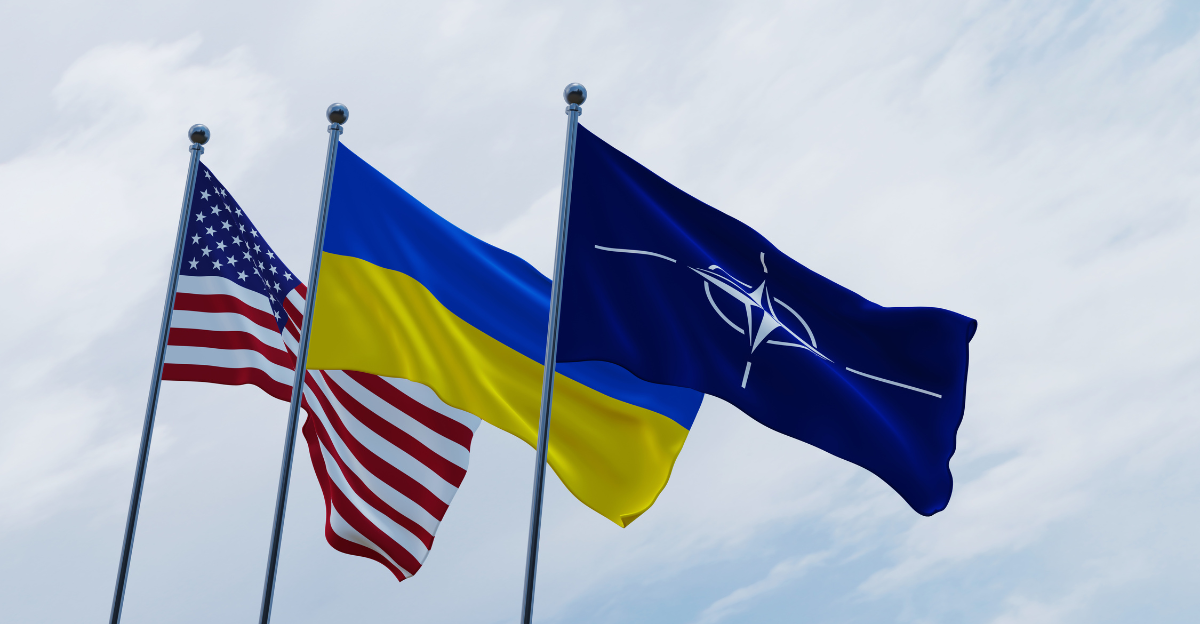
By promoting Ukraine’s long-term defense autonomy, increasing Ukrainian production capacity within NATO helps achieve long-term strategic deterrence. Ukraine will not be permanently dependent on erratic external arms supplies thanks to NATO’s pledge to host production facilities.
This increased independence enhances deterrence by demonstrating preparedness and operational endurance. By strengthening collective defense capabilities against possible aggression in Finland, Poland, or the Baltic states through integrated air defenses and joint stockpiles, the partnership also helps NATO better prepare for scenarios outside of Ukraine.
The Role and Commitment of Denmark as the First NATO Host
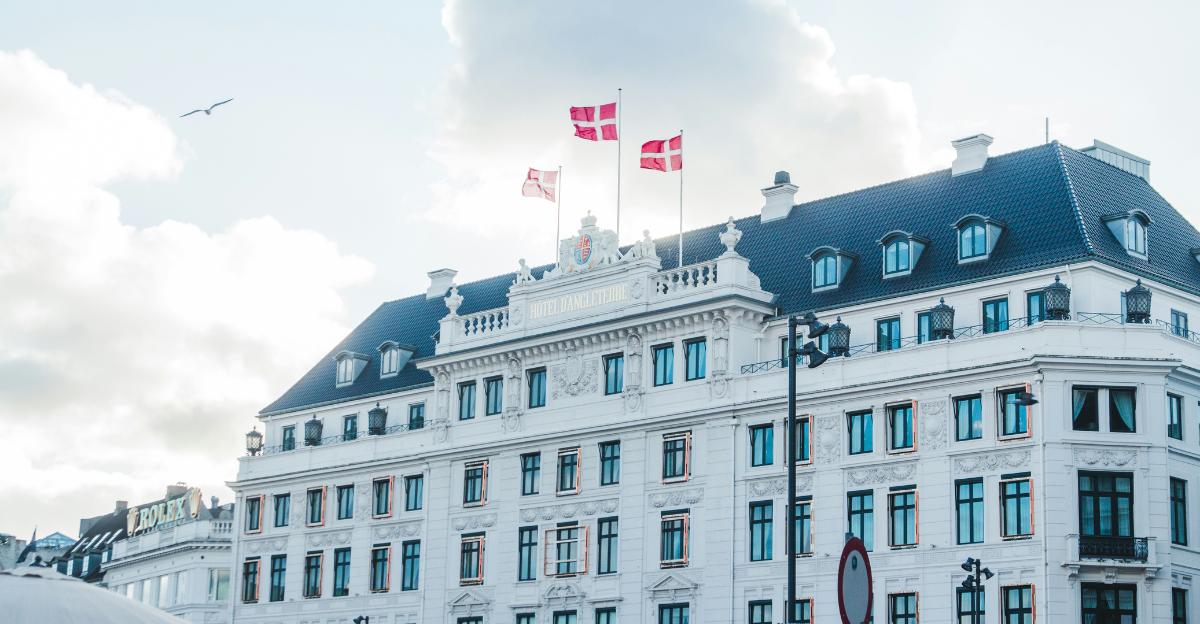
Denmark’s innovative decision to host the production of Ukrainian missile fuel is a prime example of a strong military and political position within NATO. This initiative turns Denmark into a frontline contributor to Ukrainian and allied defense efforts, as it is located adjacent to a crucial Danish Air Base.
In addition to strengthening Ukraine’s defense posture, the Danish government’s financial commitment represents NATO’s practical willingness to increase security guarantees. Denmark’s involvement also illustrates how smaller NATO members are increasingly influencing alliance strategy by assisting frontline allies.
Flamingo Production of Missiles
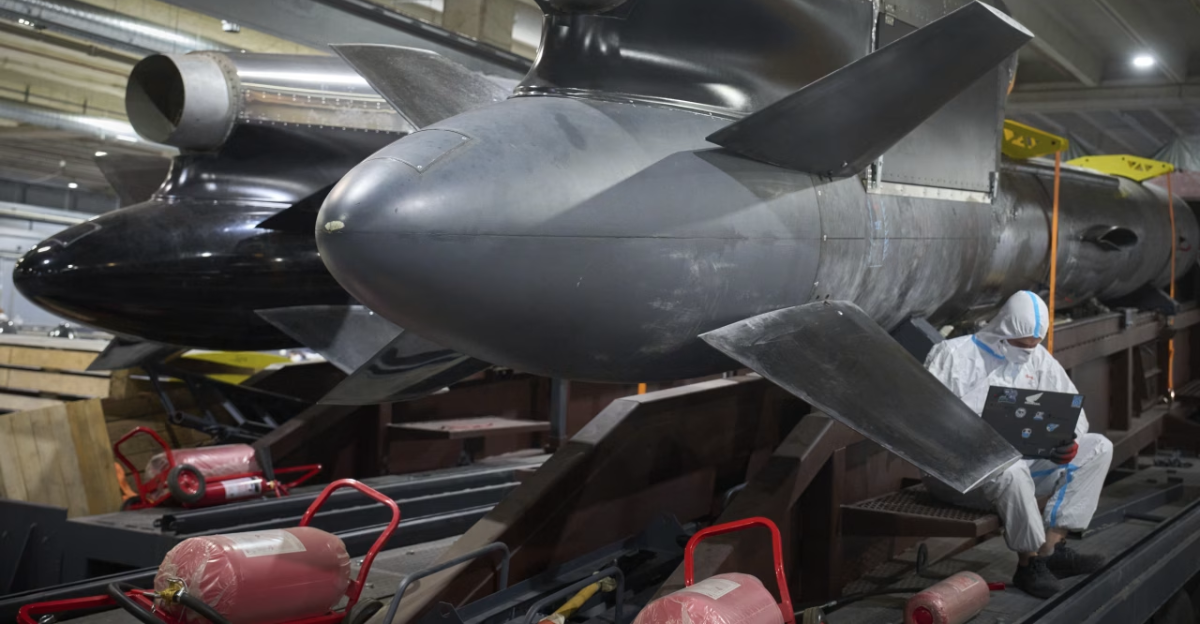
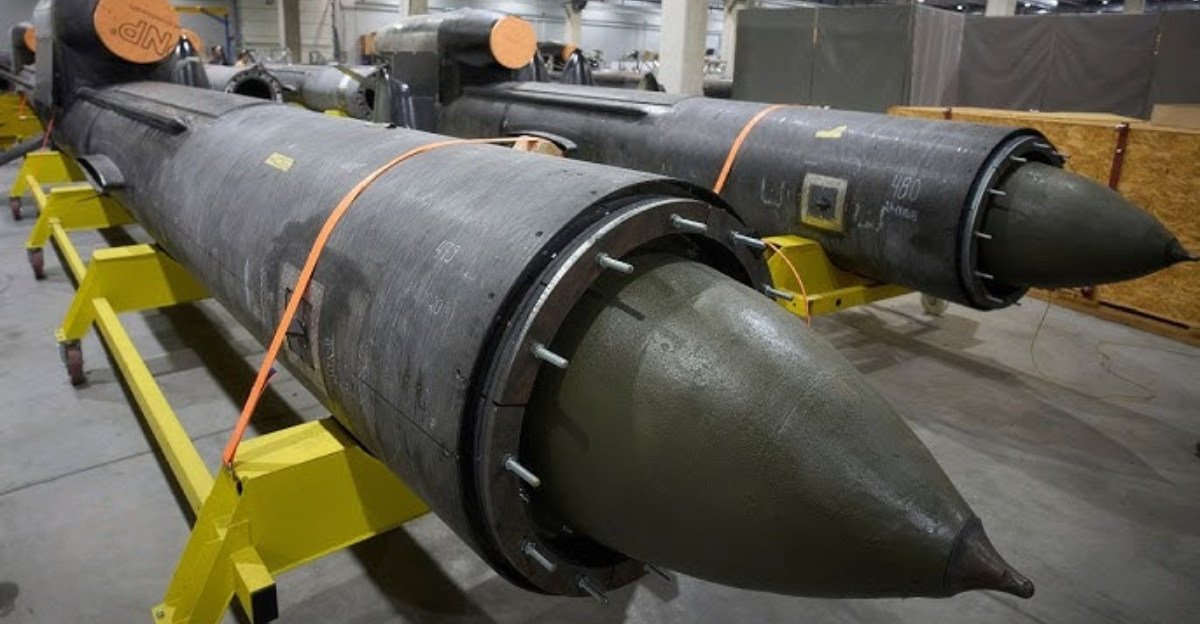
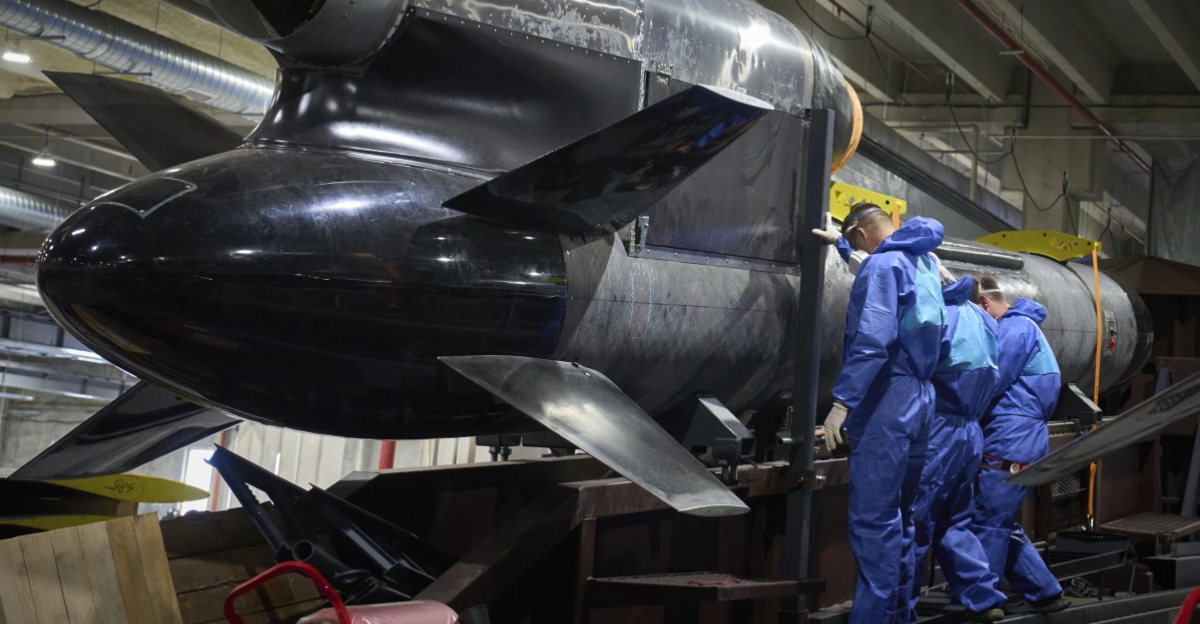
The production of solid rocket fuel for Ukraine’s in-house Flamingo cruise missile is a tangible illustration of the advantages of manufacturing within NATO. With its one-ton warhead and 3,000-kilometer range, the rocket is a prime example of Ukrainian advanced weaponry that is having a direct impact on battlefield conditions in Crimea and elsewhere.
By mass-producing essential parts on NATO territory, vital supply routes are protected, guaranteeing ongoing operational availability. In addition to strengthening Ukraine’s capacity to carry out longer-range strikes strategically essential to defense and counteroffensive operations, this calculated move allows NATO to integrate cutting-edge Ukrainian systems.
Dimensions of Morale and Psychology
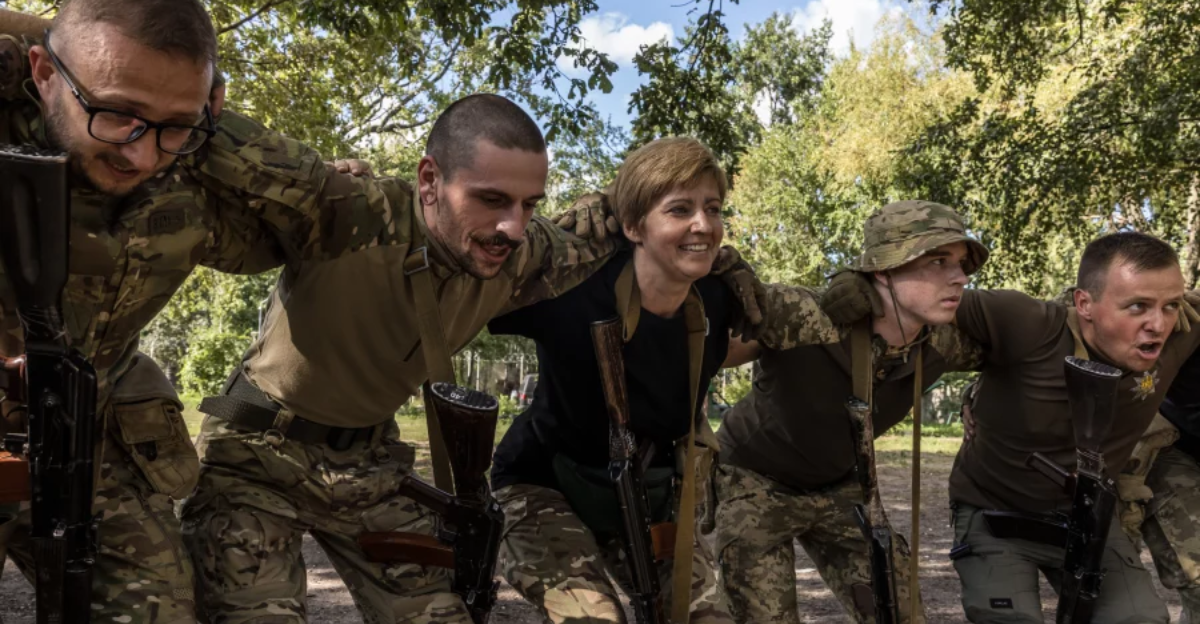
The hosting agreement raises the spirits of Ukrainian troops and civilians by reaffirming that their defense endeavors receive direct international support.
It physically embeds support within European soil, reducing feelings of isolation during conflict and fostering confidence that allies are committed beyond verbal assurances. This obvious industrial cooperation serves as a psychological deterrent to Russian forces, demonstrating unity and resolve, which has a significant impact on both civilian and battlefield resilience.
Contrarian Views and Dangers
Opponents contend that allowing Ukraine to produce weapons on NATO soil runs the risk of intensifying hostilities with Russia, which could lead to a broader conflict or direct attacks on NATO facilities.
Some argue that it compromises NATO’s defensive posture by putting the alliance at risk of becoming involved in active production roles instead of security planning. Nonetheless, these risks can be reduced with cautious handling, open communication, and a defensive posture. Perhaps the bigger risk is not adapting and speeding up Ukrainian independence, which could lead to protracted hostilities and instability along NATO’s borders.
Partnerships with Civilian Sectors
Opportunities for crossover with civilian industries are provided by this military-industrial cooperation, including advanced manufacturing technologies that can be applied to the energy, cybersecurity, and aerospace sectors.
The collective knowledge of supply chain logistics, digital modeling, and rapid prototyping stimulates innovation spillovers and increases the economic resilience of NATO member states as a whole. Additionally, it lays the groundwork for Ukraine’s industrial recovery and diversification after the war, laying the groundwork for long-term economic expansion that transcends conflict.
Including Environmental Factors
Although the environmental impact of defense production has historically been questioned, aligning Ukrainian arms manufacturing with contemporary NATO standards offers chances for more environmentally friendly methods.
NATO’s growing commitment to sustainable defense is in line with the implementation of cutting-edge emission controls, waste management, and energy efficiency procedures. Striking a balance between military necessity and environmental responsibility could establish the Ukrainian industry as a model for environmentally conscious wartime manufacturing.
The Effects on NATO Populations’ Mental Health
Across NATO nations, hosting foreign weapons production with active combat implications increases public awareness and opinions about the urgency and stakes of the war.
This active participation could influence democratic engagement and alliance cohesion by increasing political pressure on governments to maintain or intensify support.Transparency and public communication regarding this arrangement are crucial.
Insights from Previous Battles and Business Alliances
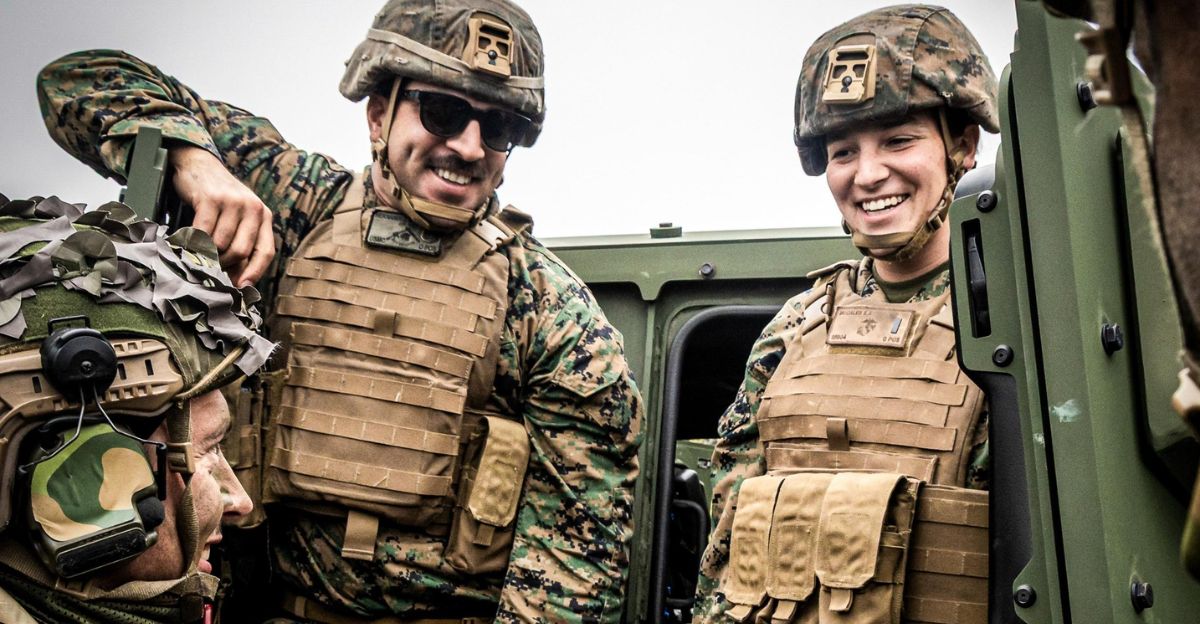
Lessons in managing cross-national defense manufacturing can be learned from historical precedents like the US’s production of Allied weapons during World War II and Cold War proxy industrial cooperation. These instances highlight the advantages of shared industrial capacity regarding scalability, resilience, and alliance solidarity.
However, they also highlight the dangers of over-reliance, difficulties with quality control, and geopolitical entanglements that NATO must carefully manage in order to support Ukraine’s historic action. To control perceptions, emphasizing the advantages of mutual security, and promoting unity rather than division among alliance populations.
Future Growth and Integration of Regional Security
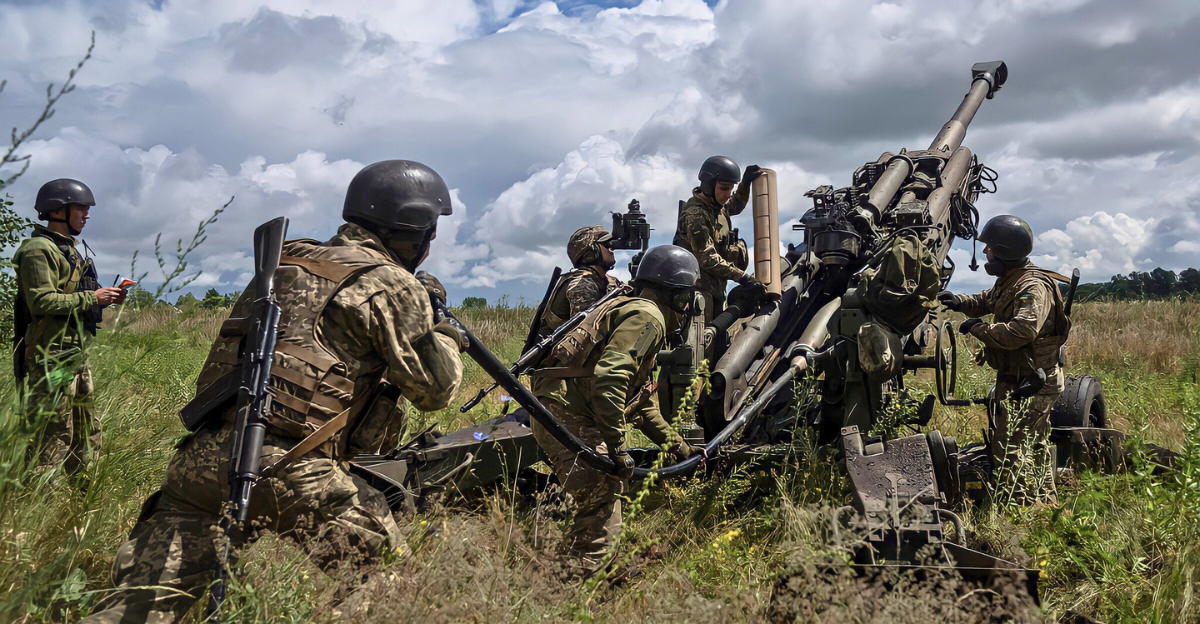
The success of Ukrainian armaments manufacturing in Denmark paves the way for future expansion into other NATO nations, possibly involving several locations for various systems. This growth could improve coordinated responses to threats by integrating Ukraine’s defense sector into a larger European security ecosystem.
It advocates for a new security industrial model that places a strong emphasis on distributed manufacturing, quick innovation, and strategic redundancyall of which are essential for alliance resilience and future conflict deterrence.
Innovation’s Place in Information and Hybrid Warfare
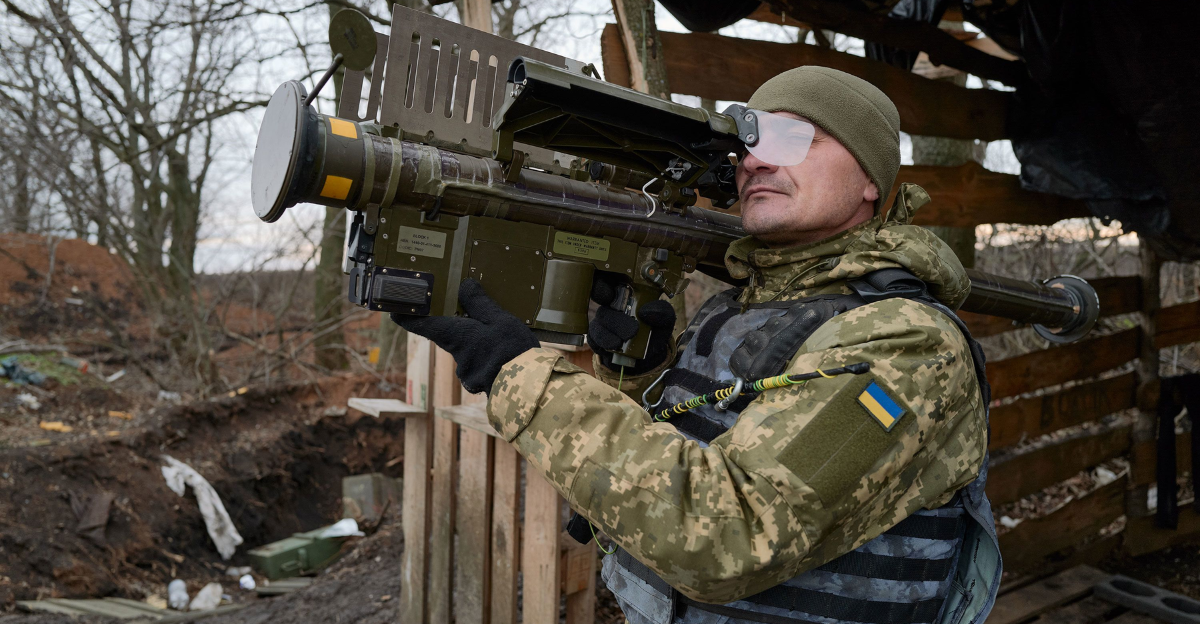
Ukraine’s innovative weaponry goes beyond hardware to include electronic and information warfare, which is essential in today’s hybrid conflicts.
By integrating these capabilities into allied defense planning, hosting production on NATO territory fosters collaboration in the fight against electronic attacks, cyberthreats, and disinformation. Strategic deterrence is strengthened by coordinated development and deployment, which improves NATO’s capacity to effectively counter multi-domain threats.
Conclusion
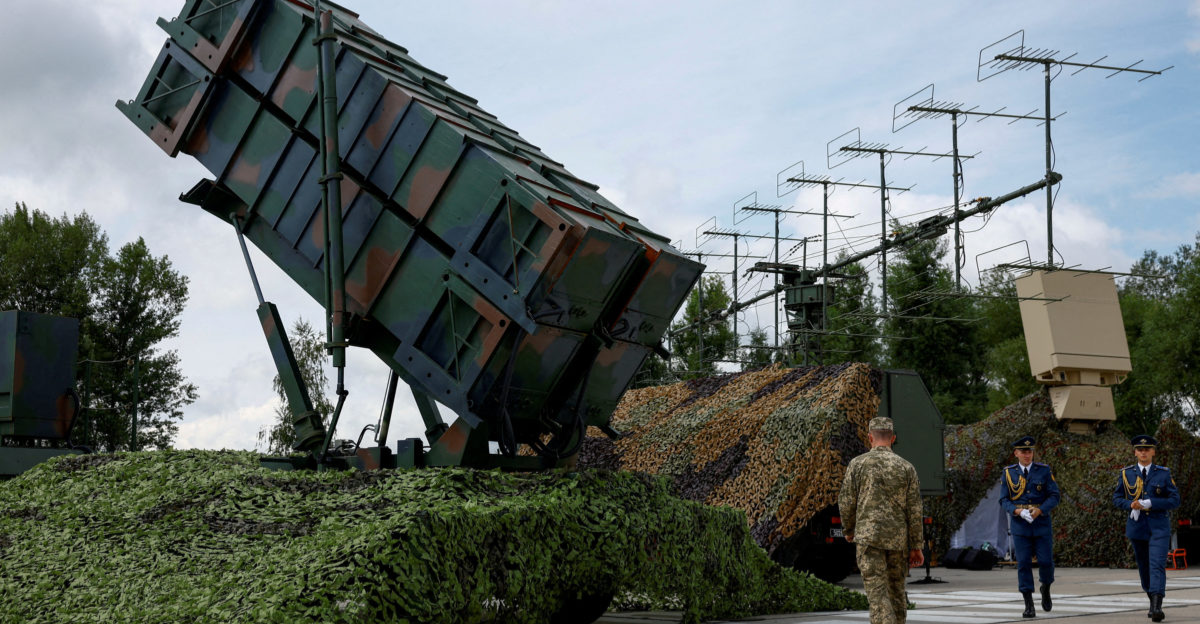
An important and practical development in alliance defense cooperation is the hosting of Ukrainian weapons production on NATO territory. It improves NATO’s strategic depth, strengthens Ukraine’s independence, and deters Russian aggression by switching support from outside aid to embedded integration.
This action, which fosters resilience through innovation, shared industrial capacity, and strengthened political unity, is a necessary adaptation to the demands of modern warfare, despite the security, political risk, and public perception challenges it presents. It is a sign that NATO is supporting Ukraine both politically and militarily, helping to forge a new collective security paradigm in a world that is becoming more unstable by the day.