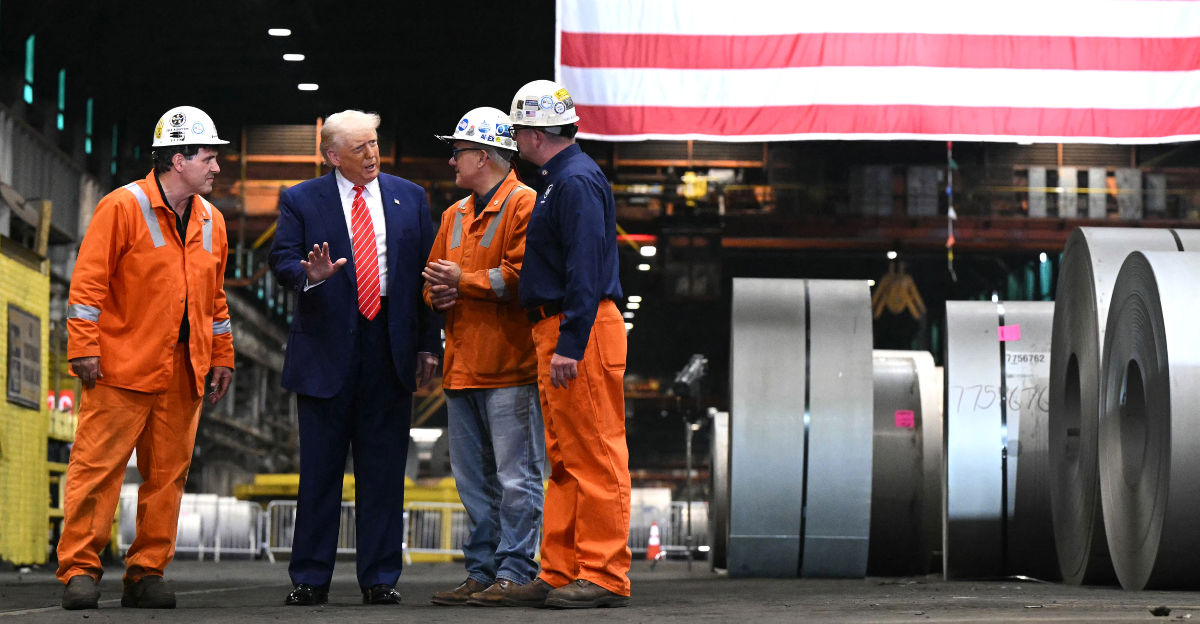
On June 4, 2025, the White House announced a startling increase in tariffs on steel imports, raising them to a significant 50%. Industry leaders watched with concern as they argued that this decision could reshape costs across manufacturing and retail sectors.
Observers are eager to see how businesses adjust their strategies. A steel trader from Pittsburgh expressed worry, saying, “This change will destroy the economy and manufacturing. There’s nothing good about it.” The real ramifications of this tariff increase may take time to unfold, but expectations are already mounting across diverse sectors.
Retail Ripple
As the new steel tariffs roll out, U.S. retailers are preparing for a staggering $30 billion hit to inventory value. Analysts assert that supply chain costs will experience a sharp spike, leading to inevitable price hikes.
A retail owner in Chicago lamented, “We can’t absorb these additional costs forever; at some point, prices for our customers will rise.” With widespread disruptions anticipated throughout 2025, consumers will likely feel the pinch across various sectors. Companies are devising strategies to cope with increased costs, but uncertainty remains palpable as they strive to adapt.
Historical Context
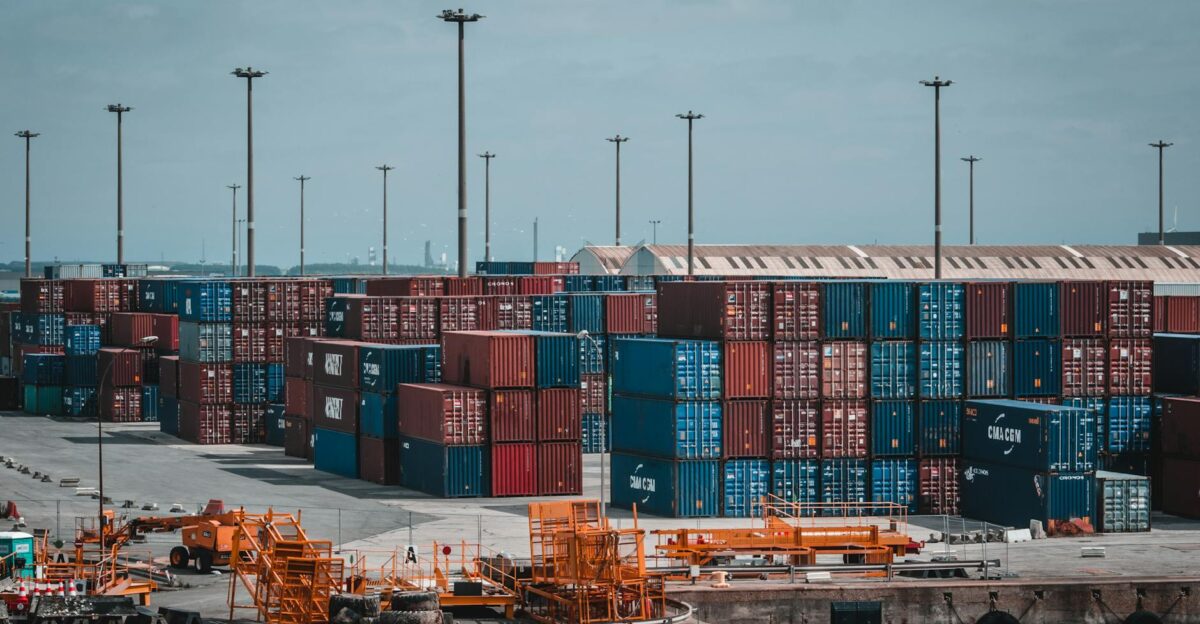
Steel tariffs are not a new phenomenon. In 2018, the United States initiated various duties on imported metals to bolster domestic manufacturers. Over the years, these policies have significantly impacted global competitors who struggle to maintain market share.
A manufacturing analyst noted, “Tariffs may protect certain sectors, but they often come with unintended consequences that can stifle competition.” As the landscape evolves, stakeholders must prepare for the adjustments accompanying such protective measures, particularly in industries reliant on affordable steel.
Unfair Trade Practices
Growing concerns regarding unfair foreign trade practices have kept the tariff debate alive. Recent research highlights a global oversupply of steel, especially from China, posing significant threats to the stability of the U.S. steel industry. An industry spokesperson articulated the challenges: “Our workers deserve protection from unfair competition.
We shouldn’t be fighting for survival.” This backdrop of oversupply has instigated heightened calls for protective measures, even as potential fallout looms for domestic consumers and manufacturers who rely on imported materials.
Doubling the Tariff
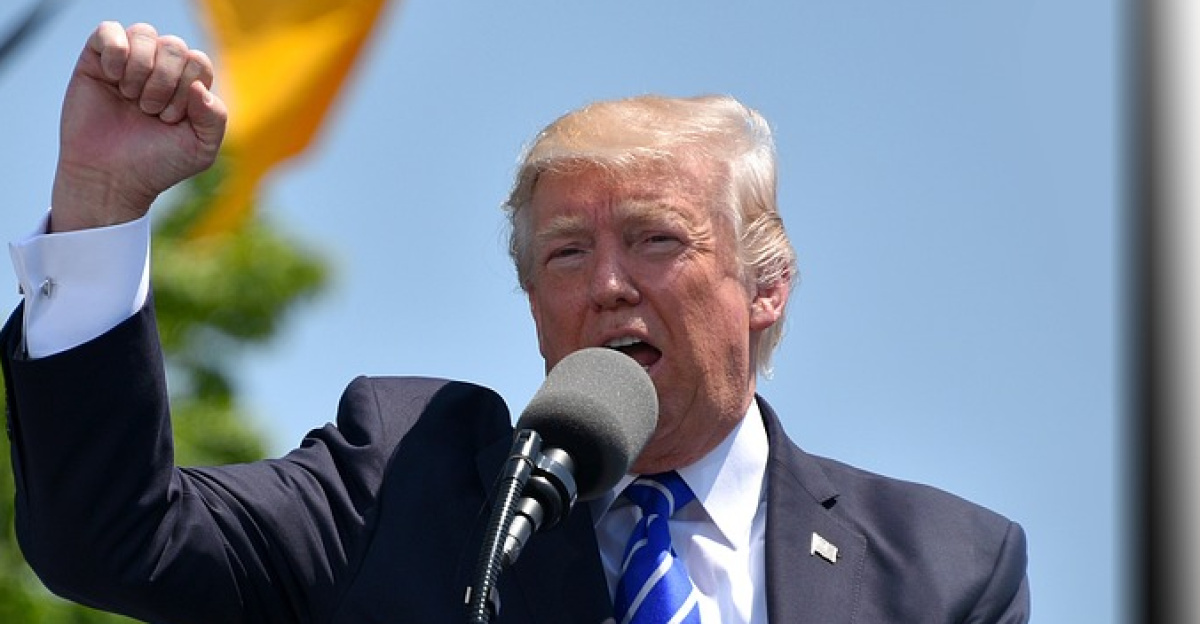
President Trump’s administration doubled Section 232 steel tariffs from 25% to 50%, citing national security and economic interests. Interestingly, the UK remains temporarily exempt at the 25% rate, pending further negotiations.
“This isn’t just about trade; it’s about securing our economic future,” a White House adviser emphasized. As steel becomes costlier, industries across America must reassess their strategies. This landmark decision could redefine the competitive landscape for years, prompting stakeholders to adapt rapidly to the new reality.
Squeezed Regions
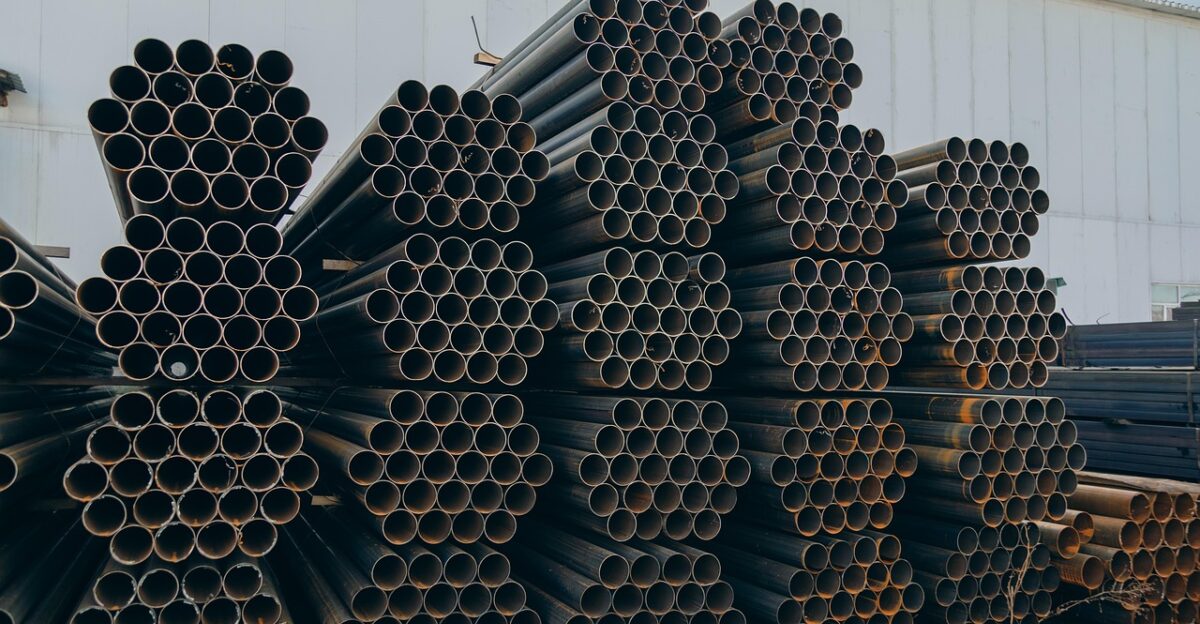
With their heavy reliance on manufacturing, Midwest states are predicted to feel the immediate impacts of these increased tariffs. Factories that depend on imported steel are bracing for escalating operational costs, putting strain on profit margins and raising the specter of potential layoffs.
“Our margins are already tight, and these tariffs will push us over the edge,” warned a factory manager in Ohio. Such increases threaten jobs and the economic health of entire communities, sparking fears that this shift could lead to a larger economic ripple effect.
Voices from the Ground
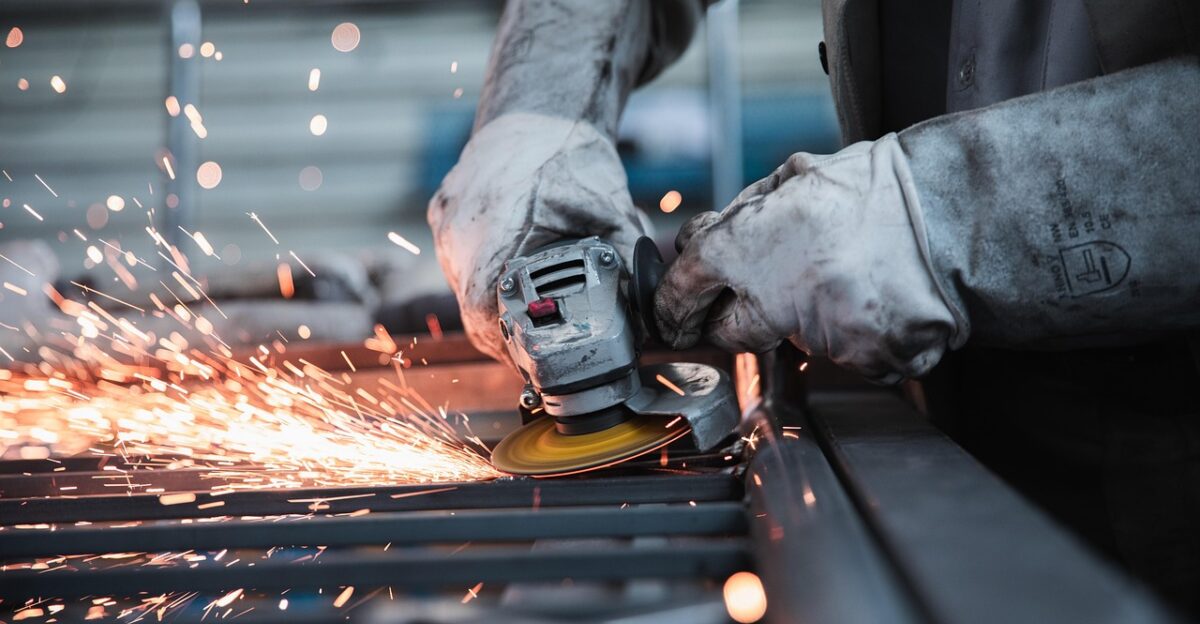
The atmosphere in steel-dependent cities is tense, with workers expressing significant fears about their job security. A steel trader in Pittsburgh described the tariff increase as “a nightmare,” emphasizing: “It’s not just numbers; it’s real people who could be affected.” Many workers in the industry are anxiously anticipating job cuts as businesses are forced to make tough decisions.
This anxiety transcends individual companies, sparking broader fears about the viability of the manufacturing sector in America. The human impact of economic choices often gets lost, but it is critical to understand the full scope of these developments.
Evolving Competition
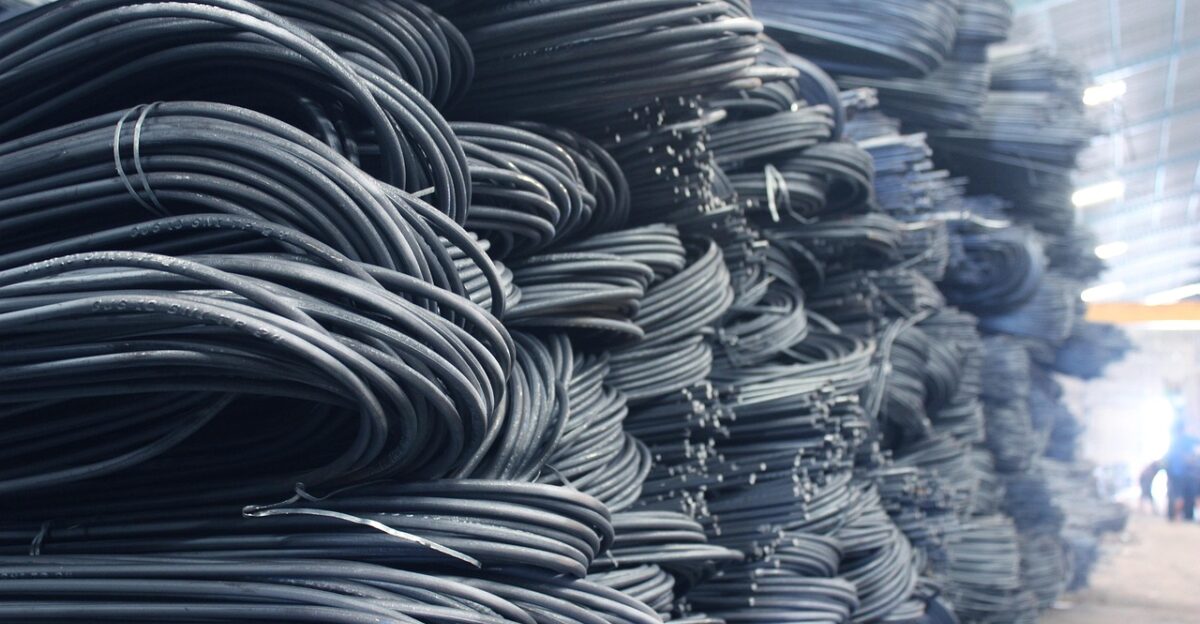
In light of these changes, European suppliers might see their U.S. market share diminish as their products become pricier. On the other hand, companies like Hyundai Steel and Posco from South Korea are investing in new U.S. plants to mitigate the risks brought on by tariffs.
A South Korean steel firm executive noted, “We’re focused on adapting to the U.S. market, ensuring we protect our interests while complying with new regulations.” As global dynamics shift, companies must reevaluate their strategies to remain viable and competitive.
A Mixed Blessing
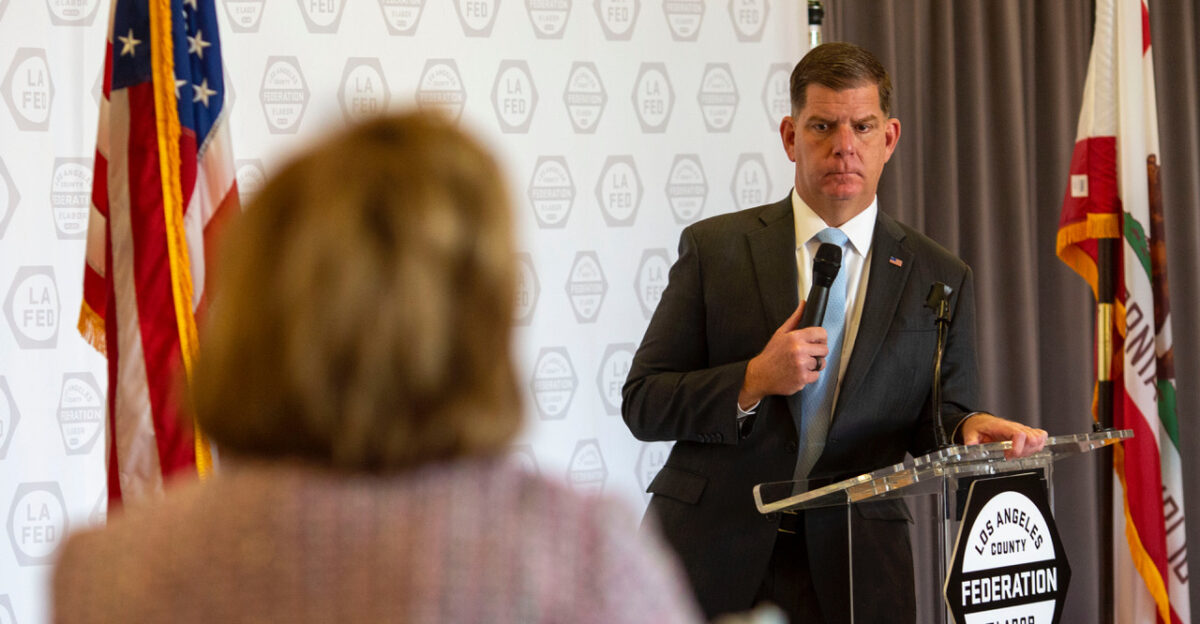
Labor unions celebrate the tariff increase, viewing it as an opportunity to preserve and create jobs within American manufacturing. However, economists are sounding alarms, cautioning that tariffs often lead to heightened consumer prices and modest GDP shrinkage.
A labor union member succinctly put it, “If pricing hikes hurt consumers, our gains may not be sustainable.” This duality highlights a tension in policy-making: how to support domestic job growth while avoiding negative repercussions for consumers. Stakeholders must grapple with these opposing pressures as they navigate the new landscape.
Broader Impacts
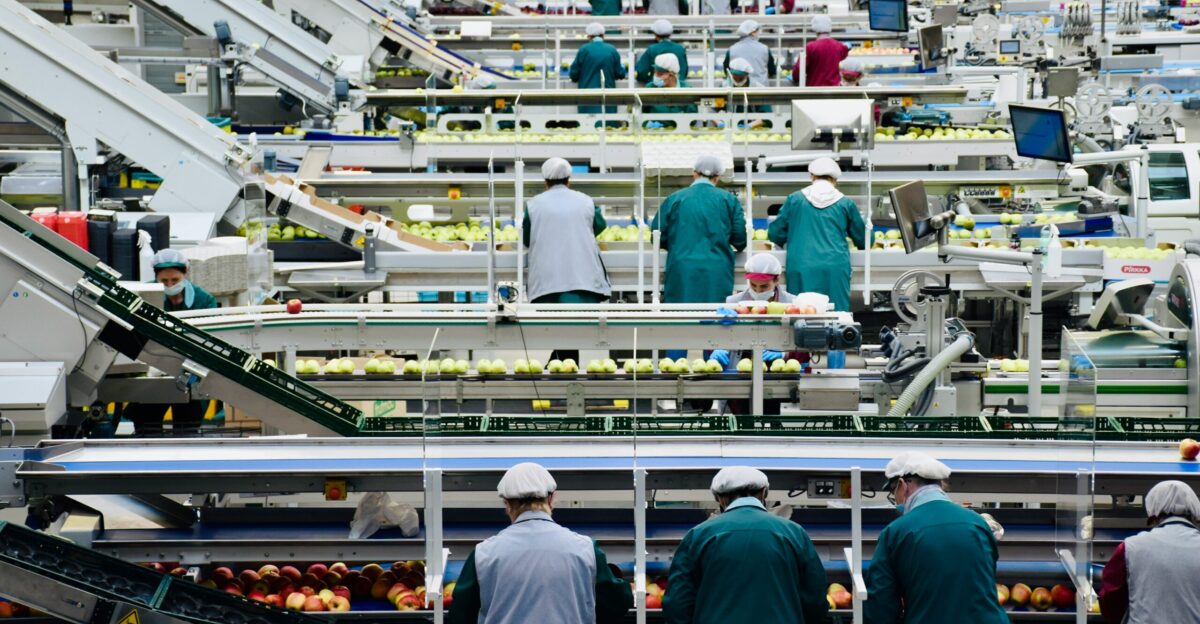
Beyond the manufacturing sector, various industries, including home construction, automotive, and canned goods, are bracing for increasing costs due to the new tariffs. Yale’s Budget Lab estimates a projected 2.3% rise in consumer prices, equating to an added burden of roughly $3,800 per year for the average household.
A family-owned business owner remarked, “These increasing expenses threaten our resources and profitability. At some point, consumers will revolt.” As these costs ripple through the economy, concerned citizens wonder how they will navigate potential price hikes in everyday goods.
Corporate Concerns

Frustration is evident among retail CEOs, who have urged the administration to reconsider the tariff increases or seek relief options. “We feel forced to tighten our belts before we even know the full extent of the damage,” admitted a prominent retailer.
Uncertainty is causing many companies to reassess their expansion plans, as hiring slows amid worries about rising costs. The shift in business sentiment underscores that while tariffs might promote domestic manufacturing, they also bring unanticipated challenges for businesses adapting to swiftly changing conditions.
Strategic Shifts
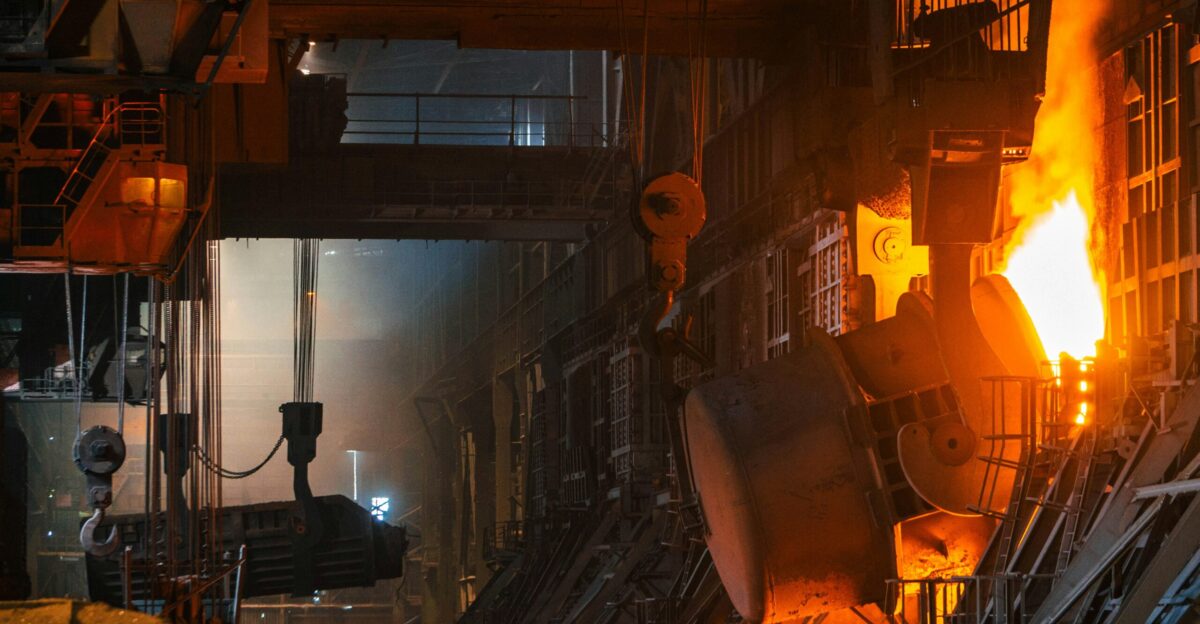
In response to the evolving landscape, some manufacturers are adopting new sourcing strategies by increasing their use of U.S.-made steel and refining their product lines.
An executive at a Midwest manufacturing firm explained, “We have to pivot and diversify our sources to maintain our edge.” These moves signify a significant shift in supply chain management and point toward future trends where adaptation and local sourcing may become paramount. As companies adjust their strategies, the industry may witness a broader transformation aimed at reducing reliance on imports.
Proactive Initiatives
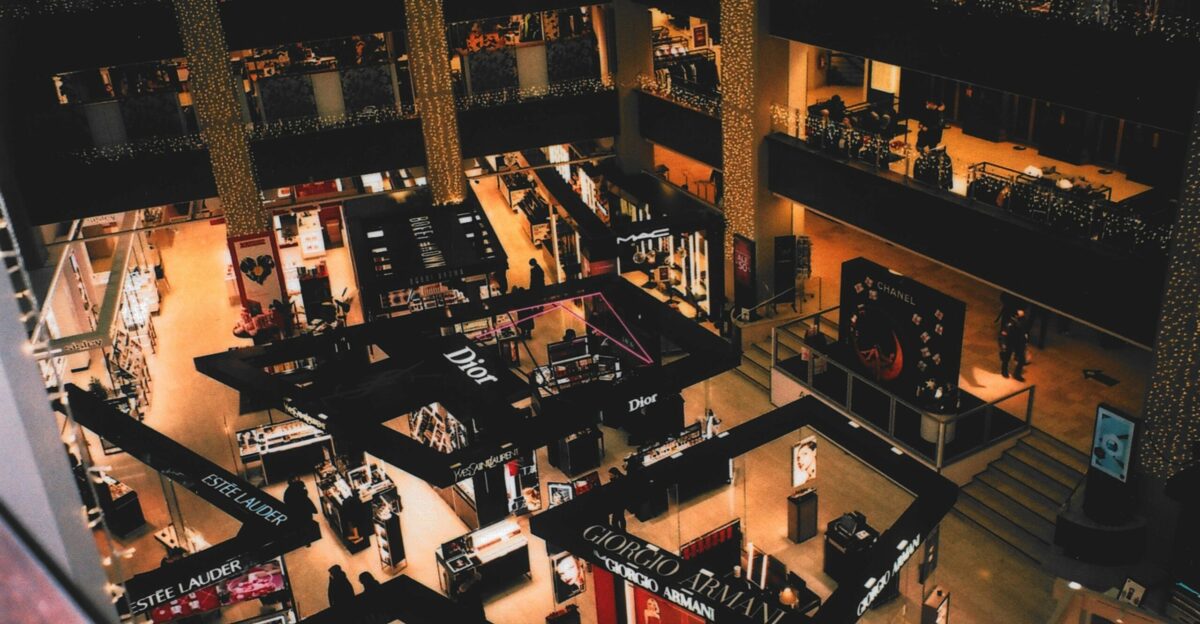
Major retailers are proactively working to hedge against inventory spikes in light of the new tariffs. Initiatives include negotiating long-term contracts with suppliers and investigating non-steel product design and packaging alternatives.
A retail executive noted, “We must think creatively to avoid pass-through costs to consumers.” This forward-thinking approach emphasizes the importance of agility and responsiveness in a challenging economic environment. By leveraging diverse strategies, companies aim to weather the storm and emerge stronger and more adaptable in a shifting marketplace.
Mixed Results Ahead

Despite the initial optimism surrounding tariff implementation, not all stakeholders share the same view. Market experts express skepticism that tariffs will yield the anticipated benefits. “History clearly shows that job gains from tariffs often come with the trade-off of higher consumer costs,” an economic analyst pointed out.
These mixed results reinforce the need to critically examine tariff policies and their broader implications for the economy. As businesses navigate these dynamics, the focus must shift to sustainable long-term growth instead of short-term fixes.
Uncertain Future

As the administration rolls out the 50% tariffs, the question emerges: Will these tariffs persist at this rate, or are further hikes ahead? Ongoing negotiations with trade partners, especially the UK, may significantly influence future rates and quotas.
A trade policy expert cautioned, “The outcome of negotiations will be crucial to determining how industry adapts.” Stakeholders are left speculating about future changes, leaving many uncertain about potential impacts on international relations and market stability. The stakes remain high, necessitating close attention to negotiations and policy shifts.
Political Landscape

The aggressive tariff announcement aims to galvanize support from industrial voters concerned about foreign competition. However, some lawmakers are apprehensive about possible retaliatory measures from Europe and Asia, fearing a loss of diplomatic ties.
A congressional representative cautioned, “We need to be strategic; further escalation could backfire and harm American interests.” This tension underscores a battle between political objectives and the realities of global trade. As the political landscape shifts, the repercussions of these tariffs could extend well beyond the economy, affecting diplomatic relations and future trade agreements.
International Concerns

Concerns over market access are rising among South Korean exporters and Canadian mills, who fear they might lose access to the U.S. market. Initial discussions suggest these countries could explore trade remedies or seek alternative partnerships to reduce reliance on the U.S. “It will be a challenge for us, but we’ll adapt,” a South Korean trade official remarked.
With global dynamics in flux, countries must navigate these shifts carefully. While suppliers adjust their strategies, the ripple effects of U.S. policy decisions could influence international trade relationships for years to come.
Legal Challenges Ahead
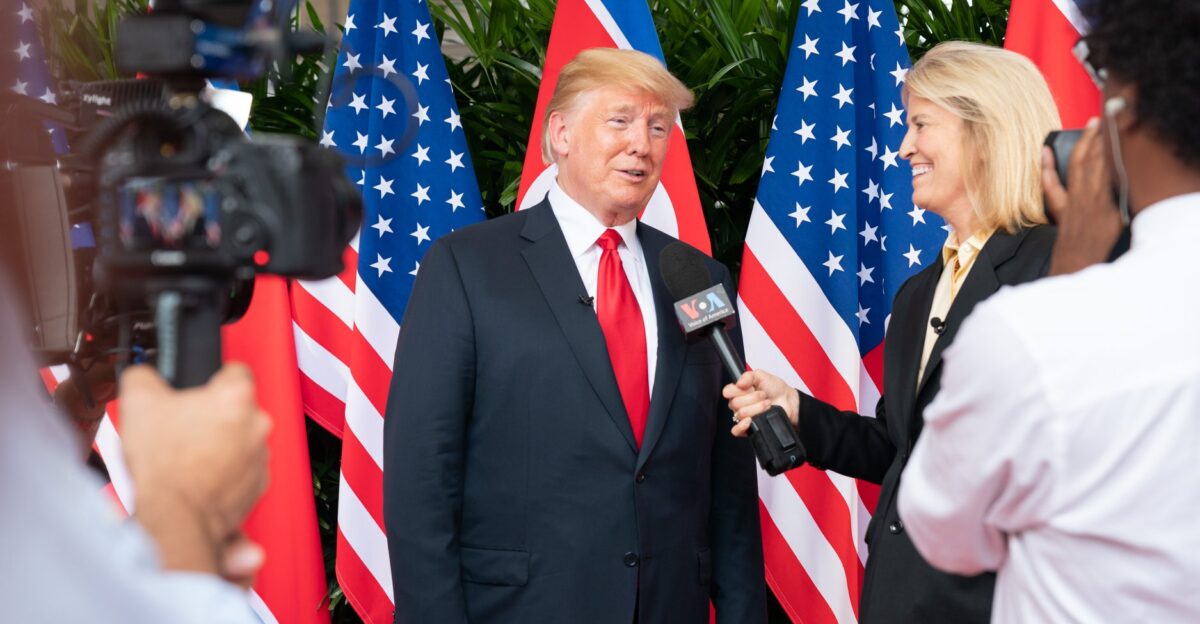
The legal framework supporting Section 232 tariffs is grounded in national security assertions, but critics argue this rationale is exaggerated. Ongoing court challenges may soon test the administration’s legal latitude regarding these tariffs. “We’re watching closely; legal outcomes could redefine trade policies,” a trade attorney explained.
As court cases unfold, stakeholders should prepare for potential shifts that could reshape the landscape of international trade and domestic industry support. The outcome of these legal battles may ultimately have far-reaching implications for businesses and consumers.
Cultural Shifts
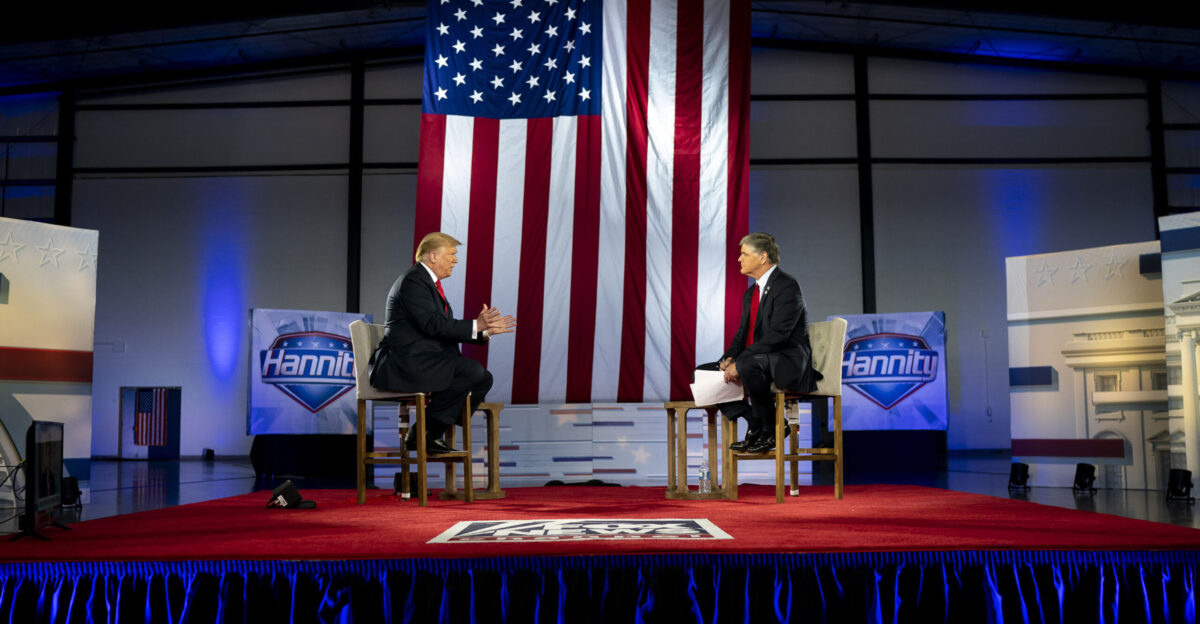
The current trade dynamics are not only an economic issue but also a cultural one. Manufacturing zone communities feel the effects of rising costs and operational changes. A factory worker in Indiana stated, “This is our livelihood; we have a lot at stake here.” The tension surrounding tariffs can lead to cultural shifts, as people adjust their buying habits and values regarding local versus foreign products.
As communities grapple with these realities, the broader implications of these tariffs highlight the interconnectedness of economy, culture, and identity in American society.
Moving Forward
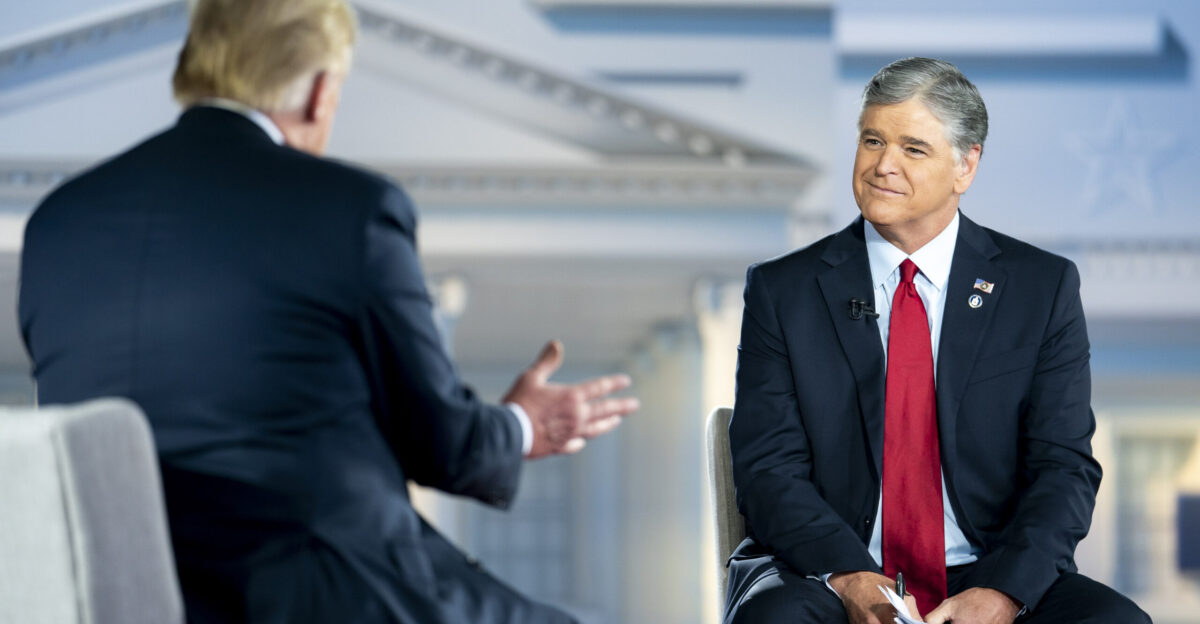
As the impacts of tariffs unfold, industries and communities must contemplate the long-term effects on the American economy. Will these policies foster lasting growth in manufacturing jobs or merely raise consumer prices? A small business owner voiced their concerns: “We need stability to plan for the future.”
Understanding the balance between protecting domestic industries and maintaining consumer interests. The journey ahead will demand adaptability and collaboration to navigate the challenges posed by these tariffs. Ultimately, the outcomes will shape the economy and the social fabric of American life for years to come.