Chelsea Clinton faced an onslaught of accusations on social media. In February 2025, DOGE and several online personalities claimed the U.S. Agency for International Development (USAID) had sent $82 million to Clinton through the Clinton Foundation.
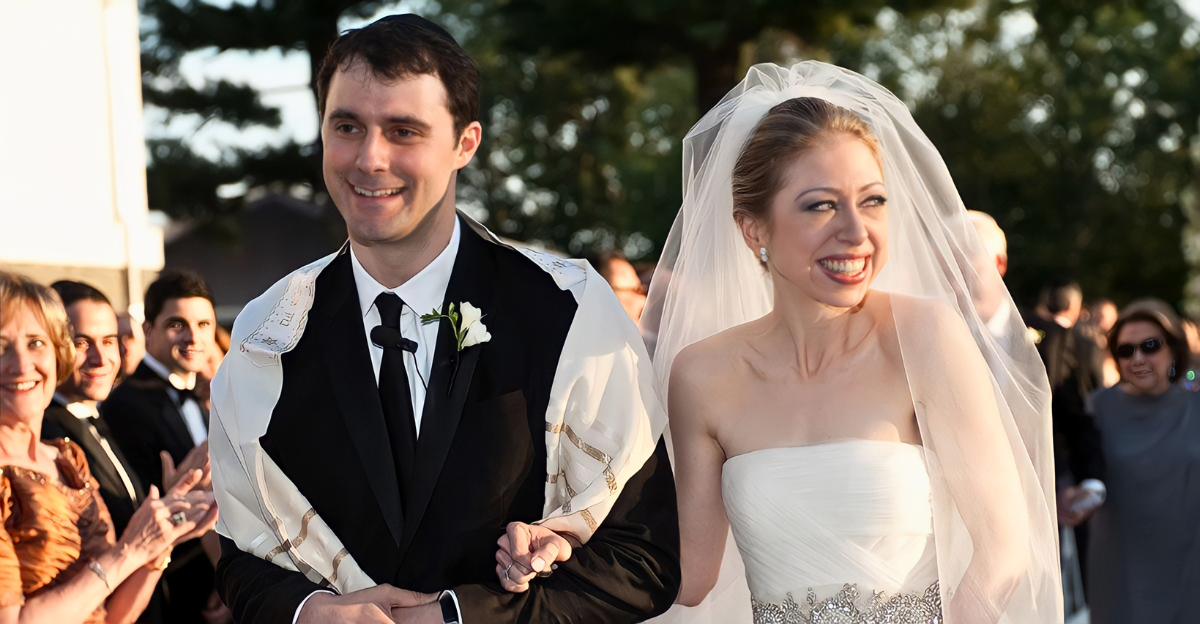
The narrative snowballed within days, mixing stories of mansion purchases and lavish weddings. Clinton and the Foundation quickly became targets of harsh criticism. Posts and memes went viral on X, stirring questions about public money and fueling partisan arguments.
Public reaction intensified. Charts, images, and conspiracy threads appeared everywhere. Clinton responded decisively, calling the allegations “dangerous misinformation.” Foundation officials invited critics to inspect government records and audits.
They repeated, “The Clinton family takes no financial benefit from Foundation work.” Despite these statements, suspicions persisted. The rumor’s speed showed how easily false narratives can put institutions under pressure.
Federal records set the record straight. Government databases confirmed USAID didn’t send grants, let alone $82 million, to the Clinton Foundation between 2008 and 2024.
IRS filings documented Chelsea Clinton took no salary or financial benefit from federal funds. Researchers found only a $49,998 AmeriCorps grant to the Foundation in 2010. The Clinton Health Access Initiative, a related nonprofit, received $7.5 million for health projects in Zambia. All funds supported programs—none went to Clinton personally.
Fact-Checkers Refute Social Media Claims
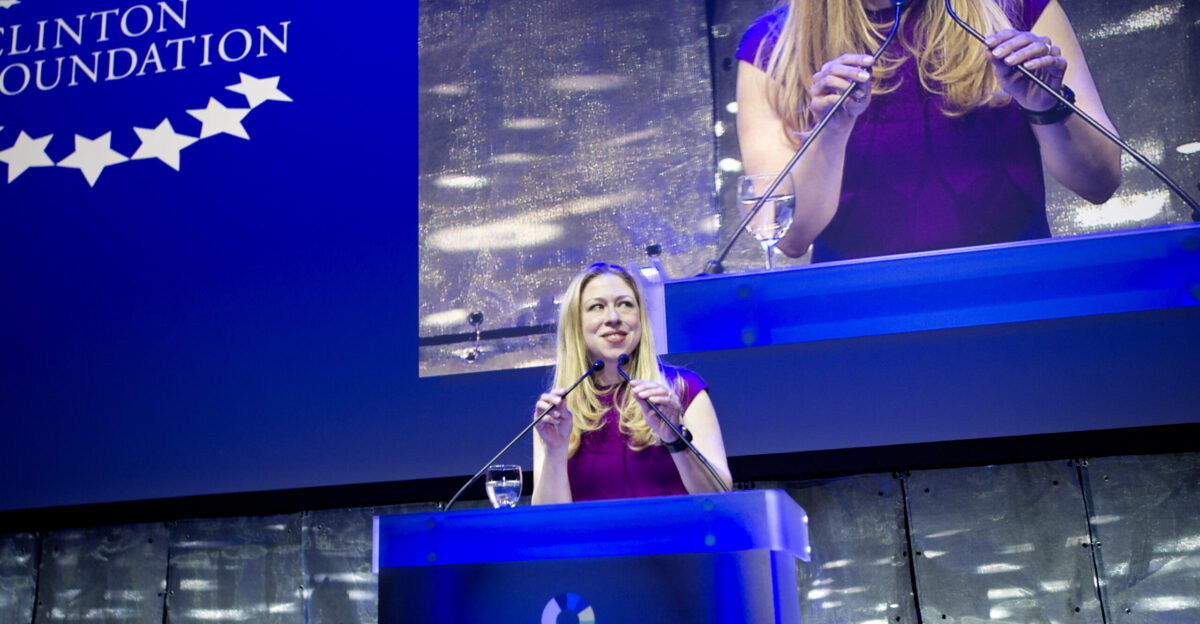
Newsweek, Snopes, and Forbes examined the allegations. Their fact checks highlighted public misunderstanding and mistakes. Viral charts grouped unrelated transactions, multiplying the figures.
Independent reviews matched employer identification numbers and confirmed Clinton received no direct payments from USAID. Chelsea Clinton’s vice chair role remains unpaid. The Foundation stressed, “Our family does not take a salary from this organization.”
Watchdogs and media outlets urged readers to verify facts. Outlets repeated the warning: check public sources, not rumors. Credible audits and databases replaced viral speculation. As accurate details surfaced, focus shifted from Clinton’s supposed gains to how online stories misinform the public.
Online Misinformation Fuels Distrust
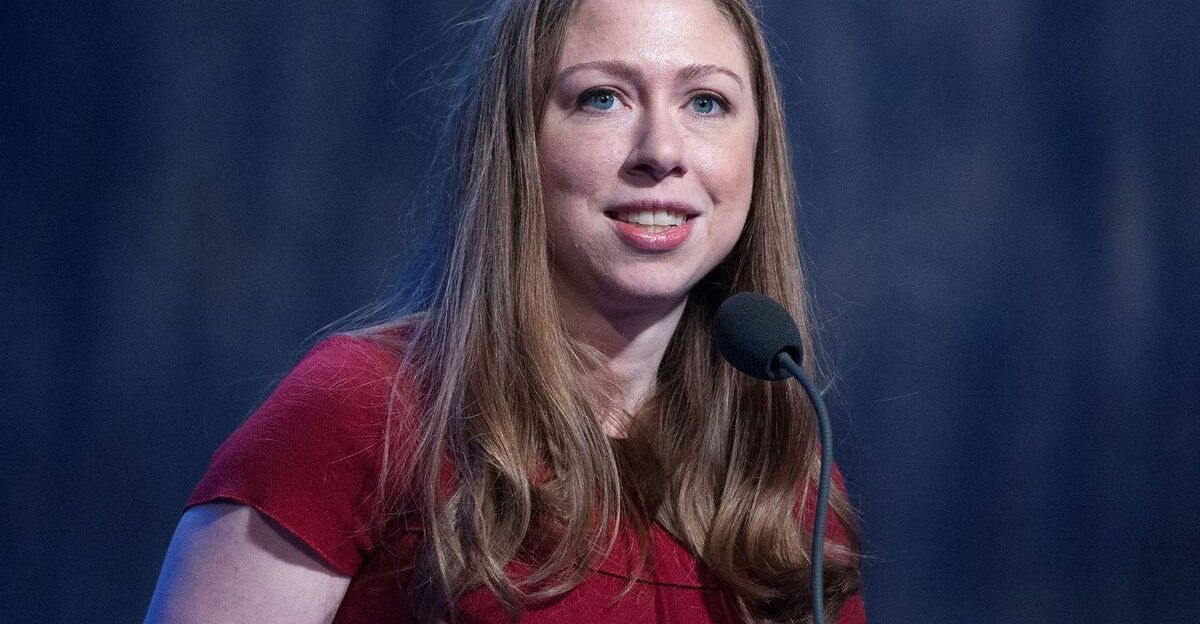
The $82M USAID rumor underscores misinformation’s reach. DOGE and other influencers generated thousands of reposts, blending fact fragments with speculation. Even after fact checks appeared, many stuck to the narrative. Clinton addressed the damage: “Misinformation is not merely background noise; it’s a weapon.”
Her response cautions against the fast-paced digital landscape. The Clinton Foundation publishes audits and reports, striving for transparency. Still, rumors persist, threatening credibility. For Clinton and similar organizations, vigilance and public education remain crucial.
Fact-checkers matter, but everyone plays a part in separating rumor from reality. Clinton put it simply, “Facts: I’m proud of the Clinton Foundation work that has helped tens of millions of people worldwide. Our impact speaks for itself. I don’t take a cent from the Foundation. Never have. In fact, my family personally contributes meaningfully to our work each year.”
Adding: “Misinformation isn’t just noise—it’s a weapon. Efforts to undermine good work won’t stop us, and we stand in solidarity with those who are committed to truth, public health, progress, and the endless potential of our future.”