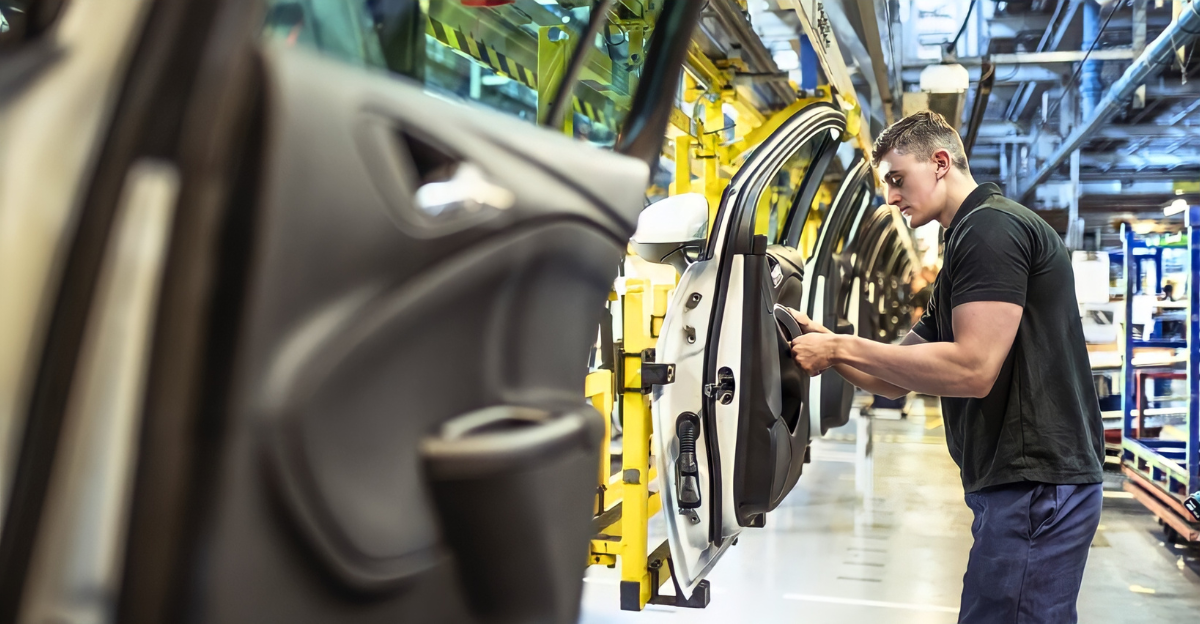
President Trump has a new 25% tax on foreign-manufactured vehicles. Since more than half of all vehicles sold in America fit this definition, many cars will increase in price.
Industry experts warn that some popular models like the Audi Q5 may become impossible to sell profitably in the U.S. market.
Financial Impact
The effects are already apparent as financial damage totals $108 billion. According to company reports, Ford is already expecting to lose $3 billion from the import tax.
Due to tariff losses, Audi has already cut earnings forecasts by $600 million in just six months, all because of tariff losses. Some popular vehicles now cost $10,000 more than before the trade war started.
Trade War
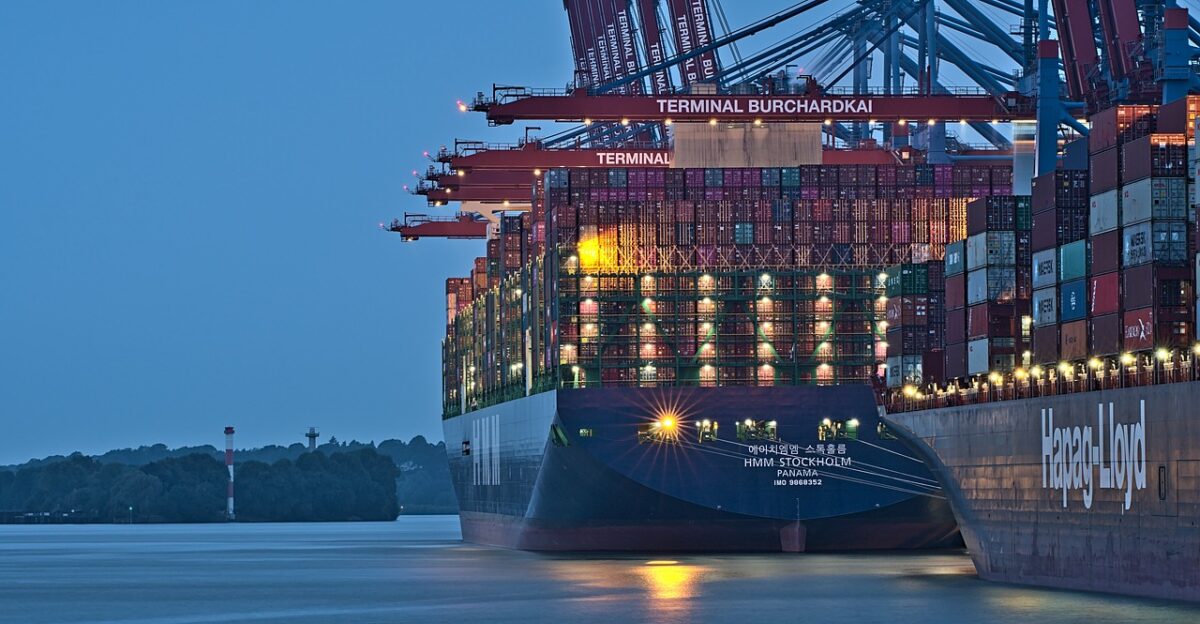
Trump’s 25% tariff launched on April 3, targeting any vehicle not assembled domestically in the United States. This 25% increase applies to all imports, even from Mexico, and could rise by a further 5% for repeat offenders.
One of the only ways to sidestep these tariffs is for car manufacturers to move production onto U.S. soil within two years.
An Industry In A Panic

The new tariffs have caused automakers to scramble and find solutions. BMW stopped taking on the extra tariff costs and started passing them off onto their vehicle prices, making consumers shoulder the burden.
General Motors temporarily shut Canadian plants to avoid cross-border shipping delays. Building new factories takes three years, but Trump’s taxes started immediately, creating unprecedented pressure.
Volkswagen

Volkswagen Group needs no introduction, and is the second-largest car manufacturer in the world with over 9 million vehicles sold last year alone. For the first time in company history, Volkswagen plans to move production for Audi cars onto American soil.
German trade publications confirm the company is actively scouting three potential U.S. factory locations, with final decisions expected before year-end to avoid tariff devastation.
Tennessee
Chattanooga, Tennessee, leads the competitive race with 5,500 workers already building VW’s ID.4 electric vehicle successfully.
The massive 3.8 million square foot facility produced 175,000 vehicles in 2023 and is a viable location to add Audi’s Q4 e-tron since both brands use identical electric platforms and thousands of shared components.
Executive Commitment

“We want to localize more strongly in the USA,” an Audi company spokesperson told reporters directly. CFO Jürgen Rittersberger called the dramatic move a “strategic necessity” to avoid crippling import taxes.
Audi plans to launch 10 new U.S. models with specific production locations announced by the end of 2025, as revealed in recent earnings calls to investors.
Other Manufacturers Making The Move

It’s not only Volkswagen Group that is making this move. Honda is moving Civic Hybrid assembly from Canada to Indiana to avoid tariffs entirely.
General Motors shifts SUV production from Mexico to Kansas by 2027. Mercedes-Benz announced moving a “core segment vehicle” to Alabama facilities. Bloomberg analysis shows this represents the biggest manufacturing shift since the brutal 1980s trade wars with Japan.
Economic Scale

Volkswagen Group currently supports 164,470 American jobs and generates $43.8 billion in yearly economic output, comprehensive Deloitte studies show.
The company has increased its U.S. manufacturing workforce by 30% since 2019 to nearly 4,000 employees. Their planned expansion in the U.S. could create thousands more high-paying positions across multiple southern states with manufacturing expertise.
Casualty Confirmed
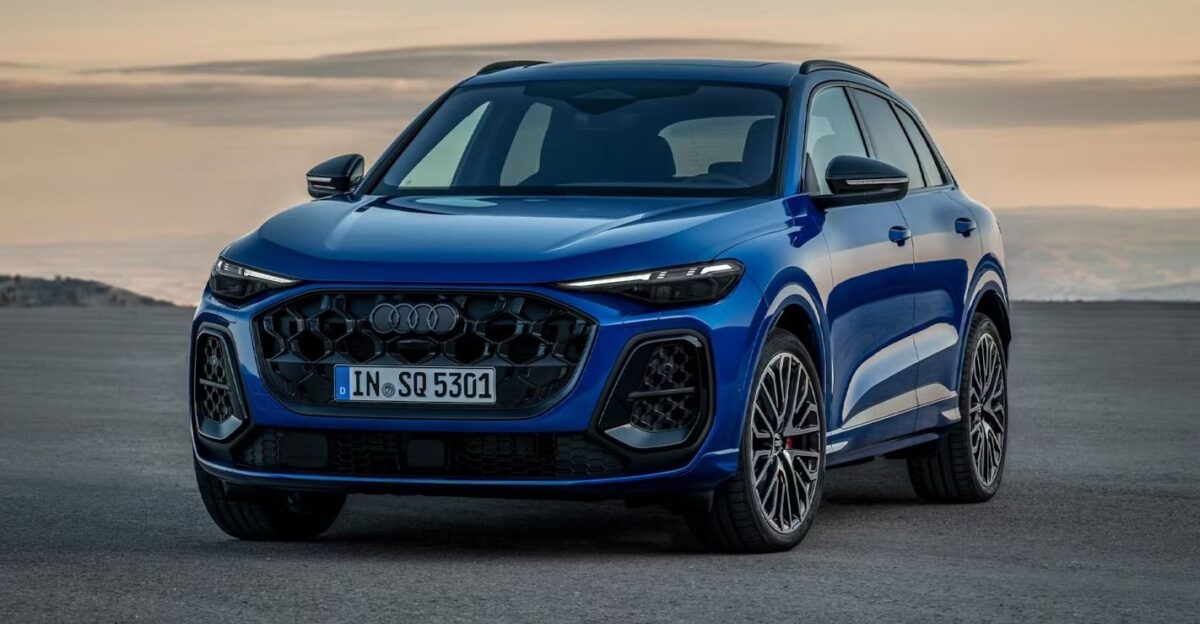
The aggressive tariffs have already claimed their first major victim in the marketplace. Audi’s best-selling Q5 SUV, manufactured in Mexico, now faces 52.5% combined import duties, making it completely unprofitable.
“The Q5 is a nice car, but if they’re making it there, they can’t sell it,” industry consultant Ambrose Conroy told Fortune bluntly.
Internal Crisis
Massive tariff losses triggered sweeping organizational changes inside Volkswagen’s global operations. Audi cut financial forecasts due to $600 million in six-month tariff losses while simultaneously reducing the German workforce by 7,500 positions.
CFO Rittersberger admitted tariffs “clearly highlight the necessity” of fundamental business transformation across all global manufacturing operations and supply chains.
New Direction

CEO Gernot Döllner announced major strategic shifts, telling anxious investors “the signs point to a new beginning” for Audi’s future. The company targets 300,000-400,000 annual U.S. sales, up dramatically from the current 200,000.
Ambitious plans include $8 billion in German facility upgrades while simultaneously pursuing comprehensive American manufacturing capabilities.
Master Plan

Volkswagen’s comprehensive solution leverages existing American manufacturing infrastructure efficiently. The company is building a massive $2 billion Scout Motors electric truck facility in South Carolina, employing 4,000 workers to produce 200,000 vehicles annually starting in 2027.
State officials confirm the sprawling 1,600-acre facility could easily accommodate additional Audi models.
Expert Skepticism

Industry analysts question whether rapid production shifts can happen fast enough to matter. “Setting up car factories takes three to four years,” German analyst Matthias Schmidt told Fortune.
“With Trump, you don’t know how the market will be in three to four hours.” The persistent uncertainty complicates multi-billion-dollar investment planning decisions.
Future Stakes
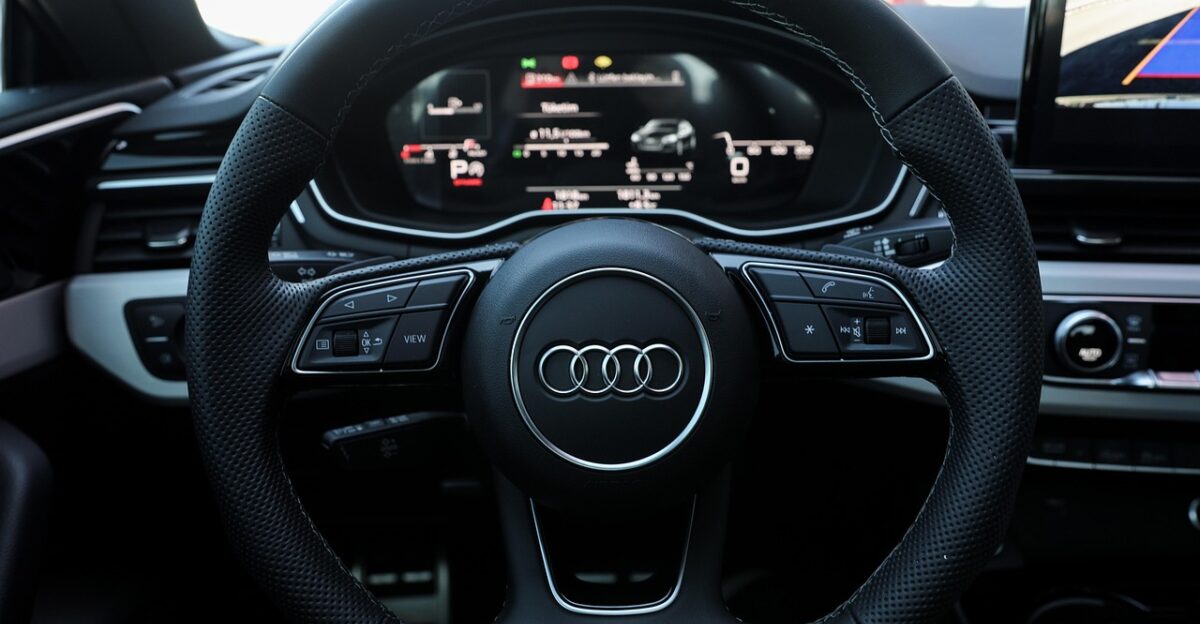
This massive automotive reshuffling could permanently alter global manufacturing patterns for decades. Audi is seriously considering building a dedicated “twin plant” adjacent to VW’s Tennessee facility with 150,000-200,000 vehicle annual capacity.
Success could inspire other European luxury brands to follow suit, reshaping the entire industry permanently.
Political Victory
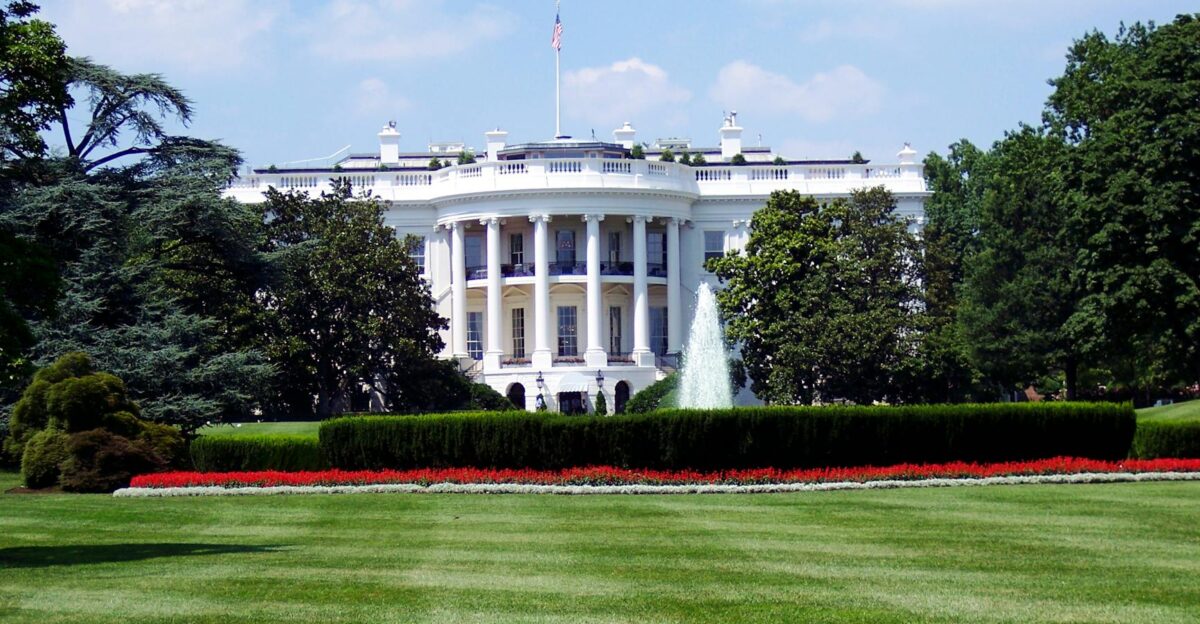
Trump’s aggressive tariff strategy appears to be working exactly as the administration intended. The White House expects these forced production shifts will create thousands of well-paying American jobs while generating over $100 billion annually in revenue.
Official statements claim that forcing foreign companies onto U.S. soil strengthens national security and manufacturing independence significantly.
Global Consequences

European workers face significant job losses as production shifts westward to America. Volkswagen ahas lready announced ethat it will eliminate35,000 German positions—the largest European auto industry workforce cut since World War II.
Industry analysis demonstrates this geographic rebalancing affects suppliers across multiple continents, fundamentally reshaping decades of carefully constructed international trade relationships.
Legal Maze
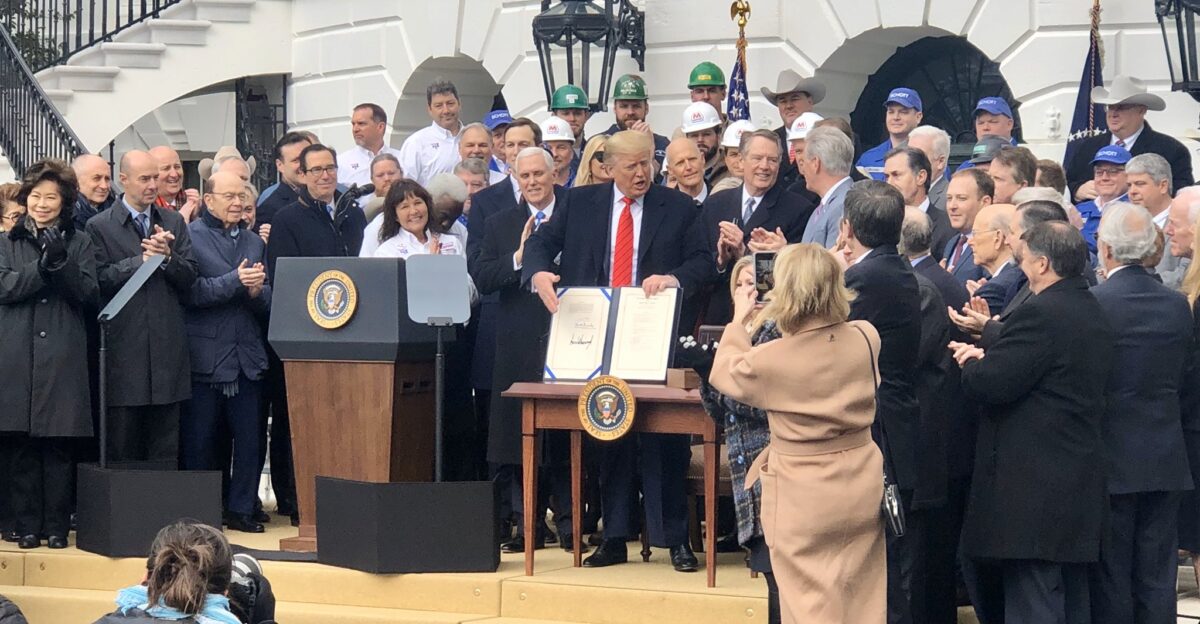
Companies must prove sufficient North American content to qualify for partial tariff relief under the complex USMCA trade agreements. Legal analysis reveals manufacturers need extensive documentation showing domestic parts sourcing, creating substantial compliance costs beyond simply relocating assembly operations.
Complex paperwork requirements and bureaucratic processes could significantly delay production starts.
Manufacturing Renaissance

Southern states compete aggressively for valuable automotive investment using tax incentives worth billions of dollars. South Carolina offered Scout Motors substantial financial breaks for their $2 billion facility investment.
Economic reports document that this represents a generational change in how global companies view American production capacity versus traditional overseas cost centers.
New Reality

Volkswagen’s corporate surrender signals a fundamental change in global automotive power dynamics and trade relationships. What began as Trump’s aggressive trade pressure has evolved into a permanent structural transformation affecting the entire industry.
Foreign manufacturers now view American production as an absolute survival necessity, not merely a cost option, potentially defining the next decade.