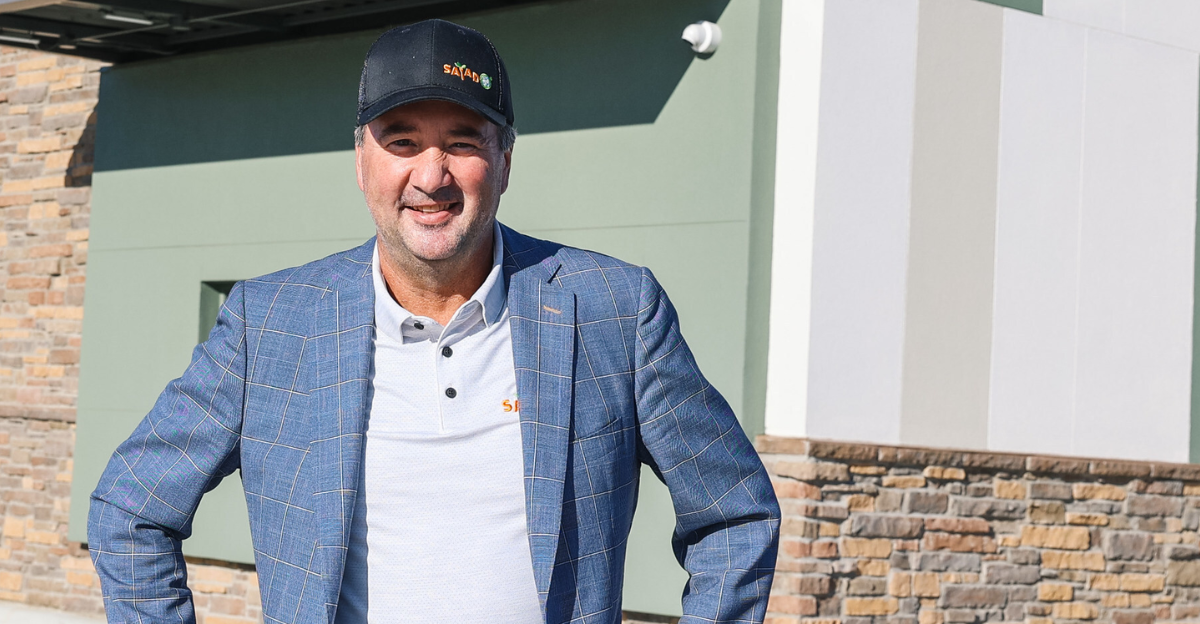
A fast-growing drive-thru salad chain has just named Mike Tattersfield, the former Krispy Kreme CEO, as its new chief executive.
With more than 30 years in the food business, Tattersfield is now a minority owner, signaling a massive leadership change for the brand. This comes as the brand looks to redefine its strategy in a competitive market.
Strategic Crossroads
Tattersfield is stepping in at a tough time for quick-service chains. The company has almost doubled its locations in just two years, but growing that fast has created some operational challenges along the way.
The company’s focus is now shifting to stability and sustainable growth, raising the stakes for employees and investors.
Brand Origins
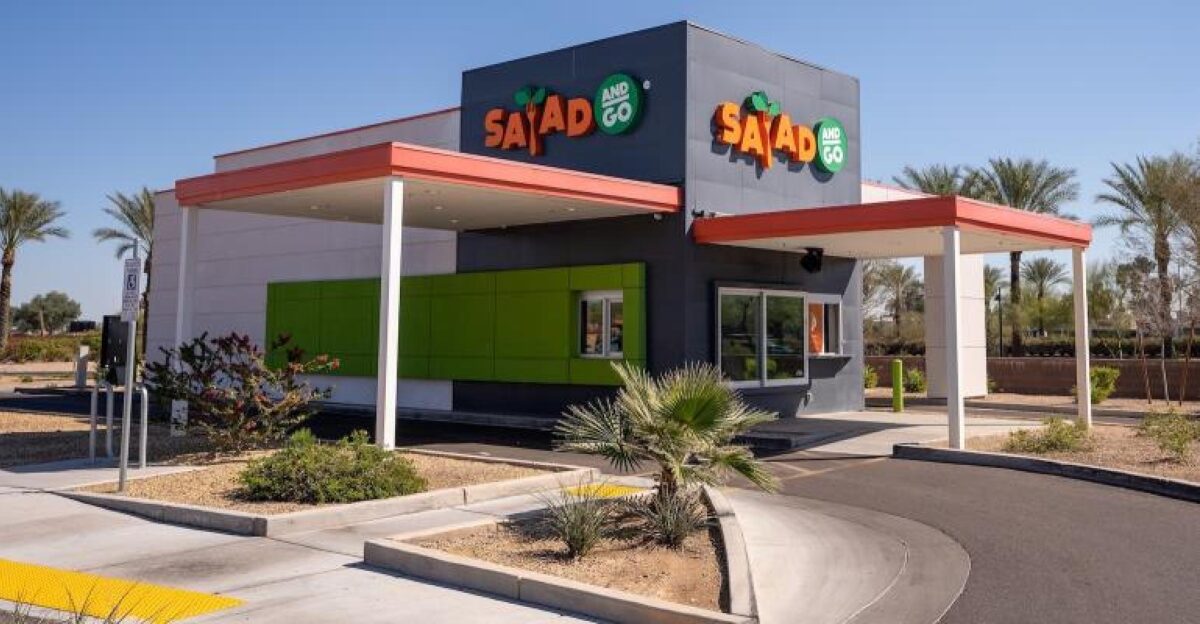
Founded in 2013 in Gilbert, Arizona, this drive-thru salad chain was created to make healthy, affordable food accessible.
Its centralized kitchen model allows for efficient, made-to-order salads at drive-thru locations as small as 750 square feet. The brand’s unique approach has fueled its rapid expansion.
Expansion Pressures
By 2024, the chain had nearly 150 locations across Arizona, Texas, Oklahoma, and Nevada.
Sales climbed to $256 million, which was a 24% jump year-over-year. However, this level of growth strained resources, prompting a reevaluation of market priorities and operational discipline.
Major Closures
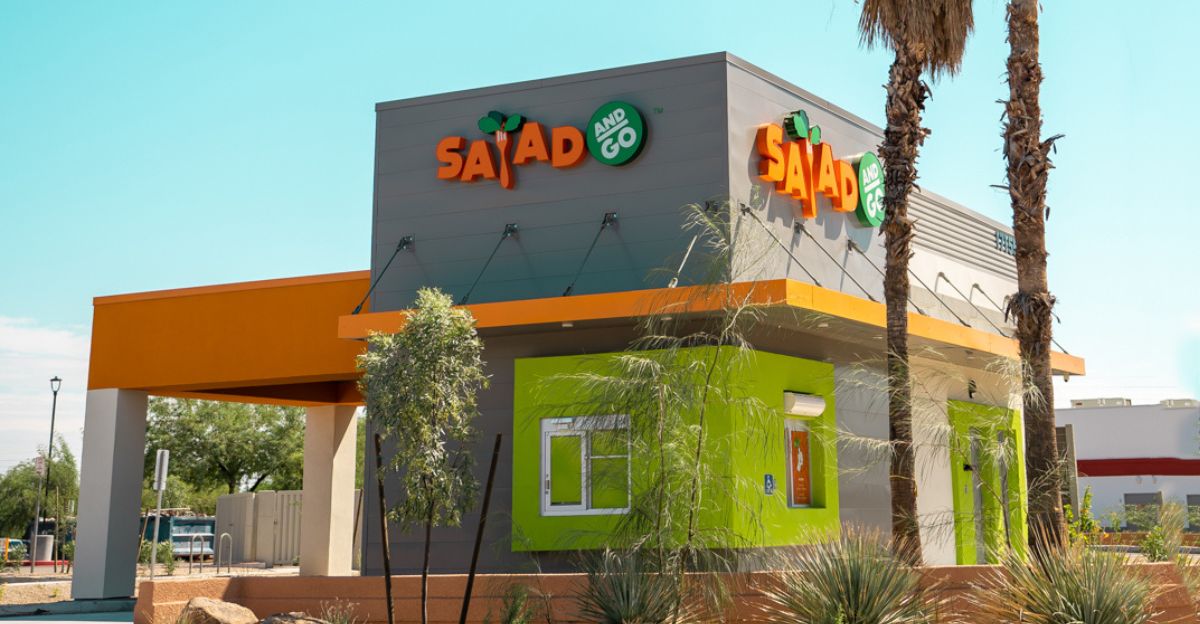
On September 17, 2025, Salad and Go announced the closure of 41 stores across Texas and Arizona. All locations in Houston, Austin, and San Antonio will be affected by these closures.
CEO Mike Tattersfield confirmed the move as part of a strategic refocus, marking a significant contraction in the brand’s footprint.
Texas Impact
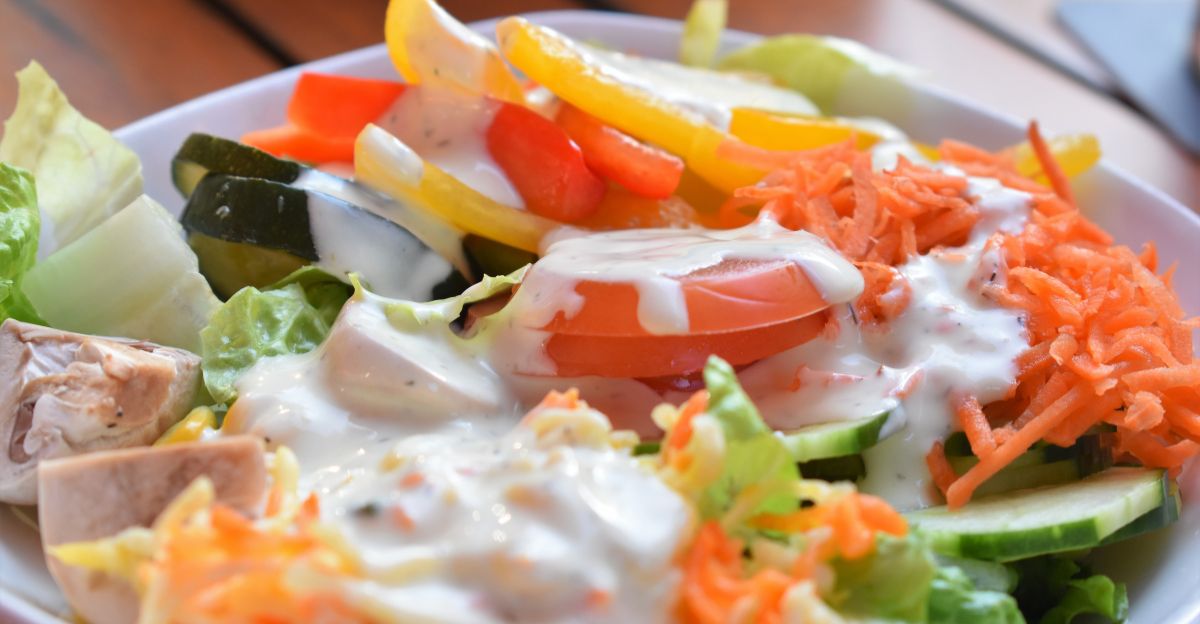
These closures will hit Texas hardest, with multiple North Texas sites closing their doors. Major cities like Houston, Austin, and San Antonio are losing all of their Salad and Go locations, leaving customers and employees facing abrupt changes.
The decision reflects a targeted withdrawal from saturated markets.
Human Toll
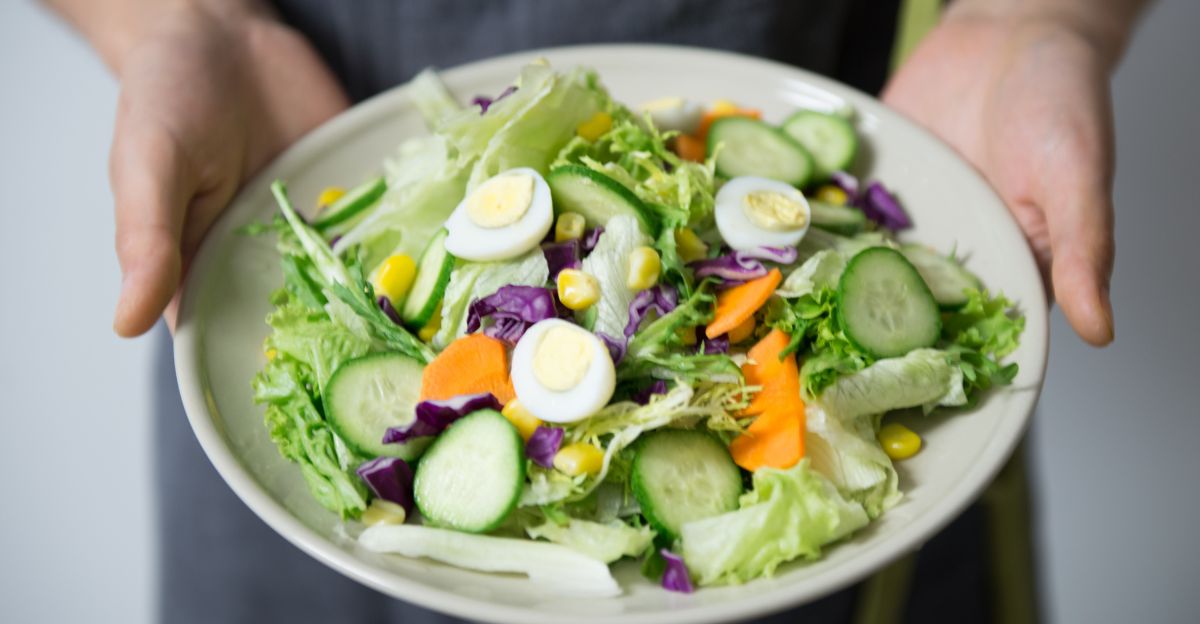
Employees in affected cities received little notice in advance of these closures, sparking uncertainty about their future employment.
On top of that, customers have expressed their disappointment at losing access to affordable, healthy meals. The closures show the human cost of strategic consolidation in the restaurant industry.
Competitive Landscape
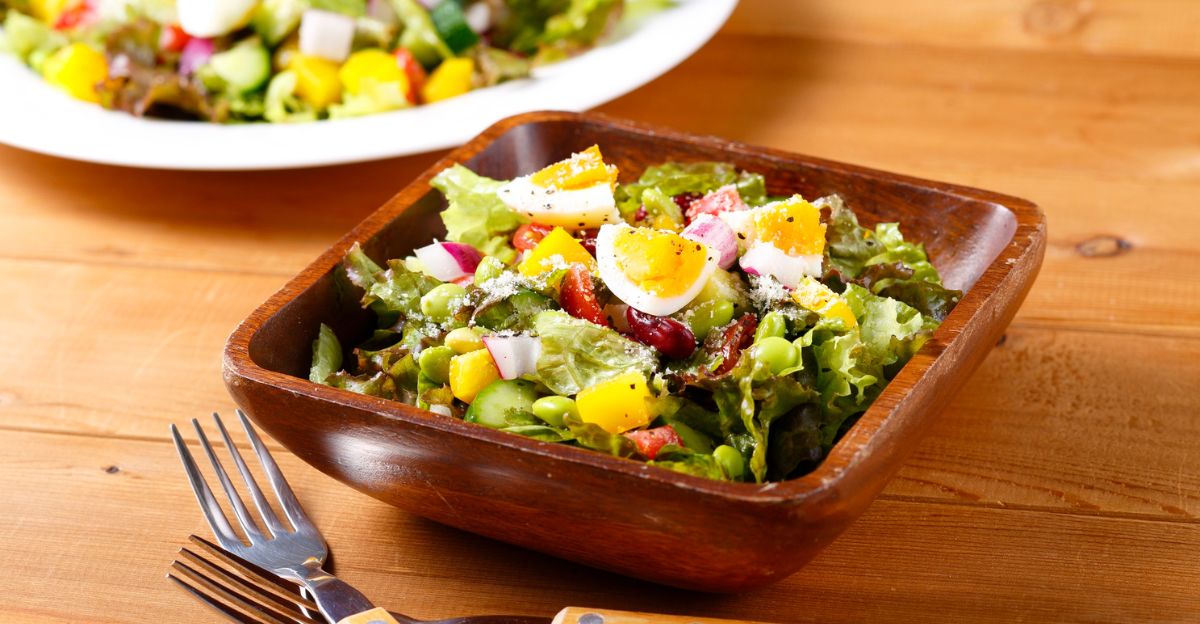
Salad and Go’s contraction comes as competitors like Sweetgreen and Chipotle expand their own healthy fast-food offerings.
The drive-thru salad segment faces intense competition for prime real estate and consumer loyalty, pressuring brands to refine their models.
Industry Trends
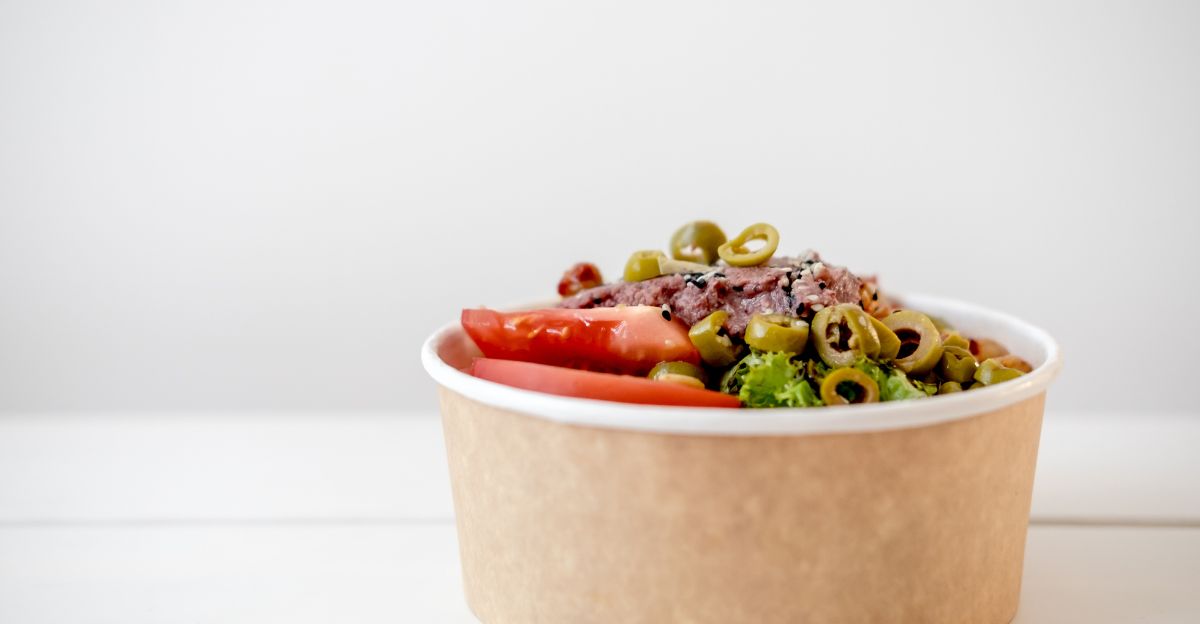
Market consolidation is a growing trend in quick-service restaurants. Brands are tightening their U.S. presence to ensure long-term stability.
Salad and Go’s recent closures mirror this trend, reflecting a broader push to find the right balance between expanding and running things efficiently while keeping up with changing customer tastes.
Central Kitchen Shift
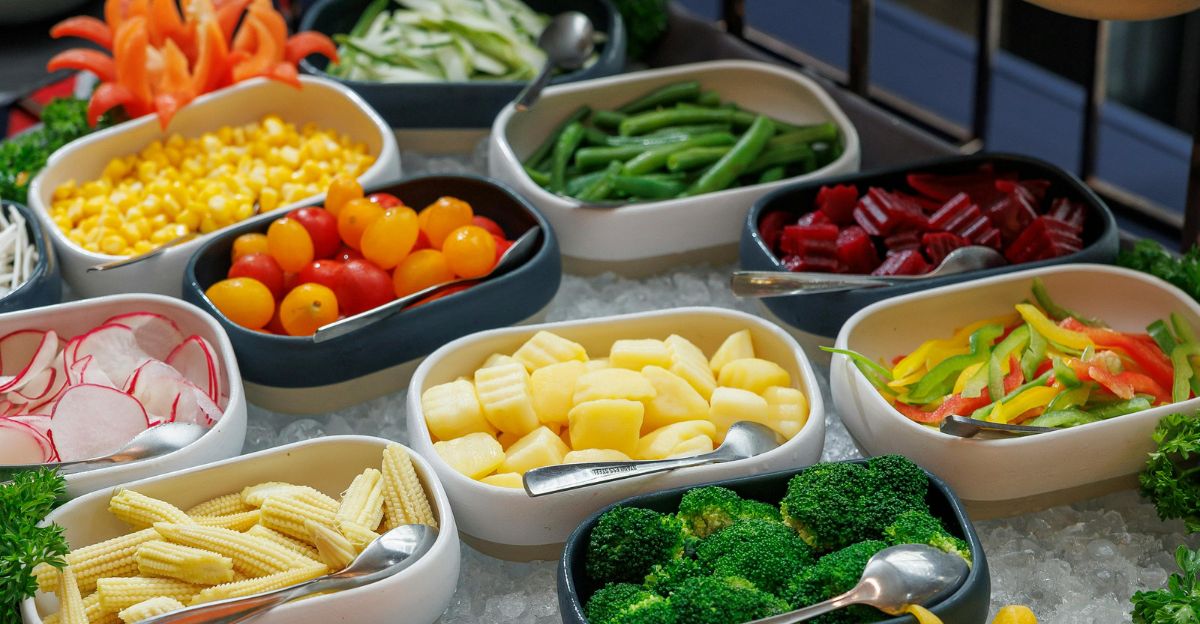
In 2024, Salad and Go opened its largest central kitchen in Garland, Texas, which was capable of supporting up to 500 locations within a 12-hour drive.
This facility remains operational, suggesting a pivot toward supporting fewer, more profitable stores.
Internal Friction
The leadership transition came after disagreements between former CEO Charlie Morrison and the board over the chain’s strategy.
Morrison’s departure paved the way for Tattersfield’s appointment, highlighting internal tensions about the company’s direction and growth rate.
Ownership Dynamics
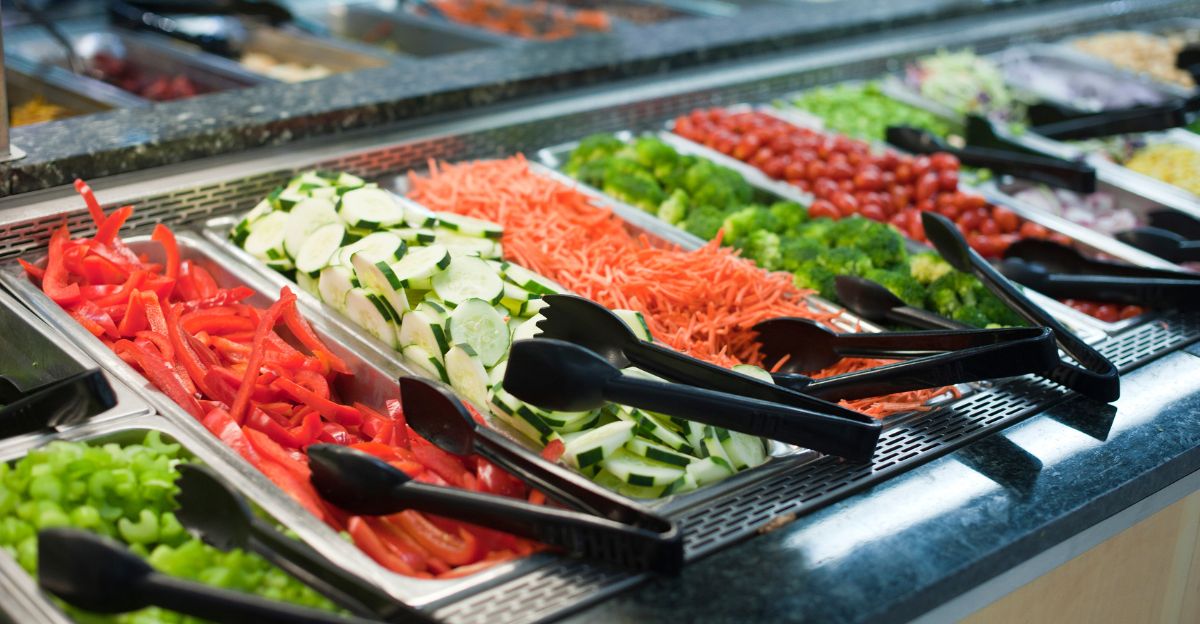
Salad and Go is primarily owned by Volt Investment Holdings, a New York-based private equity firm.
Tattersfield’s minority stake aligns his interests with the brand’s long-term success, while Volt’s backing provides financial stability for future initiatives.
Comeback Strategy
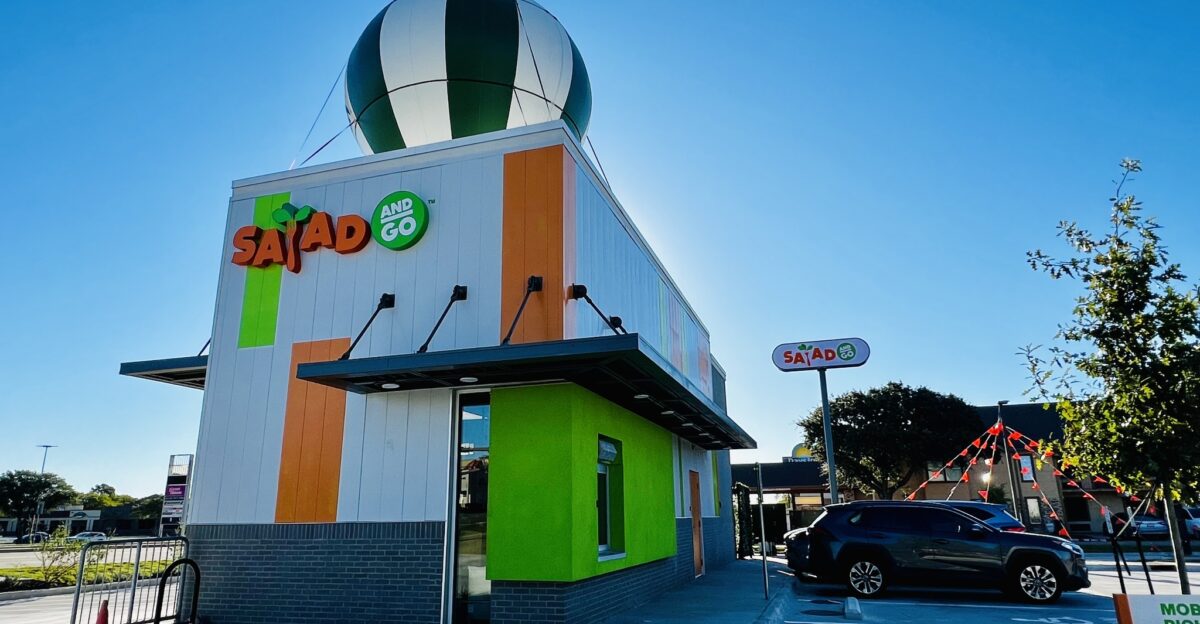
Tattersfield is looking to steady Salad and Go’s growth by focuing in on top locations and expanding at a more sustainable pace.
The brand aims to lean on its streamlined setup and fresh menu ideas to get back on track, with a strong focus on keeping meals affordable and easy to grab.
Expert Outlook
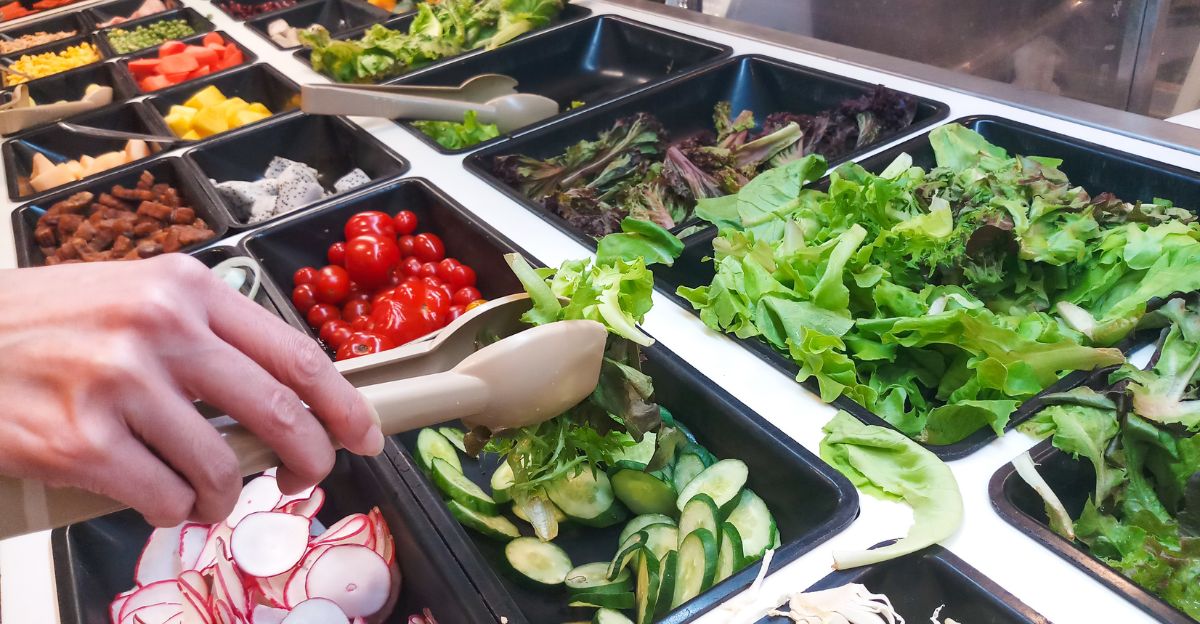
Industry analysts remain cautious about Salad and Go’s recovery prospects. While the centralized kitchen model offers advantages, competition and real estate constraints pose ongoing challenges.
The closures are seen as a necessary reset for the company’s future stability.
Looking Forward
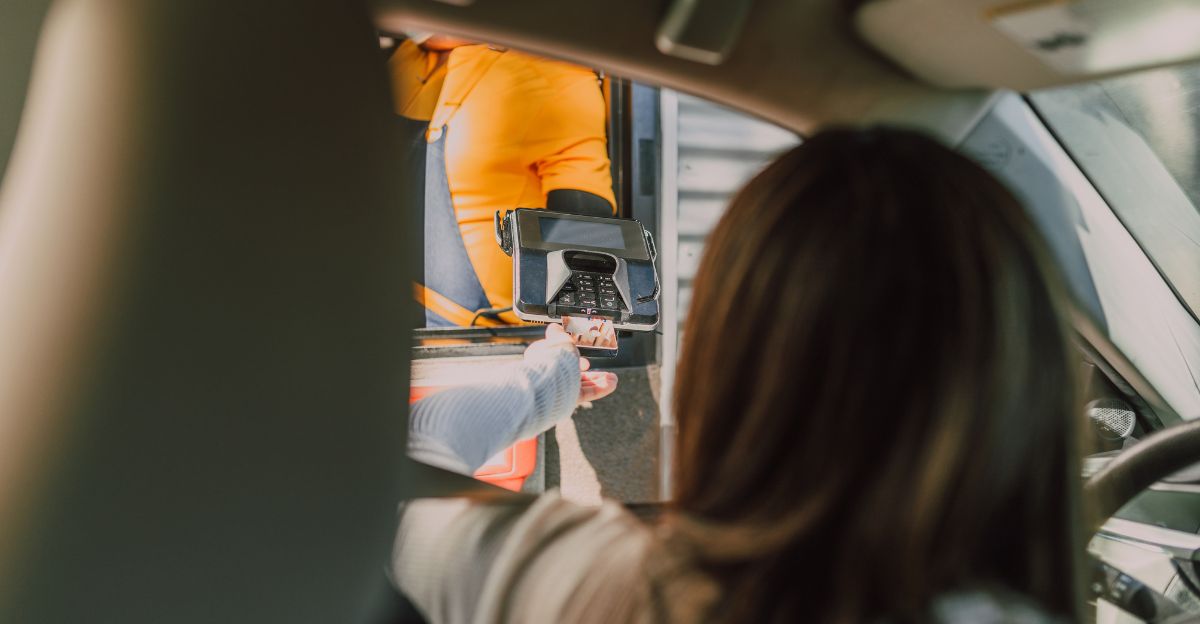
Tattersfield’s leadership raises questions about Salad and Go’s next moves.
Will the brand continue its expansion, or continue consolidating? Stakeholders are waiting for further announcements as the company navigates a critical juncture in its evolution.
Policy Implications
The recent closures also highlight the growing regulatory hurdles quick-service chains are facing.
From zoning rules to labor laws and stricter health standards, these factors are playing a bigger role in shaping how and where brands can grow, sometimes even pushing them to scale back instead of expanding.
International Ripple

While Salad and Go remains U.S.-focused, its contraction could influence international brands considering American market entry.
The challenges of scaling healthy fast food in the U.S. offer lessons for global operators.
Environmental Angle
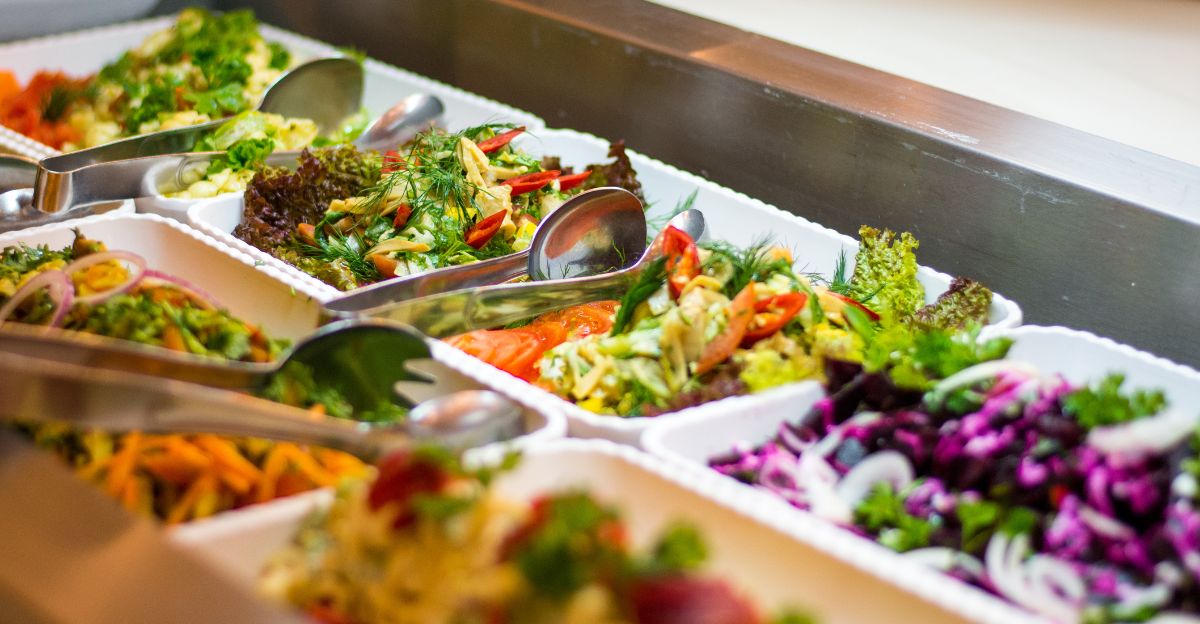
Salad and Go’s centralized kitchen model reduces food waste and energy use compared to traditional restaurants.
However, store closures may disrupt local supply chains and community partnerships, raising questions about environmental impact.
Cultural Shift
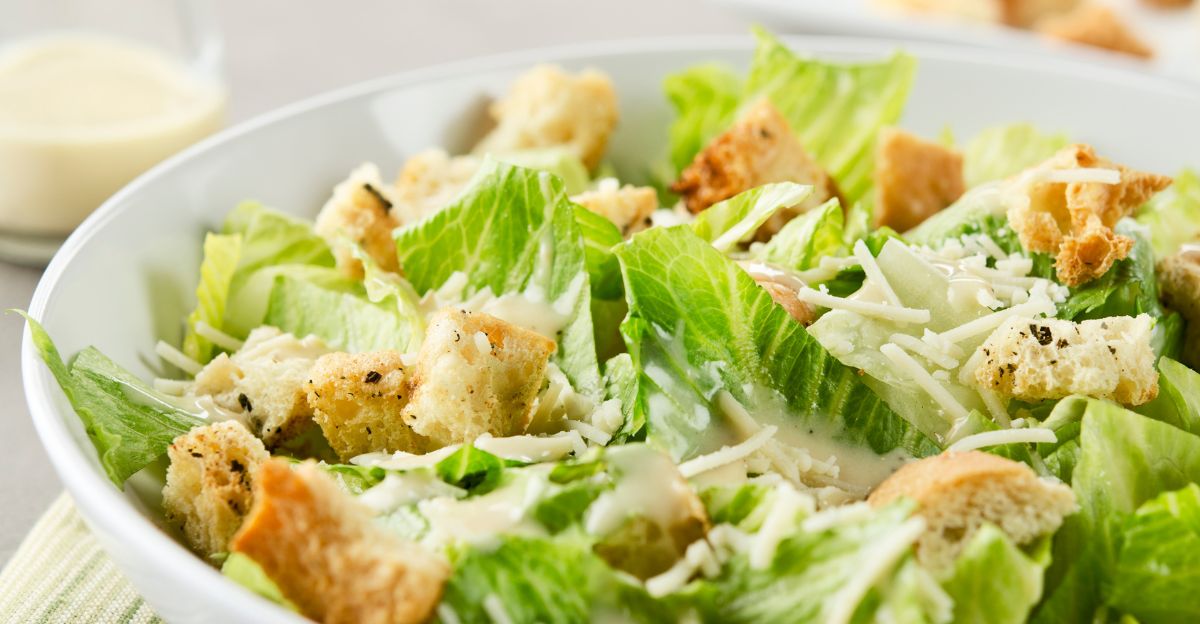
The rise and contraction of Salad and Go reflect changing norms around fast food.
Consumers increasingly demand healthy, affordable options, but brands must balance innovation with operational realities. The closures signal a recalibration of expectations.
Broader Reflection
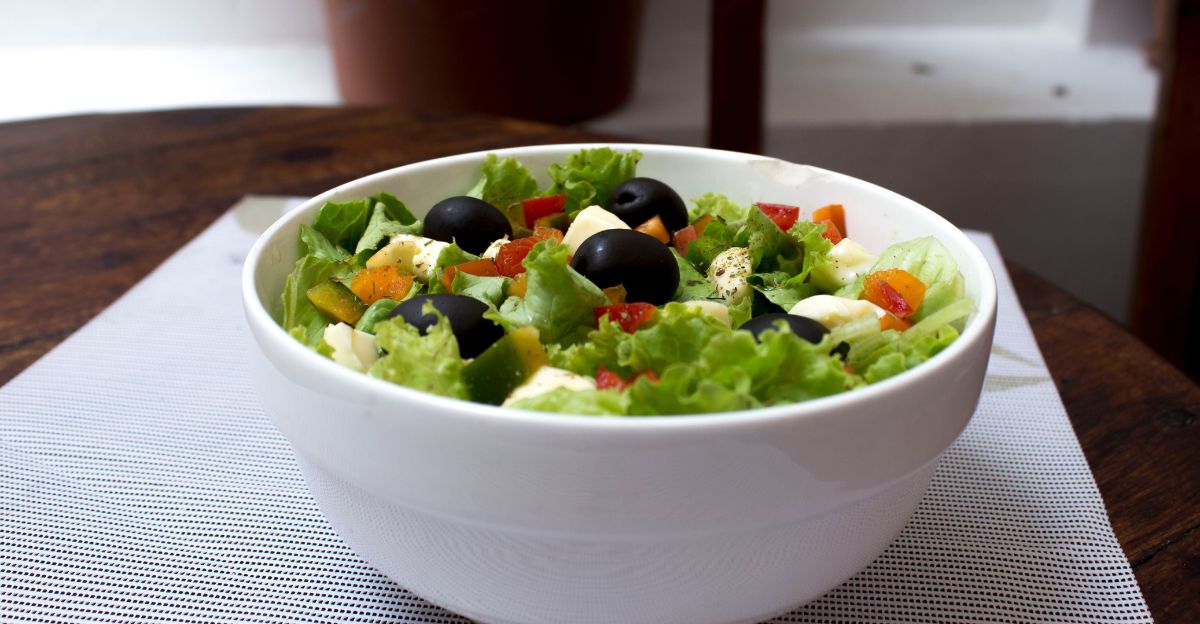
Salad and Go’s story illustrates the volatility of modern food service. Leadership changes, strategic pivots, and market consolidation are reshaping the industry.
As brands adapt, the quest for accessible, nutritious food remains central to the evolving conversation.