
June 2025 saw an amazing archaeological discovery by construction workers in Denmark. The team was working near Lisbjerg, a small village north of Aarhus, when they stumbled upon artifacts that provided unprecedented evidence of Viking life.
Among the artifacts found were pearls, coins, and ceramics that date to the 10th century. Archaeologists quickly got wind of the discovery and got to work.
Elite Status
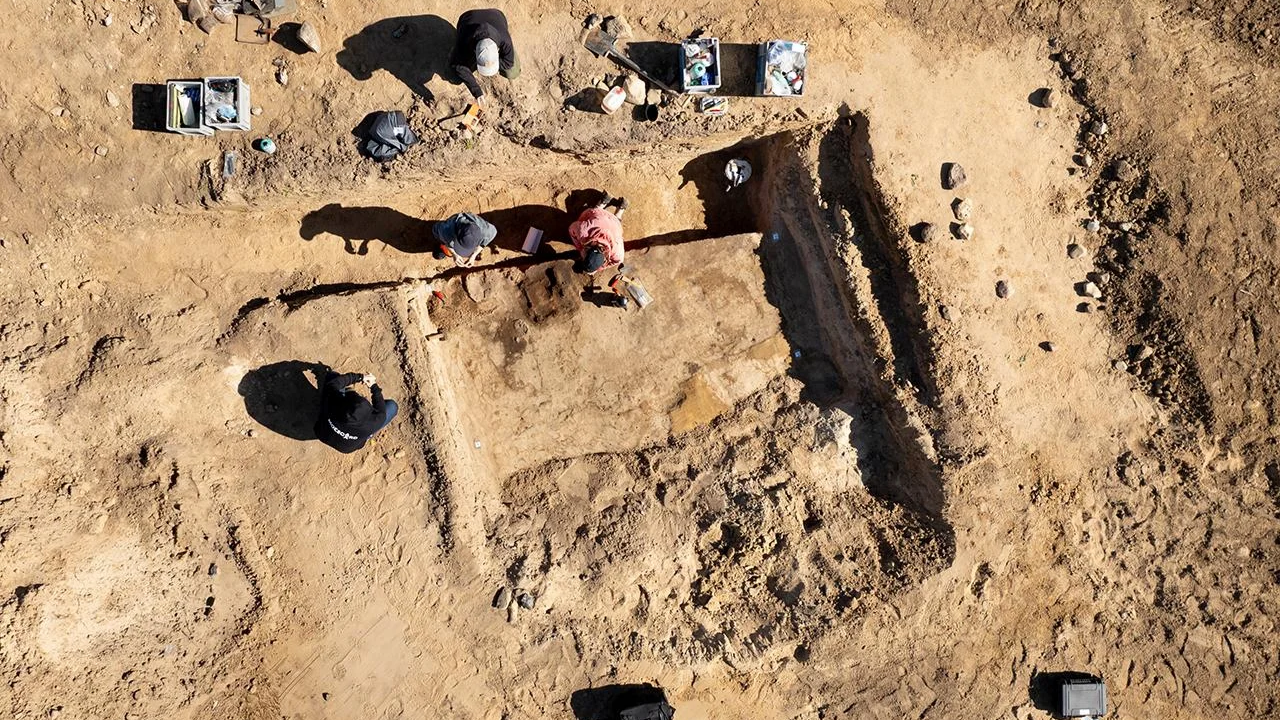
The excavation site was just seven kilometers from Denmark’s second-largest city, making it a historically important region. According to Mads Ravn from Moesgaard Museum, the quality and variety of artifacts suggested these weren’t ordinary burials.
The vast wealth found inside the graves indicates that those buried there were of important status in the ancient world.
Harald’s Denmark
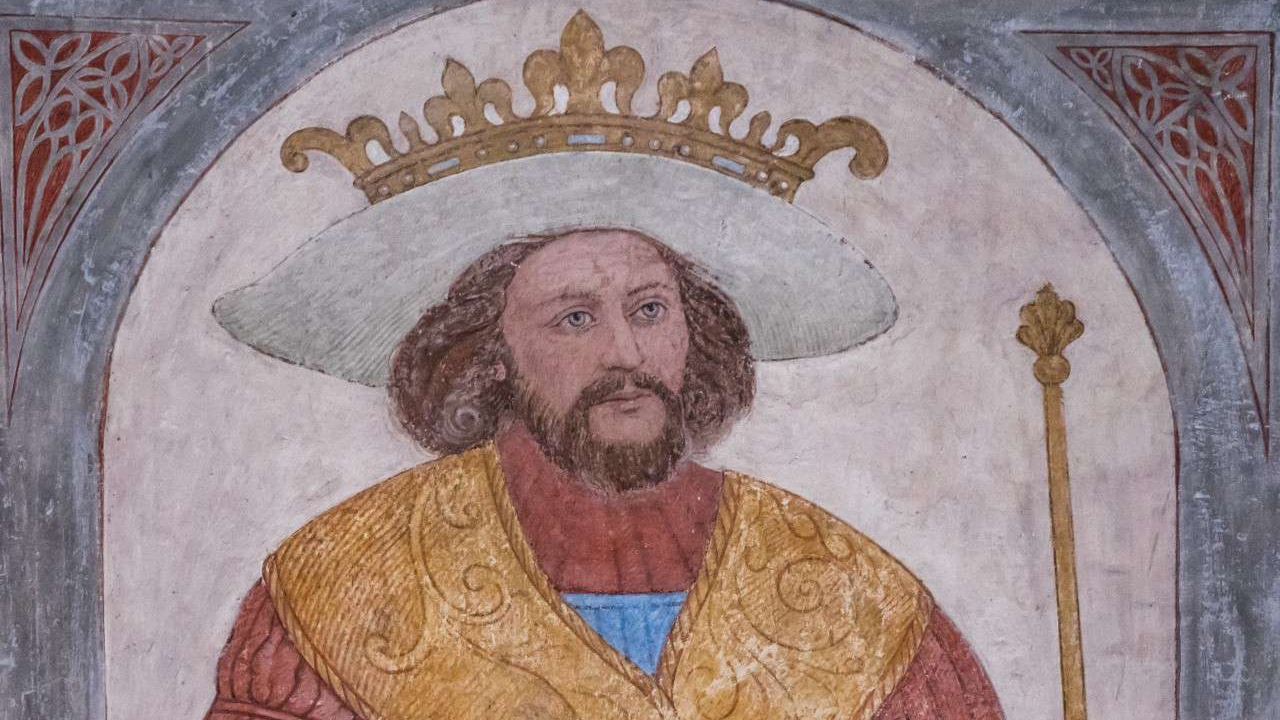
The 10th century was a pivotal time in Danish history, with the reign of King Harald Bluetooth from 958 to 986 CE. King Harald made never-before-seen changes in the region, uniting Denmark, introducing Christianity, and overseeing large ring fortresses across the kingdom.
According to historical records, he transformed Denmark from scattered tribes into a centralized kingdom, creating the foundation for modern Denmark.
Viking Burial Traditions
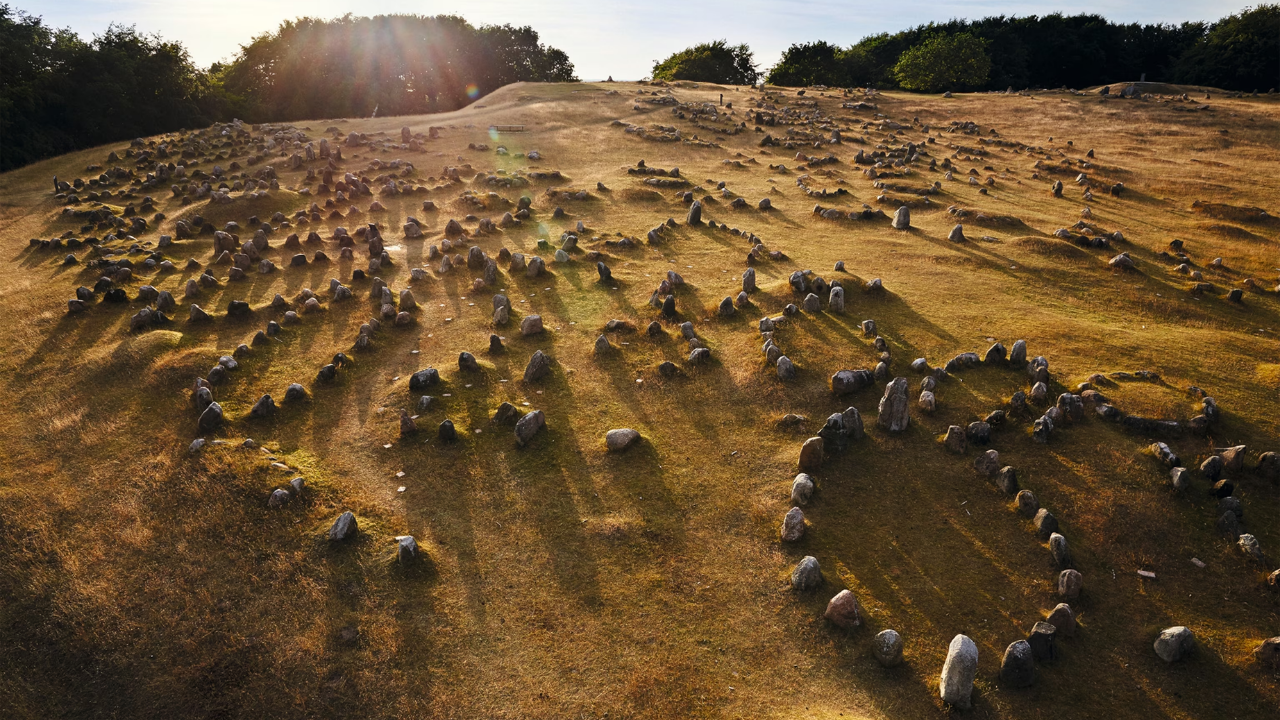
Archaeological evidence has highlighted that Viking Age burial traditions reflected a deep belief in life after death and social hierarchy. As archaeological studies have reported, wealthy Vikings were buried with grave goods they’d need in the next world.
For many individuals, this could include anything from weapons used in battles to personal jewelry and tools. The practice demonstrated both religious beliefs and the deceased’s earthly status.
The Discovery
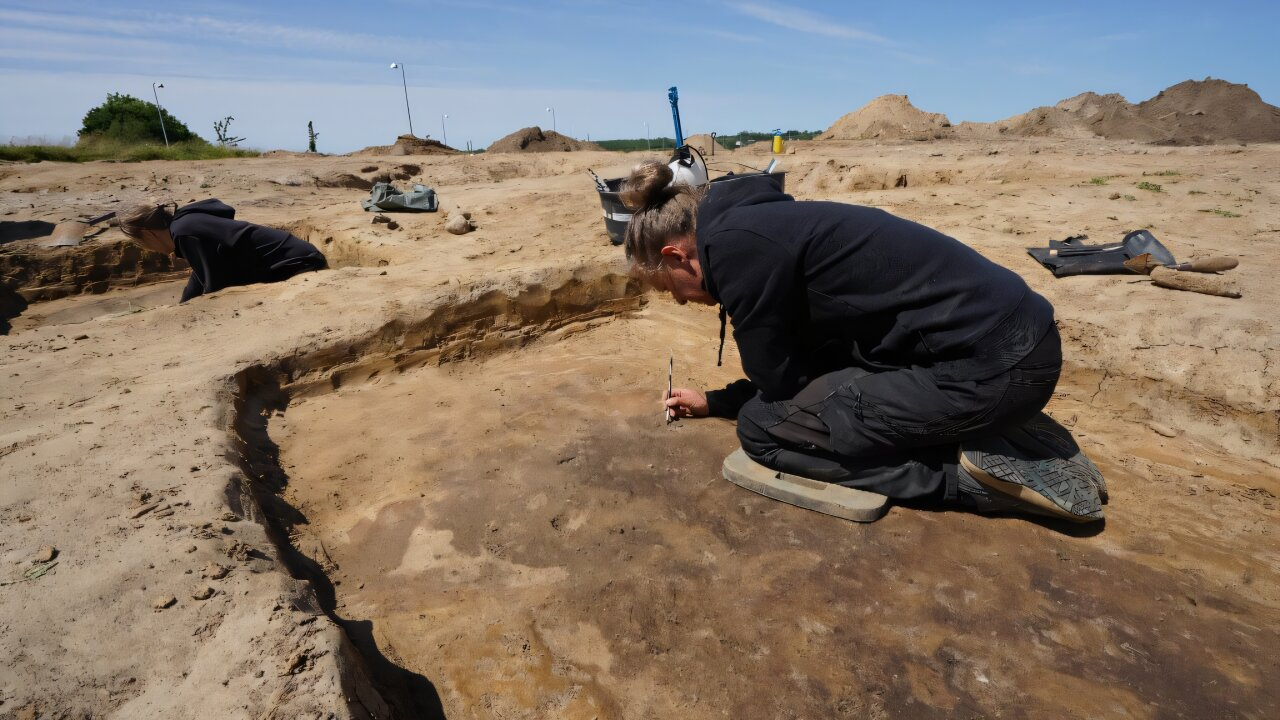
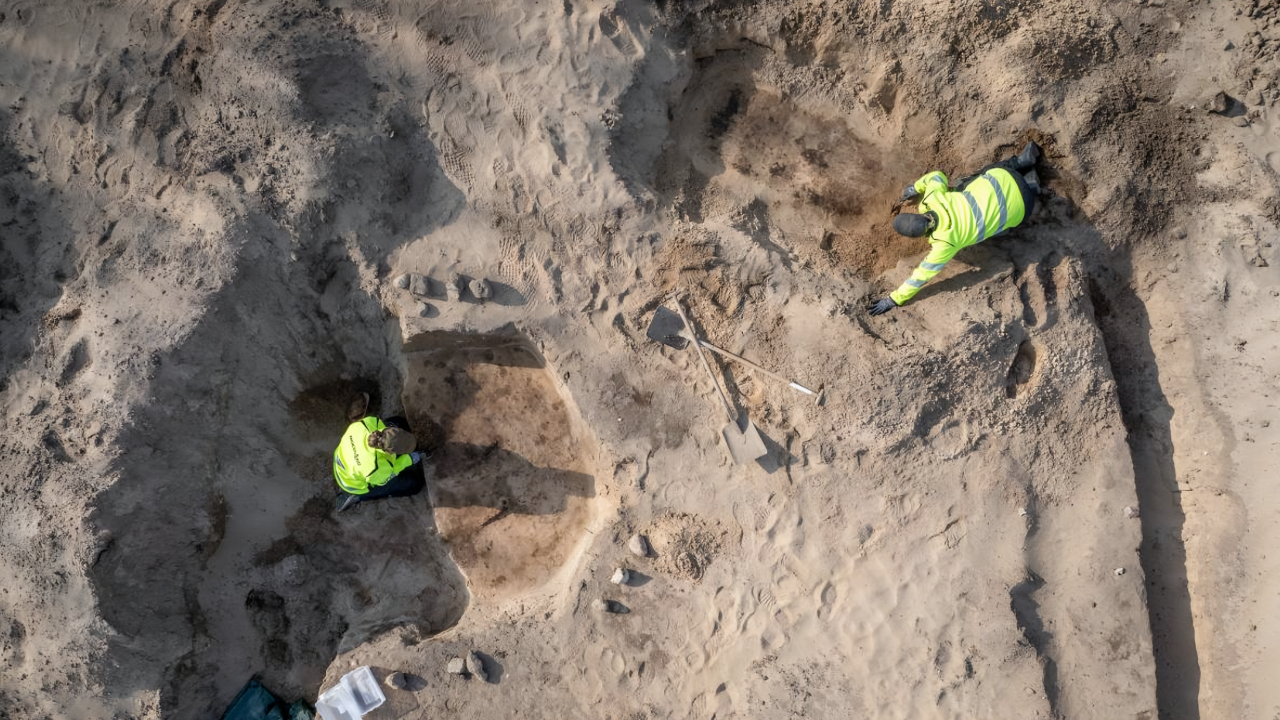
After Archaeologists discovered the site, they began work and uncovered approximately 30 graves at Lisbjerg dating from the second half of the 10th century.
Museum archaeologist Mads Ravn told AFP: “The objects we have found in the graves tell us that the buried are people of high status.” This represented one of Denmark’s most significant Viking Age cemetery discoveries.
Regional Significance

The proximity to Aarhus is substantial, as before it was the second-biggest city in Denmark, it was used as a major Viking Age trading hub, then called “Aros.”
According to Kasper Andersen from Moesgaard Museum, “The finds in Lisbjerg paint the picture of an aristocratic environment linked to royal power.” This burial site is connected directly to Denmark’s political center.
A Special Find
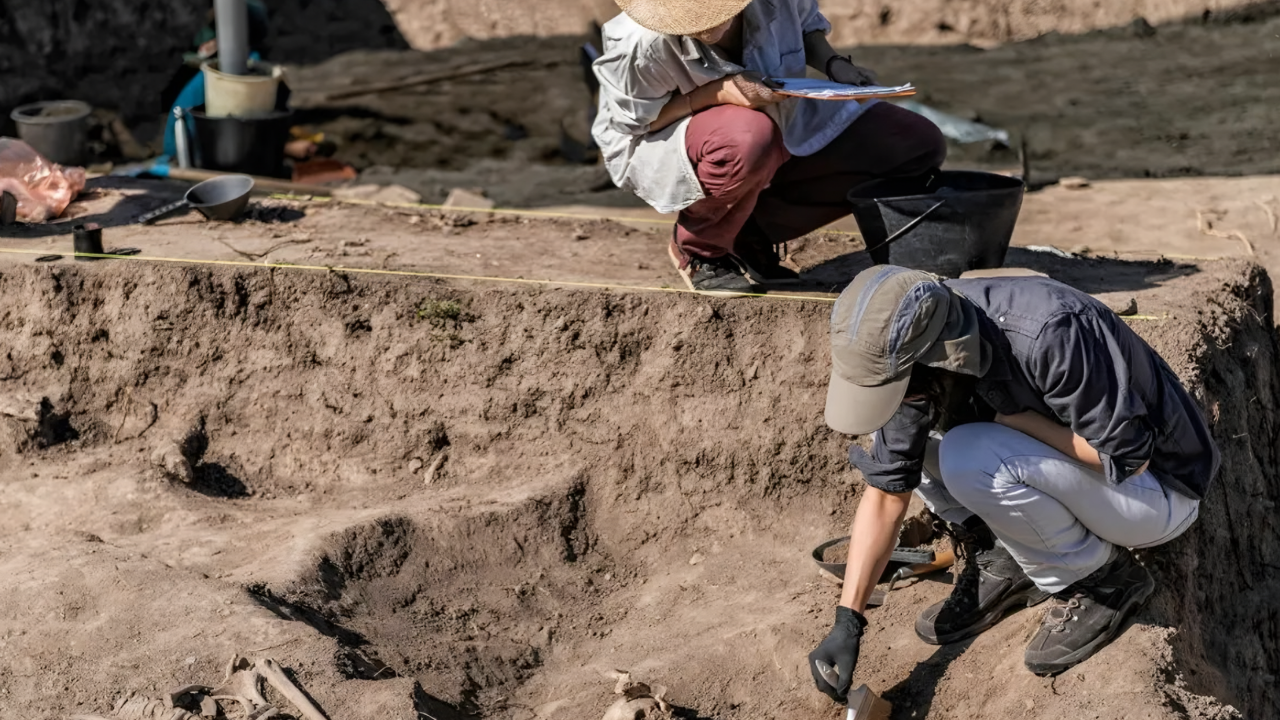
Among the riches found at the site, one grave contained what archaeologist Mads Ravn called a “magnificent” wooden box belonging to an important woman.
Ravn reported to AFP: “It’s very rare, there’s only three of them we know of.” The box contained pearls, gold thread, scissors, and ornate decorations, showcasing exceptional 10th-century craftsmanship.
The Woman’s Identity
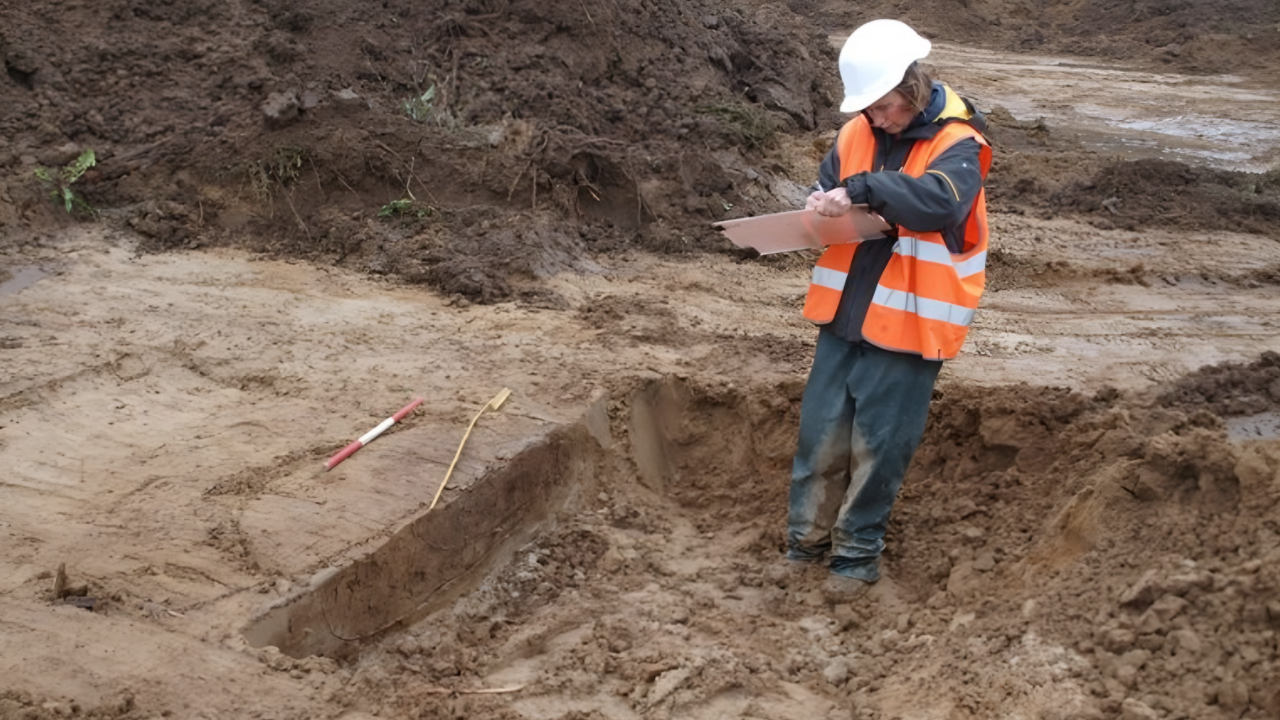
Archaeologists, specifically Mads Ravn, are speculating that the woman to whom the box belonged could be “one of Harald Bluetooth’s earls or stewards.”
The proximity to a previously discovered noble farm from the 1980s strengthened this theory. Harald appointed trusted nobles to manage regional territories, and these burials likely represent such a family’s cemetery.
Archaeological Rarity
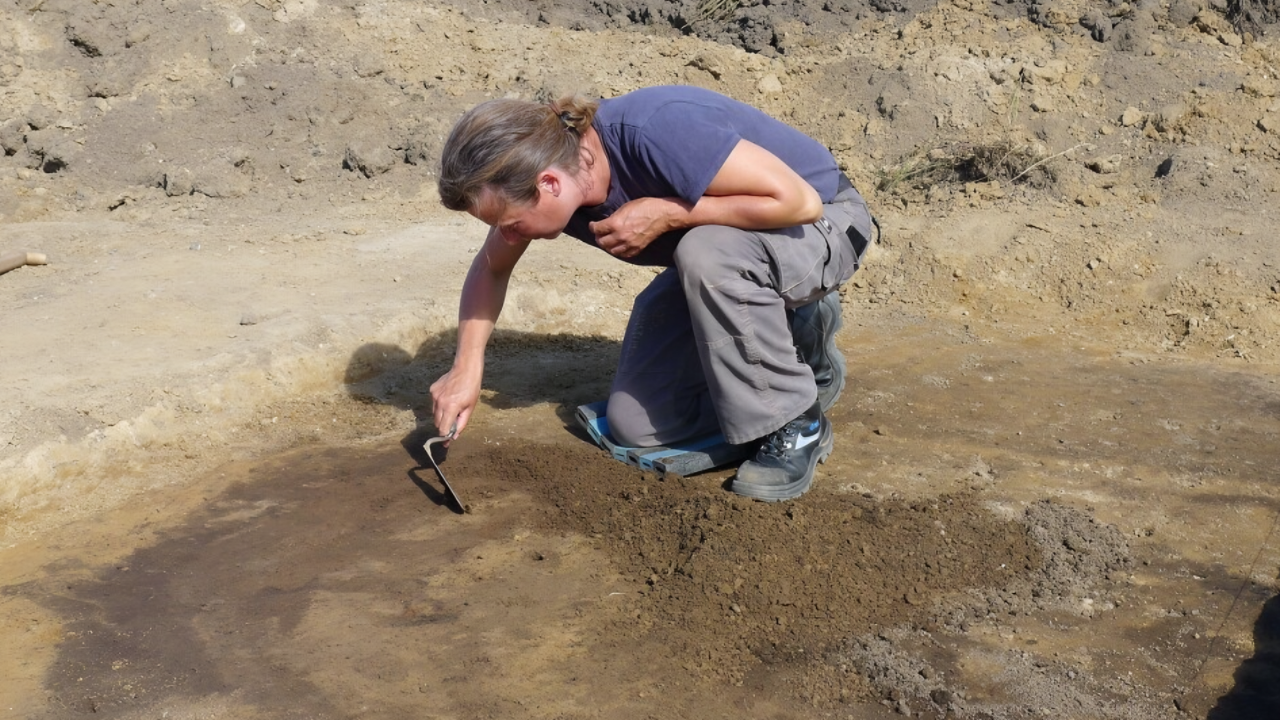
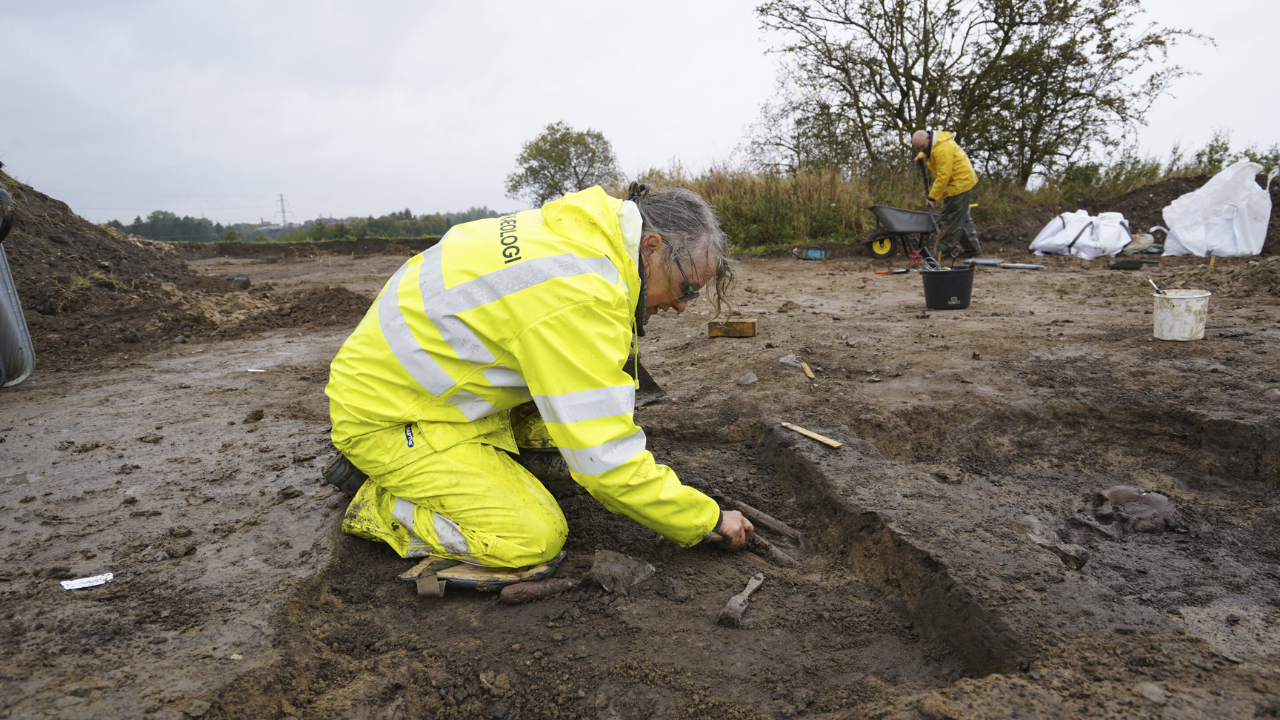
Excavation leader Liv Stidsing Reher-Langberg told Live Science: “We simply had no expectations of finding graves.” Viking Age burials are extremely rare discoveries.
The cache of 30 well-preserved graves with rich grave goods is an exceptional archaeological find, as graves typical of this period don’t contain many artifacts.
Connections
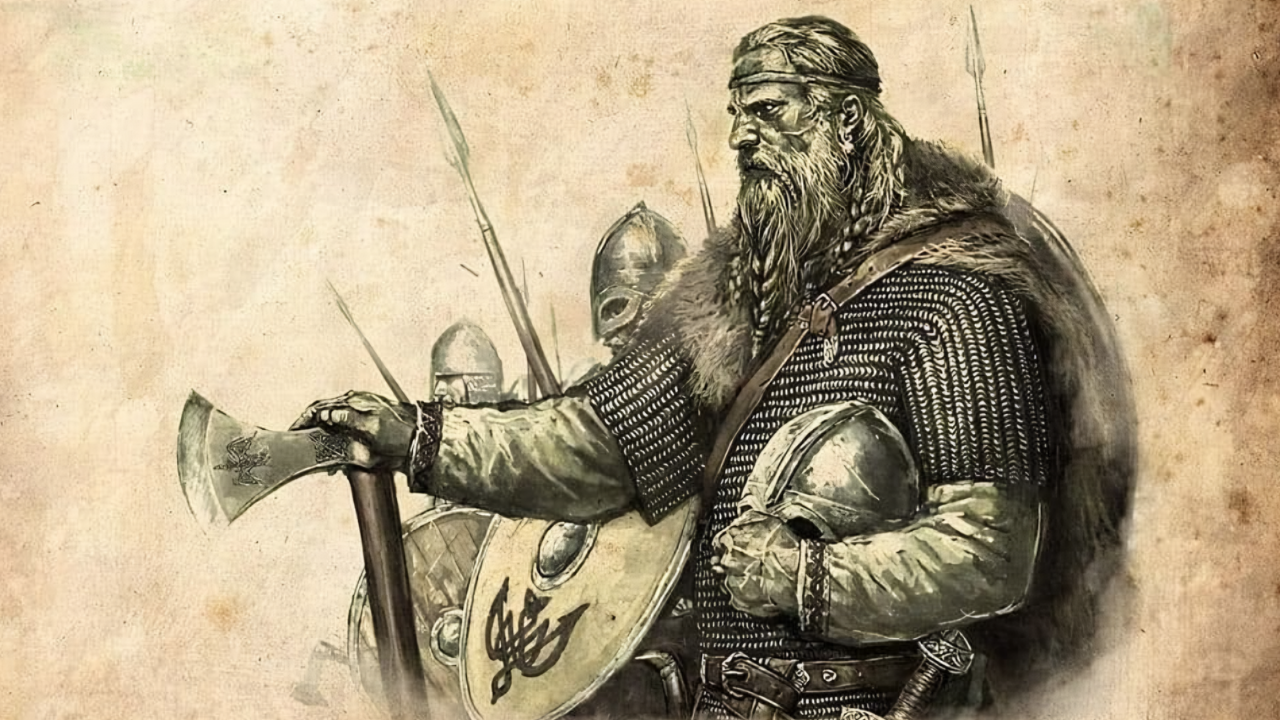
Analysis revealed this burial site likely connects to Harald Bluetooth’s broader kingdom-building strategy. The graves date precisely to his reign (958-986 CE), and the wealth displayed matches what royal administrators would possess.
This discovery provides rare physical evidence of how Viking kings organized their territories through trusted noble families.
Preservation challenges
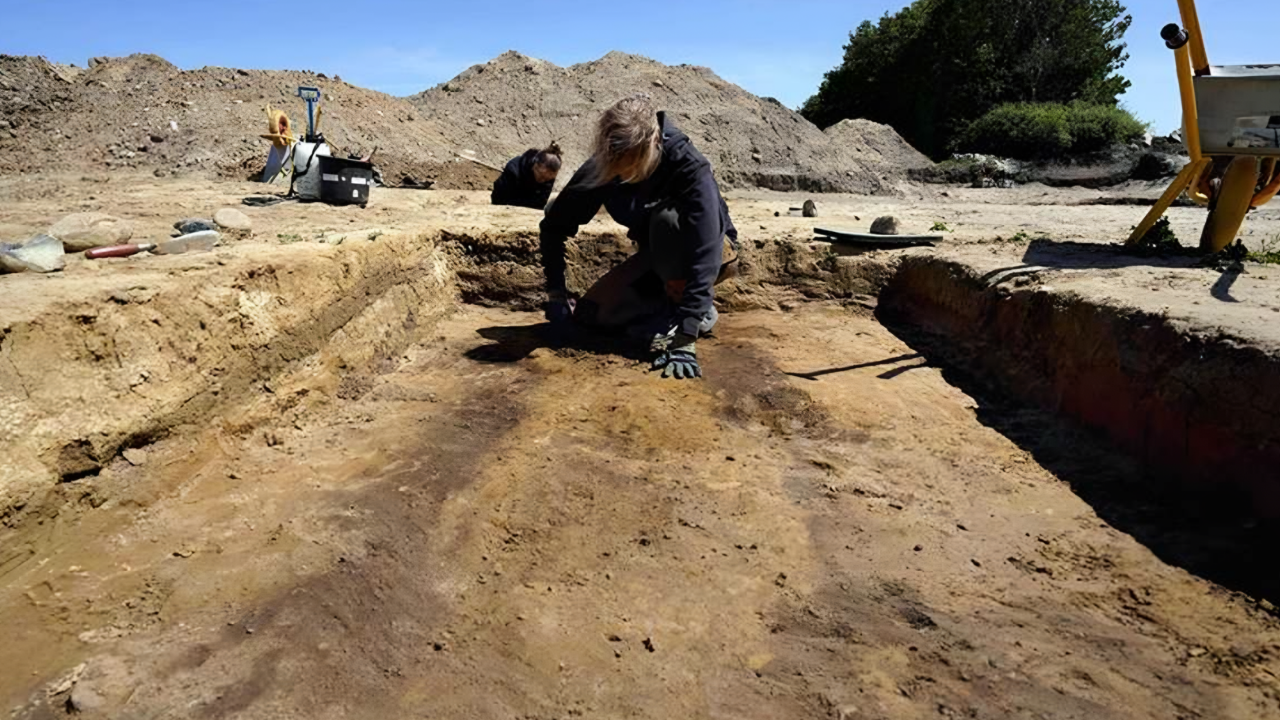
Archaeological research shows that Denmark’s acidic soil conditions mean ancient Viking Age organic remains are often destroyed before archaeologists dig them up.
However, this makes the preservation at Lisbjerg all the more unprecedented. Researchers can study 10th-century Danish Vikings in amazing detail. These excavations allow unique insights into Viking burial customs and even social structures.
Scientific Analysis
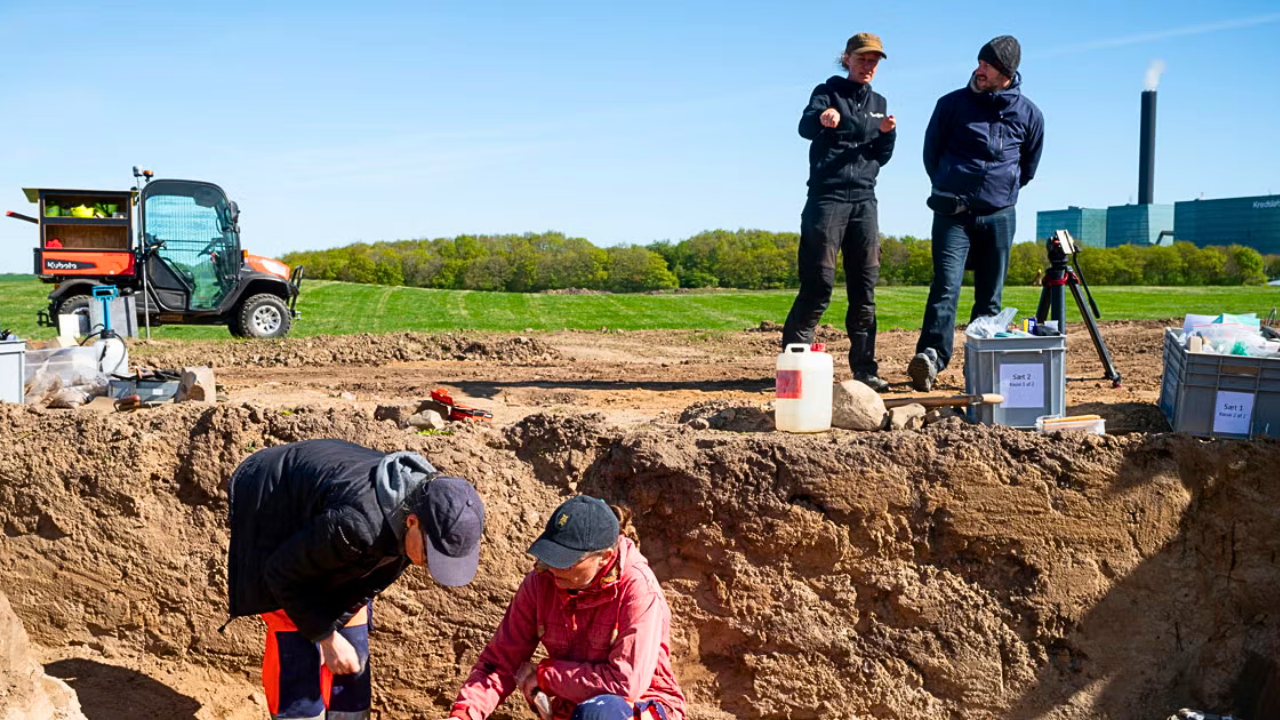
The excavation team completed their work within one week of the discovery. According to museum reports, artifacts were sent for detailed analysis, including carbon dating of wooden objects.
This scientific examination will help archaeologists accurately date the burial site and understand the social structure of this Viking Age community.
International Recognition
The discovery gained worldwide attention from archaeological communities. According to international reports, only three similar ornate boxes have been discovered globally, with comparable finds in southeastern Germany.
This places the Lisbjerg discovery among the rarest Viking Age artifacts ever uncovered in Scandinavia.
Expert Perspectives
Specialist Kasper H. Andersen described how these finds contribute to understanding Viking Age aristocracy.
He reported that together with other Aarhus-area discoveries, they reveal “an aristocratic environment linked to royal power, part of the Vikings’ vast and dynamic world.” This helps reconstruct 10th-century Danish society.
Future Research

What other secrets might Danish soil conceal from Harald Bluetooth’s kingdom? The Lisbjerg discovery opens new questions about the political organization of the Viking Age.
Future excavations in the Aarhus region could reveal more about how Denmark’s first unified kingdom operated through regional noble families and their territorial control.
Political Implications
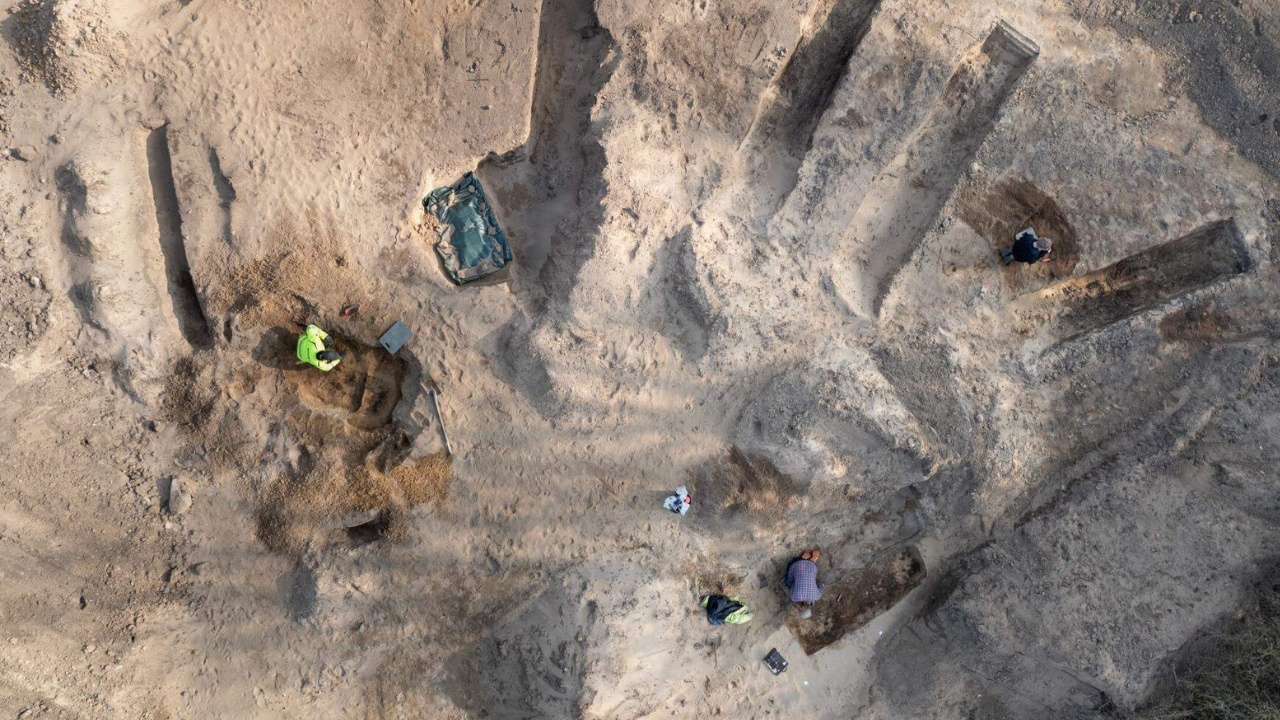
This discovery provides physical evidence of Harald Bluetooth’s administrative system. According to historical analysis, Viking kings delegated regional control to trusted nobles who managed territories in the king’s name.
The Lisbjerg burials represent how political power was distributed across Denmark during its transformation into a unified Christian kingdom.
European Context
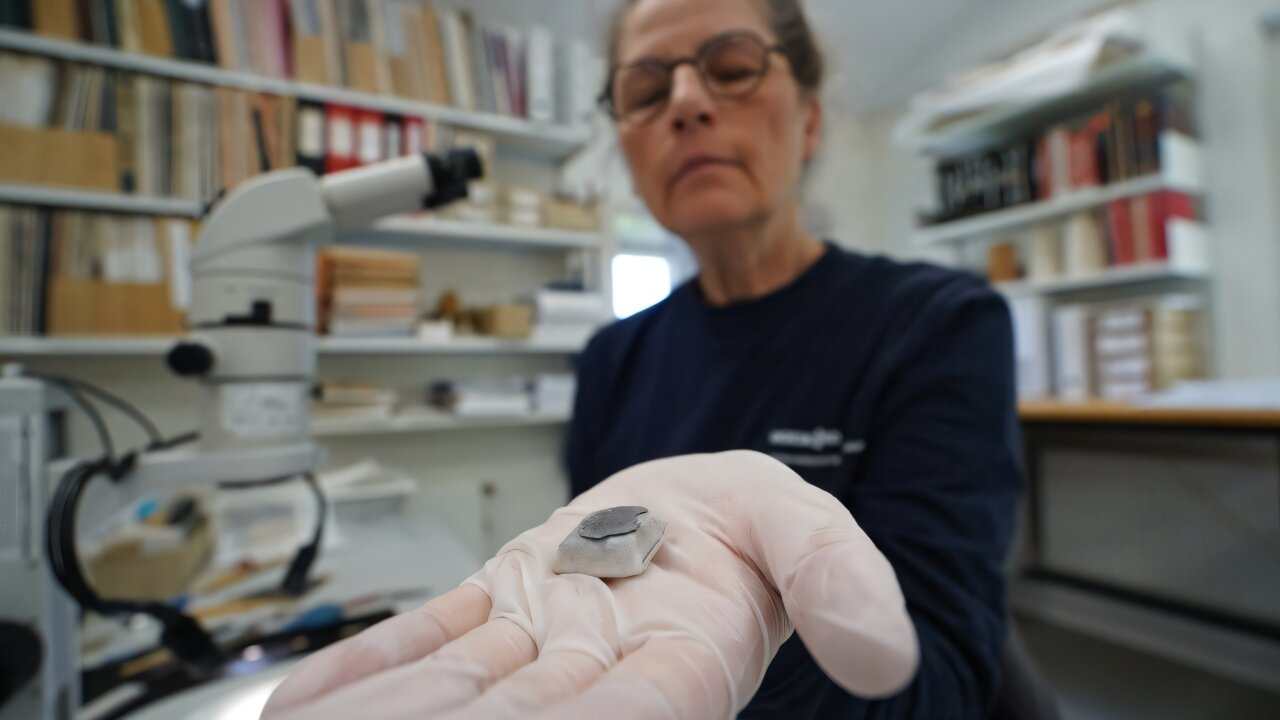
The Lisbjerg discovery fits within broader European Viking Age archaeology. According to comparative studies, similar high-status burials across Scandinavia show how Viking kingdoms evolved from tribal societies into organized states.
Denmark’s transformation under Harald Bluetooth paralleled developments throughout 10th-century Northern Europe.
Cultural Preservation
The burial practices revealed at Lisbjerg demonstrate the gradual transition from pagan to Christian traditions.
According to archaeological evidence, these graves show mixed cultural elements typical of Harald Bluetooth’s reign, when Denmark officially converted to Christianity while maintaining traditional burial customs for the nobility.
Modern Relevance

Today’s technology draws inspiration from Harald Bluetooth’s legacy. The Bluetooth wireless standard was named after the king in 1997, recognizing his role in uniting Danish tribes.
According to tech historians, as Harald connected disparate groups into one kingdom, Bluetooth technology connects different devices into unified networks.
Historical Significance
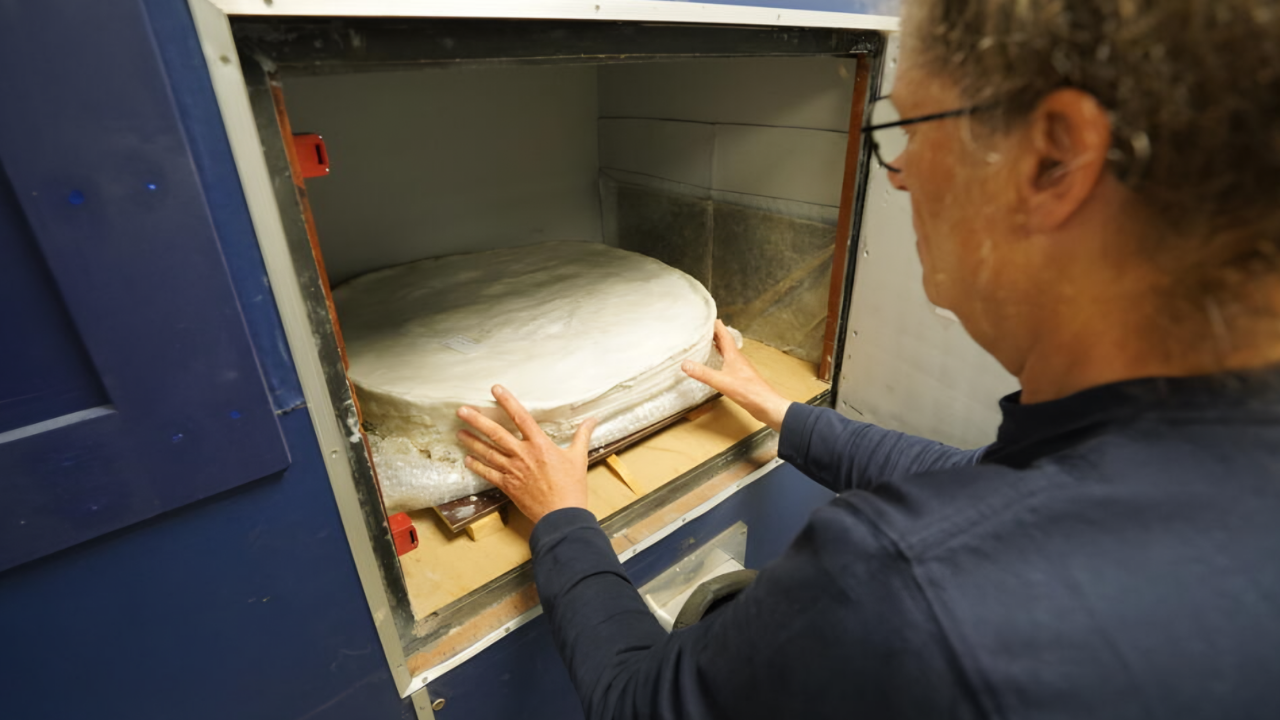
The Lisbjerg discovery represents more than an archaeological treasure—it’s a window into Europe’s medieval transformation. According to experts, these graves illustrate how Viking Age Scandinavia evolved from warrior societies into organized Christian kingdoms.
This discovery helps us understand the foundations of modern Denmark and the broader European state system.