Archaeological evidence reveals that massive urban centers once thrived across North America centuries before European contact, with some housing over 20,000 residents. These forgotten metropolises controlled vast trade networks and built monuments that still dominate today’s horizon—according to National Geographic, Cahokia, near present-day St. Louis, reached populations rivaling European cities of the same era.
Larger Than London at Its Peak
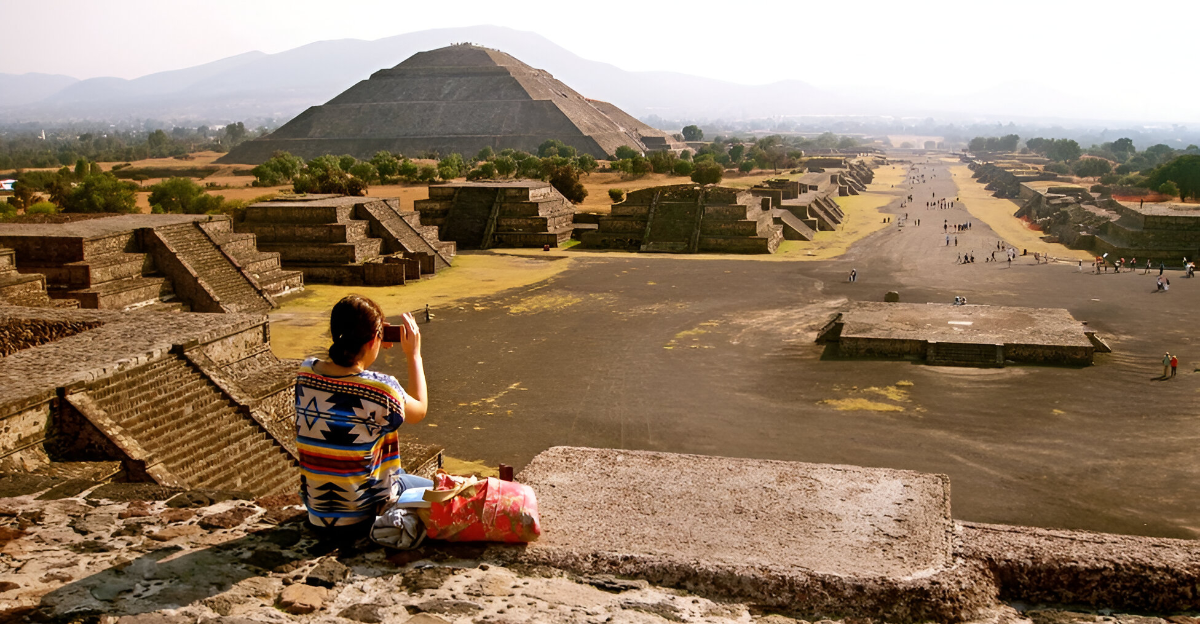
Recent discoveries using aerial surveys and advanced dating techniques show these ancient cities covered areas larger than many modern towns. Teotihuacan in Mexico, according to the Metropolitan Museum, stretched across eight square miles while supporting up to 200,000 inhabitants at its peak around 400 CE. The sheer magnitude challenges everything we thought we knew about pre-Columbian America.
Built Before the Pyramids of Egypt
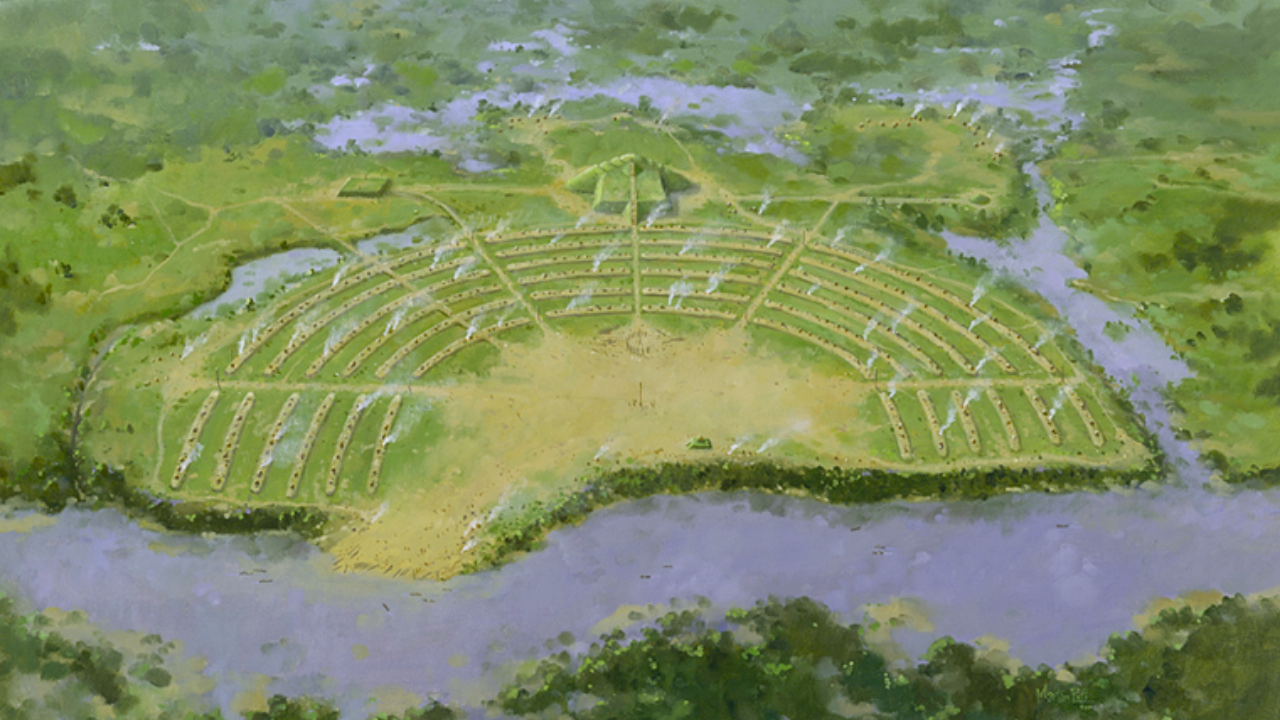
The earliest urban experiments began during the Middle Archaic period around 3500 BCE when hunter-gatherer societies organized massive earthmoving projects. Louisiana’s Watson Brake, dating to 3400 BCE, required moving millions of cubic yards of soil using only baskets and human labor. These builders developed sophisticated planning techniques that would influence North American architecture for millennia.
Trade Networks Bigger Than Rome’s
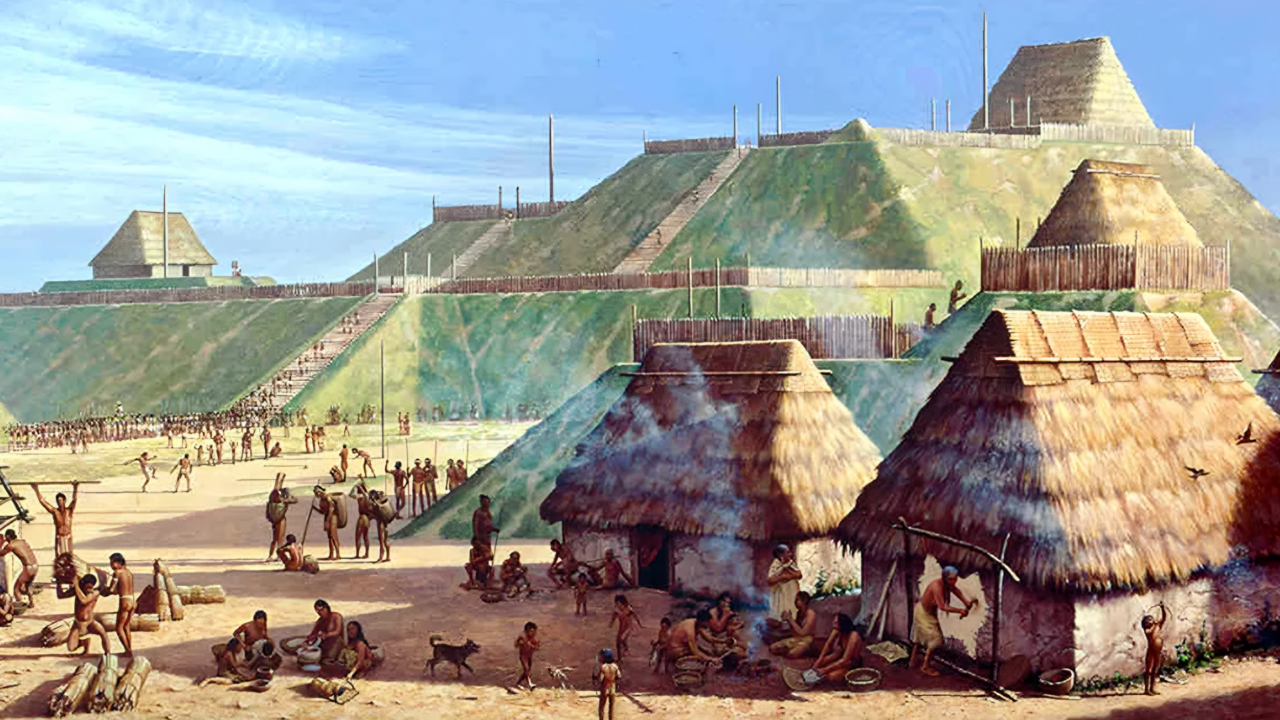
By 800 to 1000 CE, the Mississippian culture had transformed eastern North America into a network of interconnected city-states, each featuring pyramid mounds surrounding central plazas. According to Britannica, intensive corn agriculture supported unprecedented population densities, enabling specialized craftspeople, priests, and ruling elites. Trade networks stretched from the Great Lakes to the Gulf of Mexico.
North America’s Lost Capital Finally Revealed
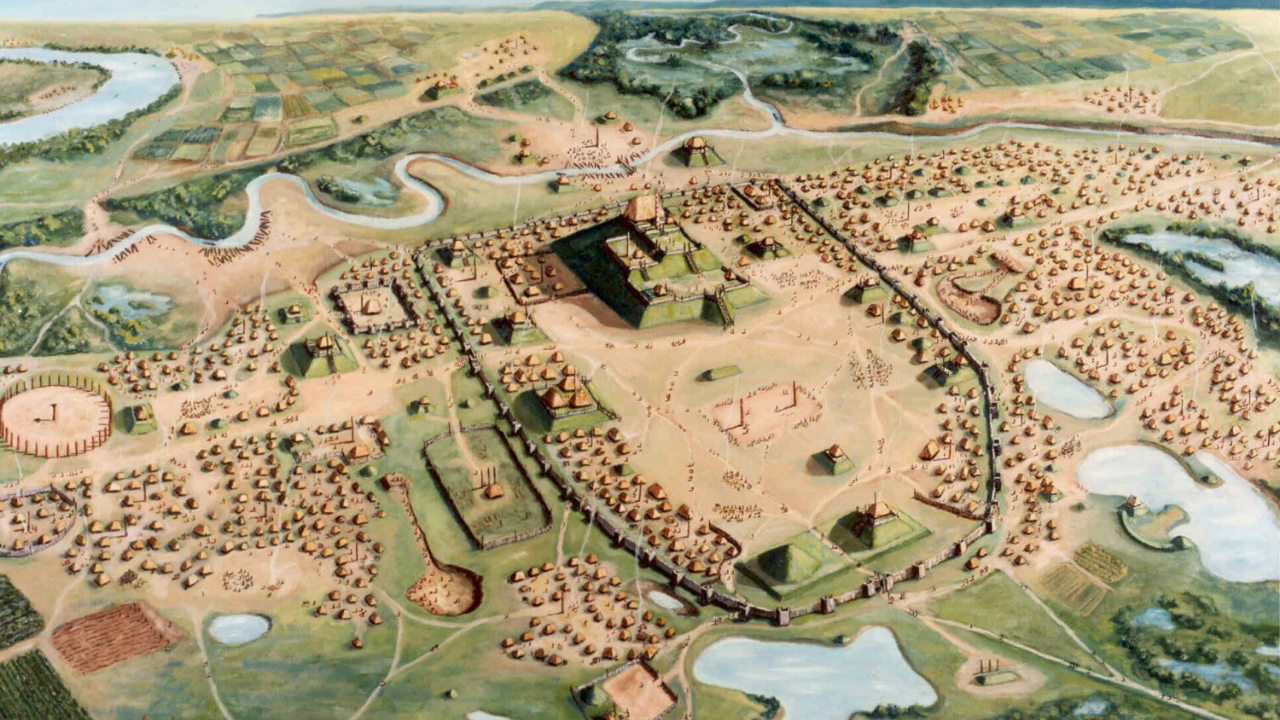
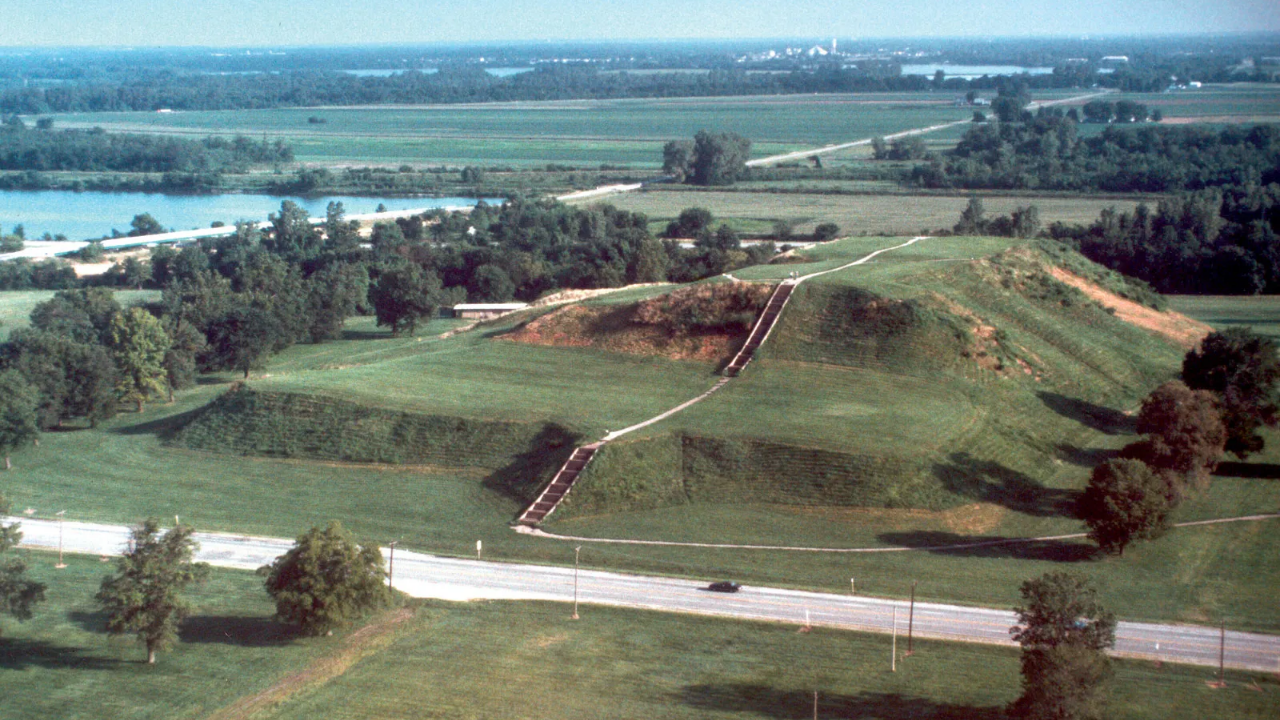
Cahokia is North America’s first true metropolis, reaching its peak around 1100 CE when it housed between 15,000 and 20,000 residents within its urban core. This massive settlement covered over six square miles and featured 120 earthen mounds, including the 100-foot-tall Monks Mound. UNESCO reports that this structure contains an estimated 22 million cubic feet of earth, all moved by hand.
Controlled Half the Continent’s Trade
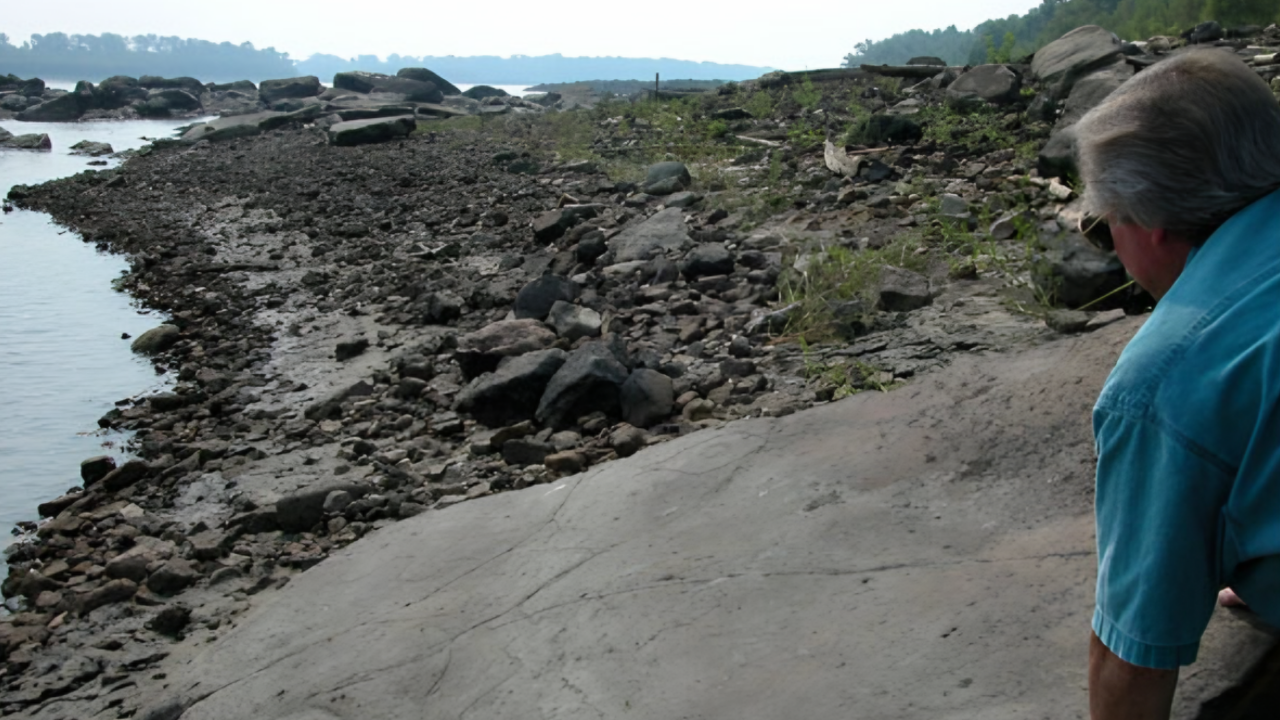
Cahokia’s influence extended throughout the Mississippi River valley, controlling agricultural surplus from dozens of surrounding communities. The Illinois Historic Preservation Division states that the city imported exotic materials like shark teeth from the Gulf Coast and copper from the Great Lakes. Cahokian pottery, copper work, and shell ornaments spread their cultural influence across half the continent.
Mass Graves Tell a Brutal Story
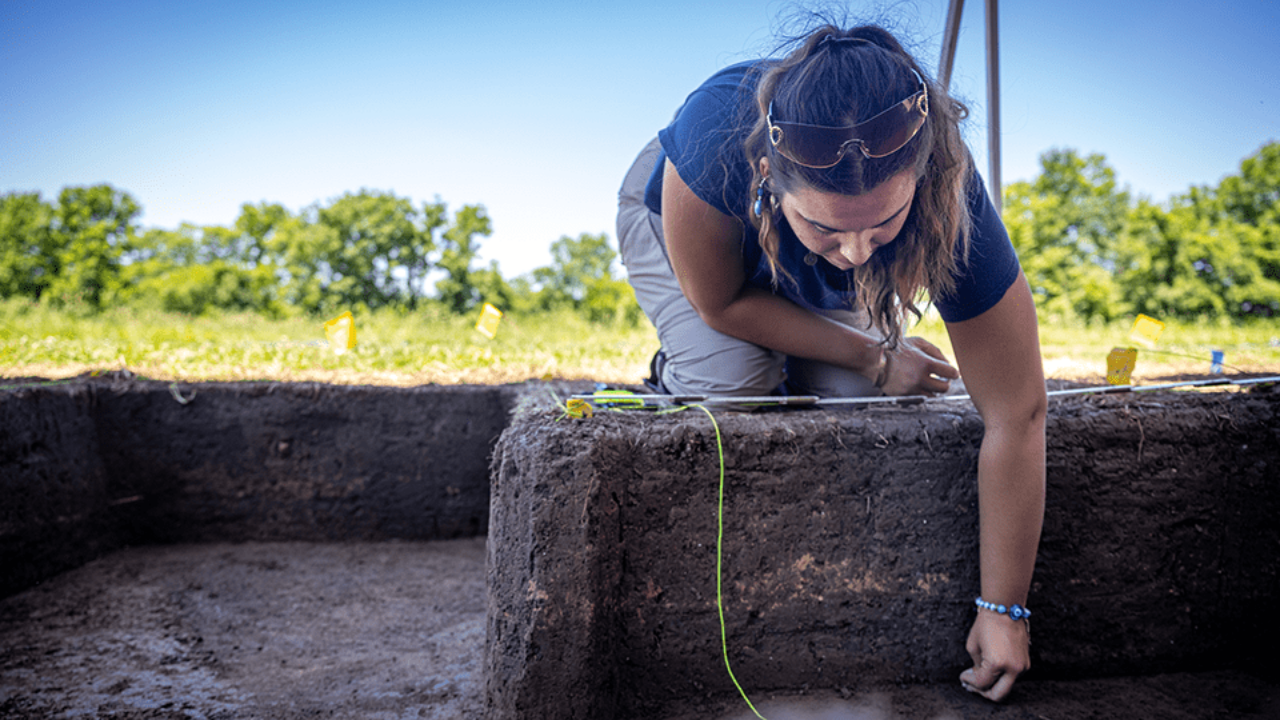
Excavations at Cahokia’s Mound 72 revealed mass burials of young women and elaborate ritual sacrifices accompanying ruler burials. The Gilderlehrman Institute notes one archaeologist’s observation that “these discoveries reveal a complex society with powerful elites who could command the labor of thousands.” The human cost of maintaining such monumental cities was enormous.
Desert Empire With Impossible Architecture
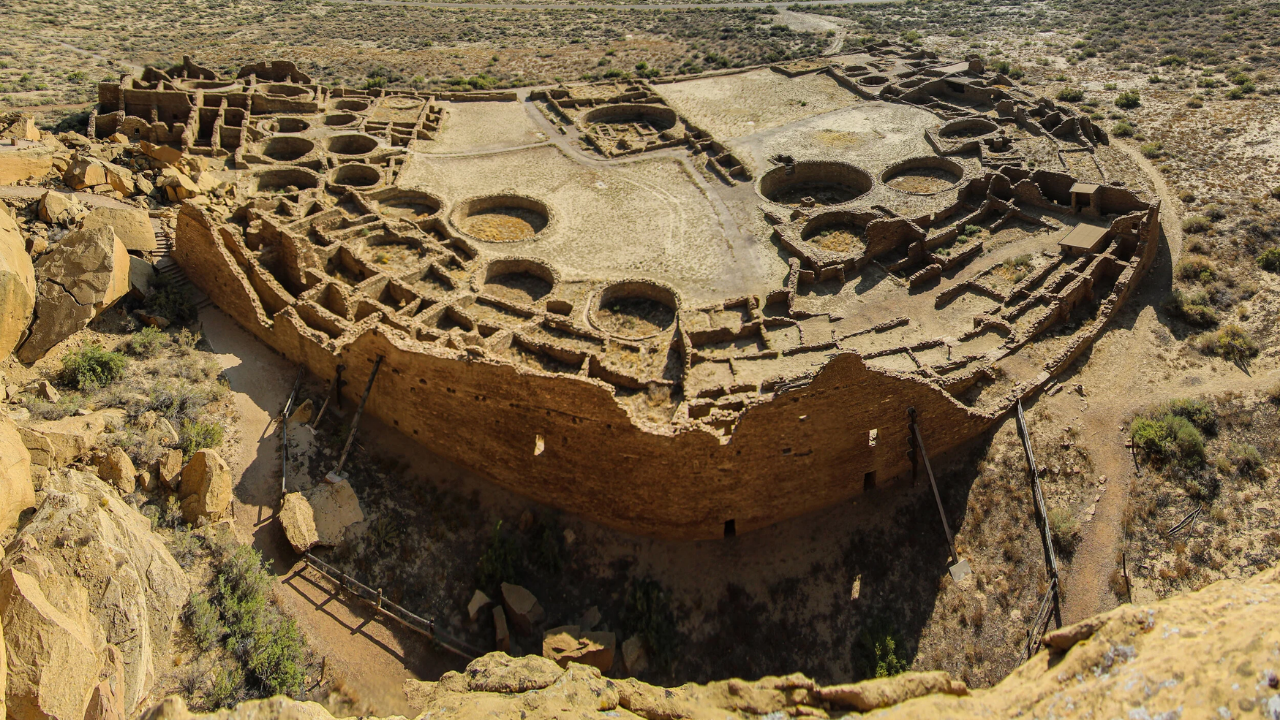
Simultaneously, Chaco Canyon in New Mexico served as the ceremonial center of the Ancestral Puebloan world between 850 and 1150 CE. Arizona State University research shows the massive Pueblo Bonito contained 800 rooms and was connected to outlying communities through an elaborate road system spanning over 180 miles. The engineering feat required moving construction materials across impossible terrain.
Connected From Alaska to Mexico
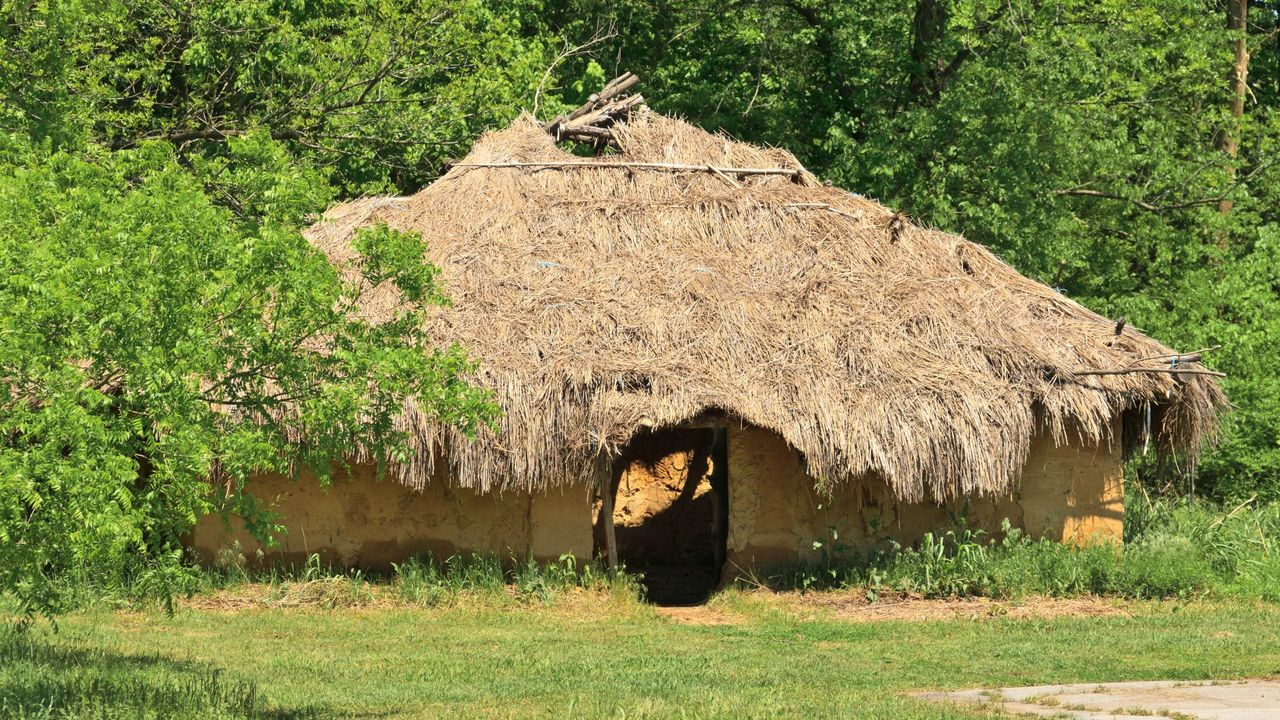
Centers like Spiro Mounds in Oklahoma and Etowah in Georgia controlled their regional networks, while Teotihuacan influenced cultures throughout Mesoamerica. National Geographic reports these interconnected urban centers created a continental system of trade, religious exchange, and political alliances. Indigenous peoples maintained complex relationships across thousands of miles without written communication systems.
America’s First City Predates Everything
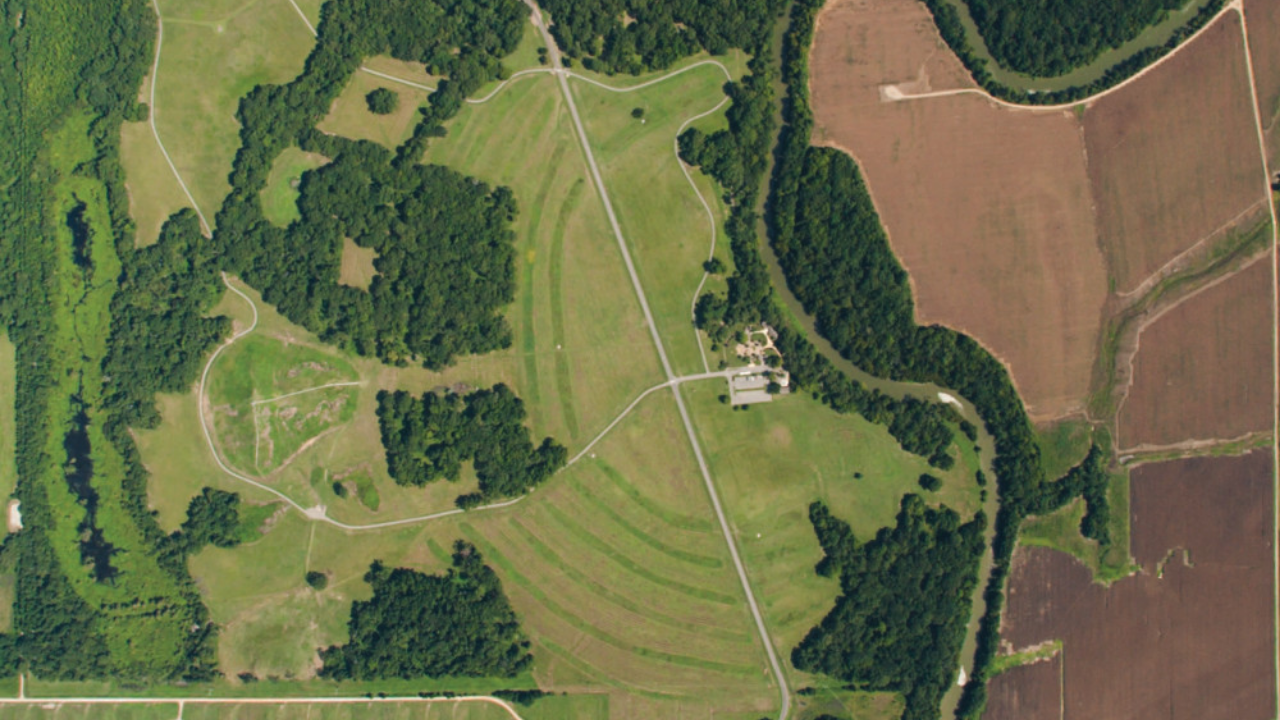
Poverty Point in Louisiana operated as a significant trade and ceremonial hub from 1700 to 1100 BCE, potentially making it North America’s first actual city. Smarthistory describes six concentric earthen ridges and massive mounds, with inhabitants importing stone tools from locations up to 620 miles away. This demonstrates sophisticated long-distance trade networks predating the Roman Empire by over a millennium.
They All Vanished in 200 Years
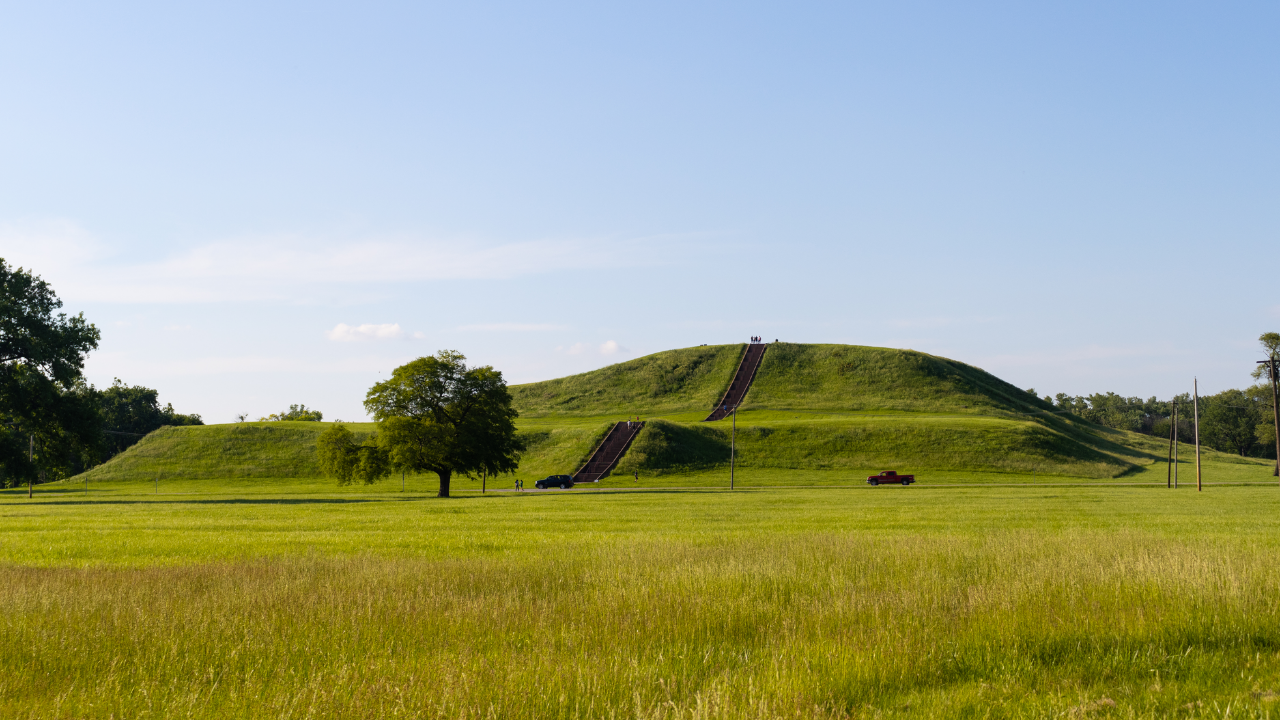
By 1300 CE, most great urban centers had mysteriously declined or been abandoned entirely, leaving behind only monumental earthworks. Heritage Daily reports that climate change, resource depletion, warfare, and social upheaval likely contributed to their downfall. The University of Wisconsin research suggests major flooding after 1200 CE may have been the final blow to Cahokia’s stability.
Europeans Refused to Believe the Truth
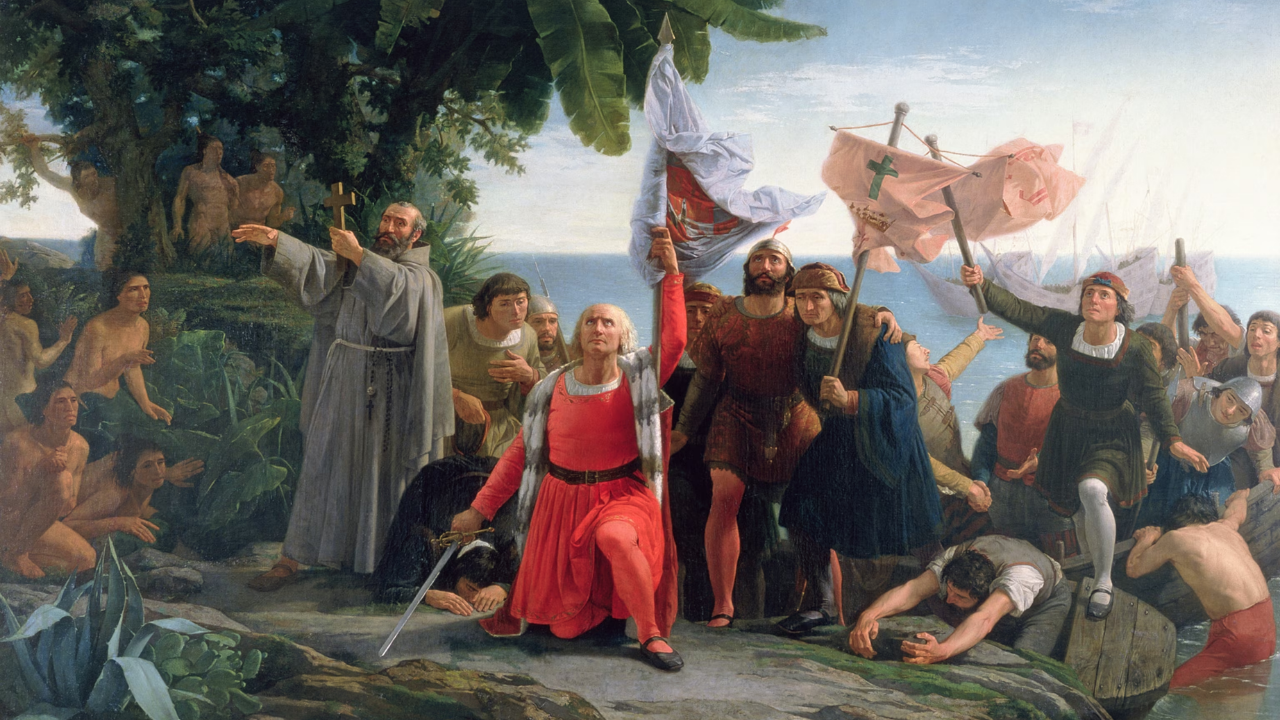
For centuries after European colonization, these achievements were largely ignored or attributed to mysterious “lost civilizations” rather than indigenous peoples. World History Encyclopedia notes that colonial attitudes refused to acknowledge Native American capabilities for such sophisticated urban planning. Only systematic 20th-century archaeological investigation began revealing the accurate scale of pre-Columbian cities.
Now Ranked With World’s Greatest Monuments
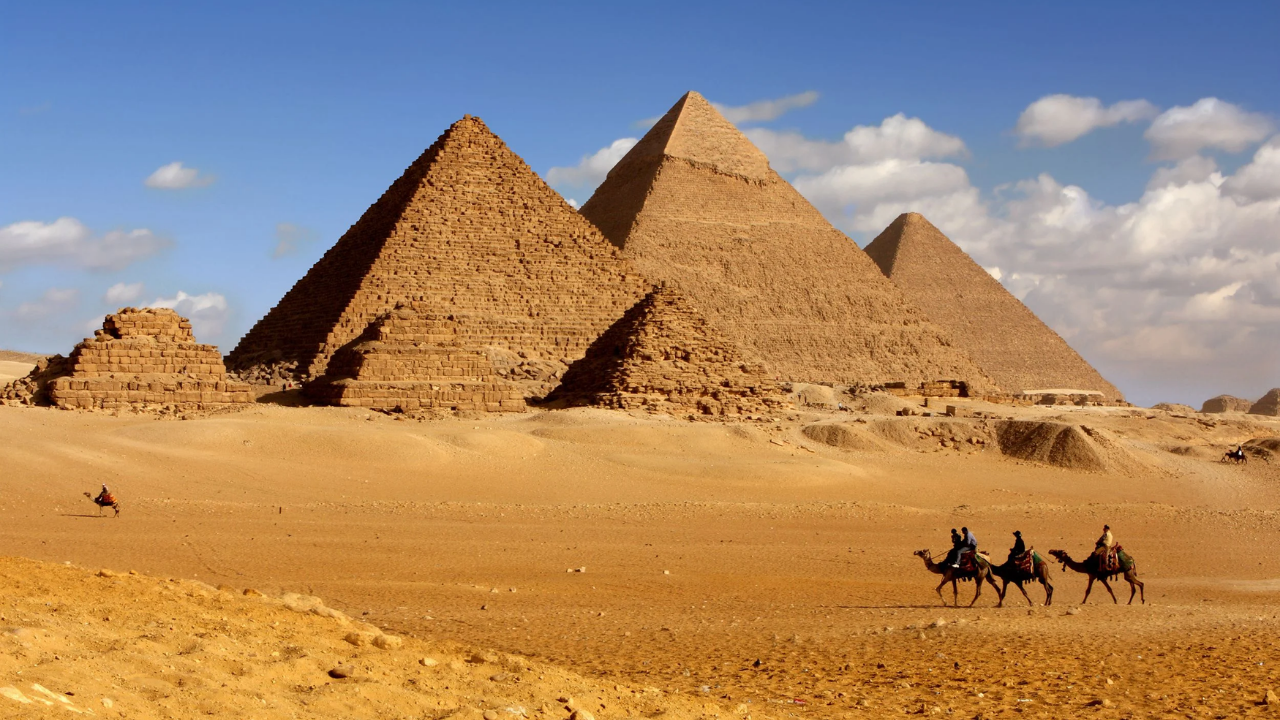
Today, sites like Cahokia, Chaco Canyon, and Poverty Point hold UNESCO World Heritage status, recognizing their global significance alongside Stonehenge and Egyptian pyramids. Advanced archaeological techniques continue to reveal new details about governance systems, astronomical alignments, and engineering capabilities. The National Park Service reports that ongoing excavations consistently uncover evidence of increasing urban complexity.
Experts Still Fight Over Population Numbers
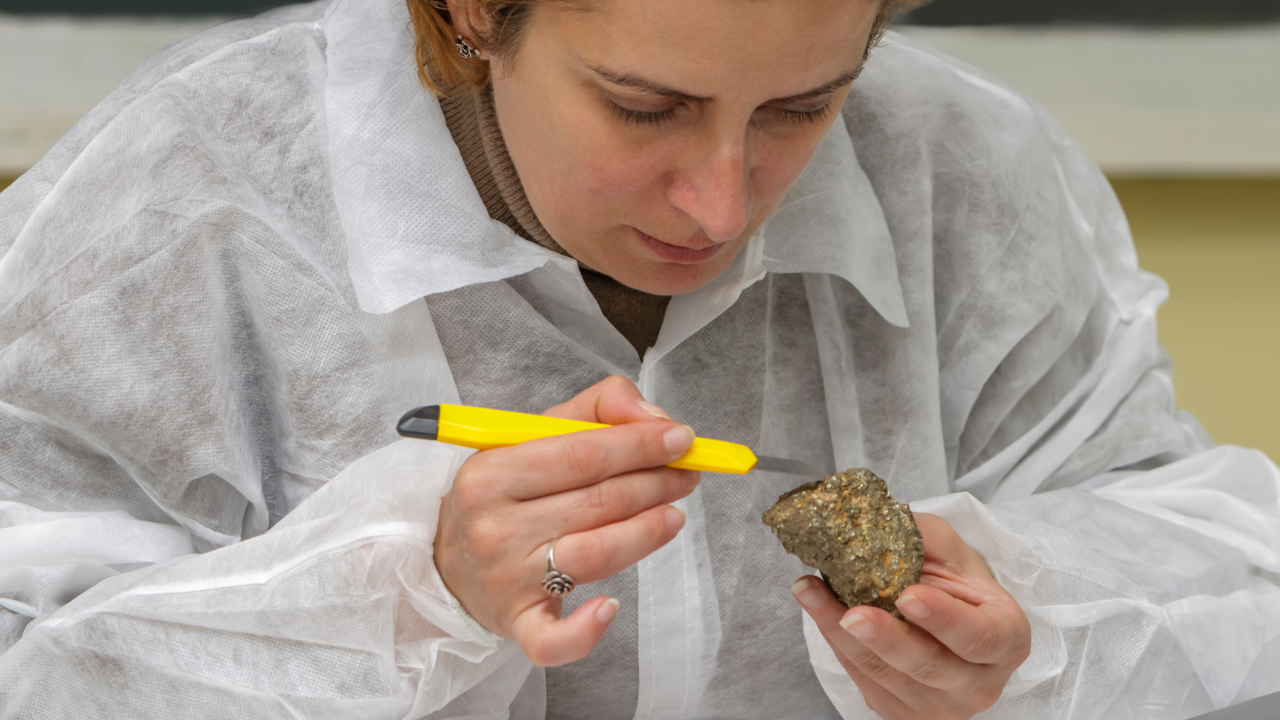
Some researchers remain cautious about population estimates and centralized authority claims, suggesting seasonal occupation and confederated leadership better explain the evidence. However, University of Alabama research consistently reveals urban amenities, including waste management systems, specialized craft quarters, and elaborate ceremonial architecture. The debate continues as discoveries emerge annually.
Their Collapse Warns Modern Cities
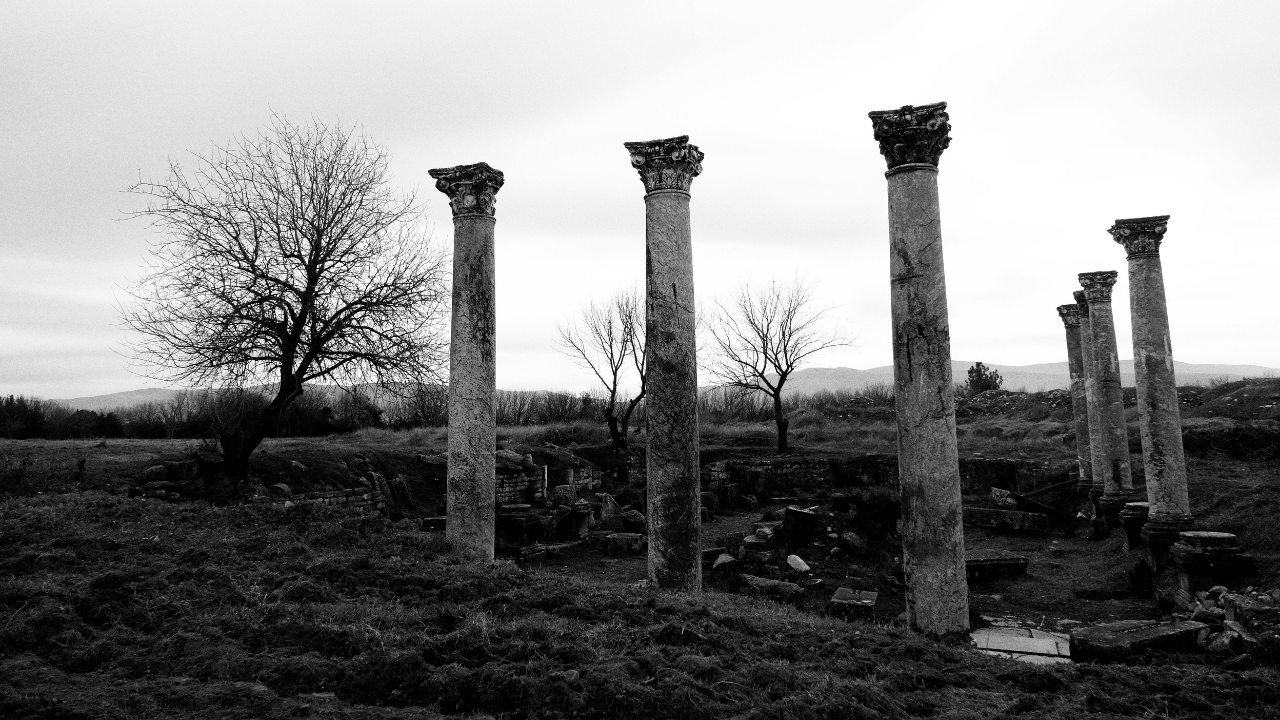
The collapse of these sophisticated civilizations raises profound questions about sustainability and environmental limits that echo modern urban challenges. If societies capable of such monumental achievements couldn’t survive climate change and resource pressures, what does that mean for contemporary cities? The parallels are both fascinating and deeply unsettling.
Changing How We Handle Native Land Rights
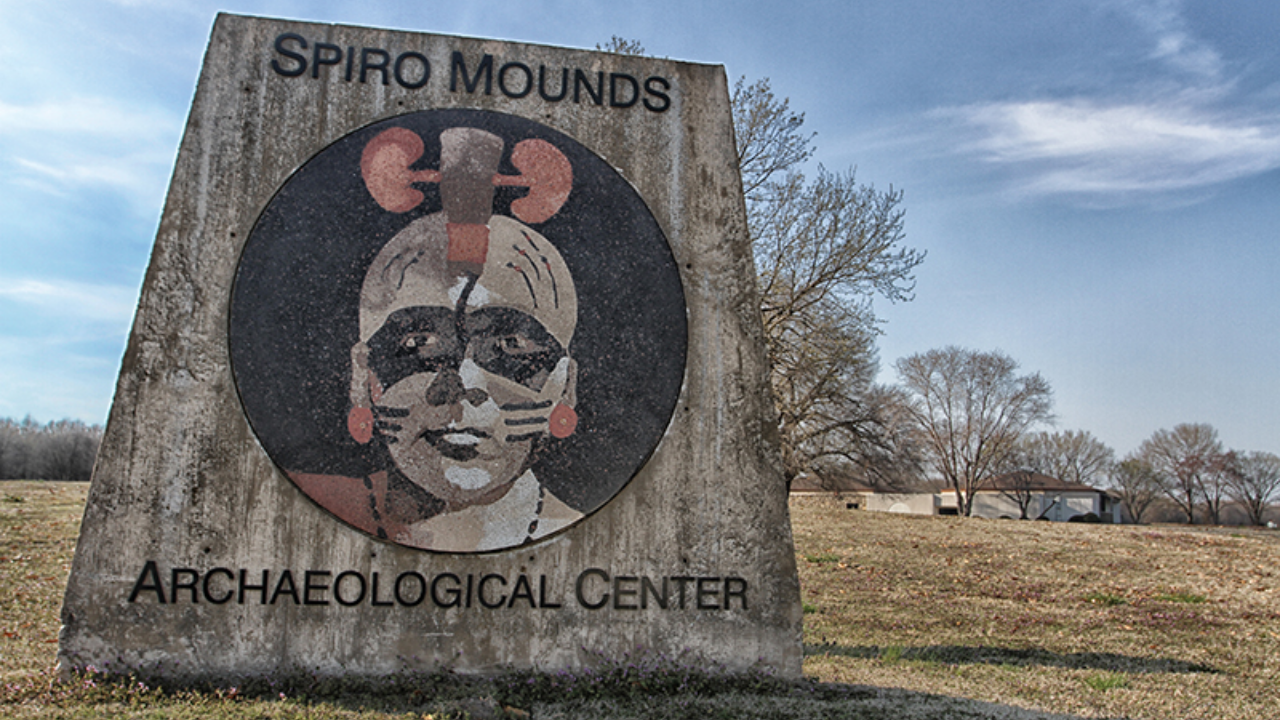
Recognition of ancient urban achievements significantly impacts contemporary indigenous rights discussions and land acknowledgments. Federal legislation increasingly requires tribal consultation before research or development on ancestral lands, according to Spiro Mounds Archaeological Center. Descendant communities trace direct lineage to these powerful city-states, reshaping archaeology’s relationship with indigenous sovereignty.
Chocolate Found 1,000 Miles From Mexico
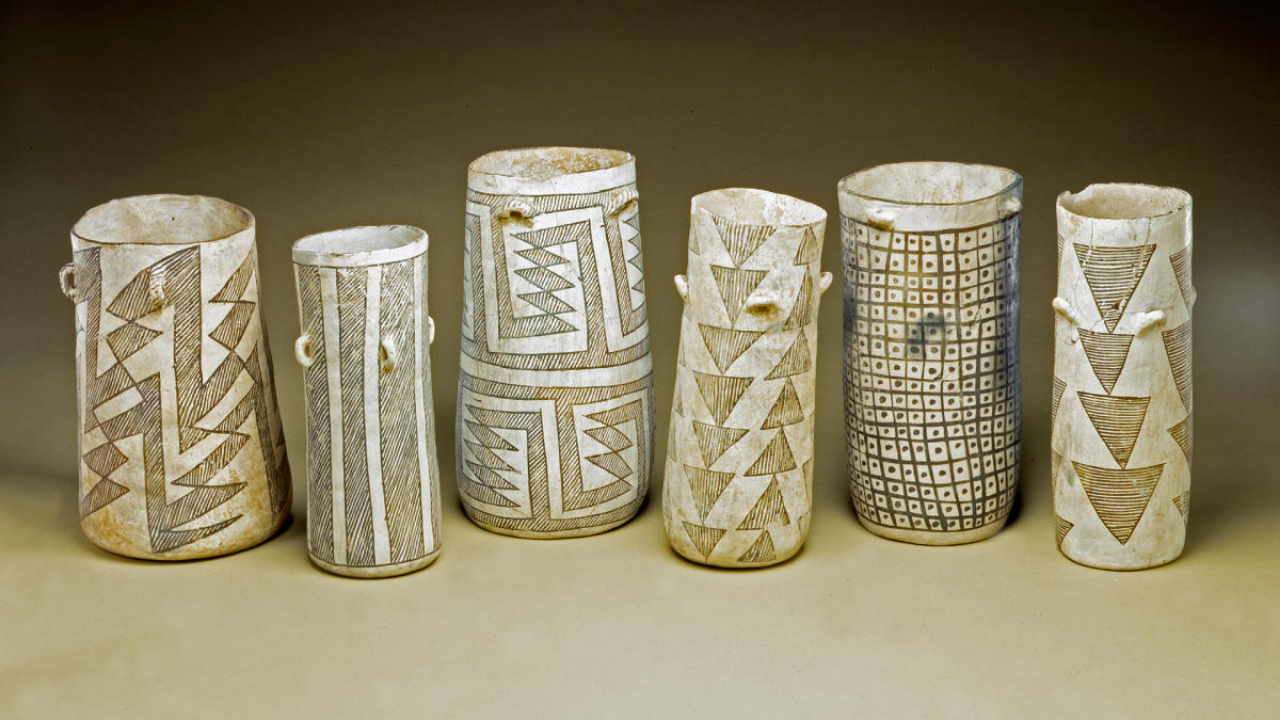
Recent discoveries of Mexican cacao at Pueblo Bonito and other exotic trade goods reveal continental networks connecting the Arctic to Mesoamerican civilizations. The Metropolitan Museum reports these findings challenge traditional models of isolated indigenous societies. Instead, they reveal an interconnected world of urban centers and long-distance commerce rivaling ancient Mediterranean trade routes.
Green Cities Before It Was Cool

Many ancient cities developed sophisticated sustainable practices, including flood management systems, terraced agriculture, and forest conservation techniques. However, Encyclopedia of Alabama research shows evidence of resource overexploitation and environmental degradation at some sites. These dual lessons offer both inspiration and cautionary tales for modern ecological challenges.
Native Communities Reclaim Their History
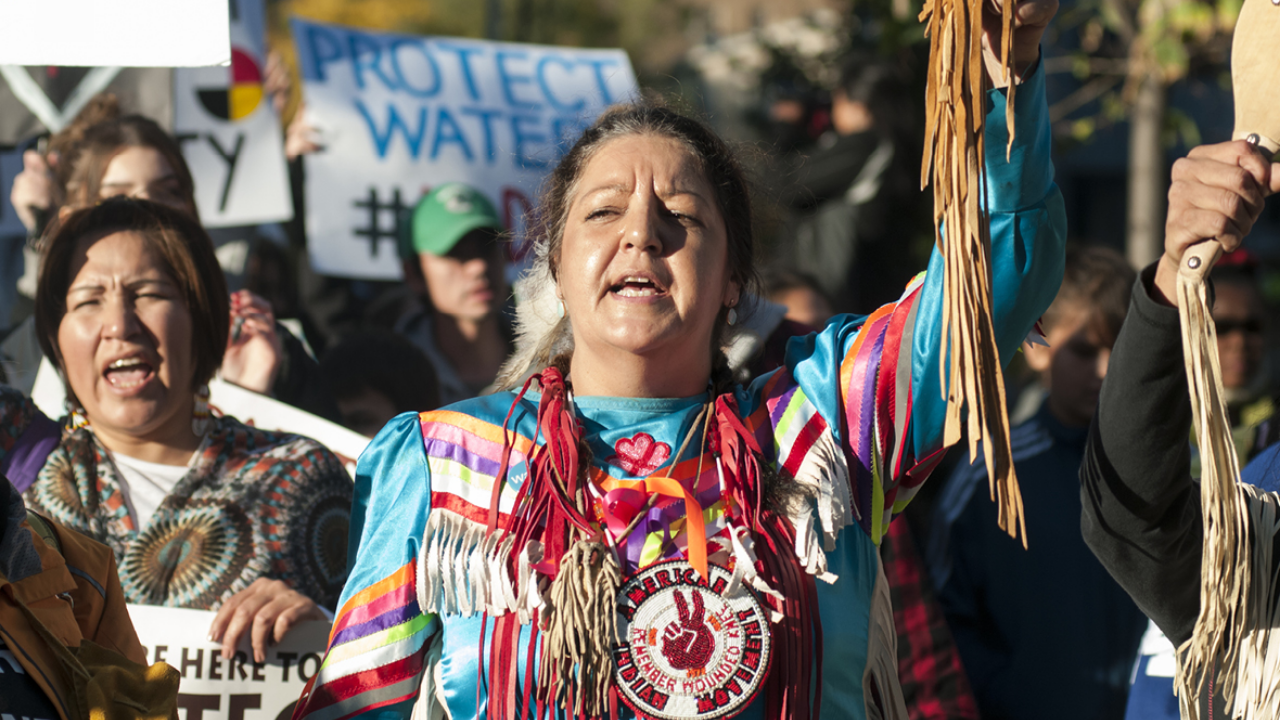
Contemporary Native American communities increasingly emphasize these urban achievements in cultural education programs, countering stereotypes about “primitive” societies. Tribal museums now showcase sophisticated engineering, astronomy, and governance systems developed by their ancestors. The Chickasaw Nation reports these efforts inspire new generations of indigenous scholars and strengthen cultural identity.
Why This Changes Everything We Know
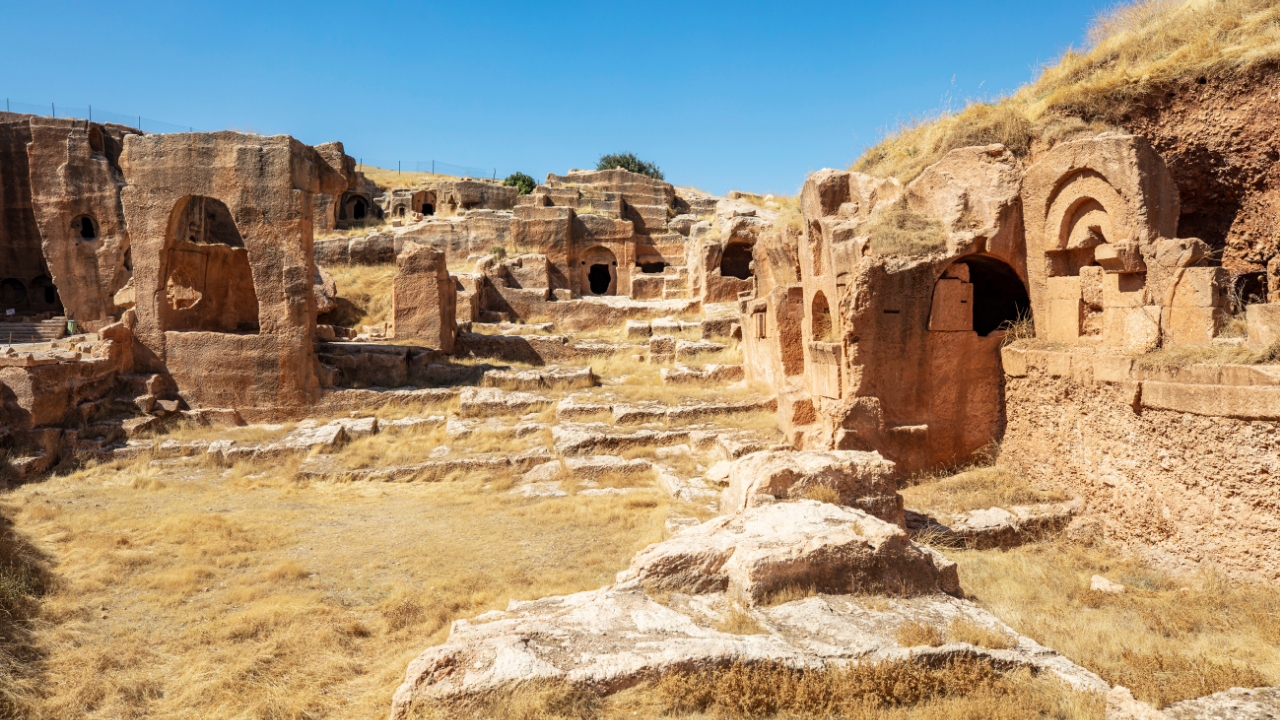
These ancient cities fundamentally challenge conventional narratives about pre-Columbian North America, revealing a continent dotted with sophisticated urban civilizations. Cahokia, Chaco Canyon, Teotihuacan, Poverty Point, and countless Mississippian centers demonstrate that indigenous peoples built some of humanity’s earliest urban experiments. Their legacy reminds us that this continent was never an empty wilderness, but home to advanced civilizations that shaped North America for over 4,000 years.