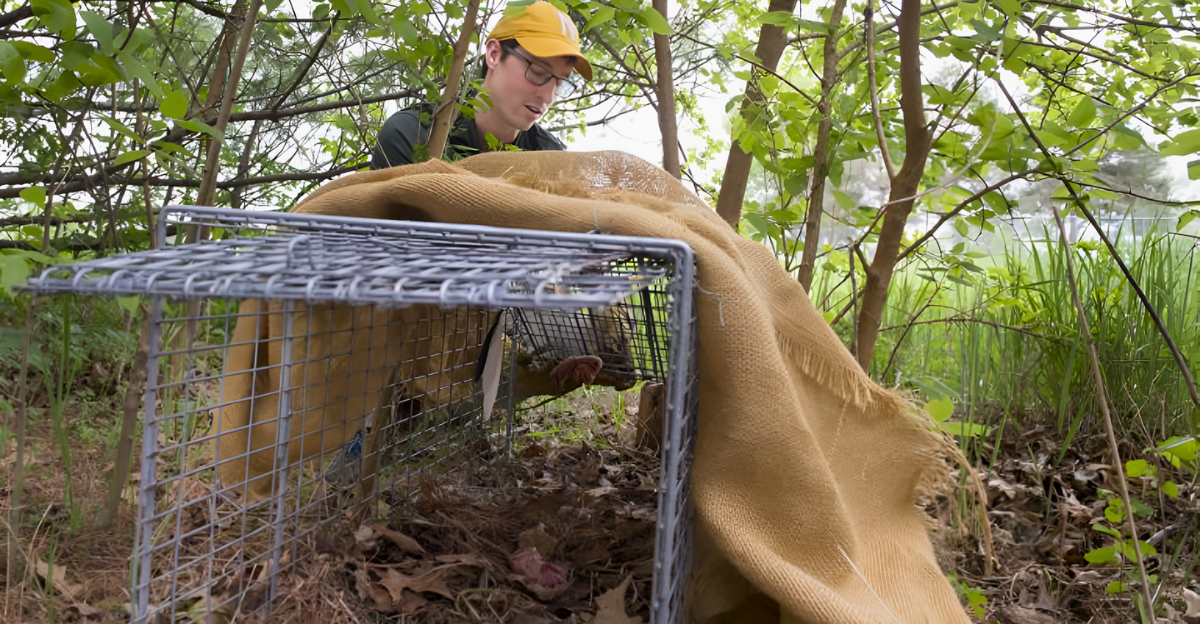
Nature has a way of surprising us, often revealing its resilience in the most astonishing ways. Throughout history, species thought to be extinct have reappeared, defying the odds and reminding us of the mysteries of the natural world. These “Lazarus species,” named after the biblical figure who rose from the dead, were once written off as lost forever, only to resurface in the most unexpected places—hidden forests, remote islands, or deep oceans. As Dr. Jane Goodall, renowned conservationist, once said, “Every individual matters. Every individual has a role to play. Every individual makes a difference.”
1. Attenborough’s Long-Beaked Echidna
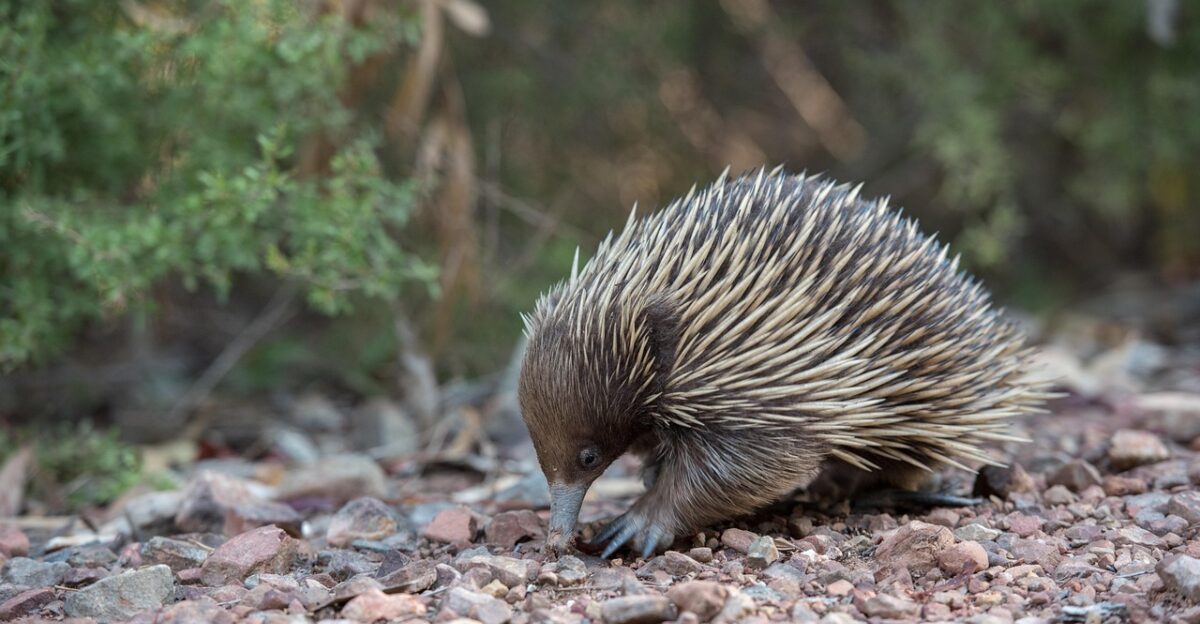
This elusive mammal, named in honor of Sir David Attenborough, is a rare species of monotreme, one of the few egg-laying mammals on Earth. Last officially documented in 1961 and thought to be extinct, this spiny creature stunned the scientific community when a camera trap in Indonesia’s Cyclops Mountains captured its image in 2023. Its survival in such a remote and rugged habitat underscores the resilience of nature and serves as a powerful reminder of the critical need to protect even the most isolated and fragile ecosystems from human impact.
2. Coelacanth
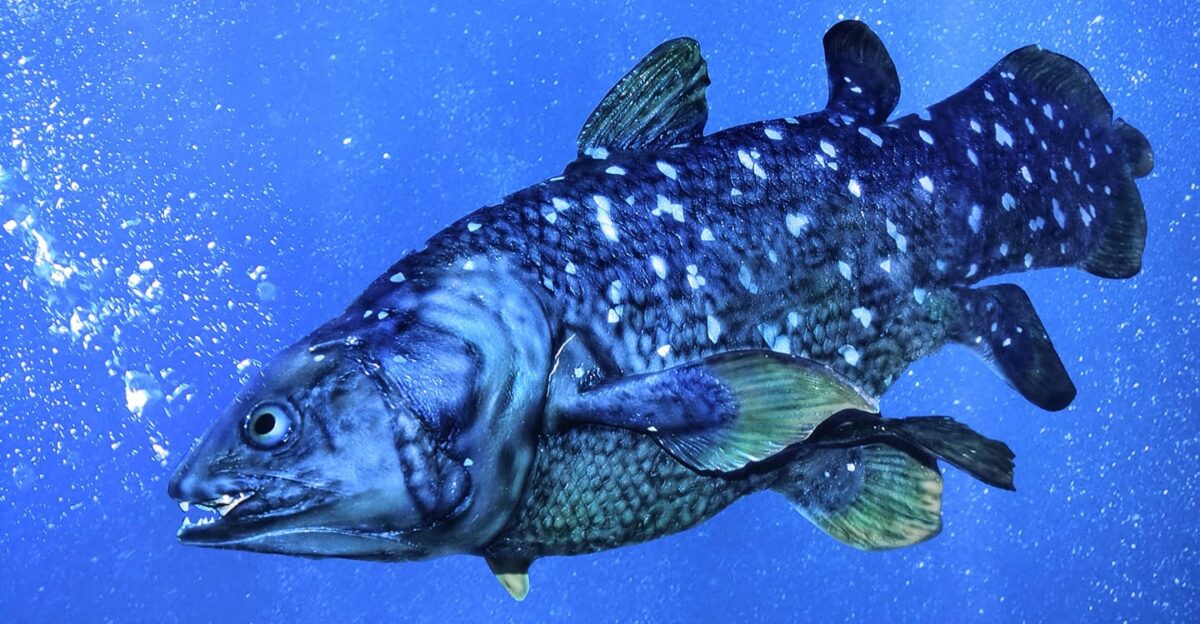
Believed extinct for 66 million years, the coelacanth shocked scientists when a live specimen was caught off South Africa in 1938. Known as a “living fossil,” this deep-sea fish features lobed fins, offering a rare glimpse into the evolutionary transition from sea to land. Its anatomy provides critical insights into the development of limbs in early vertebrates. The coelacanth’s unexpected rediscovery challenged extinction assumptions and became one of the 20th century’s most remarkable zoological finds, sparking ongoing fascination and research into its biology and ancient lineage.
3. Chacoan Peccary
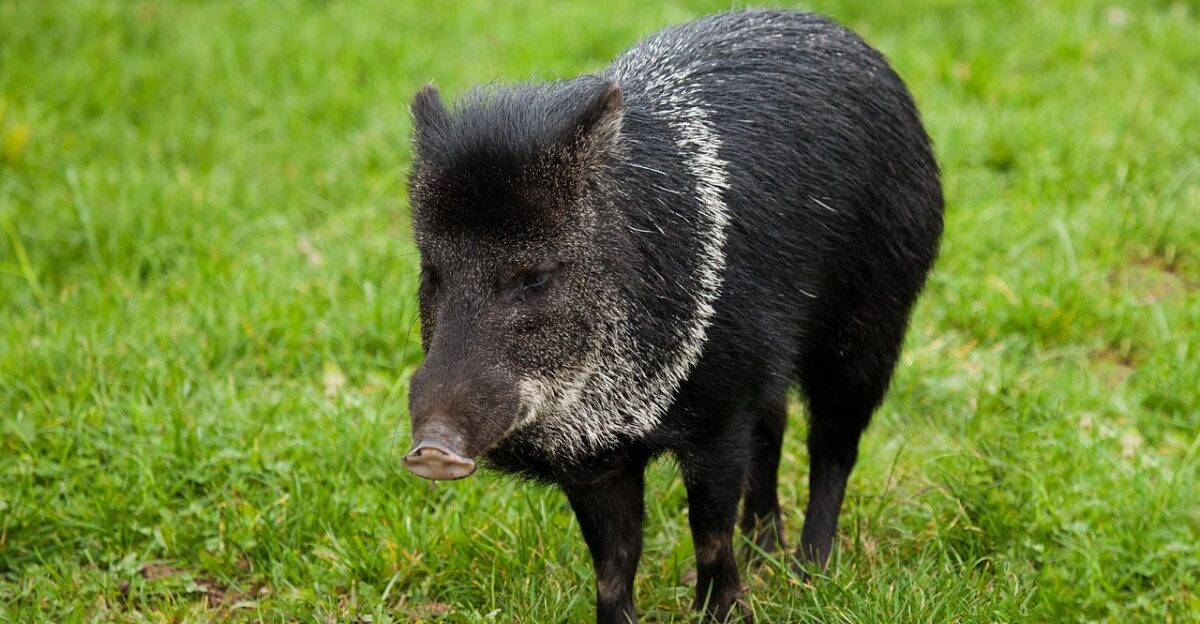
The Chacoan peccary was rediscovered in 1971 in Argentina’s Gran Chaco region. While Western science was surprised by its existence, indigenous communities had always been aware of the species, integrating it into their ecological knowledge. This pig-like mammal, adapted to the harsh, arid environment of the Gran Chaco, is now a powerful symbol of the value of indigenous knowledge in conservation. Its rediscovery underscores the importance of collaborating with local communities to protect biodiversity and highlights the gaps in Western scientific understanding of remote ecosystems.
4. Wallace’s Giant Bee
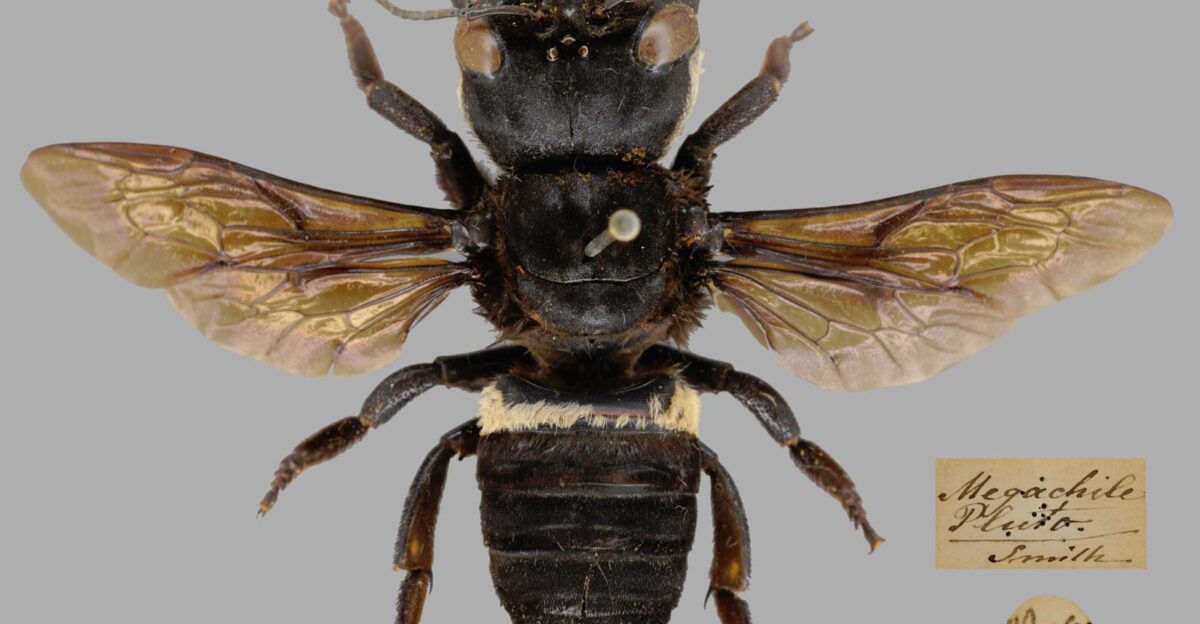
Wallace’s Giant Bee, the world’s largest bee, is an extraordinary species measuring four times the size of a honeybee, with a wingspan of about 2.5 inches. Thought to be extinct after its last sighting in 1981, it was rediscovered in 2019 when scientists found a single female nesting in a termite mound in Indonesia’s North Moluccas. Known for its large mandibles, used to collect resin for its nest, this bee’s survival amidst widespread habitat destruction highlights the resilience of nature and the importance of conservation efforts to protect such rare and remarkable species.
5. Victorian Grassland Earless Dragon
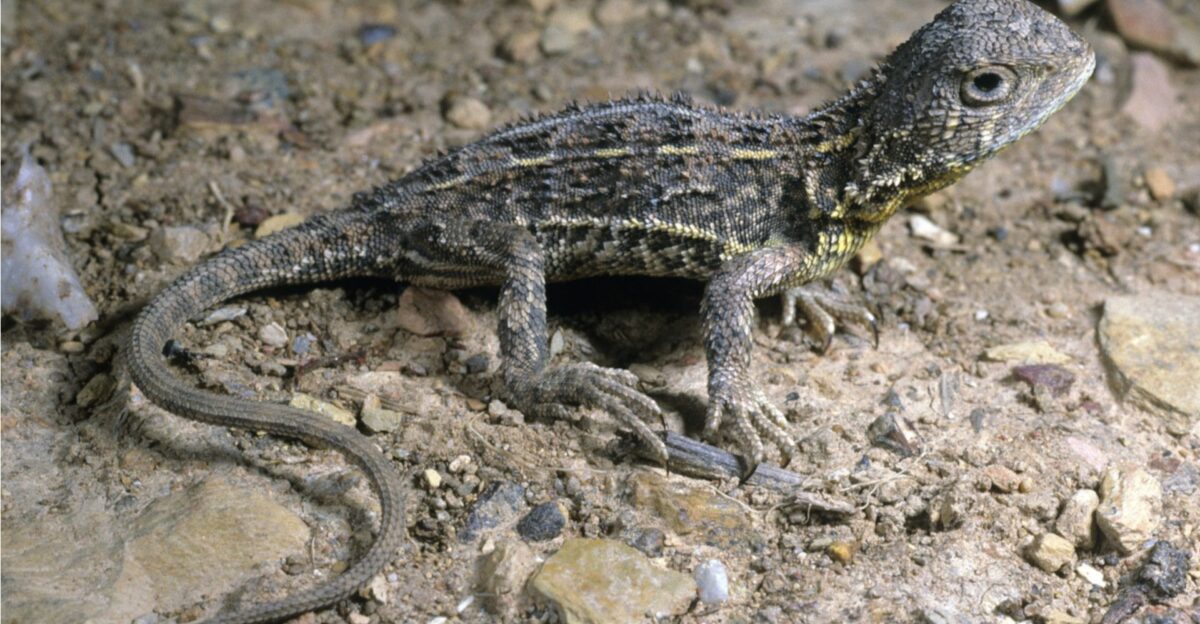
The Victorian Grassland Earless Dragon, a small and elusive lizard, was believed to be extinct after disappearing in 1969, largely due to habitat destruction from agriculture and urban development. In a stunning turn of events, ecologists rediscovered the species in 2023 during a survey in Victoria, Australia. This rare find revealed only a few surviving individuals. Conservationists are now urgently working to safeguard its remaining habitat, implement breeding programs, and address threats like land degradation, offering a glimmer of hope for the survival of this critically endangered reptile.
6. Laotian Rock Rat
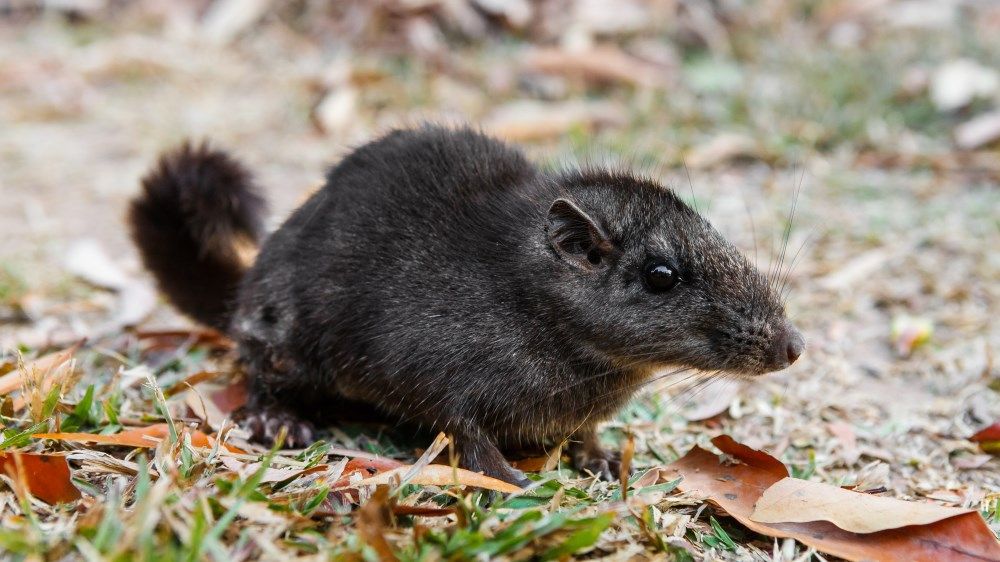
The Laotian rock rat, or Laonastes aenigmamus, belongs to the Diatomyidae family, believed to have been extinct for over 10 million years. This rodent defied expectations by surviving undetected. Found in local markets in Laos, where it was sold as food, the species highlights how biodiversity can persist in overlooked or remote regions. Its discovery underscores the importance of exploring lesser-studied ecosystems and reminds us that some species, thought to be lost to time, can quietly endure, hidden in plain sight.
7. Terror Skink
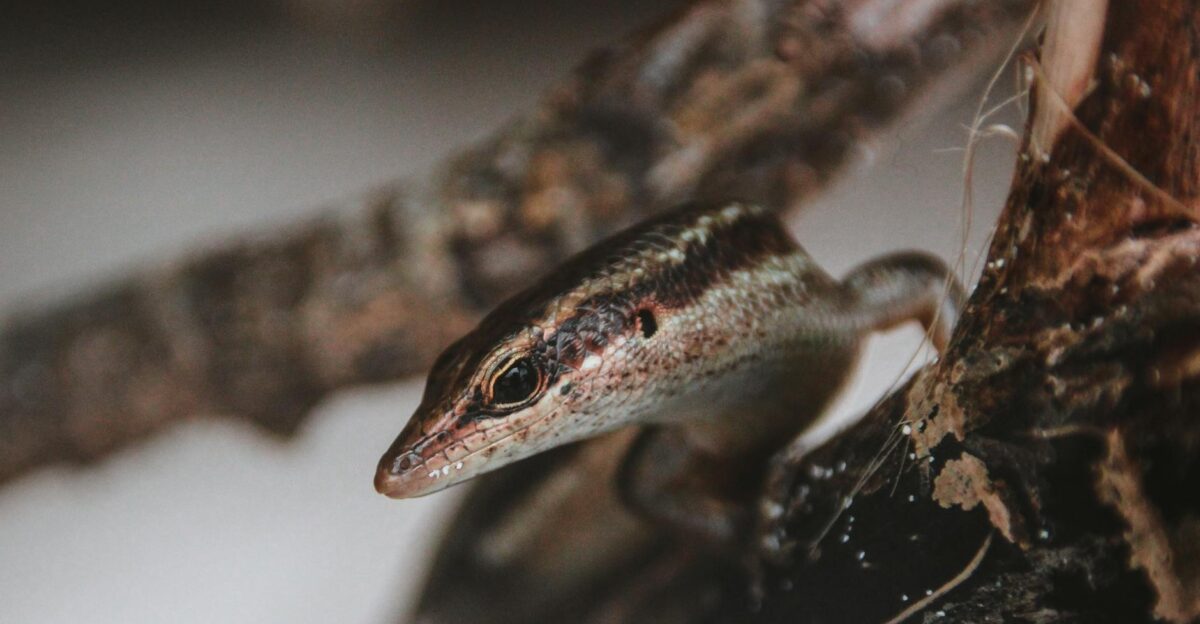
First described in 1876, this carnivorous lizard was presumed extinct for over a century until its rediscovery in 2000 on a small islet near New Caledonia. True to its name, this elusive reptile boasts sharp teeth and a fierce predatory nature, preying on smaller animals in its habitat. Its remarkable survival highlights the resilience of species in isolated ecosystems and emphasizes the critical need to protect remote, biodiverse habitats from human impact, ensuring the preservation of unique and vulnerable wildlife like the terror skink.
8. Cuban Solenodon
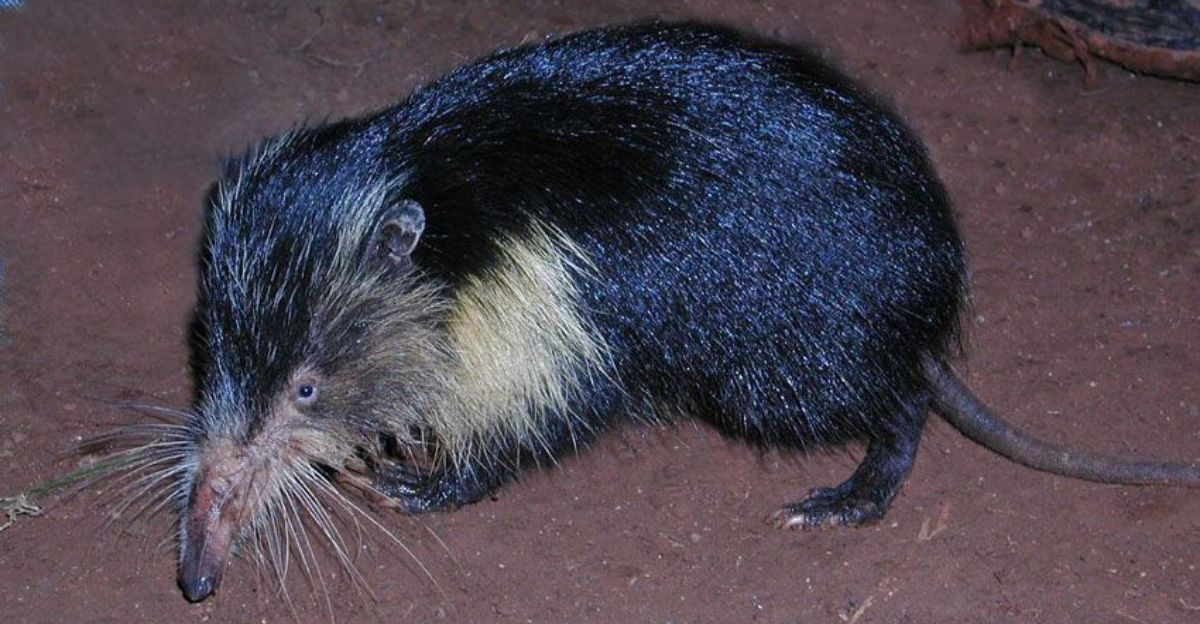
The Cuban solenodon, or almiquí, is a nocturnal, insectivorous mammal endemic to Cuba. Resembling a large shrew with a long, flexible snout, it is one of the few venomous mammals, using venomous saliva delivered through grooves in its lower incisors to subdue prey. Thought extinct in 1970, it was rediscovered in 1974, marking a significant moment for conservationists. This ancient species, dating back to the time of dinosaurs, remains critically endangered due to habitat loss and predation by introduced species like cats and dogs, making its conservation vital for preserving biodiversity.
9. Majorcan Midwife Toad
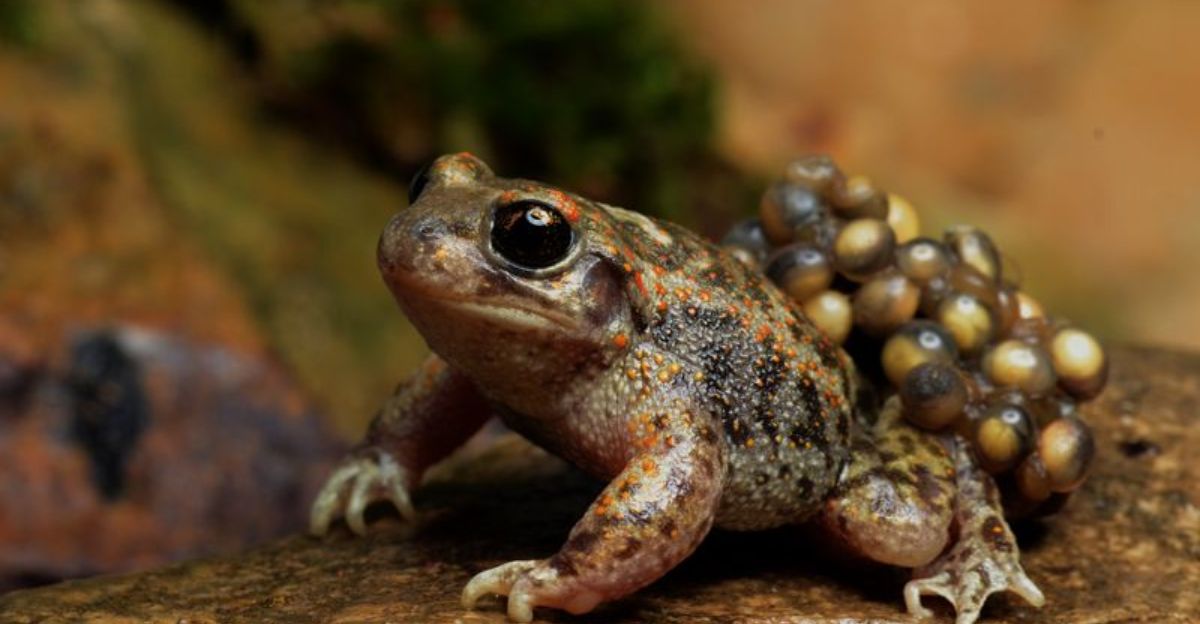
The Majorcan Midwife Toad (Alytes muletensis), native to Majorca, was thought extinct after its fossil discovery in 1977. Remarkably, a living population was found in 1979. This tiny amphibian is famous for its unique parenting, where males carry eggs on their backs until they hatch. Found in rocky areas with freshwater pools, the species faced threats from habitat loss and introduced predators. Conservation efforts, including a successful breeding and reintroduction program, have helped its recovery, making it a symbol of hope for amphibian conservation and a testament to the power of dedicated preservation efforts.
Conclusion

These nine species remind us that nature is full of surprises. Their rediscoveries inspire hope and highlight the importance of conservation efforts. While some remain critically endangered, their stories prove that with dedication and awareness, we can protect the planet’s most elusive inhabitants. As Dr. Jane Goodall, renowned primatologist and conservationist, once said, “What you do makes a difference, and you have to decide what kind of difference you want to make.” Let these “Lazarus species” serve as a call to action for preserving biodiversity.