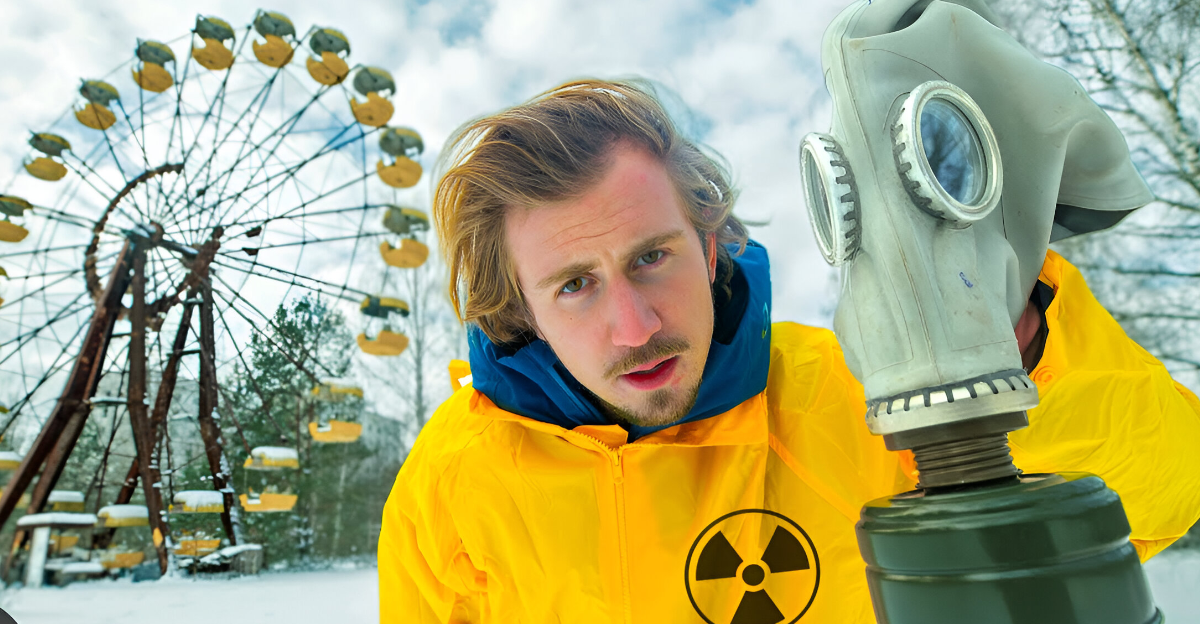
Nuclear contamination doesn’t respect borders, and the planet’s most radioactive locations tell stories of human error, wartime secrecy, and environmental disasters that continue poisoning communities decades later.
From hidden Soviet experiments to American weapons facilities, these contaminated zones represent some of humanity’s most catastrophic nuclear mistakes.
Where is the most radioactive place on the planet, and how many of these deadly sites lie within U.S. borders, silently threatening public health while cleanup efforts stretch across generations?
19. Fort d’Aubervilliers – France
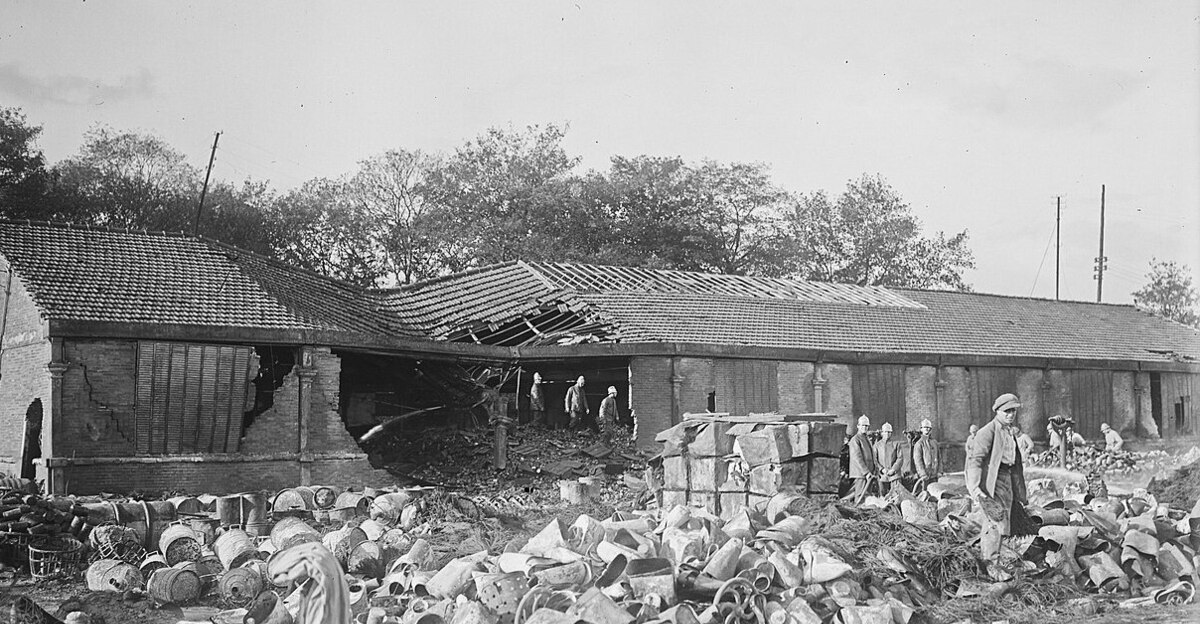
This 19th-century Parisian fortress became a radioactive nightmare in the 1920s and 1930s when French physicists Marie and Pierre Curie’s daughter Irène conducted radium experiments there.
The military later added chemical weapons production during World War I, creating a toxic cocktail that persists today.
Despite decontamination efforts starting in 1990, surrounding neighborhoods still report elevated cancer rates. The site proves how scientific research, without proper safety protocols, can create century-long health crises.
18. McGuire Air Force Base – New Jersey – USA

A single June day in 1960 transformed this New Jersey military installation into one of America’s most contaminated nuclear sites.
When a fire destroyed a BOMARC missile carrying a nuclear warhead, radioactive plutonium scattered across seven acres of the base.
The Environmental Protection Agency ranks it among the nation’s most polluted military facilities. Despite cleanup orders in 2007, plutonium contamination lingers in soil and groundwater, creating a permanent radioactive scar in the Garden State.
17. Church Rock Uranium Mill – New Mexico – USA
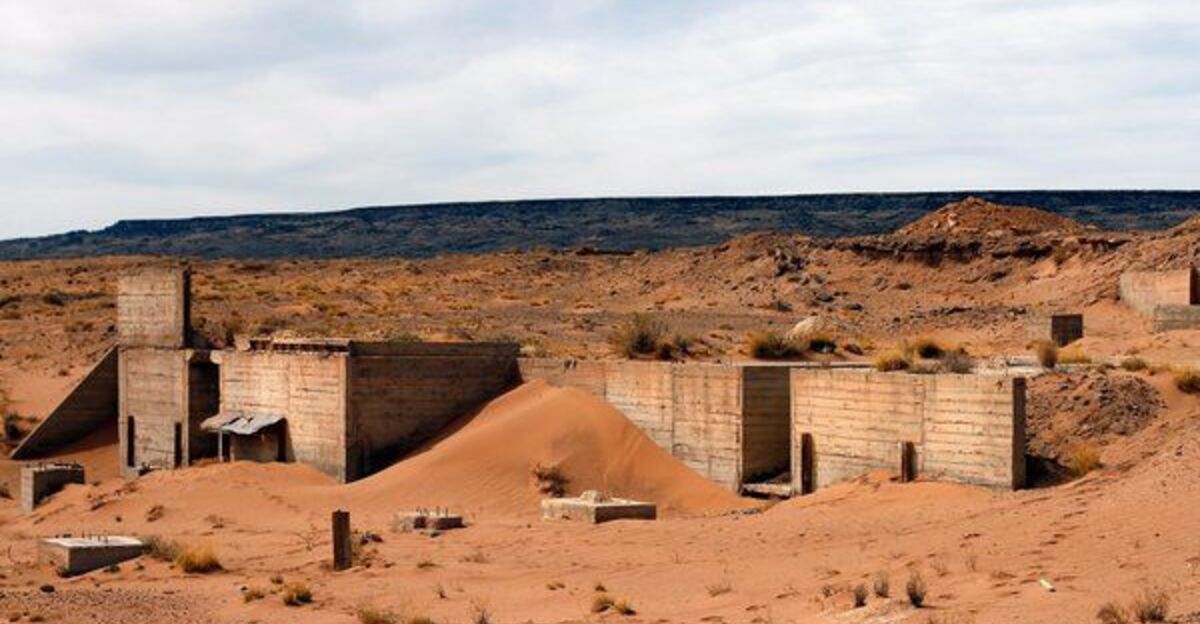
July 16, 1979, marks the date of America’s largest radioactive disaster—one most Americans have never heard of.
When United Nuclear Corporation’s uranium tailings dam collapsed, it released 94 million gallons of radioactive water and 1,100 tons of contaminated sediment into the Rio Puerco.
The spill affected Navajo tribal lands, contaminating drinking water and livestock grazing areas. This disaster exceeded Three Mile Island’s radioactive release by volume, yet received minimal media coverage.
16. Instituto Goiano de Radioterapia – Brazil

September 13, 1987, began as a routine theft but escalated into Brazil’s worst nuclear accident when scavengers stole a medical device containing cesium-137 chloride.
The thieves, unaware of the deadly contents, dismantled the device and distributed the glowing blue powder throughout Goiânia.
Four people died from acute radiation sickness, while 249 others suffered contamination. The government demolished entire city blocks and removed topsoil from contaminated areas, creating an exclusion zone in Brazil’s heartland.
15. Sellafield – United Kingdom
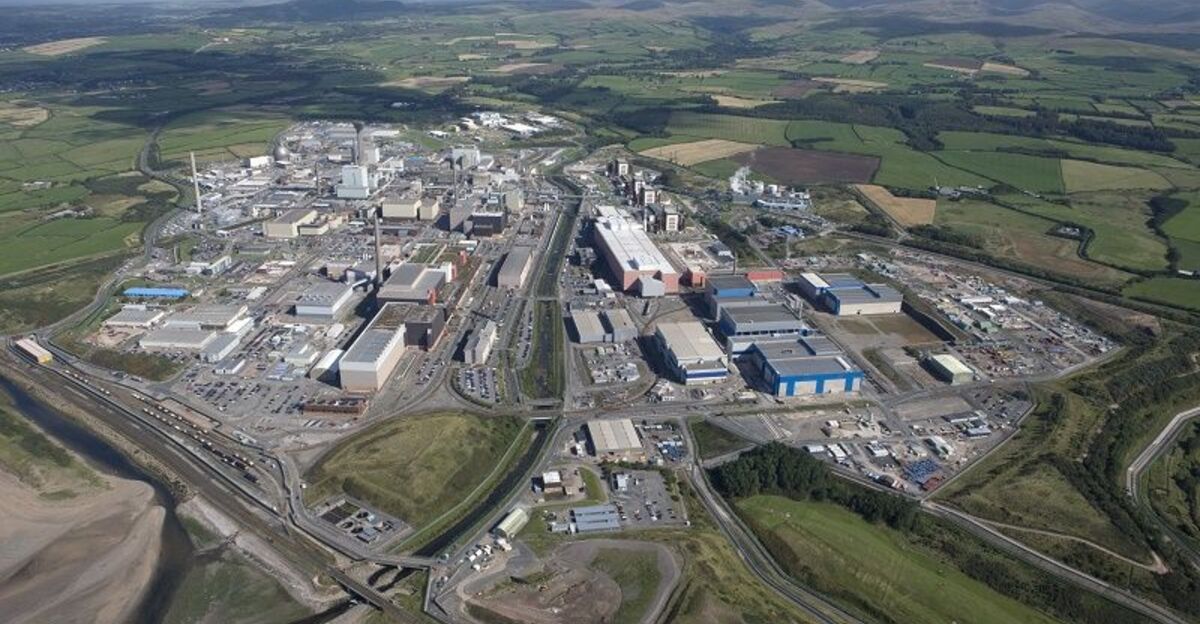
Britain’s nuclear waste processing facility earned infamy by dumping 2.1 billion gallons of radioactive water into the Irish Sea over decades.
The 1957 Windscale fire—the UK’s worst nuclear accident—released radioactive clouds across Europe, contaminating milk supplies and farmland.
Animals died en masse while residents developed respiratory problems and cancer. Despite ongoing cleanup efforts costing billions, Sellafield remains a radioactive monument to Cold War nuclear ambitions prioritized over environmental protection.
14. Polygon Nuclear Test Site – Kazakhstan
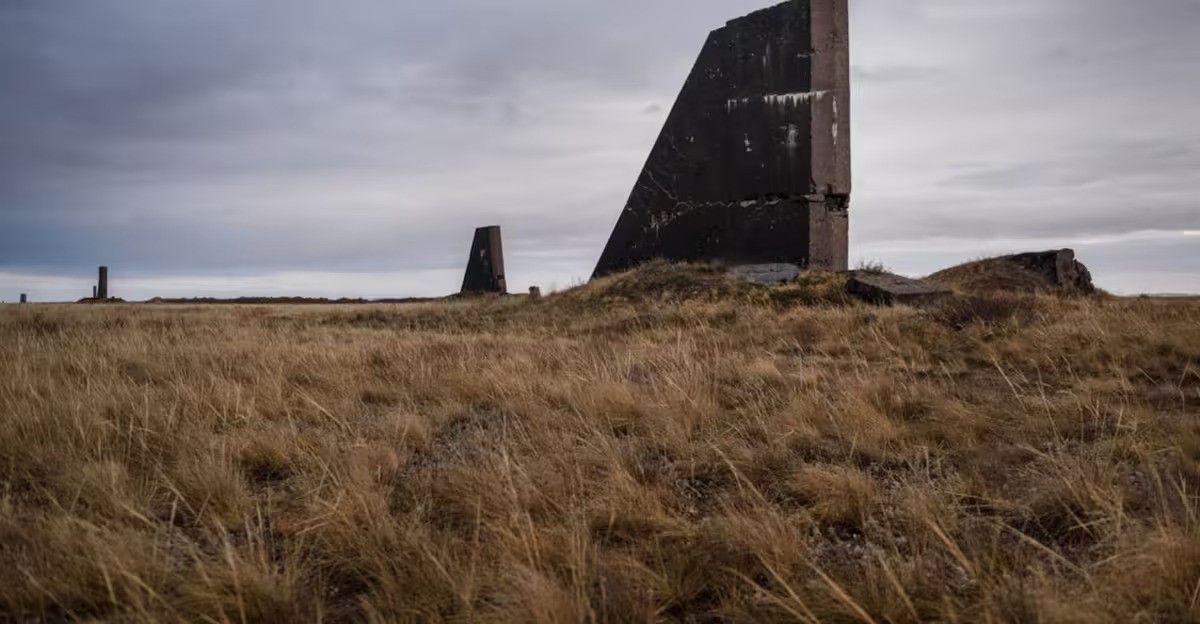
For 40 years, the Soviet Union transformed this Kazakhstan steppe into a nuclear testing ground, detonating over 400 atomic weapons while hundreds of thousands of people lived nearby.
The Polygon exposed more than 200,000 residents to deadly radiation levels, creating generations of birth defects, cancers, and genetic disorders.
Soviet authorities never evacuated local communities, treating human populations as unwitting test subjects in history’s largest radiation experiment. The site remains largely uninhabitable today.
13. Kyshtym Disaster – Russia
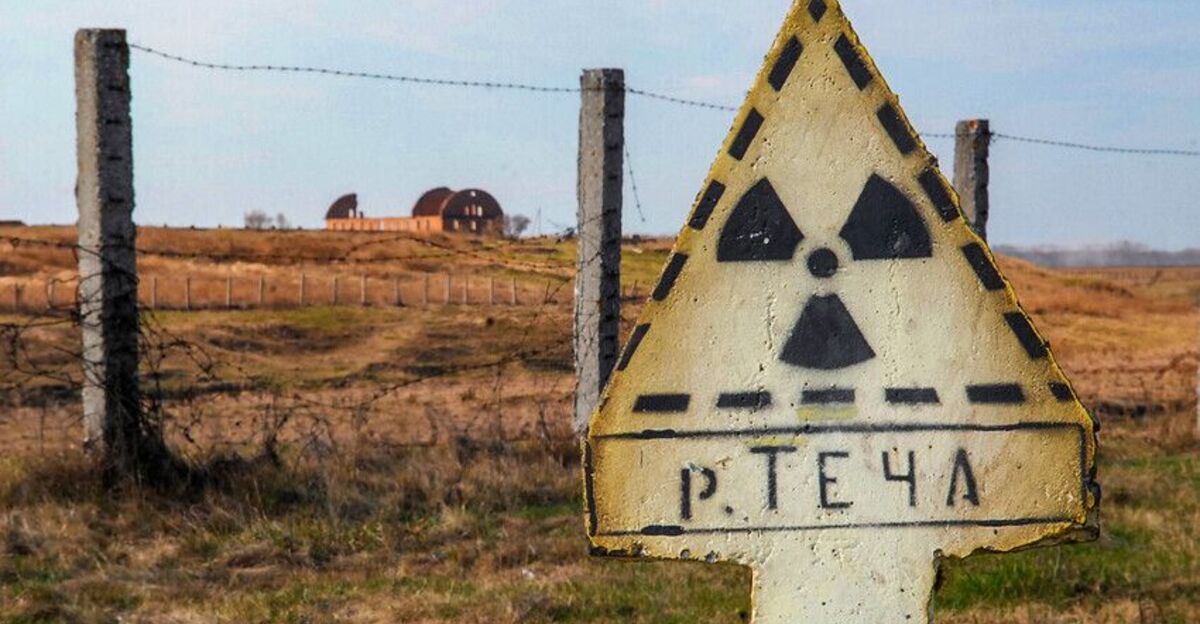
September 29, 1957, witnessed a nuclear explosion that the Soviet Union hid from the world for two decades. When cooling systems failed at the Mayak plutonium production facility, 80 tons of radioactive material erupted into the atmosphere.
The blast, equivalent to a small nuclear bomb, contaminated over 20,000 square kilometers and forced secret evacuations of entire villages. Soviet maps simply erased the affected communities, creating “closed cities” that didn’t officially exist for decades.
12. Mailuu-Suu – Kyrgyzstan
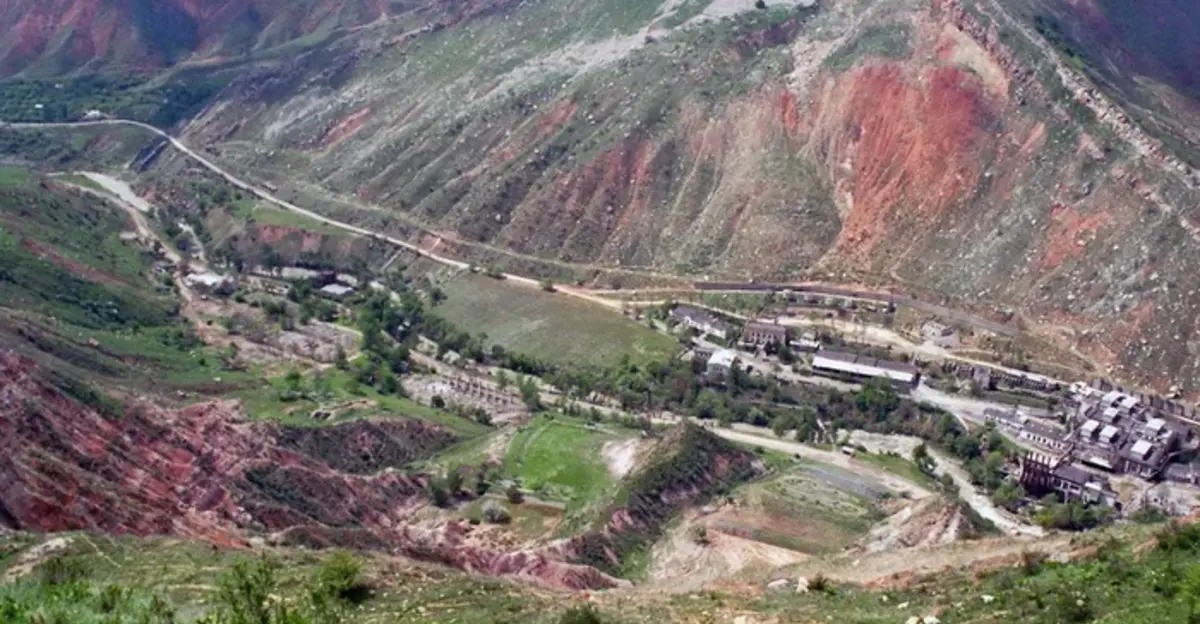
This remote Kyrgyz town harbors 23 uranium waste dumps containing 10,000 tons of radioactive material—a toxic legacy of Soviet uranium mining from 1946 to 1968.
Landslides and earthquakes threaten to breach containment systems, potentially contaminating Central Asia’s water supply.
The 25,000 residents live among uranium tailings that could wash into rivers feeding the entire Fergana Valley. International experts rank Mailuu-Suu among the world’s most dangerous nuclear sites due to seismic instability.
11. Siberian Chemical Combine – Russia
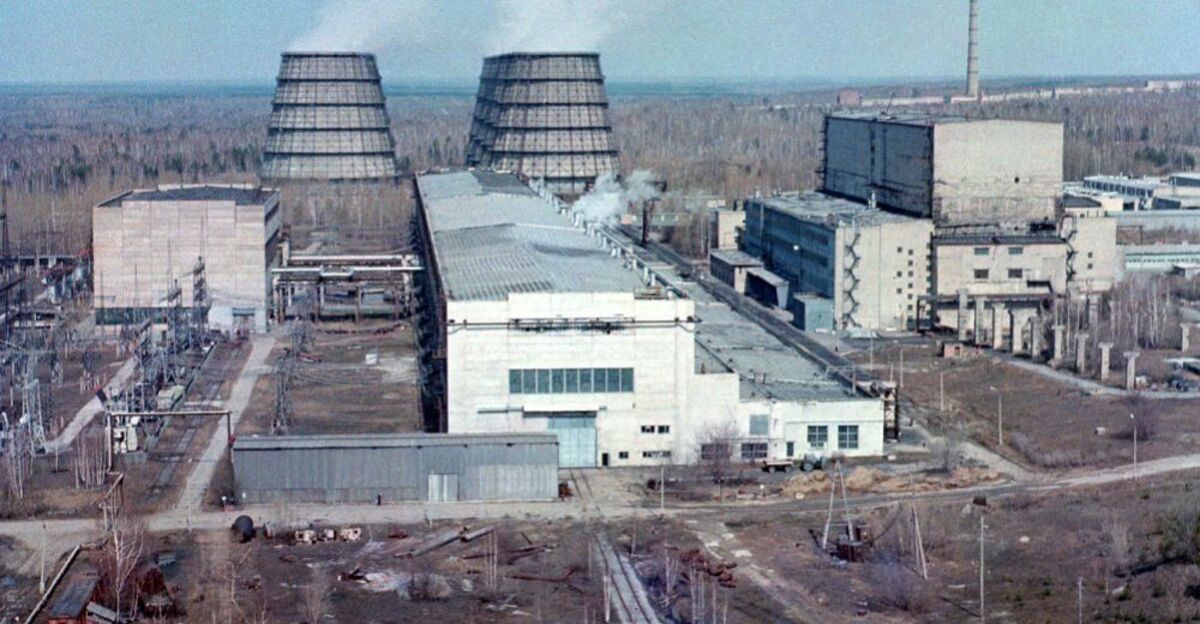
Hidden in the closed city of Seversk, this nuclear facility produced plutonium for Soviet warheads while contaminating vast areas of Siberian forest.
Underground storage tanks leak radioactive waste into groundwater, while decades of atmospheric releases created exclusion zones stretching for miles.
The facility affected over 60,000 people through radiation exposure, yet remained classified until the Soviet Union’s collapse. Today, it stores nuclear materials while environmental damage continues spreading through Siberian ecosystems.
10. Hanford Site – Washington State – USA
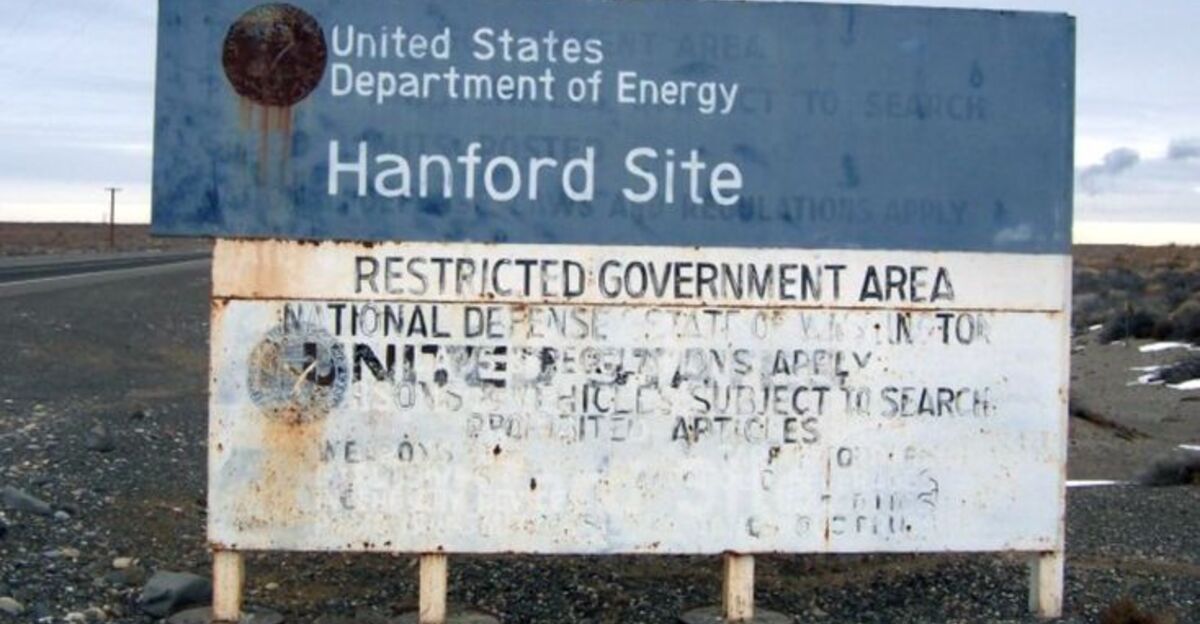
America’s most contaminated nuclear site produced plutonium for the atomic bomb dropped on Nagasaki while secretly poisoning the Pacific Northwest.
This facility stores 56 million gallons of high-level radioactive waste in underground tanks, many of which leak into the Columbia River watershed.
Hanford contaminated 80 square miles of groundwater and released radioactive materials that reached the Pacific Ocean. The cleanup, projected to cost over $100 billion, represents the world’s largest environmental remediation project.
9. Somali Coast – Somalia
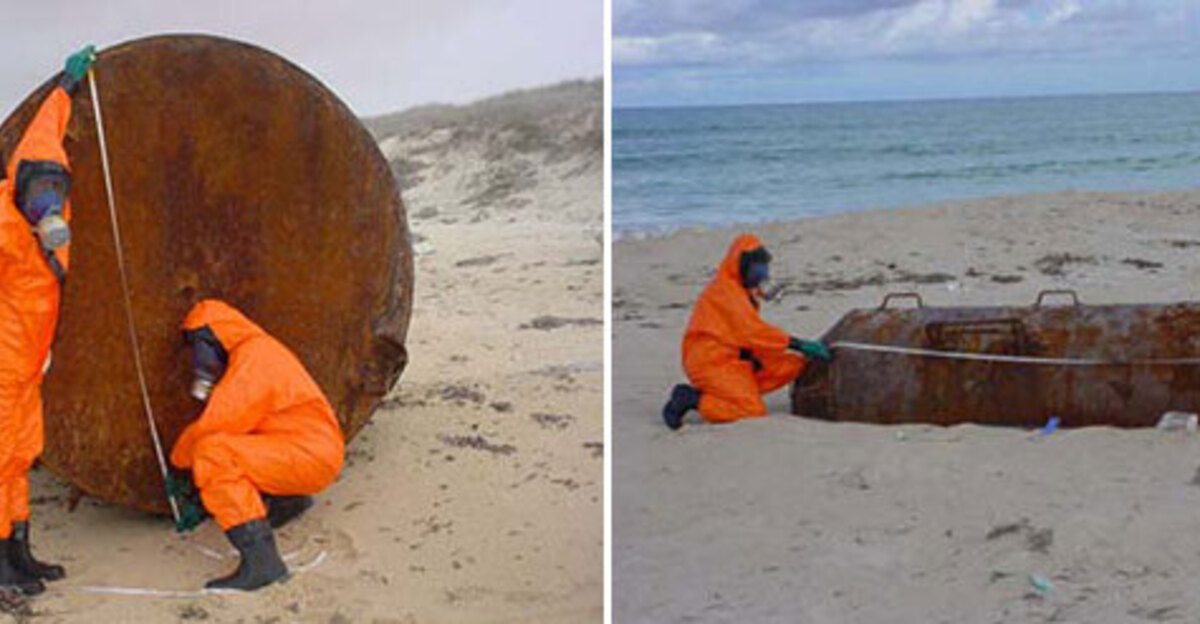
The 2004 Indian Ocean tsunami exposed a shocking secret: hundreds of barrels of radioactive waste had been illegally dumped off Somalia’s coastline by Italian and Swiss companies.
European firms exploited Somalia’s civil war to dispose of nuclear materials in pristine waters, contaminating fishing grounds that fed coastal communities.
When tsunami waves broke open the barrels, radioactive waste washed onto beaches where children played. The dumping represents environmental colonialism at its most devastating, turning African waters into nuclear graveyards.
8. Fukushima Daiichi – Japan
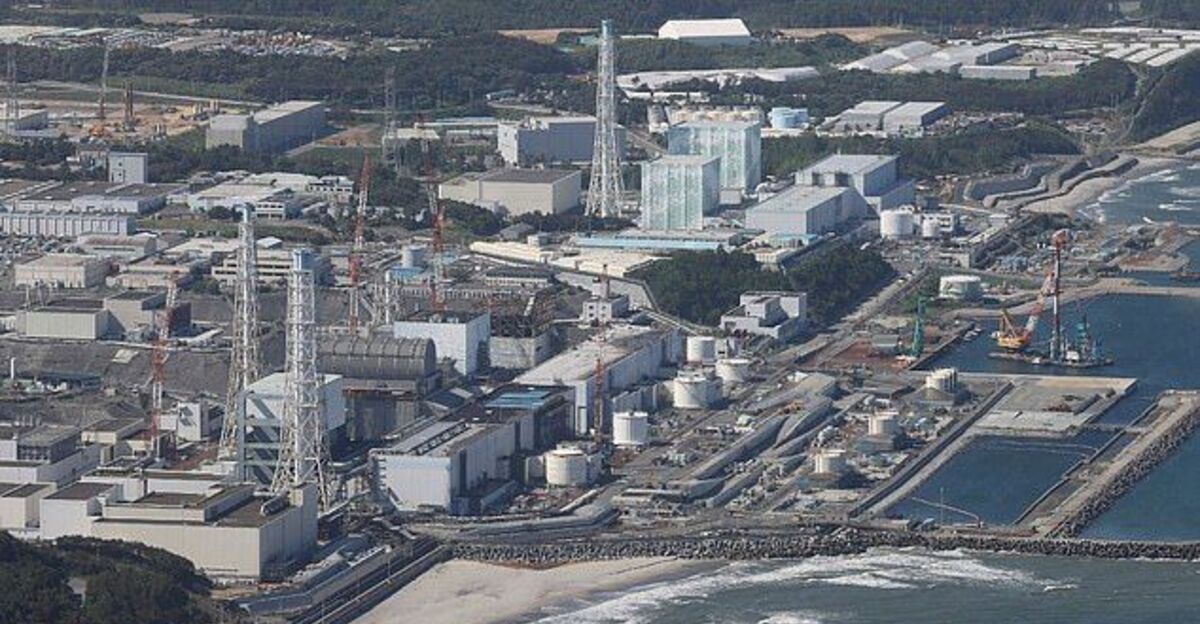
March 11, 2011, transformed this Japanese coastal town into a global symbol of nuclear disaster when a 9.1 magnitude earthquake triggered reactor meltdowns.
Three reactors suffered complete core melts, releasing radioactive material into the air and ocean currents that circled the Pacific.
The disaster forced 160,000 people from their homes, creating an exclusion zone that may remain uninhabitable for decades. Contaminated water continues flowing into the Pacific Ocean despite treatment efforts, affecting marine ecosystems worldwide.
7. Atlantic Nuclear Waste Dump
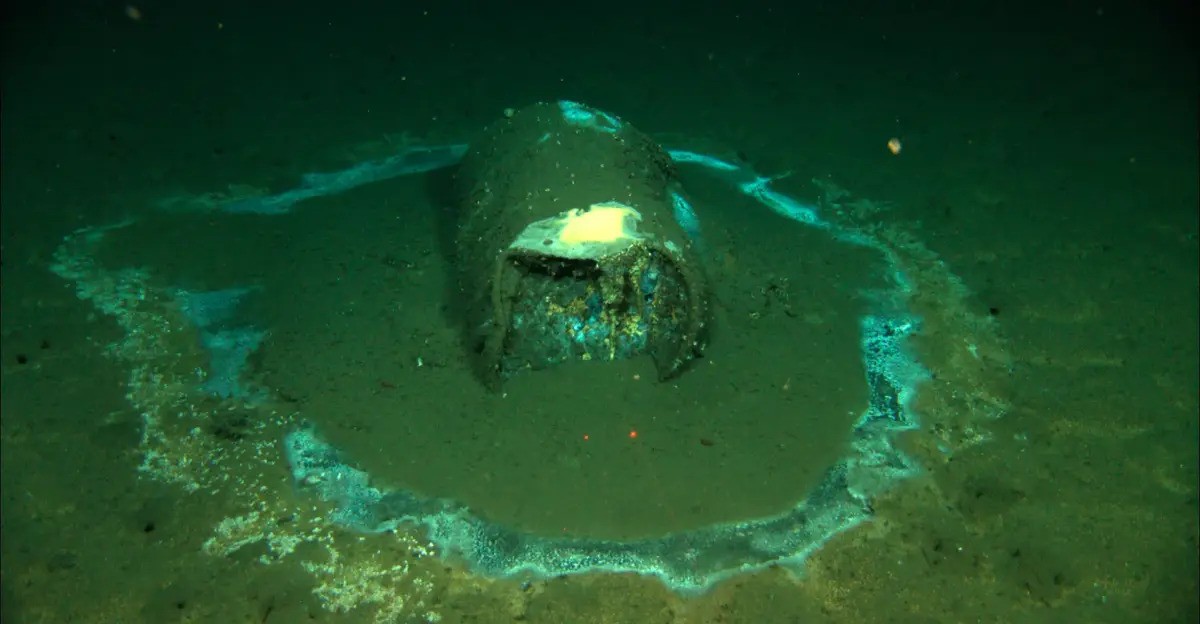
During the Cold War, the United States and Soviet Union routinely dumped nuclear submarines, reactors, and weapons-grade materials into Atlantic waters.
The USS Thresher nuclear submarine lies on the ocean floor with its reactor intact, slowly leaching radiation into deep-sea ecosystems.
Ocean currents carry radioactive contamination across international boundaries, creating invisible pollution that affects marine food chains. These underwater nuclear graveyards represent forgotten casualties of the nuclear arms race.
6. Nevada Test Site – USA
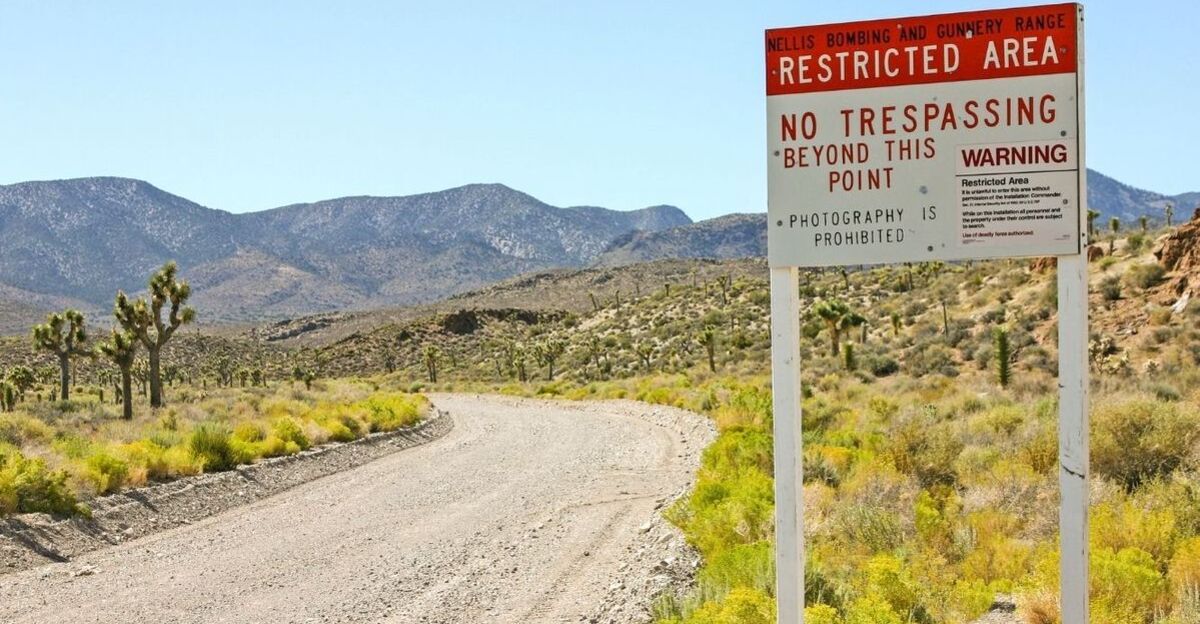
Between 1951 and 1992, the U.S. government detonated 928 nuclear devices in the Nevada desert, creating one of the most radioactively contaminated landscapes on Earth.
Atmospheric testing showered “downwinders” in Utah, Nevada, and Arizona with radioactive fallout, causing widespread cancer clusters.
The site contains massive radioactive craters that will remain dangerous for thousands of years. Despite cleanup efforts, large areas remain off-limits to the public due to persistent radiation levels.
5. Asse II Mine – Germany
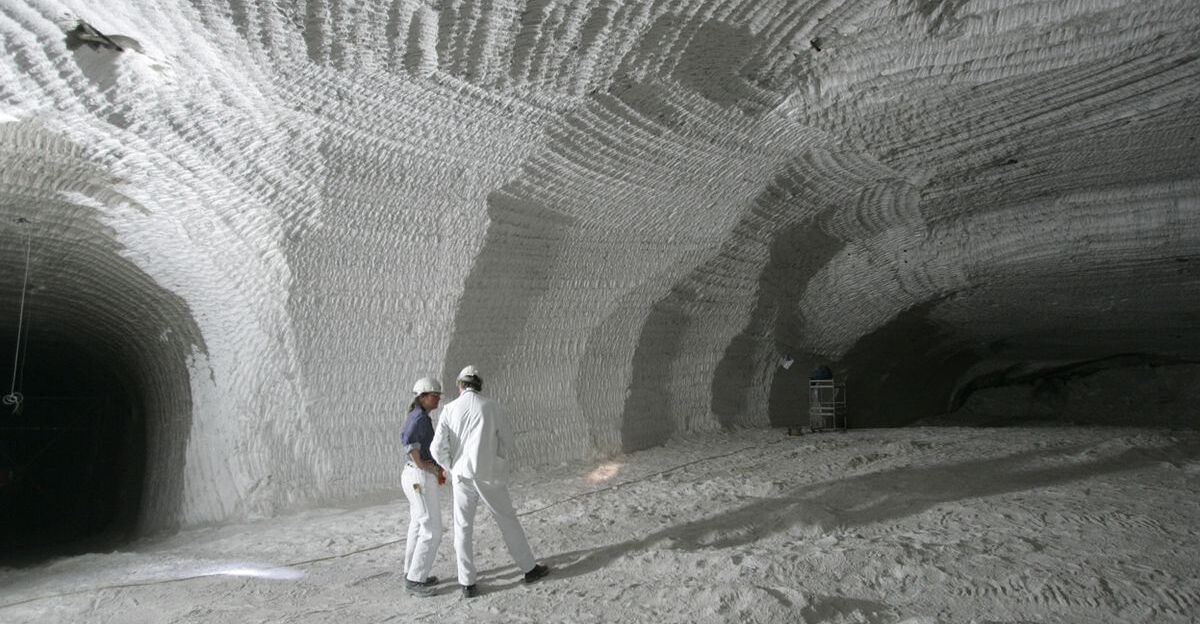
This abandoned salt mine became Germany’s nuclear nightmare when 126,000 barrels of low and medium-level radioactive waste were hastily dumped into its chambers.
Water infiltration threatens to flood the mine, potentially carrying radioactive contamination into regional groundwater systems.
German authorities now face the expensive task of retrieving all waste barrels before complete mine collapse. The facility demonstrates how quick disposal solutions create long-term environmental disasters requiring generations to resolve.
4. Lake Karachay – Russia
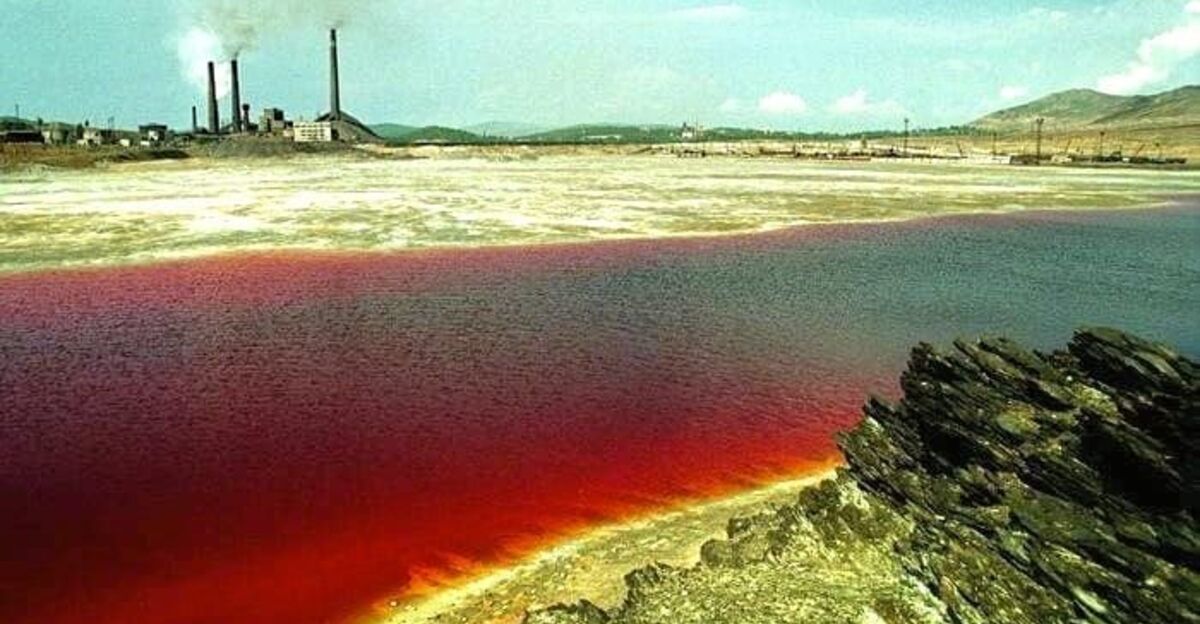
Soviet nuclear engineers turned this small Siberian lake into the most radioactive body of water on Earth by dumping liquid nuclear waste directly into its depths.
Standing at the lake’s shore for one hour delivers a lethal radiation dose, while sediments contain enough radioactive material to contaminate vast areas if disturbed.
The lake serves as an open-air nuclear waste repository, slowly leaching contamination into regional water systems. Attempts to fill the lake with concrete have only partially contained the radioactive threat.
3. Runit Dome – Marshall Islands
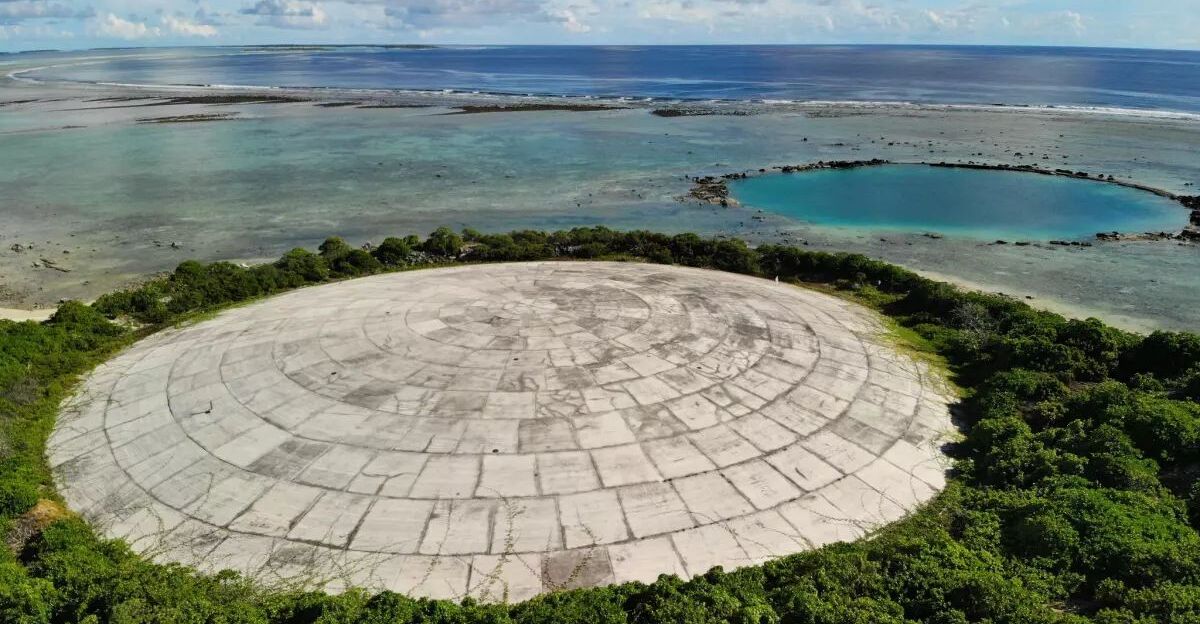
This concrete dome in the Pacific Ocean entombs radioactive soil from U.S. nuclear weapons testing, but rising sea levels threaten to breach its walls and release contamination into ocean currents.
Between 1946 and 1958, the United States detonated 67 nuclear weapons in the Marshall Islands, rendering several atolls uninhabitable.
The dome, built as a temporary solution, now cracks under constant wave action while containing plutonium with a 24,000-year half-life. Climate change accelerates the race between rising seas and structural integrity.
2. Semipalatinsk Test Site – Kazakhstan
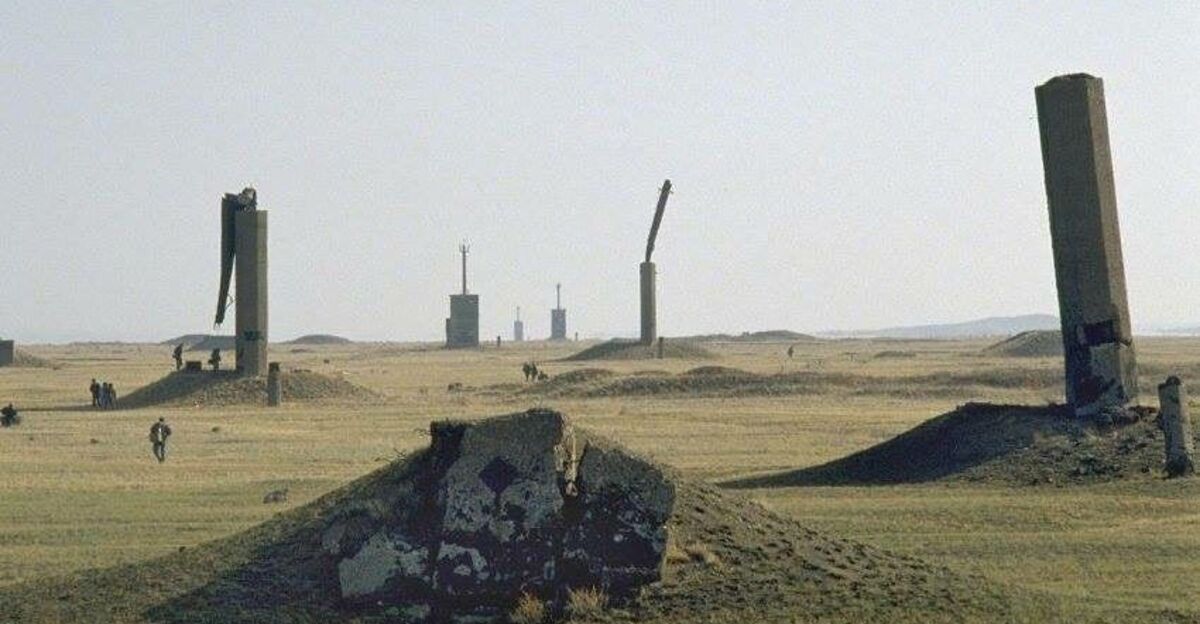
The Soviet Union’s primary nuclear testing ground witnessed 456 nuclear detonations over four decades, creating radioactive wastelands that persist today.
Local populations, never evacuated during testing, suffered massive radiation exposure that caused birth defects, cancers, and genetic mutations spanning generations.
The site covers an area larger than Belgium, with radioactive hot spots that remain deadly decades after testing ended. Kazakhstan inherited this toxic legacy upon independence, struggling to manage contamination that affects over one million people.
1. Chernobyl Exclusion Zone – Ukraine
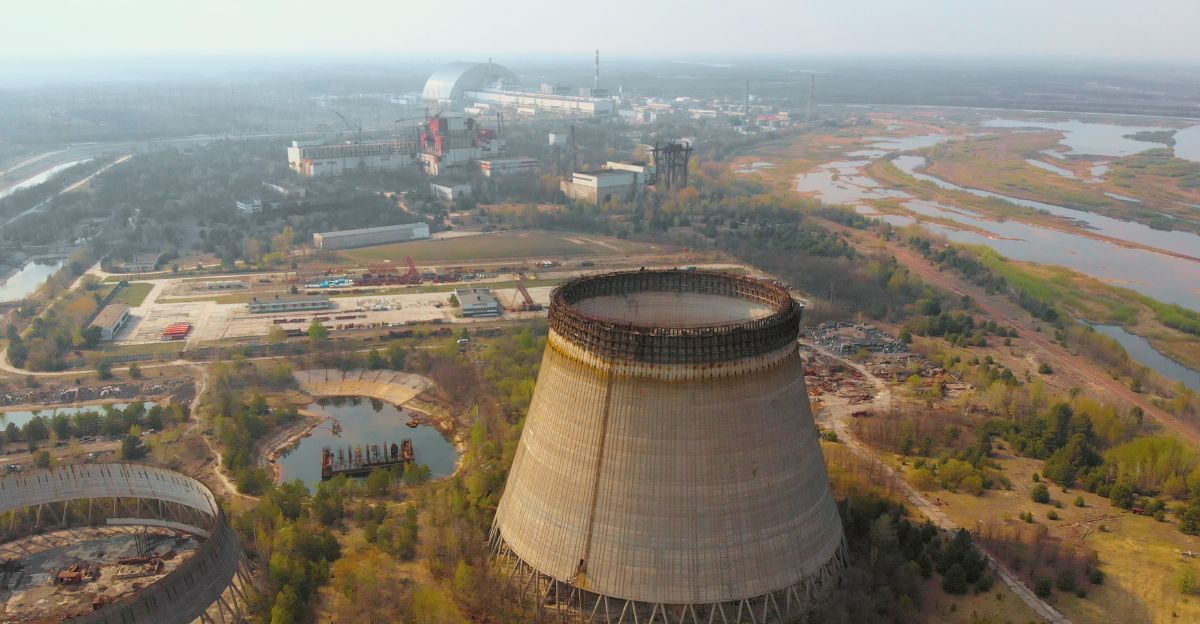
April 26, 1986, created the world’s most infamous nuclear disaster when Reactor 4 exploded, contaminating vast areas of Ukraine, Belarus, and Russia.
The explosion released 400 times more radioactive material than the Hiroshima bomb, forcing the evacuation of over 100,000 people and creating a 2,600-square-kilometer exclusion zone.
Wildlife has reclaimed the abandoned landscape, but radiation levels remain dangerously high in many areas. The disaster serves as an eternal reminder of nuclear technology’s devastating potential when safety protocols fail.