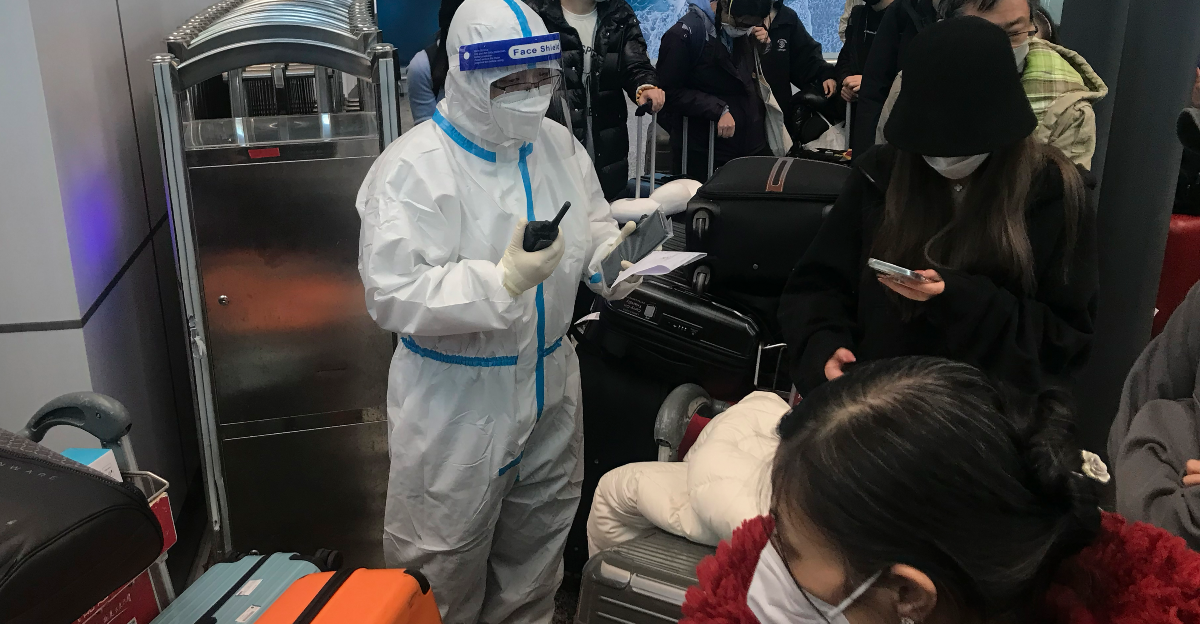
A new Omicron subvariant (NB.1.8.1, nicknamed “Nimbus”) has been quietly emerging in recent months, and experts are watching it closely. U.S. airports’ CDC screening has now flagged multiple NB.1.8.1 cases among international travelers from Asia and Europe.
In China and Hong Kong, the variant is already dominant – Hong Kong reported its worst COVID positivity rates in over a year by spring 2025.
So far, U.S. cases remain few, but health authorities say this Omicron descendant warrants vigilance as it spreads.
Escalating Numbers
CDC genomic data show NB.1.8.1 surging from virtually zero in April to roughly 37% of U.S. COVID cases by early June.
Wastewater monitoring also suggests rising activity in several metropolitan areas. State health departments have confirmed the variant’s presence in at least a dozen states, from California and New York to Illinois and New Jersey.
In some cities, NB.1.8.1 is now the second-most-common strain. Such explosive growth has caught public health officials’ attention, indicating community spread is well underway even if overall case counts remain moderate.
Origin Story
Genomic analysis points to NB.1.8.1 emerging in Asia in January 2025. It quickly climbed to dominance in China and nearby countries over the spring.
Hong Kong’s authorities noted a sharp uptick in cases and hospital visits in April–May, levels not seen since the big 2024 outbreaks.
Meanwhile, the World Health Organization reports that NB.1.8.1 had been detected in 22 countries by mid-May (over 500 genome sequences shared globally). Its spread along major travel routes suggests early roots in Asia before seeding elsewhere.
Global Spread
Across the Asia-Pacific, NB.1.8.1 has coincided with rising COVID waves. Singapore’s weekly cases jumped about 28% in early May (witnessing a return of official case-count updates).
Hong Kong’s test positivity roughly doubled over a month. Outside those cities, doctors in Thailand and China report steady increases in mild hospital admissions.
Even India’s April lockdown has given way to fresh outbreaks: one report noted over 4,000 active cases in June in India, and Taiwan saw a 78% week-to-week climb in COVID-related ER visits in late April.
The “Razor Blade” Revelation
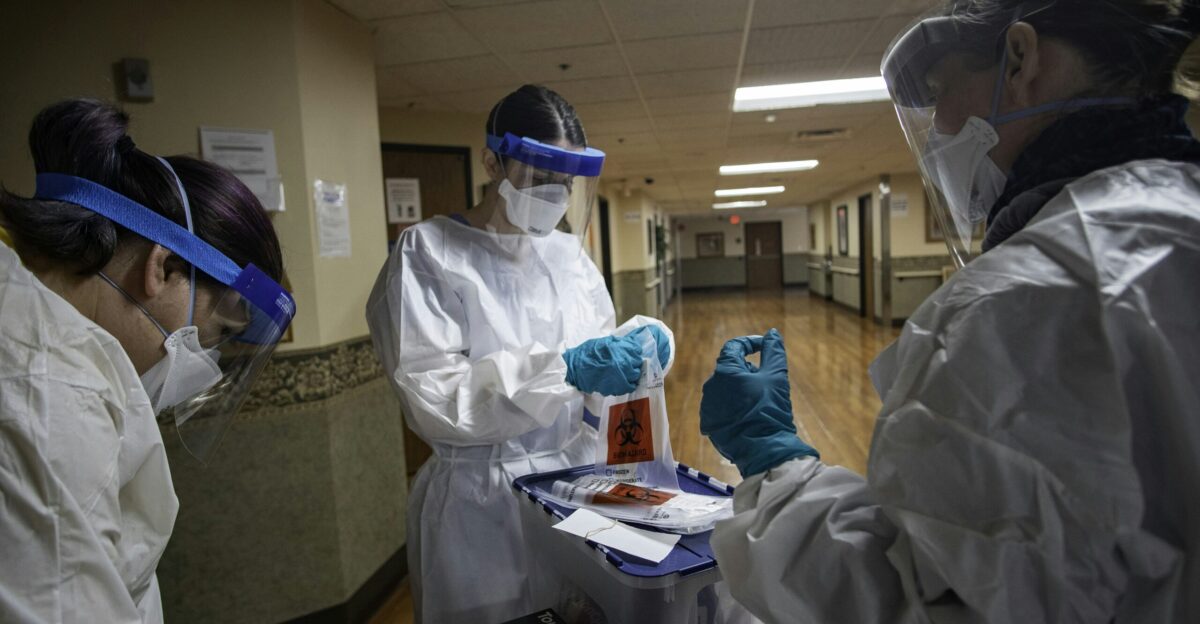
In May 2025, the WHO formally classified NB.1.8.1 as a Variant Under Monitoring. Along with that designation came a startling symptom report: many patients describe an unusually severe sore throat, leading some to dub it a “razor blade throat.”
One patient from California told reporters: “It felt like swallowing razor blades or shards of glass.”.
Medical researchers note NB.1.8.1’s spike protein carries mutations (for example, at amino acid 445) that enhance binding to human ACE2 receptors, perhaps explaining why the virus concentrates more in the upper airway and causes this intense pain. Clinicians are now watchfully tracking this distinctive symptom profile.
State Impact
On U.S. soil, the earliest NB.1.8.1 cases were found via the CDC’s traveler screening program. Infected arrivals in late March and April landed in California, Washington State, Virginia, and New York, coming from countries like Japan, South Korea, France, Thailand, and China.
Subsequent contact tracing linked those cases to local chains. By summer 2025, public health labs in states such as Ohio, Rhode Island, Hawaii, Arizona, Illinois, Maryland, Massachusetts, and Vermont had independently detected community spread.
Most cases are still mild, but their geographic spread confirms the variant’s foothold nationwide.
Patient Voices
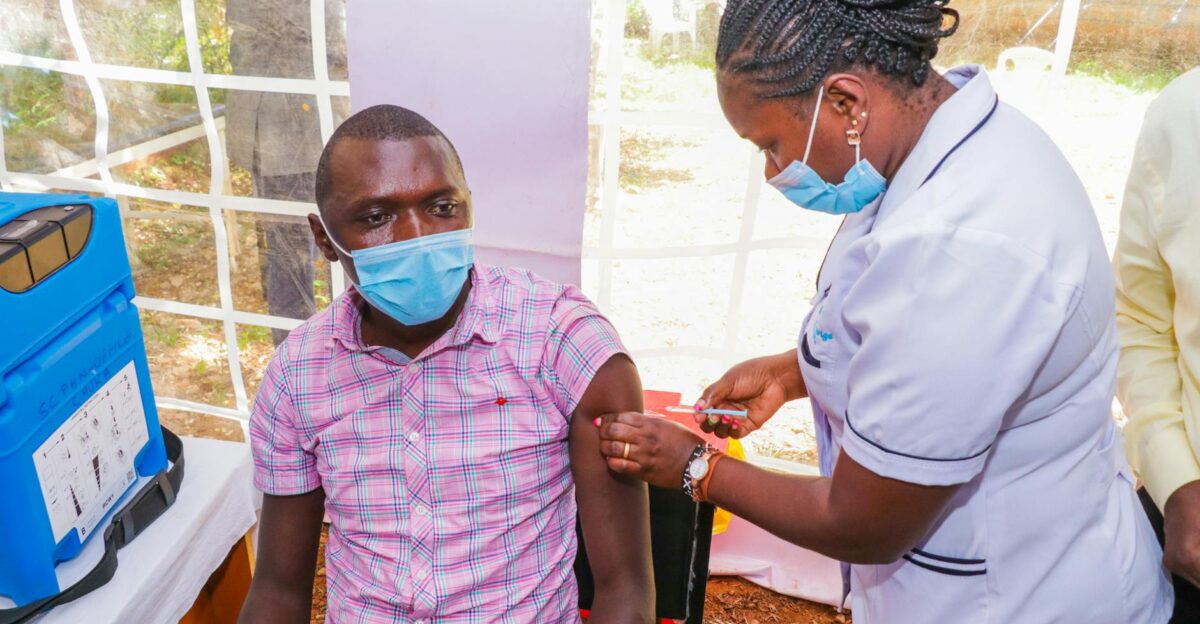
Patients and doctors alike emphasize how different this infection can feel. One COVID patient wrote, “It was absolutely excruciating,” of her sore throat, noting nothing relieved the pain.
Another said, “This sore throat was unlike anything I’ve experienced with previous COVID infections.” Clinicians report multiple cases describing a “deep scratchy burn” in the throat, even while other symptoms (mild cough, fatigue) are familiar.
Infectious disease expert Dr. Peter Chin-Hong (UCSF) observes that sore throat is a common COVID symptom (seen in roughly 70% of infections today), but he confirms NB.1.8.1 seems to trigger it with unusual severity. Many patients recount this hallmark pain, lending it credibility as a real, consistent effect.
Healthcare Response

Hospitals are watching their patient loads. So far, intensive-care usage and death rates remain low even as NB.1.8.1 cases rise. Emergency departments in hard-hit areas report more COVID admissions, but crises have been averted so far.
Hospitals are readying more antivirals and oxygen supplies “just in case,” and have stepped up screening for COVID even as flu season approaches.
Meanwhile, pharmaceutical makers note that updated vaccines should hold up well. In mid-September, Pfizer and BioNTech reported that their LP.8.1-targeted booster produced at least a fourfold jump in neutralizing antibodies in clinical trials. This suggests the new shots will boost protection against NB.1.8.1.
Scientific Perspective
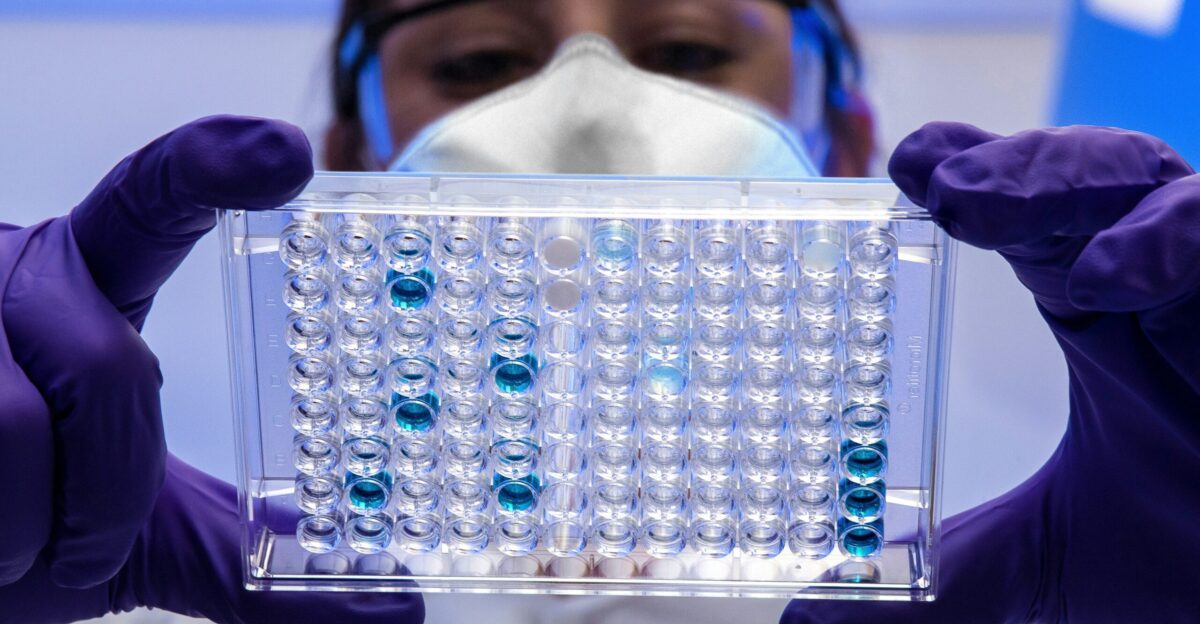
Laboratory studies are shedding light on NB.1.8.1’s biology. Researchers have identified key mutations – notably at spike protein positions 445 and 478 – that both improve binding to human cells and modestly reduce antibody neutralization.
In evolutionary terms, the variant has taken a step toward greater transmissibility and immune escape. However, none of the data so far indicates it causes worse disease. In fact, analyses from multiple regions report no significant rise in hospitalizations or deaths tied specifically to NB.1.8.1.
That aligns with CDC and WHO assessments that current vaccines are still effective against severe outcomes.
Treatment Reality
CDC genomic surveillance shows how quietly NB.1.8.1 has seized ground. Between late May and early September 2025, its share of U.S. cases jumped from about 15% to roughly 37%, nearly tying it with the previously dominant Omicron descendant.
This climb happened largely out of public view, overlapping with a lull in COVID media coverage. In practical terms, NB.1.8.1 is now as common as LP.8.1 in circulation.
Clinicians note that treatment protocols haven’t needed drastic changes – the care for COVID (antivirals, steroids for severe cases) remains the same – but they must consider that any new patient with a painful sore throat might belong to this emerging lineage.
Public Health Tensions
The NB.1.8.1 surge has raised familiar complaints about U.S. outbreak policy. State health officials say they lack clear, consistent federal guidance for new variants and that limited lab capacity hinders rapid tracking.
The CDC itself has acknowledged it has sequenced too few domestic samples to promptly feed variant estimates. Some local leaders report delays of days or weeks to identify variant status in community cases.
At the same time, politicians debate funding for broader sequencing programs. For many, NB.1.8.1 spotlights the tension between the ideal of “always-on” monitoring and the reality of finite public health resources.
Strategic Shifts
In response to NB.1.8.1 and earlier Omicron waves, the CDC has doubled down on traveler screening. In 2023, it expanded its Traveler-based Genomic Surveillance program from 5 to 7 U.S. airports.
Those added sites (including Seattle and Los Angeles) now sample nasal swabs and airport wastewater from roughly 500 incoming flights each week, up from about 300 flights before.
Officials call this step a crucial early-warning enhancement. By catching new variants in airline passengers, the program aims to sound alarms weeks before community outbreaks grow large. It’s a strategic pivot that acknowledges the global nature of modern pandemics.
Recovery Efforts
Health systems are gearing up long-term. Targeted booster campaigns are underway for the elderly, immunocompromised, and healthcare workers, in anticipation of any winter rise. Routine COVID testing and genomic surveillance remain active in hospitals and clinics.
Internationally, countries are quietly reinstituting precautions. In Singapore, for example, the Ministry of Health now advises citizens to “wear a mask in crowded areas” again.
Likewise, Hong Kong’s government has begun urging commuters to mask up on transit and in packed indoor settings. These steps are calibrated to local conditions: neither city is imposing mandates, but both are leaning on modest interventions as case counts ebb and flow.
Expert Outlook
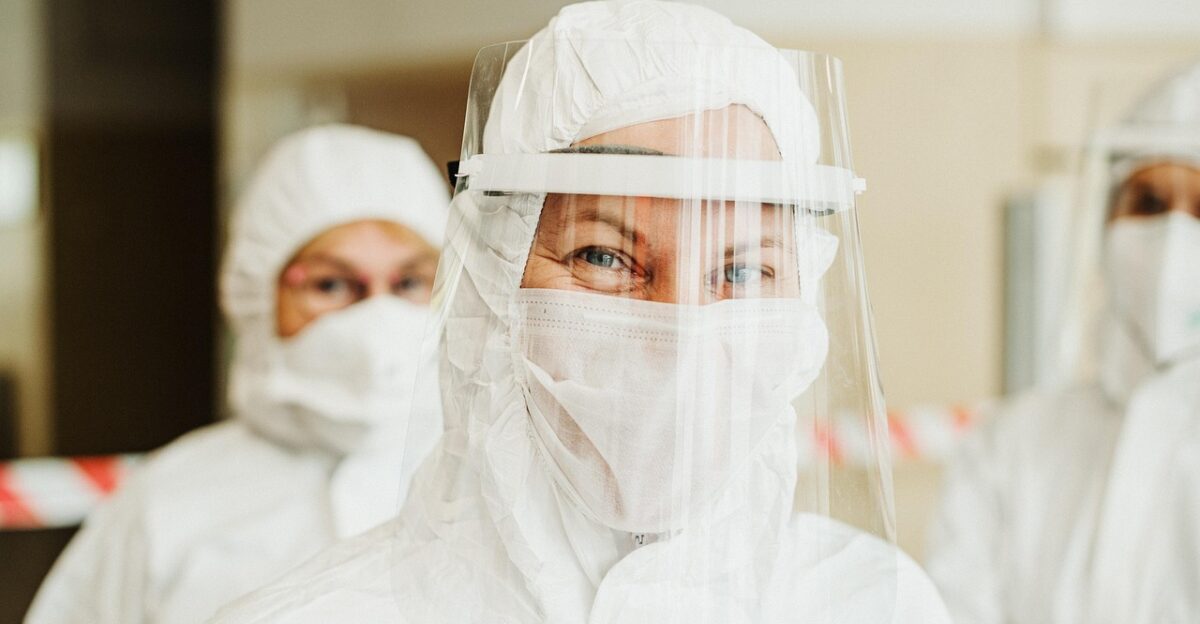
Epidemiologists urge measured caution. WHO leaders continue to rate NB.1.8.1 as a low global risk – in part because hospital trends aren’t spiking.
The European CDC’s respiratory virus chief Edoardo Colzani echoed this on June 13: he said he doesn’t anticipate NB.1.8.1 will be worse than other Omicron strains, and that current vaccines should still protect against severe illness.
At the same time, experts agree NB.1.8.1’s high transmissibility demands vigilance. Its emergence demonstrates that the virus is still evolving, so health agencies worldwide are maintaining a close watch even as they remind the public not to panic.
Future Questions

Looking ahead, clinicians wonder how NB.1.8.1 might change diagnosis and care. Could the intense sore throat become a clinical clue to this lineage? Some doctors are already asking patients about it explicitly.
Still, experts caution it may not be a truly new symptom. As Yale’s Dr. Scott Roberts points out, severe sore throats have always occurred with COVID; what’s changed is only the frequency and prominence of the description.
For now, “razor blade throat” is mainly anecdotal. But if further data show a tight link between this symptom and NB.1.8.1 infection, it could become a useful red flag in the exam room.
Policy Implications
Policymakers note NB.1.8.1 has exposed gaps in pandemic readiness. Many are calling for stronger links between international surveillance and community response. For example, analysts say airport findings need to more swiftly trigger local vaccination or testing efforts.
The CDC’s own reports on traveler testing underscore that the program has helped fill “gaps in global surveillance”. But critics ask why such programs took so long to expand.
In Congress and state capitals alike, there’s pressure now to build more resilient systems: to invest in sequencing labs, cross-agency data sharing and surge staffing so that future variants can be tracked in real time, not discovered weeks late.
Global Cooperation

NB.1.8.1’s rise has also highlighted the value of international collaboration. Scientists worldwide are uploading viral genomes to shared databases like GISAID. As of mid-2025, more than 500 NB.1.8.1 sequences from 22 countries had been contributed.
This pooling of data makes it possible to map the variant’s spread and evolution in near-real time. For instance, researchers in Europe, Asia, and the Americas are jointly analyzing these sequences to compare vaccine responses and forecast future trajectories.
Such teamwork means any worrisome mutation or clinical pattern can be noticed sooner, benefiting all countries’ response strategies.
Legal Considerations

The “razor blade” sore throat raises questions for workplace health rules. In hospitals and clinics, administrators may now consider screening patients (and staff) for severe throat pain as a trigger for COVID testing, to prevent nosocomial spread.
More broadly, lawyers say that evolving COVID risks could revive debates over sick leave laws. Throughout the pandemic, many workers pushed for guaranteed paid leave to recover without penalty.
As NB.1.8.1 keeps the virus in circulation, experts predict renewed pressure on employers to allow flexible sick time – especially for any workers (like those in schools or factories) who might otherwise come in while infectious.
Cultural Adaptation
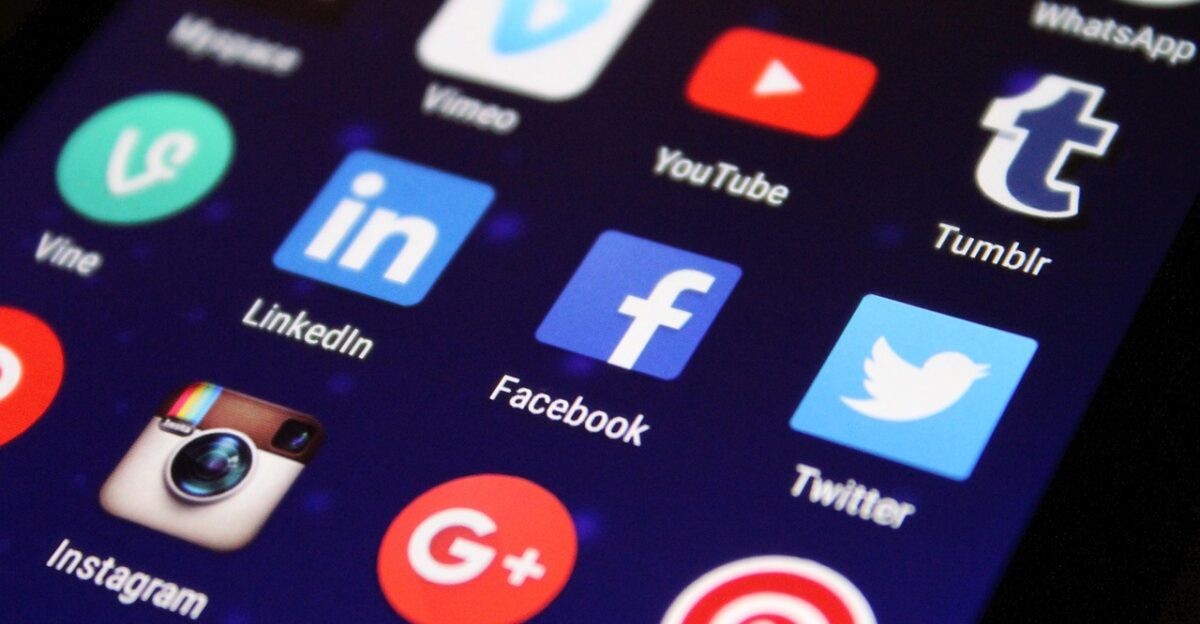
Public reaction to NB.1.8.1 is playing out in social media and pop culture. Online forums and TikTok videos are buzzing with advice on soothing severe sore throats – everything from honey-lemon teas to heated vapor rubs.
Interestingly, younger demographics seem much quicker to discuss the variant’s nickname and symptoms than older adults, creating a kind of generational knowledge gap.
Public health communicators note this: in future outbreaks, messaging may need to be tailored. For example, spotting trending hashtags or memes could help target accurate health information to specific age groups. For now, the social conversation serves as an informal symptom tracker.
Broader Implications
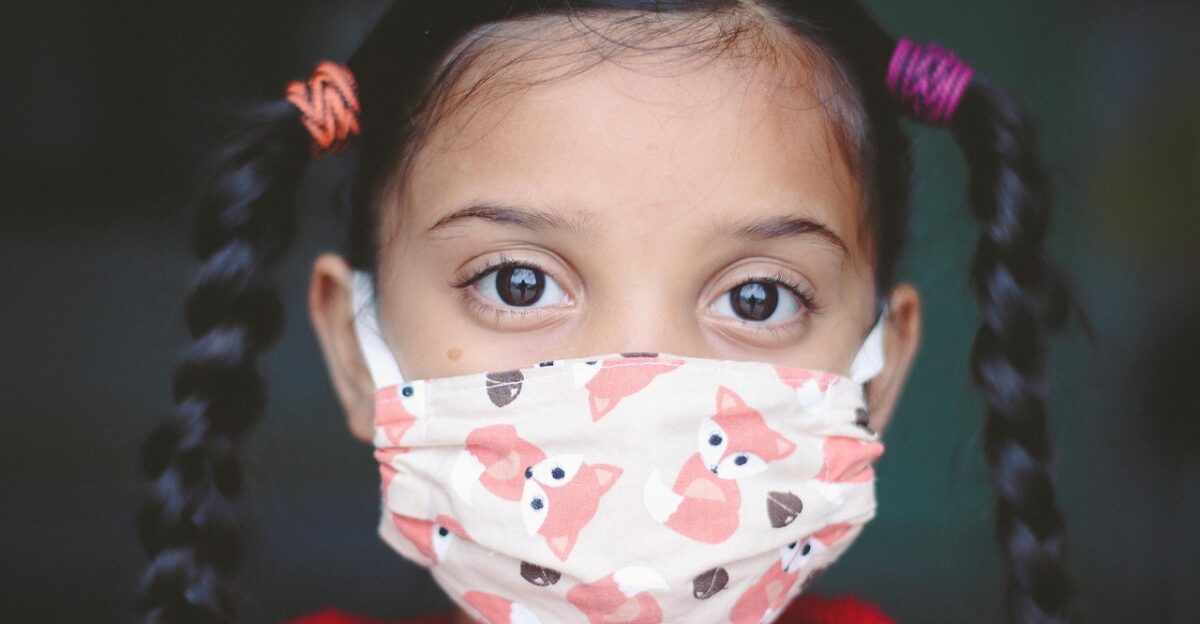
In the end, NB.1.8.1 is a reminder of how SARS-CoV-2 keeps changing. One analysis concludes that its rapid spread “underscores the ongoing need for proactive surveillance, timely data sharing, and pandemic preparedness”.
The scientists stress that new variants should be expected – “an opportunity to prepare, not a reason to panic”. NB.1.8.1 illustrates that viruses will adapt to our immunity over time, while retaining their core behavior.
The broader lesson is clear: public health planning must remain dynamic. Systems built now should be ready for both the expected ebb and flow of COVID and any surprising new twists it throws at us.