
On September 16, 2025, Rep. Ronny Jackson, a Republican lawmaker from Texas, went on Newsmax and delivered an extreme message that stunned viewers and civil rights groups alike.
“We have to get them off the streets, and we have to get them off the internet, and we can’t let them communicate with each other,” Jackson said. “I’m all about free speech, but this is a virus, this is a cancer that’s spreading across this country.”
He argued that transgender people have “an underlying level of aggressiveness” and that “these are people that have gender dysphoria, which is a real psychiatric issue… It’s the reason we don’t allow them in the military.”
He insisted that “trans women are actually men, not women,” labeling them as particularly dangerous and restating his call to remove transgender people from both public social spaces and online communication platforms.
Jackson’s comments came in the wake of the Charlie Kirk shooting, whose alleged shooter, Tyler Robinson, is not transgender but was reportedly in a relationship with a trans person, a detail Jackson seized on to justify mass institutionalization of the broader transgender community.
Escalating Rhetoric and Legal Implications
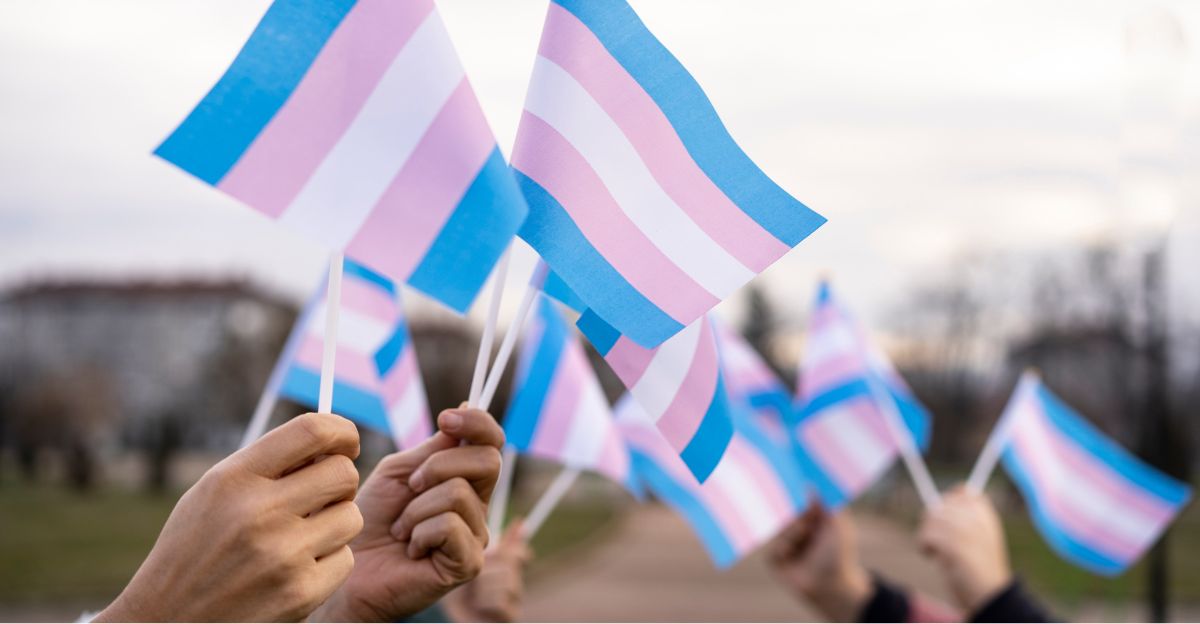
Jackson’s statements represented a dramatic escalation in the debate over transgender rights, pushing beyond previous legislative efforts to restrict healthcare and civil protections.
Civil rights organizations responded with outrage: The Independent and LGBTQ outlets quickly denounced Jackson’s remarks as “disgusting” and a “call for trans people to be banned from public life.”
Legal scholars highlighted how Jackson’s suggestion to forcibly institutionalize and isolate an entire minority group would defy the First Amendment’s protections for free speech and assembly, as well as the equal protection clause of the Constitution.
Supporting his argument, Jackson referenced the Trump-era military ban on transgender service members: “It’s the reason that we don’t allow them in the military at this particular point,” he claimed, a justification widely rejected by mainstream medical and veteran groups.
In reality, organizations like the American Medical Association and American Psychiatric Association stress that “the term ‘transgender’ is not a psychiatric diagnosis.” The World Health Organization also officially declared in 2019 that “transgender is not actually a mental health condition.”
Civil Liberties and Public Health Concerns
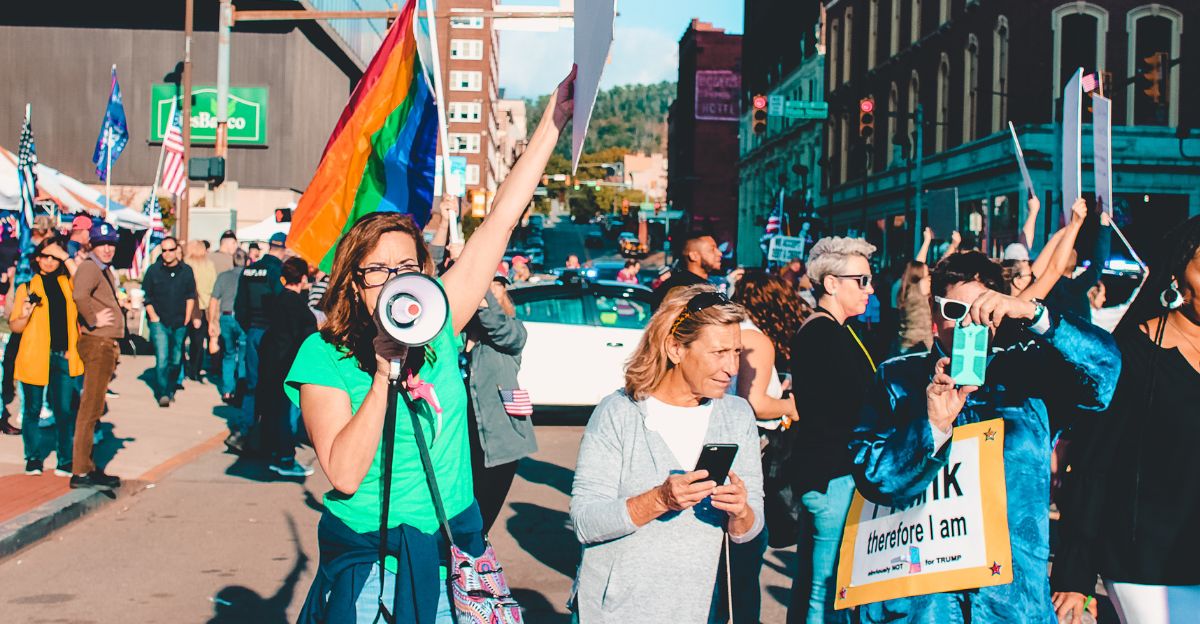
Advocates, mental health professionals, and leading civil rights groups swiftly condemned Jackson’s proposal as both unconstitutional and dangerous.
“Major medical organizations…say being transgender is not a mental disorder,” the American Psychiatric Association affirms, echoing similar positions from the WHO and PolitiFact fact-checkers. Forcing people into psychiatric institutions based on identity alone, experts warn, is unethical, unsupported by evidence, and mirrors historic abuses that are now universally condemned.
Medical and psychological authorities note that forced isolation or institutionalization would only increase mental health risks, leading to greater harm and stigma for an already vulnerable population.
Groups like the ACLU, the National Center for Transgender Equality, and others argue that Jackson’s statements go beyond careless rhetoric and embody an attempt to “further stigmatize and endanger” transgender Americans.
They warn that accepting such policies would set a terrifying precedent, signaling a willingness by lawmakers to roll back fundamental civil liberties and human rights in the name of public safety.
As medical experts put it plainly: “Being transgender is not itself a mental health disorder,” and proposals like Jackson’s are simply “unsupported and harmful.”