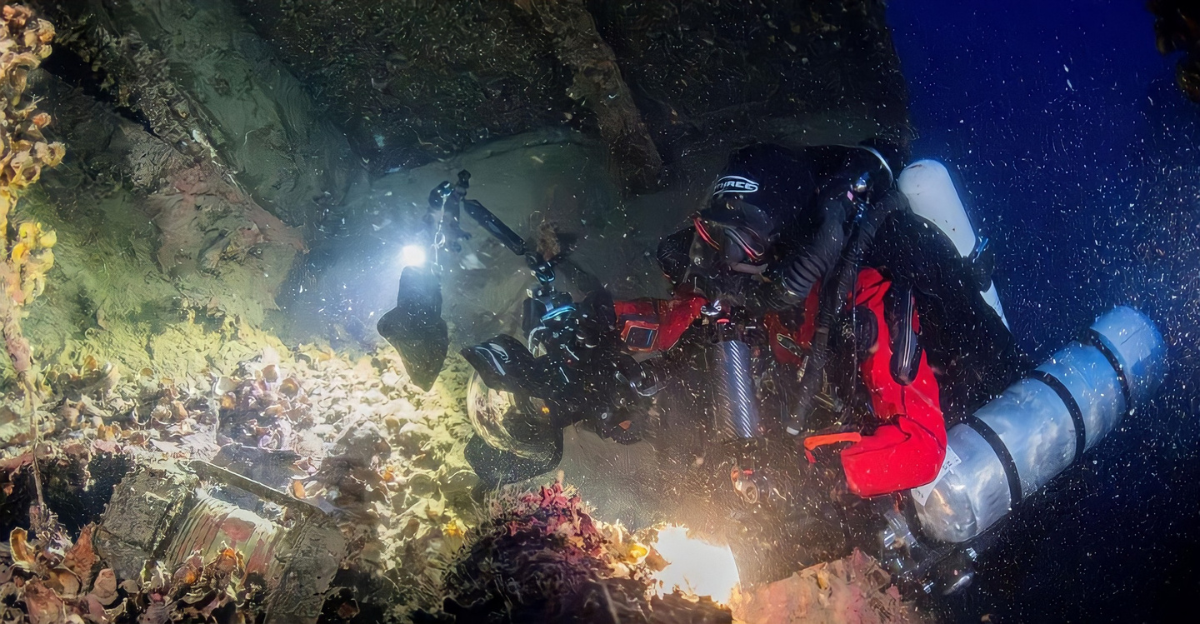
Divers have made history by recovering artifacts from Britannic, the Titanic’s sister ship, for the first time. The salvage mission happened in May 2025, over a century after Britannic vanished into the Aegean Sea during World War I.
Greece’s Ministry of Culture announced the dramatic effort, led by British historian Simon Mills and supported by the Britannic Foundation. The exploration team, comprised of eleven technical divers, spent a week on site.
They battled strong currents and poor visibility as they worked to recover the long-lost remains of one of the world’s most legendary ocean liners.
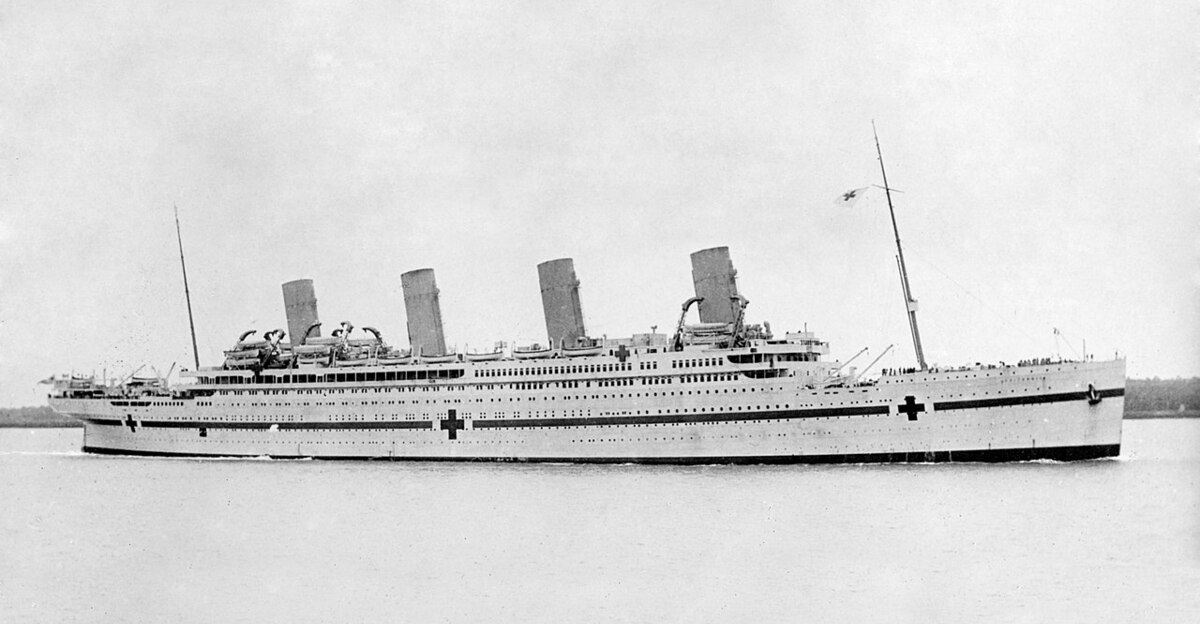
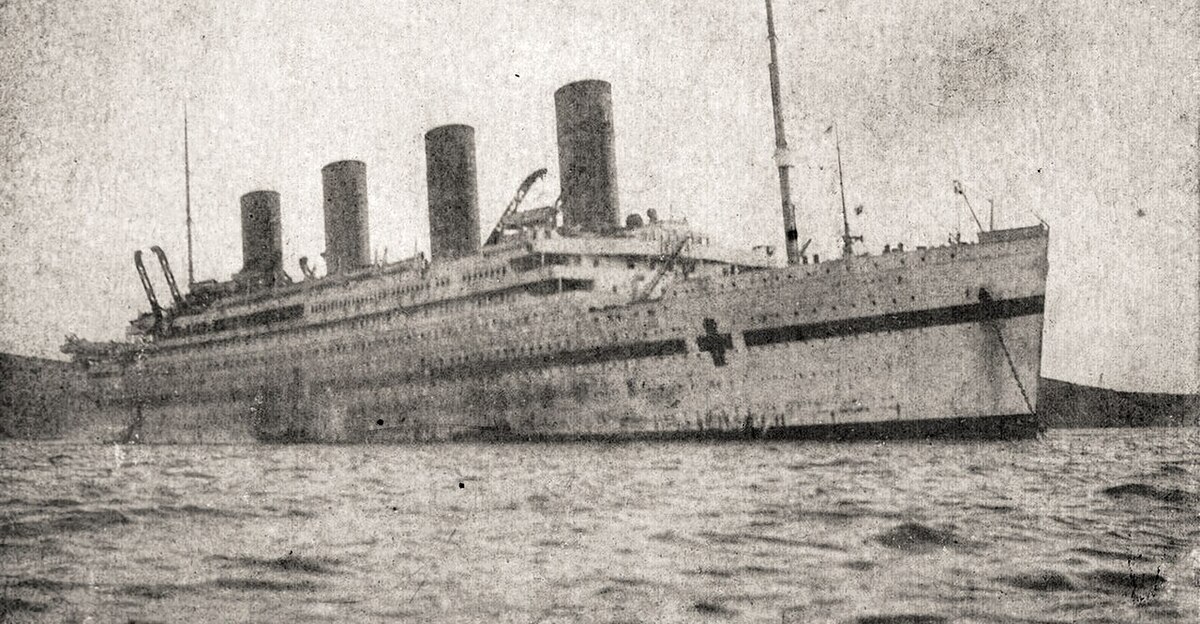
The Britannic has always lived in the shadow of the Titanic, but has its own tragic story. Launched as a luxury liner in 1914, it was converted into a hospital ship before its untimely end. On November 21, 1916, she struck a German mine while traveling near the island of Lemnos.
The ship sank in less than an hour. Out of more than 1,060 people on board, 30 died—many killed when lifeboats were struck by the ship’s still-turning propellers. For nearly 110 years, the wreck has rested almost 400 feet below the surface near Kea. Reaching it is a challenge. Only advanced technical divers with closed-circuit rebreather equipment can get that deep safely.
Extreme Diving and Rare Treasures
The recovery mission required precision and teamwork. Each diver used specialized gear and airbags to bring up relics from the wreck. Among their finds: the ship’s lookout bell, a navigation lamp, silver-plated trays from first-class dining rooms, Turkish bath tiles, a pair of passenger binoculars, and a porcelain sink from second-class cabins.
The team could not recover everything they planned—some items were too badly decayed or inaccessible. However, what they did surface offers a direct connection to Britannic’s elegance and utility. The recovered artifacts are now being conserved in Athens.
Conditions were tough. Fierce currents and almost total darkness made every movement risky. This challenge added to the triumph. Mills and his team helped organize the operation and coordinated closely with Greek authorities, including the Ministry of Culture and the Ephorate of Underwater Antiquities.
Their work reflects years of preparation and the combined expertise of maritime historians, engineers, and regulatory experts. Officials called the haul “extraordinary” and emphasized the skill needed to retrieve anything at all.
Historical Impact and Public Display
The artifacts are set to become centerpieces at the new Museum of Underwater Antiquities in Piraeus, Greece. There, visitors will see reminders of the luxurious world of Britannic and get glimpses into the ship’s service as a hospital vessel.
Conservation specialists in Athens are cleaning every object, revealing details hidden for a century. The museum will dedicate a section to World War I and feature the Britannic collection as a highlight.
Britannic’s story continues to fascinate. Each recovered item represents lost memories and untold stories. The world may know Titanic’s fate best, but Britannic’s silent witness from the depths now speaks with new clarity.
This pioneering dive proves that perseverance and teamwork can unlock even the most elusive secrets of the sea. The artifacts serve as powerful links to ambition, tragedy, and hope.