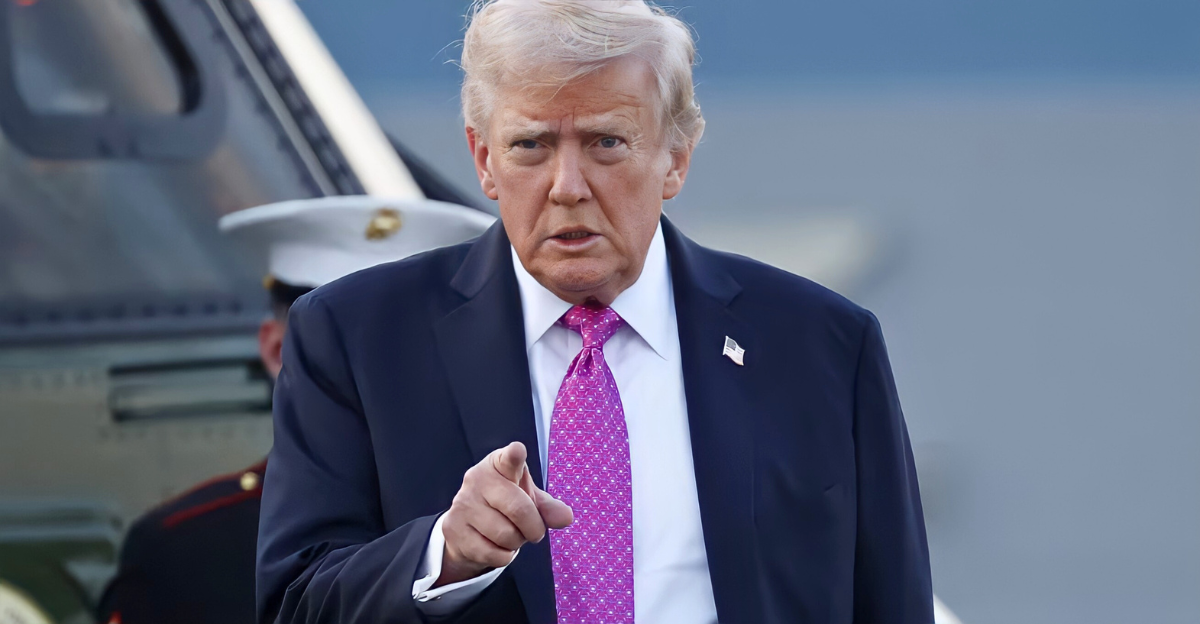
In response to perceived threats from dispersed, anti-fascist activist networks, the Trump administration announced that Antifa and other left-wing organizations would be classified as “domestic terrorists.” Because of their participation in violent protests and conflicts with political motivations, these groups are intended to be recognized as security threats.
In contrast to foreign terrorist designations, the United States does not currently have a clear legal framework for designating domestic groups as terrorist organizations; instead, enforcement of the implications, including sanctions, prosecutions, and surveillance, depends on intricate agency coordination. Trump’s portrayal of Antifa as a “sick, dangerous, radical left disaster” is an attempt to mobilize political support by associating left-wing activism with terrorism and violence, citing recent events such as the murder of conservative pundit Charlie Kirk.
Antifa’s Historical Foundations
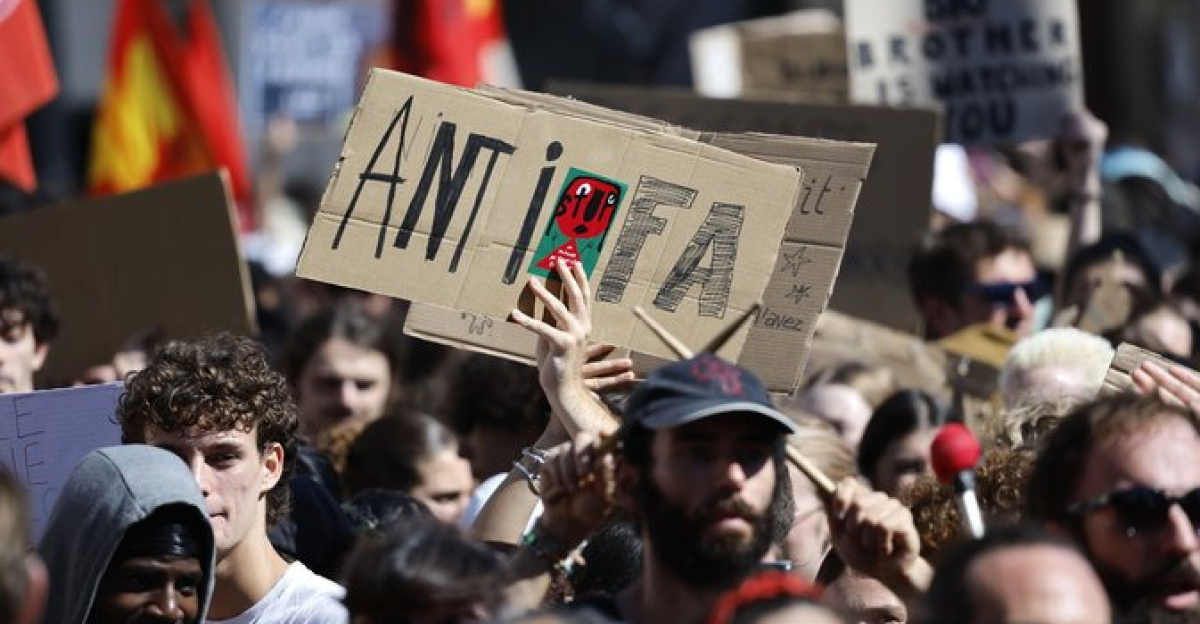
The term “antifa,” which stands for “anti-fascist,” has its roots in the post-World War I European period, when socialist and communist organizations united to physically combat the burgeoning fascist movements in Britain, Italy, and Germany. A notable example of Antifa’s militant resistance was the Battle of Cable Street in 1936, when thousands of anti-fascists physically confronted what they perceived to be a proto-fascist threat by blocking a fascist march in London.
In contrast to the eventual worldwide defeat of Nazism in 1945, this historical militant anti-fascism reappeared in the 1970s when neo-Nazi groups reemerged, calling for fresh left-wing opposition. The militant mindset of Antifa, which was carried over from these earlier conflicts, influences current activism, which occasionally turns violent when it clashes with far-right organizations.
Left-Wing Political Violence Trends
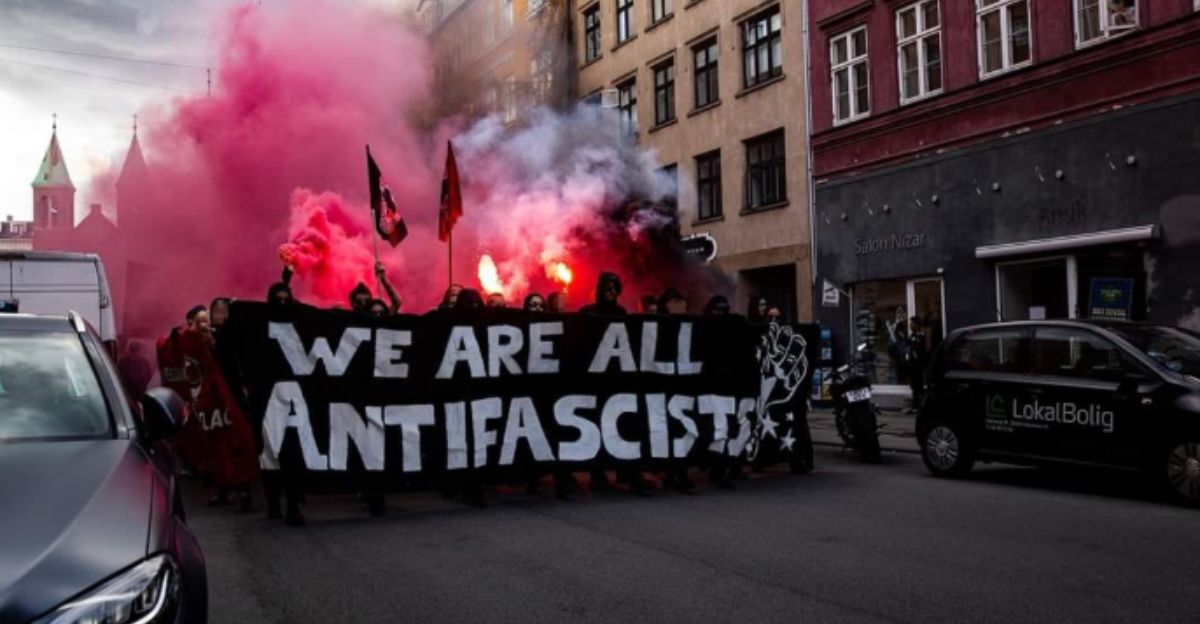
According to data on political violence, while left-wing extremist organizations, such as Antifa, participate in violent incidents, they make up a smaller percentage of domestic terrorism than right-wing extremists. Between 1994 and 2020, left-wing extremism made up about 25% of all terrorist incidents in the United States, but it killed far fewer people than right-wing terrorism, which killed over 300 people during the same time period.
Yet, Antifa members have participated in high-profile violent demonstrations with firearms and explosives, raising tensions at gatherings like the Unite the Right demonstration in Charlottesville (2017) and clashes in California and on college campuses. These incidents highlight the real security threats posed by Antifa, which is why supporters contend that classifying them as domestic terrorists would allow for stronger law enforcement responses.
The Difficulties of Designation
There are operational and legal difficulties when a domestic group is designated as a terrorist organization. No law addresses explicitly domestic terrorist groups as organizations; instead, U.S. terrorism laws primarily target foreign terrorist organizations. Any domestic designation necessitates new executive orders or legal procedures, which could result in instantaneous First Amendment-based court challenges.
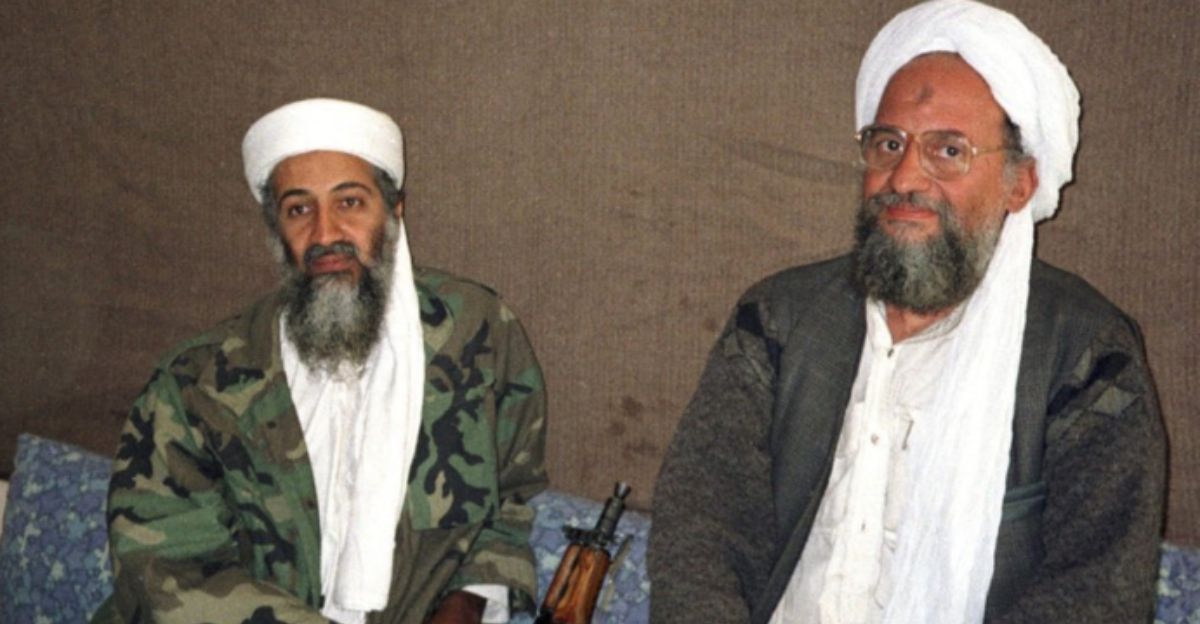
Furthermore, unlike structured groups like Hezbollah or Al-Qaeda, Antifa’s decentralized and amorphous structure, which lacks a centralized membership or clear leadership, makes it more challenging to prove organizational criminality. Opponents contend that these designations run the risk of compromising democratic free speech protections, politicizing counterterrorism, and endangering civil liberties. Nonetheless, supporters argue that these designations could strengthen the legal penalties for violent offenders and give the government more authority to halt financial and logistical assistance.
The Strategic Justification of the Trump Administration
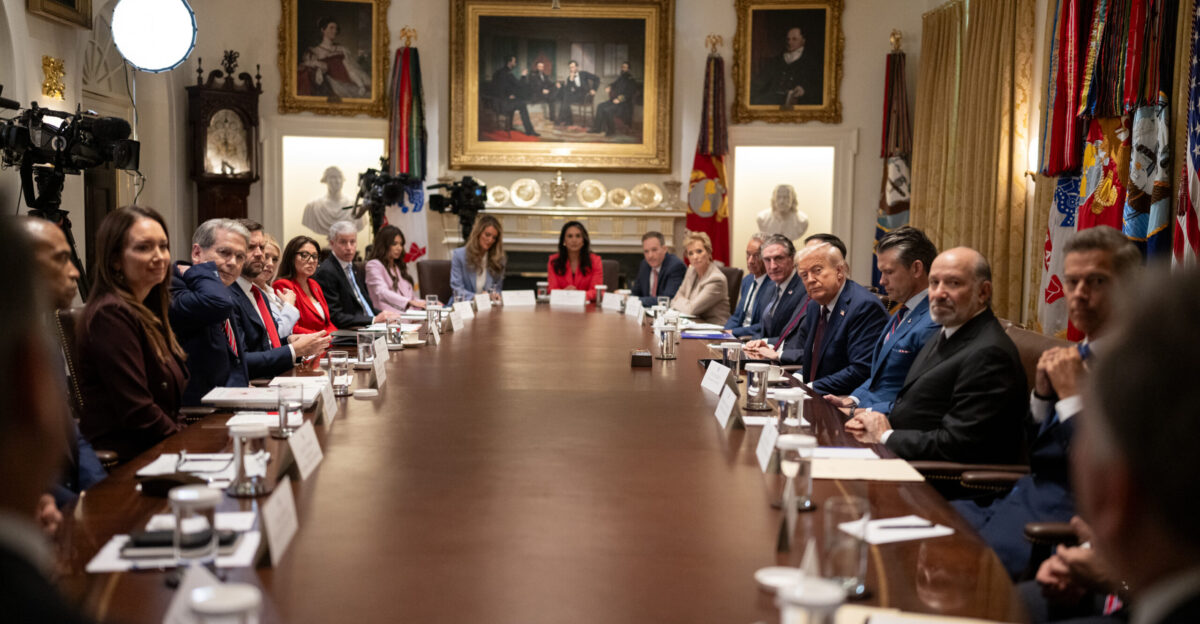
In an effort to combat what he and his supporters portray as a left-wing insurgency endangering national stability, Trump is pushing to designate Antifa as part of a larger political strategy. More brutal crackdowns are justified by the recent assassination of Charlie Kirk, which Trump’s team attributes to violence inspired by Antifa.
In addition to stigmatizing these organizations, the administration wants to dismantle the purported networks that support them. This includes calls to look into funding sources such as George Soros-backed organizations and progressive nonprofits. This strategy uses federal power to counter perceived ideological threats by conflating political activism and terrorism in order to mobilize conservative bases prior to elections. By highlighting internal security as a political tool, it further links partisan political warfare and domestic terrorism policy.
Terrorism’s Psychological Dynamics

Knowing the psychology of terrorism helps identify essential driving forces that violent Antifa activists most likely share. According to studies, there is a type of “narcissistic rage” in which severely traumatized people use violence to defend themselves against perceived injustices. Some people are driven to violent extremism by this brittle sense of self-worth, group identity, and ideological fervor.
Along with early life trauma and social marginalization, these terrorists frequently display extroverted, hostile, and suspicious personality traits. Applying this psychological perspective to Antifa activists bolsters the claim that some of them go beyond protest to engage in politically motivated violence that is consistent with the generative dynamics of terrorism, thereby defending their designation for law enforcement and deradicalization initiatives.
Comparative Policy on Domestic Terrorism

Designating loosely organized political movements as terrorists has proven difficult for other nations. Germany, for instance, has examined far-left extremism, but it frequently concentrates on violent subgroups rather than whole movements. Compared to regular criminal organizations, terrorist-designated groups are subject to harsher penalties under the legal systems of nations like the Netherlands and Germany.
According to this model, the United States could take a more nuanced approach, enhancing judicial options without going too far, by focusing on violent groups within decentralized left-wing movements rather than broad ideological categories. When identifying domestic terrorists, these frameworks stress the importance of operational collaboration and clear definitions.
The Danger of Political Weaponization

According to empirical evidence, labeling domestic organizations as terrorists runs the risk of being applied to stifle dissent and restrict political opposition. Critics contend that this labeling has historically targeted unpopular or marginalized movements and is applied inconsistently; for instance, right-wing extremists are responsible for most domestic terrorist deaths but are not as often classified as terrorist organizations.
This selective enforcement erodes public confidence in law enforcement’s impartiality and deepens political division. Therefore, Trump’s designation of Antifa runs the risk of being used as a vehicle for authoritarian overreach, stifling left-wing opinions in the name of national security. Clear legal standards, independent oversight, and transparency would be essential to stopping abuse.
Civil Liberties Affected
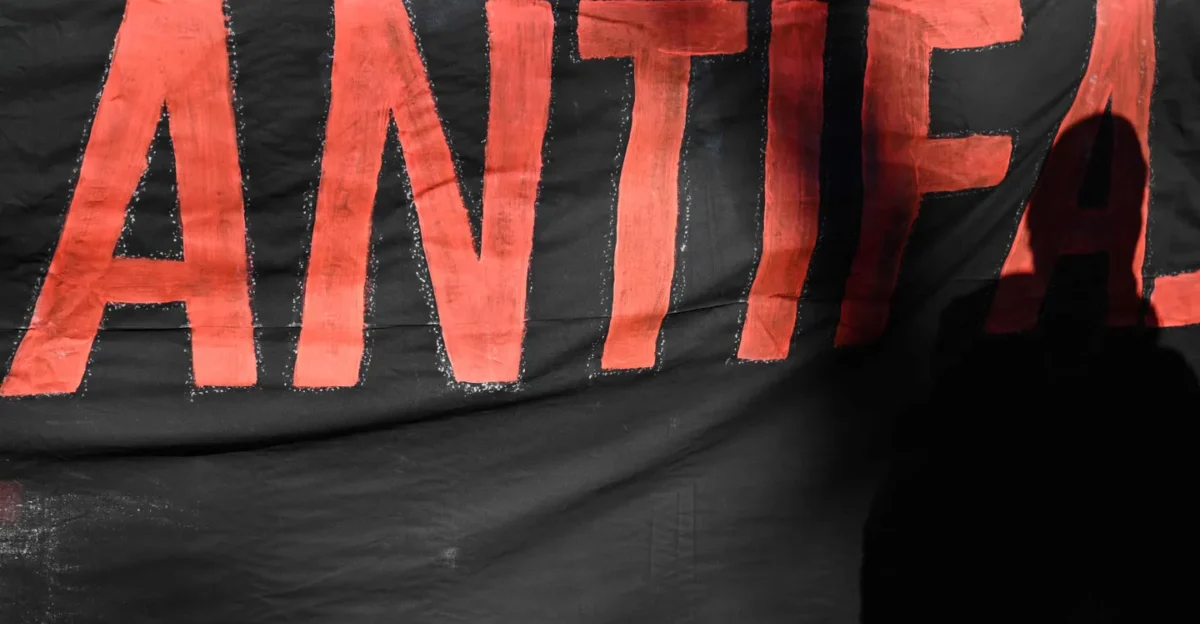
There would be significant ramifications for civil liberties if Antifa and similar organizations were officially classified as domestic terrorists. A label like that might make affiliation or material assistance illegal, which would discourage political activism in general. Given the movement’s ambiguous character, which makes it difficult to distinguish between nonviolent activism and violent fringe elements, First Amendment rights, such as the freedoms of speech, assembly, and protest, may be restricted.
This conflict presents a well-known security vs. liberty conundrum that must be carefully balanced to preserve public safety and prevent precedents that undermine democratic norms. Counterterrorism lessons learned since 9/11 emphasize the risks of overly restrictive anti-terrorism legislation that violates civil rights.
Effects of the Second Order on Political Conversation
By normalizing extremist labels for political opponents, labeling Antifa as domestic terrorists could change American political culture and promote a militant political environment. As opponents respond with resolute rhetoric and counter-accusations, this could deepen polarization and possibly increase political violence on both sides.
The dynamics of protests could be drastically changed if it pushes state and local law enforcement to focus on monitoring and repressing left-wing activists. However, by undermining the legitimacy of their methods, it may also push violent groups to the margins and force movements to reevaluate their approaches. The decision’s transformative potential extends beyond law enforcement, as evidenced by this intricate chain of events.
The Continuum of Domestic Terrorism
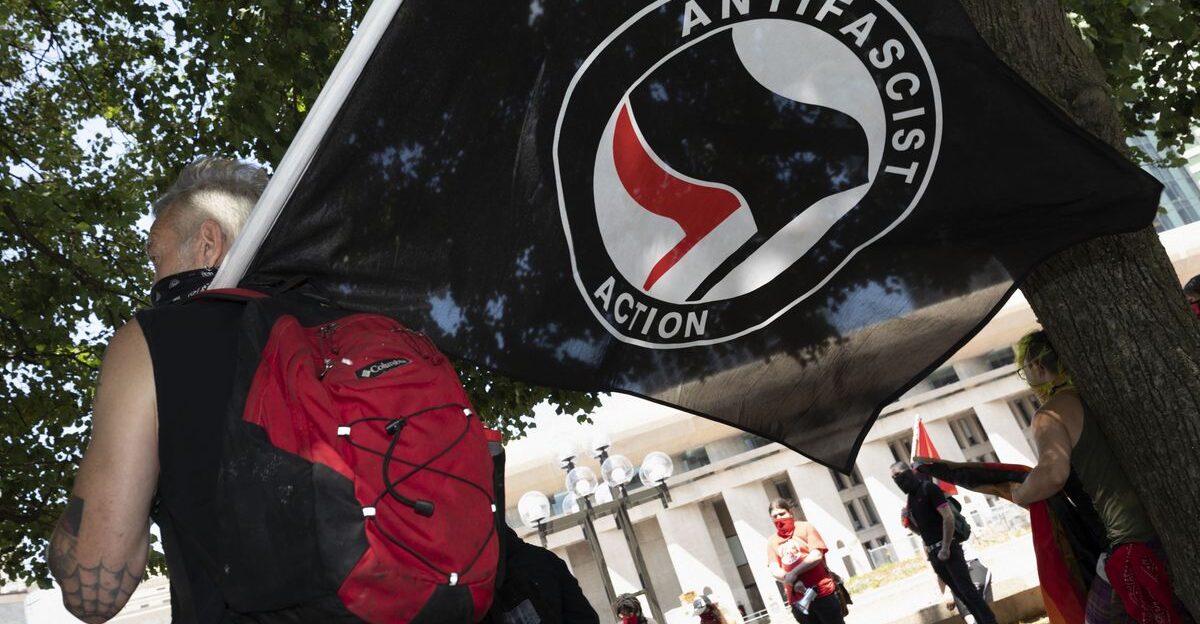
The “Domestic Terrorism Continuum,” a new analytical framework for comprehending organizations such as Antifa, places political violence on a continuum from organized terror to peaceful dissent. Because of its dispersed and ideologically varied structure, Antifa finds itself in a precarious situation where activism occasionally verges on violence.
By acknowledging this flexibility, policy responses can be tailored to target violent behavior rather than just ideology, avoiding generalizations that run the risk of confusing militant protest with terrorism. A strong conceptual foundation for sophisticated counterterrorism tactics adapted to domestic environments with complex political movements is offered by this model.
Severe Case Studies

The peril of violent left-wing extremism is demonstrated by historical extreme cases. For instance, the FBI classified the Earth Liberation Front (ELF) as domestic terrorists after they carried out coordinated arson attacks that damaged millions of dollars’ worth of property.
In a similar vein, weapons and incendiary devices were used in violent clashes at Berkeley and Charlottesville, resulting in injuries and long-lasting social unrest. The argument for official designation to strengthen penalties, reduce funding, and improve surveillance capabilities against such threats is supported by these cases, which validate concerns that poorly organized radical left groups can do serious harm.
Mixture of Social Media and the Tech Sector

Antifa faces difficulties similar to fighting cyberterrorism because of its decentralized structure and quick mobilization, which mainly rely on social media networks and encrypted messaging. By classifying them as domestic terrorists, it would be legal to increase surveillance of digital communications and prevent extremists from organizing violent acts online.
This stirs up more discussions about the extent of government surveillance by fusing the debate over domestic terrorism with concerns about cybersecurity and tech privacy. Such surveillance, however, runs the risk of violating more general online liberties in the absence of clear legal frameworks, necessitating careful legislative preparation to prevent abusive overreach.
Prospective Patterns and Theories
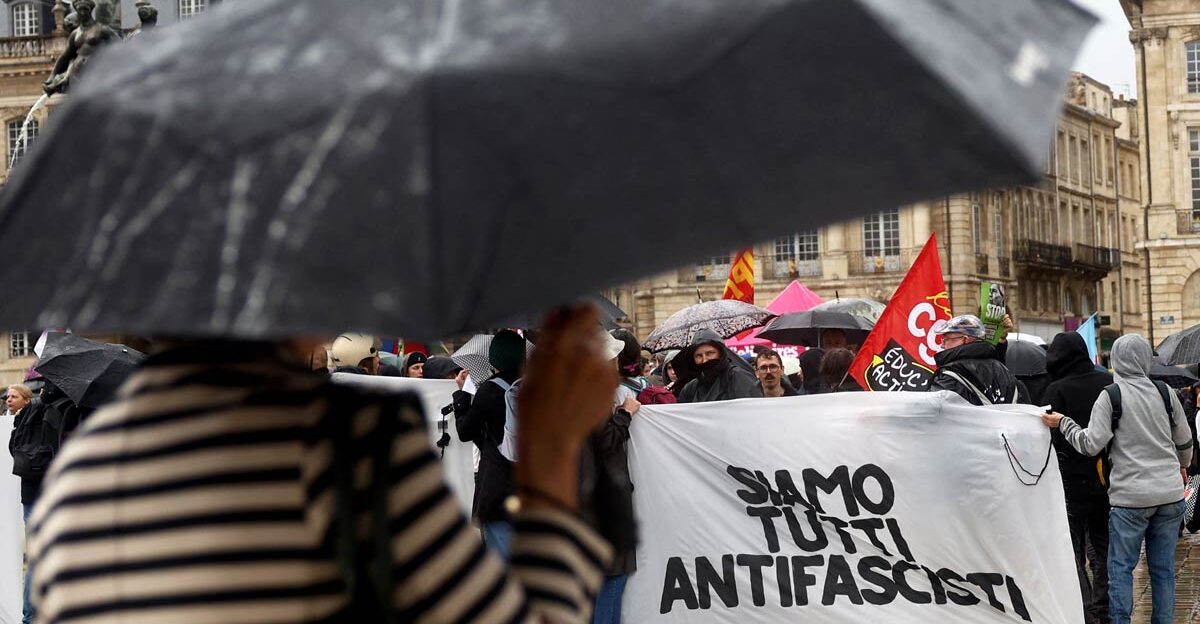
If the designation moves forward, it might lead to more extensive crackdowns on left-wing activism outside of Antifa, including organizations that call for structural changes, which would stifle progressive political participation. Additionally, it could spark a backlash that would bolster underground far-left movements and increase radicalization.
On the other hand, it might encourage more disciplined activism by encouraging movements to self-police violent elements in order to avoid legal consequences. By encouraging bipartisan discussion on developing accurate definitions and reforms of domestic terrorism that strike a balance between national security and constitutional rights, the designation may help shape U.S. terrorism policy for the twenty-first century.
In Conclusion
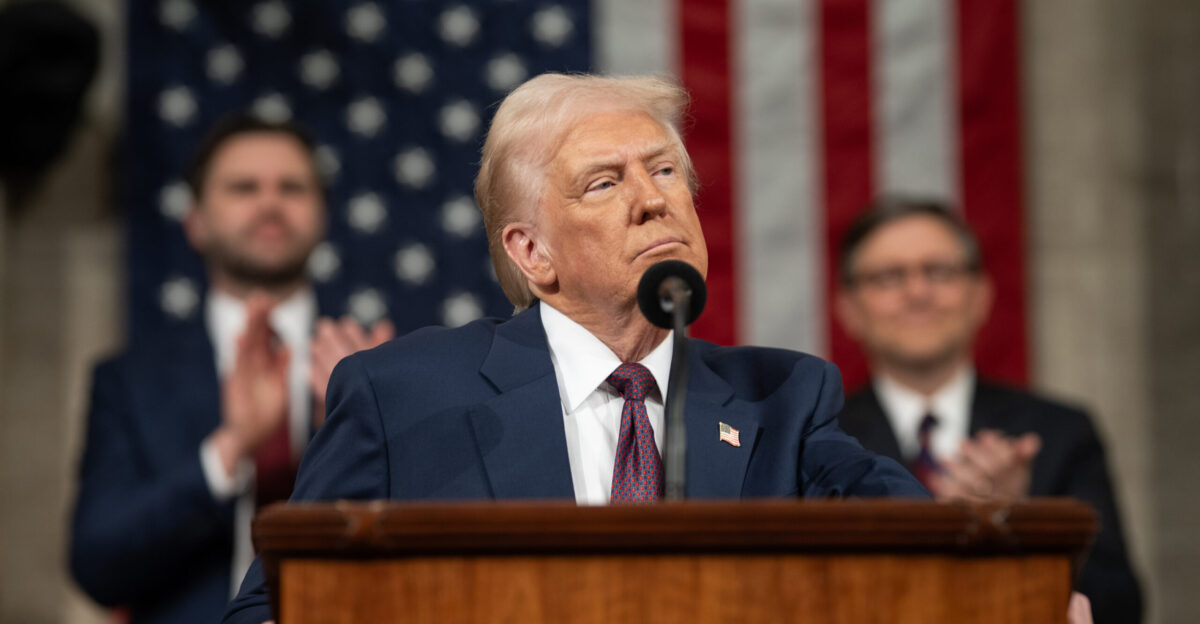
Trump’s decision to label Antifa and related left-wing organizations as domestic terrorists is based on a combination of political strategy, security concerns, and the legacy of militant anti-fascism. Despite being supported by evidence of violence and ideological extremism, Antifa’s decentralized structure and the potential for political weaponization make its implementation extremely difficult from a legal, constitutional, and ethical standpoint.
The possible repercussions extend to civil liberties, social media surveillance, law enforcement procedures, and political discourse, necessitating sophisticated and reliable frameworks to differentiate between lawful activism and violent actors. This audacious policy proposal represents a turning point in America’s continuous fight to define and combat domestic terrorism in a highly divisive time when strict defense of democratic liberties must coexist with balanced enforcement.