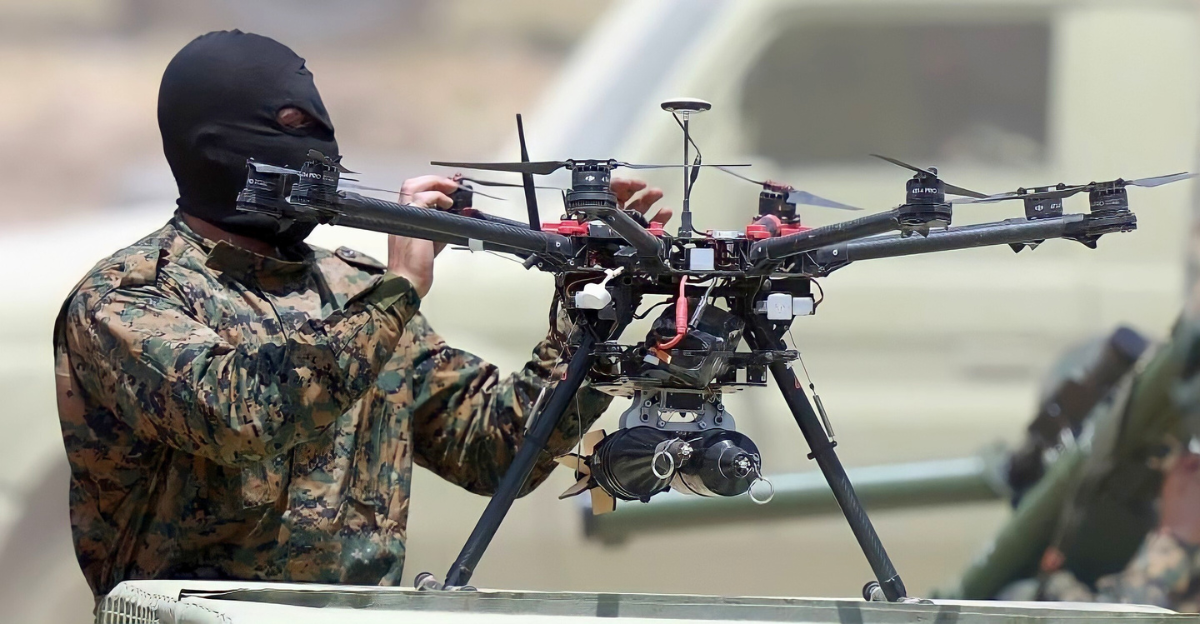
U.S. defense analysts are sounding alarm bells as a potential Taiwan conflict looms. They warn of the unprecedented challenge posed by large-scale Chinese drone swarms, raising urgent questions about American preparedness in this volatile region. “Our adversaries are advancing at a pace we cannot afford to ignore,” remarked an unnamed Pentagon official.
The intelligence report reveals significant strides in China’s military technology, particularly regarding drone warfare capabilities, setting the stage for a potentially transformative conflict. As tensions escalate, the urgency for U.S. forces to adapt and respond effectively has never been more paramount.
Escalation Forecast
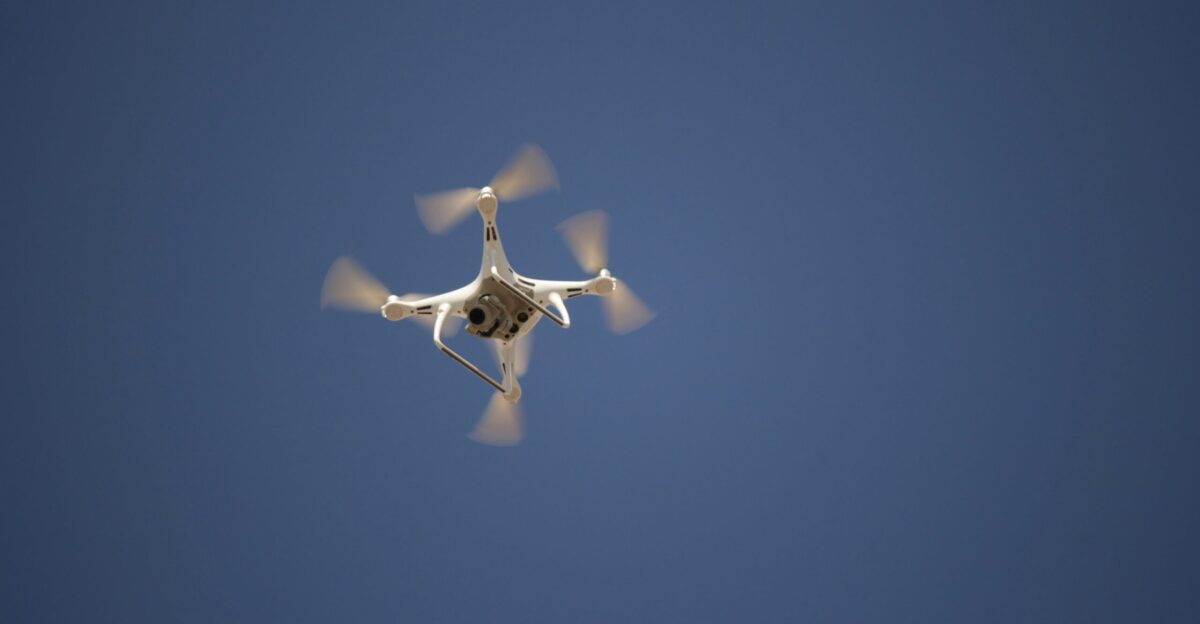
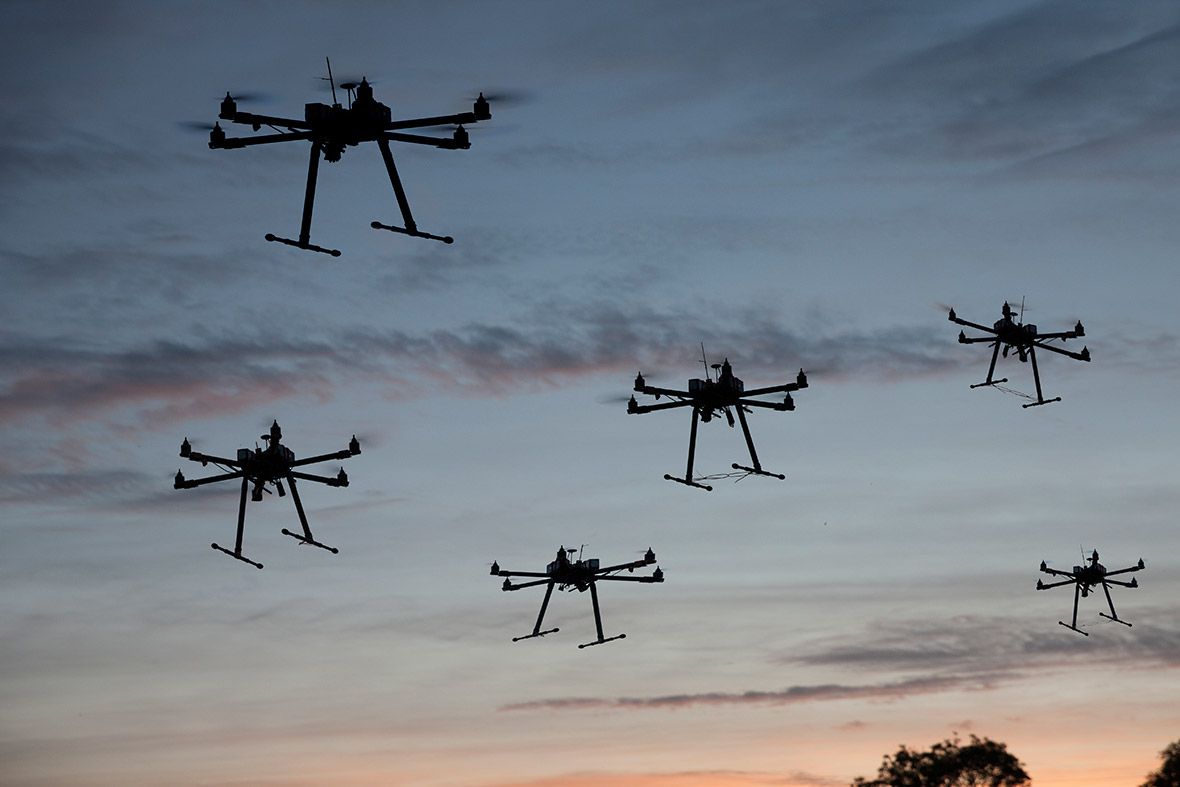
The situation is growing critical, especially in light of Chinese procurement records revealing an order for one million attack drones by 2026. This vast scale is a stark indication of a transformative shift in modern warfare, with experts predicting that the stakes for U.S. and allied forces are escalating alarmingly.
“We’ve entered a new era of warfare where numbers can overwhelm technology,” noted a military strategist. As these unmanned aerial systems rapidly enhance their offensive capabilities, the question arises: Can the U.S. military effectively adjust its strategies to counter this looming swarm threat?
Past Patterns
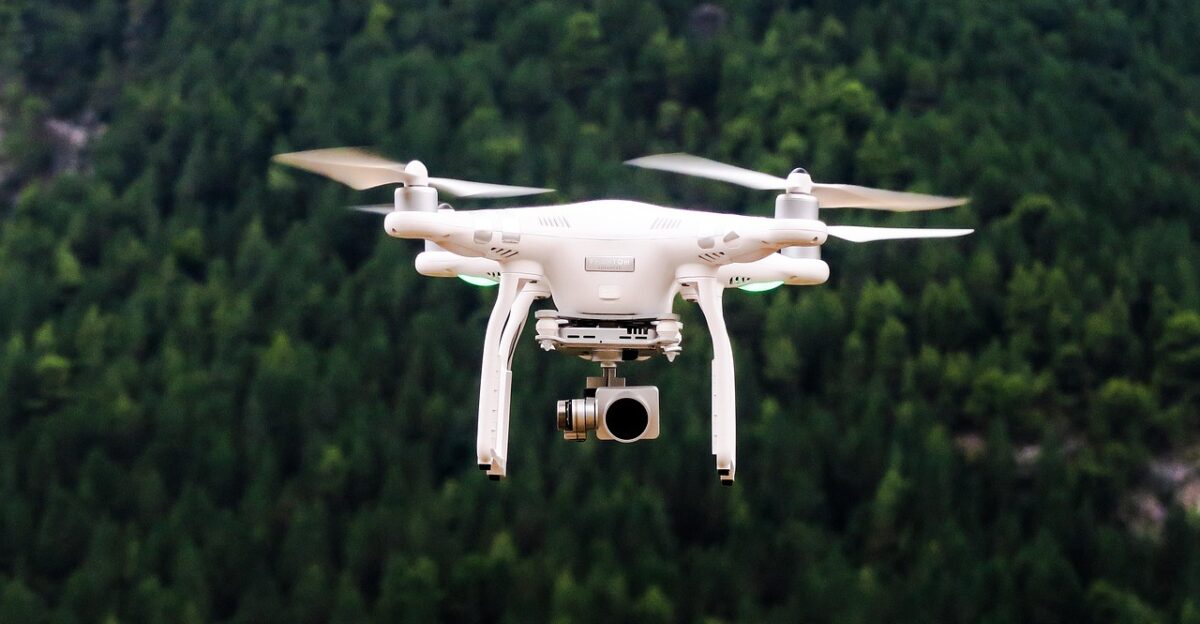
Over the last decade, drone technology has seen explosive growth, and comparisons reveal a stark divergence in priorities. While early U.S. investments focused primarily on surveillance UAVs, China has concentrated on developing swarming capabilities, groups of drones that can autonomously coordinate in attack formations.
This shift is not insignificant; it has fundamentally altered the military balance in the region. As one analyst said, “The battlefield of the future will be defined by who can harness collective drone intelligence most effectively.” This evolution highlights the urgent need for the U.S. to recalibrate its approach to drone warfare.
Pressure Builds
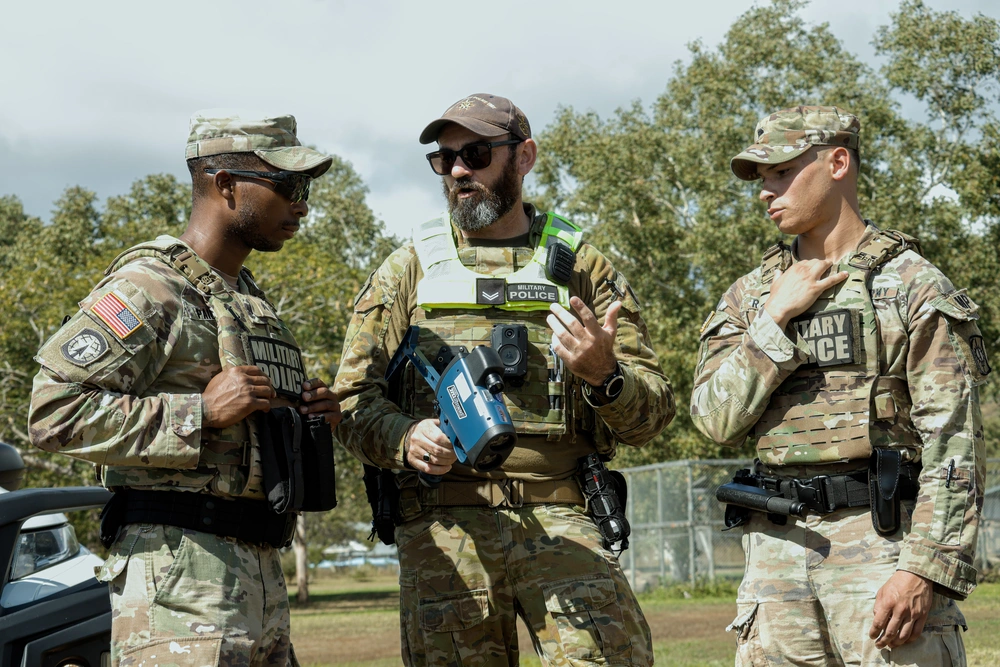
The demand on U.S. military planners is intensifying, primarily due to disappointing wargame simulations. Conducted by the Center for a New American Security, these scenarios have shown how concentrated drone swarms could decimate distributed U.S. forces in a matter of hours.
“Our simulations have revealed a painful truth: we’re not as prepared as we need to be,” stated an analyst involved in the exercises. The current state of U.S. countermeasures is alarming, and with the specter of drone swarms looming, the urgency for innovative solutions could not be more apparent.
Main Revelation
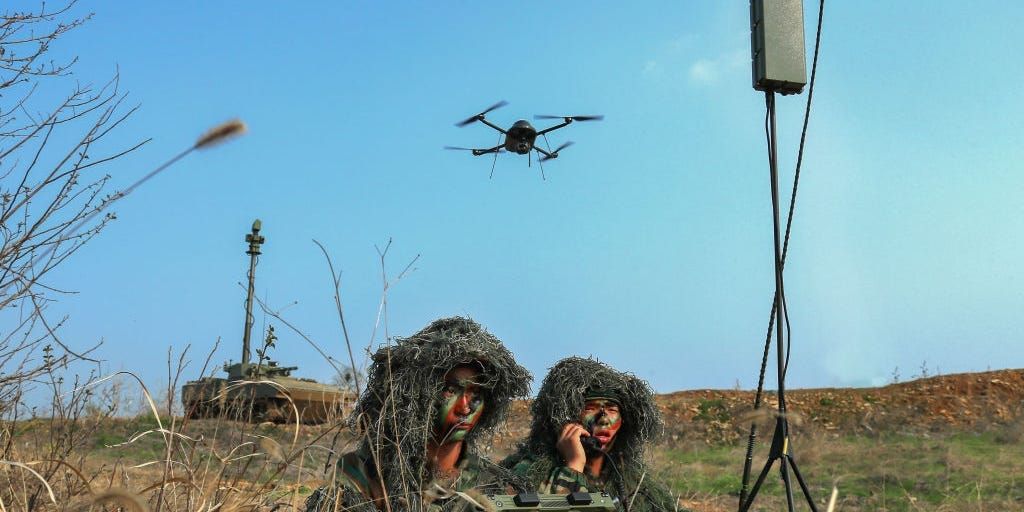
In a landmark analysis released in September 2025, CNAS underscored a concerning reality: China’s mass drone procurement potentially threatens every U.S. asset within the First Island Chain near Taiwan. The report emphasized the “credible risk” that coordinated drone attacks could outpace U.S. forces unless immediate investments in counter-drone technologies are made.
“If we don’t act swiftly, our strategic capabilities could be severely compromised,” remarked one defense official. This revelation has sparked urgent discussions within military and political circles about the need for a proactive approach to counter this unprecedented aerial threat.
Regional Impact

The ramifications of these developments are particularly severe for U.S. patrols and bases across the South and East China Seas. Experts warn that dense drone swarms could breach layered American defenses, directly targeting vital assets such as ships, airfields, and supply lines, which are essential for a rapid response in a potential Taiwan flashpoint.
A military strategist expressed concern, stating, “Our forward-deployed forces are at real risk. We could find ourselves unable to react effectively.” As these drones gain sophistication, robust defensive strategies are becoming increasingly crucial for regional security.
Human Factor
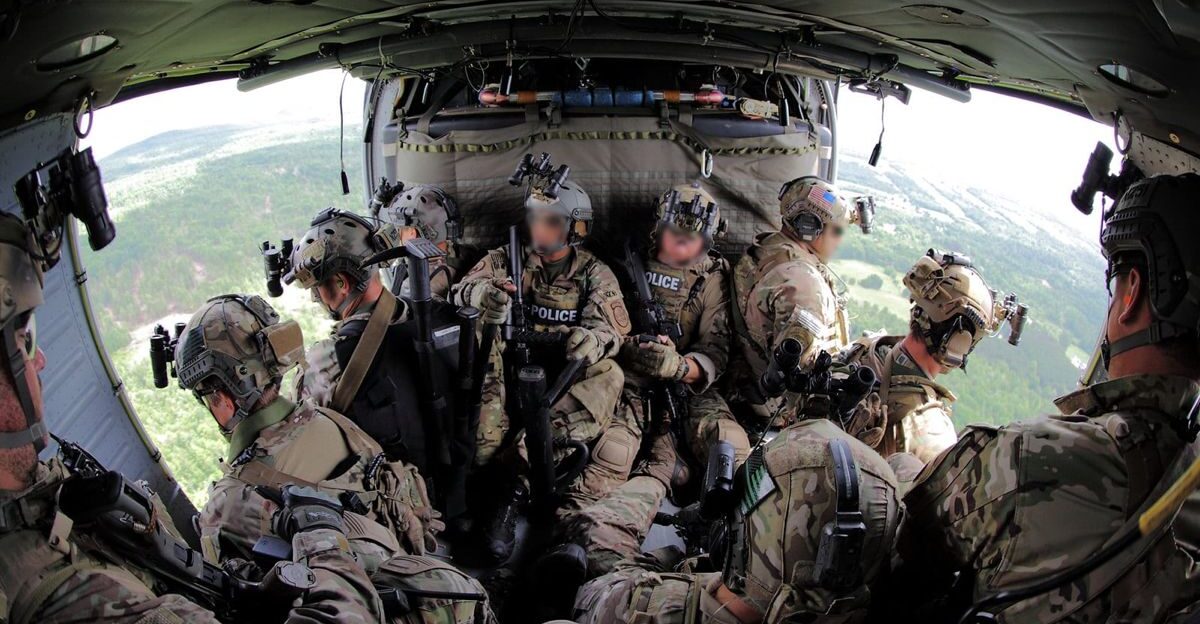
Amid these alarming projections, U.S. defense officials have voiced deep concern for military personnel. Stacie Pettyjohn, a coauthor of the CNAS report, stated, “Our airmen and sailors will be at risk every minute.” This sense of danger has permeated the ranks, significantly affecting morale.
One service member expressed apprehension, saying, “Facing relentless, machine-driven attacks without adequate countermeasures is terrifying.” The human element of military preparedness crystallizes in these uncertain times and emphasizes the urgent need for a technological and strategic pivot.
Competitor Moves
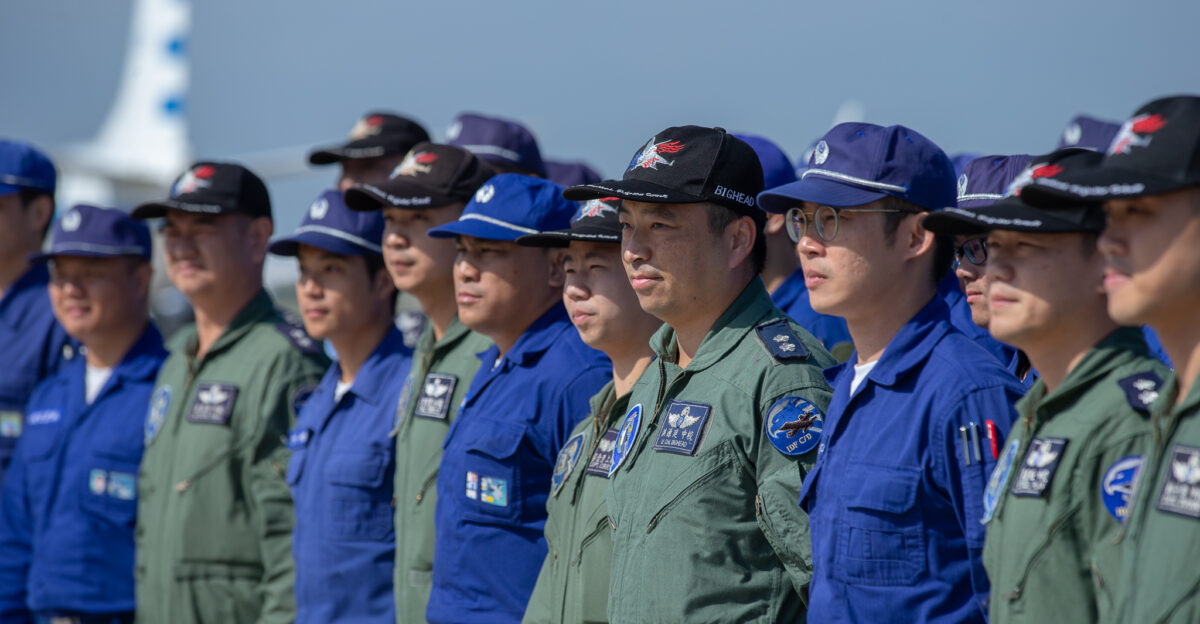
Meanwhile, Taiwan’s military demonstrates agility by swiftly adapting and expanding its capabilities. The purchase of U.S.-made drones and a significant increase in indigenous UAV production illustrate Taiwan’s commitment to bolstering its defense.
Not to be left behind, Japan and Australia are also reassessing their drone defense postures, as regional tensions continue to mount. A defense analyst commented, “Every nation in this area is pressured to innovate.” There is a growing emphasis on developing AI-driven counter-swarm technologies to counter this emerging threat effectively.
Macro Trends
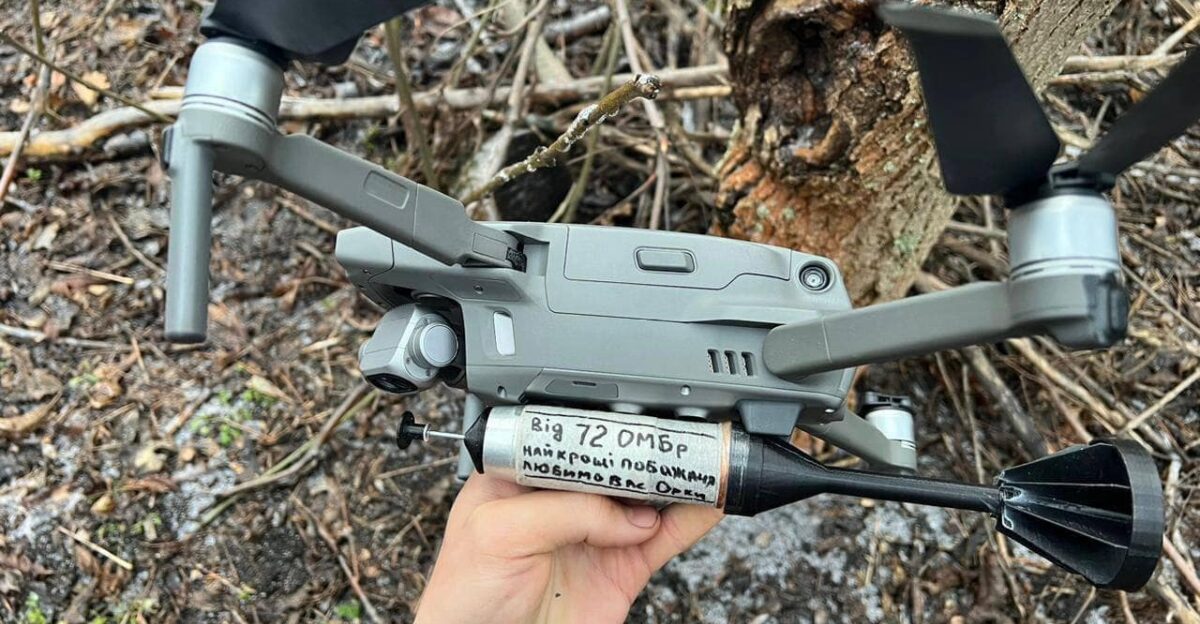
On a larger scale, the proliferation of military drone swarms is contributing to a palpable global arms race. China’s recent procurement of one million drones is one signal among many, indicating that nations like Russia and Iran are also exploring massed drone tactics. Critics of the Pentagon have raised alarms about America’s lagging development of scalable countermeasures.
“We must accelerate our technological advancements,” warned a military technology expert. The escalating arms race raises essential questions regarding U.S. readiness and the ability to adapt to changing warfare paradigms.
Supply Chain
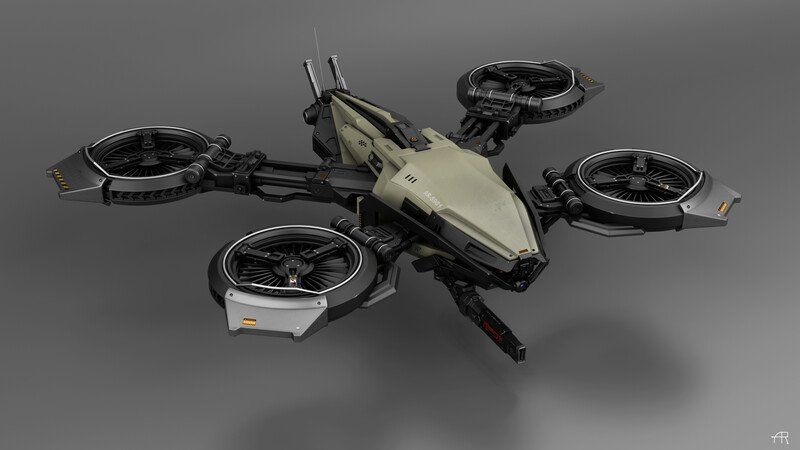
In an unexpected twist, China’s aggressive drone program has begun to strain global microchip supply chains. This development led both Taiwan and the U.S. to implement new export controls to safeguard their technological assets.
A technology industry expert warned, “Shortages could bottleneck both attack and defensive drone deployments at a critical time.” The interconnectedness of global supply chains underlines how technological advancements in one nation can have sweeping ramifications everywhere, especially leading into 2026, when the defense landscape could shift dramatically without sufficient resources.
Tension Within

Internal frustrations are mounting within U.S. procurement offices, with bureaucratic delays and fragmented funding identified as significant impediments to rapid innovation. “We can test a solution in weeks, but adopting it takes years,” lamented an anonymous Pentagon official regarding anti-swarm technologies.
This disconnect between the urgent need for effective countermeasures and the slow bureaucratic response creates a critical vulnerability. It highlights the necessity for streamlined processes that allow for faster integration of new technologies, an essential requirement for effectively addressing the drone threat.
Leadership Shifts

Recent staffing changes are influencing drone strategy development in both the U.S. and China. The U.S. Department of Defense has appointed a new task force lead specifically for emerging tech acquisitions, signaling a renewed focus on counter-drone capacities.
Concurrently, the PLA has promoted several UAV commanders following successful swarm trials near Taiwan, indicating their commitment to enhancing drone capabilities. As experts observe, leadership transition can significantly affect strategies, creating opportunities and challenges in adapting to the rapidly evolving threats of military engagement.
Strategic Countermoves
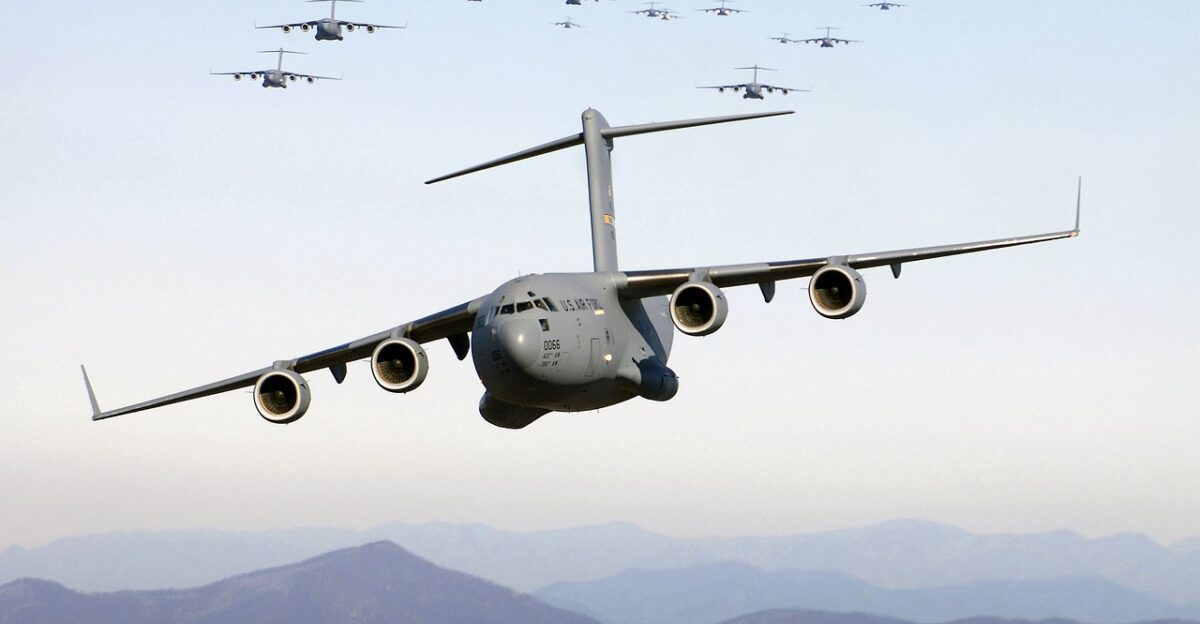
In response to the growing drone threat, U.S. Navy and Air Force units have increased their training hours focused on drone defense strategies. They’ve initiated pilot programs for autonomous “drone hunter” vehicles, aiming to enhance capability against swarm tactics.
Moreover, joint exercises with Taiwan now routinely incorporate swarm simulation drills. “We’re learning to adapt faster than ever,” remarked a senior military officer. This proactive stance underscores a recognition of the need to be ahead in the arms race, fostering collaboration with allied forces to enhance readiness.
Expert Outlook
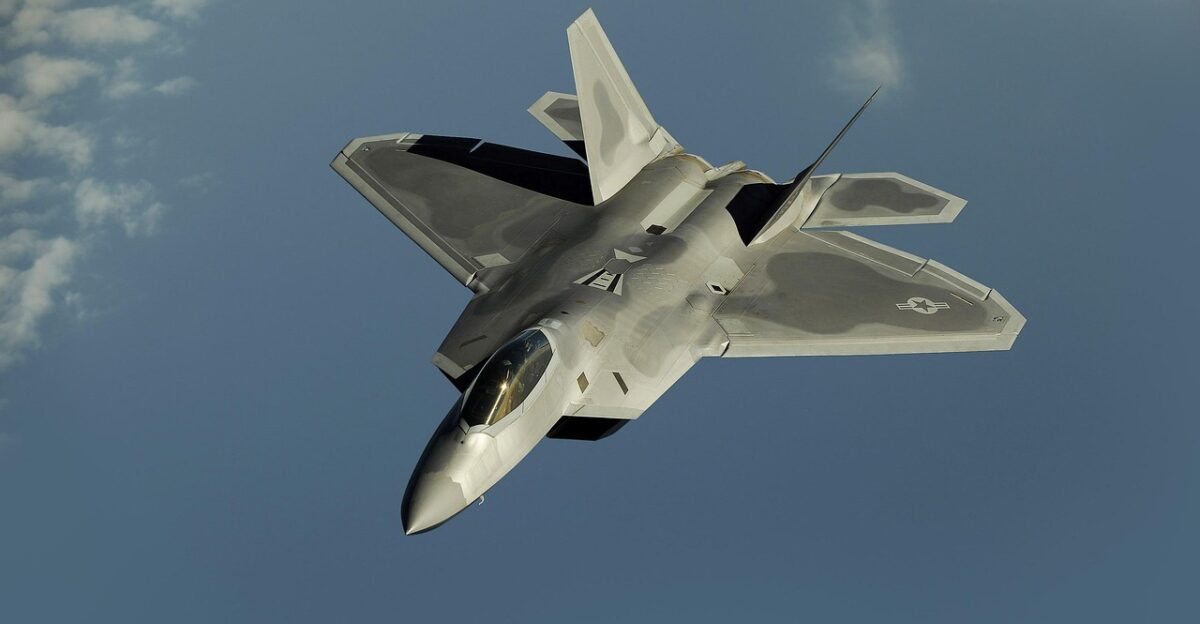
Despite the ramped-up efforts, many technology leaders remain skeptical about whether current U.S. investments are sufficient and sustainable. “These are not just minor upgrades; we’re talking about entirely new paradigms in warfare,” stated Molly Campbell, coauthor of the CNAS report.
Analysts emphasize that profound R&D commitments must follow the rapid procurement efforts to ensure adaptability in the face of emerging threats. As the landscape evolves, maintaining military superiority hinges on technological advancements and comprehensive strategic evaluations.
Future Uncertainty
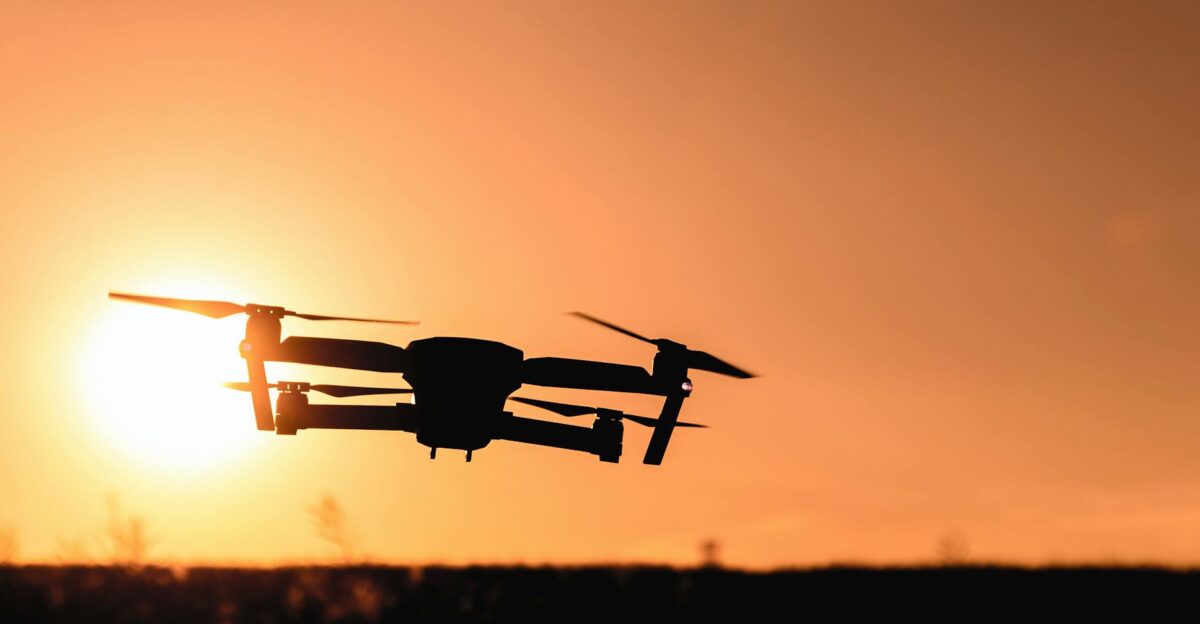
The looming question remains: What happens if counter-drone investments do not keep pace with rapid developments? Some experts predict a potential arms race in which the side that adapts quickest to massed unmanned attacks will take the lead.
“If we don’t innovate swiftly, we risk falling behind,” warned a defense analyst. The situation is fraught with uncertainty, and the timeline for U.S. tech suppliers to meet the urgent demands posed by the next crisis remains a cause for concern among officials and strategists alike.
Policy Implications
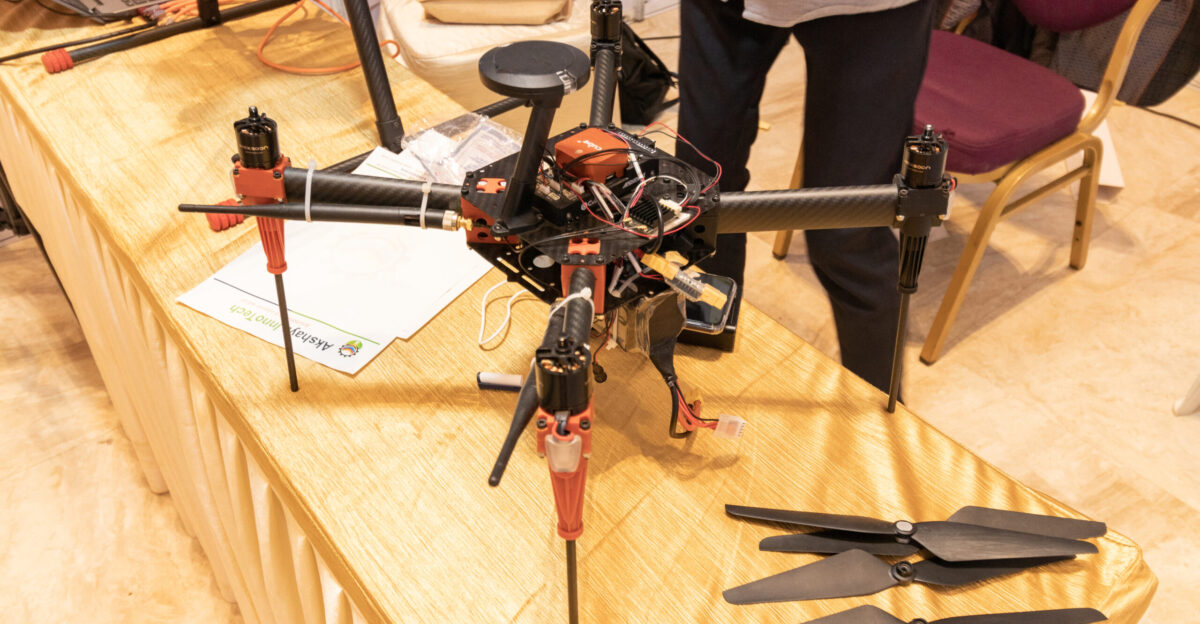
With the intensity of these shifting dynamics, U.S. lawmakers are increasingly considering policy implications surrounding drone warfare and military preparedness. Defense analysts’ call for urgent action is reverberating through Congress, influencing debates about funding and prioritization for advanced technologies.
One lawmaker noted, “We must ensure our forces are equipped for future conflicts, not just prepared for yesterday’s battles.” This growing awareness of the challenges posed by drone swarms could lead to actionable change in defense policy, emphasizing strategic expenditures that bolster operational readiness.
Civilian Impact
Beyond military circles, the implications of drone technology and procurement are being felt in civilian sectors as well. Farmers in areas affected by regional tensions express anxiety about the potential for drone technology to bleed into their day-to-day lives.
One farmer noted, “I worry about drones altering the landscape of agriculture as much as it does combat.” As developments unfold, there’s a palpable concern that the rise in military drone usage could translate to wider surveillance and control measures that affect communities both locally and globally.
Technological Innovation

The race to adapt also prompts discussions around technological innovation. Industry leaders are focusing on enhancing drone capabilities and exploring AI-driven solutions for offensive maneuvers and robust defense mechanisms. “Innovation must be our guiding principle; it’s not just about keeping up anymore,” emphasized a tech entrepreneur involved in defense technologies.
These innovations could redefine strategies and responses, illustrating the high stakes of integrating technology into military frameworks in unprecedented ways. The path forward is complex but necessary for maintaining strategic advantages.
Collaborative Efforts
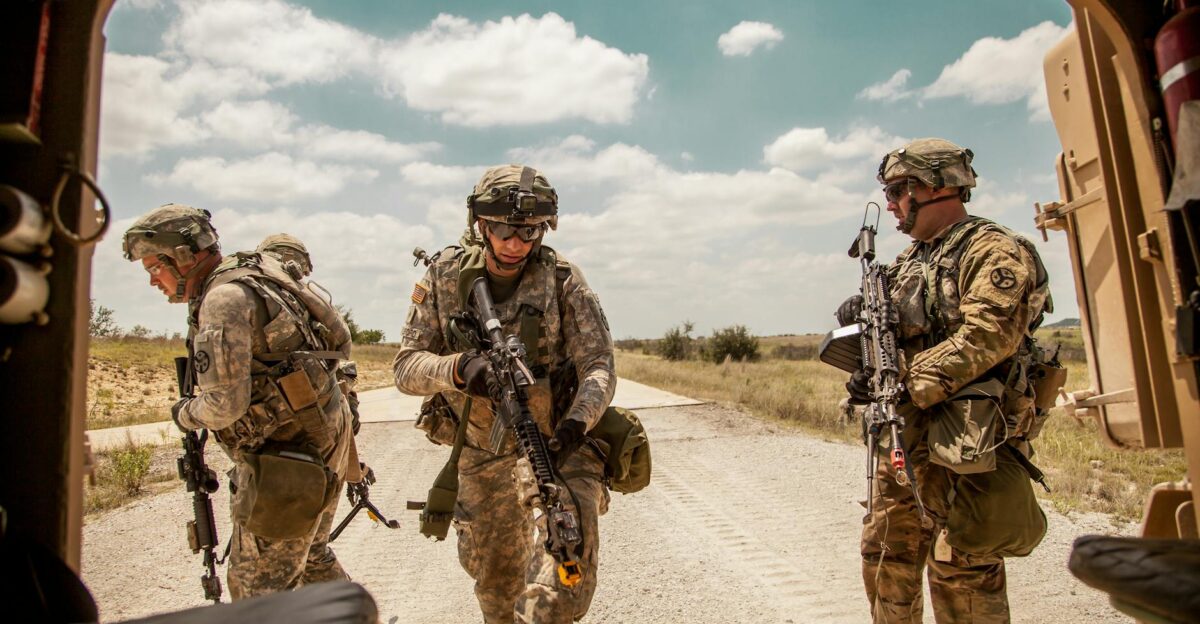
International collaborative efforts are gaining traction in light of the shifting military landscape. The U.S., alongside allies like Japan, Australia, and Taiwan, is exploring joint initiatives focusing on information sharing and collective technological advancements in drone warfare.
A defense strategist expressed optimism: “By pooling our resources and knowledge, we can outpace adversaries.” These partnerships signify a strategic pivot towards a united front in addressing the evolving challenges of modern warfare, creating a multifaceted approach to counter the growing drone threat.
The Road Ahead
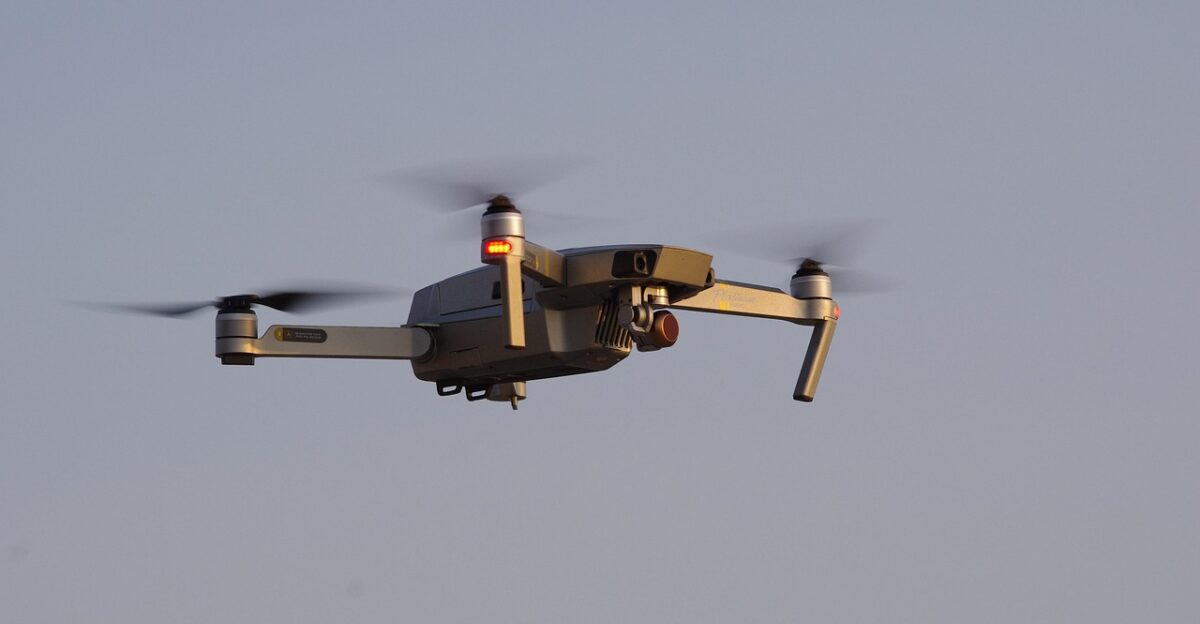
The road ahead is laden with challenges and opportunities as these trends unfold. The U.S. military must prioritize swift adaptation to counter emerging threats effectively, particularly those posed by mass drone swarms. “The momentum is building; we must seize it,” a senior defense analyst stated.
Staunch commitment to research, development, and international collaboration will be pivotal in shaping a future where the U.S. can navigate the complexities of modern warfare. The stakes have never been higher, and the imperative to act decisively is clear.