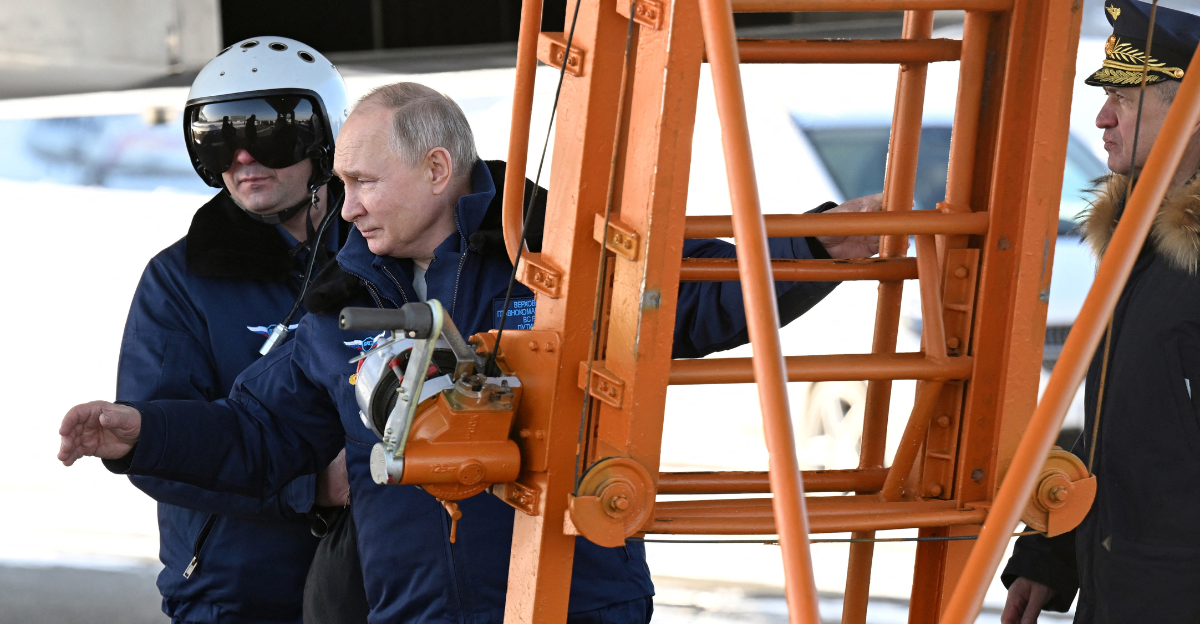
On September 10, 2025, tensions in Europe escalated to levels not seen since World War II, triggered by the incursion of Russian military drones into NATO territory. Polish Prime Minister Donald Tusk addressed parliament, stating that Poland was facing “the closest we have been to open conflict since World War Two,” according to a report by Reuters.
This situation arose when 19 Russian drones entered Polish airspace amidst Russia’s extensive 415-drone attack on Ukraine, leading to the temporary suspension of operations at Warsaw Chopin Airport and three other significant Polish facilities.
NATO forces have launched their first combat operation since Russia began its invasion of Ukraine in 2022. Dutch F-35 Lightning II fighters collaborated with Polish F-16s to successfully intercept multiple Russian drones in Polish airspace. This incident marked a significant escalation, prompting NATO to initiate Article 4 consultations for only the eighth time in its 75-year history.
Polish Prime Minister Donald Tusk confirmed that “three drones had been shot down, with a potential fourth as well.” Debris from the intercepted drones caused damage to civilian structures in eastern Poland, including a residential home in Wyryki-Wola; however, fortunately, there were no reported casualties.
Strategic Response
NATO Secretary-General Mark Rutte condemned Russia’s actions as “reckless and unacceptable,” stressing the need to prevent Russian drones from entering allied airspace.
In response, he launched Operation Eastern Sentry, the alliance’s largest deployment since the Cold War, which includes Danish F-16s, French Rafales, German Eurofighters, and British RAF Typhoons positioned at Poland’s borders under unified command.
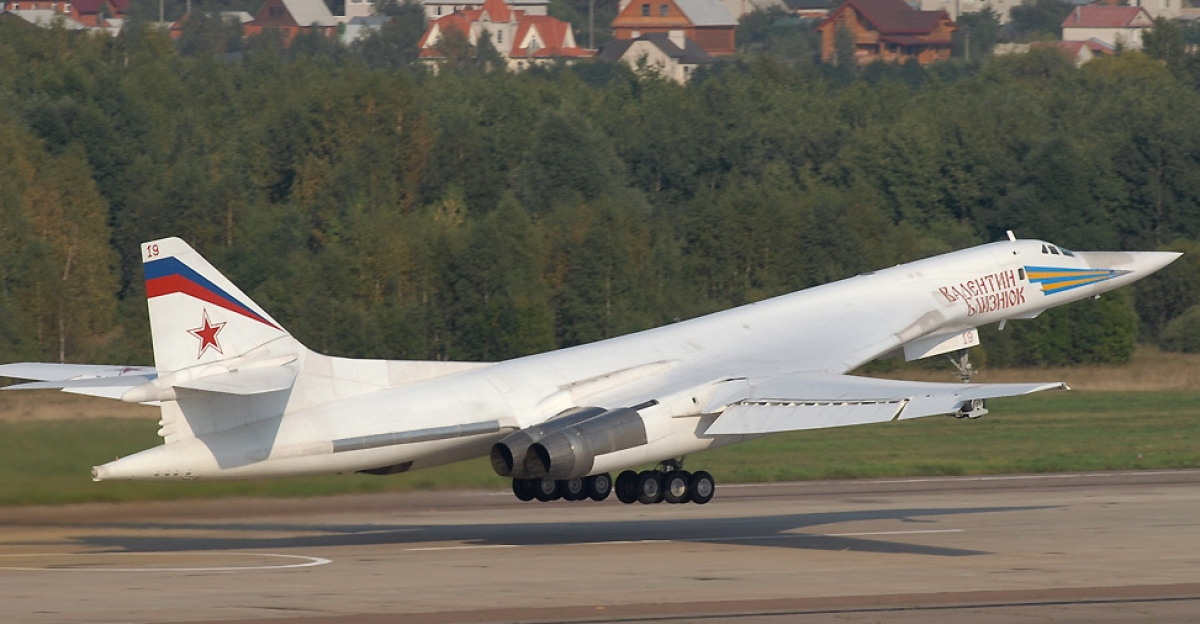
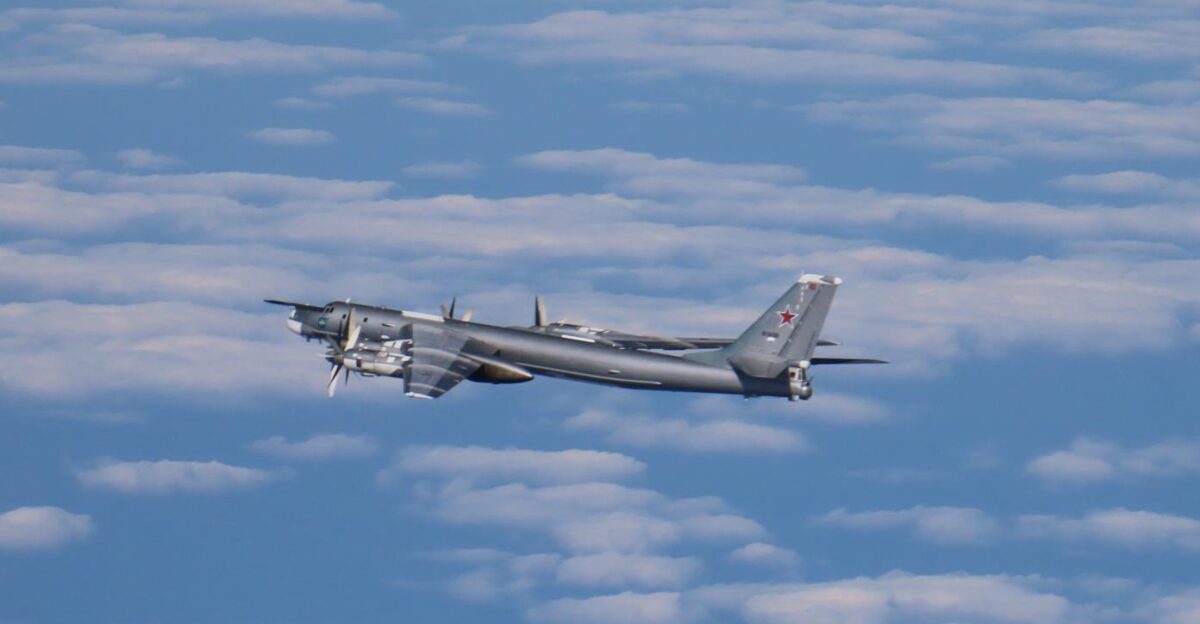
Russia heightened military tensions by deploying nuclear-capable bombers during its Zapad-2025 exercises with Belarus. The Russian Defense Ministry confirmed that Tu-160 and Tu-95 bombers conducted training missions over the Barents Sea, including the launch of cruise missiles.
Belarusian President Lukashenko also stated that several dozen Russian tactical nuclear weapons are now positioned within striking distance of NATO capitals, marking the most provocative military posture since the Cold War.
New Reality
The September crisis marked a pivotal shift in NATO’s strategy, transitioning from a focus on theoretical deterrence to a commitment to active territorial defense. In a significant move, Polish President Karol Nawrocki ratified classified decrees that permit the permanent stationing of allied forces on Polish territory.
This represents one of the most consequential sovereignty decisions made by Poland since its accession to NATO in 1999. Alongside this development, Operation Eastern Sentry was launched, which introduced flexible defense strategies. This operation involves the rotation of multinational forces along the entire eastern frontier, extending from the Baltic states to Bulgaria, rather than maintaining static military positions.
International law experts are debating whether the kinetic drone engagements constitute acts of war or legitimate territorial defense, establishing new precedents for responding to unmanned aerial violations. Polish society confronted its first direct military confrontation since 1989, awakening memories among older generations while younger Poles faced the reality that alliance membership carries combat risks alongside protection benefits.
Military analysts note that hybrid warfare is blurring traditional conflict boundaries, forcing NATO to adapt to an era where drone swarms, nuclear threats, and conventional responses intersect in ways that challenge fundamental assumptions about European security.