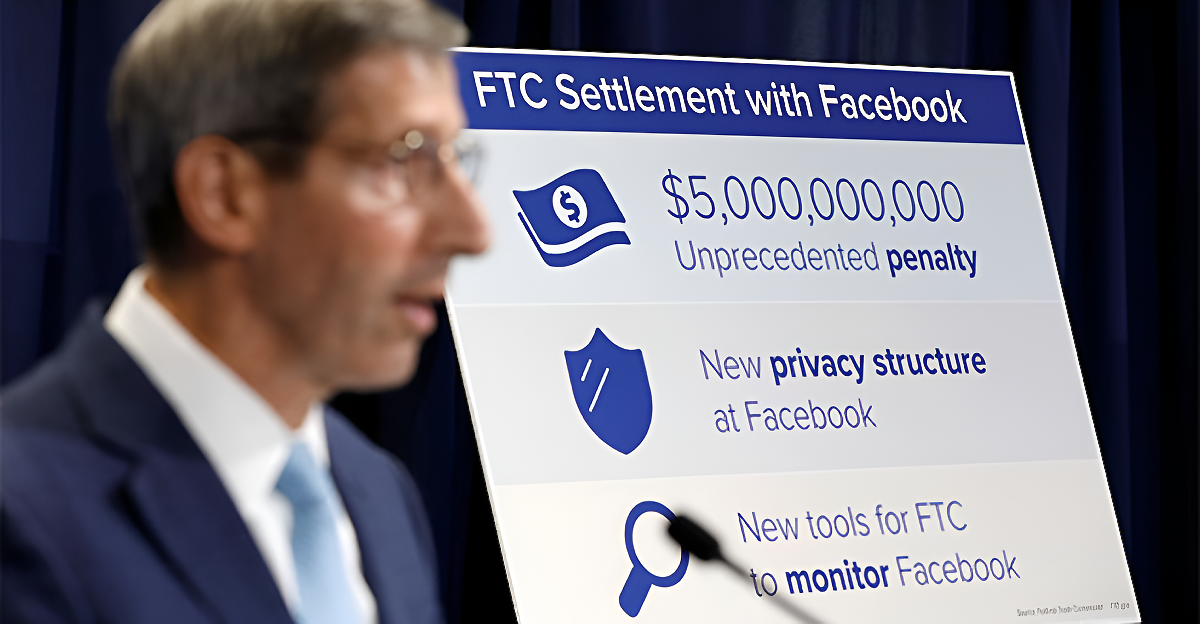
Millions of Americans are starting to notice new payments arriving in their accounts. For most, it’s a modest sum—often under thirty dollars—but represents something far larger. Facebook has begun distributing funds from its $725 million privacy settlement, the biggest payout in U.S. history.
Over the next ten weeks, more than 17 million people will receive their share. While the amounts are small, the case represents a rare moment when everyday users are compensated directly for how a tech giant handled their personal data.
The Scandal That Sparked It All
This settlement finds its roots in 2018, when the Cambridge Analytica scandal came to light. A political consulting firm secretly gathered data from millions of Facebook accounts, later using it to influence voters during the 2016 U.S. election.
The revelations shook the public and sparked outrage worldwide. They also raised new awareness about just how vulnerable online information could be. What began as a political story quickly became a cultural wake-up call, leaving many to wonder whether they could trust the platforms that shaped their digital lives.
A Settlement Years in the Making
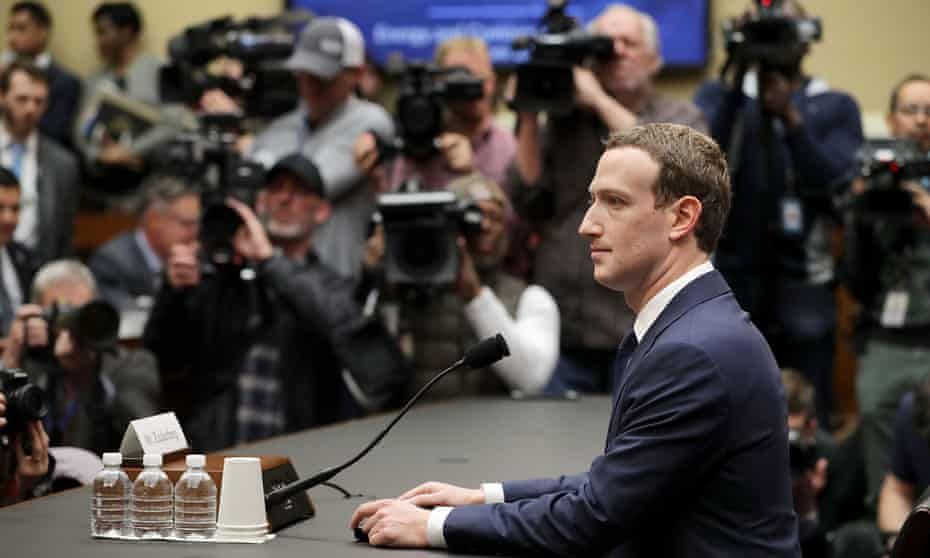
Outrage soon gave way to lawsuits. Legal actions poured in from across the country, eventually merging into one sweeping class-action case. Meta, Facebook’s parent company, denied it had done anything wrong but faced mounting scrutiny from regulators, lawmakers, and the public.
Negotiations stretched on for years, slowed by appeals and disputes over settlement terms. For a long time, it seemed uncertain whether payments would ever reach users. That changed in May 2025, when a judge finally approved the agreement. After years of delay, the money is now beginning to flow.
Who Was Eligible to Receive Payments

Not every Facebook user could qualify for a payout. To be included, a person needed to have had an active account between May 24, 2007, and December 22, 2022. They also had to file a claim by August 25, 2023.
Nearly 29 million people submitted claims before the deadline, but not all were approved. After review, about 18 million were verified as valid and eligible for payment. Those individuals are now seeing their share, calculated according to how long they actively used the platform during the 15-year window.
Breaking Down the Settlement Fund
The settlement totaled $725 million, but not every dollar is going directly to users. About $540 million is reserved for claimant payments, while roughly $181 million covers attorney fees and other administrative expenses. The remaining costs go toward running the distribution process.
Even after those deductions, this payout remains the largest of its kind in American privacy law. Legal experts say the scale of the fund highlights how seriously courts are beginning to treat data privacy cases, setting the stage for future actions against technology companies.
The Formula Behind the Payments

How much each person receives depends on something called allocation points. For every month a user maintained an active Facebook account between 2007 and 2022, they earned one point. Longer-term users accumulated more points, which translated into a slightly larger payout.
The system was designed to be proportional, ensuring that individuals who spent more years on the platform received more compensation than those who joined briefly. By dividing the settlement according to these points, administrators aimed to create a distribution that felt both transparent and fair.
What the Average User Is Receiving
Most claimants are finding their payouts modest, averaging about $29.43. Those who maintained an account for the entire 15-year period are receiving a maximum of $38.36 according to the settlement administrators. The smallest verified payments fall just under $5 on the lower end.
While these amounts are small compared to the overall settlement figure, they represent something rare in tech. This is one of the few times that everyday users have received direct compensation from a platform over how their personal data was handled, a symbolic gesture as much as a financial one.
How and When Payments Arrive
The settlement administrators are releasing payments in rolling waves that will continue for about ten weeks. Claimants are notified by email a few days before their payment is issued. Depending on what they selected when filing their claim, money is delivered through direct deposit, PayPal, Venmo, or a prepaid card.
Officials have asked recipients to be patient, since funds may take several business days to appear. With millions of payments being processed, the distribution is one of the largest and most complex ever managed in a privacy case.
Warnings About Potential Scams
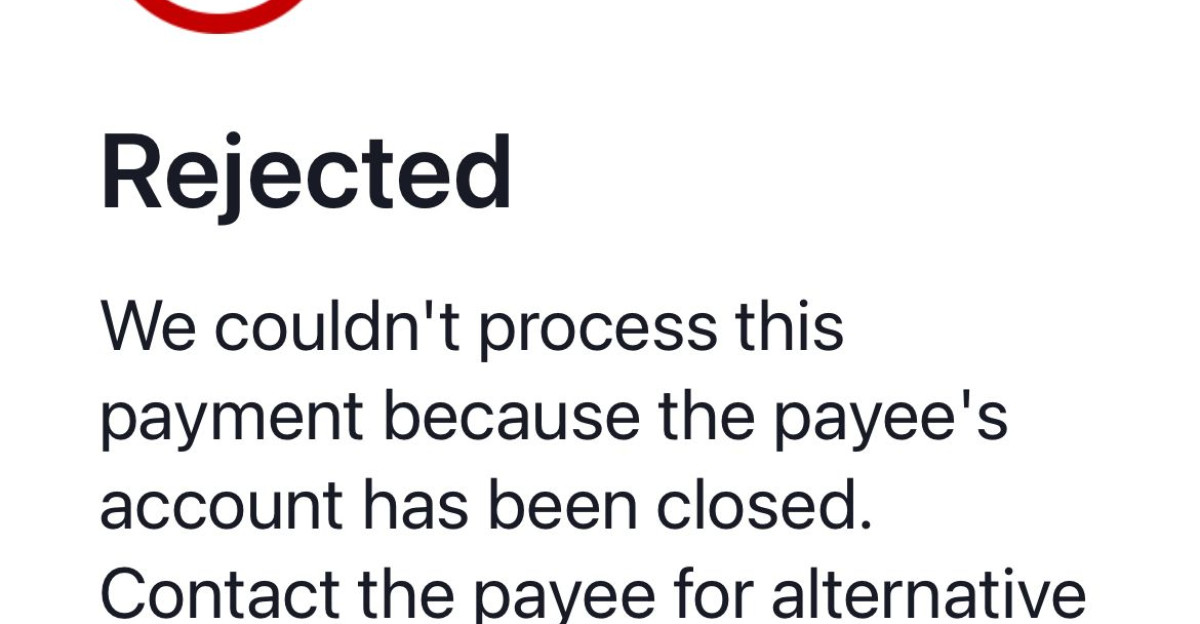
A payout of this scale has also attracted scammers hoping to take advantage of unsuspecting recipients. Officials have warned users to verify that emails about payments come from the designated settlement administrator. Fraudulent messages that mimic official notices are already circulating, seeking to trick people into sharing personal or financial details.
The Federal Trade Commission and consumer watchdogs have issued alerts, urging claimants to double-check links and never provide sensitive information unless they know the source. Caution, they say, is the best protection.
Meta’s Position on the Settlement
Despite the size of the payout, Meta has consistently denied any wrongdoing. In official filings, the company said it chose to settle to avoid the costs and uncertainty of a trial. Since the Cambridge Analytica scandal, Meta has highlighted new data policies and security tools, pointing to efforts to improve transparency and user control.
Critics remain skeptical, arguing that the reforms only came under pressure from regulators and public backlash. Still, the company has framed the settlement as a way to move forward from its troubled past.
The Legacy of Cambridge Analytica
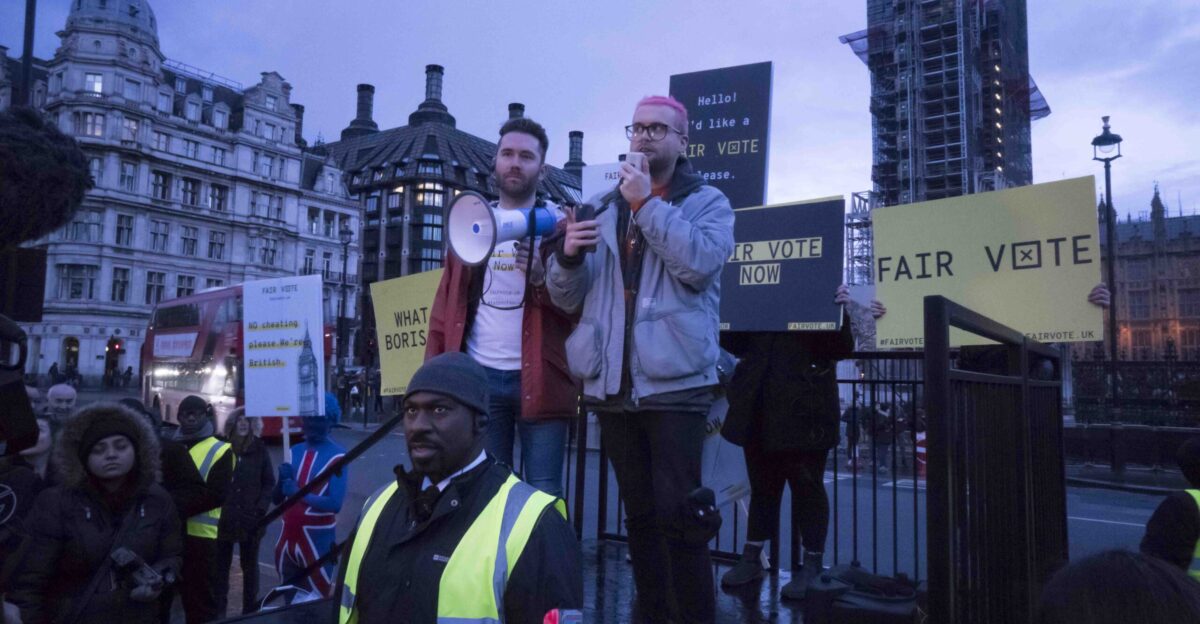
The case cannot be separated from the controversy that ignited it. Cambridge Analytica’s use of Facebook data to profile and target voters remains one of the most infamous examples of digital influence. The scandal drew worldwide attention to how much personal data tech companies collect and how easily it can be misused.
It also forced social media users to rethink the trade-off between free services and privacy. While Facebook promised reforms, the damage to its reputation lingered, shaping debates about online safety and accountability for years to come.
Why This Settlement Matters
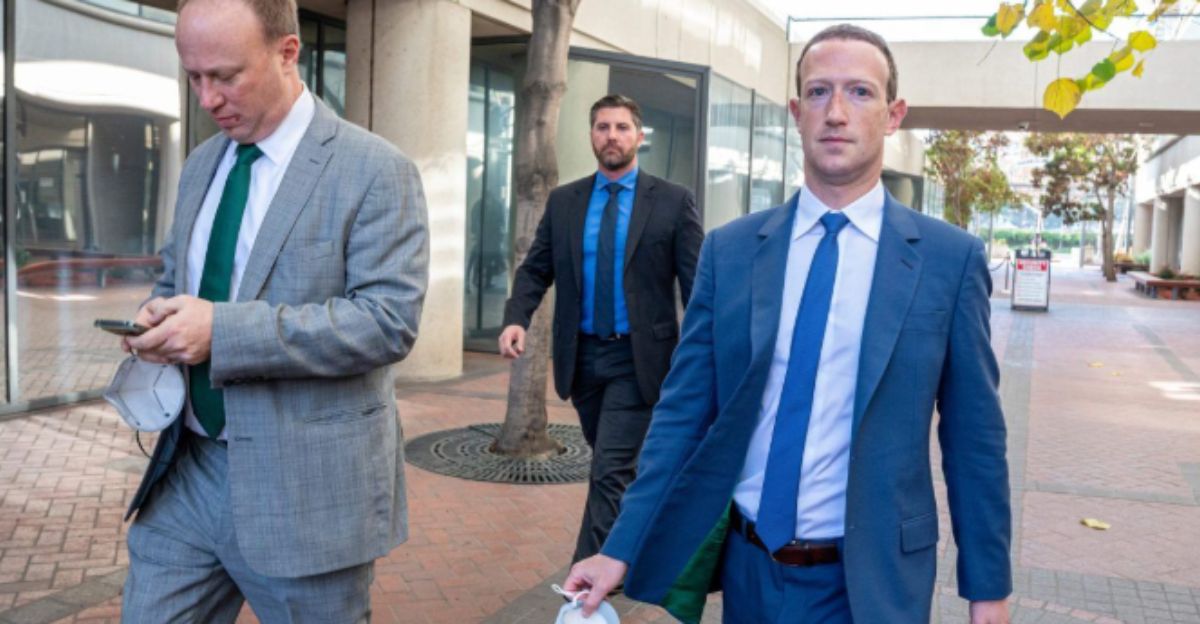
Legal experts say the real importance of this case lies not in the dollar amounts but in the message it sends. For years, major tech companies faced little more than public criticism when they mishandled personal data. This settlement demonstrates that the consequences can now be financial as well as reputational.
The case shows courts are willing to hold even the largest firms accountable for privacy failures. Though individual payouts are small, the overall outcome represents a turning point in how digital rights are protected.
Mixed Reactions from Users
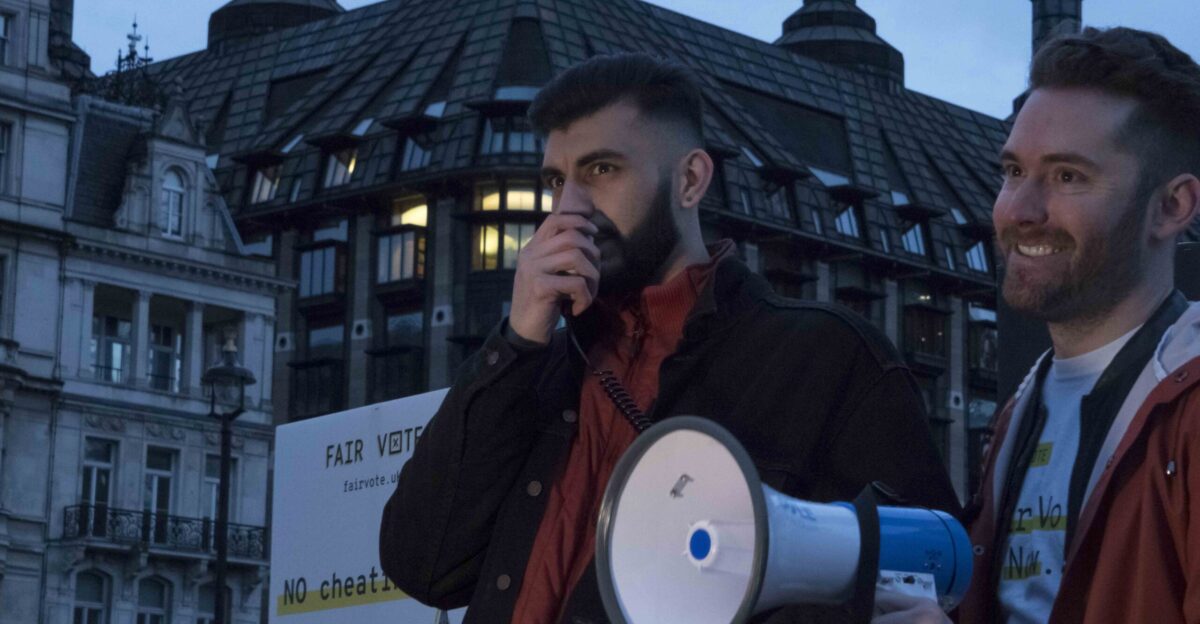
The response among Facebook users has been divided. Some see the payments as a small but meaningful acknowledgment that their data was mishandled. Others argue the amounts do not come close to reflecting the scale of the breach.
Activists note that while a few dollars cannot undo years of lost privacy, the settlement does establish a legal precedent. For many recipients, the payment serves as both compensation and a reminder that personal information has value—and that large companies are not beyond accountability.
A Benchmark for Future Privacy Cases
This settlement has already set a new standard for data privacy enforcement in the United States. Previous cases involving tech companies were smaller in scale, but Facebook’s payout now stands as the largest in history. Legal observers say this raises expectations for how courts will approach similar lawsuits in the future.
Knowing that precedent has been established, companies may be pushed to settle earlier or to offer larger compensation packages. The case will likely shape the landscape of digital privacy law for years ahead.
How Regulators Are Watching Closely

The outcome has drawn interest from regulators both in the U.S. and abroad. American agencies see the case as a signal that privacy violations can have real consequences, while European regulators study it as they enforce strict data laws.
Consumer protection groups are also watching closely, asking whether this settlement will deter misconduct or be absorbed as a cost of doing business. The ripple effects could influence not just how companies act but also how governments choose to enforce privacy standards.
Meta’s Efforts to Repair Its Image

Since the scandal, Meta has introduced several measures to regain user trust. These include restricting how third-party apps access data, launching clearer privacy controls, and offering more transparency on how information is used. Executives highlight these changes as proof that the company has learned from past mistakes.
Critics, however, remain unconvinced. They argue that reforms only came after years of public pressure and that questions about future risks remain unanswered. For Meta, the challenge is not just financial; it is about rebuilding credibility with billions of users worldwide.
What It Feels Like to Get Paid

For individuals, receiving a payout has been both surprising and symbolic. After filing a claim and waiting months, many share screenshots of their deposits on social media. While most amounts are small, the payments carry an emotional weight.
For some, it feels like closure after years of frustration. For others, it is a reminder of how little financial value their privacy was given in the eyes of the courts. The payments may not change lives, but they have sparked conversations about the worth of personal data.
The Cultural Significance of the Settlement
Beyond the legal outcome, this case reflects a broader cultural shift in how people think about their digital lives. Social media is no longer seen only as a tool for connection, but also as a system that collects, analyzes, and profits from user information.
The Cambridge Analytica scandal forced millions to confront that reality. This settlement continues the conversation, reminding people that their online behavior carries weight. In many ways, it has become a symbol of a generation waking up to the hidden costs of digital convenience.
The Future of Privacy Settlements
Observers say this may not be the last time tech users receive direct compensation. As platforms continue to expand and collect vast amounts of personal data, the potential for misuse remains. Legal experts predict more class-action lawsuits will follow, with courts likely to draw from the Facebook settlement as a model.
Companies may need to weigh the reputational and financial risks of data mishandling carefully. For consumers, the case could represent a new era in which their rights are more actively defended in court.
Closing a Chapter in Tech History
As payments continue to roll out, the settlement closes one of the most significant chapters in Facebook’s history. It also leaves behind a lasting message. The amounts may be small, but they symbolize a shift in accountability for the tech industry. Users are being compensated, courts have set a precedent, and regulators are paying attention.
This may not undo the past, but it sets a future benchmark. For millions of people, that small payment is a reminder that their voices—and their data—matter.