
Owens Corning, a $11.0 billion manufacturing giant, will lay off 67 employees at its Nephi, Utah insulation facility on October 27, 2025.
This decision impacts local families in a town of 7,554 residents with a median household income of $97,348, illustrating a broader trend in the building materials industry.
Building Materials Industry Drives Economic Growth
The global building materials market is projected to grow from $929.8 billion in 2025 to $1,696.8 billion by 2035.
Structural materials command 39% of market revenue, supporting construction across residential and commercial sectors, despite current manufacturing pressures.
Manufacturing Faces Widespread Employment Challenges

U.S. manufacturing lost 33,000 jobs in 2025, with 12,000 positions eliminated in August alone amid ongoing economic uncertainty.
The Institute for Supply Management indicates that manufacturing contracted in 33 of the last 40 months, applying pressure on companies like Owens Corning.
Owens Corning Confirms 67 Job Cuts

The company filed a Worker Adjustment and Retraining Notification on September 5, 2025, with Utah’s Department of Workforce Services.
This significant workforce reduction at the Nephi insulation manufacturing facility will affect numerous local families struggling with upcoming job losses.
October 27 Deadline Approaches for Affected Workers
These layoffs will take effect on October 27, 2025, giving workers only seven weeks’ notice, following the September filing.
The timing is particularly harsh as job losses occur right before the holiday season, impacting a community with relatively high incomes.
Global Building Products Leader with Strong Financials
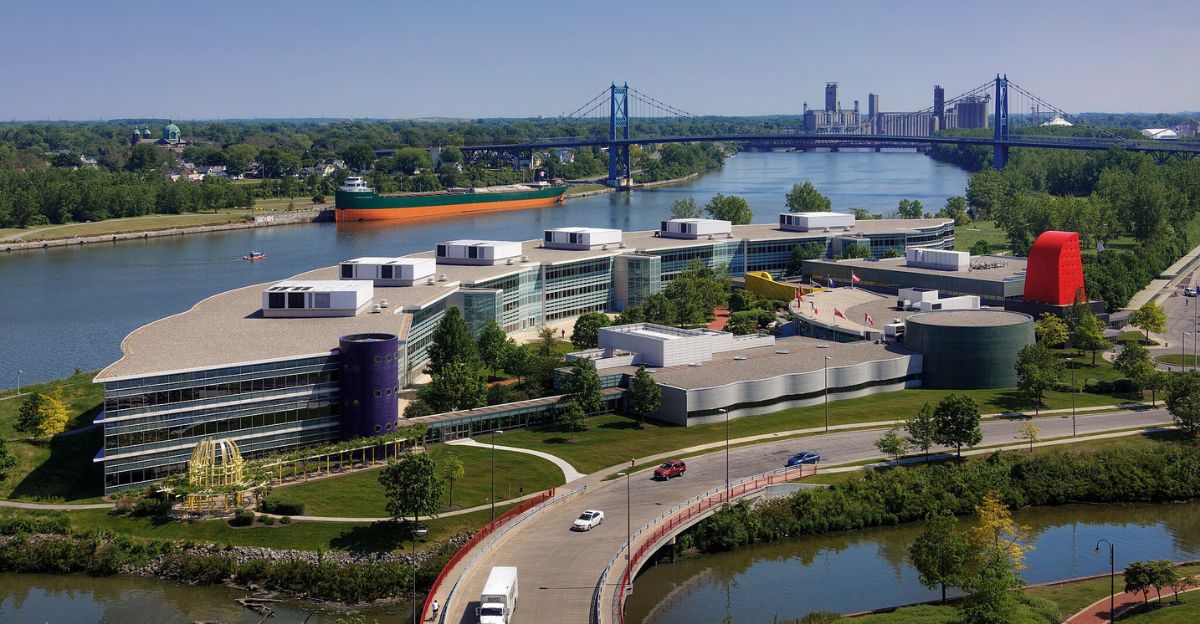
Owens Corning employs more than 25,000 individuals across 31 countries, reporting $11.0 billion in sales revenue in 2024.
Founded in 1938 and headquartered in Toledo, Ohio, the company specializes in sustainable building products like insulation, roofing, and doors.
Strategic Business Decision Drives Facility Changes
Company officials have characterized the layoffs as a “strategic business decision to curtail operations at our Nephi Insulation manufacturing facility.”
This reflects careful corporate planning designed to enhance operational efficiency rather than emergency cost-cutting measures.
Market Conditions Influence Operational Decisions
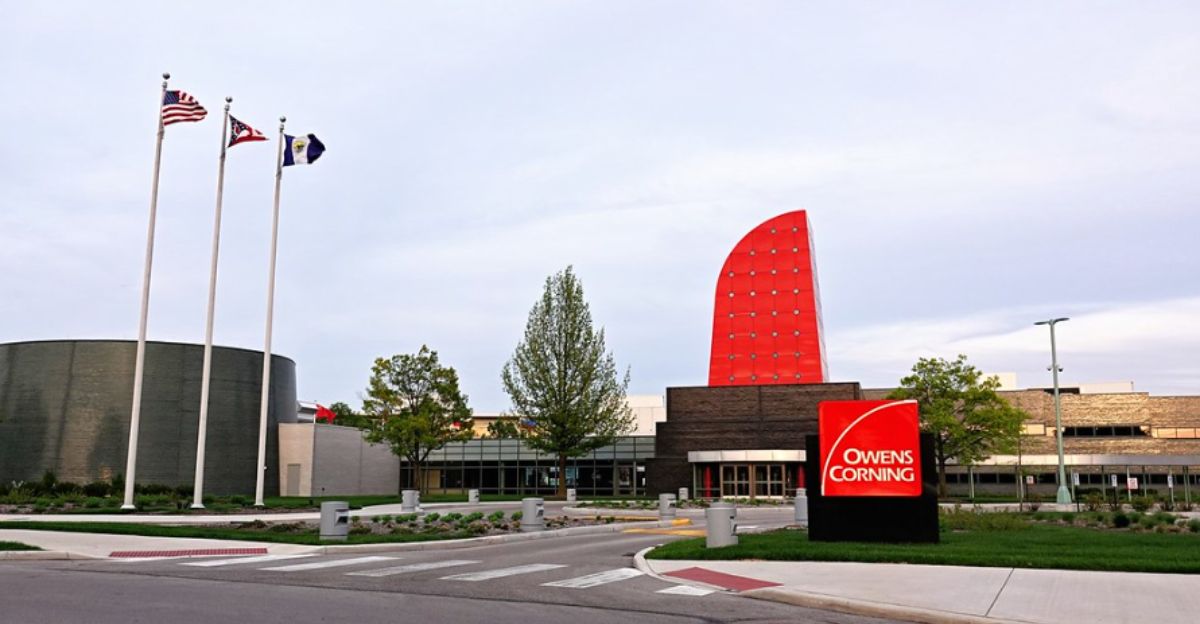
Owens Corning has stated it will “continue to monitor market conditions and communicate updates with employees as appropriate.”
The manufacturing sector faces challenges due to softening residential construction demand, rising interest rates, and global supply chain uncertainties.
Nephi Facility Serves Western Regional Markets
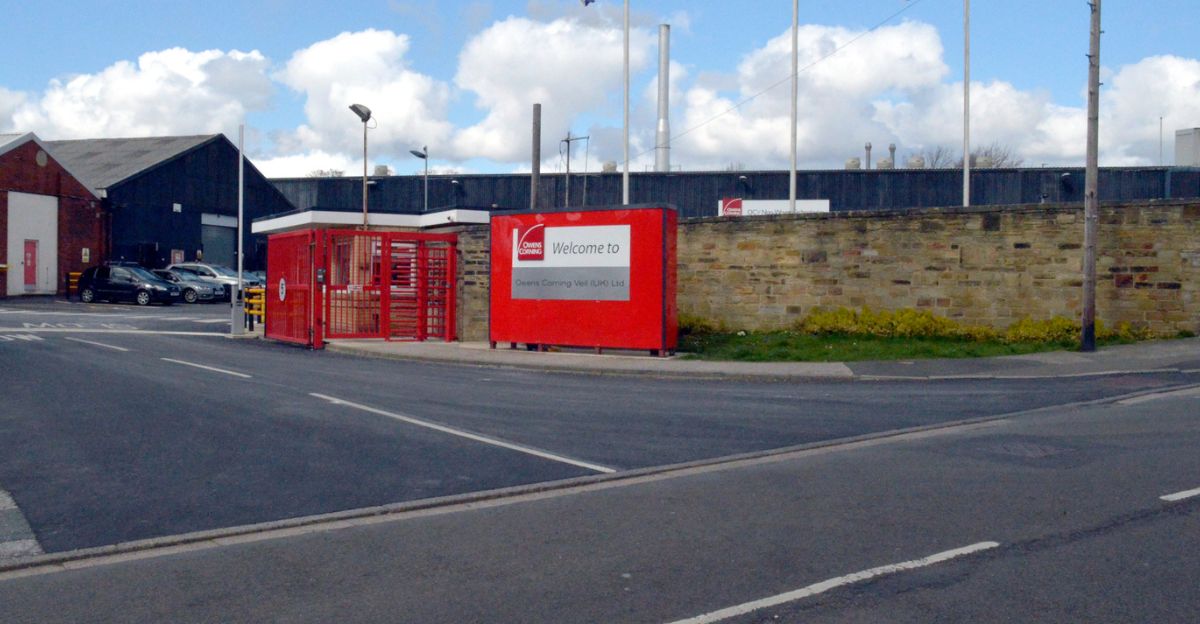
The Nephi operation produces insulation materials within Owens Corning’s broader portfolio that serves western markets.
Located in central Utah, this facility is vital for the company’s offerings in thermal and acoustical insulation manufacturing.
Part of Broader Company Operational Changes

The layoffs in Nephi are part of Owens Corning’s operational optimization as it aligns capacity with market demand.
Recently, the company announced selective investments, including 50% capacity expansion at its FOAMGLAS facility in the Czech Republic.
Previous Oregon Plant Closure Affected 184 Workers

Earlier in 2025, Owens Corning permanently closed its Prineville, Oregon, door components facility, resulting in 184 job losses.
This August 25 closure involved a facility acquired as part of the 2024 Masonite International Corporation purchase.
Company Commits to Supporting Displaced Workers
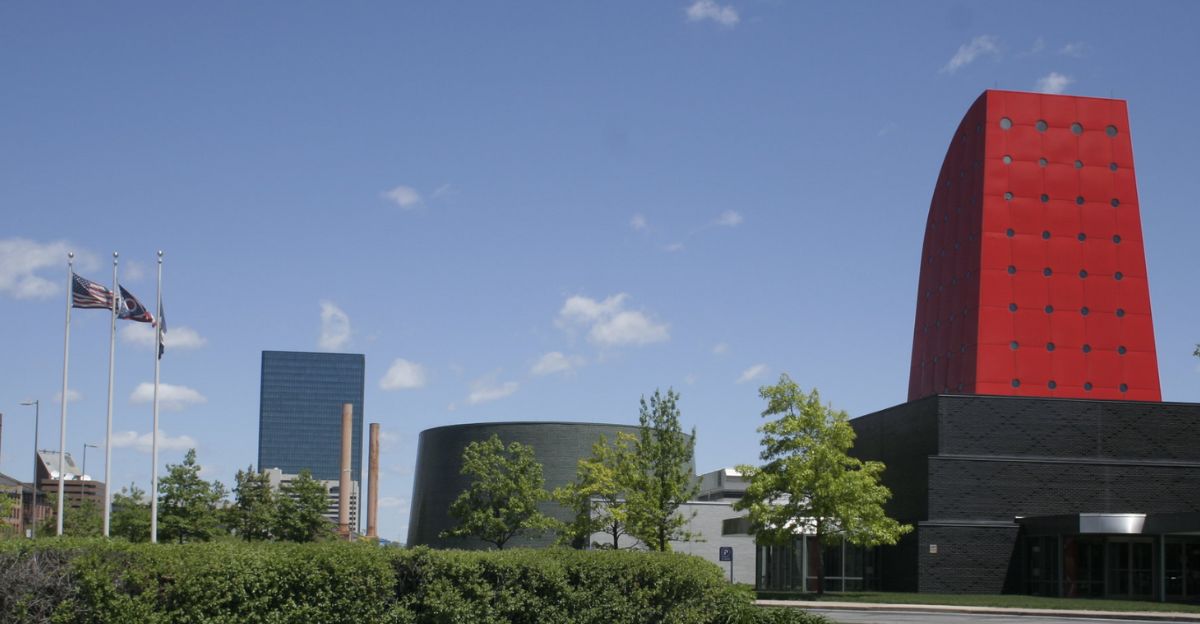
Regarding the closure in Oregon, Owens Corning emphasized that “leadership’s priority is supporting the team in Prineville through this transition.”
Typical support packages include financial compensation, extended benefits, career coaching, and outplacement assistance for affected workers.
Small Utah Community Faces Economic Impact

Nephi’s 7,554 residents, with a 6.09% poverty rate, will feel the effects of the 67 jobs eliminated.
The economic repercussions extend beyond direct employees, impacting local businesses reliant on the facility and worker spending.
Manufacturing Sector Experiences Widespread Job Losses
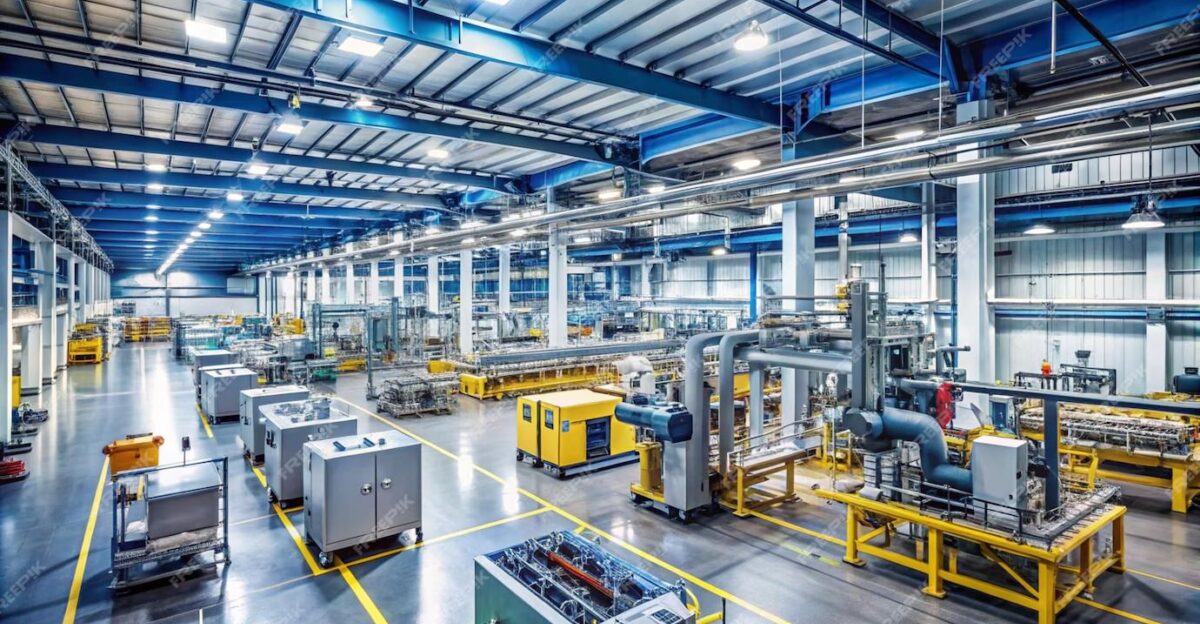
The building materials industry faces significant pressure, with manufacturing losing 78,000 jobs year-over-year, particularly in durable goods production.
Despite positive long-term growth projections, current housing market softening forces capacity adjustments across the sector.
Workers Navigate Uncertain Employment Market
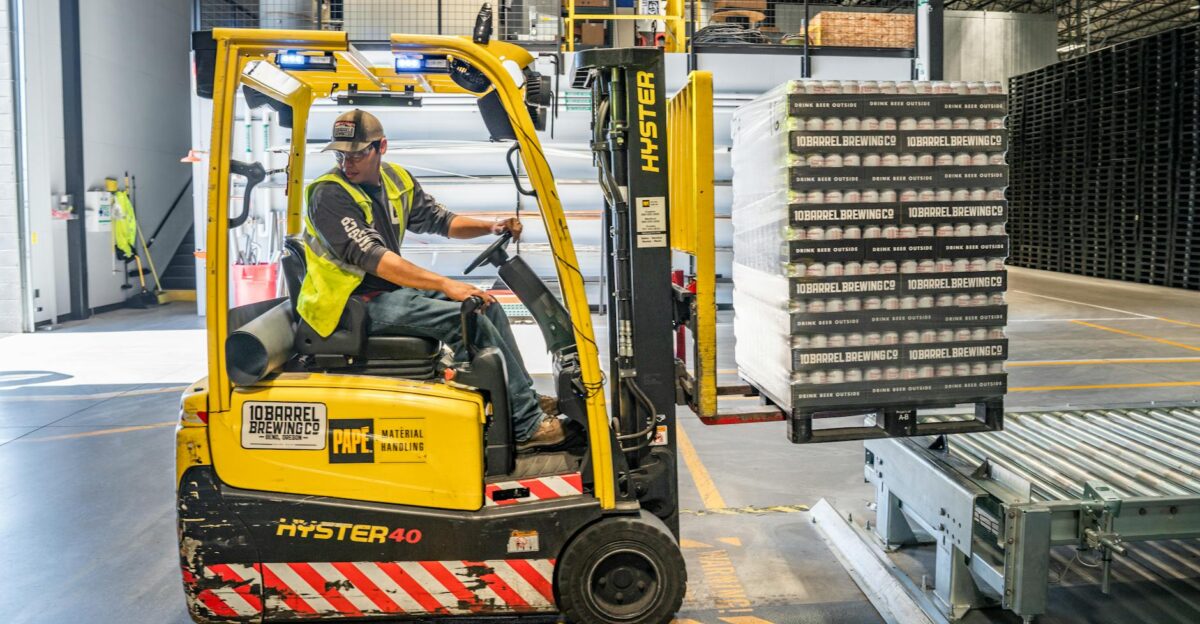
Manufacturing job openings in the U.S. decreased by 12.4% year-over-year, although Utah’s strong economy may offer better reemployment opportunities.
The affected 67 workers face uncertainty in a fluctuating job market amid ongoing sector volatility and changes in economic conditions.
Industry Groups Advocate for Policy Changes

Alliance for American Manufacturing President Scott Paul has called for Federal Reserve rate cuts and tariff certainty to alleviate pressures.
The AFL-CIO attributes many manufacturing job losses to recent administration policies, stating that “Manufacturing was down by more than 30,000 jobs.”
Company’s Strong Financial Position Enables Strategic Flexibility
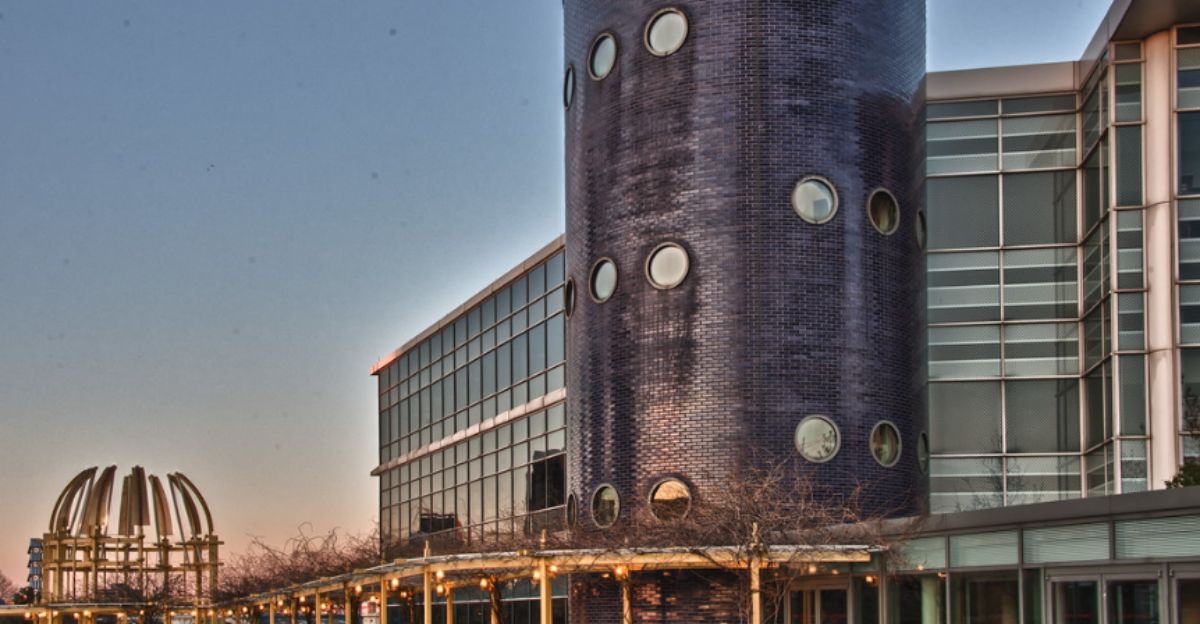
Owens Corning’s commitment to return $2 billion to shareholders over the next two years indicates its financial strength.
Future strategies may include facility consolidations, capacity realignments, or acquisitions as the market landscape evolves.
Experts Predict Manufacturing Industry Transformation
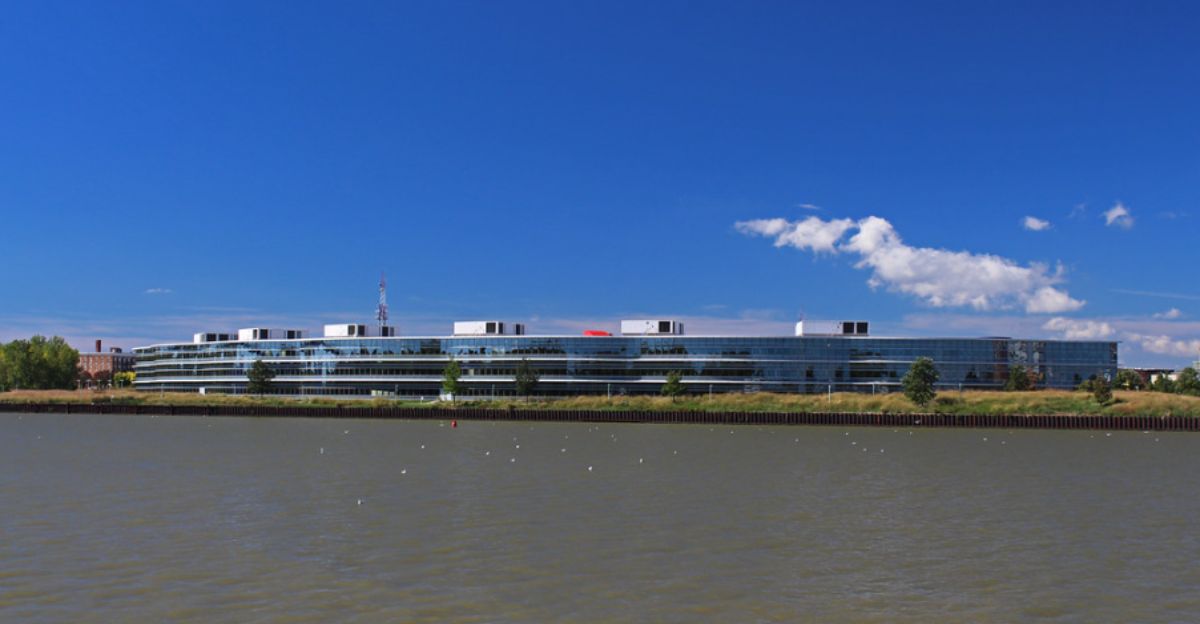
BDO USA analysis suggests that manufacturers will transition to “growth mode,” focusing on strategic planning and market opportunities.
The adjustments by Owens Corning align with its long-term competitiveness strategy, rather than being merely defensive measures.
Layoffs Reflect Broader National Manufacturing Trends
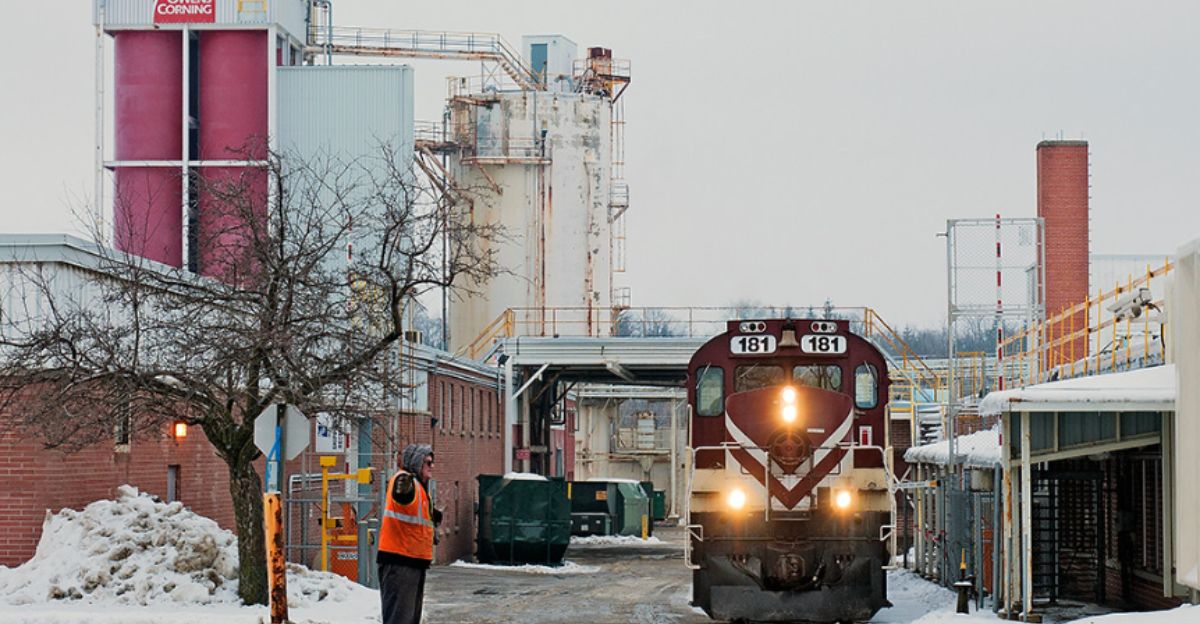
Nearly half of managers predict layoffs in 2025, with manufacturing unemployment projected to reach 3.8% nationally.
These patterns suggest a systematic transformation within the industry, necessitating strategic workforce planning and community economic responses.
Industry Evolution Continues Amid Strategic Restructuring
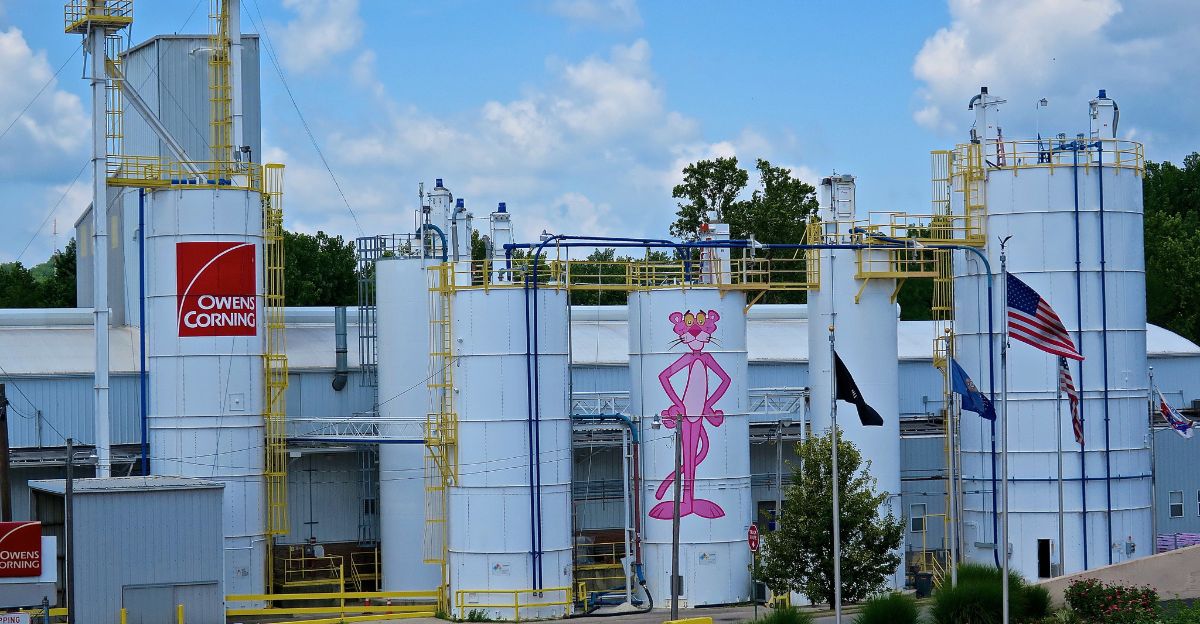
Owens Corning’s layoffs in Nephi showcase the evolution of manufacturing as billion-dollar companies adapt their workforce for competitiveness.
The company’s financial resilience and positive building materials growth prospects may lead to reemployment opportunities for affected workers and community recovery.