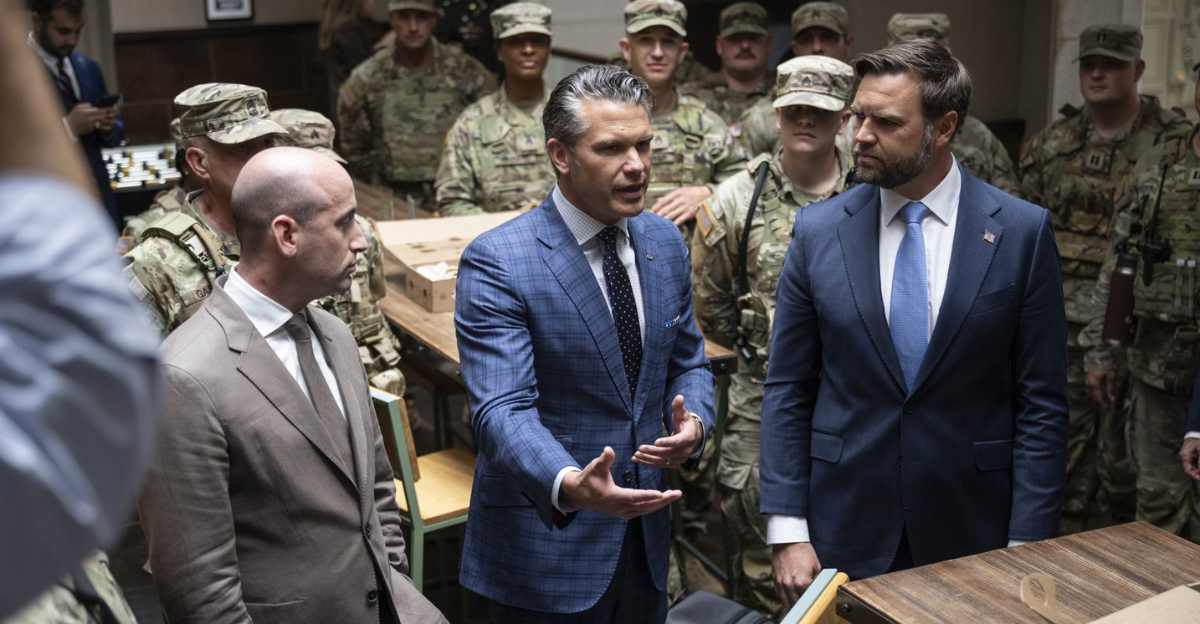
The Pentagon launched a sweeping internal crackdown after the shocking assassination of prominent conservative activist Charlie Kirk. On September 10, 2025, Kirk was shot and killed while speaking at Utah Valley University, in front of a crowd of three thousand people.
The nation watched in disbelief as footage quickly circulated online. By late afternoon, President Trump posted a tribute and later announced Kirk would receive the Presidential Medal of Freedom posthumously.
Meanwhile, the attack reverberated in Washington, making lawmakers reconsider outdoor events and travel security. Panic, sadness, and controversy spread rapidly.
The Department of War, formally renamed just days before Kirk’s death, moved quickly in response. Secretary Pete Hegseth ordered military authorities to systematically track, flag, and investigate all military personnel who posted celebratory or mocking messages about Kirk’s killing.
Officials described the shift as “zero tolerance”—aimed at rooting out any conduct that glorified political violence or defied professional standards. Service members in the Marines, Navy, and Coast Guard faced review. At least one Marine was dismissed for posting that Kirk was “a racist man who was popped.”
Pentagon spokesman Sean Parnell stated, “Celebrating political violence violates military conduct and undermines cohesion.” The commander’s strong public stance signaled a new era for military discipline in the digital age.
Widening Investigations Shake Military and Society
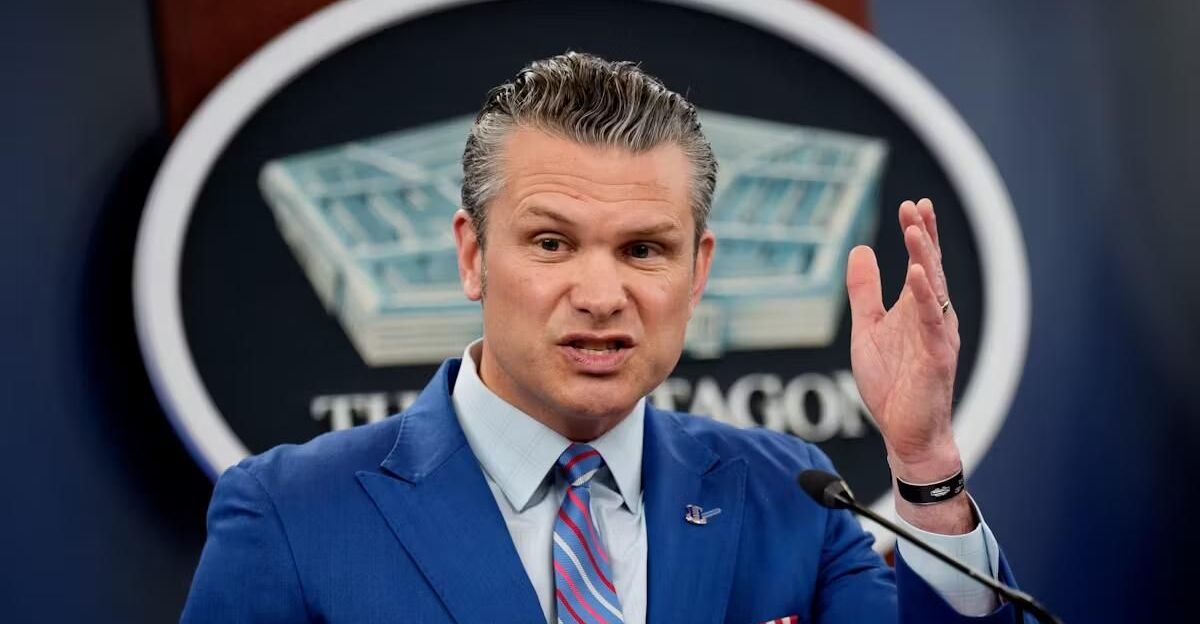
The scope of probes extended rapidly. Pentagon investigators tracked posts, memes, images, and comments across social platforms, reviewing anything deemed celebratory, hostile, or inappropriate about Kirk’s murder. National outlets reported suspensions, dismissals, and ongoing hearings in multiple branches.
State Department officials confirmed visa revocations for some military-adjacent employees. Mainstream media cited dozens of cases under review and warned that further disciplinary actions were likely. Hegseth, speaking on television and online, called the crackdown “completely necessary.”
Legal experts described this as an unprecedented enforcement of military codes, with some voicing concern about a chilling effect on free speech.
Supporters defend the policy shift as essential for unit cohesion and the reputation of the armed forces—especially in the wake of Kirk’s high-profile killing. Critics, including civil liberties groups, argue the Pentagon risks suppressing constitutionally protected speech, raising ethical questions.
The crackdown’s reach now spans from internal disciplinary hearings to government agencies regulating online expression. The Department of War remains unapologetic. Officials insist they must act swiftly to keep order and protect America’s global image after such a high-profile attack.
A Nation in Mourning and Debate
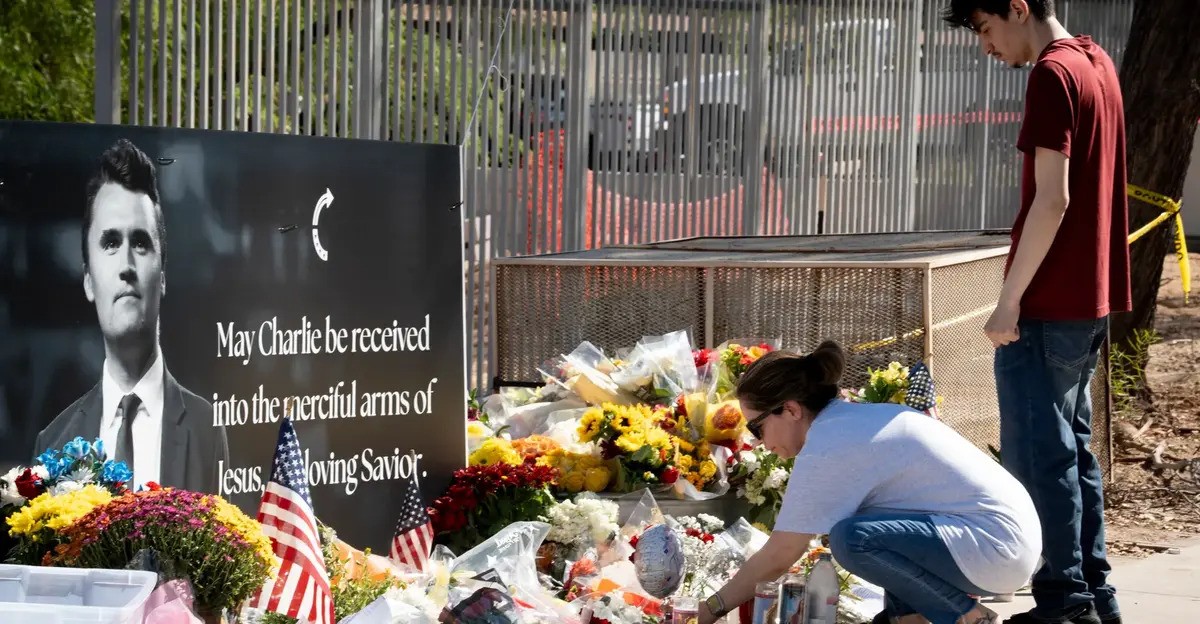
Kirk’s assassination ignited a firestorm of public reaction. Thousands attended candlelight vigils. Utah leaders called for action and change. The manhunt for the shooter continued for days, gripped by national news coverage and FBI involvement.
Political leaders across the spectrum weighed in, expressing outrage and describing the murder as a sign of deepening divisions in the country. Speaker Mike Johnson and Vice President Vance both called for increased security for public officials. Kirk’s legacy, controversial and far-reaching, became a focal point for debate on violence, speech, and national unity.
As the Pentagon moves forward with mass investigations, the fallout from Kirk’s death continues to shape military culture and the national conversation. The balance between discipline and free speech remains uncertain.
“If Charlie’s wishes are realized, it will lead to very positive changes,” said former Utah State Representative Phil Lyman, capturing the hope for change in the wake of tragedy.