
An $11 billion Amazon data center project in New Carlisle, Indiana, has been temporarily halted after regulators found that nearly one acre of wetlands was affected during construction.
This incident underscores the rising tension between tech expansion and environmental protection in the Midwest, leaving the project’s future uncertain.
Rising Stakes
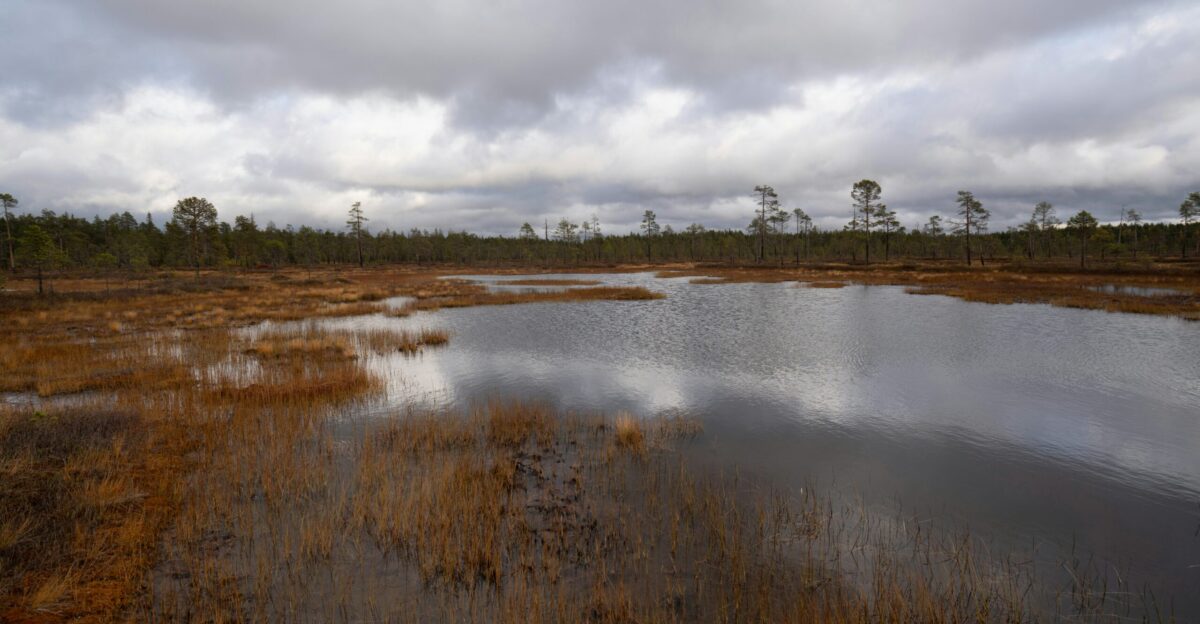
Indiana’s decision to pause Amazon’s construction highlights a growing concern over wetland loss in the state. Since 2021, over 260 acres of wetlands have disappeared without mitigation, raising alarms about water storage and flood risks.
The Amazon project has become a focal point in the debate between development and conservation.
Data Center Boom

The Midwest is witnessing a rise in data center construction, driven by cloud computing and AI demands.
Amazon’s New Carlisle facility will serve as a key regional hub, backed by an $11 billion investment on 350 acres. While these projects can create jobs and increase tax revenues, they often face environmental challenges.
Regulatory Pressure
Recent federal and state law changes have shifted more responsibility for wetland protection to states, weakening Indiana’s regulatory framework and making enforcement more challenging.
Nevertheless, the Amazon case demonstrates that state agencies can still act against violations when they occur.
Project Temporarily Halted
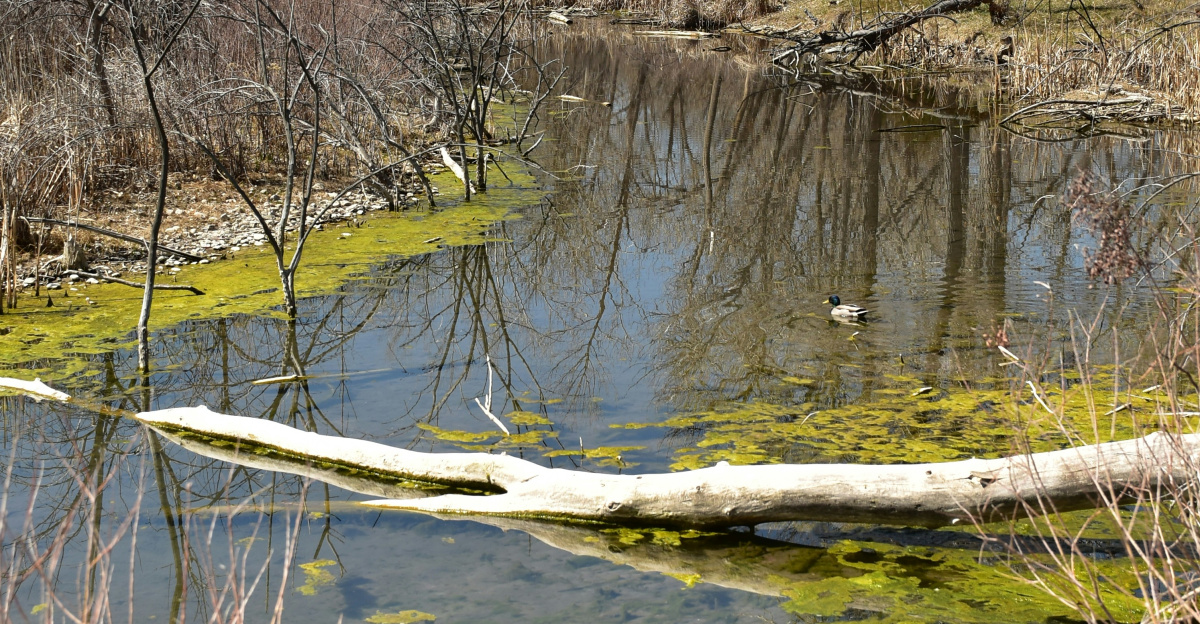
On August 13, 2025, the Indiana Department of Environmental Management (IDEM) ordered Amazon to stop construction in state-regulated waters after nearly one acre of wetlands was impacted without authorization.
Amazon must resubmit its plans within 30 days to avoid project denial, leaving the timeline and mitigation measures uncertain.
Local Fallout
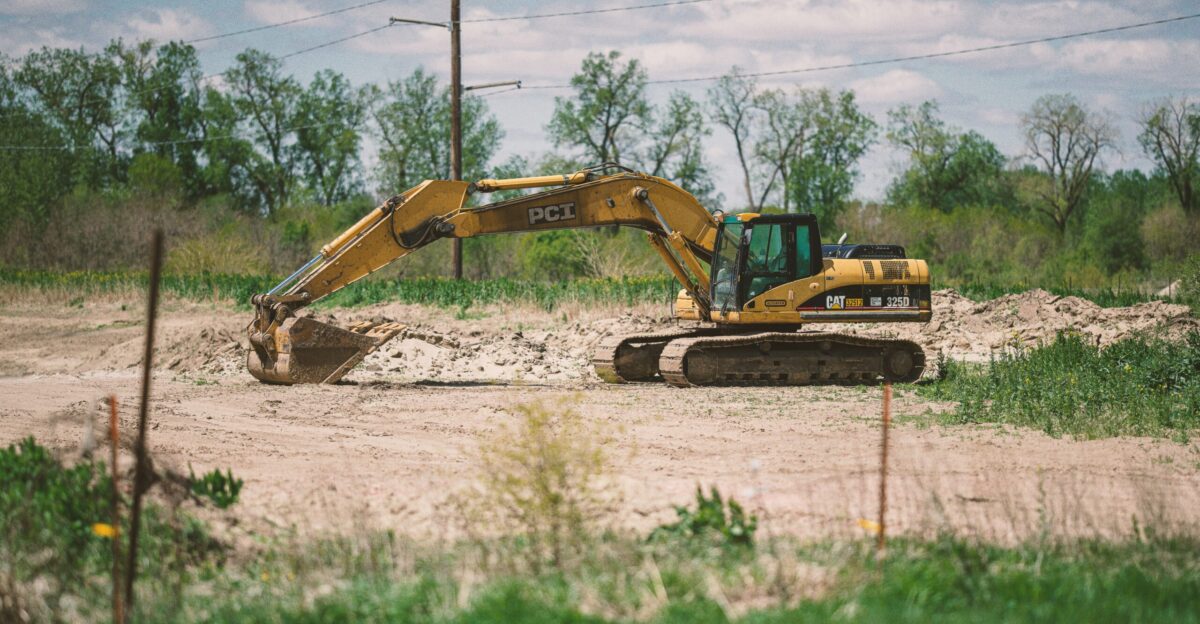
The construction halt in New Carlisle has a significant impact on the community. Local contractors are facing work stoppages in wetland areas, raising concerns among residents about lost economic opportunities and environmental harm.
The region, already sensitive to water issues, is now at the center of a prominent regulatory dispute.
Local Concerns
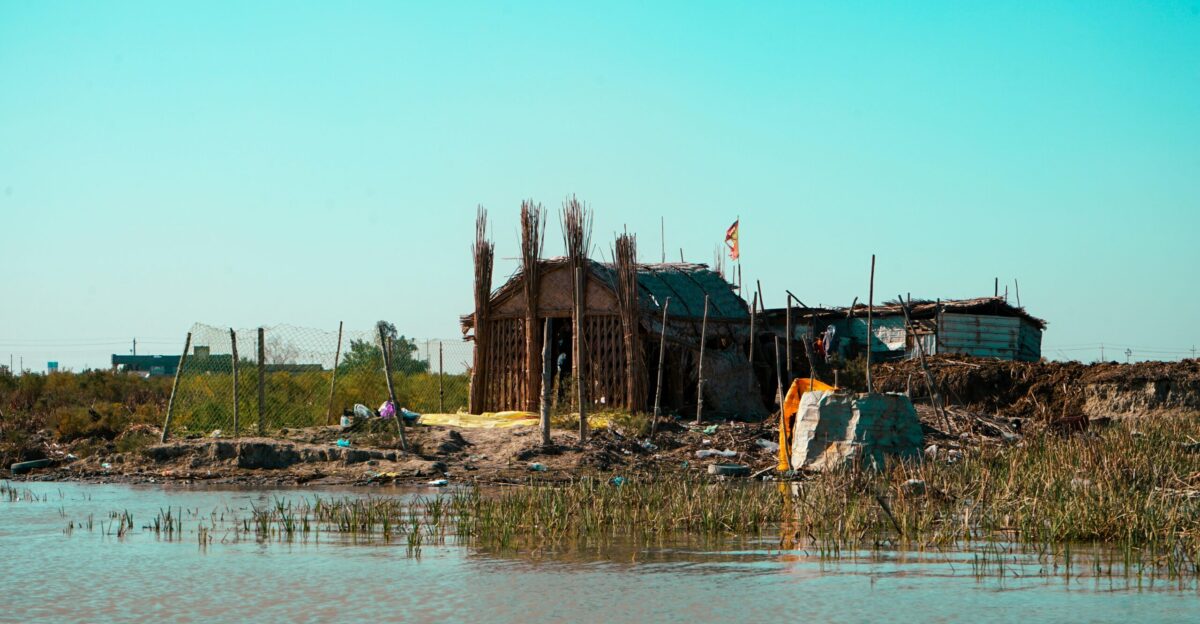
Residents near the site have raised concerns about water withdrawals and transparency. Maria Iturbide-Chang of the Hoosier Environmental Council emphasized the need for better community engagement.
While some locals fear the project could worsen well water shortages, experts assert that Amazon is not the only factor involved.
Competitor Moves
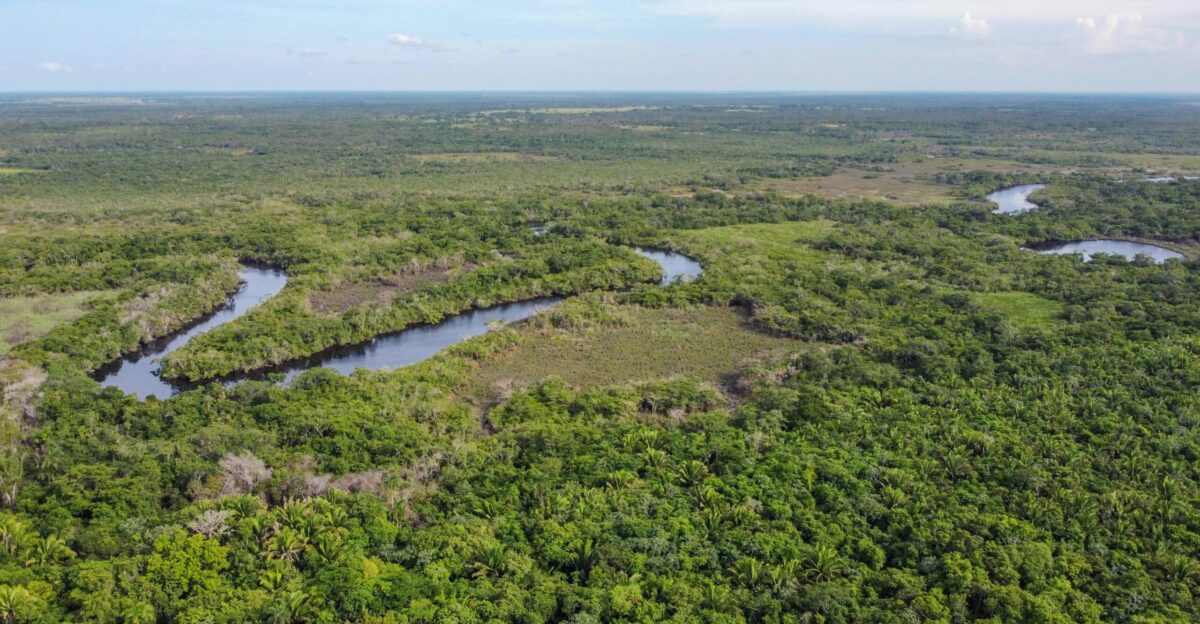
Tech companies are watching closely as data center developers in Indiana and the Midwest face increased scrutiny due to rollbacks in wetland protections.
The outcome of the Amazon case could set new standards for future project approvals.
Macro Trends

The recent stoppage in Amazon’s operations underscores a national trend in federal wetland protections.
Following the 2023 Supreme Court Sackett decision, only wetlands with a direct surface connection to major waterways are now protected, leaving many isolated wetlands vulnerable to development.
Mitigation Gaps

Indiana’s wetland mitigation system is failing to offset the loss of wetlands, with 75% of lost wetland acres since 2021 unreplaced.
This shortfall threatens water quality and flood protection. Critics argue that purchasing mitigation credits, as suggested by Amazon, is inadequate.
Stakeholder Frustration
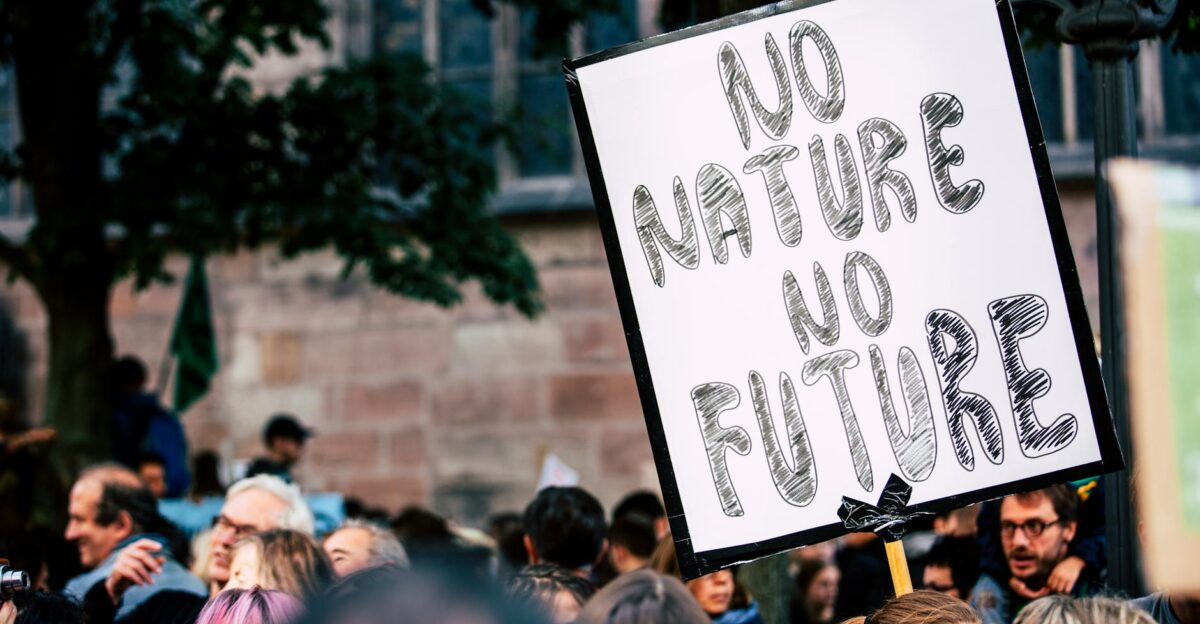
Community advocates and environmental groups have expressed frustration with both Amazon and regulators.
At a recent public hearing, over 100 people called for stronger protections and criticized the lack of transparency in the permitting process. Tensions remain high as the company and state negotiate next steps.
Ownership & Oversight
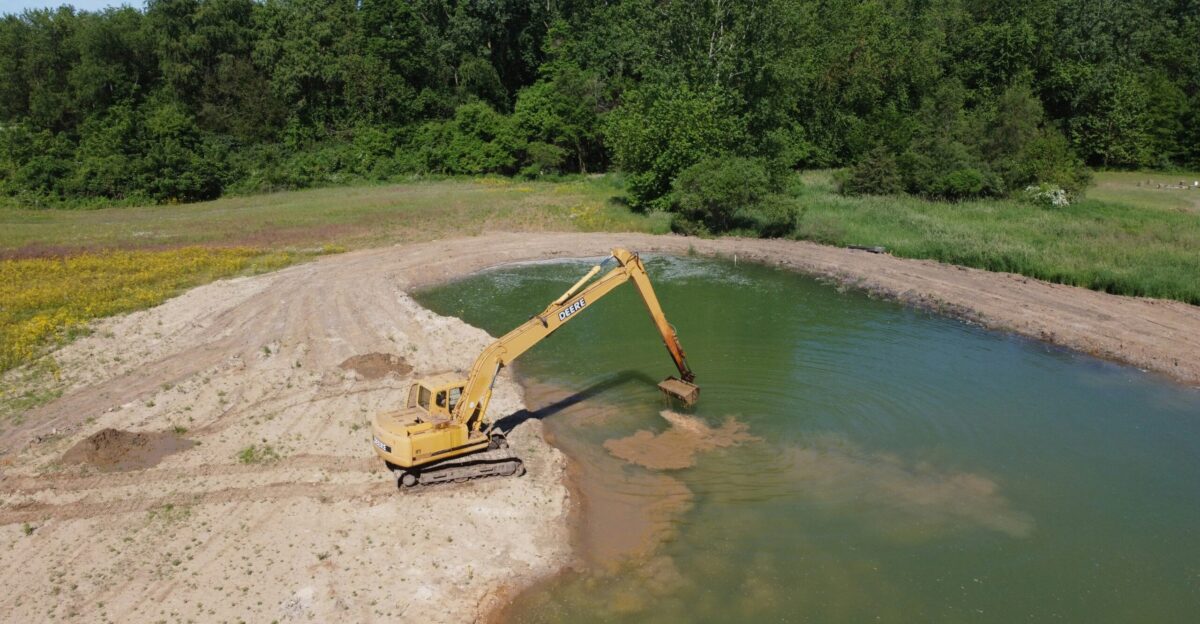
Amazon contracted Walbridge Construction for the project. According to company statements, IDEM’s investigation found that Walbridge impacted the wetland without Amazon’s knowledge.
Both Amazon and Walbridge now face increased oversight and must demonstrate improved compliance to proceed.
Recovery Efforts
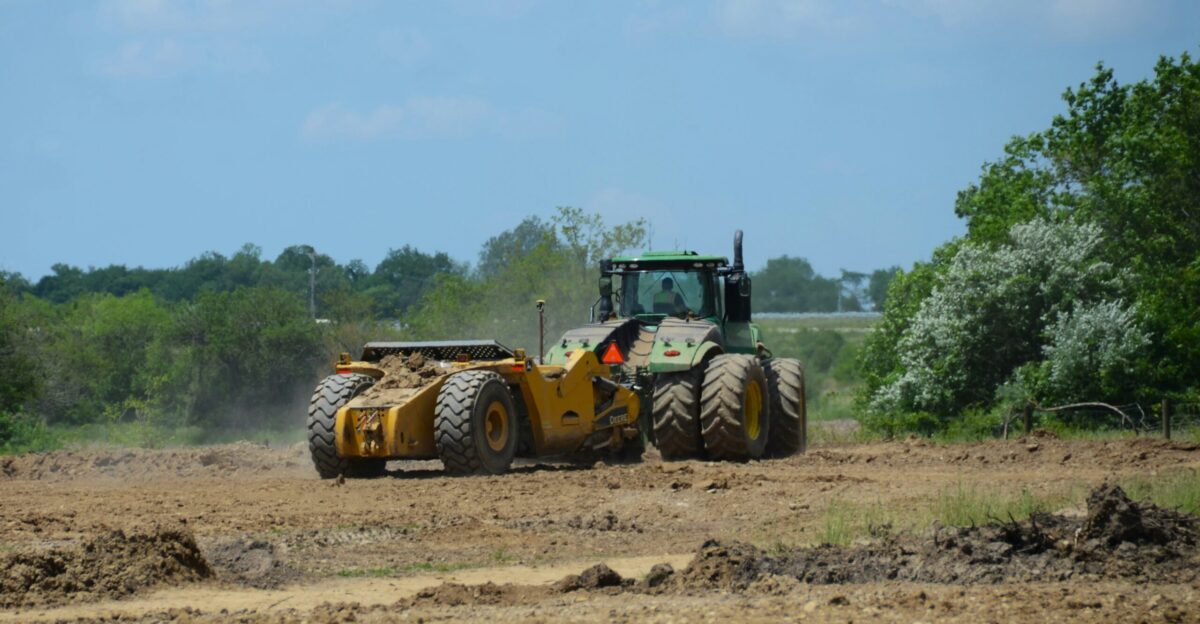
Amazon has withdrawn its previous permit application and is preparing a revised submission with additional mitigation for the impacted wetland.
The company says it has enhanced protective measures at the site and is working with IDEM and the U.S. Army Corps of Engineers to address violations.
Expert Outlook

Environmental experts remain skeptical about the effectiveness of current mitigation strategies.
Maria Iturbide-Chang advocates for nature-based solutions, such as rainwater harvesting, and calls for more rigorous hydrology studies before future data center approvals.
What’s Next?

Will Amazon’s revised plans satisfy regulators and community concerns? The company has 30 days to resubmit or risk losing the project entirely.
The outcome could shape how future tech infrastructure projects are evaluated in Indiana and beyond.
Policy Implications
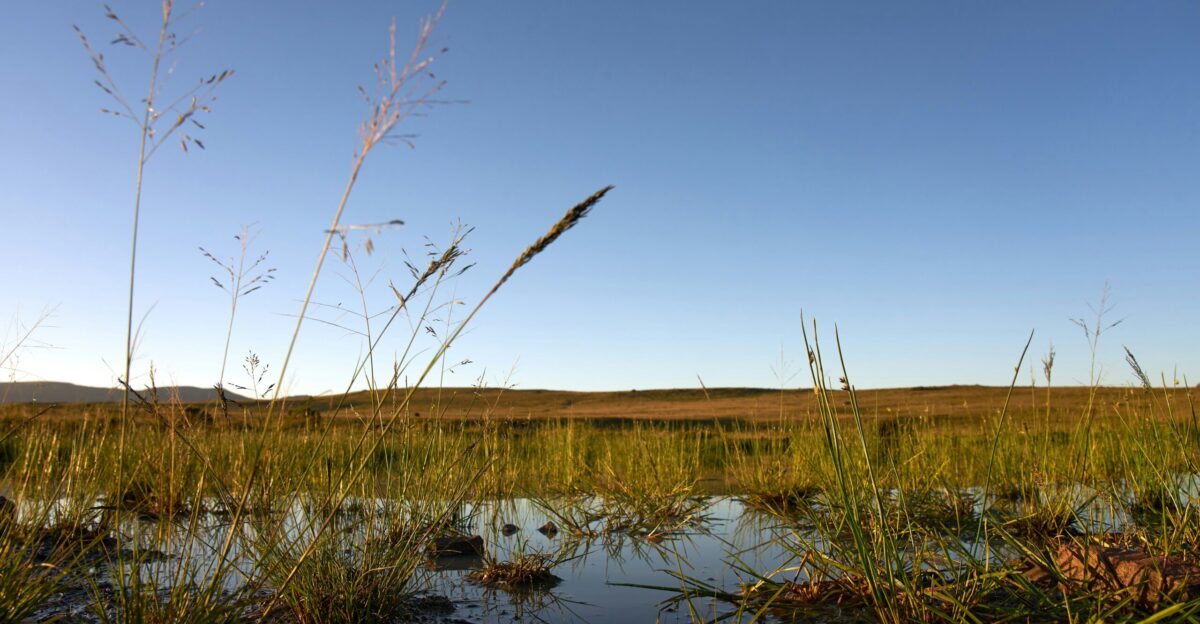
The case highlights the consequences of recent legislative changes that weakened Indiana’s wetland protections.
Lawmakers face renewed pressure to balance economic growth with environmental stewardship, especially as climate risks intensify.
International Lens
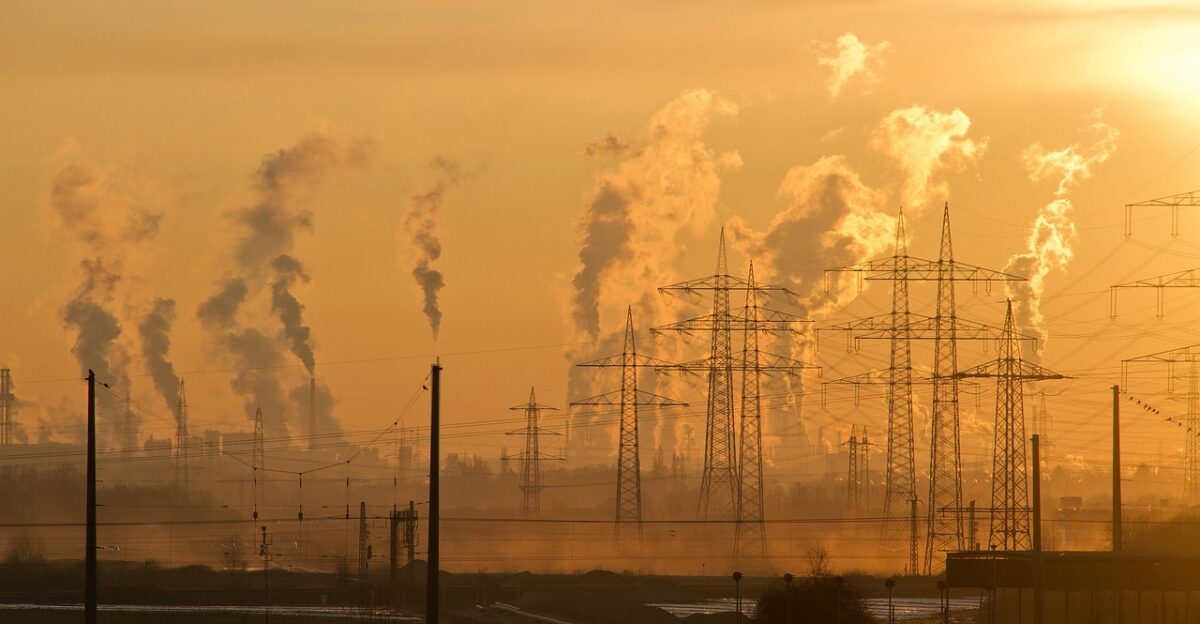
Globally, tech companies are under increasing scrutiny for their environmental footprints.
European and Asian regulators often impose stricter standards on data center water and energy use, raising questions about whether U.S. states will follow suit.
Legal & Environmental Angle
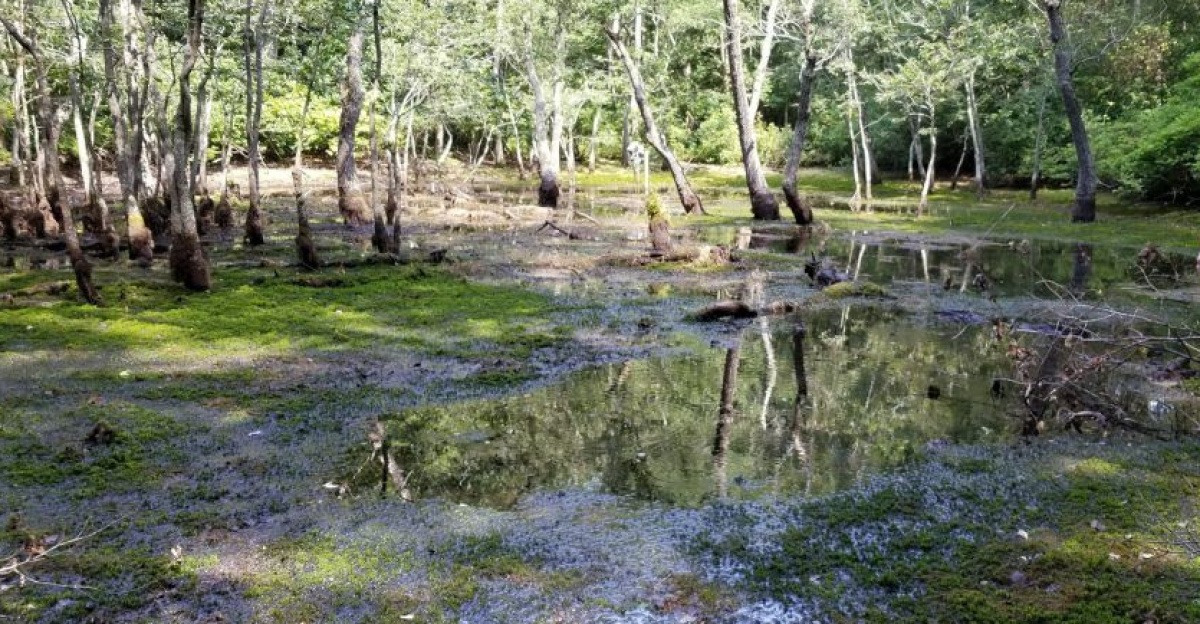
The Amazon case underscores the legal complexity of wetland regulation post-Sackett. With federal protections narrowed, state agencies like IDEM play a pivotal role.
Environmental advocates warn that critical habitats may be lost for good without robust state laws.
Cultural Shifts
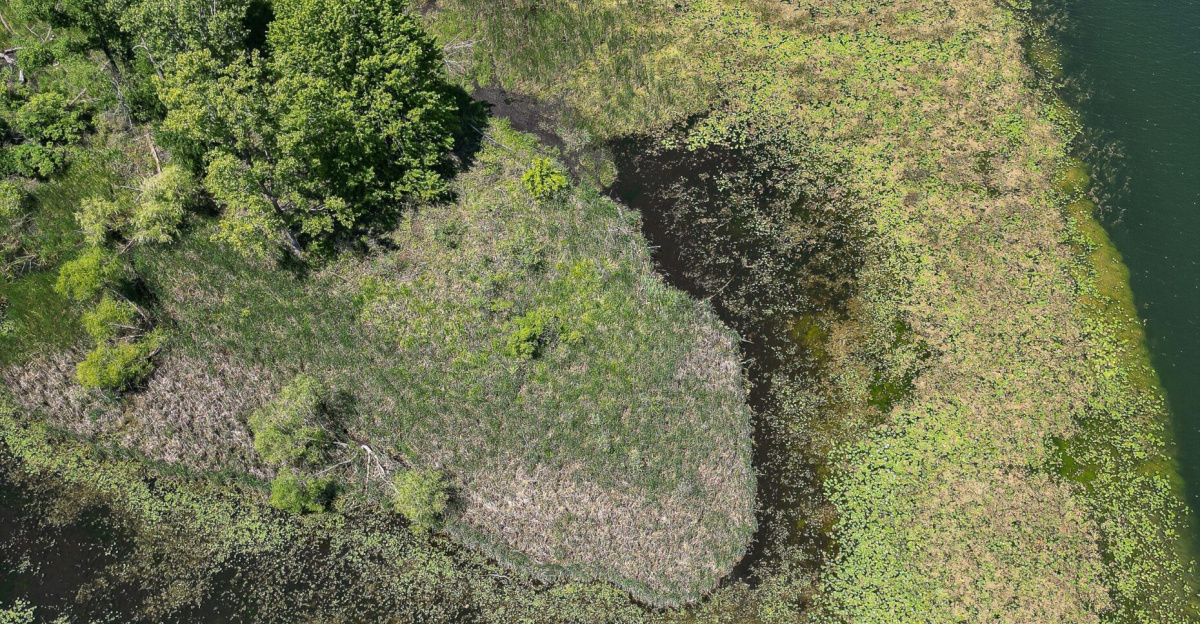
Public attitudes toward wetland protection are shifting. Once seen as obstacles to development, wetlands are increasingly valued for their role in flood control and water quality.
The Amazon controversy reflects a broader generational change in how communities weigh economic versus environmental priorities.
Broader Reflection
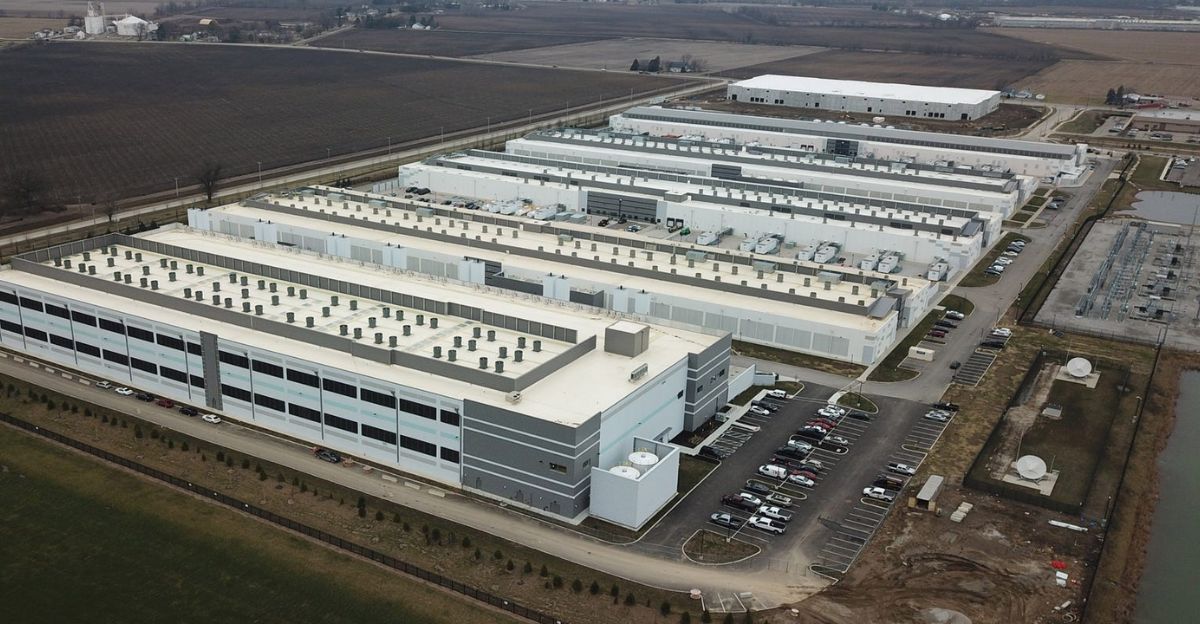
The Amazon data center halt is more than a local dispute—it signals a turning point in the national conversation about tech growth and environmental limits.
As climate pressures mount, Indiana’s choices may echo far beyond its borders, shaping the future of sustainable development.