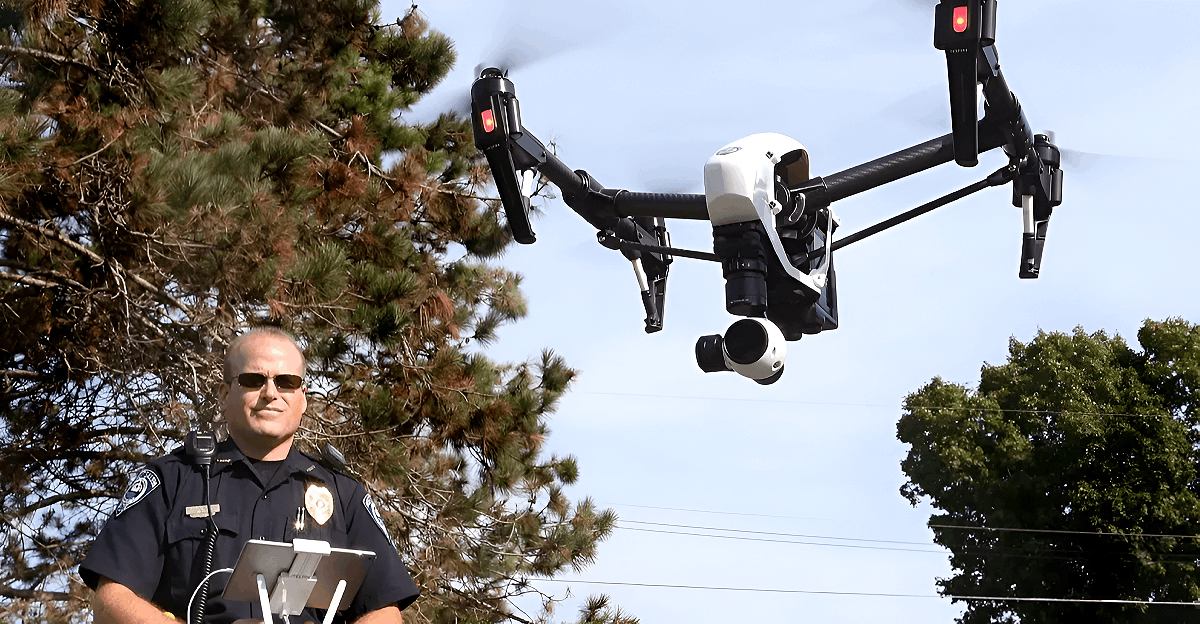
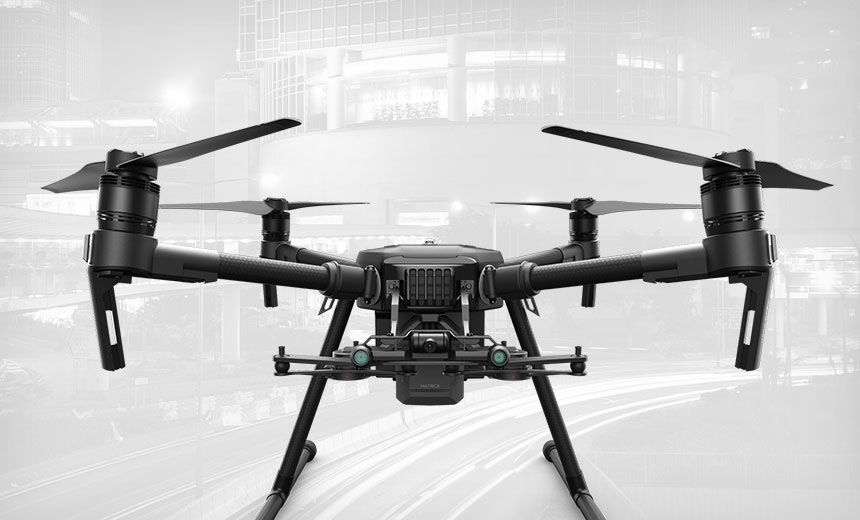
A rapid influx of Chinese-manufactured drones has infiltrated American airspace, especially in residential neighborhoods. These may appear as toys or hobby devices, but their implications stretch far beyond. Experts warn that such uncrewed aerial vehicles could threaten privacy and national security.
While many Americans glance skyward, few fully grasp the potential dangers lurking above. “It’s like living in a sci-fi movie,” remarks a concerned resident in California who frequently spots drones hovering over her home. The growing presence of these drones demands scrutiny and reflection on what it means for everyday Americans.
Dominating the Skies: A Market Analysis
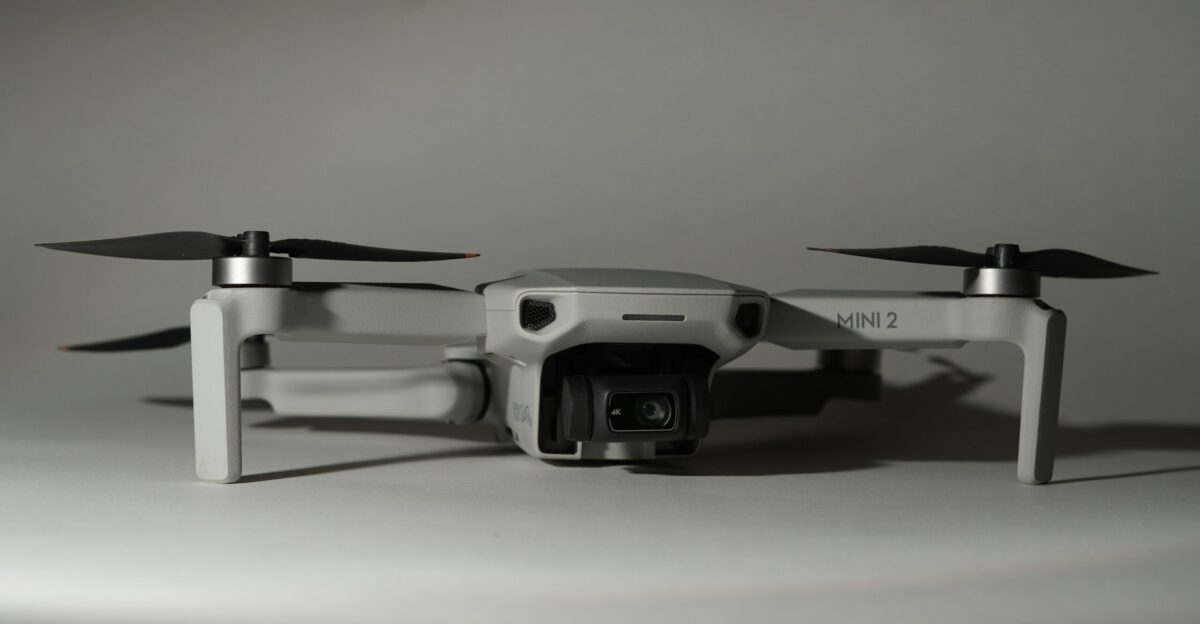
Chinese brands, led by DJI, control over 70% of the U.S. civilian drone market. Their accessibility is alluring, as drones are now increasingly used for recreation, delivery, agriculture, and law enforcement. However, federal agencies have begun raising alarms about the potential vulnerabilities that arise with the rapid adoption of these devices in sensitive areas.
“Every time I send my drone out, I can’t help but wonder where the data goes,” confides a drone operator in Texas. The intersection of tech and privacy paints a complex picture of opportunity and risk for users nationwide.
A Decade of Drones: The Adoption Journey
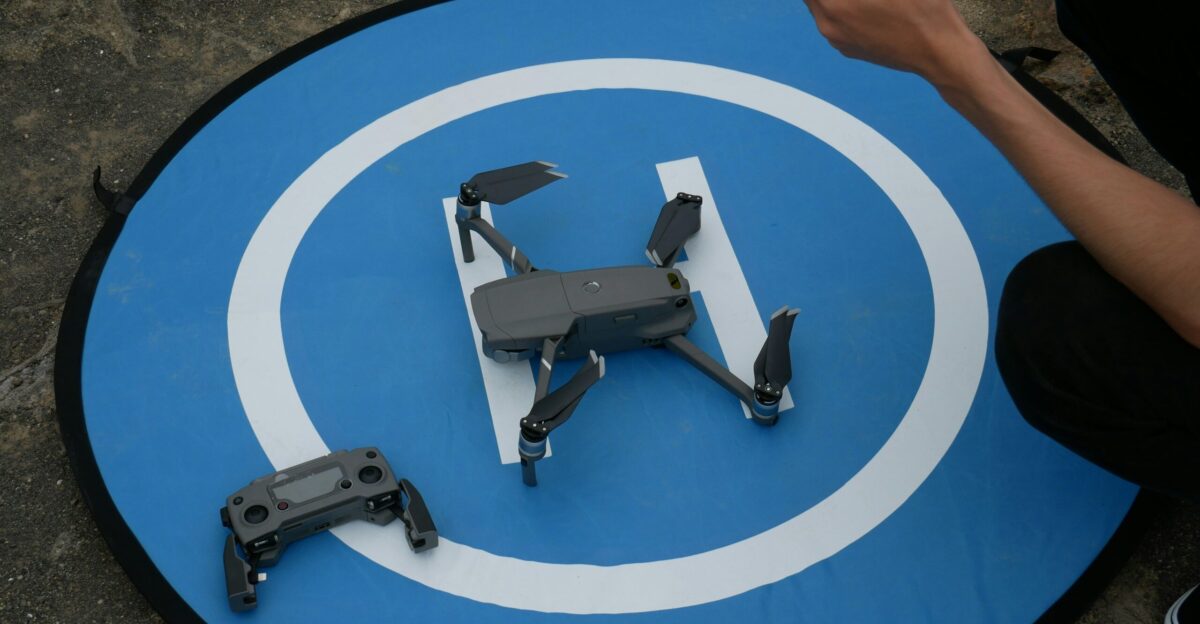
It has been nearly a decade since the first drones appeared in U.S. neighborhoods. Today, estimates suggest approximately 1.2 million registered drones are in the country, dramatically boosting their role in daily life.
A significant portion of this growth is attributed to innovative Chinese manufacturers, who have appealed to diverse consumers, from real estate professionals capturing aerial imagery to emergency responders leveraging drones for critical missions. “I rely on them daily for my business; they’ve become indispensable,” expresses a real estate agent. This evolution underscores an increasing dependence on these aerial devices.
Rising Concerns: Security Reviews Intensify
The proliferation of Chinese-made drones in essential services is causing federal officials to ramp up their scrutiny. As police departments and various industries adopt these UAVs, several congressional committees and regulatory bodies have demanded stricter reviews of procurement practices.
“It’s high time we reassess what we’re bringing into our homeland,” one legislator states, echoing the thoughts of concerned citizens. This situation has prompted increased calls for organizations to balance operational needs with national security imperatives, raising questions about the vulnerabilities posed by foreign technology in sensitive areas.
Government Crackdown: Legislative Action
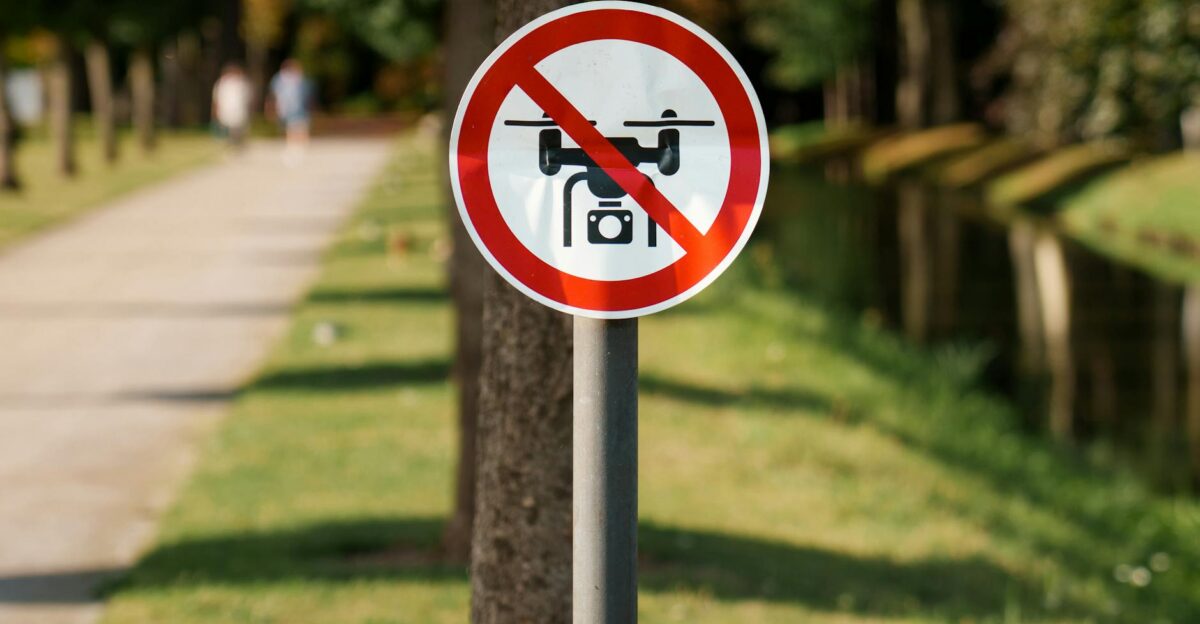
In September 2025, U.S. lawmakers took significant steps toward implementing the Countering CCP Drones Act. This impending legal framework seeks to ban new imports of DJI drones and restrict operations near sensitive sites.
The Department of Defense has prohibited the use of Chinese-made drones for government projects. “This act is about securing our skies,” remarks Senator Blumenthal, highlighting the urgent necessity of protecting privacy and national interests in an increasingly monitored world. As these legislative measures unfold, the landscape of drone usage in the U.S. is poised for a seismic shift.
Local Impacts: Police Dependence
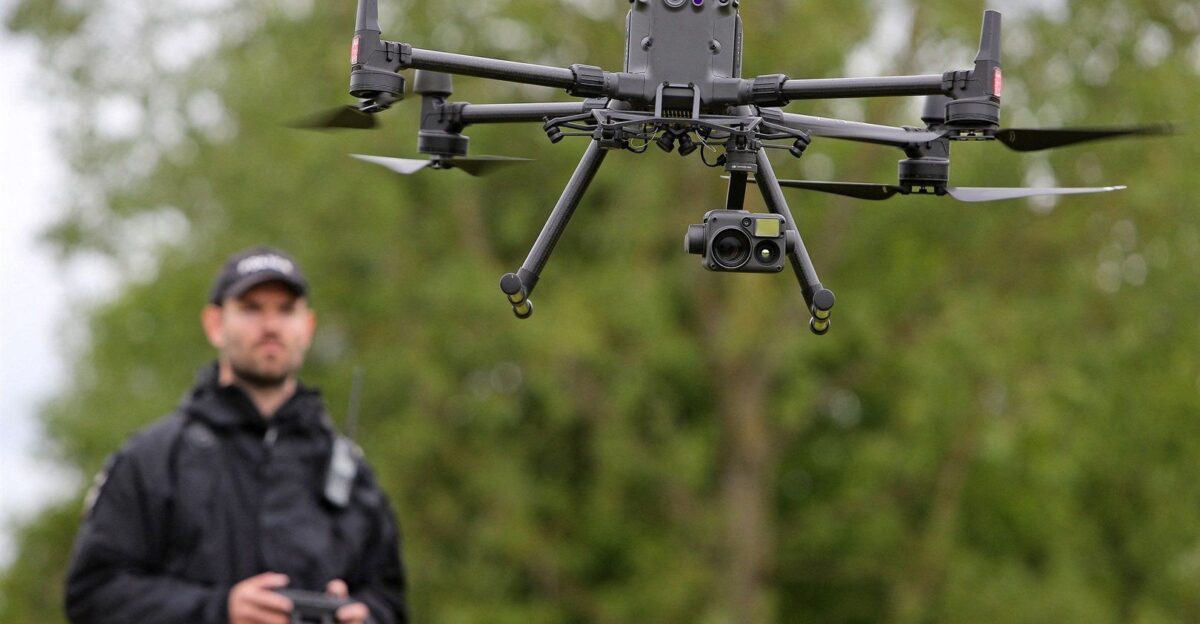
Drones have become integral to the operational capabilities of central metropolitan police departments, notably in cities like Los Angeles and New York. Many law enforcement agencies rely heavily on DJI drones for investigations and routine patrols. “They give us a bird’s eye view that we’ve never had before,” states a police chief in Los Angeles.
However, heightened reliance on these devices raises alarming concerns that sensitive data might inadvertently be transmitted to servers outside the U.S., igniting privacy fears among citizens. The path ahead is fraught with challenges that echo deeply within community trust.
A Human Perspective: Voices of Concern
In light of these growing apprehensions, various stakeholders, including law enforcement officials and privacy advocates, are voicing their worries. Senator Richard Blumenthal expressed, “Chinese-manufactured drones are a real and present threat to the security of this country.” This sentiment resonates with many communities seeking to safeguard their privacy.
“What we see as a convenience, others might see as a threat,” asserts a local farmer whose fields have become new drone flight paths. These conversations compel families and individuals to reconsider the brands they trust to guard their homes and freedoms.
Competing for Safety: The U.S. Response
In the wake of rising concerns, American competitors such as Skydio and Teal Drones are upping their game to provide secure, domestically manufactured alternatives. Government resources and consumers are increasingly exploring their options, influenced by tightening security requirements.
“We can’t afford to wait any longer; American innovation should lead,” states an industry analyst as policymakers rethink procurement strategies. This shift signifies a potential turning point as consumers prioritize security over cost, driving innovation in the U.S. drone manufacturing landscape.
Underlying Trends: Disconnecting from Foreign Tech
The drone debate extends beyond individual consumer choices and reflects broader geopolitical tensions influencing U.S. infrastructure. Similar to earlier concerns in the aviation and telecom sectors, American reliance on foreign electronics is facing unprecedented scrutiny. “This is more than a tech issue; it’s about our national sovereignty,” one expert notes.
The discourse surrounding drone procurement highlights a growing demand for domestic alternatives, encapsulating a movement toward “decoupling” from potential adversaries in a rapidly changing international landscape. As this trend grows, so does the call for robust, sustainable local technology.
Data Harvesting: A Critical Concern
Recent investigations indicate that specific Chinese drone models have been sending geolocation and imaging data back to servers in China, raising alarms about data security. “It’s unsettling to think my personal information could be at risk,” confides a technology consultant familiar with the issue.
In particular, vital infrastructure such as dams and power stations has been systematically mapped using commercially available drones, unveiling vulnerabilities that could be exploited. The implications stretch far beyond individual privacy; national security concerns are at stake, calling for reevaluating current practices.
An Internal Struggle: Law Enforcement Needs
Despite the evident security threats, many local police departments lean heavily on economical Chinese drone models. City police chiefs express their frustration, emphasizing the need for more secure alternatives that meet operational demands.
“We want the best tools for our officers, but finding reliable American products is challenging,” voices a sheriff from New Mexico. This tension exemplifies the difficult balancing between cost, security, and practicality. As the call for change grows louder, law enforcement must navigate uncharted waters for safer options.
A Shift in Procurement Priorities
The tide is turning as various government agencies begin to phase out Chinese-made drones. New federal regulations prioritize manufacturers certified by the Cybersecurity and Infrastructure Security Agency (CISA) and the Department of Homeland Security (DHS) for enhanced security measures.
“Compliance is no longer optional; it’s the future,” a federal procurement officer states. This shift in priorities echoes a growing recognition that national security must take precedence over cost savings, fundamentally reshaping the landscape of drone procurement practices moving forward.
Countering Allegations: A Chinese Perspective
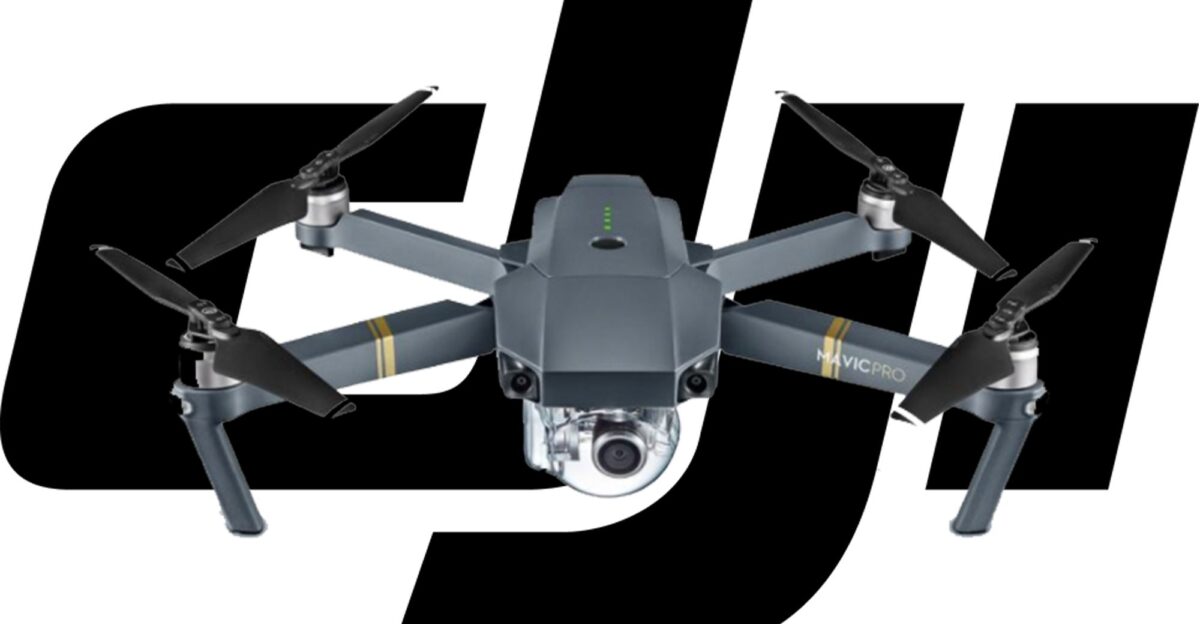
In response to mounting scrutiny, companies like DJI have publicly denied allegations concerning data mismanagement, asserting their adherence to U.S. data protection laws and offering transparency regarding their server practices. “We’re committed to building trust with our American customers,” asserts a DJI spokesperson.
However, despite these claims, sales have noticeably declined in the U.S. market as consumers lean towards more secure alternatives, showcasing the enduring impact of political pressure on business decisions. Many potential buyers opt for caution over convenience in an increasingly scrutinized landscape.
Experts Weigh In: The Debate on Security
Cybersecurity analysts maintain a cautious perspective, highlighting that risks surrounding data exfiltration cannot be mitigated solely by firmware updates or corporate assurances. “There’s a fundamental mistrust that runs deep,” states a technology analyst.
Government watchdogs have begun recommending regular third-party audits to ensure robust data isolation practices within the industry. As the calls for better security intensify, voices from the tech community echo a collective urgency to find solutions that will restore public trust and secure vital data from unintended breaches.
Navigating Future Challenges: A Costly Transition
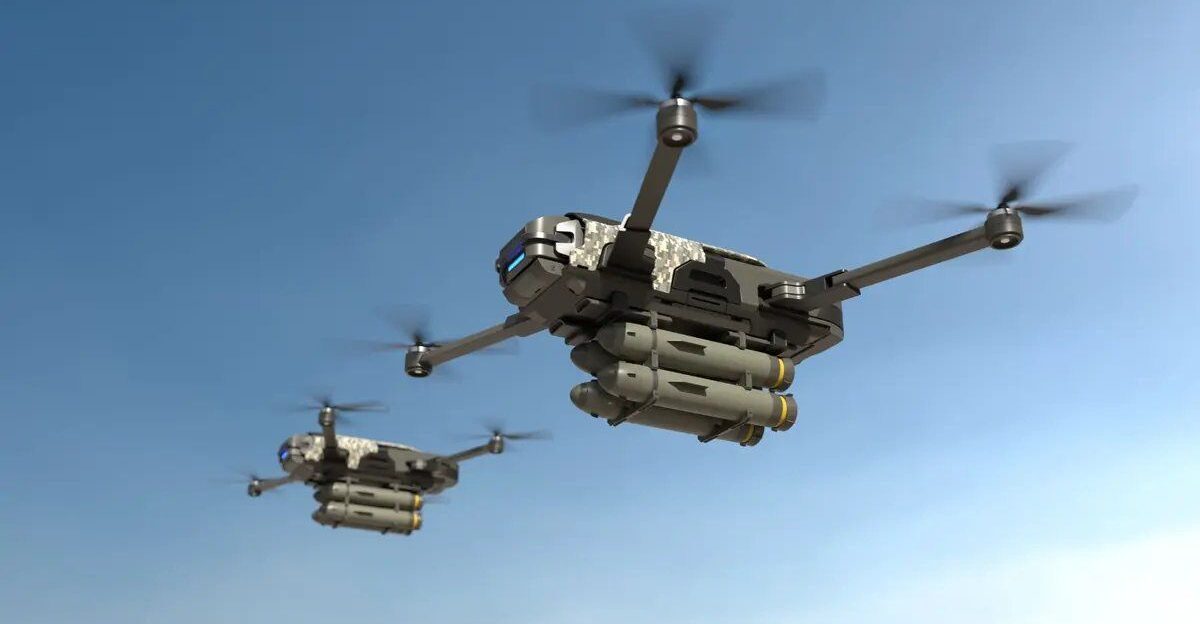
As impending bans expand, American consumers and government entities may soon face higher drone prices and challenging technical adjustments. “It’s a daunting prospect when new requirements come with new expenses,” a small business owner shares.
The Federal Aviation Administration (FAA) is signaling stronger oversight of drone data management, which will likely include mandatory security documentation for new devices entering the market. This evolving regulatory environment may pose obstacles for users accustomed to drone technology’s current availability and pricing.
Balancing Act: Policy Implications
Federal agencies are caught in a complex dilemma: they must weigh the imperative of national security against the operational necessities of day-to-day activities. “It’s a tough position; we need these tools, but we also need to keep our citizens safe,” a member of Congress acknowledges.
As state governments advocate for transition periods that allow new procurement without creating service interruptions, the push and pull of these competing interests reveal the intricate layers of policy-making at a pivotal moment for drone legislation. Navigating these changes will be critical for all stakeholders moving forward.
The New Frontier: Collaboration and Innovation

Collaboration between the government, the private sector, and regulators will be vital as the landscape evolves. “If we can come together, we can accelerate the development of safe, reliable alternatives,” an industry leader suggests. Partnerships could spur innovative solutions that align consumer needs with national security imperatives.
This could also open pathways for U.S. manufacturers and tech firms to present cutting-edge products to meet the shifting demands of consumers wary of foreign technology. Together, these stakeholders can forge a path toward safer skies for all.
The Consumer Voice: Shaping Industry Responses
Ultimately, consumer preferences are driving responses within the drone industry. “We want to feel safe flying our drones, knowing our data isn’t compromised,” a hobbyist states emphatically. As buyers increasingly prioritize security in purchasing decisions, manufacturers must adapt to meet these evolving demands.
This shift can steer the industry toward greater transparency and commitment to data safety. If consumers rally behind secure, domestic alternatives, companies will be compelled to innovate, creating an environment where trust is restored and national interests are prioritized.
The Future Landscape
The trajectory of drone technology in America is shifting rapidly, shaped by political, social, and economic pressures. “We’re on the cusp of a transformation in how we perceive and utilize drones,” predicts a tech analyst. Policymakers and consumers will play pivotal roles in determining the products available in the market moving forward.
As national security and privacy discussions continue to dominate, remaining engaged in this conversation will be essential for everyone involved. By staying informed, stakeholders can proactively shape a future that balances innovation with safety.
Navigating Change Together
As America navigates this new era of drone technology, collaboration, transparency, and accountability will be crucial. “We can’t do this alone; we all need to contribute to a safer tomorrow,” states a community activist concerned about privacy.
Whether through advocating for policy changes, supporting domestic manufacturers, or making informed consumer choices, everyone has a role in shaping the future of drone usage in the U.S. The interplay of technology, privacy, and security will continue to evolve, but together, we can create a landscape that prioritizes safety and innovation for all individuals and communities.