By early 2025, U.S. grocery inflation had surged to roughly 14.3% year-over-year, squeezing shoppers’ budgets and store margins.
Consumers hit by high food prices began hunting bargains: one industry report finds 79% of Americans now “look for discounts” and 60% are switching to cheaper brands.
\Against this backdrop, deep-discount chains have doubled down. For example, Aldi announced it would open 225 new U.S. stores in 2025 (reaching ~2,600 total), cementing its aggressive expansion. Meanwhile, traditional grocers face pressure to cut costs and reconfigure their businesses just to stay afloat.
Consumer Exodus
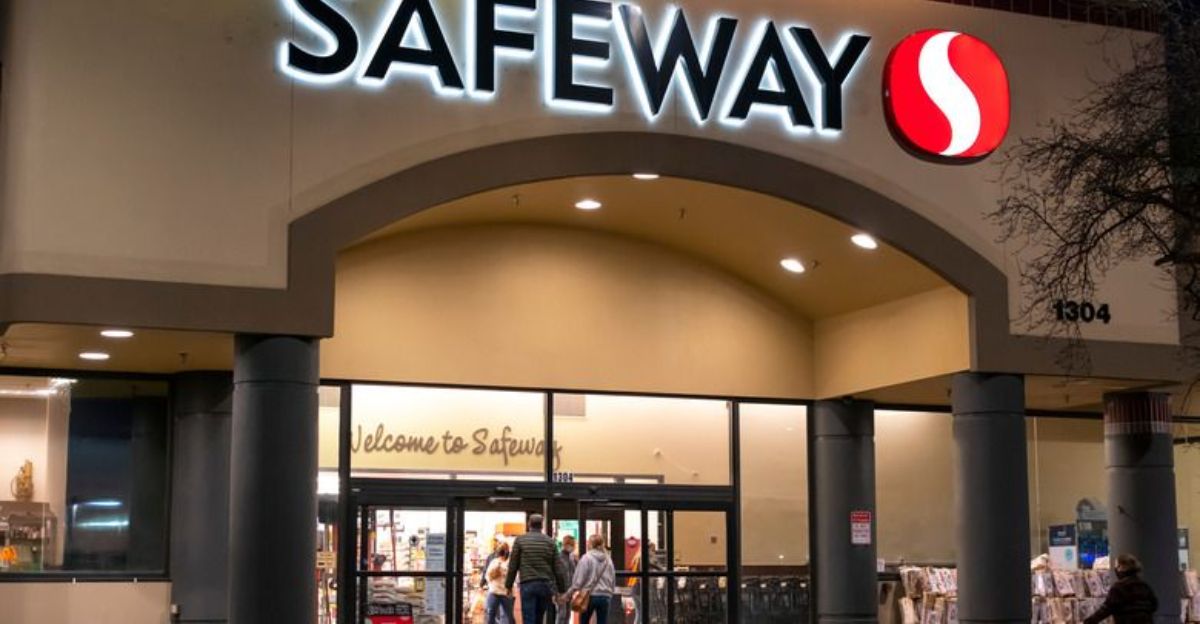
Shoppers are voting with their wallets. With sticker shock high, nearly 80% of grocery buyers report “trading down” to lower-priced alternatives.
They stock up on sales (41% now bulk-buy during promotions) and shift away from full-priced name brands (37% have cut back or switched to cheaper options).
Mass retailers and dollar stores are capturing growing market share. Even accounting for population, rural supermarkets are faring worse: analysis shows small-town grocery sales have fallen almost twice as fast (about a 9% drop) as in big cities. With local stores shuttering, many rural residents must travel farther for basics.
Merger Meltdown
The grocery world was rocked in December 2024 when courts permanently blocked Kroger’s proposed $24.6 billion merger with Albertsons. Judges agreed with regulators that combining these giants “would be bad for consumers,” as FTC Commissioner Henry Liu put it, calling the outcome “a historic win” to protect Americans from higher prices.
After years of buildup, the collapse leaves Albertsons without its much-hyped partner.
Executives now must fend off Walmart, Costco, and Amazon on their own. Industry experts note that Albertsons now scrambles for new strategies: one analyst warned that without a merger, Albertsons must quickly “differentiate itself” or risk falling even further behind its rivals.
Corporate Consolidation

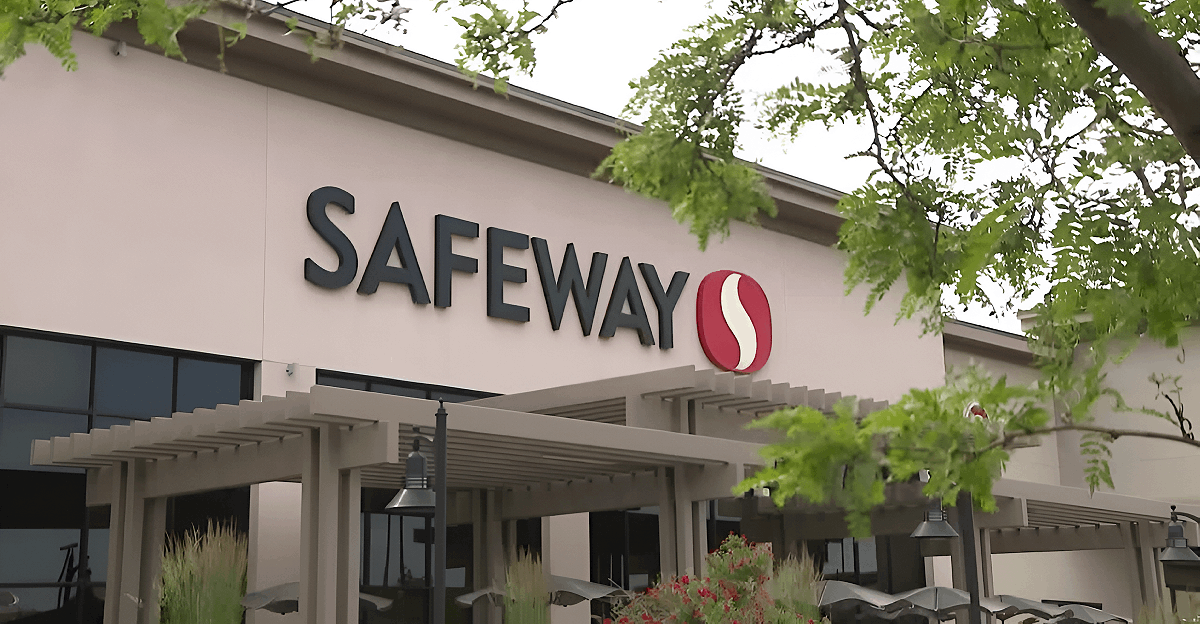
Almost immediately, Albertsons moved to reorganize. In early 2025, the company announced a three-year plan to cut $1.5 billion in costs. One early step was a wave of corporate layoffs: “more than 150 Safeway corporate employees” lost jobs in February, as CEO Vivek Sankaran said the chain must become “more efficient”.
Simultaneously, Albertsons merged regional divisions to streamline operations. For instance, it folded its Intermountain and Denver divisions into a single “Mountain West” division.
These moves signal a push to find savings and agility without the Kroger deal. Company statements framed this as strengthening core operations.
Closure Cascade
On Sept. 9, 2025, Albertsons’ Safeway banner confirmed it would shut 12 underperforming stores by Nov. 7 – 10 in Colorado and one each in New Mexico and Nebraska. A Safeway spokeswoman framed it as a necessary realignment: “We continuously evaluate the performance of our stores… and occasionally, after long and careful deliberation, it becomes necessary to make the difficult decision to close certain locations,” she said.
These closures were tied directly to the Mountain West restructuring. Safeway stressed it would “place affected associates in nearby stores wherever possible” as part of the transition.
The cuts covered both city and town stores (Aurora, Englewood, Denver, Colorado Springs, etc.), reflecting a shift toward leaner footprints. Locals were left reeling at the news.
Geographic Impact
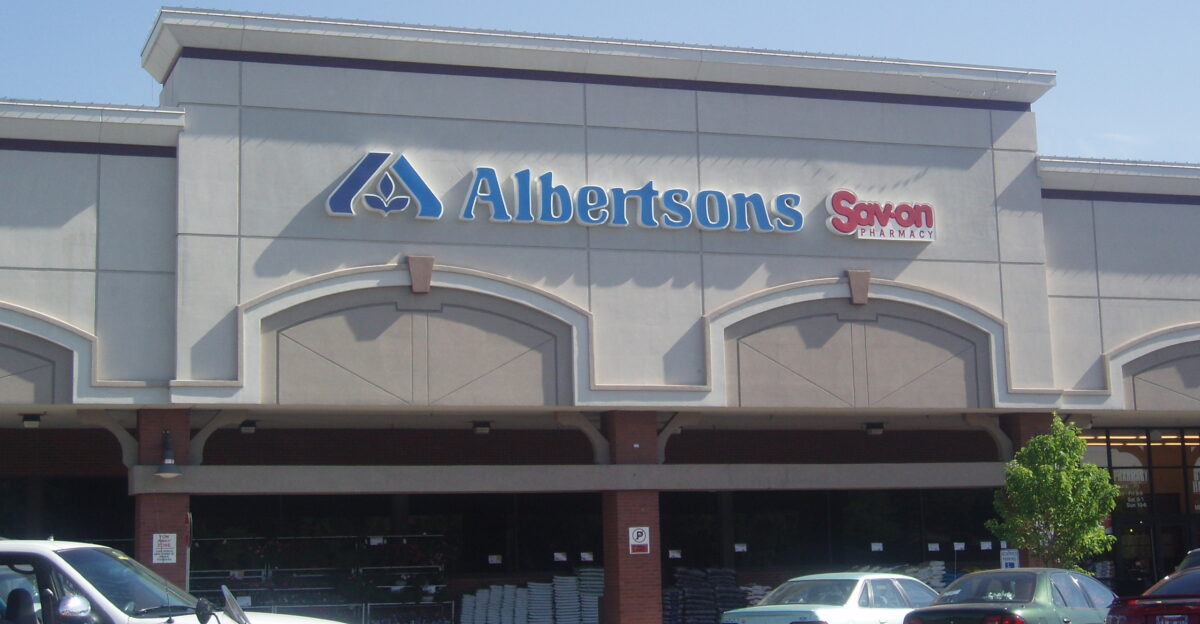
Colorado took the hardest hit. The 10 Colorado closures were scattered across metro and rural areas: Englewood, Northglenn, Denver, Aurora, and Fort Collins lost their Safeways, as did smaller cities like Loveland and the twin Colorado Springs locations.
In the south, Lamar and La Junta — where Safeway was the lone full-service grocer — also closed, alongside one lone Safeway each in Chadron, Nebraska, and Farmington, New Mexico. In all,
Hundreds of employees statewide were affected. Statewide officials noted the scale was unprecedented: Colorado’s ten closures made it the largest single-state divestiture event in Safeway’s history.
Human Cost
“This isn’t just a business, it’s part of our community,” Lamar Mayor Kirk Crespin told reporters after his town’s Safeway closure was announced. “Safeway has been more than just a grocery store — it’s been a part of Lamar’s daily life… a symbol of stability for generations.
Its absence will be felt deeply,” he said. The shutdown left 53 Lamar workers out of jobs. La Junta lost about 60 positions in its Safeway.
Residents expressed frustration and concern: La Junta shopper Abel Aguilar told a TV station, “We need this store open… we need to keep our money here”.
Union Backlash
The United Food and Commercial Workers union blamed corporate greed. UFCW Local 7 President Kim Cordova blasted Albertsons, saying these closures proved “Safeway/Albertsons has chosen to put the interests of Wall Street fat cats ahead of ordinary working Coloradans”.
Cordova noted that for rural areas like Lamar and La Junta, losing the Safeway means residents now must drive “at least 60 miles” to reach the nearest supermarket.
UFCW officials contend the pattern shows a company prioritizing investor returns over employee and community welfare. Earlier in the year, Cordova’s union had already waged a hard fight with Safeway over labor terms, and the store cuts have further strained labor relations in the region.
Industry Transformation
The Safeway exits highlight a broader shift in groceries: traditional supermarket formats are under siege from value-oriented models. Consumers continue trading up private-label goods and discount lines. In fact, store-brand and lower-cost products have surged in value sales amid inflation pressures.
In the U.S., private label spending has outpaced national brands; one study shows customers overwhelmingly cite store brands’ price advantage. Chains are responding.
Many grocers are expanding smaller, hard-discount concepts. For example, H-E-B and Kroger roll out low-price banners like Joe V’s and Ruler Foods (Hy-Vee’s Dollar Fresh) to chase budget shoppers. In Europe, mergers are also rising as chains seek scale: M&A among European grocers jumped 31% from 2019 to 2024.
Labor Tensions
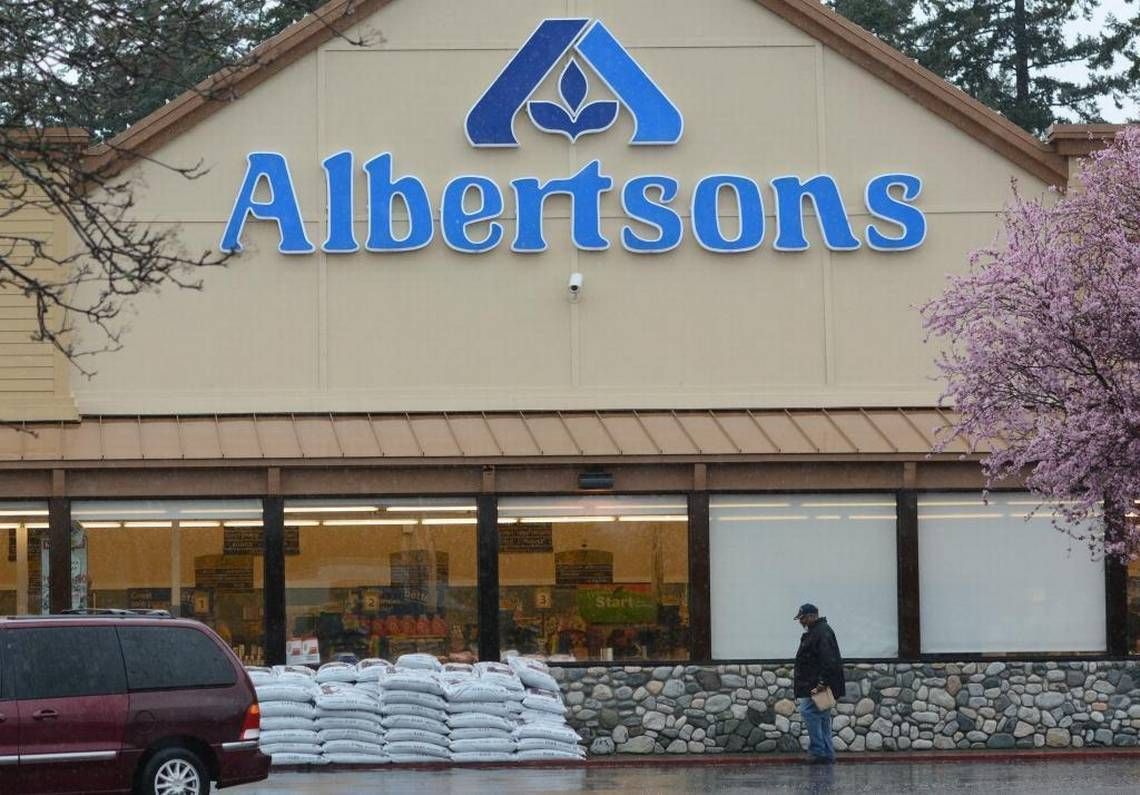
These store closings cap a tense standoff with labor. In July 2025, Safeway workers in Colorado waged a two-week strike over pensions and healthcare, eventually ratifying a deal with modest wins.
Safeway later acknowledged that the strike’s fallout increased operating costs. Mayor Crespin reported the company told him the Lamar store was closing partly due to “decreased sales [and] increases in labor costs from the recent Safeway strike”.
Union demands and rising benefits were cited among the reasons for pruning underperforming locations. Local labor leaders call this unfair blaming of workers for a corporate strategy.
Financial Pressure
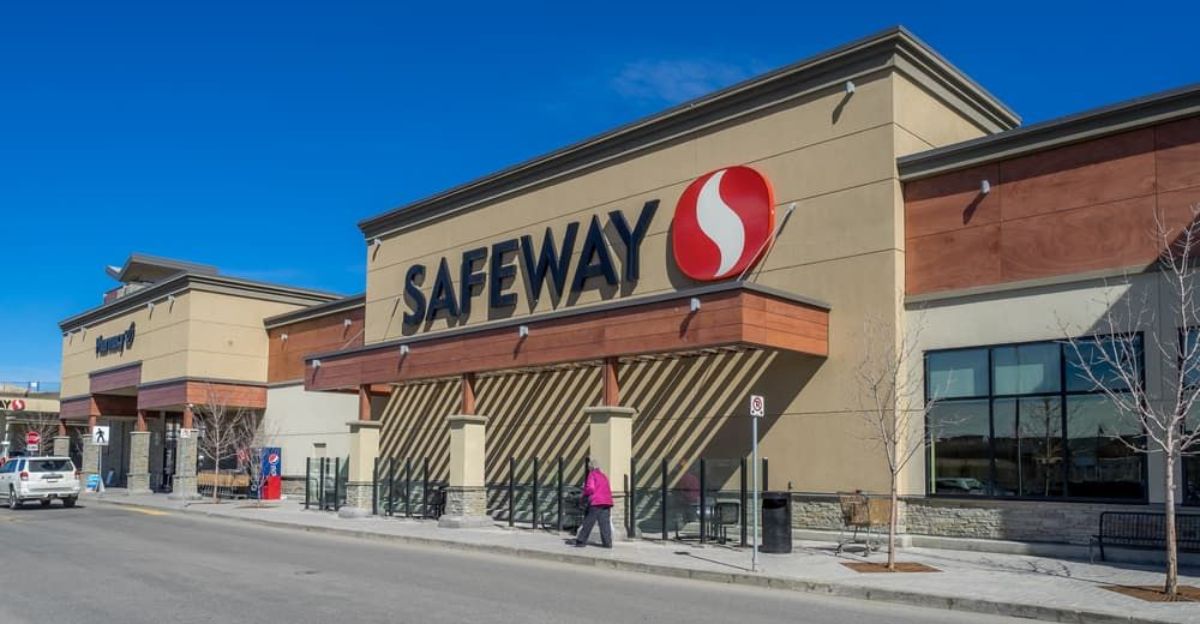
Behind the scenes, Albertsons’ financials were sagging even before the store cuts. In Q3 2024, the chain saw only modest sales growth (+1.2% year-over-year) and flat in-store traffic. Digital orders helped – online grocery sales jumped 23% – but profit margins were under pressure.
Adjusted EBITDA fell from $1.106 billion to $1.065 billion year-over-year. High-margin pharmacy sales grew, but offsetting that was the cost of home delivery and pandemic-era benefits.
Gross margin slipped to 27.9%, hit by the surge in lower-margin prescriptions and digital delivery costs.
Strategic Pivot
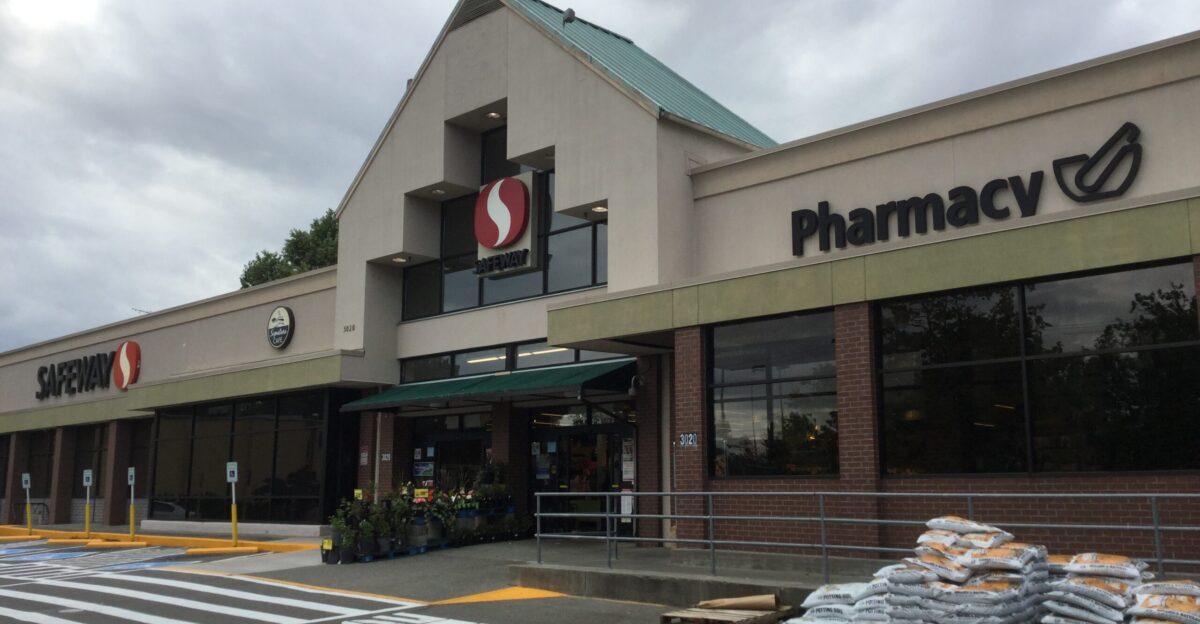
CEO Vivek Sankaran framed the year’s upheavals as a chance for renewal. With the merger off the table, Sankaran told investors that Albertsons must pursue “productivity improvements” on its own.
Indeed, executives described a “governance” around cutting pennies, aiming for $1.5 billion in savings (the same figure tied to the now-scrapped merger). Part of this plan involved shifting higher-cost jobs overseas.
In mid-2025, Albertsons announced a new global tech center in India to centralize IT functions. Overall, company communications emphasized disciplined cost control over bold new store rollouts: as one insider put it, “finding pennies everywhere” has become “part of the fabric of the company”.
Recovery Efforts
Albertsons insists it will try to ease the transition. The company promised to relocate displaced staff “wherever possible,” offering transfers or openings at nearby stores. Safeway’s corporate statements also highlight a plan to plow savings from closures back into its remaining locations.
Spokeswoman Heather Halpape told a TV reporter that the cuts would “enable us to continue investing in our store network and better align with evolving customer needs”.
On the operational side, the new Mountain West Division aims to leverage its larger scale to cut redundancies and lower costs. This means store managers will span more stores, and regional buying will be centralized.
Market Skepticism

Analysts remain unconvinced that these measures can fully level the playing field. Grocery experts note Albertsons is essentially redeploying its Kroger merger strategy in a piecemeal fashion – cutting jobs and stores – but still faces the same challenges from Walmart and Amazon.
CFRA Research’s Arun Sundaram warned investors, “If we don’t see significant sales momentum by 2026, people will be raising red flags”.
Another consultant, Jordan Berke, points out that Albertsons is “two to three years behind Kroger” in key areas like digital and loyalty. He argues an undifferentiated mid-market grocer must become “more compelling” or risk losing relevance.
Rural Reckoning
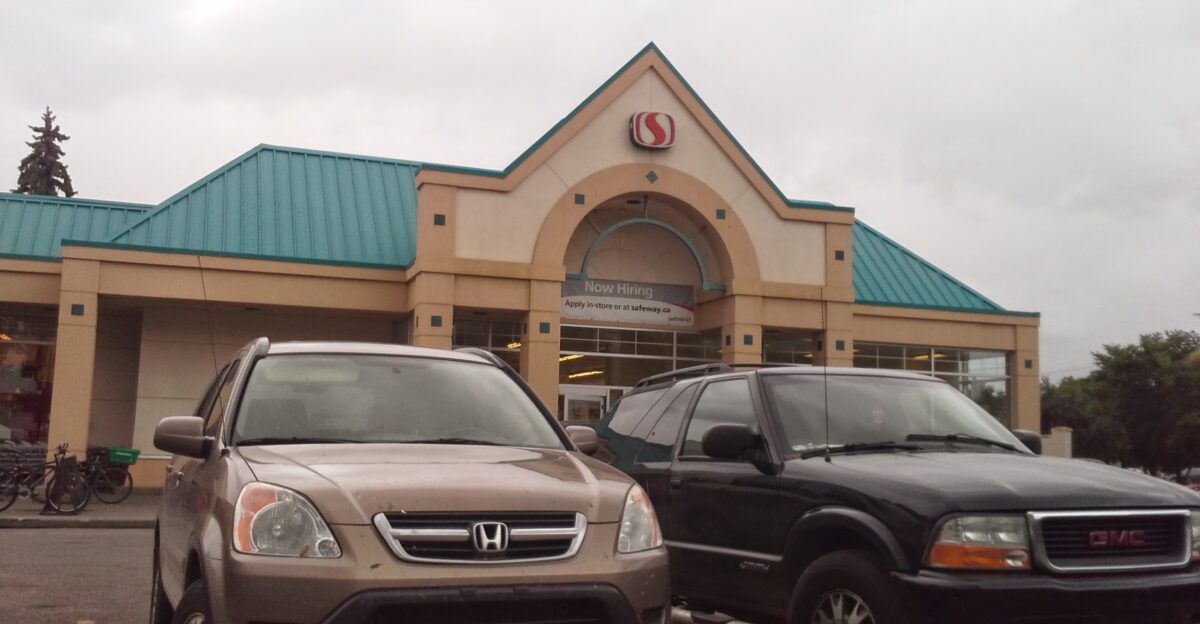
For towns like Lamar and La Junta, the Safeway exits are a stark reckoning. Without their only full-service grocers, these communities now face potential food deserts. “We might have to go to Pueblo to do our shopping,” said one La Junta resident, underscoring how options have shrunk.
Local officials vow to recruit new grocery providers, but experts are grim. As a Center for Rural Affairs study noted, when a grocery leaves town, it can accelerate a “path to further depopulation and economic decline” – new families often won’t settle in a place without convenient food access.
In the short term, residents will depend on distant stores and nonprofit food programs.
Policy Implications
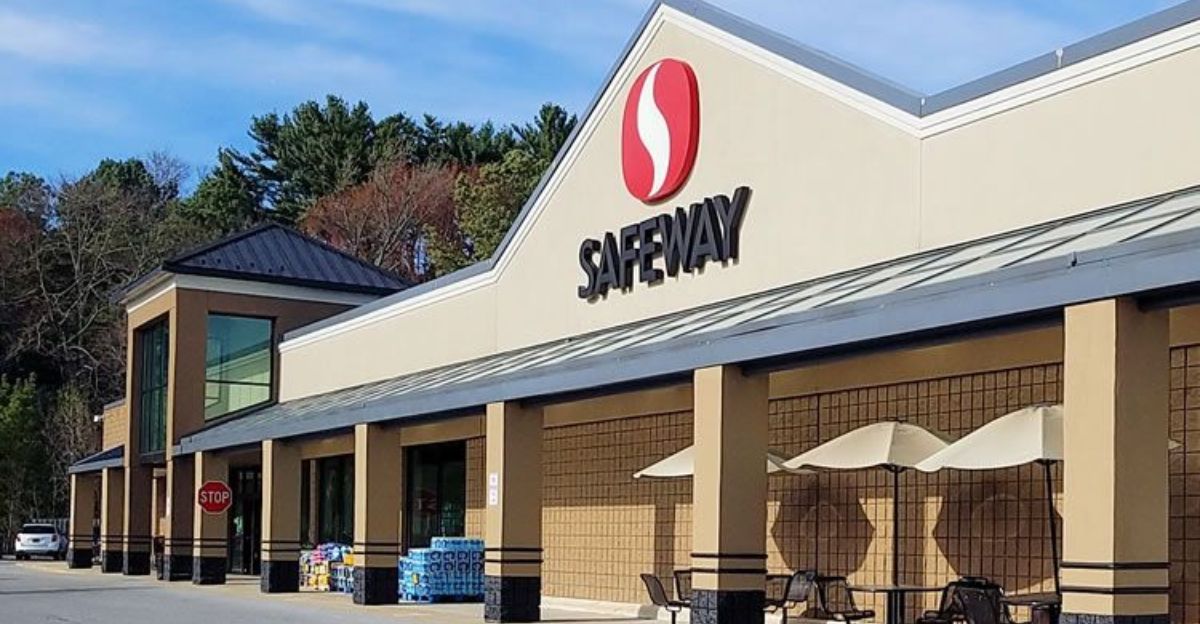
This local upheaval also reshapes the broader policy debate. Colorado’s Attorney General Phil Weiser had been one of the strongest voices against the Kroger-Albertsons tie-up, arguing it would hurt consumers. He even sued Kroger, alleging the company engaged in anticompetitive practices during past strikes.
With the merger now void, some observers note an irony: the merger ban may have led Albertsons to rationalize stores anyway. If true, it raises questions about unintended consequences.
Did blocking the deal simply force Albertsons to consolidate by other means, with rural communities paying the price? These Safeway closures will likely be a talking point in future antitrust debates – a cautionary example of how interventions can play out in complex ways.
National Ripple
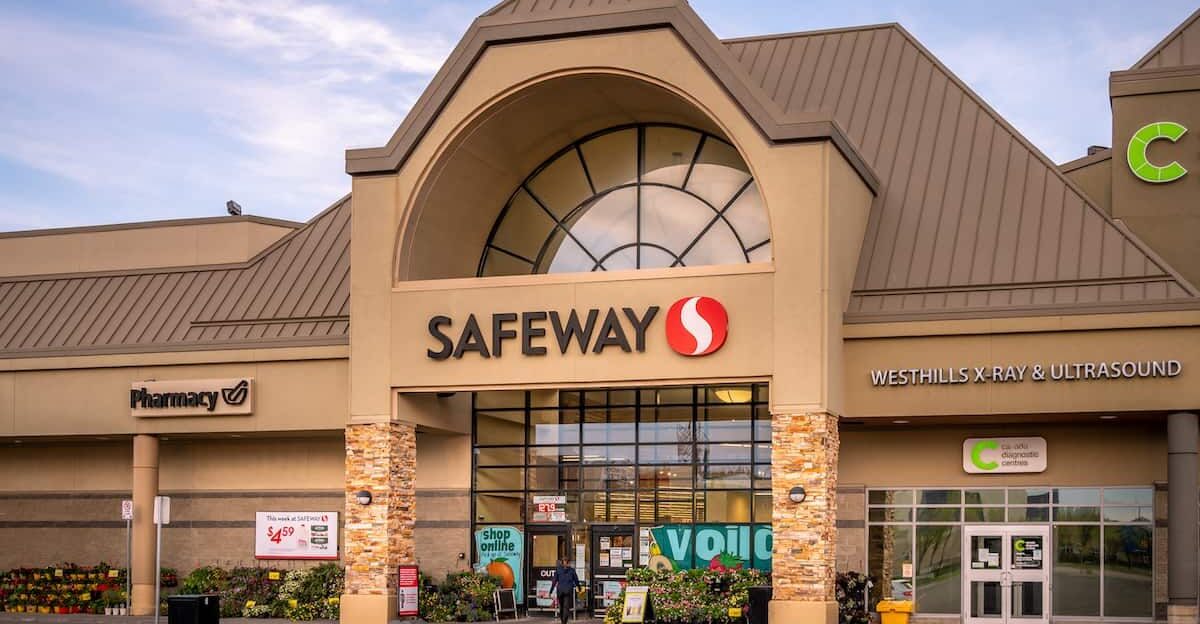
Safeway’s retreat reflects a nationwide trend. Even before 2025, the USDA had identified hundreds of rural “food deserts” – counties where residents must drive 10+ miles to a supermarket.
Experts warn that as chains consolidate, more counties could join that list. Rural America has already lost thousands of grocery stores in recent decades; today, roughly 418 counties are fully designated food deserts.
Meanwhile, the consolidation extends overseas. European grocers have doubled down on mergers – M&A activity jumped 31% from 2019 to 2024 – as chains seek scale to cut costs. In markets from the Plains to the Pyrenees, the grocery business is contracting into fewer, larger players.
Economic Consequences
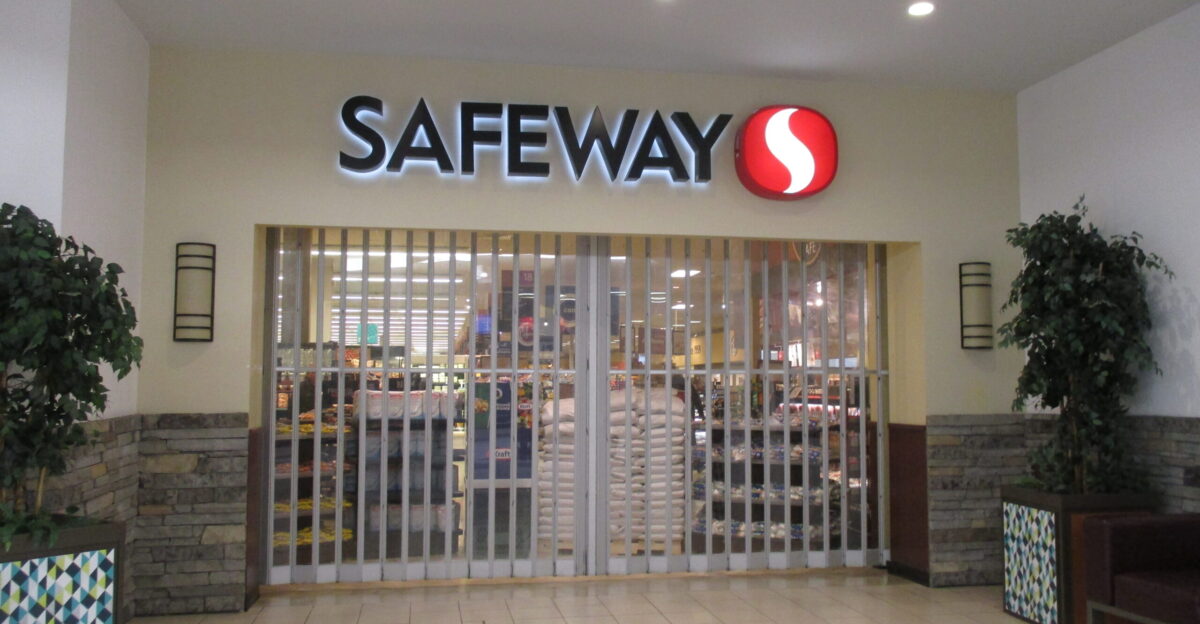
Local leaders warn that this goes far beyond food. A grocery store often anchors a town’s economy and public finances. Losing one can trigger a vicious cycle: sales and tax revenues drop, making it harder to fund schools and services.
Young families may choose other towns, fearing the inconvenience of shopping out of town, which further erodes the customer base. Health researchers also note the human cost: areas without groceries see worse diets and worse health.
In fact, USDA data show rural mortality from heart disease and diabetes is 43% higher than in urban areas – a gap experts directly link to limited access to fresh food.
Generational Shift
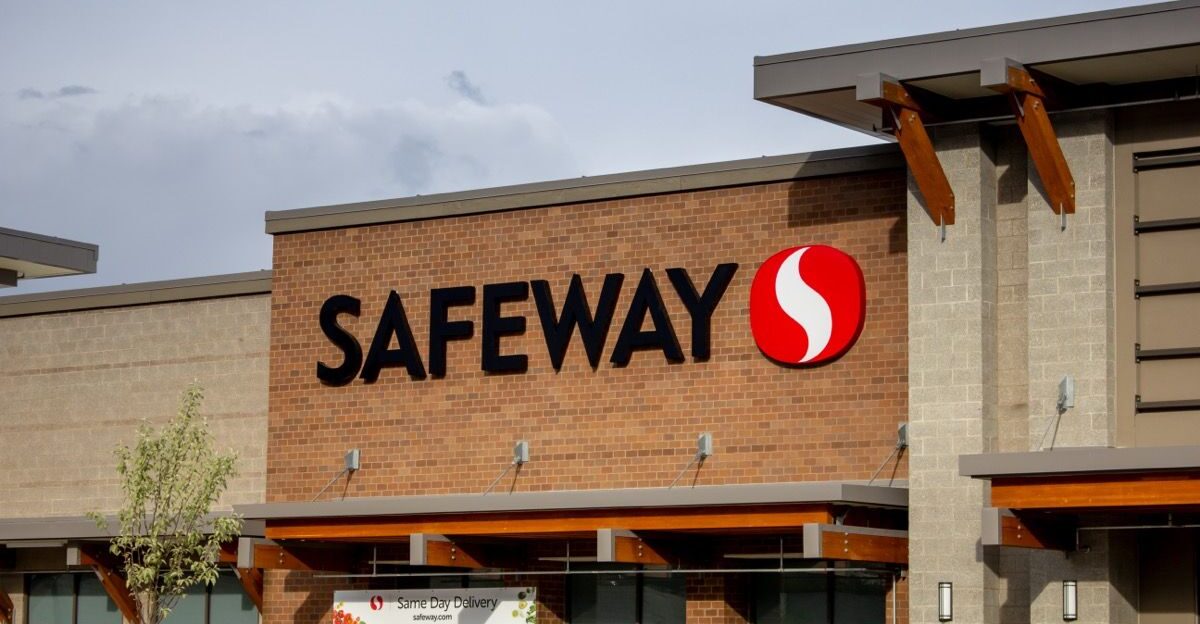
Underlying these patterns is a demographic change: younger shoppers are far less brand- or store-loyal than their elders. Recent surveys show only 55% of Americans stick with a single grocery store – but among Millennials that number falls to roughly 50% as they hunt every deal.
Price matters more than ever to Gen Z and Millennials. They are buying in bulk on sale days (41% do so) or replacing brands with generics to save money (37%).
This shift challenges traditional loyalty. Where older customers may have tolerated small local grocers, younger consumers are embracing national discounters, club stores, and e-commerce.
Future Framework
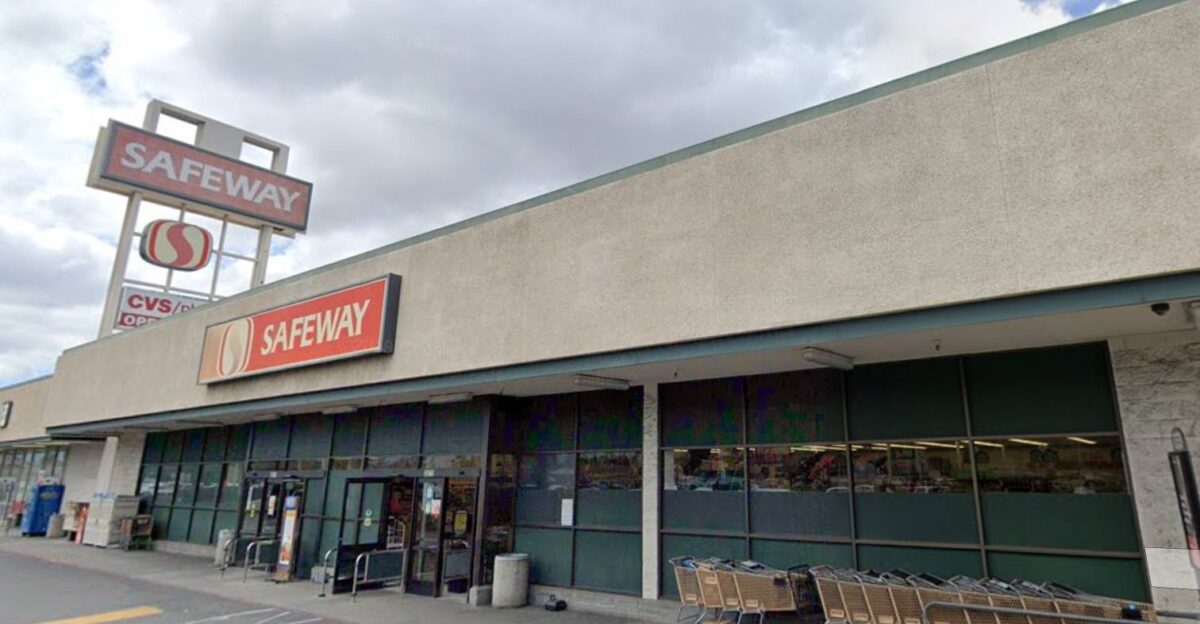
The Safeway cuts exemplify how U.S. grocery retail is prioritizing scale and efficiency over community presence. As traditional chains abandon marginal stores, rural areas will likely have to innovate new solutions or face longer-term hardship.
Experts urge communities to develop alternative food distribution models: things like cooperative markets, community-supported agriculture, expanded farmers markets, mobile grocery vans, or public incentives for new entrants.
Without such steps, small towns risk becoming permanently isolated from affordable, fresh food.