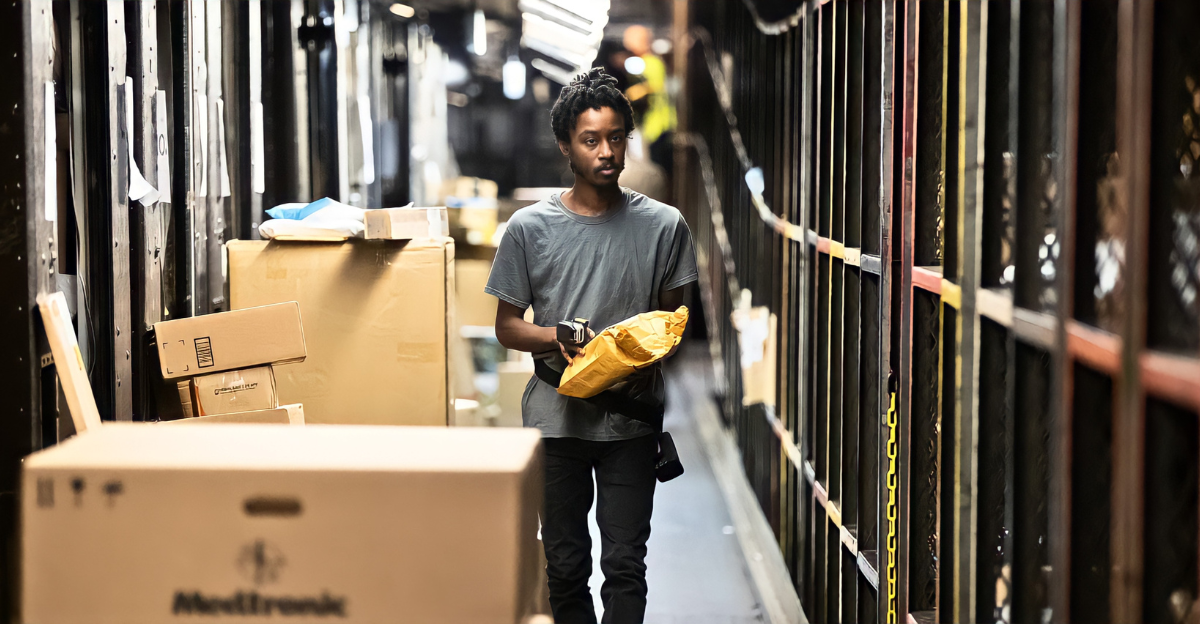
A sudden tariff shift has sent shockwaves through America’s logistics sector, triggering an unprecedented collapse in overseas shipping volumes. The effects began quietly, but industry insiders soon recognized that significant disruptions awaited them in the coming days. As one warehouse operator put it, “We’ve never seen anything like this.
It’s as if the floor dropped out from under us.” Numbers from various sources illustrate the dramatic changes that are reshaping the landscape, showcasing the challenges that operators must confront head-on. The historic context highlights the stakes involved, with the potential for widespread repercussions for jobs and economic stability.
Tariffs and Their Impact
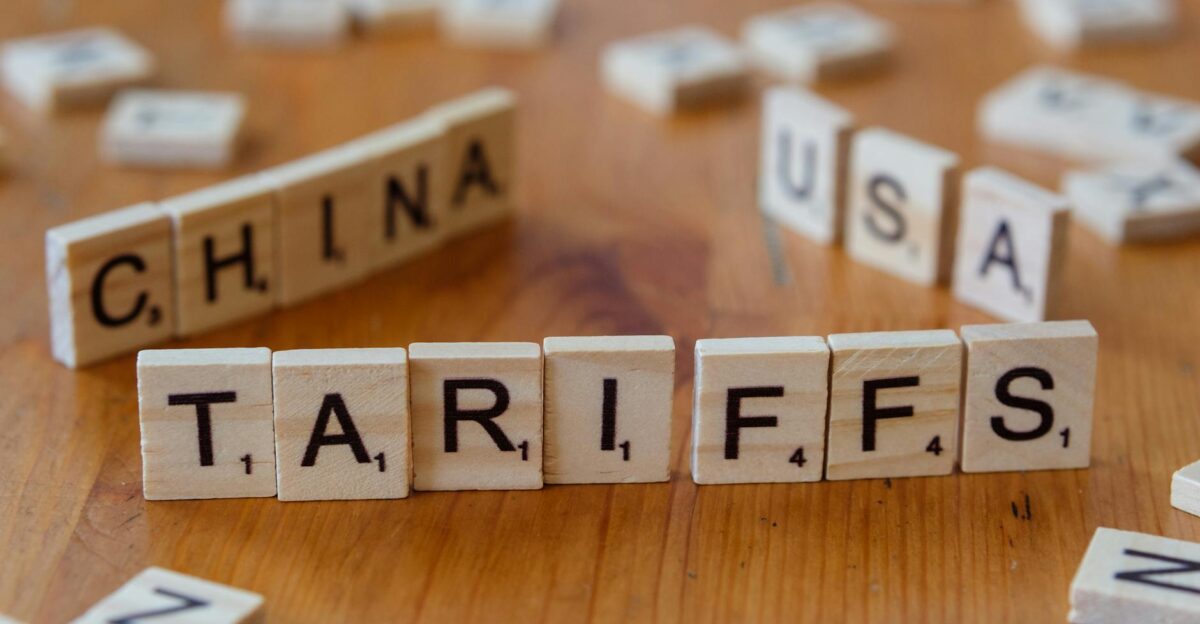
The new government tariffs reverberated throughout supply chains, compelling fulfillment centers and postal services to rethink their business models rapidly. Analyst assessments reveal that over $3 billion in shipments were either delayed or rerouted almost immediately.
As one supply chain analyst remarked, “The repercussions of these tariffs are just beginning to be felt, and the long-term effects could be devastating.” Alongside these financial implications persists a looming threat of job losses, with managers bracing for a wave of layoffs in the coming months. The urgency for companies to adapt to these changes cannot be overstated, as the landscape continues to shift unpredictably.
Understanding the Policy Shift
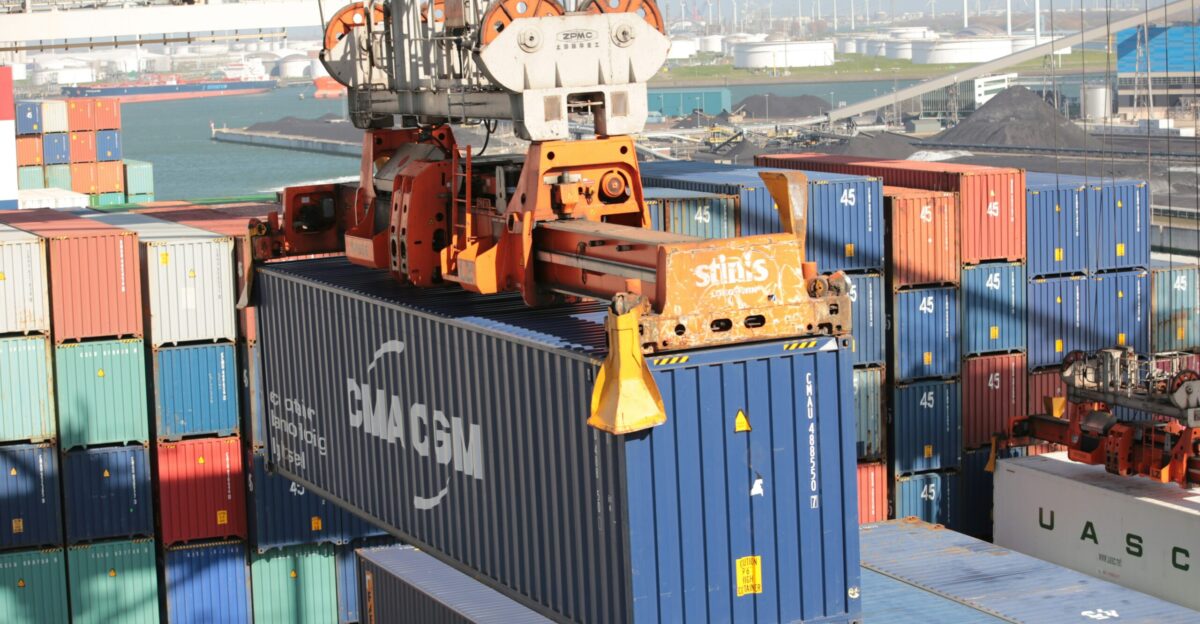
The de minimis exemption, a crucial element of global e-commerce, allowed packages valued under $800 to enter the U.S. tariff-free. Its abrupt removal marks a significant turning point in regulatory policy, fundamentally altering how retailers and postal operators conduct international sales.
A logistics expert reflecting on the change stated, “This has turned the shipping world upside down.” Retailers are now faced with additional layers of complexity and costs, fundamentally reshaping their operational approaches. The implications for both small businesses and e-commerce giants are profound, prompting urgent strategic evaluations across the sector.
Warnings from the Field
In early August, warehouse managers began to raise alarms as international partners hinted at potential service suspensions. By late August, major U.S. gateway ports reported record-low package volumes, an ominous sign of the disruptions that were cropping up nationwide. “It felt like a dark cloud was hanging over us,” a warehouse manager in California shared.
The impact on supply chains has been swift and severe, with businesses scrambling to adjust. As fulfillment centers faced the grim reality of changing circumstances, operations began to tense, setting the stage for further fallout across various sectors.
A Dramatic Collapse
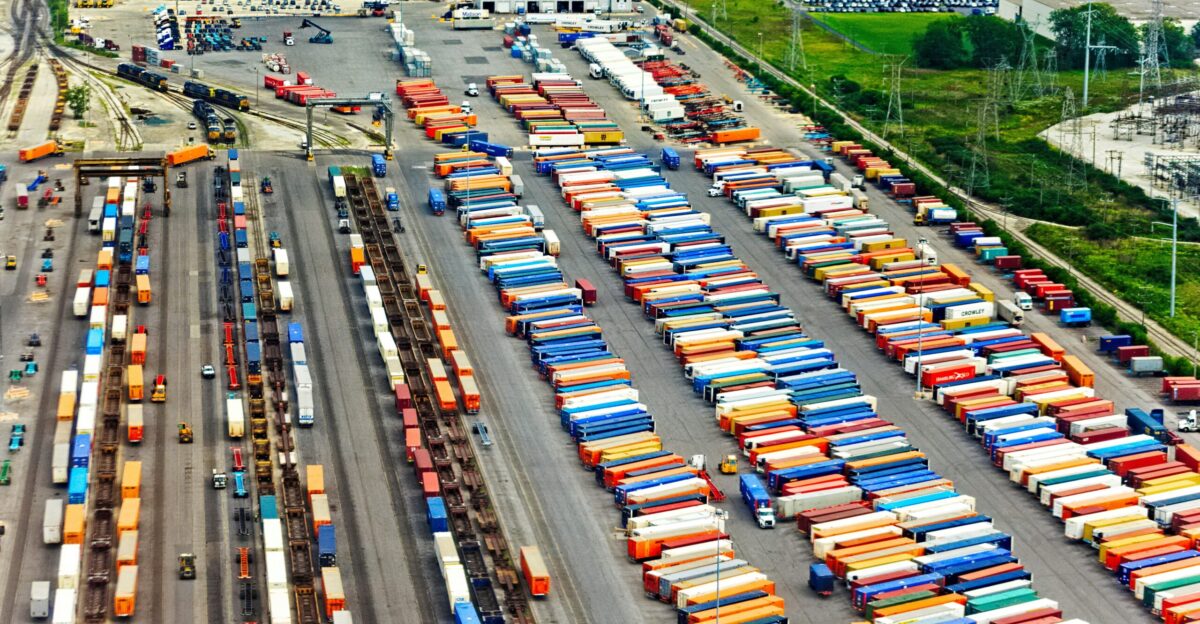
On August 29, 2025, inbound postal traffic to the U.S. plummeted by more than 81% within mere days of the new tariffs taking effect. Major postal operators from over 80 countries suspended or limited U.S.-bound shipments.
The sense of urgency was palpable, with a postal executive stating, “We never imagined it would happen this quickly.” The immediate and severe ramifications of such a drastic reduction in shipping volumes became increasingly apparent, as businesses rushed to find solutions. The crisis deepened, posing existential challenges not just for postal services but also for the wider logistics framework across the nation.
Regional Job Risks
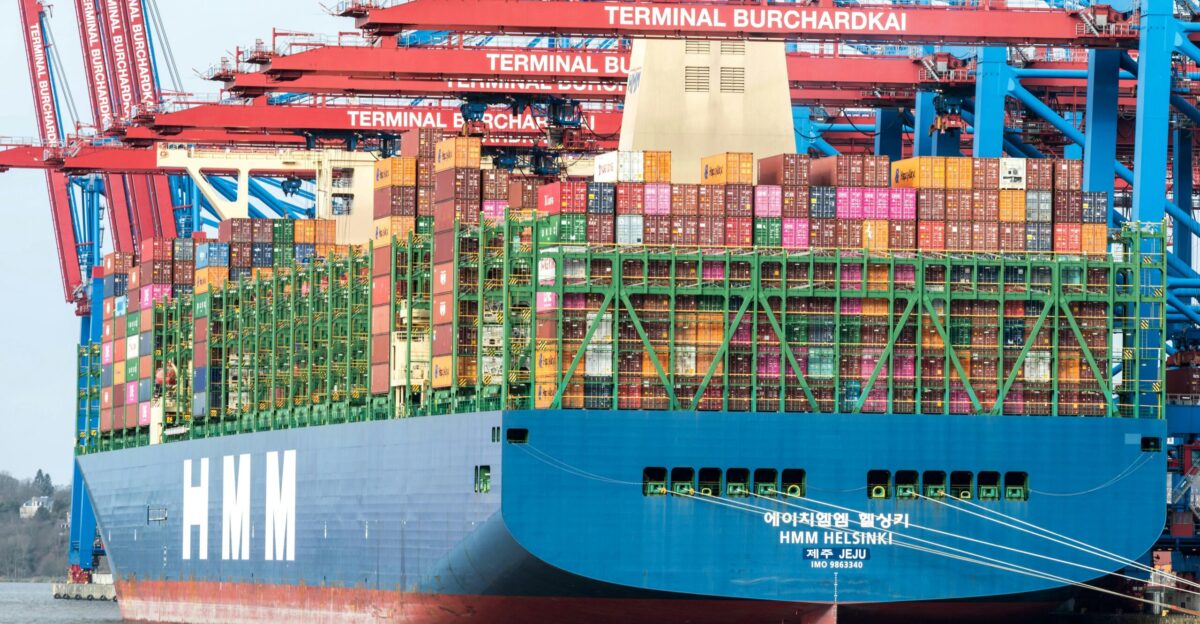
The fallout from these events placed warehouse jobs in states like California, Texas, and Illinois at immediate risk. As inbound shipments dwindled, managers imposed hiring freezes, while some firms openly discussed the prospect of layoffs.
A fulfillment center manager expressed concern, stating, “Our entire workforce is on edge, and it’s heartbreaking to consider the possibility of job losses.” Union officials convened urgently to discuss contingency strategies and retraining opportunities for employees facing uncertainty. The emotional toll of these changes is weighing heavily on workers who face an uncertain future in an industry historically characterized by stability.
The Human Side of the Crisis

Amid the chaos, individual stories emerge that highlight the human costs of these economic shifts. “I lost hours almost overnight,” lamented a warehouse worker in Chicago, reflecting on reduced shifts and looming employment concerns. Another manager in Texas confirmed that layoffs had already begun, particularly impacting temporary staff.
The deeper human toll became increasingly evident as packages disappeared from loading docks. America’s workforce, so reliant on the flow of goods across borders, now grapples with heartbreak and uncertainty. In the face of these changes, solidarity within affected communities grows, as individuals seek to support one another during challenging times.
Adapting to New Realities
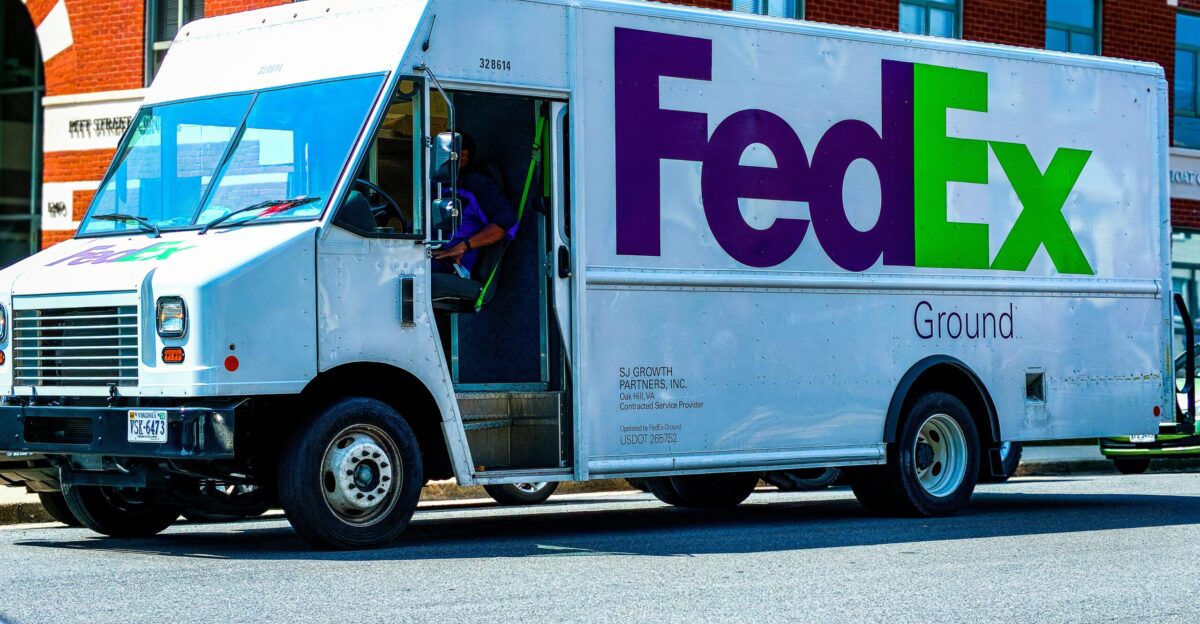
In response to the crisis, major firms like Amazon and FedEx tweaked their strategies, temporarily pausing certain international programs while focusing on boosting domestic shipments. Meanwhile, smaller fulfillment companies faced mounting financial losses and were swiftly exploring partnerships to maintain viability.
“We are desperate to find new ways to keep our heads above water,” shared a small business owner. Regulatory filings indicate an uptick in lobbying efforts, as companies scramble to influence policies that directly affect their operations. The race to adapt is fierce, with businesses striving to secure their futures amidst an evolving market landscape.
Broader Economic Repercussions
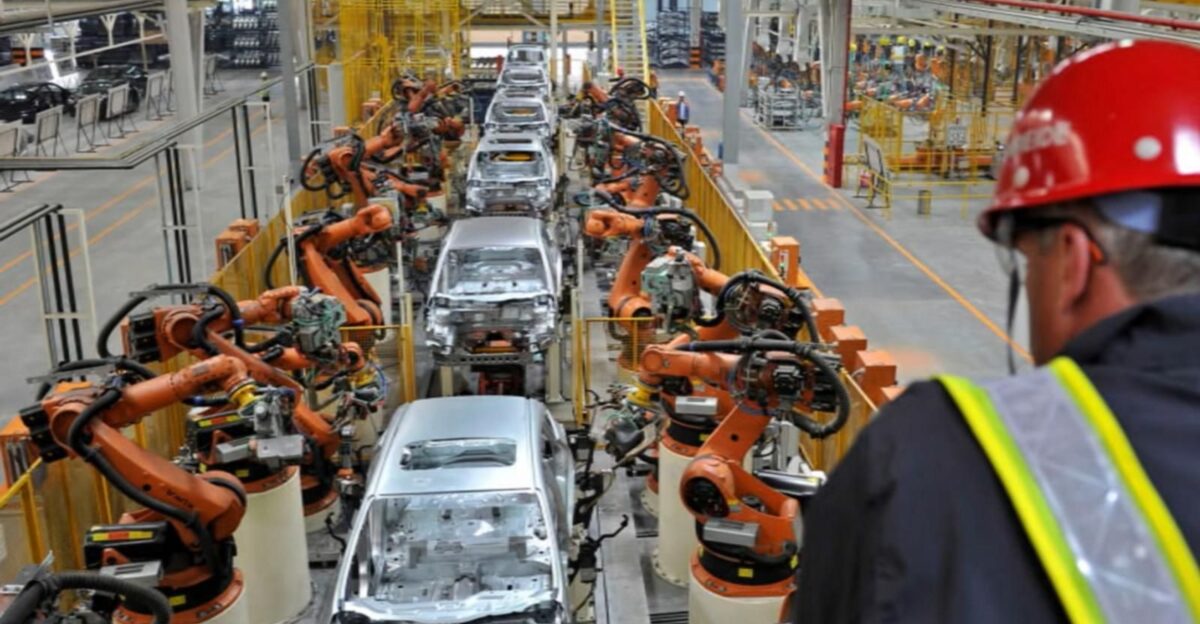
The ramifications extend beyond logistics, with U.S. manufacturing sectors also feeling the pressure. Reports indicated a loss of 12,000 jobs in August alone, a figure that stunned industry insiders. Major automakers cited the tariffs as a significant factor behind workforce reductions, while analysts warned that declining e-commerce figures could send ripples across broader retail and logistics domains.
“This is just the beginning of a much larger story,” warned an economic analyst. The intertwined nature of these sectors ensures that the economic landscape will remain volatile in the face of continued uncertainty.
Expanding Global Impact

As the crisis deepened, several Asian and European postal operators halted shipments to the U.S., redirecting their business focus elsewhere. Notably, Australian Post suspended nearly all U.S.-bound services, exacerbating delays for countless customers. “It’s frustrating to see the mail just stop,” a frustrated customer recounted.
This shift placed additional strain on already burdened American warehouses, creating a domino effect of challenges that resonate with workers on the ground. The global outlook for shipping is fundamentally altered, highlighting the interconnected nature of international trade and its repercussions on everyday lives.
Tensions Among Stakeholders
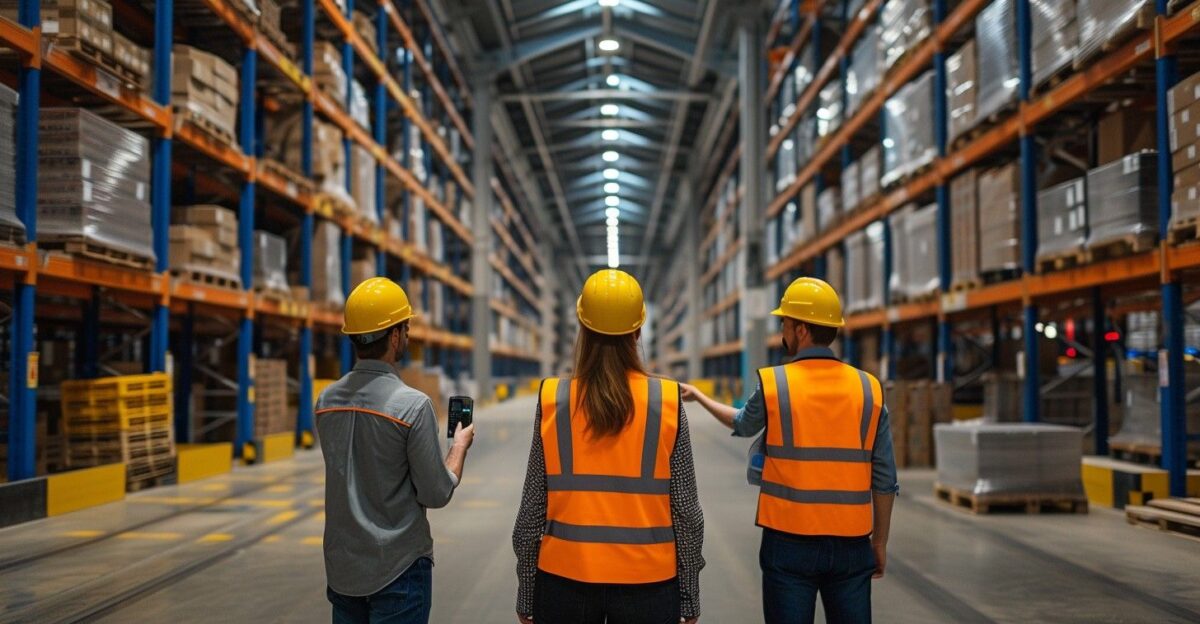
Tensions mounted as warehouse executives voiced their frustrations with unpredictable changes, urging government and carrier partners to provide clarity on the revised regulations.
A prominent logistics CEO asserted, “We need a fair and gradual transition, not these sudden shocks.” The disconnect between policymakers and the logistics sector has become painfully apparent, leading to confusion and anxiety. Stakeholders across the board recognize that a cohesive response is needed to address the far-reaching implications of the tariff changes, emphasizing the importance of collaboration and communication moving forward.
Shifts in Leadership
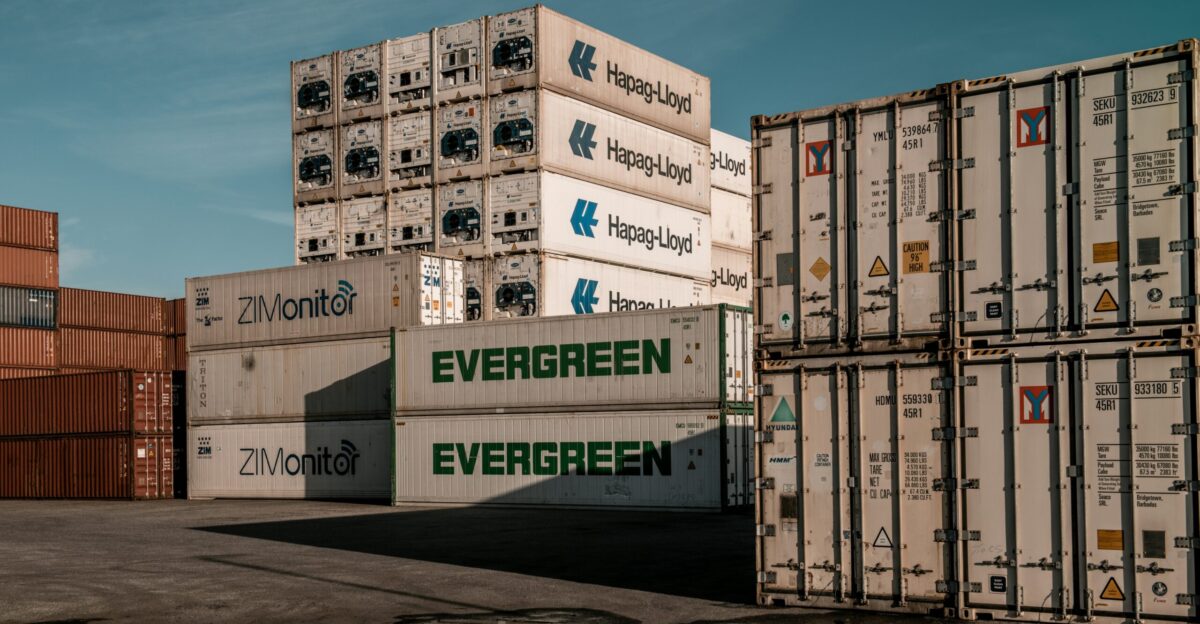
Amidst the turmoil, several prominent warehouse corporations announced leadership changes, seeking individuals with expertise in navigating the complexities of a tariff-driven environment. “We’re looking for fresh perspectives to overcome these challenges,” expressed a corporate spokesperson.
In the face of declining operations, some firms are bringing in turnaround specialists to regain stability and mend fractured partnerships. The urgency of this leadership shift highlights an industry in flux, as top executives scramble to formulate strategies that respond decisively to rapid market changes and ensure long-term survival.
Training for the Future
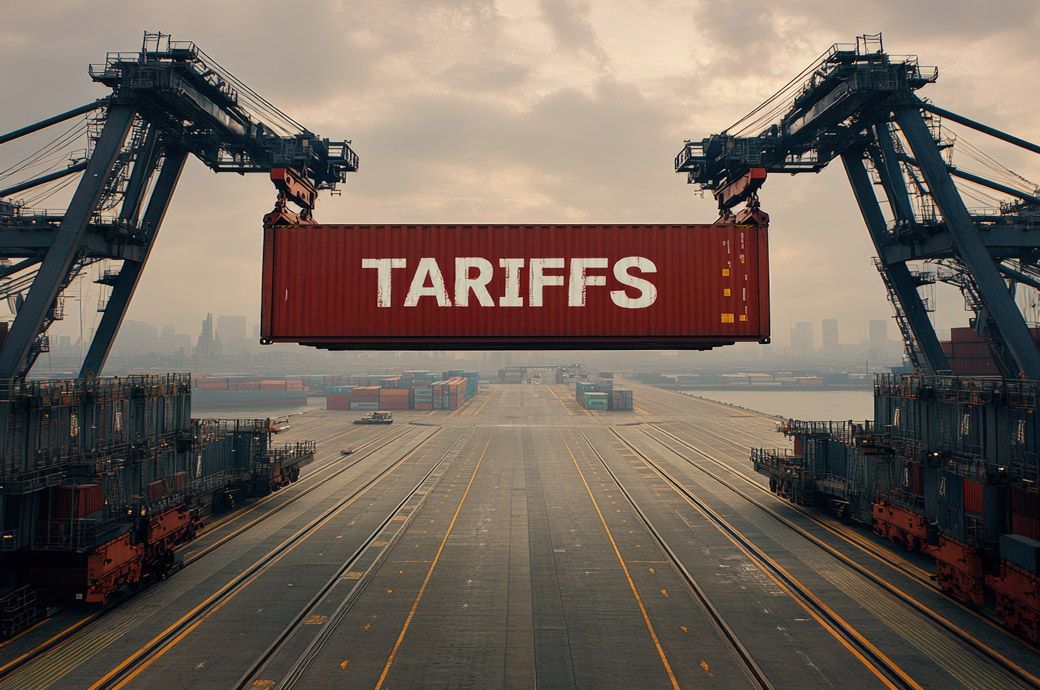
In a proactive response to the employment crisis, industry groups initiated accelerated training programs aimed at helping affected workers reskill for domestic e-commerce or alternative logistics roles. “We’re investing in our people because that’s the only way forward,” said a training coordinator.
Warehouse operators began testing flexible contracts and forming new supplier networks, aiming to stabilize both shipment flows and employment levels. The effort to foster resilience among workers during a time of uncertainty underscores the commitment to maintaining a skilled workforce amidst shifting economic landscapes.
The Outlook for Employment
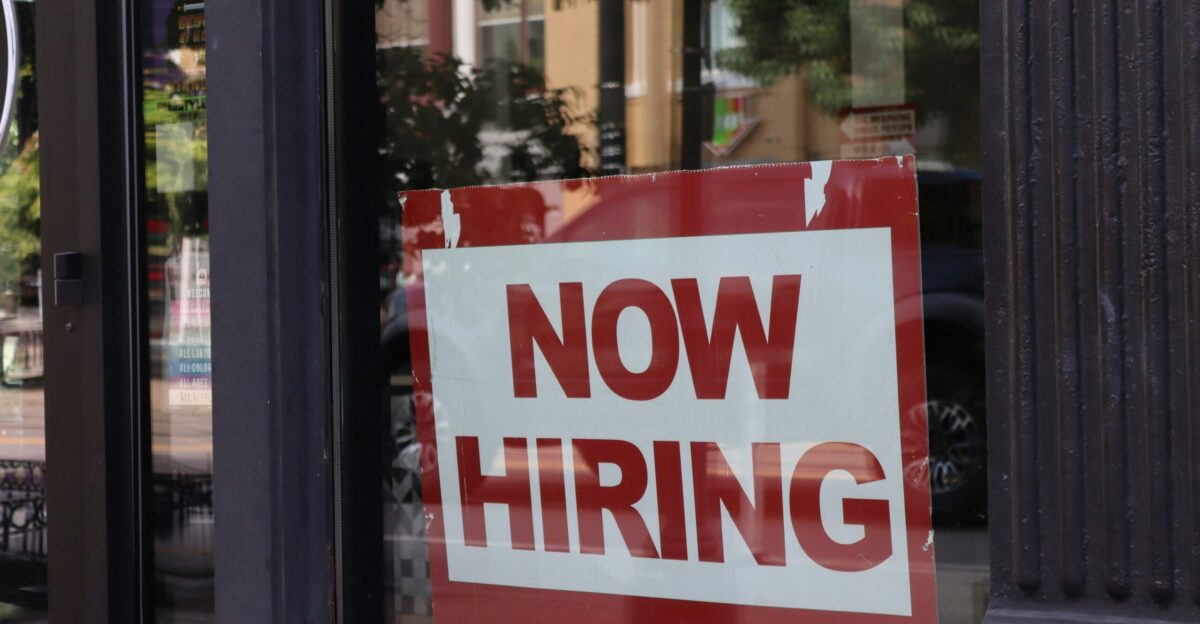
Despite these initiatives, logistics analysts caution that warehouse employment may not see a quick recovery. Concerns linger, especially if tariffs remain in place or more postal operators suspend U.S. partnerships.
A leading economist warned, “We are likely looking at long-term changes in how and where Americans purchase goods.” The uncertainty surrounding market conditions presents an uphill battle for workers vying for stability. While the industry hopes for eventual recovery, the specter of job losses casts a long shadow over those previously reliant on the robust e-commerce sector.
Policy Pressure Builds
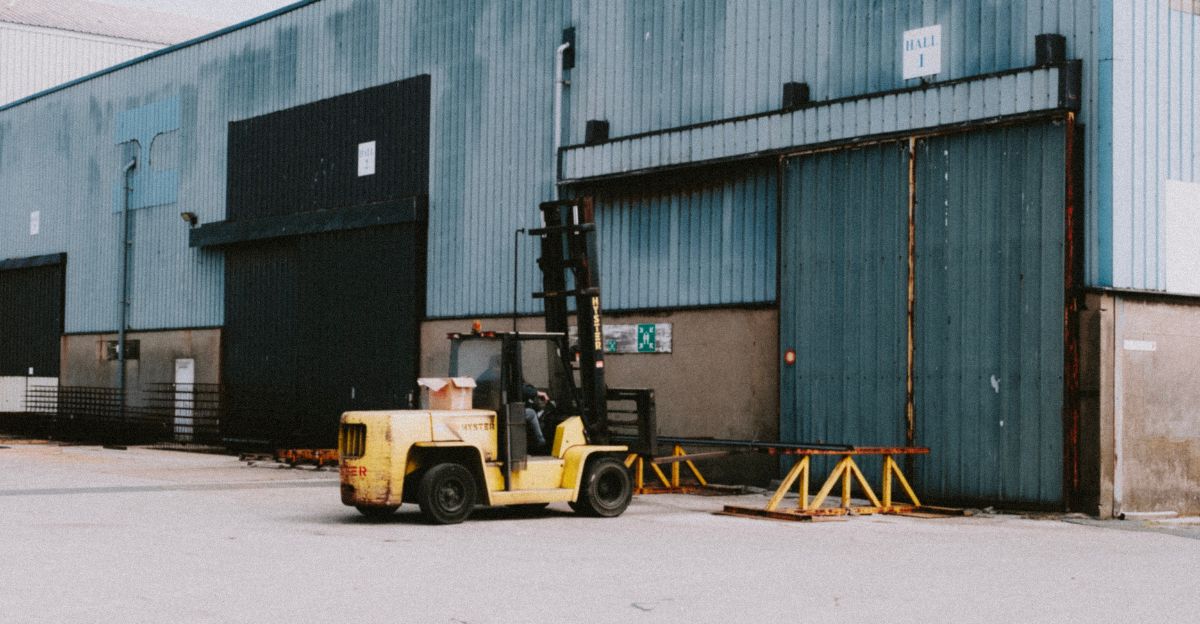
As job losses mount and workers face ongoing uncertainty, policymakers are under mounting pressure to revisit tariff decisions. One warehouse employee voiced the collective frustration: “We need to be heard, or many of us may not have jobs.” Discussions surrounding staff retraining, subsidy proposals, and international trade adjustments are intensifying.
The need for a responsive and adaptable policy landscape has never been clearer. Stakeholders are advocating for swift action to address the economic ramifications arising from this crisis, underscoring the importance of proactive dialogue and solutions that prioritize worker welfare.
E-commerce Evolution

As the landscape shifts before our eyes, the evolution of e-commerce practices emerges as a crucial factor influencing the future. Businesses must investigate alternative fulfillment methods and adapt to changing consumer behaviors sparked by tariff challenges. “We’re looking to innovate our processes,” commented a small e-commerce business owner.
This transition comes with its own set of hurdles, prompting companies to reevaluate their logistics strategies and explore new technologies. The race to stay ahead of the curve is ongoing, and adaptability will be vital in determining which businesses thrive in a post-tariff world.
Community Support Systems

As news of disruptions spread, communities began organizing support systems for affected workers. Grassroots initiatives emerged, connecting people with local resources and job opportunities. “It’s about helping each other nobody should have to go through this alone,” explained a community organizer.
The fostering of solidarity serves as a lifeline for those grappling with uncertainty and fear about their futures. As relationships within communities strengthen, the importance of unity and mutual support shines through, illustrating the resilience of everyday people in times of crisis.
Navigating Uncertainty Together
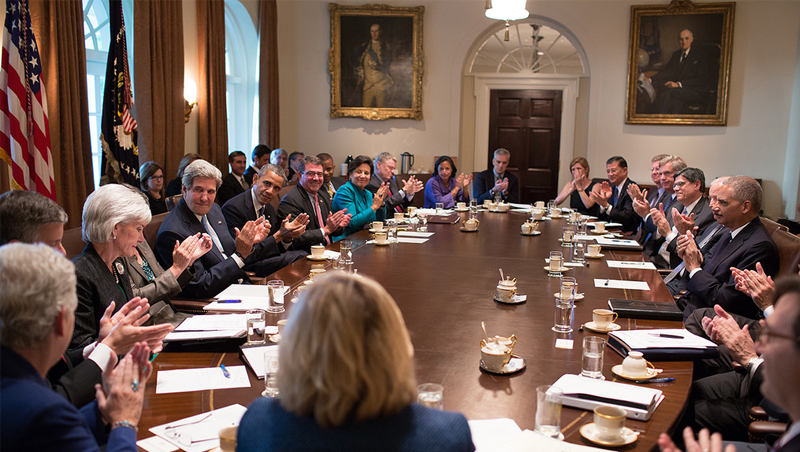
Navigating the shifting landscape requires collaboration at multiple levels. Industry associations, government bodies, and companies must engage in open dialogue to explore solutions that mitigate the fallout. A logistics consultant remarked, “Everyone has a role to play in finding an effective way forward.”
In bringing together diverse stakeholders, the promise of a more cohesive strategy for addressing challenges becomes attainable. Partnerships formed during this time of crisis can strengthen infrastructure and foster adaptability, ensuring the industry remains dynamic in the face of future jarring shifts.
Policy Lessons Learned

The abrupt shifts in policies surrounding tariffs illuminate the need for more thoughtful governance in regulating international trade. Countries must consider the cascading effects of decisions on the workforce and economy. “Our leaders must learn from this experience to avoid similar crises in the future,” stated a trade policy expert.
Understanding the interconnectedness of global supply chains is essential, prompting calls for comprehensive policy assessments that factor in long-term consequences. In the future, informed decision-making could yield diverse and resilient economic outcomes amidst unforeseen challenges.
A Reflection on Change

As this crisis plays out, one thing remains clear: adaptability will be key to survival. The logistics landscape has irrevocably changed as businesses confront new realities while workers adjust to evolving job roles. “We just have to keep moving forward, even if it feels uncertain,” shared a seasoned warehouse worker.
In light of these developments, the focus shifts to recovery strategies and the expansion of workforce development initiatives aimed at building a more resilient future. The resilience of an interconnected community will determine the speed of recovery, sparking hopes of revitalization and growth in the face of adversity.