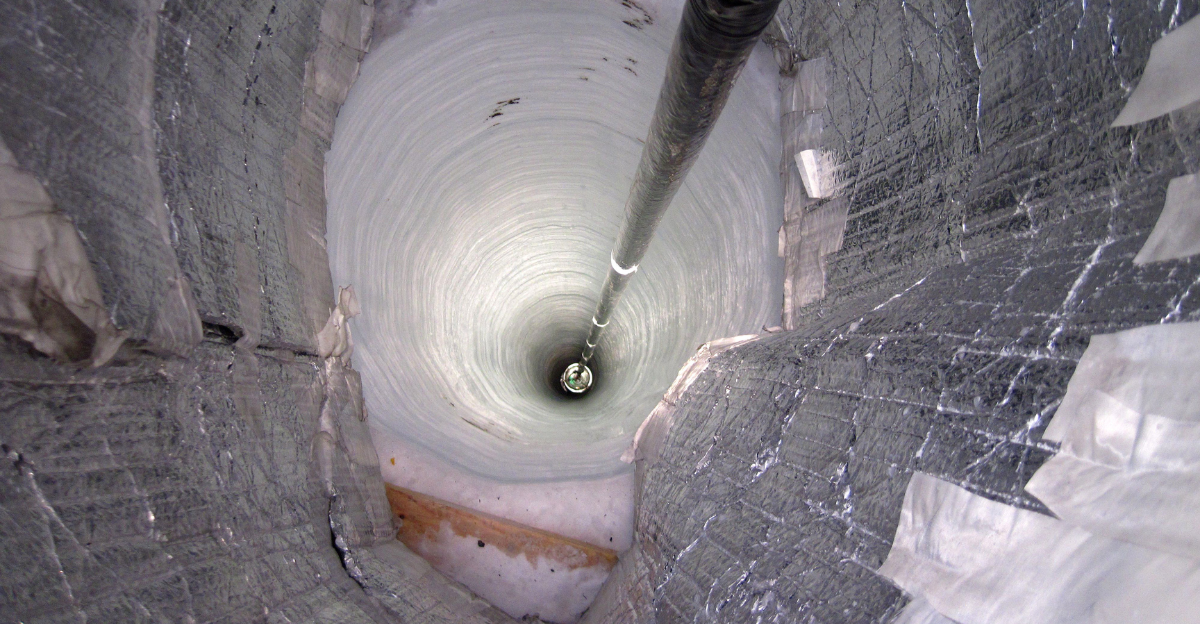
China is drilling a hole straight down into the Earth, 10,000 meters deep. Almost seven miles. It’s in the Tarim Basin, a remote desert in northwest China.
The goal is simple but ambitious: reach rock layers untouched for millions of years. Scientists are watching closely. Engineers are constantly adjusting.
And no one really knows what they’ll find: ancient rocks, hidden energy, or clues about Earth’s history. This isn’t just digging deep. It’s an attempt to uncover secrets the planet has held for ages.
What the Project Is
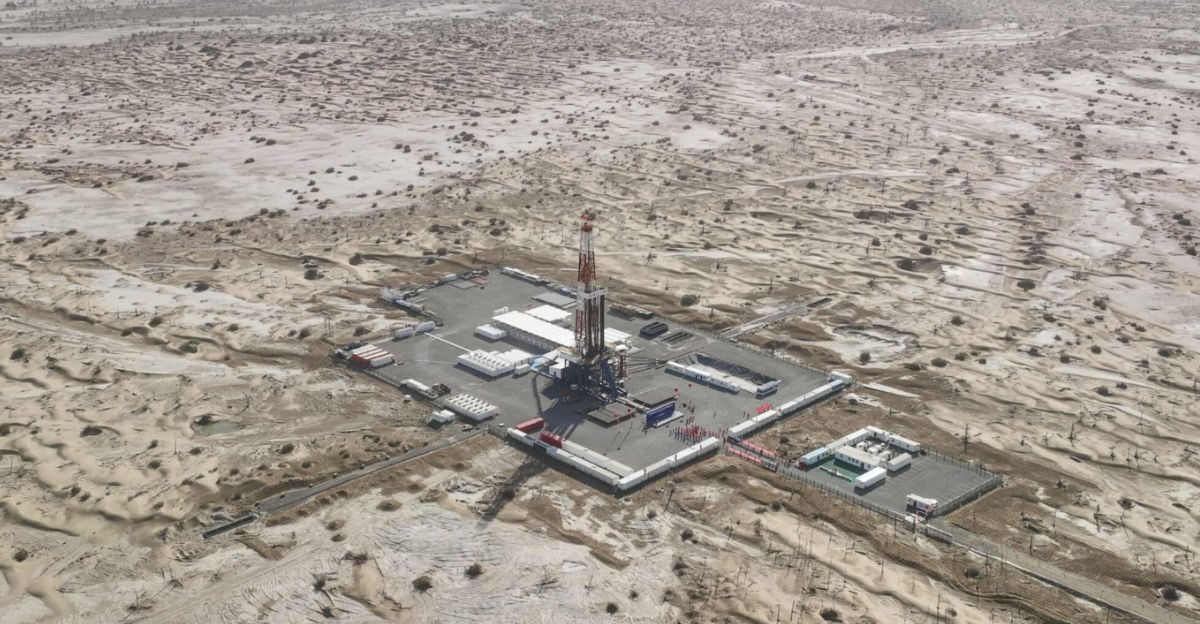
The drill started turning in May 2024. China National Petroleum Corporation is running the operation. The borehole will cut through more than ten rock layers and go as deep as 11,100 meters.
That’s near the Russian Kola Borehole record. The project combines science, engineering, and exploration in ways few projects have tried before.
The Tarim Basin
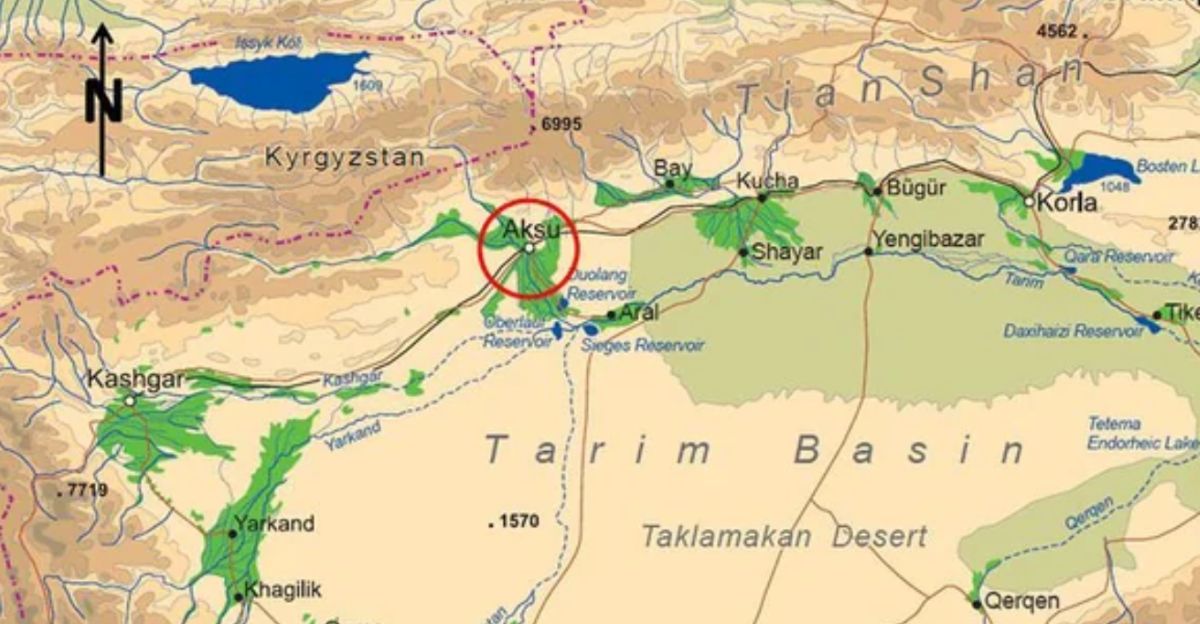
The Tarim Basin is a tough place. Hot days, freezing nights, hardly any rainfall. Yet it has large oil and gas reserves.
Its remoteness makes it perfect for studying ancient rocks. Engineers deal with shifting sand, intense heat, and strong winds while they push deeper into the Earth.
Why So Deep?
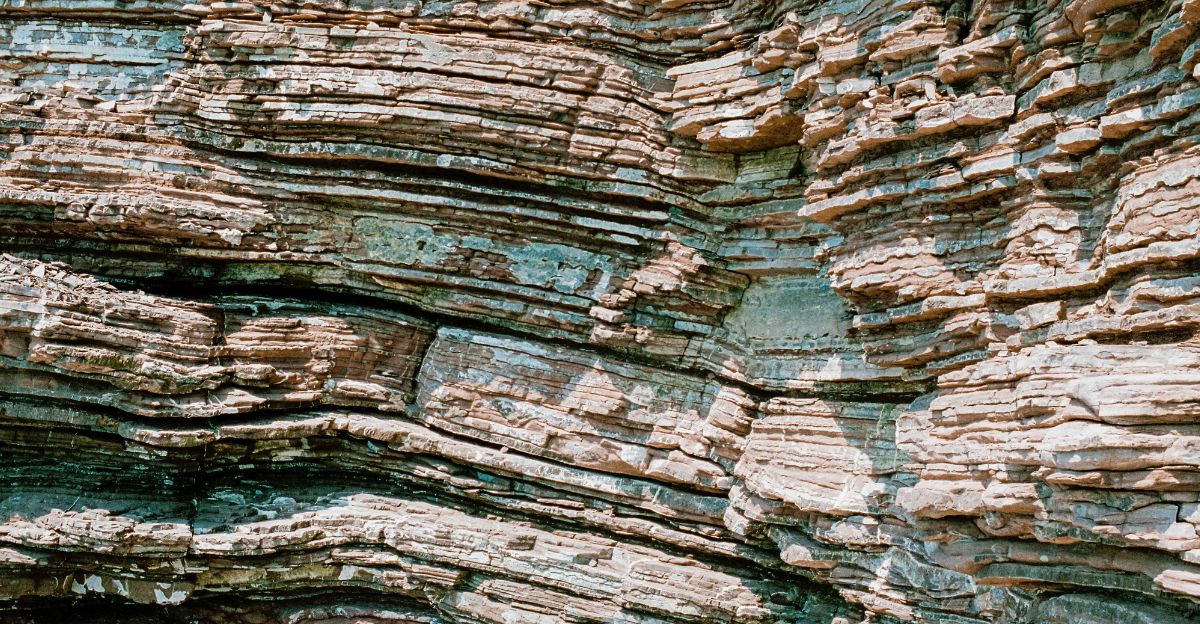
The target is the Cretaceous rock layer, formed about 145 million years ago. It holds records of past climates, tectonic activity, and natural resources. Surface studies can’t show this. Drilling this deep could reveal how Earth looked millions of years ago.
What Scientists Hope to Learn
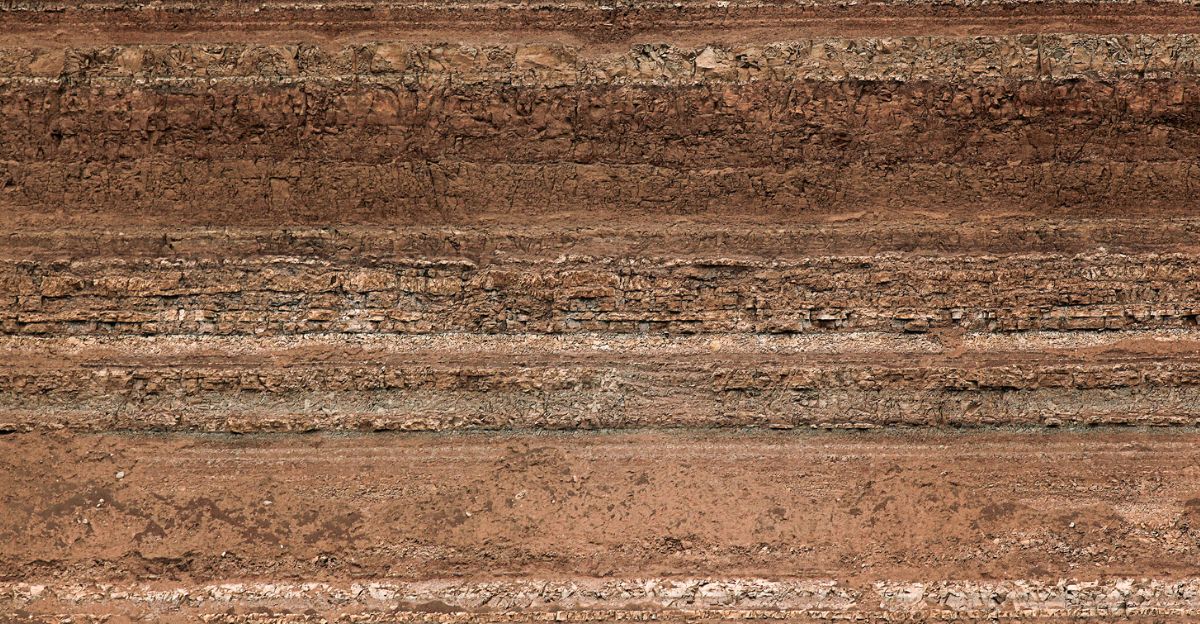
The borehole will give detailed data about the Earth’s crust. That could improve earthquake predictions and guide resource mapping.
By studying rocks this deep, scientists can see how continents and oceans formed. It’s a rare chance to look directly at Earth’s history.
Energy Potential
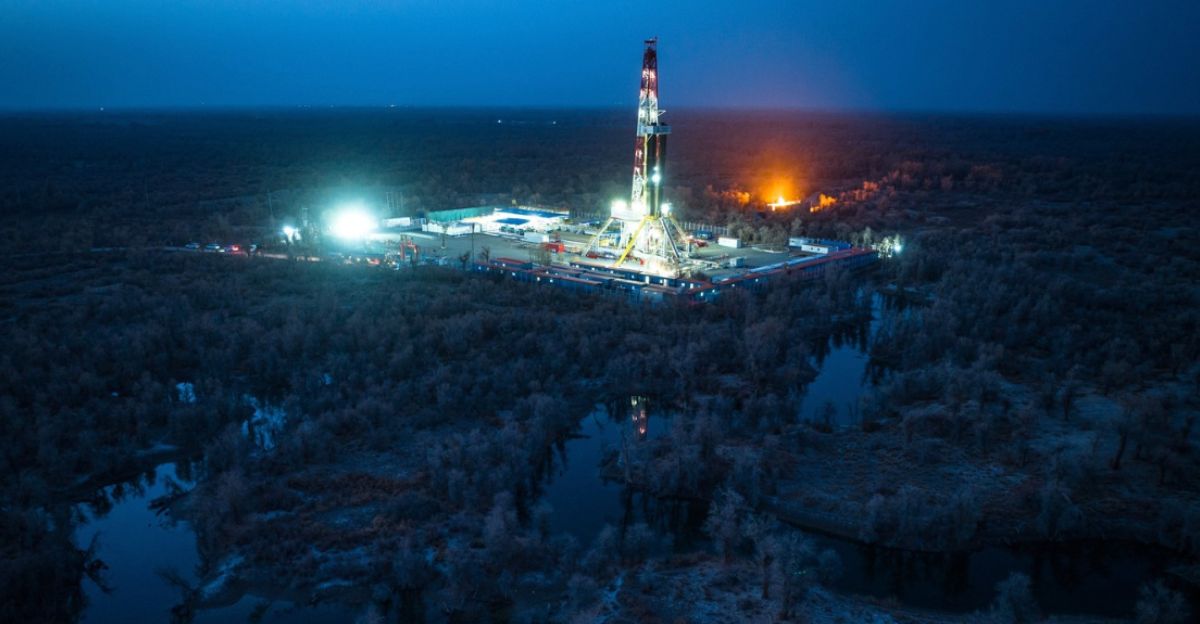
There’s already oil and gas in the Tarim Basin, but going deeper might reveal more. Companies like Sinopec have reached 8,500 meters.
Beyond that, there may be deposits trapped for millions of years. The findings could help China’s energy security while advancing science.
Engineering Challenges
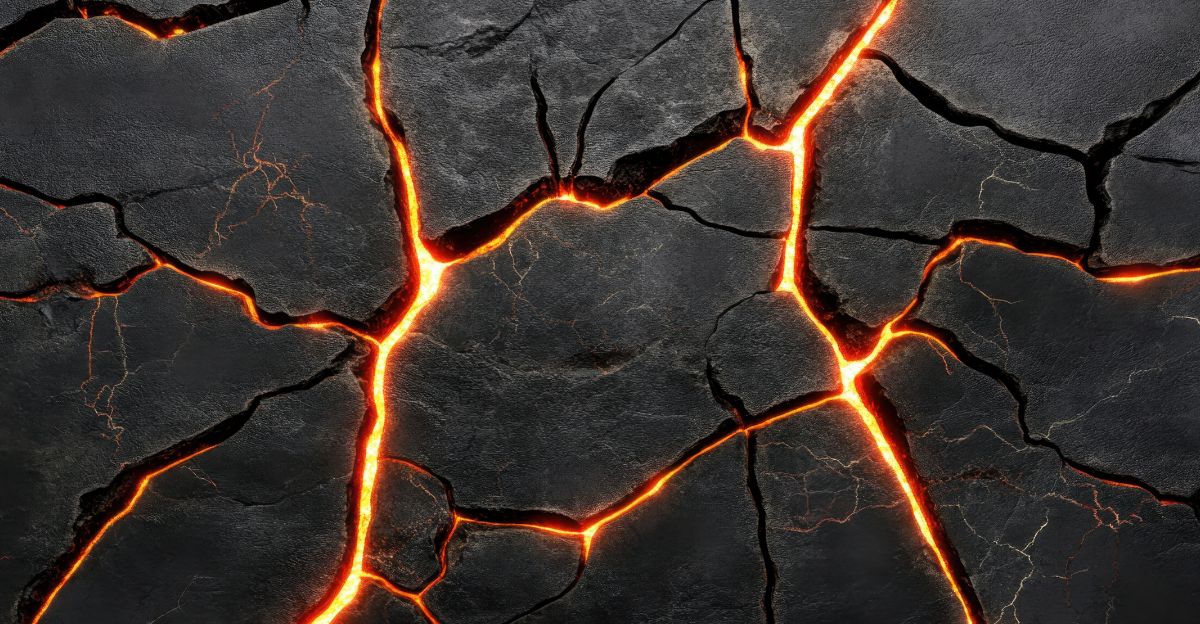
Drilling this far down is tough. Temperatures hit 200°C. Pressures are more than 1,300 times what’s at the surface.
The equipment weighs over 2,000 tonnes. Rocks shift. Heat rises. Engineers have to think fast, fix problems as they come, and keep the drill moving.
Equipment and Materials
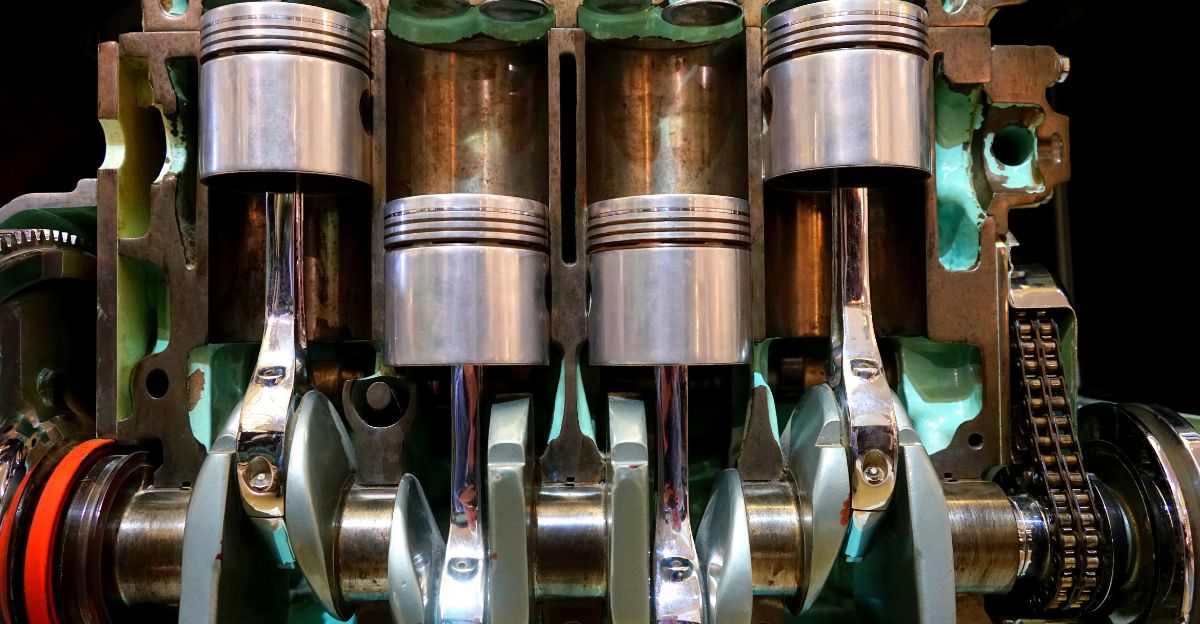
The drill is made from special alloys that resist heat and pressure. Cooling systems prevent failures. One mistake, one part breaking, and the whole project could stall. Every component has to perform perfectly. It’s a test of modern engineering at its limits.
Lessons from the Kola Borehole
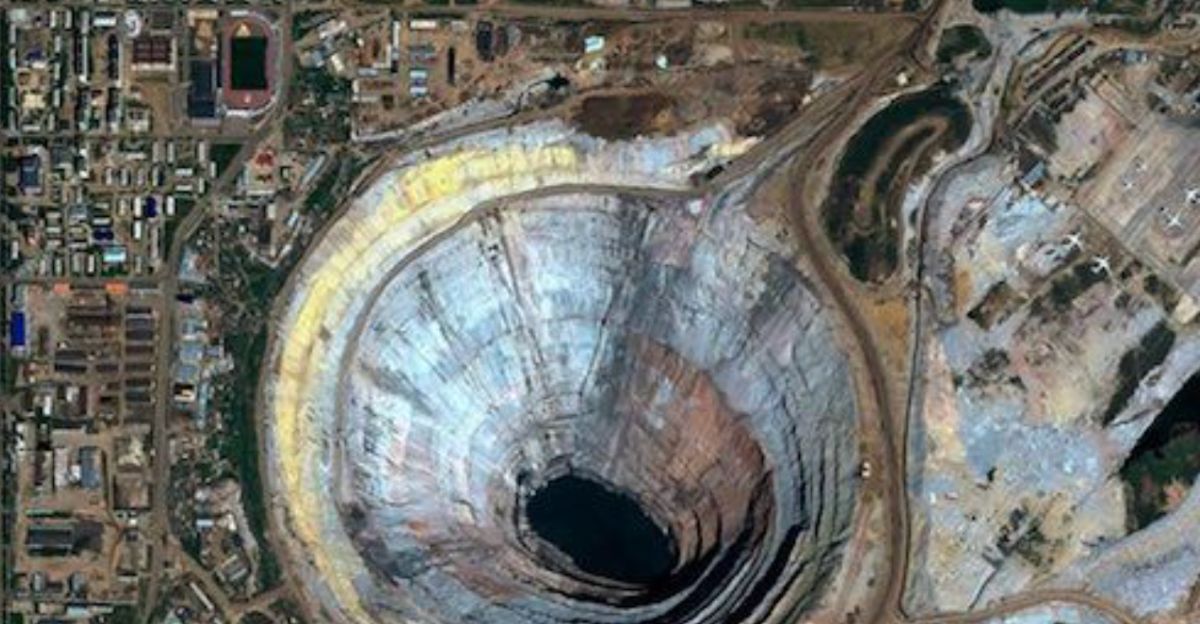
Russia’s Kola Borehole reached 12,262 meters in the 1990s. Even that project surprised scientists. Water appeared in dry rock. Tiny fossils were found thousands of meters down. China could see the same kind of unexpected discoveries.
Reading Earth’s History

Cretaceous rock layers are like time capsules. They preserve clues about climate, plants, and tectonics from 145 million years ago. Each layer adds context. The deeper the drill goes, the more stories the rocks tell.
Energy and Resources

Deep rocks often hide fossil fuels formed over millions of years. Scientists must study rock type and pressure carefully to locate them. Any discovery could affect energy exploration, in China and globally.
Earthquake Insights

Studying deep rocks can improve earthquake predictions. Rocks behave differently under high pressure. Knowing this helps understand stress patterns and risks. The borehole could inform safety planning in quake-prone areas.
Handling Heat and Pressure
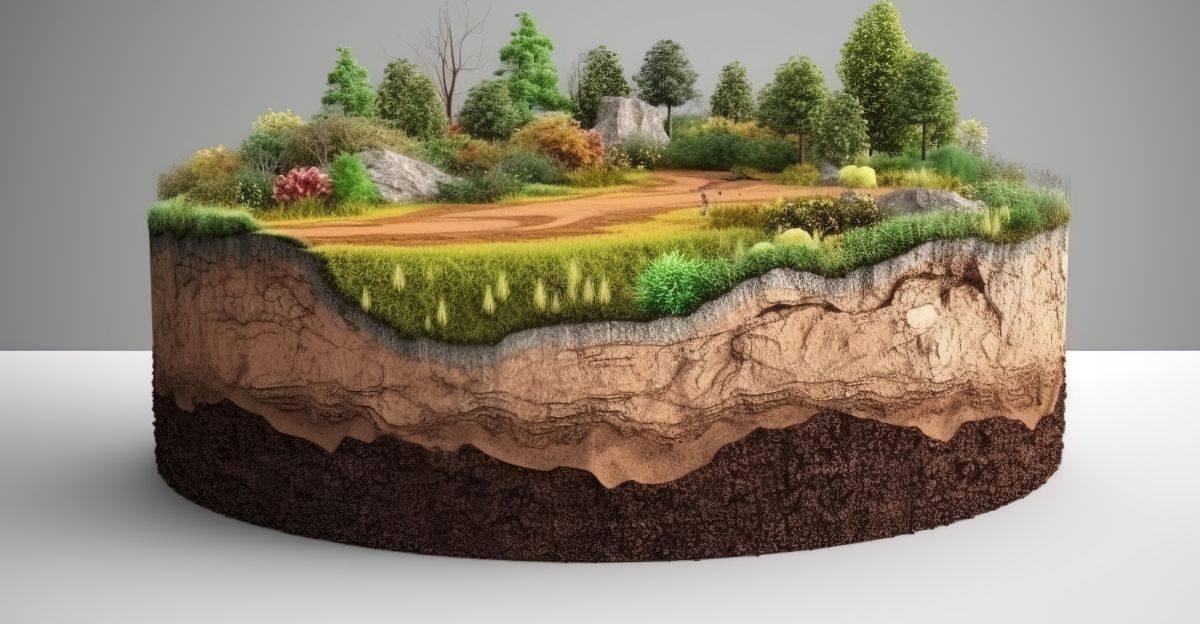
At 10,000 meters, the environment is extreme. Rocks respond strangely under pressure. Drilling fluids prevent collapses. Engineers monitor constantly and tweak methods as needed. Every step requires judgment and quick decisions.
Technological Advances
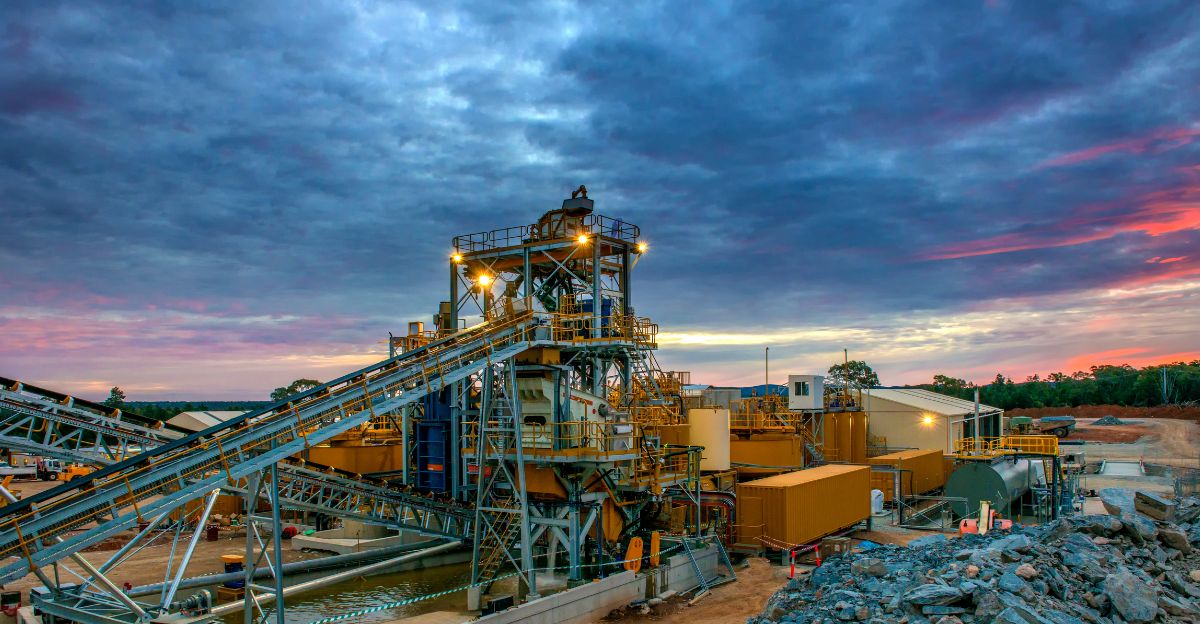
The project drives innovation. Drilling methods, materials, and monitoring systems could be applied elsewhere: mining, geothermal energy, or other industries. Techniques developed here may set new engineering standards worldwide.
Global Context
Deep drilling isn’t just happening in China. Russia, Japan, and other countries have tried it too. Each effort adds knowledge about Earth’s structure. Sharing discoveries can advance science, even if countries maintain strategic control over their projects.
Policy and Strategy
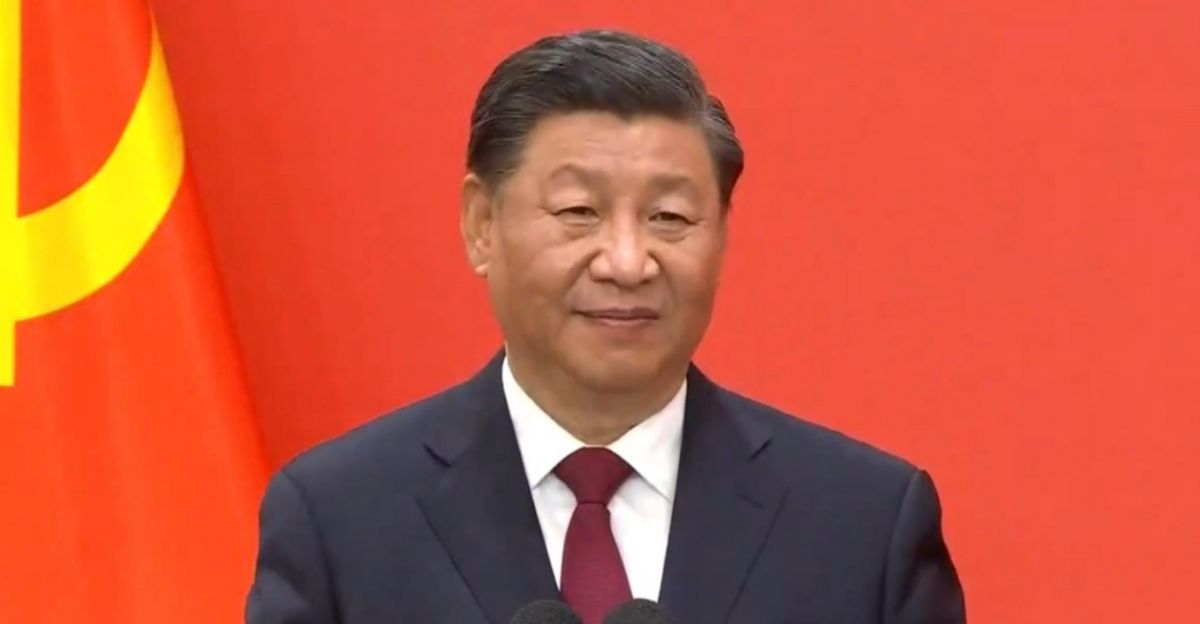
The project aligns with China’s scientific goals. President Xi Jinping has emphasized frontier technologies, from space missions to deep-Earth research. This borehole shows China is exploring outward into space and inward below Earth’s surface.
Timeline

The borehole is expected to reach its full depth by late 2025. The project will take roughly 450–457 days. Engineers monitor progress constantly and adjust when challenges arise. Even partial data will be valuable.
What Could Be Discovered
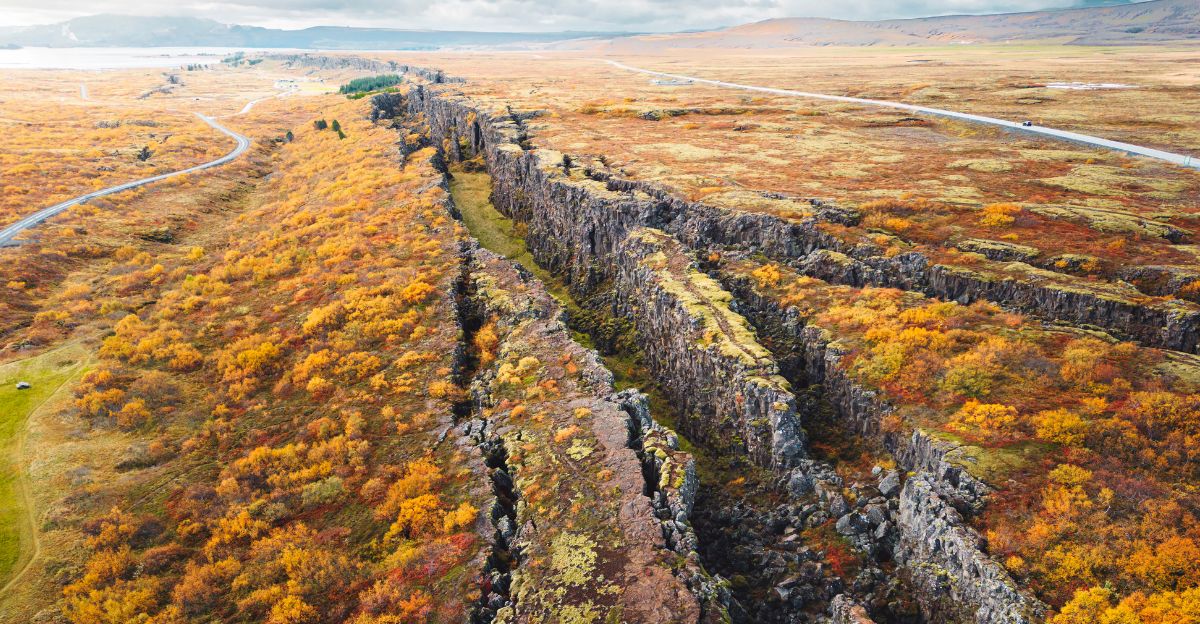
The borehole might reveal new insights about rock formation, sediment layers, fossil fuels, or tectonic activity. Extreme depths often bring surprises. Every discovery could change how scientists understand Earth.
Worldwide Significance
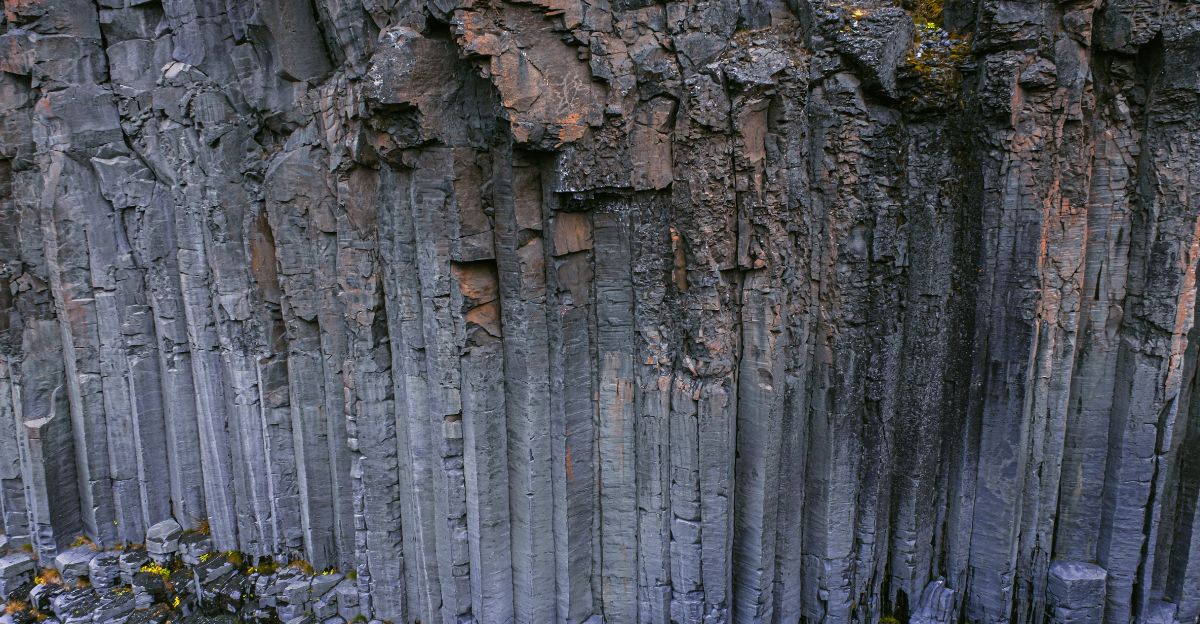
This project shows humans can explore extreme environments. Data could influence geology, energy, and engineering around the globe.
Reaching previously inaccessible layers provides new insights into Earth’s processes and sets a benchmark for exploration.
Looking Ahead
The results could change geology, energy planning, and engineering approaches. Beyond discoveries, the project is a milestone in human skill and curiosity.
Whether it uncovers fossil fuels, deep-Earth data, or tests machinery, China’s 10,000-meter borehole pushes exploration further than ever.