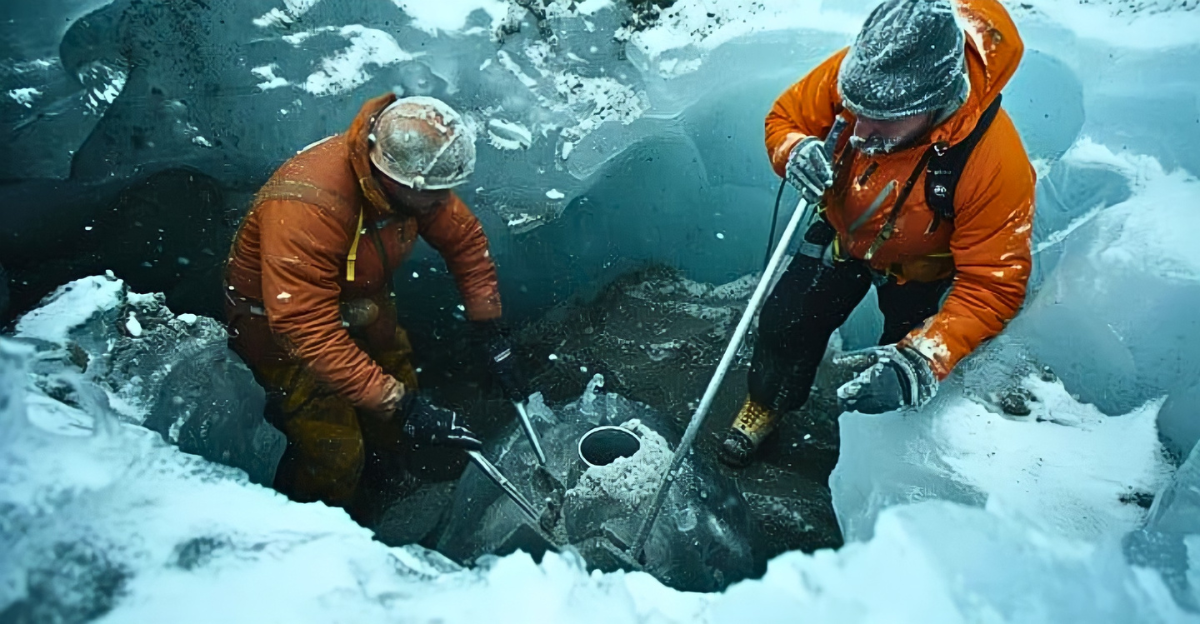
On January 7, 1985, a groundbreaking discovery on Yámana Beach in the South Shetland Islands forever changed our understanding of human history in Antarctica. While conducting a routine survey of marine debris, Chilean biologist Daniel Torres Navarro spotted something unexpected amidst the rocks and ice: a human skull. This find marked the first and oldest human remains ever recovered from the frozen continent, sparking a mystery that continues to intrigue researchers forty years later.
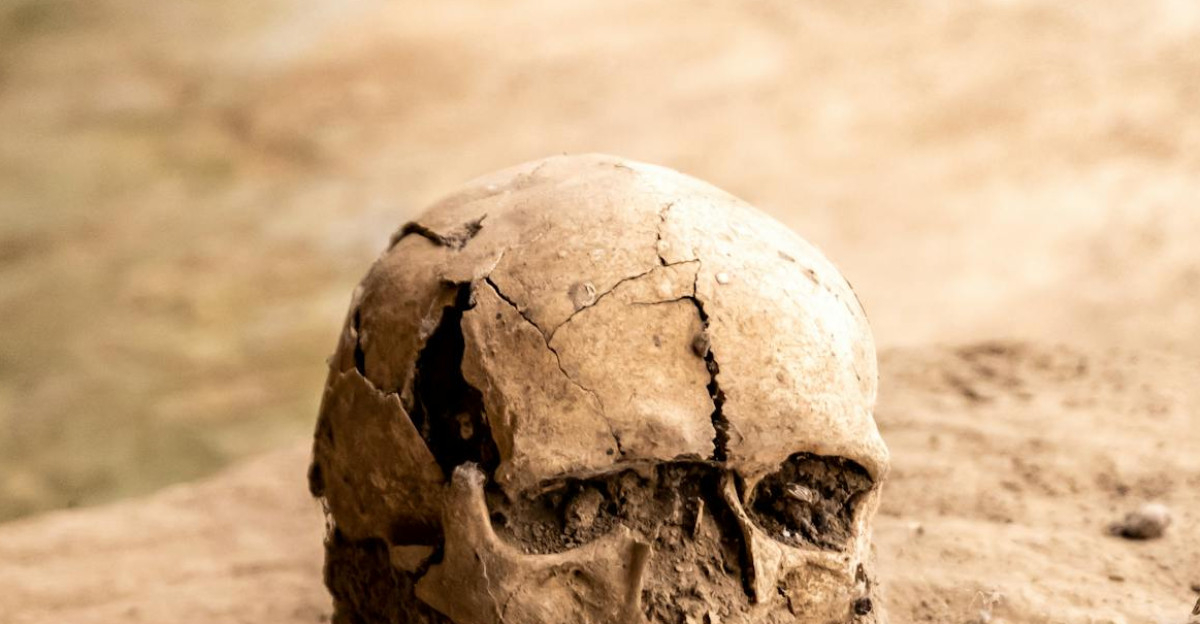
The skull was partially buried in the sand, its surface stained green by microalgae after decades of exposure to the harsh Antarctic elements. Unlike the seal bones typically found in the area, this cranium was unmistakably human. Its presence in such a remote, hostile environment immediately raised questions about who this person was and how they had arrived on a continent previously thought to be devoid of human life before the modern era.
Uncovering the Past
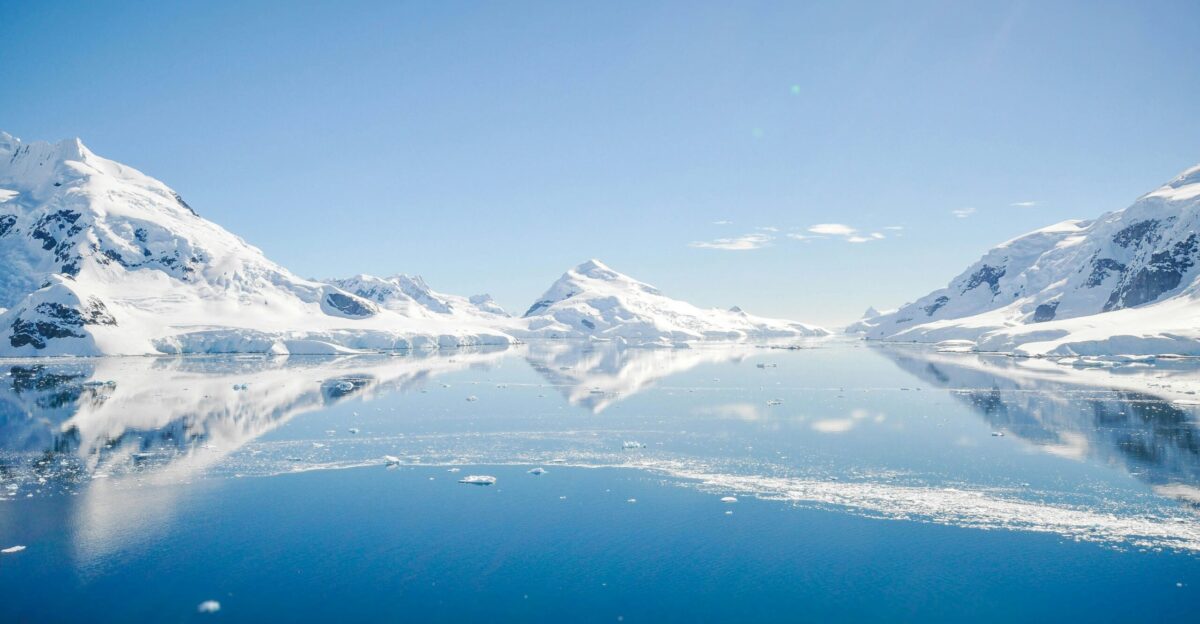
Following the initial discovery, researchers from the University of Chile and the Chilean Antarctic Institute launched a comprehensive investigation to understand the context of the remains. The location, Cape Shirreff on Livingston Island, was a known historical site for 19th-century sealers, but finding human remains there was unprecedented. The team meticulously documented the site, searching for additional clues that might explain the solitary skull’s presence.
Daniel Torres Navarro was the biologist who made pivotal find. The skull wasn’t just a bone; it was a potential key to rewriting the narrative of early Antarctic exploration and the diverse groups of people who ventured into these icy realms.
The Identity of the Mystery Woman
Detailed anthropological analysis revealed that the skull belonged to a young woman, estimated to be roughly 21 years old. This determination was significant because historical records of Antarctic sealing expeditions almost exclusively mention male crews. Finding a young woman’s remains suggested a presence of women in Antarctica far earlier than previously documented, complicating the male-dominated history of the continent.
Cranial measurements indicated that she was likely of mixed ancestry, possibly a Mestizo woman from southern Chile or of Indigenous descent, such as the Yamana or Mapuche people. This finding hinted at a connection between the Indigenous populations of Tierra del Fuego and the early commercial exploitation of Antarctica. It raised the possibility that local Indigenous people were not just observers but active participants—or victims—in the 19th-century sealing industry.
Dating the Remains
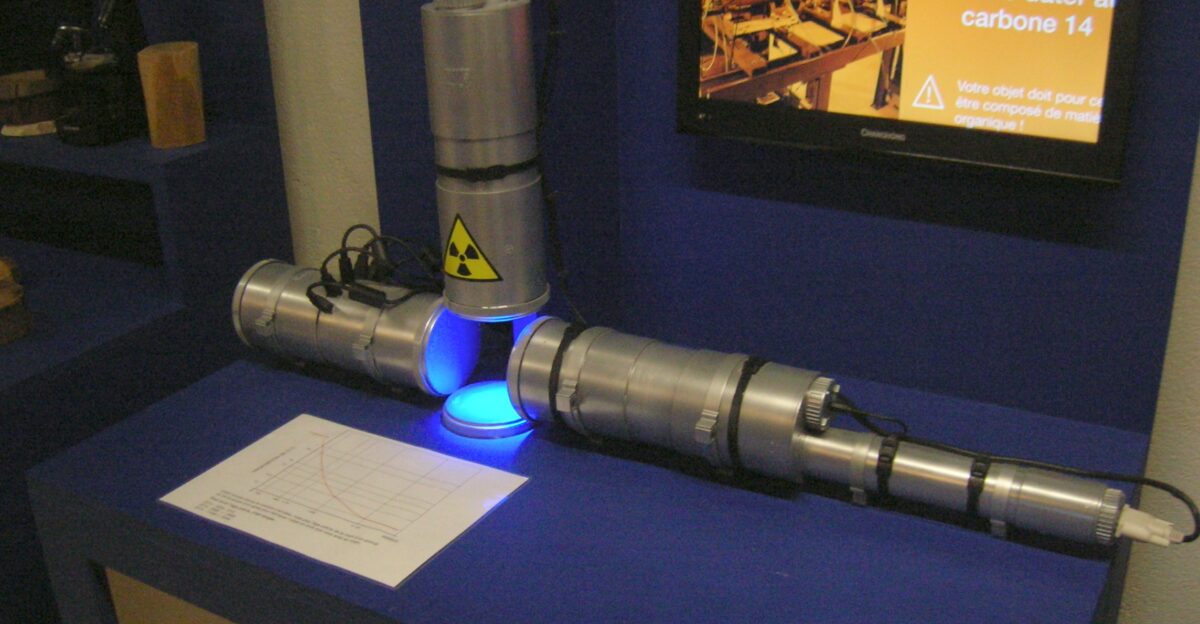
Radiocarbon dating placed the woman’s death between 1819 and 1825, a period that coincides with the height of the chaotic Antarctic fur sealing boom. This narrow window aligns with the earliest confirmed landings on the continent, suggesting she may have been among the very first humans to set foot on Antarctica. Her presence predates the construction of permanent bases by more than a century.
The dating also places her in Antarctica during a time of lawlessness and fierce competition among sealers from Britain, the United States, and South America. The lack of official records documenting her presence is consistent with the clandestine nature of sealing voyages, where captains often kept poor logs to hide their hunting grounds. Her anonymity in the historical record makes the physical evidence of her skull all the more valuable.
The Femurs
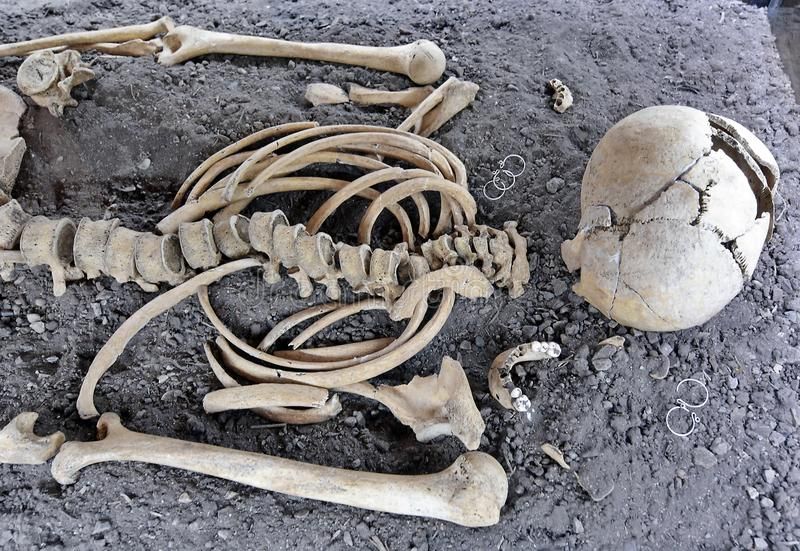
The mystery deepened when subsequent expeditions to the site yielded more evidence. During field seasons in 1987 and 1993, researchers found two human femurs (thigh bones) in the vicinity of the original skull discovery. Anatomical analysis suggested these bones likely belonged to the same individual, having been scattered across the beach by scavengers or coastal erosion over the preceding century.
These additional finds provided a more complete picture of the individual’s stature but also highlighted the harsh reality of her demise. The scattering of her remains suggests she died on or near the beach and was never given a proper burial. This grim detail supports theories that she may have been abandoned or died in a tragic accident, left to the mercy of the Antarctic wilderness.
Theories of Arrival
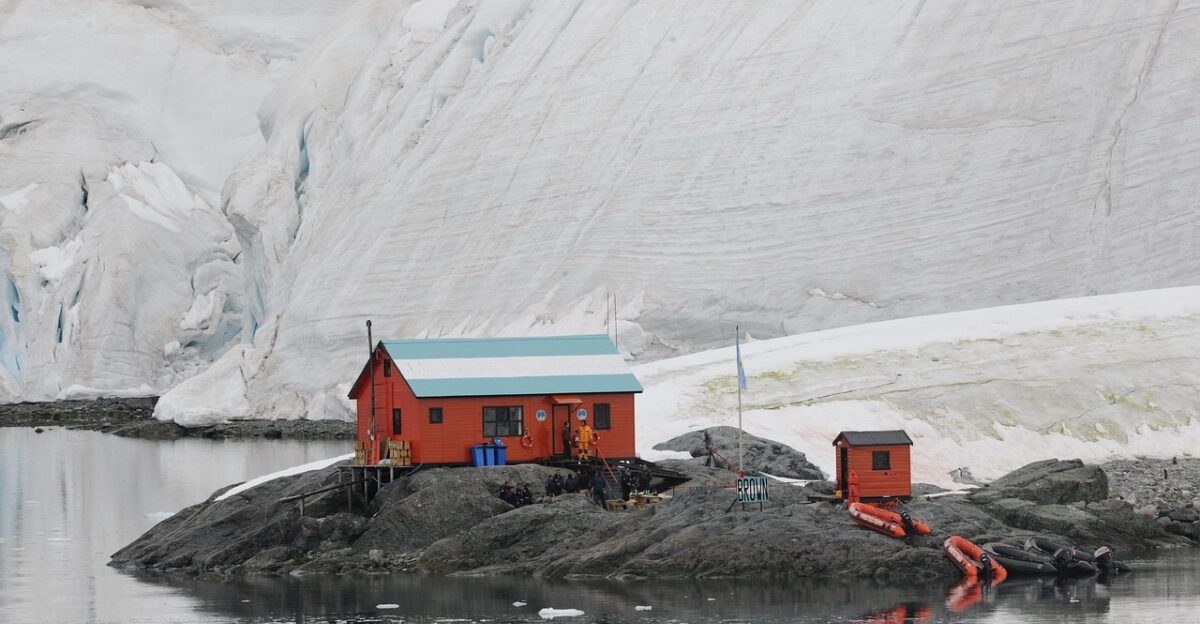
Scientists have proposed several theories to explain how a young woman from southern Chile ended up in the South Shetland Islands. One leading hypothesis is that she was brought aboard a sealing vessel, perhaps as a companion or a worker. Historical accounts suggest that sealers sometimes abducted Indigenous women or took them as guides, though such events were rarely recorded in official logs.
Another possibility is that she was a survivor of a shipwreck who washed ashore, only to perish from exposure. The treacherous waters of the Drake Passage claim countless ships, and Yámana Beach would have been a desolate place for a castaway. Without a ship’s manifest or a diary, her specific journey remains a matter of speculation, pieced together only by the silent testimony of her remains.
Indigenous Connections
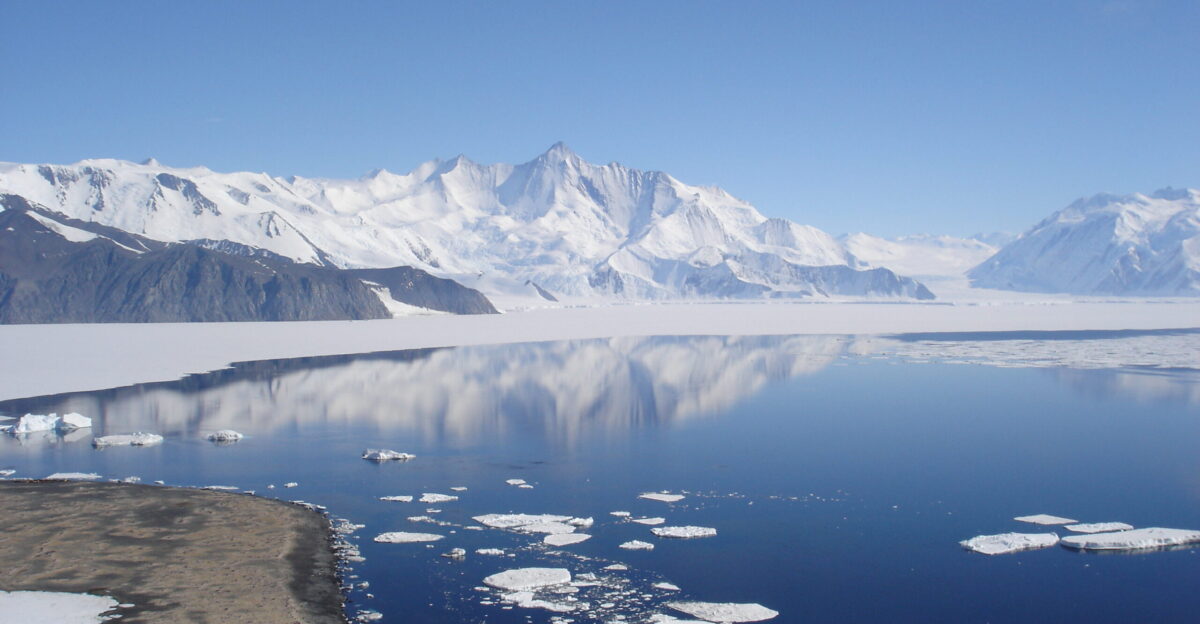
The potential Indigenous heritage of the woman challenges the narrative that Antarctica was purely a theater for European and North American explorers. If she was indeed Yamana or Mapuche, her presence represents an extension of her people’s maritime history into the Antarctic sphere. It suggests that the history of Antarctic exploration is more diverse and complex than the traditional “Heroic Age” narratives imply.
Geneticists and anthropologists have long been interested in confirming her ancestry to understand the extent of Indigenous mobility. While definitive DNA results have been difficult to obtain due to the degradation of genetic material in the harsh environment, the morphological evidence remains strong. Her skull stands as a testament to the unacknowledged contributions and suffering of Indigenous people in the early history of the continent.
Hardships Revealed by Bone Analysis
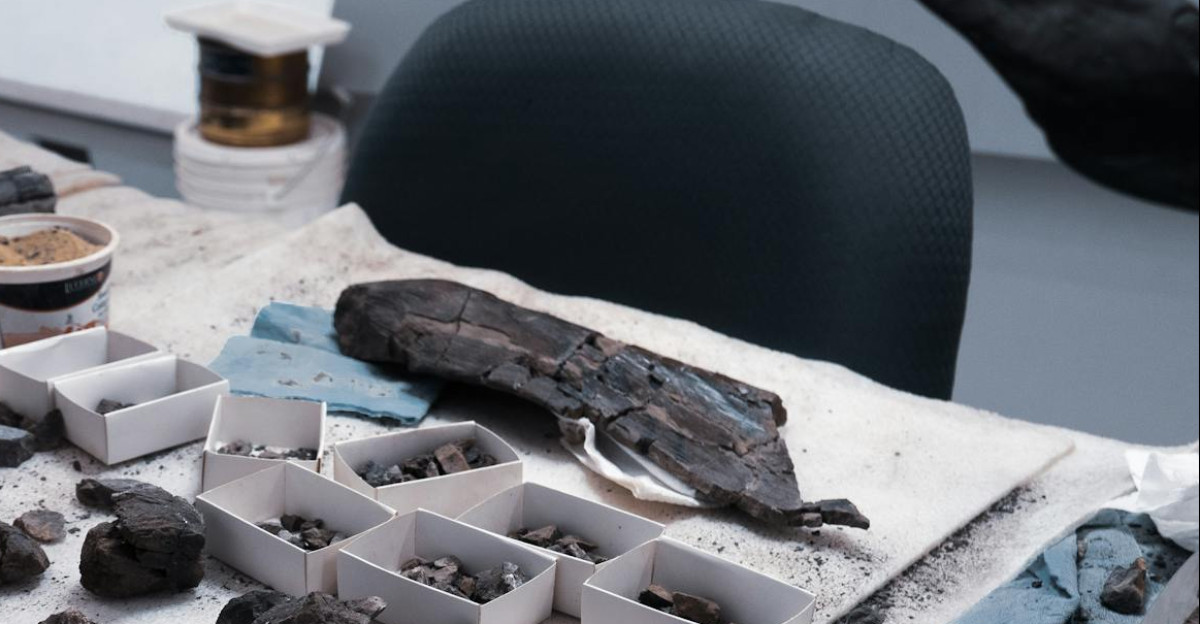
Further study of the skull revealed signs of chronic health issues. Lesions on the bone indicated she suffered from nutritional stress and possibly anemia during her lifetime. These markers paint a picture of a hard life, likely characterized by food scarcity and physical hardship even before her final journey to Antarctica.
These physical signs are consistent with the grueling conditions faced by lower-ranking members of sealing expeditions or marginalized Indigenous communities of the era. Her journey to Antarctica was likely not one of comfort but of necessity or coercion. The evidence of her poor health adds a layer of tragedy to her story, humanizing the anonymous figure behind the “mystery skull.”
The Sealing Industry’s Dark Past
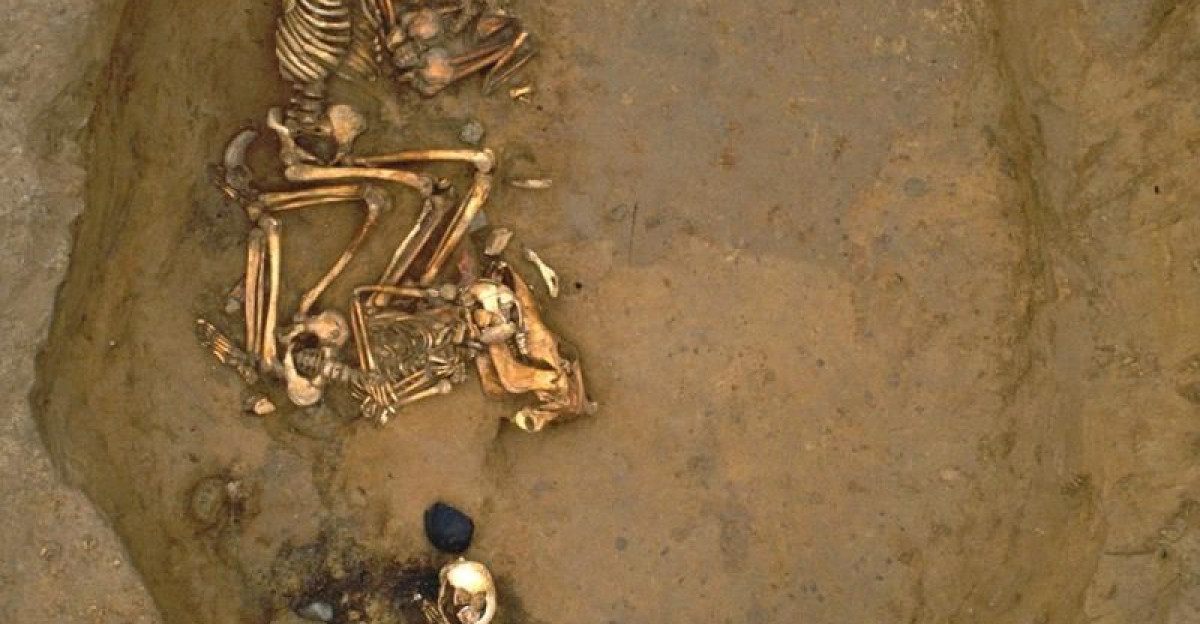
The early 19th-century sealing industry was driven by an insatiable demand for fur skins, leading to the near-extinction of fur seals in the South Shetlands. It was a brutal, unregulated business where human life was often deemed as expendable as the animals being hunted. The presence of a young woman in this violent, hyper-masculine environment is a stark anomaly that invites disturbing questions about her treatment and status.
Historians speculate she may have been kept at a shore camp while the men hunted, a common practice for support crews. However, the lack of a burial suggests her death occurred during a time of chaos or indifference. Her remains are a physical artifact of this dark, exploitative period, serving as a reminder of the human cost associated with the commercial stripping of Antarctica’s resources.
Navigating the Antarctic Treaty
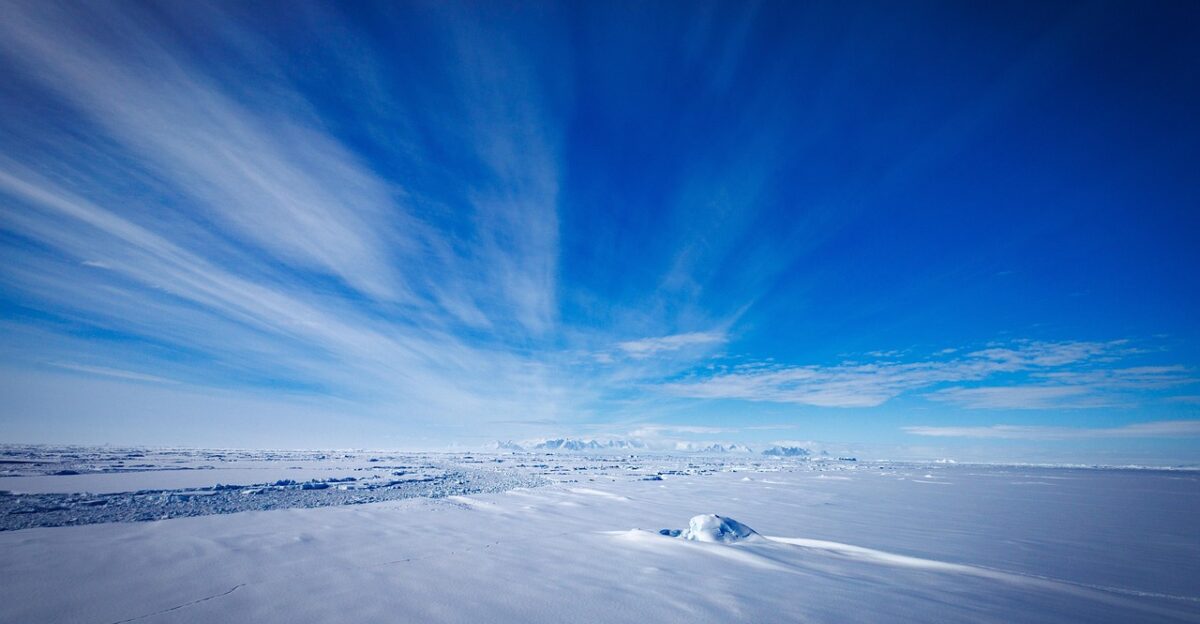
Today, the site where the skull was found is protected under the Antarctic Treaty System. Cape Shirreff is designated as an Antarctic Specially Protected Area (ASPA), which restricts access to preserve its ecological and historical value. Any research conducted there, including archaeological excavation, requires strict permits and adherence to international protocols.
This legal framework ensures that the site is preserved for future generations but also complicates further investigation. Scientists cannot simply dig for more bones; they must balance the desire for knowledge with the need to protect the fragile Antarctic ecosystem. The skull itself is now housed in the collections of the Chilean Antarctic Institute, safeguarded as a piece of global heritage.
Challenges of DNA Analysis

One of the “new questions” scientists hope to answer lies in the genetic code of the skull. Since the late 1990s, there have been proposals to extract DNA to definitively identify her lineage and confirm the link between the skull and the femurs. However, the conditions that preserved the bone structure—freezing temperatures and saltwater—are paradoxically destructive to DNA molecules.
Saltwater hydrolysis degrades DNA, making it difficult to recover viable sequences from remains found on a beach. While forensic technology has advanced massively since 1985, successful sequencing of this specific skull remains a significant technical hurdle. Researchers continue to assess whether modern “next-generation” sequencing could finally unlock the secrets hidden within her cells.
“New” Questions in 2025?
Why does this 40-year-old discovery continue to make headlines in 2025? The answer lies in the re-evaluation of historical data. As new archaeological methods emerge, scientists are revisiting older finds with fresh eyes. The skull is currently the subject of renewed interest as researchers look for comparative data to understand human migration patterns in the Southern Hemisphere.
Furthermore, the internet and digital archives have brought this obscure scientific fact to a broader public audience. Viral posts and documentaries often re-frame the 1985 discovery as a “mystery,” prompting a new generation to ask questions that were previously limited to academic circles. This resurgence of interest pressures the scientific community to provide updated answers using 21st-century technology.
Challenging Migration Theories
The existence of the skull forces a reconsideration of human migration theories. While it is unlikely that Indigenous people traveled to Antarctica independently in canoes, the skull proves that the “Antarctic convergence” barrier was crossed by non-Europeans much earlier than widely recognized. It highlights a zone of interaction between South America and Antarctica that was porous and culturally complex.
This challenges the idea of Antarctica as an isolated “terra incognita” until the arrival of famous explorers like Shackleton or Scott. Instead, it presents a history where the continent was part of a broader maritime network, albeit a dangerous and often deadly one. The skull is a single data point that disrupts the clean, colonial narrative of Antarctic discovery.
The Role of Chile and Argentina
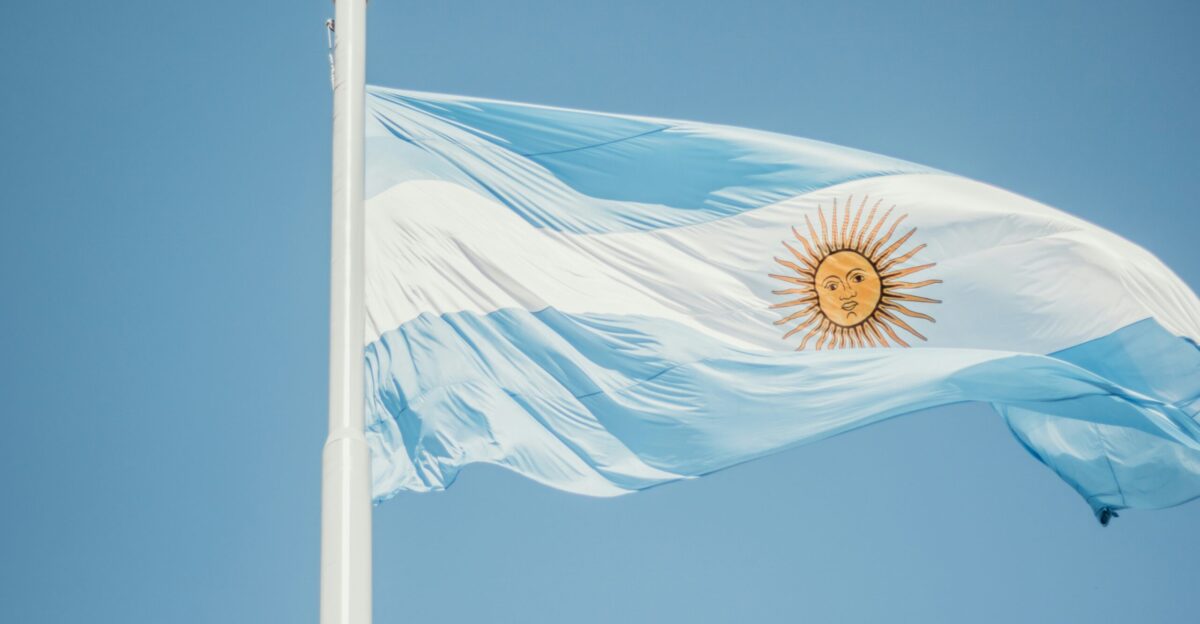
The discovery has significant geopolitical implications for Chile and Argentina, both of which claim territory in Antarctica. For Chile, the skull is physical evidence of a connection between their national territory and the Antarctic Peninsula dating back to the dawn of the republic. It supports the narrative of a continuous presence, linking the South American continent to the frozen south.
This has led to collaborative efforts to study and preserve the remains. Chilean researchers have led the primary investigations, but the findings are shared with the international community through the Antarctic Treaty mechanisms. The skull serves as a focal point for regional science, symbolizing a shared history that transcends modern borders.
A Window into 19th-Century Life

Beyond the mystery of her identity, the skull offers a biological window into the life of a 19th-century woman. Isotopic analysis of the bone collagen could potentially reveal her diet, telling us whether she lived primarily on marine foods (like seals and fish) or terrestrial resources before her death. Such data would help pinpoint exactly where she grew up.
These biochemical signatures are “new questions” that modern science can address without destroying the specimen. By reconstructing her diet and health, scientists hope to build a biography for a woman who left no written record. It is a way of giving a voice to the voiceless, using science to reclaim a lost life from the ice.
The Myth of Ancient Civilizations
It is important to clarify what the skull is not. Despite sensationalist rumors on social media, the skull is not evidence of an ancient Antarctic civilization or pre-glacial habitation. The radiocarbon dating firmly places it in the 19th century. It is a modern human skull, not a fossil from a lost epoch.
Responsible science communication is crucial to debunking these myths. The reality of a young woman dying on a lonely beach in 1820 is compelling enough without the need for fabrication. Researchers like Daniel Torres Navarro have spent decades clarifying the facts to ensure the public understands the true historical significance of the find, rather than falling for pseudo-scientific fantasies.
Ethical Repatriation
As awareness of the skull grows, so does the conversation around ethics. Should the remains be kept in a museum drawer, or should they be repatriated? If she is indeed of Indigenous descent, there may be calls from Yamana or Mapuche communities to return her to her ancestral lands for burial.
This debate mirrors a global movement towards the repatriation of human remains held in scientific collections. While no official claim has been made, the “new questions” raised by the skull are not just scientific but moral. How do we treat the dead who are found in the name of science? This question looms over the future of the Yámana Beach skull.
Future Expeditions
The questions raised by the skull have inspired proposals for new surveys of the South Shetland Islands. Researchers hope that climate change and melting ice might reveal other artifacts or remains that were previously hidden. Every summer season, scientists scour the beaches, hoping to find the “missing piece” of the puzzle.
While no other human remains have been found to date, the possibility keeps the search alive. Advanced ground-penetrating radar and drone surveys are now being employed to map potential archaeological sites without disturbing the ground. The legacy of the 1985 discovery is a more vigilant and technologically advanced approach to Antarctic archaeology.
A Reminder of Fragility
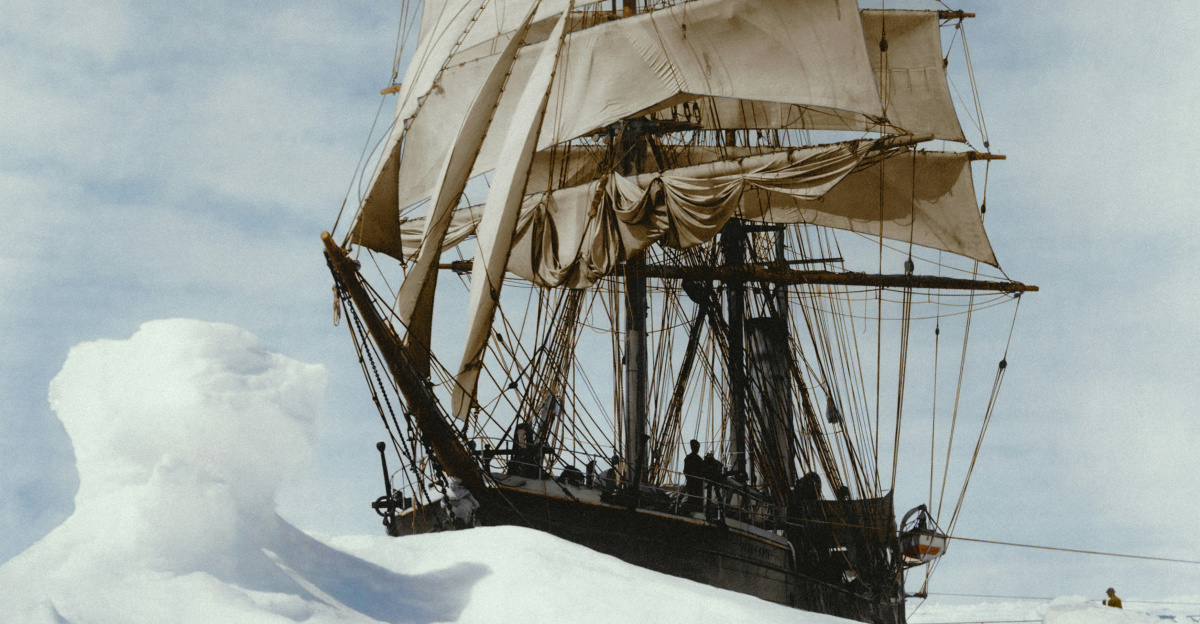
The skull serves as a stark memento mori—a reminder of human fragility in the face of nature. Antarctica is the deadliest continent on Earth, and this young woman was one of its first known victims. Her remains are a testament to the extreme risks taken by those who ventured south in wooden ships with primitive gear.
For modern scientists working in comfortable stations, the skull is a humbling link to their predecessors. It underscores the danger that has always been inherent in Antarctic exploration. Her story is a cautionary tale that resonates with anyone who works in the polar regions today.
The Enduring Mystery
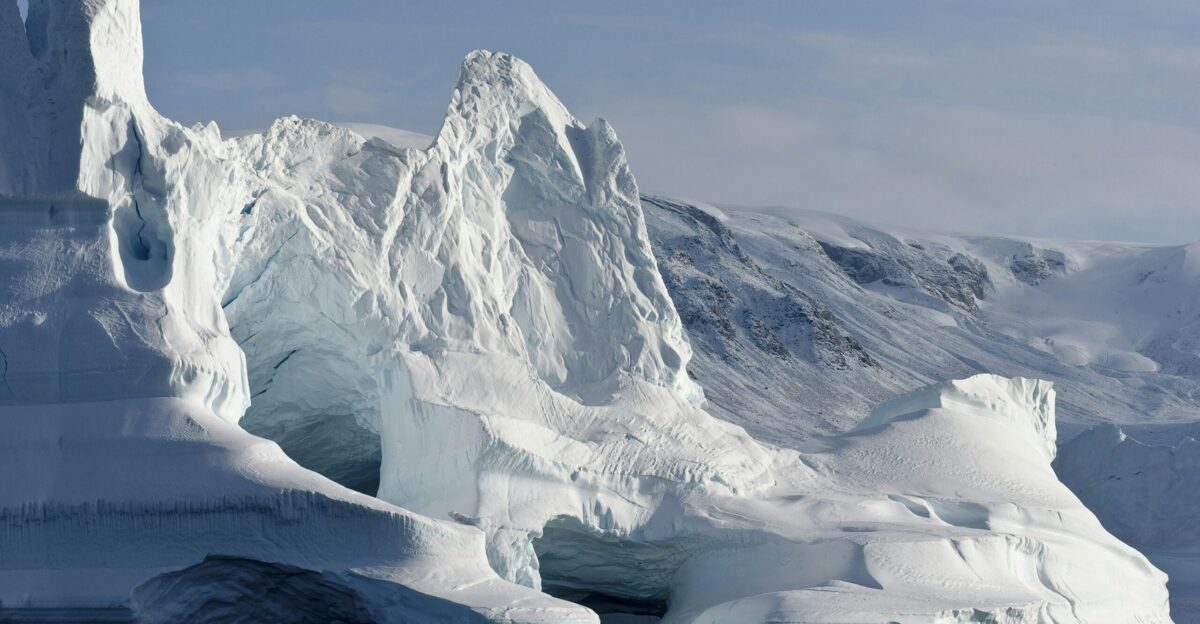
Ultimately, the Yámana Beach skull remains one of Antarctica’s greatest unsolved mysteries. We know where she was found, roughly when she died, and who she might have been biologically. But we may never know her name, her specific tribe, or the exact circumstances of her final moments.
“Whatever the chain of events, only those remains here mentioned have been found up to this day,” Daniel Torres Navarro once wrote.