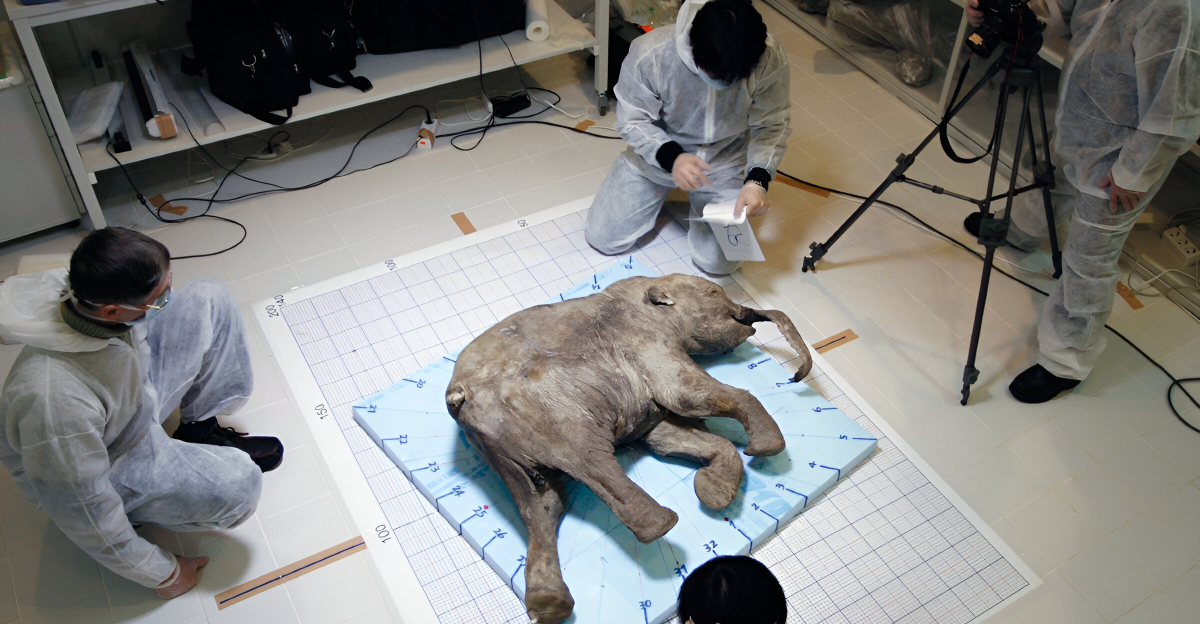
In a lab in Texas, scientists are exploring a question that blurs science and imagination: could the woolly mammoth walk the Earth again? At Colossal Biosciences, researchers aren’t simply trying to clone the past. They are blending mammoth traits with living species using advanced CRISPR technology.
“We’re opening a window into evolutionary history,” says George Church, co-founder of Colossal. By carefully inserting ancient genes into elephant cells, the team creates hybrids that may resemble the iconic mammoth, sparking excitement and ethical debate in equal measure across scientific and public spheres.
Piecing Together the Mammoth Genome
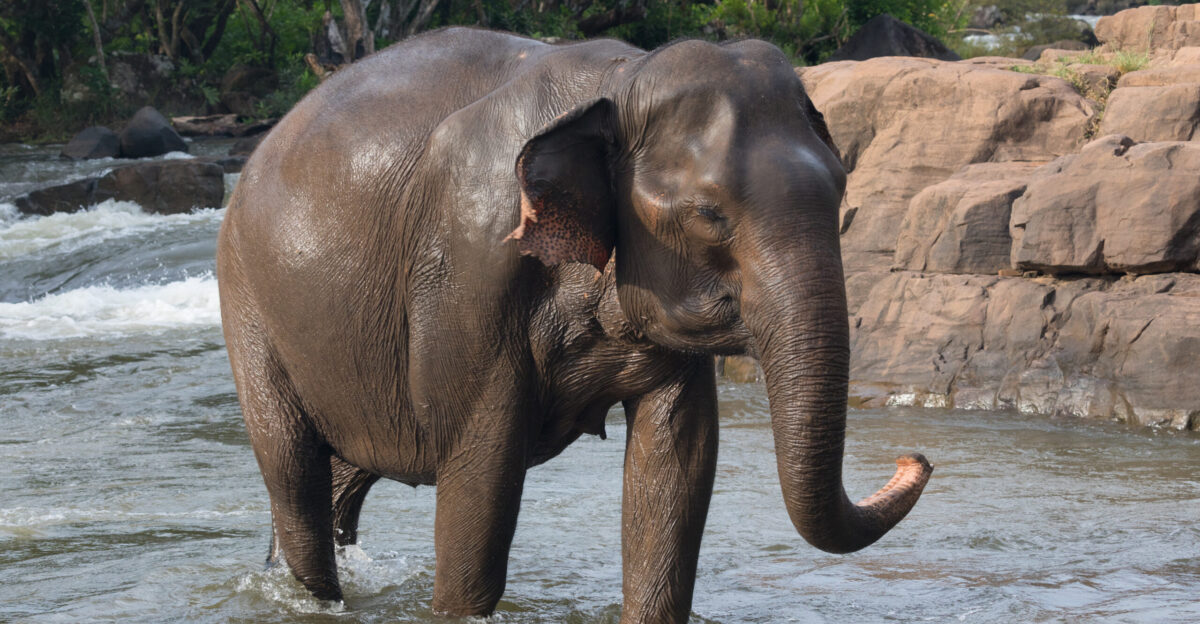
The DNA of woolly mammoths survives only in fragments preserved in permafrost. Asian elephants share over 99% of mammoth DNA, but the small, missing pieces define the iconic species: dense fur, fat layers, and cold tolerance.
Colossal scientists reconstruct these genes painstakingly, often collaborating with museums and genetic archives. Each successful reconstruction brings them closer to understanding how these traits might behave in living organisms. An evolutionary geneticist, Beth Shapiro, notes that even a single gene can have ripple effects, highlighting the complexity and precision required to bridge thousands of years of evolution.
CRISPR: Precision in Action
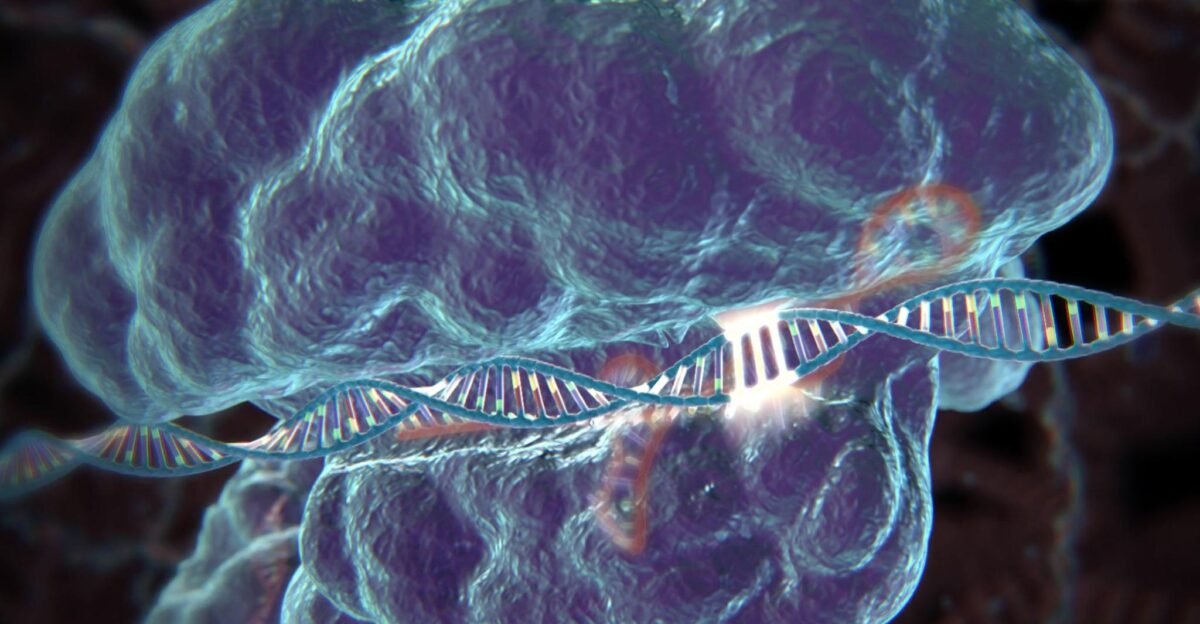
CRISPR is the tool that makes these experiments possible. Church describes it as “a scalpel for the genome,” allowing scientists to cut, insert, or activate specific genes from long-extinct species. Researchers can observe how fur density or fat metabolism responds in a living context by integrating mammoth traits into elephant cells.
The technique doesn’t resurrect an actual mammoth but offers a window into what hybrid animals could look like. For scientists, CRISPR is less a shortcut to the past and more a bridge to new possibilities, testing how ancient DNA can influence modern biology.
The Countdown to a Calf
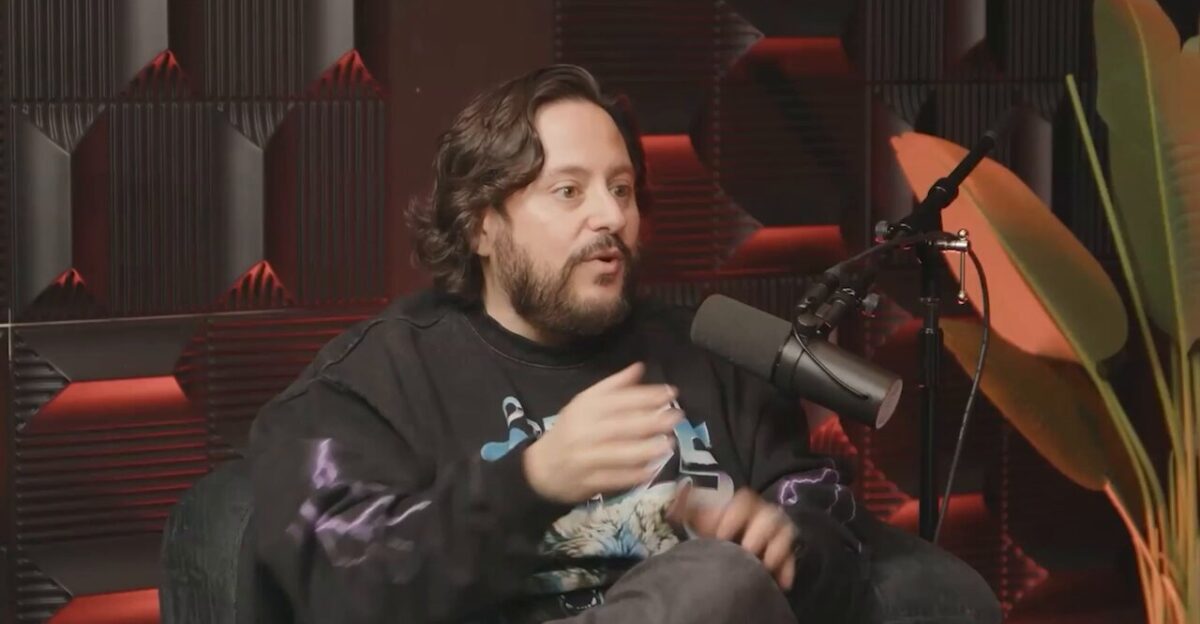
Colossal has set an ambitious target to create a woolly mammoth-like calf by 2028. CEO Ben Lamm told Newsweek that early hybrids could even gestate in artificial wombs within the next three years. These hybrids would not be exact copies of extinct mammoths, but living organisms carrying traits like thick fur and cold resilience.
The timetable is a testament to both scientific ambition and careful planning, reflecting years of research and experimentation. For many, the idea of a mammoth calf walking among us is thrilling, but experts emphasize that ecological and ethical considerations must guide each step.
Tiny Experiments, Big Insights
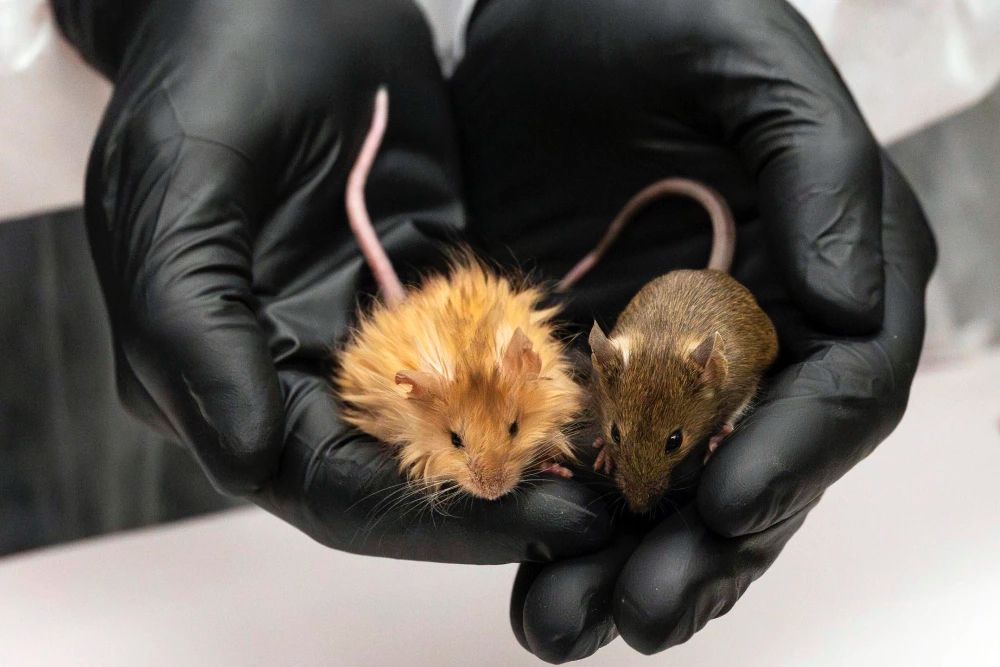
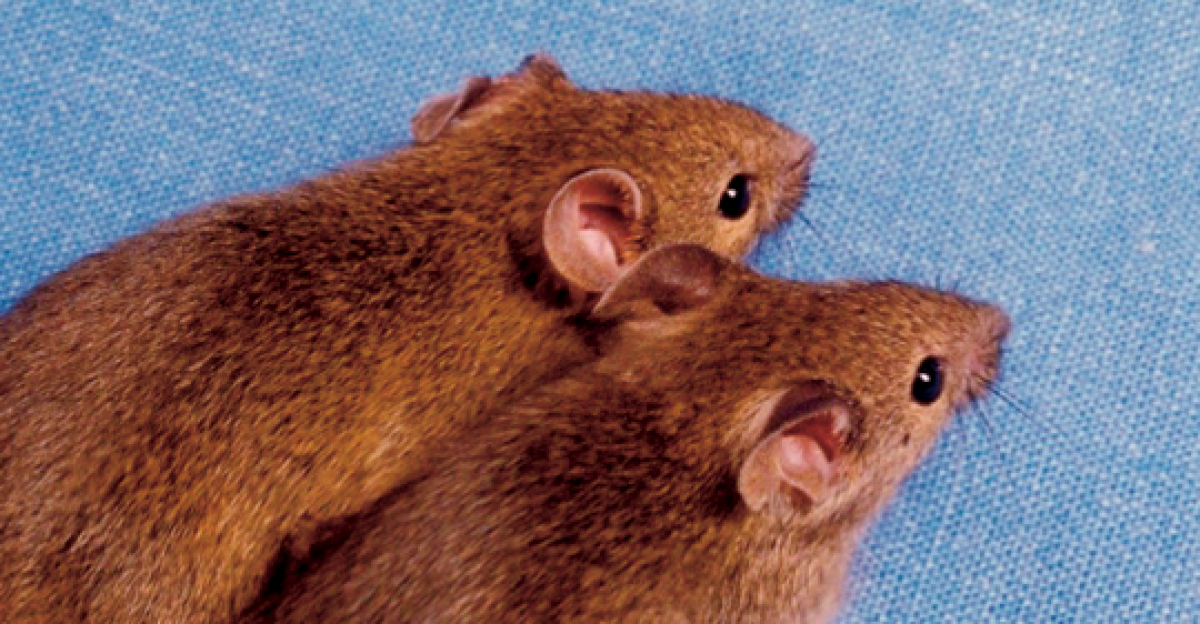
Before attempting elephants, Colossal turned to “woolly mice,” genetically modified to express mammoth-like traits. These mice may look ordinary, but each carries genes that affect fur, metabolism, and cold adaptation. Shapiro calls them “proof of concept,” demonstrating how ancient genes function in living organisms.
The experiments help scientists anticipate challenges before scaling up to larger mammals. It’s an intriguing story for the public—tiny mice bridging the gap between the past and the future. For scientists, it’s a meticulous step in understanding gene behavior, hybrid viability, and the limits of de-extinction.
Hybrids, Not Resurrections
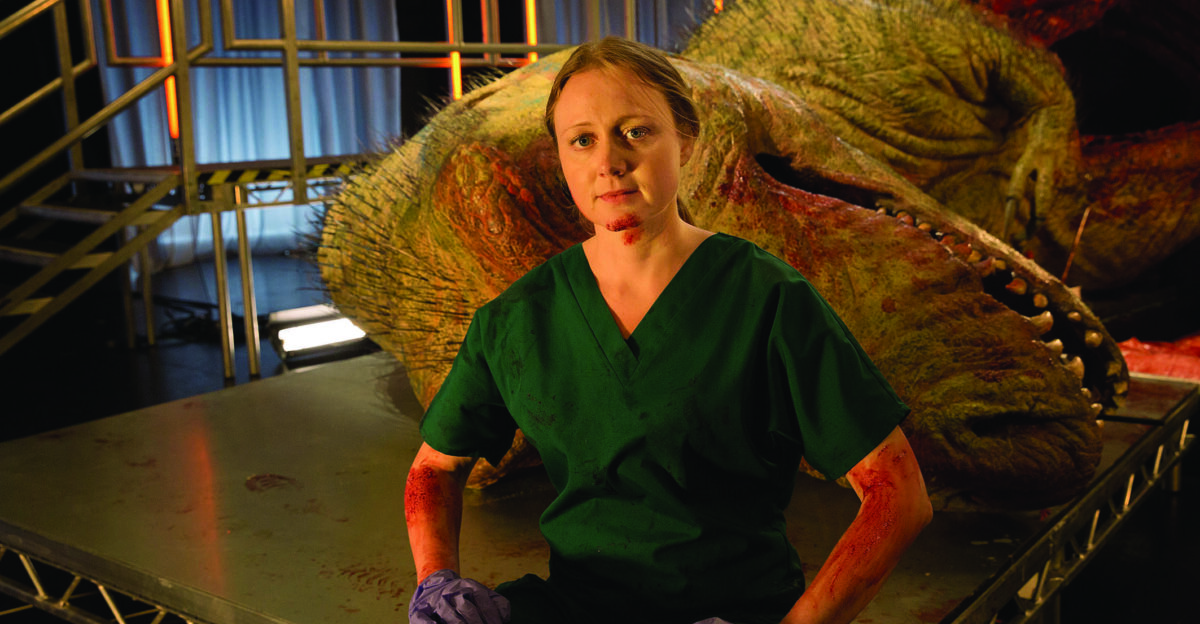
It’s important to clarify that these projects do not fully resurrect extinct species. A woolly mouse remains a mouse; a mammoth-like calf would be a hybrid. Dr. Tori Herridge emphasizes that hybrid organisms express select traits but lack the complete genetic identity of their extinct ancestors.
This distinction raises broader questions: what is de-extinction? Is it revival, replication, or creation? By acknowledging the hybrids’ unique status, scientists frame their work as experimental and exploratory, bridging gaps between conservation, innovation, and ethical responsibility.
Stem Cells Open New Doors
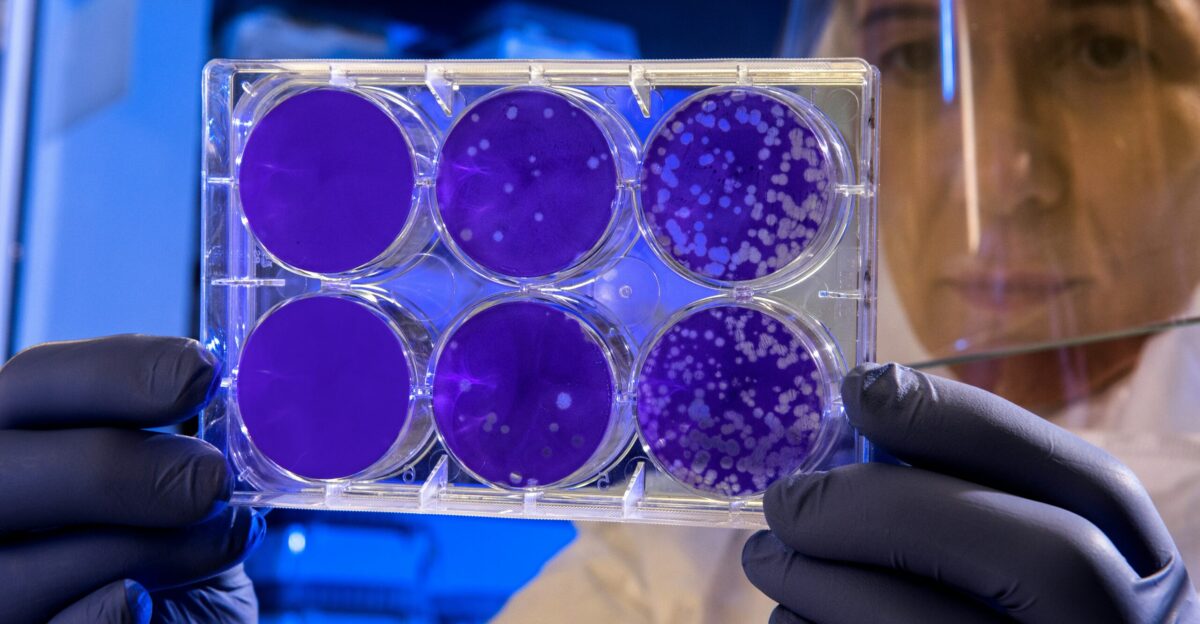
Induced pluripotent stem cells from Asian elephants offer another breakthrough. These cells allow precise editing without relying on rare embryos. Church likens the advancement to “landing on the moon,” highlighting its potential for hybridization and conservation research.
Stem cells also make repeated experiments safer, reducing ethical concerns about live surrogates. This technology represents more than a step toward mammoth revival – it’s a versatile tool for studying endangered species, testing genetic theories, and exploring how ancient traits might integrate with modern animals.
Creating Novel Species
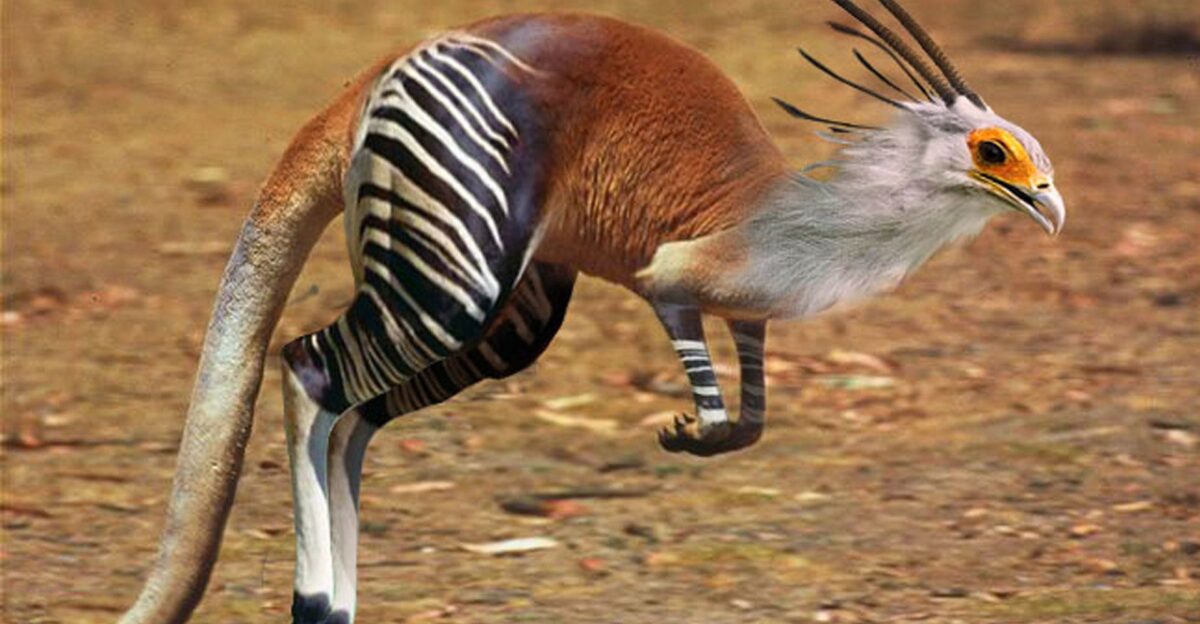
Introducing extinct genes into living organisms can yield animals that never existed before. The woolly mouse exemplifies this, a hybrid distinct from the mammoth and the mouse. Scientists and ethicists debate how to classify such organisms. Are they conservation tools, experiments, or entirely new species?
Shapiro notes that hybrids challenge traditional ideas about nature and survival. They also offer opportunities to explore genetics in new ways, providing insight into evolution, adaptation, and ecological potential. Each hybrid is a living experiment, revealing how life can be reshaped with tools science once only imagined.
Ethics in Motion
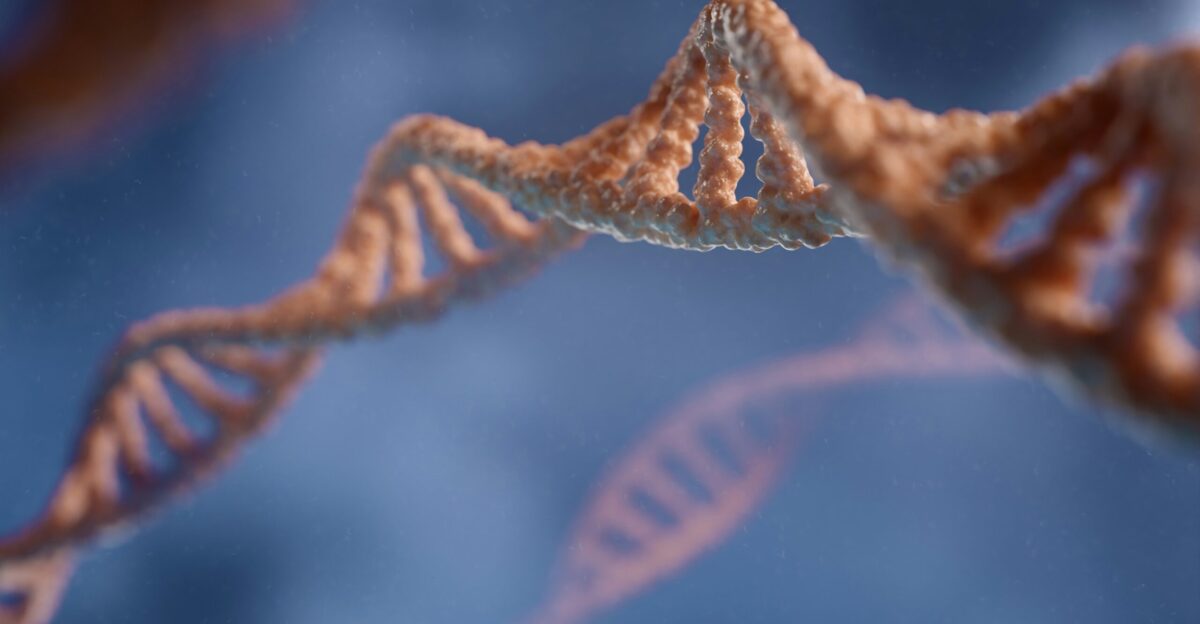
The pace of genetic innovation has sparked urgent ethical questions. Lovell-Badge and Herridge stress that hybrids require careful oversight, from welfare concerns to ecological impact. Scientists must decide which traits to prioritize, which species to experiment on, and how to release them into the wild responsibly.
Ethical frameworks are evolving alongside technology, balancing innovation with precaution. In this space, fascination and caution coexist: the allure of recreating traits from extinct giants meets the responsibility to protect modern ecosystems and ensure humane treatment of hybrid animals.
Artificial Wombs as a Game Changer
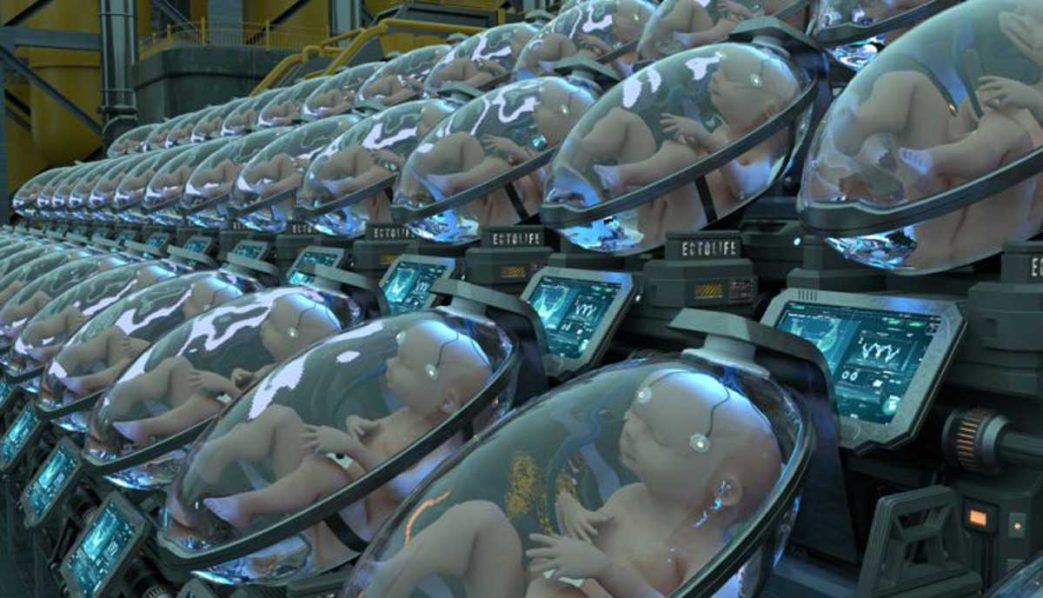
Colossal collaborates with Harvard’s Wyss Institute to explore artificial womb technology, which could gestate hybrid embryos without relying on elephant surrogates. James, Colossal’s director, calls them “technological wonders” that accelerate conservation work while reducing animal stress.
Though still experimental, artificial wombs allow researchers to test viability, monitor development, and refine techniques safely. Beyond mammoths, this technology could support endangered species and new hybrids, opening possibilities for conservation and genetic research previously limited by biology and ethics.
Conservation and Climate
De-extinction isn’t just a laboratory experiment; it has ecological ambitions. Colossal proposes reintroducing mammoth-like grazers to Arctic tundra to slow permafrost thaw and help mitigate climate change.
Some climate scientists remain cautious, questioning whether hybrid herds could realistically alter ecosystems or permafrost dynamics. Yet the proposal exemplifies the intersection of genetics and environmental science.
By engineering animals that are both cold-tolerant and grazing-efficient, researchers hope to restore lost ecosystem functions and demonstrate how biotechnology might play a practical role in addressing urgent environmental challenges.
Scientific Skepticism
Despite headlines, many experts caution that true de-extinction is still elusive. Most successes produce hybrids or proxy species, not exact replicas. Shapiro explains that while individual traits can be restored, behavior, ecological roles, and complete genetics of extinct species remain unreachable.
Cloning limitations and gaps in knowledge mean that projects are as much about experimentation and understanding as they are about revival. Hybrid animals are stepping stones, offering insights into genetics and conservation, but they remind us that science often advances in increments, not leaps.
Funding Drives Progress

Colossal raised $200 million in early 2025 to accelerate gene-editing projects, artificial womb research, and hybrid experiments. The investment reflects growing confidence in de-extinction’s potential while also amplifying scrutiny.
Large-scale funding enables ambitious experimentation but places ethical and ecological responsibilities under public watch. Researchers note that financial support accelerates discovery and debate, turning speculative ideas into tangible research programs.
For scientists and the public alike, funding signals that de-extinction is no longer theoretical; it’s a field where biology, technology, and policy intersect in real time.
Assessing Ecosystem Risks

Hybrid species carry ecological uncertainty. Scientists monitor for novel behaviors, potential disease, and competition with existing wildlife. Herridge notes that even small organisms can cause cascading effects, emphasizing the importance of environmental assessments before release.
De-extinction becomes a form of ecological engineering, balancing innovation with caution. Every hybrid animal introduced represents a new experiment in real-world ecosystems, where the consequences are difficult to predict. Risk assessments and careful monitoring are essential to ensure scientific curiosity doesn’t unintentionally disrupt habitats or native species.
Capturing Public Imagination
From woolly mice to the prospect of mammoth calves, de-extinction projects have captured the imagination worldwide—media coverage and social engagement fuel public fascination, shaping funding, policy, and ethical discussion.
Hybrid species are no longer confined to laboratories; they are catalysts for broader conversations about humanity’s role in conservation and the definition of natural life. Scientists emphasize that public attention brings both opportunities and responsibilities, ensuring transparency while encouraging discourse about how modern technology can responsibly interact with ancient genes.
Science Meets Narrative

Shapiro and other experts highlight that the story of de-extinction is not about perfect historical restoration. It’s about discovery, creativity, and the challenges of hybridization. Each experiment—whether a stem cell breakthrough, a woolly mouse, or an embryo in an artificial womb—adds to a scientific and human narrative.
Researchers document successes and setbacks, creating a story that captures imagination while grounding it in evidence. De-extinction becomes a lens through which we explore innovation, ethics, and our evolving relationship with the natural world.
Beyond CRISPR
De-extinction uses more than CRISPR. Cloning, selective breeding, and back-breeding complement gene editing, though each method has limitations. Back-breeding can recover traits but rarely reproduces a genetically identical extinct species.
Integrating multiple approaches allows scientists to explore hybridization from different angles, expanding knowledge and refining techniques. The field is experimental, and progress is measured in incremental insights rather than dramatic leaps.
Regulation and Oversight

As hybrid species emerge, governments and bioethics committees draft release, welfare, and public transparency guidelines. International frameworks are also under consideration, reflecting cross-border implications. Researchers stress that policy must evolve alongside technology to balance scientific advancement with ecological safety.
Guidelines aim to prevent misuse, ensure responsible experimentation, and protect animals. Regulation is not a barrier but a guide, keeping the science accountable while allowing innovation to proceed carefully.
A Library of Life
Colossal and its partners are creating genomic libraries and cryogenic banks to preserve DNA and embryos from endangered and extinct species. This “living archive” allows conservation and research to progress hand in hand. Scientists hope to safeguard genetic diversity to support future ecological restoration and species adaptation.
The libraries serve as both a resource and a safeguard, ensuring that discoveries today can inform tomorrow’s conservation efforts. Hybrid animals are just one step—the long-term vision is preserving the building blocks of life itself.
Mammoth Revival’s Legacy
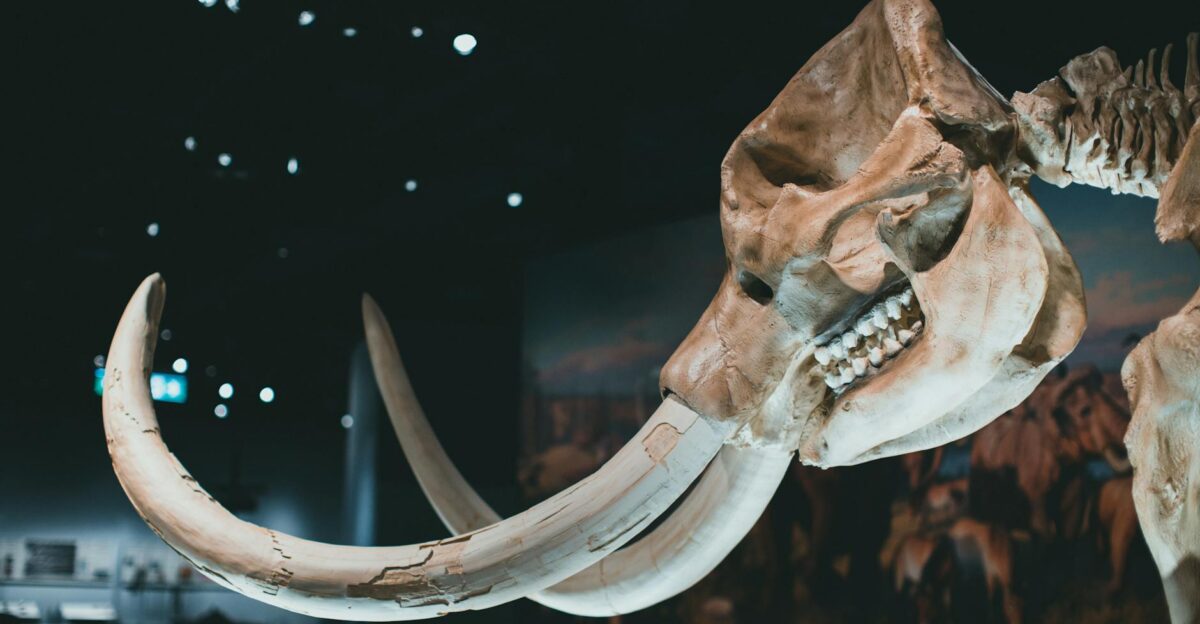
The woolly mammoth project may never perfectly recreate the past, but it is already shaping the future. By blending genetics, stem cell science, and artificial womb technology, Colossal is expanding the frontiers of biology.
Experts agree the real legacy lies in innovation: hybrids, new species, and ecological experimentation. The story of de-extinction is not a history lesson; it’s a narrative of exploration, ethical debate, and scientific possibility. As humans grapple with the power to reshape life, mammoth revival becomes a mirror.