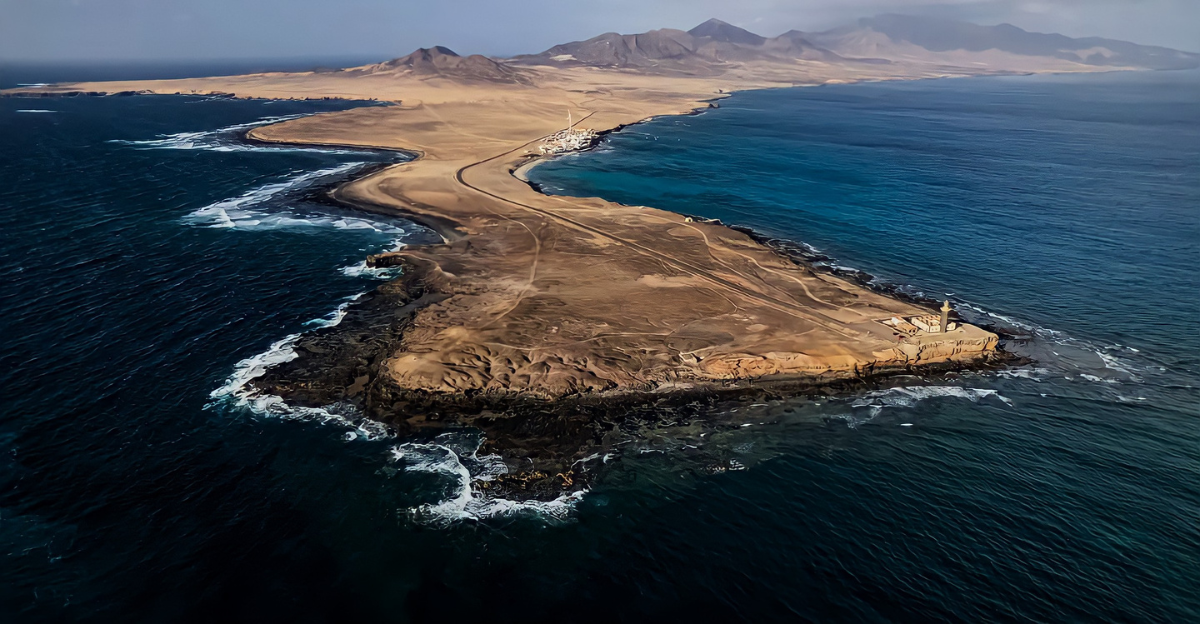
Far off Spain’s coast lies a small, protected island that many believed was safe from modern problems. Researchers from Kiel University arrived to study the marine life and coral reef. Instead, they came across something troubling.
What looked untouched at first revealed signs that even remote places are not free from hidden dangers. Their early findings raised concern, pointing to an issue bigger than one bay.
The investigation is only starting, but already shows how problems caused by people can spread further than most realize, even to places rarely visited by humans.
A Remote Place
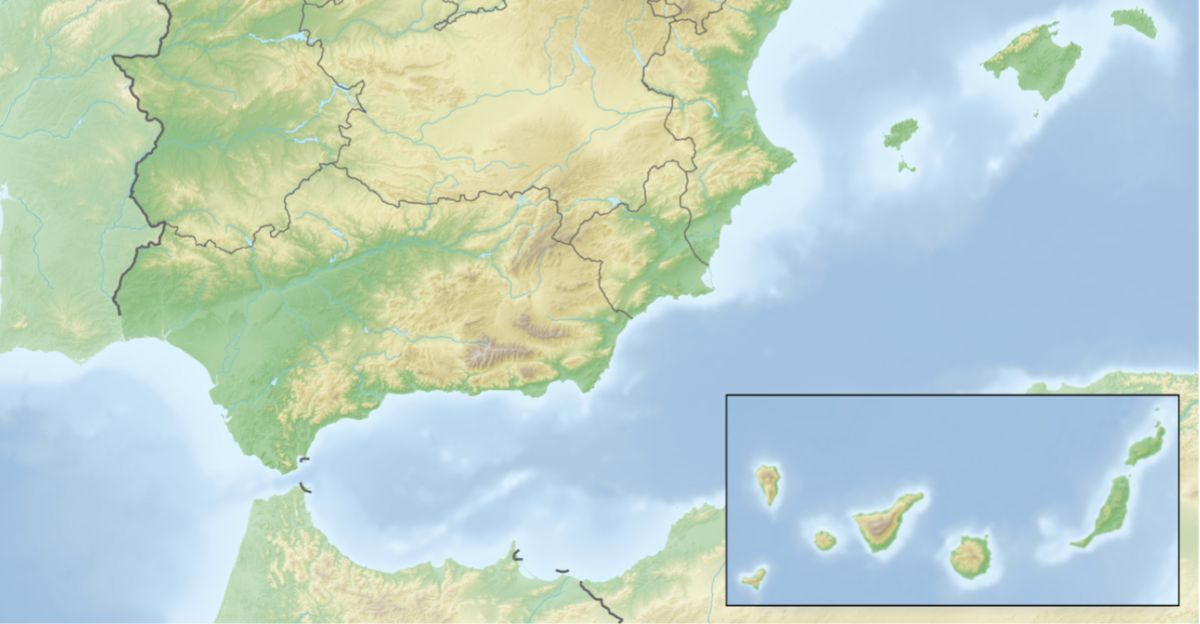
Illa Grossa, part of the Columbretes Islands, is about 34 miles off Spain. The island is uninhabited, volcanic in origin, and set inside a marine reserve. Because of its isolation, it has long been considered a safe haven for rare plants and animals.
Why Scientists Care
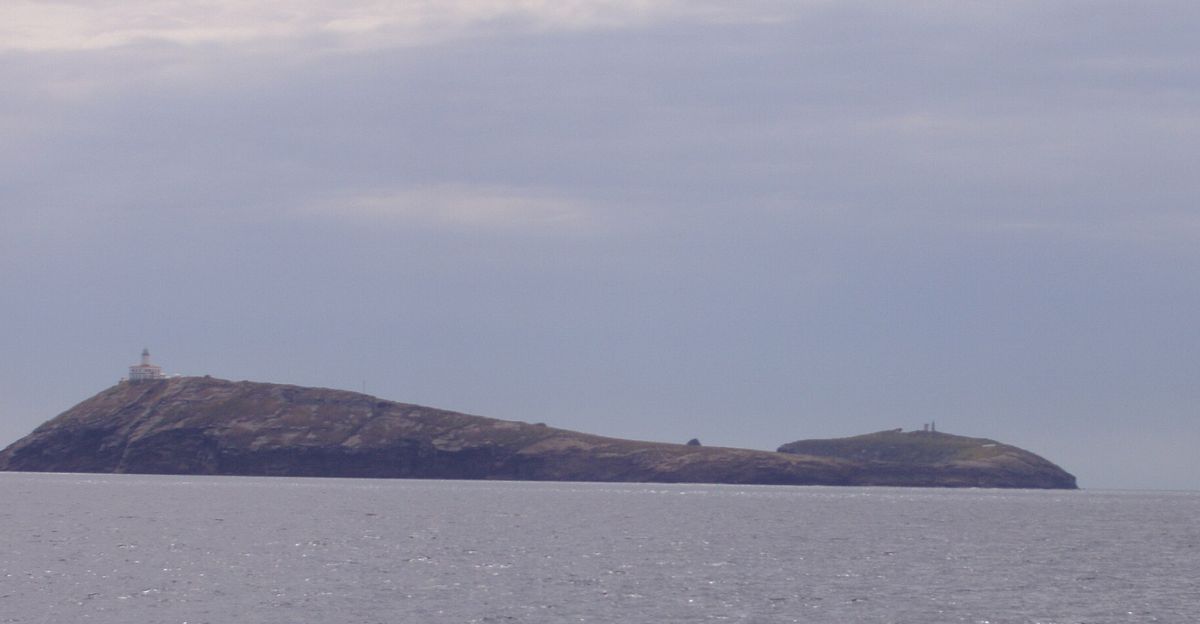
Illa Grossa is valuable because it is cut off from direct human activity. If signs of pollution show up here, it suggests the problem is far-reaching. This means global pressures may be affecting even the most carefully protected areas.
A Rare Coral
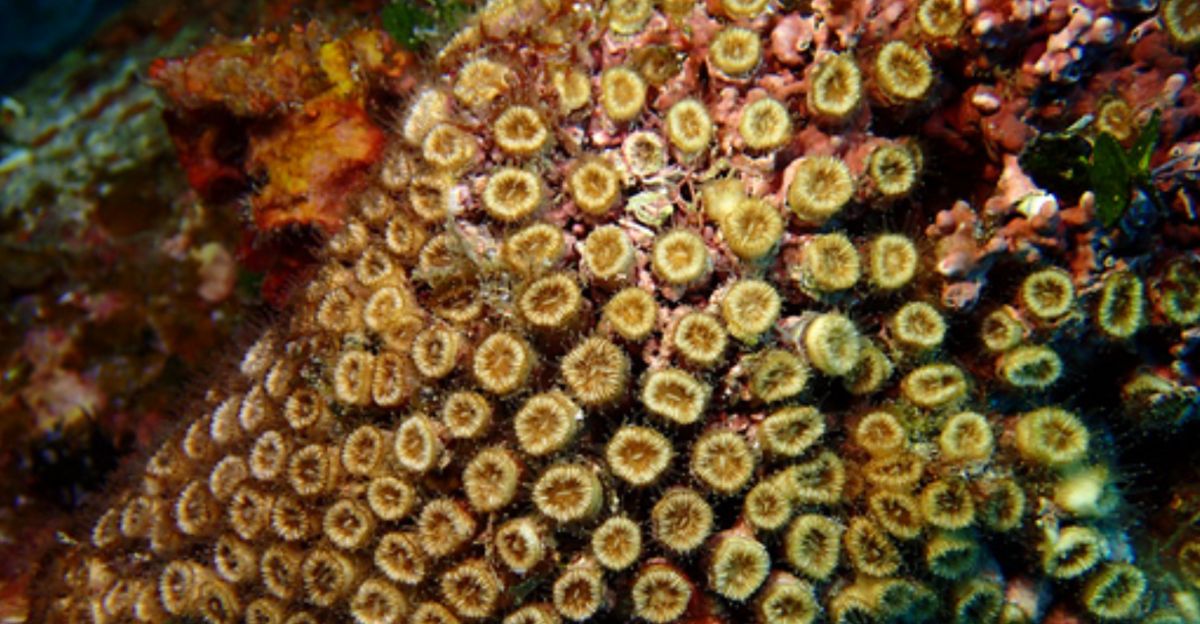
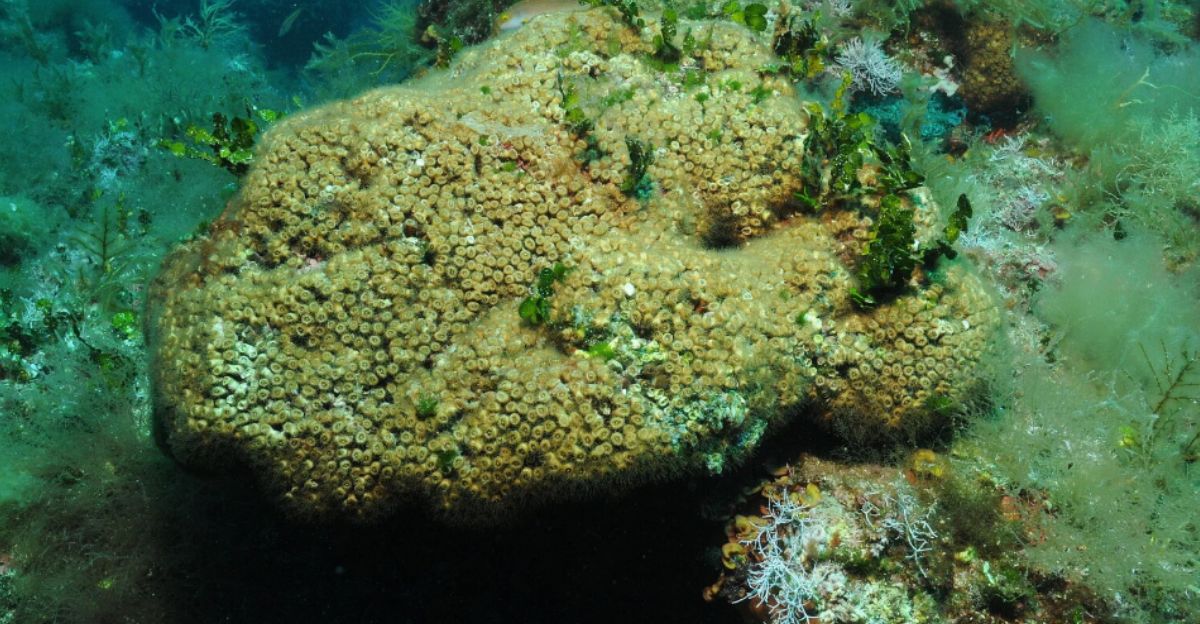
The bay around Illa Grossa holds Cladocora caespitosa, the only reef-building coral in the Mediterranean. This coral, already endangered, provides food and shelter for fish, sea urchins, and sponges. Without it, the local ecosystem would struggle to survive.
Checking the Seafloor
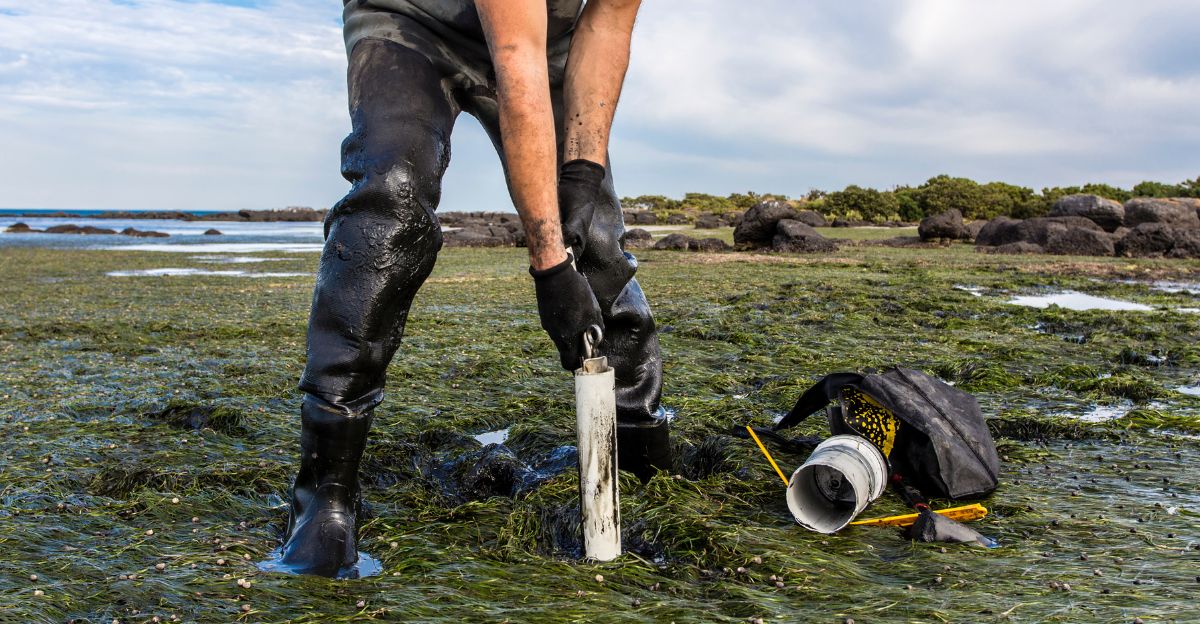
To study the bay’s condition, the team collected five sediment samples. They expected some normal variation, but instead found an unusual concentration of foreign material hidden in the sand, raising red flags for the environment.
The Numbers
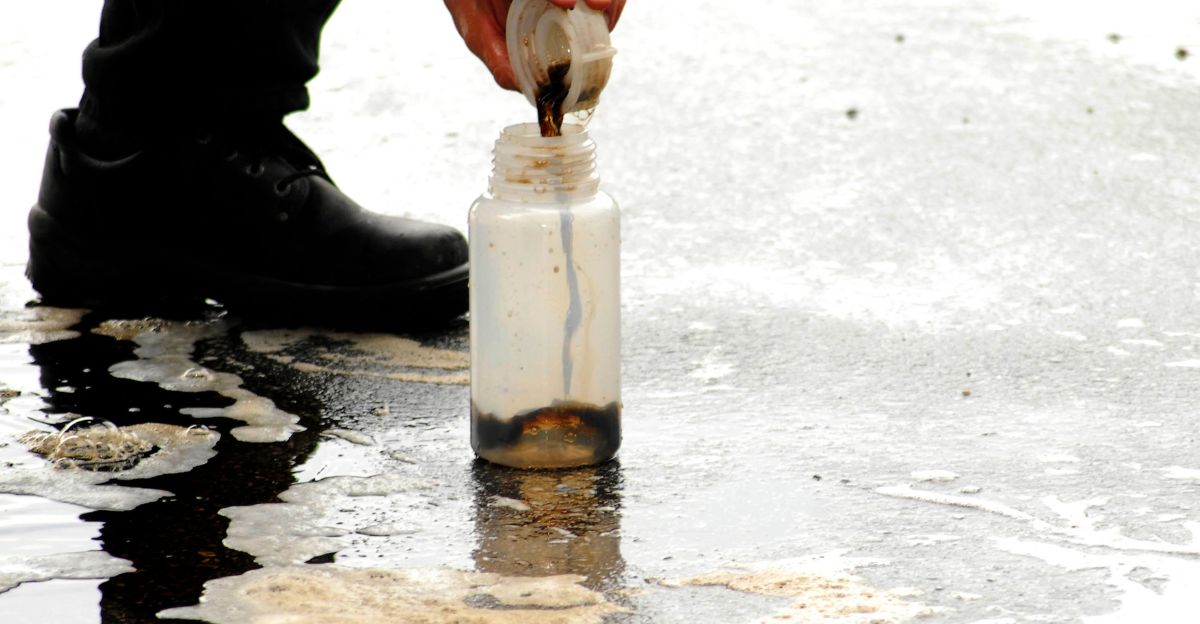
On average, samples contained about 1,500 small particles per kilogram of sediment. One sample had more than 6,000. Most particles were tiny: less than 250 micrometers. Small enough to be eaten by corals and other sea creatures.
What Are Microplastics?
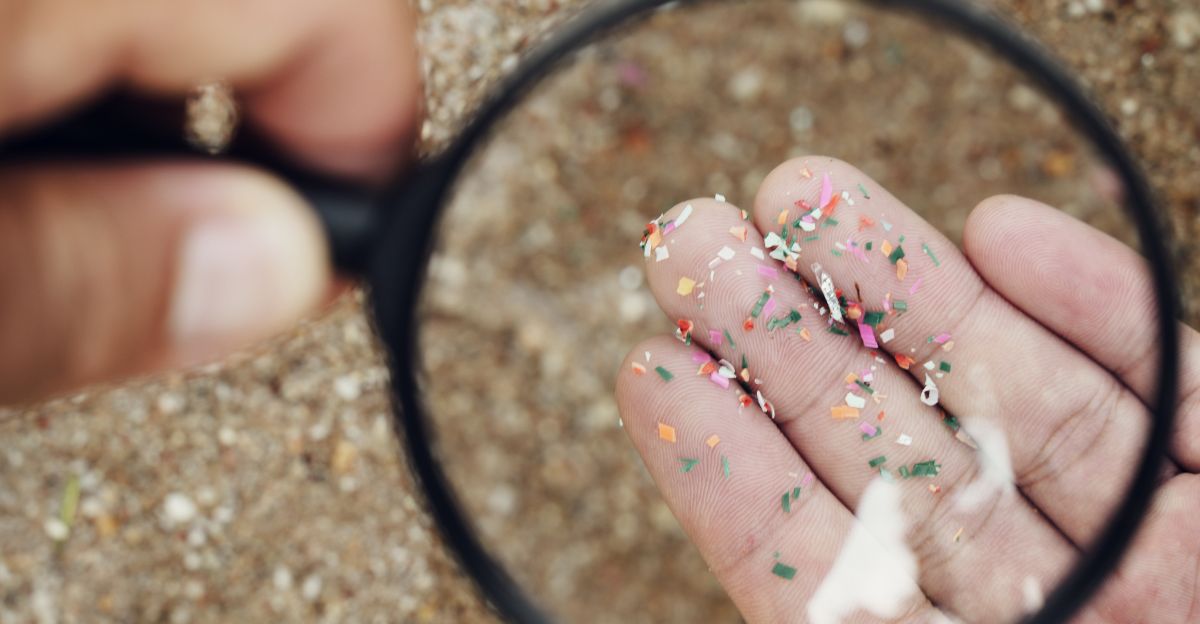
Microplastics are small bits that come from broken-down plastic items. They are too small to see clearly but end up in water, air, and soil. Because of their size, they can be swallowed easily by both animals and people.
What About Microrubber?
Microrubber usually comes from tire wear and synthetic products. Studies show it may be even more common in the environment than microplastics. Like plastic fragments, it builds up in water and is often eaten by marine life.
Why Call It a Biohazard?
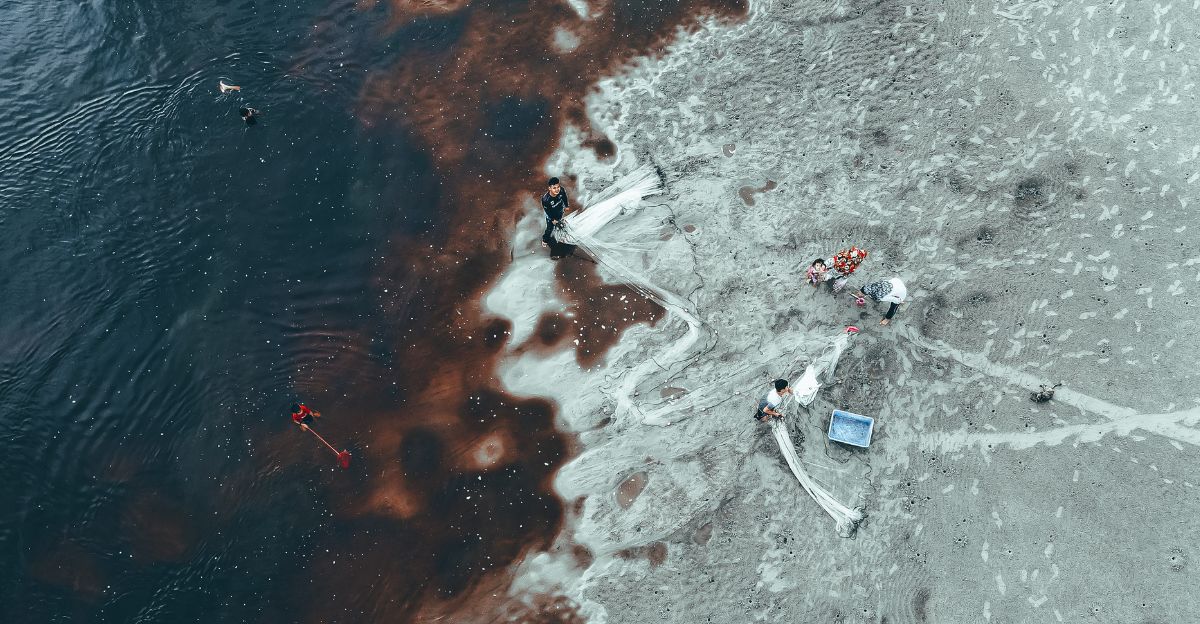
Pollution at this scale can be classed as a biohazard because it harms living systems. These particles block coral growth, threaten sea species, and could move up the food chain, eventually affecting human health as well.
Coral’s Role
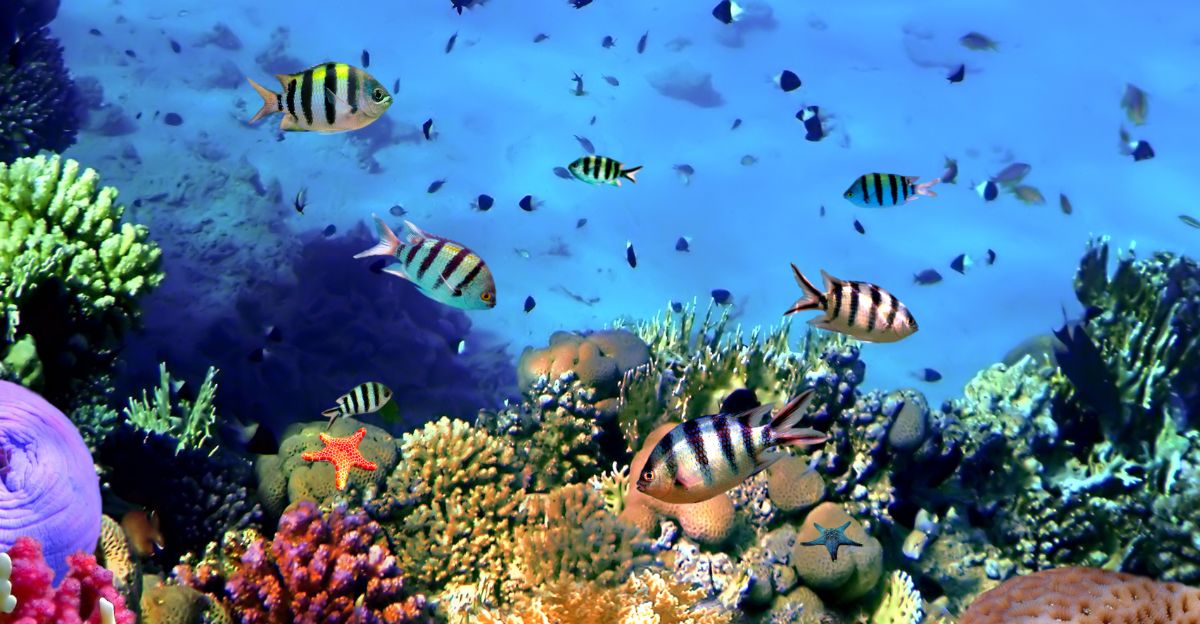
Coral reefs do more than support sea life. They reduce wave power by nearly 97%, protecting shorelines from flooding. They also keep fish and shellfish stocks healthy, which many families depend on for food and income.
Risks to Humans
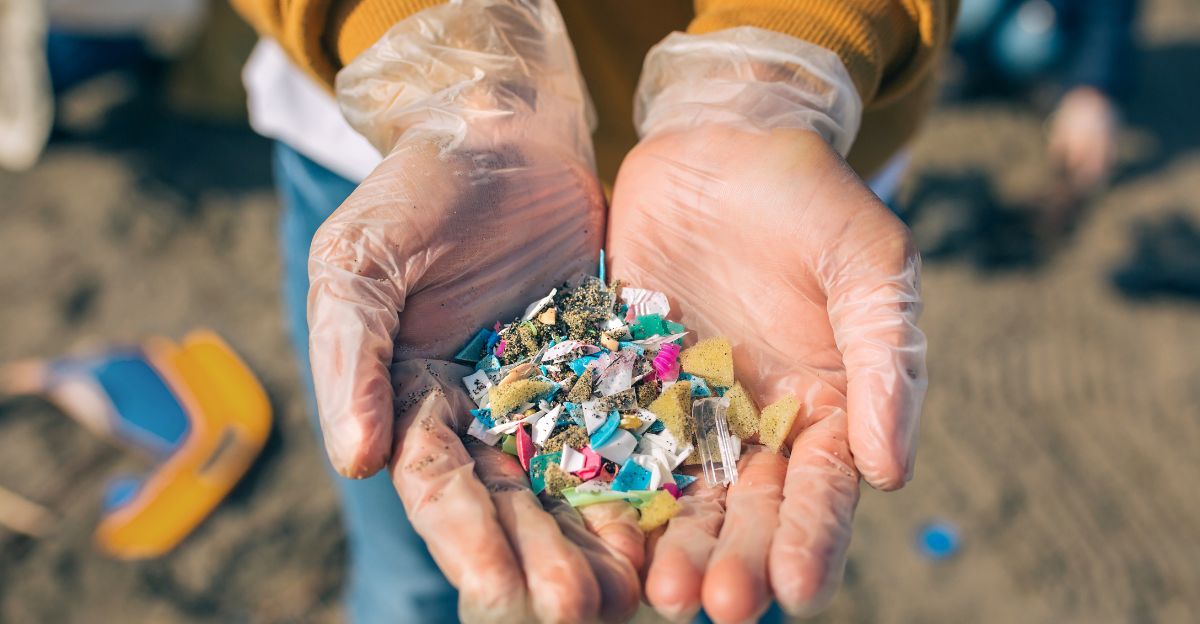
Research links microplastics to cancer, hormone problems, and fertility issues. While the full health effects are still being studied, their spread in marine food webs raises understandable concern for people who rely on seafood.
Not the First Threat
This coral has faced problems before. In 2024, scientists found toxic fly ash in the bay. Rising sea temperatures and repeated heatwaves have also weakened coral populations, making survival even harder for this species.
A Bigger Picture
Together, these findings show that even areas thought safe are under stress. Pollution, climate change, and other pressures combine to put rare species at risk, no matter how far they are from cities.
What Experts Say
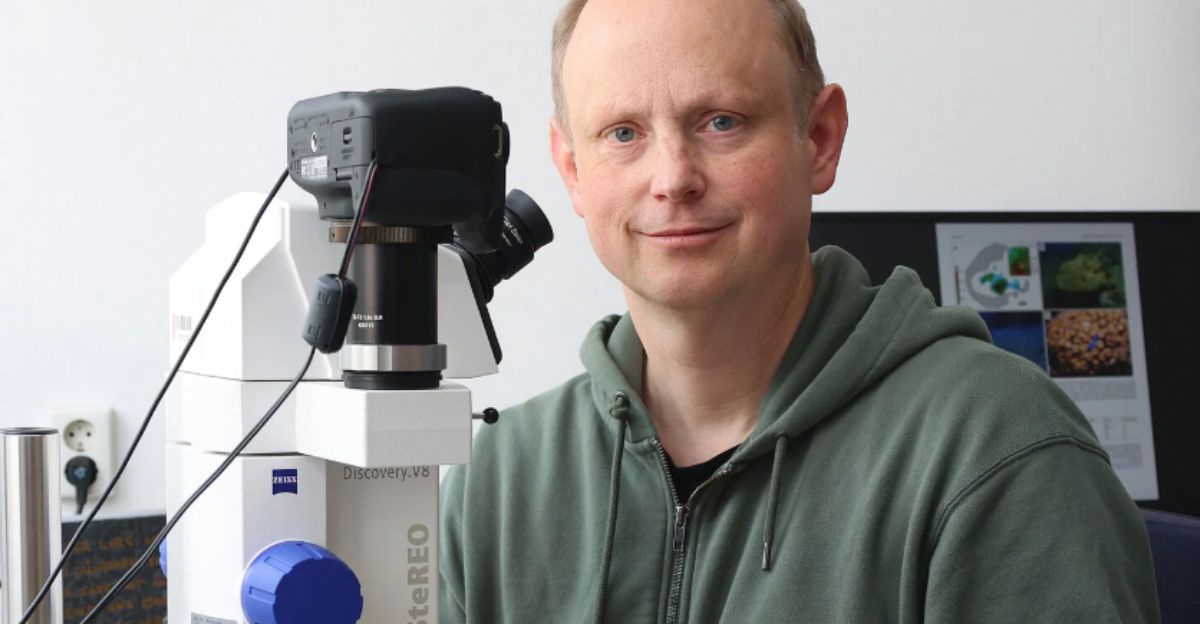
Dr. Lars Reuning, lead author, described the results as “deeply concerning.” While the study focused on one area, he stressed it shows how serious plastic pollution has become, reaching even remote, managed reserves.
Impact on People Nearby
Though no one lives on Illa Grossa, the surrounding sea matters to fishing families. If coral weakens and fish numbers drop, local food supplies and income sources shrink, and coastlines lose natural protection.
Not Just Here
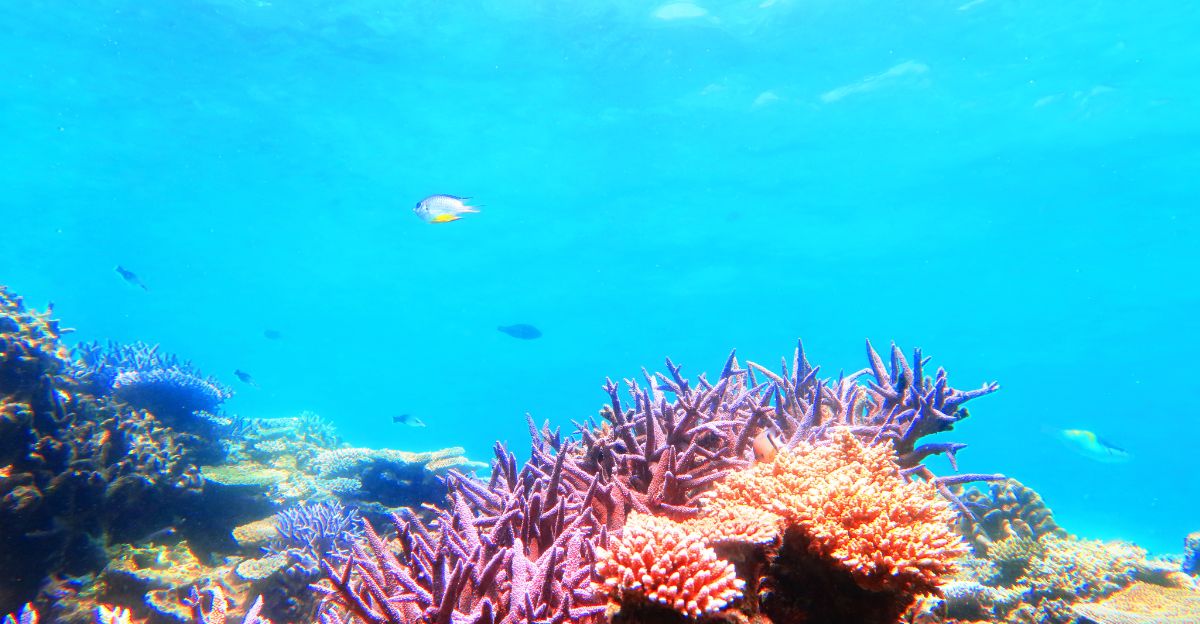
Worldwide, coral reefs face heat stress, overfishing, and pollution. Illa Grossa is just one case showing how fragile these systems are. The Mediterranean is especially at risk because waste tends to collect in its closed waters.
Trying New Fixes

Scientists are testing unusual methods. Some play sounds of healthy reefs to encourage coral growth. Others use underwater robots to remove harmful species. These tools may help, but they don’t solve plastic pollution itself.
What People Can Do
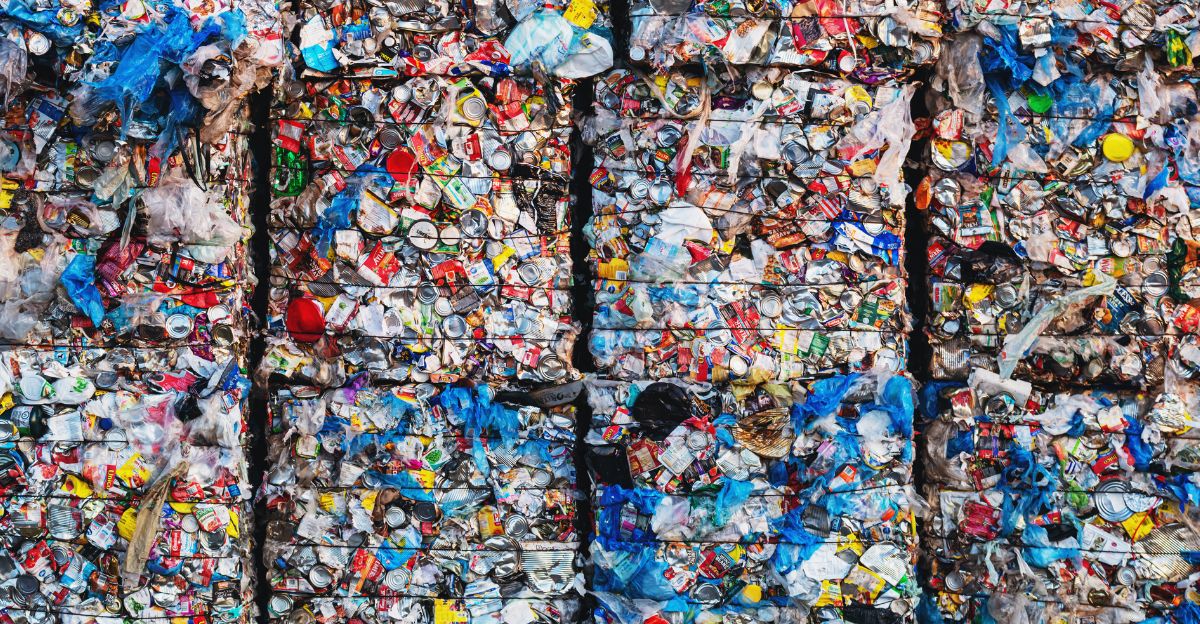
Individual choices matter. Using reusable bottles, bags, and containers lowers the amount of plastic entering waterways. Small steps, repeated by millions of people, can reduce the waste that ends up in sensitive places.
The Next Step
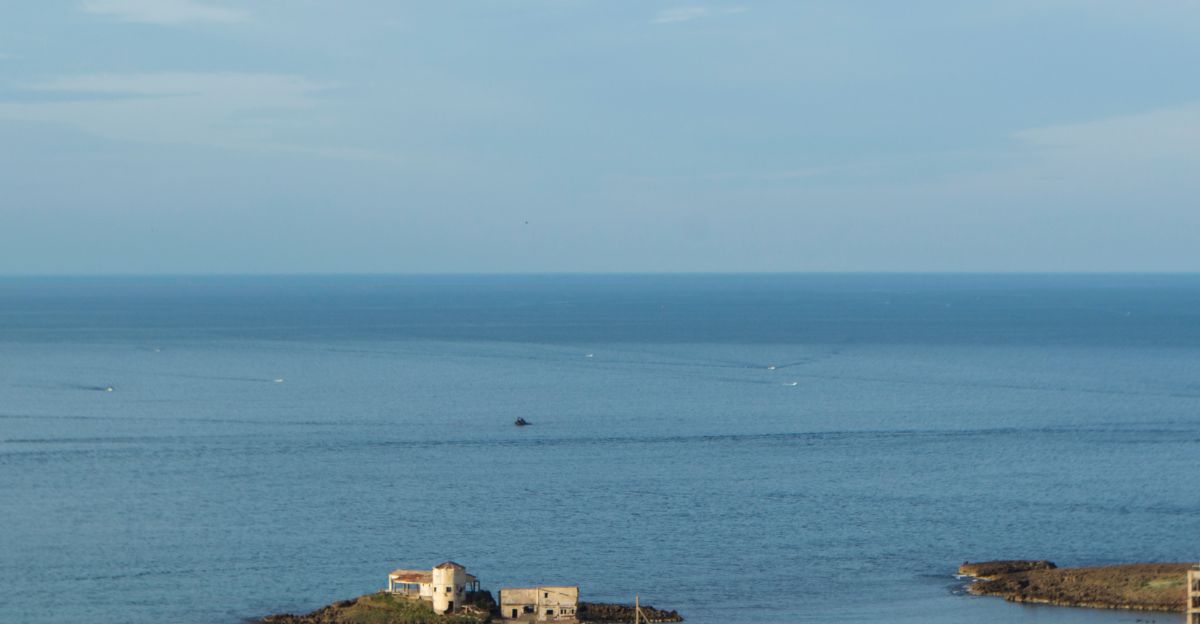
For Illa Grossa, the key will be more research. Scientists will need to monitor the bay to see if the coral recovers or continues to decline. The island is now an important signal for wider Mediterranean health.
The Takeaway
This finding shows that no spot is truly untouched. Pollution spreads, settles, and affects areas once thought safe.
Protecting reefs and reserves is not only a local effort but a global responsibility. Illa Grossa’s warning reaches far beyond its waters.