On September 5, 2025, far-right activist Laura Loomer sent shockwaves through India’s tech sector. On social media, she claimed “President Trump is now considering blocking US IT companies from outsourcing their work to Indian companies,” adding “you don’t need to press 2 for English anymore. Make Call Centers American Again!”.
The assertion was entirely unverified, yet it instantly roiled an industry worth nearly $200 billion.
Indian firms — whose business models rely on affordable offshore support — watched anxiously as this rumor spread. Industry executives scrambled to clarify that no such policy existed, but uncertainty had already crept into boardrooms.
Industry Alarm

India’s largest IT exporters are deeply entwined with U.S. clients. For example, Infosys reports that over 60% of its revenues come from North America. Companies like TCS and Wipro similarly earn roughly half their sales from U.S. customers. A sudden ban would threaten this lifeblood.
Business magazines note India’s IT exports hit roughly $193 billion in 2022–23, with the United States alone accounting for about $106 billion (55%) of that total.
Any real restriction on outsourcing would be a massive blow to Indian tech firms and the millions they employ. (Analysts joke that a single tweet from an obscure source should not launch a market panic – but the reaction proves how fragile confidence has become.)
Political History
It’s not the first time an American candidate has railed against outsourcing. Barack Obama railed in 2012 about “loopholes” that encourage shifting jobs abroad, and he even campaigned on closing tax breaks for offshoring. Donald Trump did the same in 2016, tightening H-1B visa rules and chanting “Buy American” even as president. But historical data show policy rarely matched rhetoric.
As Reuters reported, 2,095 petitions affecting 202,151U.S. workers were certified to move offshore during Trump’s 2017–2020 term — nearly as many as the 2,170 petitions (209,735 jobs) approved under Obama’s last four years.
American firms continued offshoring when it made business sense, despite political pressure. Still, campaigns have repeatedly promised pain for outsourcing — leaving industry watchers skeptical that this time will be different without concrete legislation.
Rising Pressure
Even before Loomer’s post, right-wing voices had ramped up anti-outsourcing rhetoric. Conservative commentator Jack Posobiec tweeted that “all outsourcing should be tariffed,” proposing trade penalties on “foreign remote workers”.
White House adviser Peter Navarro enthusiastically agreed, declaring “It’s tariff time” and warning that outsourcing “contributes to wage and employment suppression for American workers”.
This language treats skilled services as if they were imports of goods. The drumbeat of protectionism has grown louder in Trump’s orbit, fueled by populist anger. Some analysts note that these ideas play well on cable TV, even if they clash with how the economy actually works.
Rumor Debunked

The turning point came quickly: major fact-checkers swooped in. By September 7, The Times’ Headline ran a fact-check making clear that Loomer’s assertion was baseless. They found “no official statement or policy from President Trump or U.S. officials imposing such restrictions,” confirming the claim originated from activist Laura Loomer, who posted on X.
In other words, it was pure rumor. Even the Indian press noted that Loomer has no formal role in policy-making.
Once this was reported, many executives breathed a sigh of relief. Still, the incident left lingering uncertainty: a false alarm may have temporarily calmed fears, but the underlying political battle over outsourcing is far from settled.
India’s Stake

India’s technology-services exports reached roughly $193 billion in FY2022–23. The U.S. remains the single largest customer, accounting for well over half of that business. This means giants like Infosys and Wipro are highly exposed to any American trade shock.
For instance, Infosys earned about 61% of its revenue from North America. Wipro and HCLTech similarly derive a large share of sales from U.S. clients. An abrupt policy change could thus imperil Indian jobs and growth.
Indian IT leaders have warned of the risks: as one national newspaper summarized, Trump’s stated goal to “end outsourcing” should “sound alarm bells” in New Delhi. Industry veterans note that the United States is estimated to take roughly 60–62% of India’s IT exports — a reminder of how deeply interconnected the two economies are.
American Voices

“There’s nothing fair about telling U.S. companies they can no longer hire based on need,” says Ohio factory owner Jim Weber. Echoing worker frustration, Senator Bernie Moreno declared: “While college grads in America struggle to find work, globalist politicians and C-Suite executives have spent decades shipping good-paying jobs overseas… those days are over,” as he rolled out his anti-outsourcing bill.
Moreno’s fiery quote taps into the same emotion: American workers feel squeezed by offshoring. Yet on the other side, Indian tech professionals are equally anxious.
In Bengaluru, software manager Kavita Rao told local media that clients “rely on our 24/7 services,” and rumors of a ban “create needless panic” among employees. In short, genuine human stories lie behind the statistics — in Ohio factories and Hyderabad cubicles alike.
Legislative Response
Putting rhetoric into action, Senator Moreno (R–Ohio) introduced the HIRE Act on September 5, 2025. The bill would impose a 25% tax on “outsourcing payments” made by U.S. firms to foreign-based workers, and ban deductions for such payments. Any revenue raised would fund U.S. job-training programs.
Moreno said bluntly, “If companies want to hire foreign workers instead of Americans, my bill will hit them where it hurts: their pocketbooks”. This is the most far-reaching proposal yet: it would effectively make offshore labor a luxury expense.
Notably, Moreno’s press release refers to it as the “Halting International Relocation of Employment Act.” Observers point out that it targets tech and service offshoring explicitly, reflecting the broader “America First” strategy on trade.
Industry Evolution

Paradoxically, while the political debate heated up, Indian IT firms have been shrinking their own workforces even as revenues tick upward. An Angel One analysis found that in Q1 FY26, TCS grew revenue by 1.3% yet cut about 12,260 jobs (roughly 2% of staff). Infosys halted most fresh college hiring, and Wipro also trimmed select roles.
The underlying reason is the rapid adoption of automation and AI. As Angel One notes, companies are deploying generative AI and other tools to handle routine tasks, reshaping their staffing model.
Indian firms are optimizing for quality over quantity, requiring more niche skills (AI, cloud, cybersecurity) and fewer entry-level positions. This shift could reduce future U.S. offshoring demand somewhat, but it also underscores how productivity gains, not just offshoring, drive change in tech employment.
Loomer’s Influence
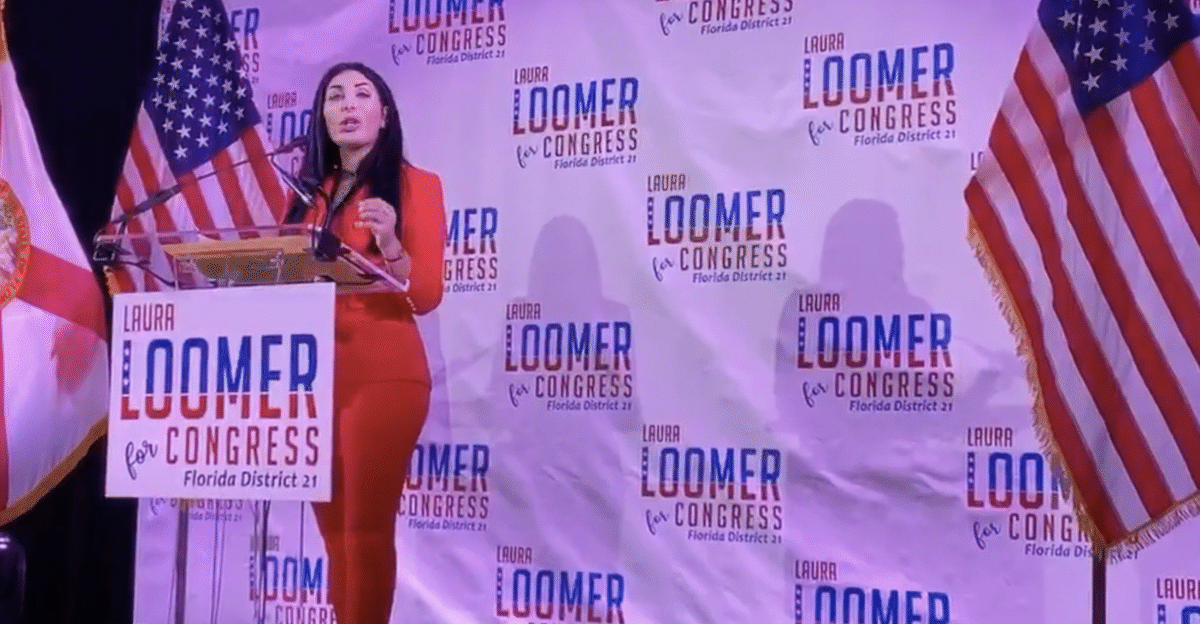
Laura Loomer’s role took a dramatic turn in April 2025. U.S. media reported that after a personal Oval Office meeting, Trump fired six National Security Council aides whom Loomer had accused of disloyalty. The Guardian described it as an “extraordinary situation” where Loomer, not the NSC chief, seemed to direct personnel movements.
By summer, profiles noted she had “emerged as an influential actor” inside the administration. Loomer herself is a polarizing figure: banned from Twitter and Facebook for hate-speech violations, she bills herself as a “proud Islamophobe” and has no official title.
Yet she leveraged her fervent loyalty to Trump into real clout. The fact that an unelected activist could reshape security staff has left seasoned officials aghast — a striking new element in the unfolding outsourcing saga.
Internal Tensions
Trump’s advisors privately cringe at Loomer’s tactics. A PBS NewsHour report captured the atmosphere: Loomer’s rhetoric is so extreme that one GOP senator called it “disgusting garbage”. Despite the backlash, she remains unchecked in Trump’s inner circle. D.C. insiders say National Security staffers were surprised and angered by the firings.
One ousted official told reporters the allegations against him were “baseless,” and said it was “unprecedented” to be dismissed on that ground alone. Some aides worry that Loomer’s presence is a symptom of wider chaos: people who once shaped policy (even marginally) are being pushed out, replaced by activists with agendas.
The row over outsourcing has exposed a rift between those who want to recalibrate trade policy and those who worry that amateur interference is sowing discord in the White House.
Loomer’s Background

Laura Loomer’s personal history partly explains her rise. A 32-year-old Florida native, she made a name as a provocative political blogger and conspiracy theorist. By 2017, she had been banned from Twitter, Facebook, and even Uber for a pattern of hate-speech violations.
She ran (and lost) two Republican primaries for Congress in 2020 and 2022. Loomer has since become a self-styled Trump loyalist, hosting a Rumble show and tweeting daily about traitors in government.
Wikipedia notes that “during the second presidency of Donald Trump, Loomer emerged as an influential actor” through these social-media campaigns. She has even mused publicly about creating a sort of “patriot monitor” to vet federal employees. In short, an Internet provocateur with no official power managed to insert herself into the heart of an administration — a twist that critics say signals a breakdown of normal vetting processes.
Calculated Impact
Experts say Moreno’s HIRE Act would chiefly raise costs for U.S. businesses rather than eliminate offshore operations. For now, most analysts note, the bill has little chance of passing Congress unaltered. Even if it did, companies might simply absorb the 25% penalty. For example, a U.S. software executive told The Wall Street Journal that firms would prefer to take the hit rather than “completely unwind multimillion-dollar outsourcing contracts.”
Any true shift of operations back to the U.S. would be extremely expensive.
Some suggest, the tax could slow additional offshoring but not reverse existing global supply chains. The key question for businesses is whether it’s cheaper to pay higher taxes or reengineer decades-old vendor relationships and facilities.
Expert Skepticism

History casts doubt on grand announcements. Outsourcing restrictions have been mouthed by presidents before, with little lasting effect. In Trump’s first term, despite executive orders and bluster, U.S. agencies still approved nearly as many offshoring petitions as under Obama.
Policy experts observe that American corporations rely on global engineers and digital supply chains. Many point out that dozens of tech billionaires lobby for unfettered access to talent because their products and research depend on it.
They argue current proposals may be more about placating voters than economics. As one industry analyst put it, “We’ve seen this cycle: election promises to end outsourcing, followed by muted reality. Companies will find loopholes, or just absorb new costs.” Without complementary workforce and education reforms, critics say, talk of bans could be mostly performative.
Future Questions

That brings us to the core dilemma: Can nationalist rhetoric and global markets coexist? Trump’s 2024 platform explicitly vows to “stop outsourcing” and build U.S. manufacturing supremacy.
India’s leaders have noted that roughly 60–62% of their IT revenue comes from the U.S. and will be watching closely. Meanwhile, President Biden had also campaigned on penalizing offshoring, and even Barack Obama repeatedly called for “bringing jobs back” with tax disincentives.
So far, none of these calls has broken the broader trend of offshoring. Observers now ask: is this simply another political gambit, or the start of real policy changes? Will trade-offs between short-term voter appeal and long-term growth become clearer as the election nears? The answer will determine the future of a $200B industry — and the jobs tied to it.
Political Calculations
The outsourcing debate is part of a wider “America First” strategy. Trump and the GOP platform endorse aggressive protectionism in multiple forms. In addition to ending outsourcing, the party promises to “buy American, hire American,” with pledges to bar federal contracts from companies that offshore jobs. These themes resonate with voters in Rust Belt states.
Even before this episode, Republicans had championed higher tariffs on Chinese goods, incentives to manufacture domestically, and stricter immigration vetting. The outsourcing issue now tests how far the 2024 administration (or its successor) will go: whether it will enforce these pledges aggressively, or treat them as campaign sound bites.
For their part, some legislators on Capitol Hill are drafting bills (like Moreno’s) to put meat on the bones of the rhetoric.
Global Tensions
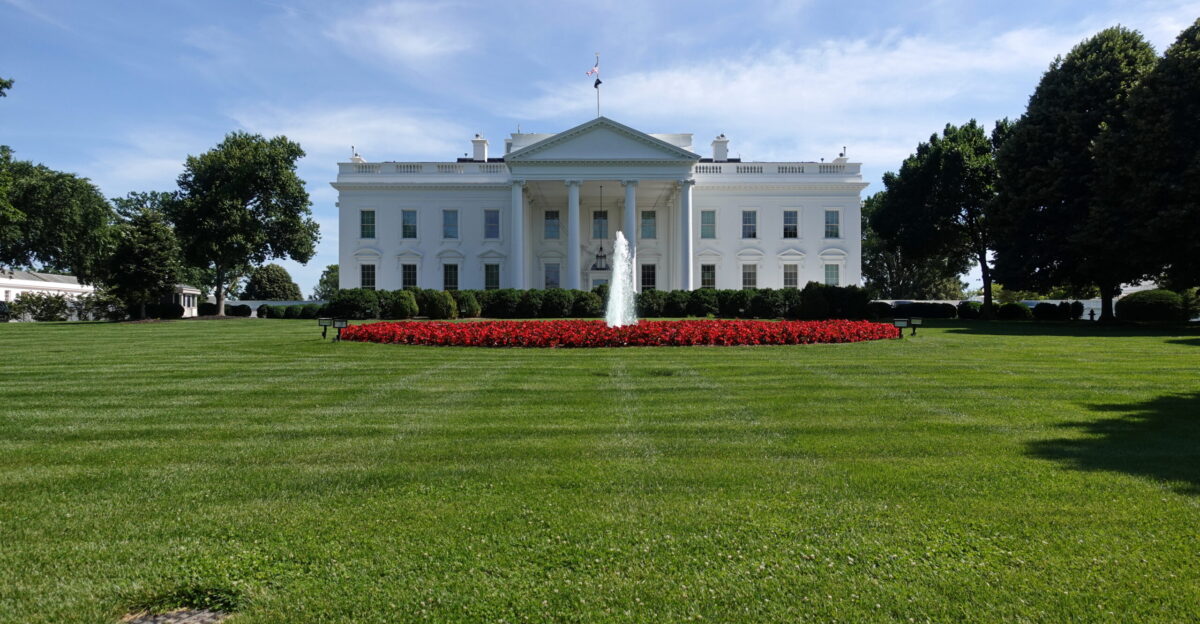
The outsourcing flap comes amid broader U.S.-India friction. Earlier in 2025, Trump imposed a 50% tariff on Indian imports as punishment for continued Russian oil purchases. New Delhi retaliated, calling the move “unjustified and unreasonable”.
Indo-American ties — traditionally strong due to mutual concerns about China — are now strained on multiple fronts (technology, tariffs, visas). Analysts warn that economic conflict with India, if unchecked, could undermine cooperation in strategic areas like defense and counterterrorism.
A spat over tech jobs risks spilling into the larger alliance. How each side navigates this dispute will be watched closely by diplomats, as both have much to gain from partnership.
Economic Trade-offs

Ironically, curbing outsourcing too sharply could backfire on U.S. companies. Many experts argue that having a global talent network has kept American firms competitive. If forced to onshore entire operations, some companies might relocate critical parts of their research or support abroad, leaving the U.S. with a shrinking presence. For instance, one consultant noted that U.S. tech giants rely heavily on Indian engineers for areas like AI and cloud infrastructure.
Removing that pipeline could slow innovation. Critics also point out that deterring global work might simply accelerate brain drain: Indian and other foreign tech workers might bypass U.S. companies altogether in favor of opportunities elsewhere.
Policy-makers must balance protecting domestic jobs against not undercutting America’s role in a globalized economy.
Cultural Undertones
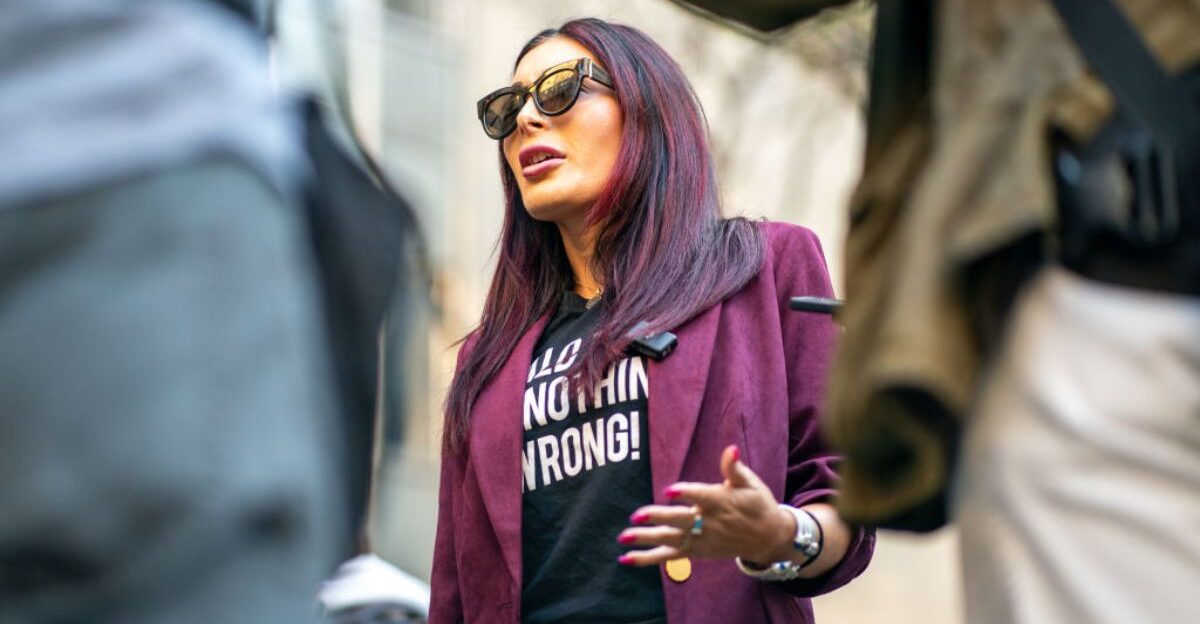
Underlying the debate are cultural anxieties. Loomer’s “press 2 for English” refrain isn’t just about jobs — it taps into fears over language and identity. As a Times of India explainer noted, many U.S. call-center menus prompt callers to “Press 1 for Spanish, Press 2 for English,” reflecting America’s linguistic diversity.
Shutting that down plays to nationalist sentiments among Trump’s base: a message that outsiders shouldn’t serve Americans. This rhetoric echoes nativist themes beyond economics — linking outsourcing to immigration and “unpatriotic” elites.
Sociologists observe that in this debate, simple slogans carry weight. Pundits warn that if economic policy becomes a proxy for cultural issues, it will be even harder to finda rational compromise.
Broader Reflection
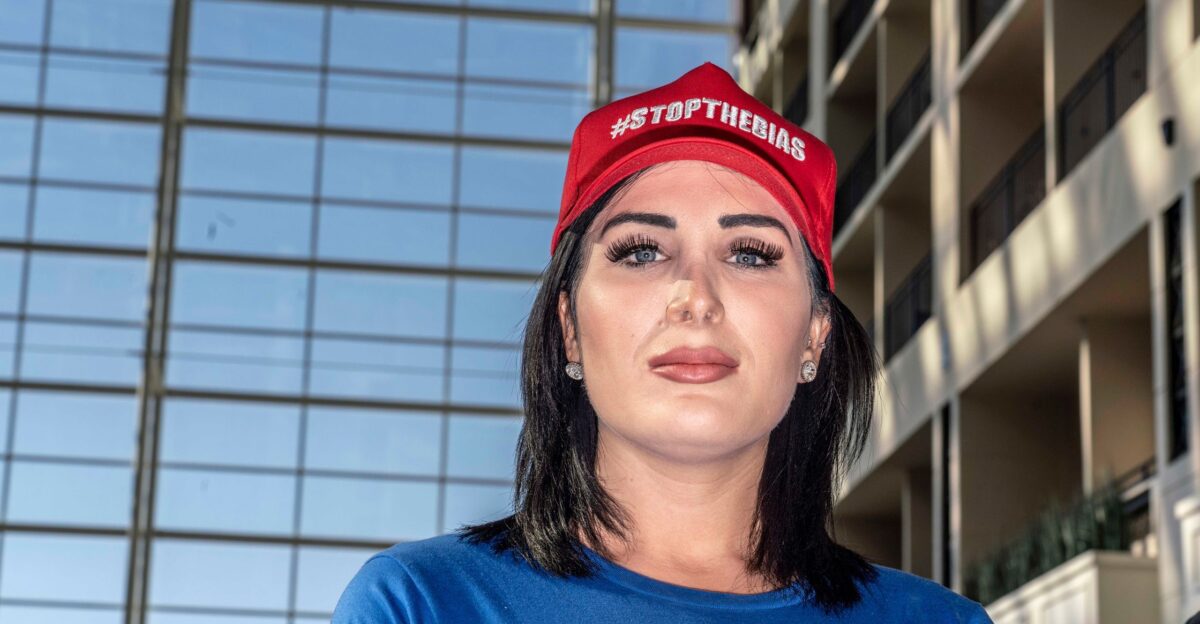
The outsourcing dust-up lays bare a fundamental tension in modern U.S. policy. Politicians aim to appeal to working Americans by demonizing offshoring, yet businesses and innovators argue they need access to global talent to stay on top.
It’s a classic struggle between domestic populism and global reality. As one policy analyst put it: the question now is whether America can “have its cake and eat it too” — maintaining technological leadership while closing borders on services.
The coming debates (and possibly the next elections) will reveal which impulse wins out. For now, outsourcing remains both a political football and an economic imperative — a dilemma that will shape U.S. trade strategy for years to come.