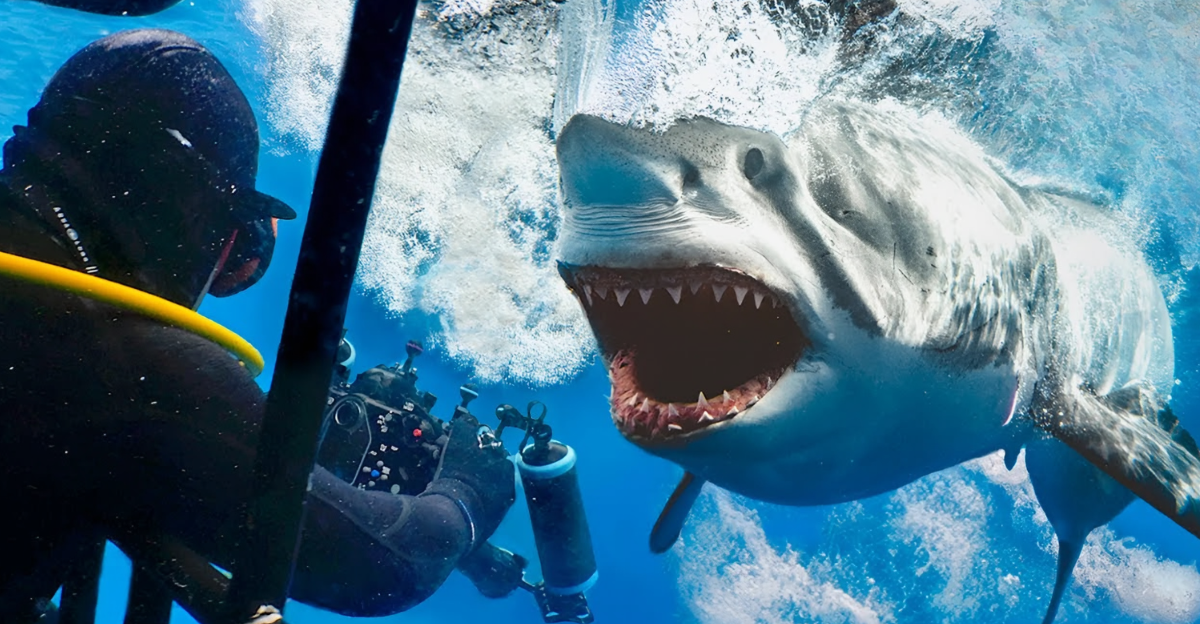
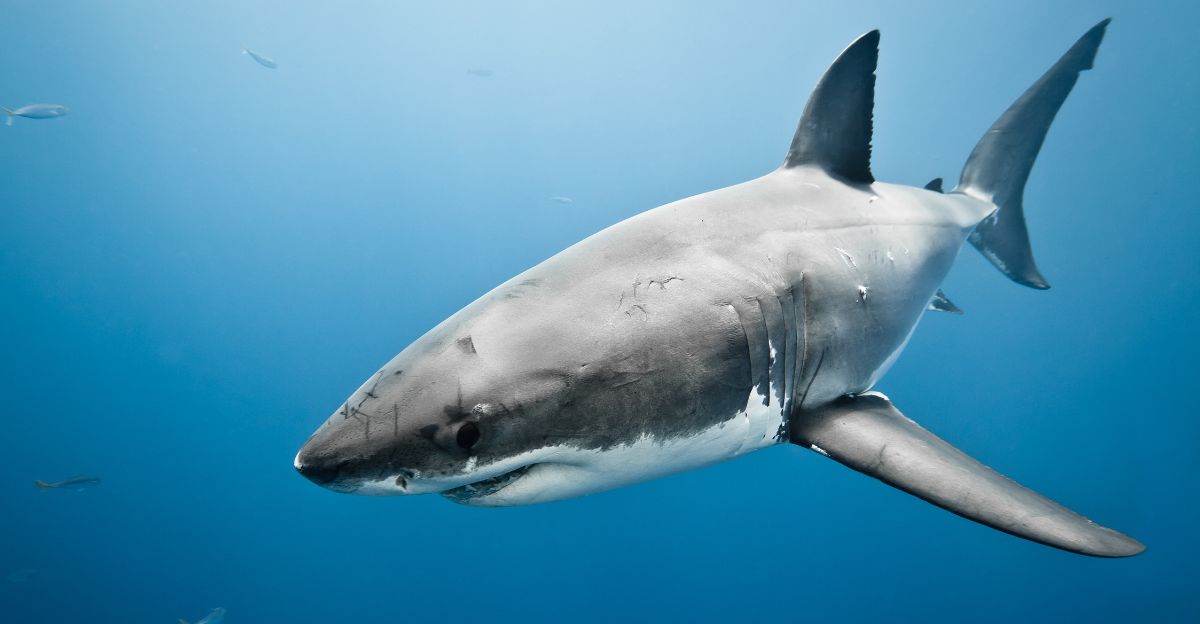
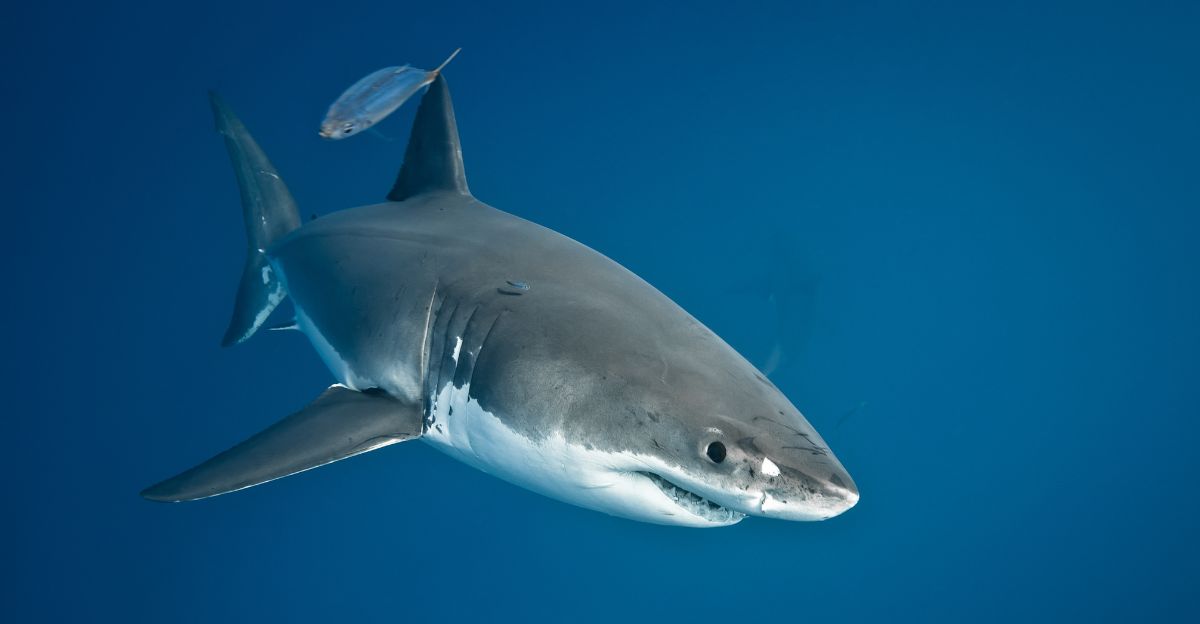
Great white sharks are the ocean’s biggest hunting fish, and are often seen growing up to 20 feet long.
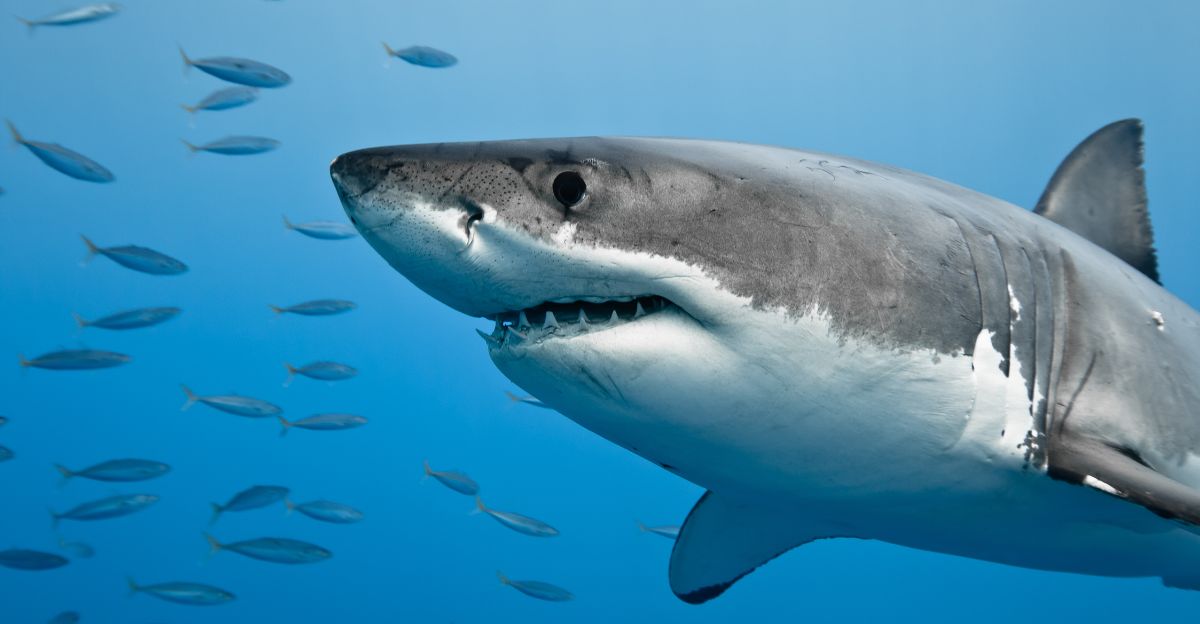
But marine biologists have just discovered that these mighty predators have nearly disappeared from some areas, with 99% fewer sharks caught since the 1970s than before.
Swimming Trouble
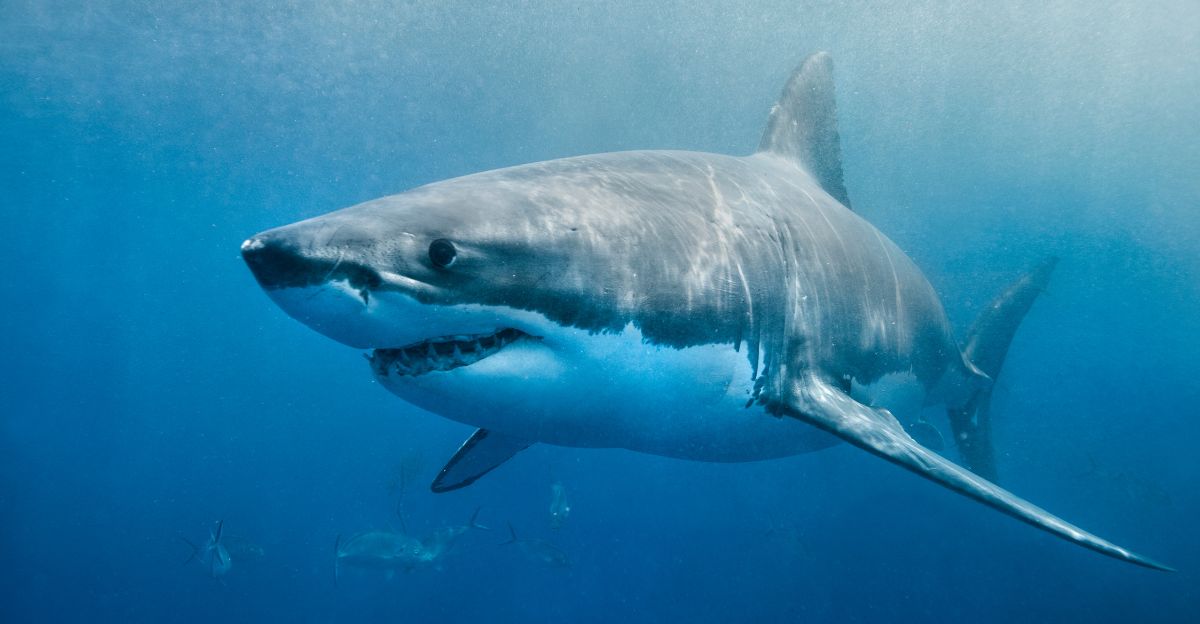
In areas where tourists once saw up to six great whites per boat trip, they are now lucky if they spot just one.
Scientists have raised the alarms as these powerful sea creatures face a serious new danger from an unexpected enemy.
Killer Duos
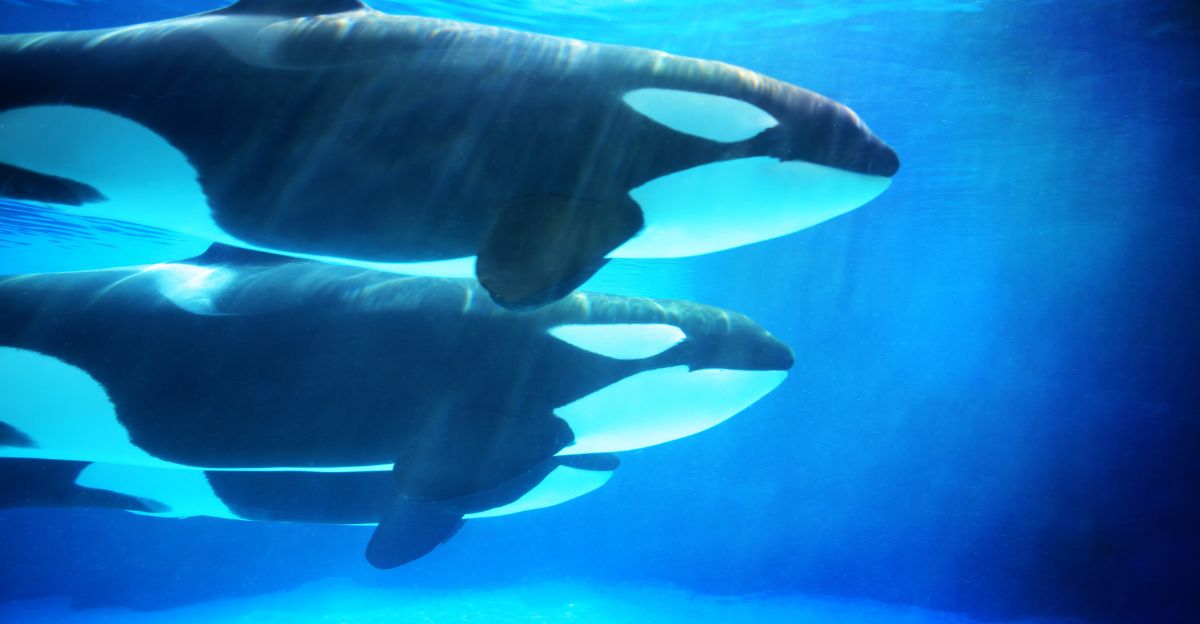
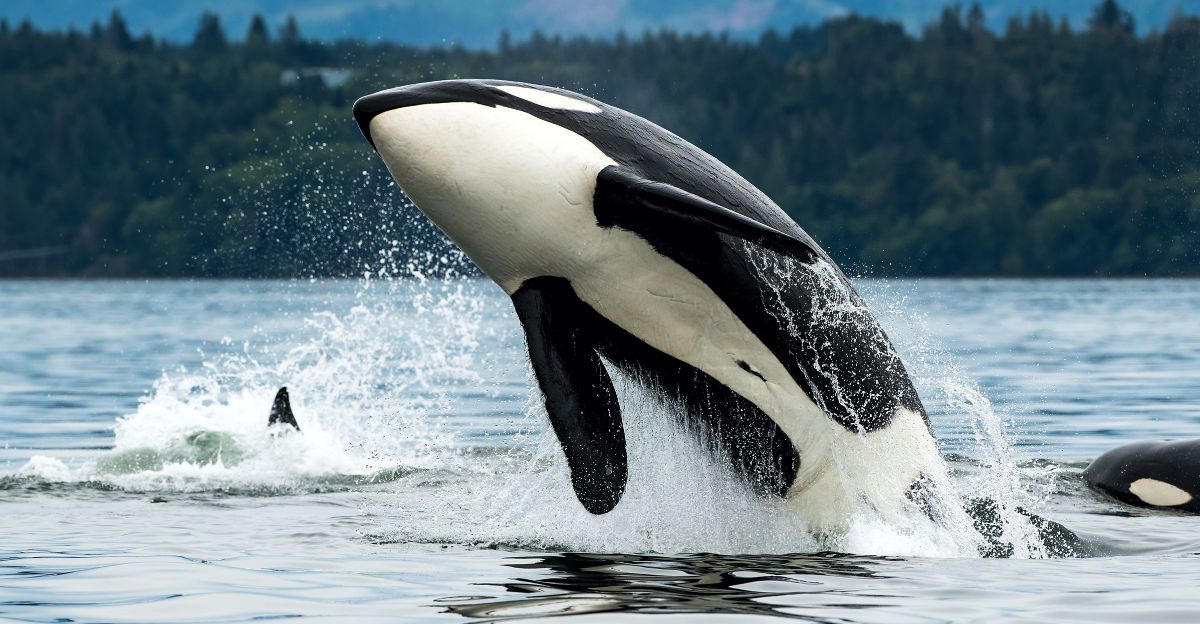
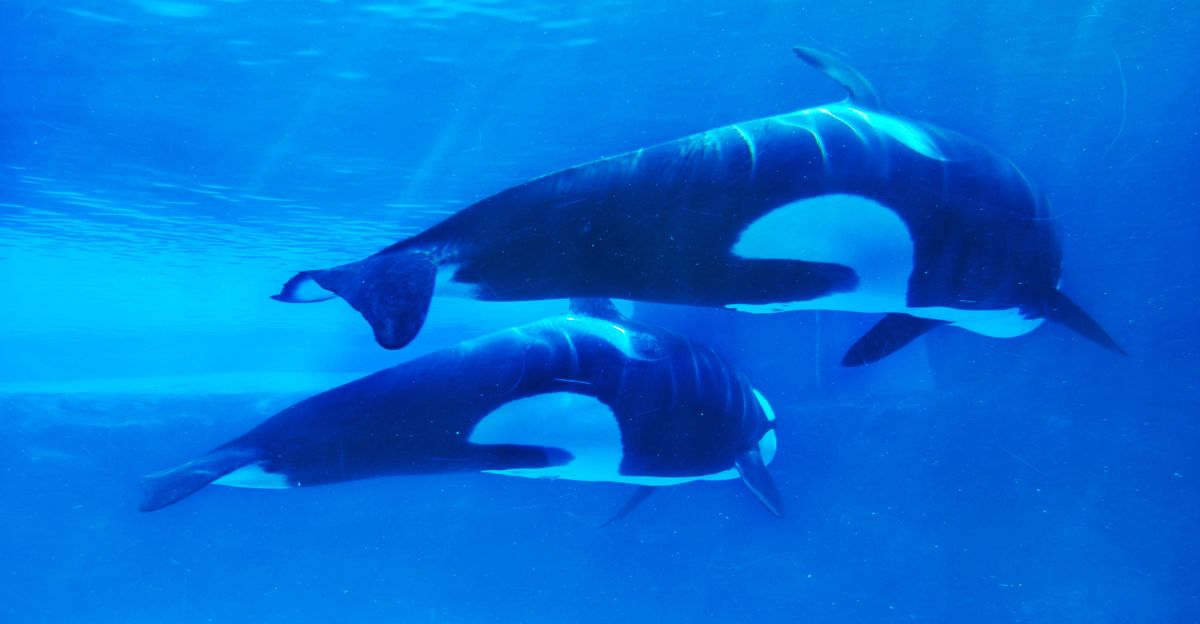
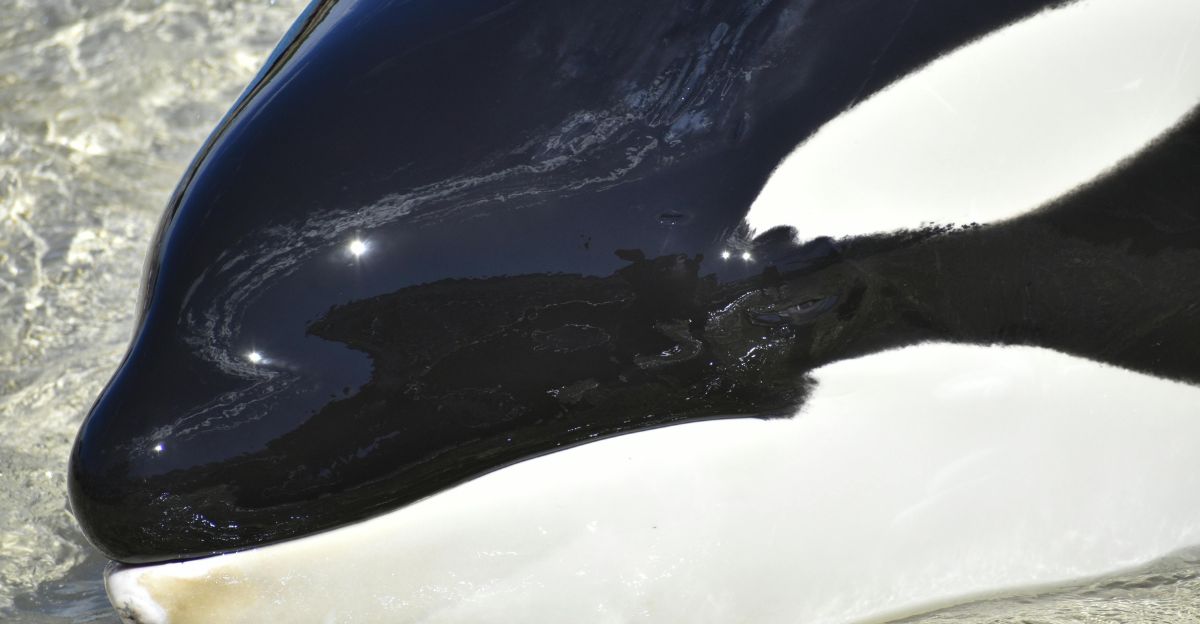
Two killer whales, nicknamed Port and Starboard because of their bent fins, have been hunting great whites since 2017.
These smart ocean mammals work together like a team, killing at least nine sharks with deadly precision near South Africa.
Shark Panic
When killer whales show up, great whites usually try to swim away as fast as possible.
Tagged sharks have fled hundreds of miles from their usual homes and stayed away for months. It’s like the neighborhood bully moved in and scared everyone off.
Australian Discovery
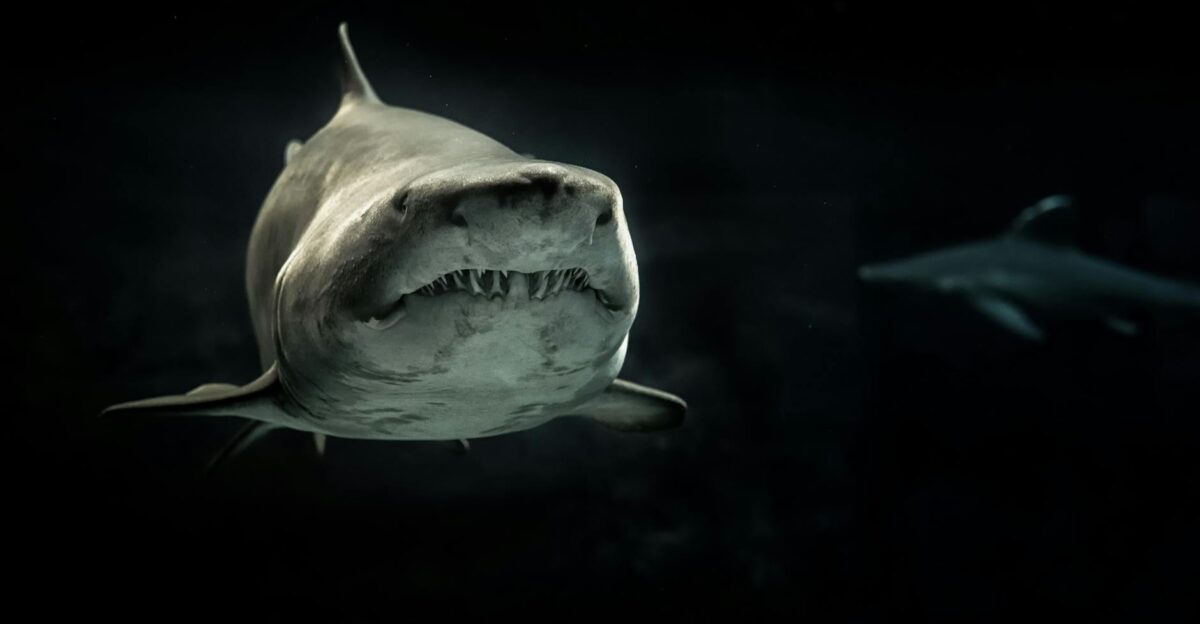
In October 2023, a 15-foot dead great white washed up on a beach in Australia.
For the first time ever, DNA tests proved killer whales had killed it. Two local orcas called “Bent Tip” and “Ripple” were hunting nearby days earlier.
Food Chain Chaos
When great whites disappear, ocean food chains get messed up. Seals multiply like crazy without sharks hunting them.
Too many seals eat all the fish, causing problems throughout the underwater ecosystem. Removing great whites from the ocean is like removing traffic cops from busy streets.
Extinction Worries
Conservation groups officially list great whites as “vulnerable”, meaning that they could disappear forever if something is not done about this new predator.
“These sharks are key regulators of ecosystem structure,” emphasizes Flinders University’s Adam Miller. “Their preservation is critical, yet predation events may accelerate extinction risks.”
Surgical Hunters
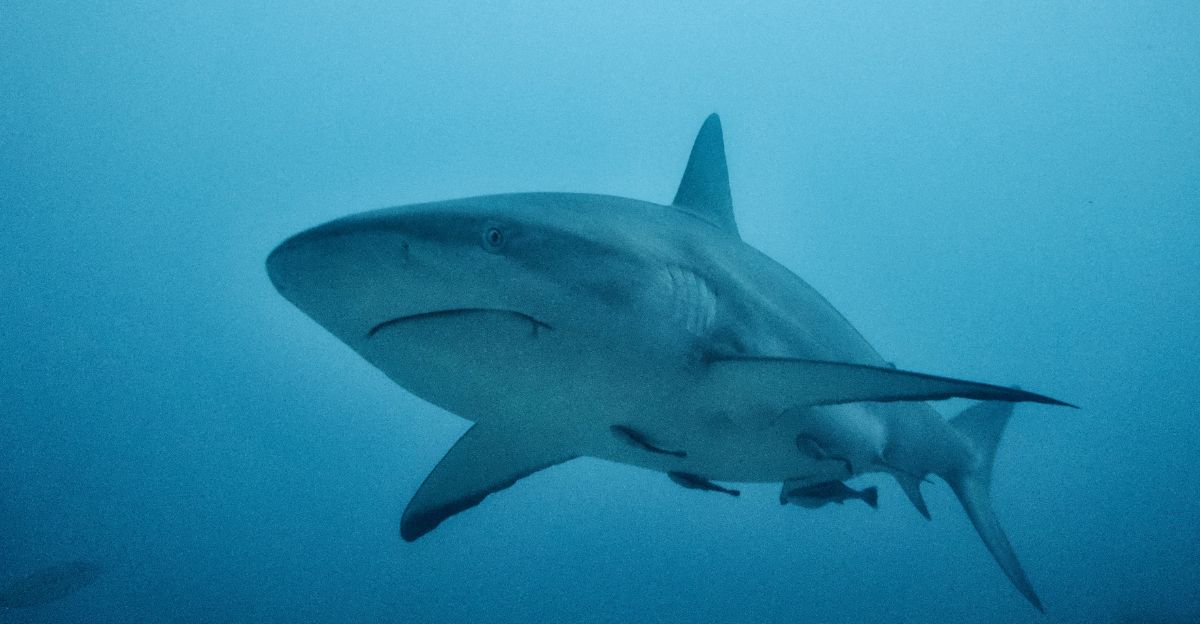
Killer whales don’t eat the entire shark; instead, they only want the liver, which weighs as much as a large human being.
In 2023, one orca killed a young great white alone in under two minutes, showing its incredible hunting skills.
A Worldwide Problem
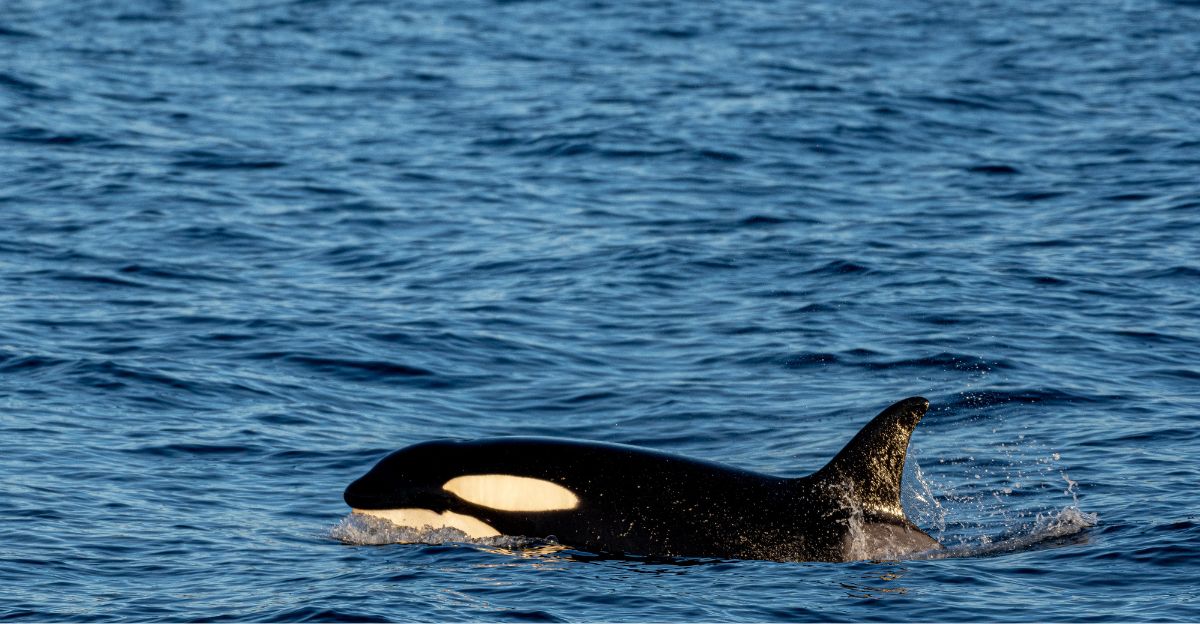
This isn’t just happening in one place. Scientists now report orcas hunting great whites near California and Australia, too.
“Such events may be more widespread than believed,” says researcher Isabella Reeves, suggesting orcas globally share this specialized hunting knowledge across populations.
New Shark Rulers
Bronze whaler sharks, which are normally prey for great whites, are now taking over abandoned territories.
These smaller sharks multiply freely in places where great whites used to rule, completely changing which species live where in the ocean.
Tourism Troubles
Shark cage diving businesses that once offered tourists up-close encounters with great whites are now struggling to find any of these incredible sea creatures.
Some companies have switched to showcasing bronze whalers instead, but visitors don’t travel thousands of miles to see these sharks.
Leadership Problems
Government officials and conservation groups can’t seem to agree on solutions to this problem.
While experts recommend protecting shark food sources and reducing fishing, old-fashioned shark nets keep killing protected species. Meanwhile, orca attacks continue unchecked.
Rescue Efforts
New conservation programs that have been launched in 2025 focus on saving remaining sharks.
Scientists have started attaching tracking devices to great whites, creating safe zones, and developing better beach protection that doesn’t kill sharks. But this problem could take decades to solve.
Expert Doubts
“Recovery requires addressing root causes,” argues marine ecologist Sara Andreotti.
“Orca predation is one factor, but decades of overfishing, habitat destruction, and climate change created vulnerability. Without systemic changes, populations won’t recover.”
Unknown Future
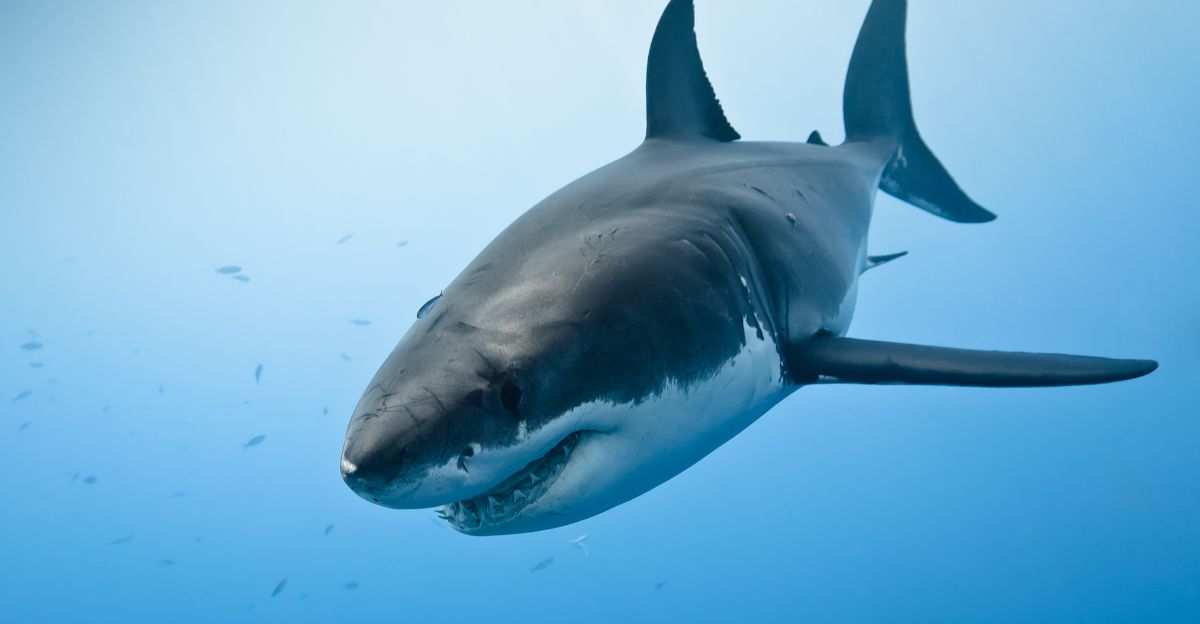
This situation has left many people with many questions: Will great whites learn to avoid killer whale areas forever? Can their small populations recover while facing multiple threats?
Scientists have warned that the answers to these questions will determine whether these famous sharks survive or vanish from our oceans.
Government Response
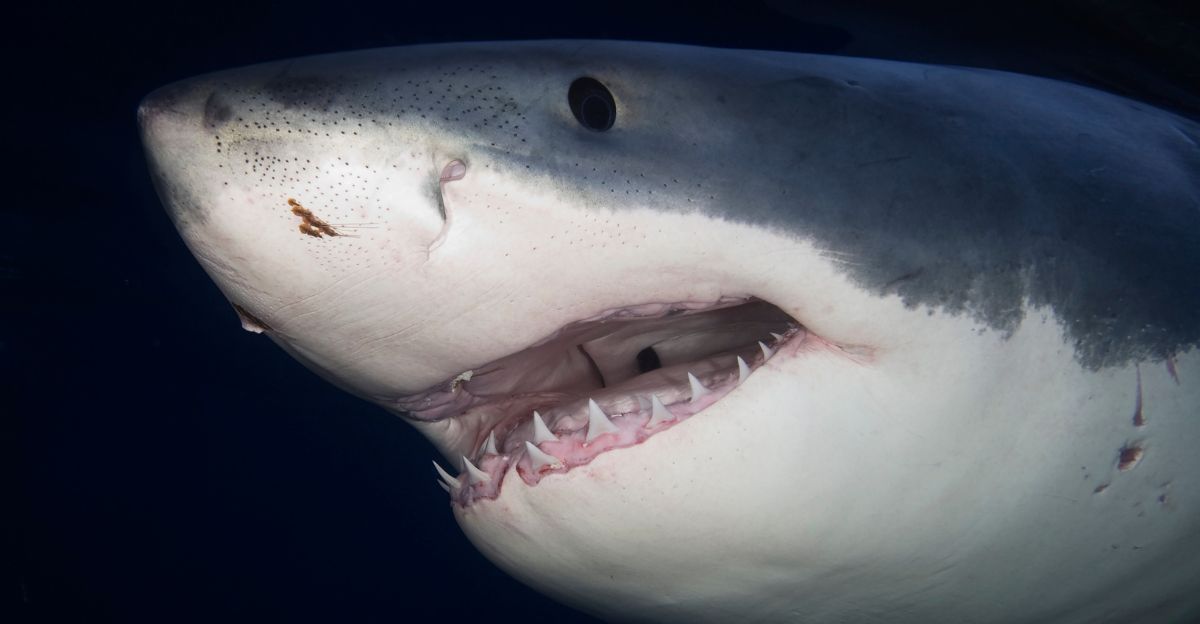
South African legislators face pressure to modernize 1960s-era shark protection laws. Current regulations fail to address interspecies predation or ecosystem-wide impacts.
Meanwhile, international treaties lack enforcement mechanisms, while bureaucratic delays cost precious time for declining populations.
International Cooperation
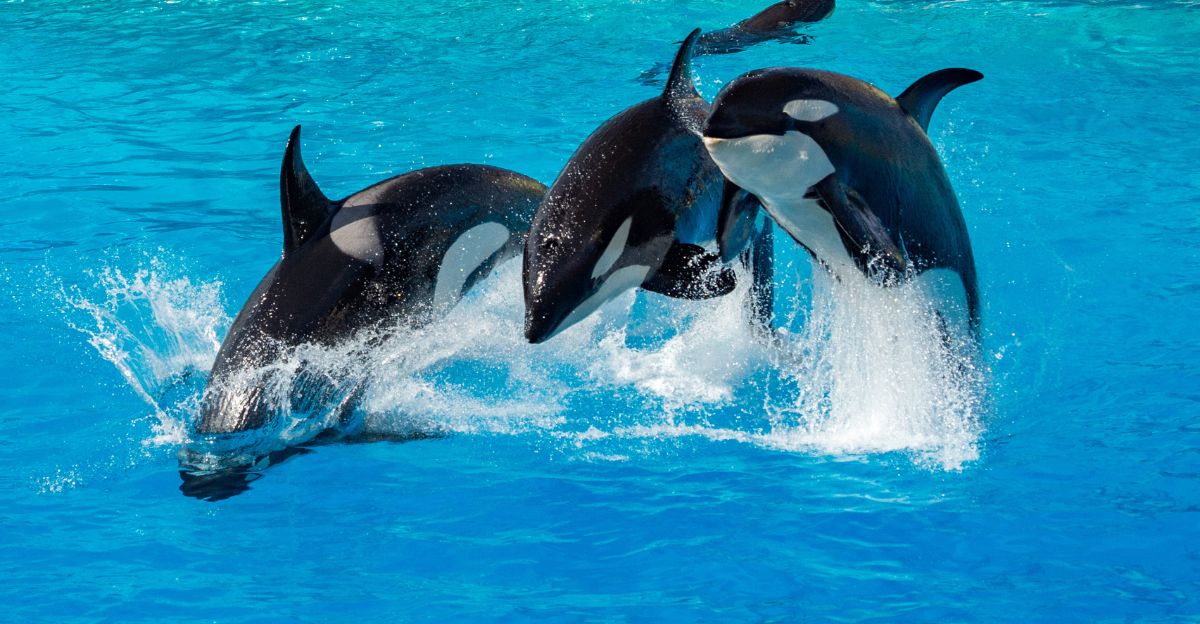
After DNA confirmed orca kills in Australia, countries are now sharing information about whale movements.
Scientists now track these intelligent hunters across ocean borders, revealing hunting patterns that span entire continents.
Legal Gray Areas

Environmental courts face unprecedented cases: Can authorities intervene when protected animals kill other protected animals?
Lawyers have no rulebook for this situation, creating legal confusion worldwide as more incidents occur.
Changing Perspectives
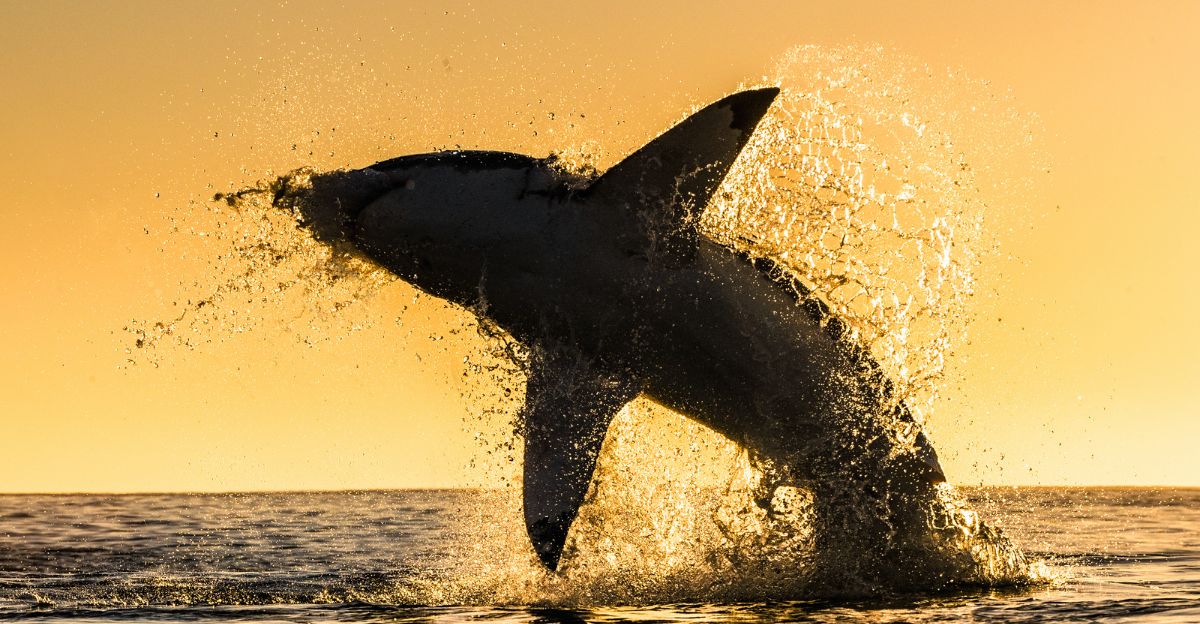
Young marine biologists are witnessing ecosystem transformations their mentors never imagined possible.
“We’re documenting extinction in real-time,” reflects one researcher. Cultural perceptions shift as “Jaws” fears transform into desperate conservation pleas for misunderstood predators.
Ocean’s Warning

This story isn’t just about sharks versus whales; it’s about humans damaging ocean balance so badly that apex predators turn on each other.
When top predators fall, entire oceans change. The question: Can we fix what we’ve broken?