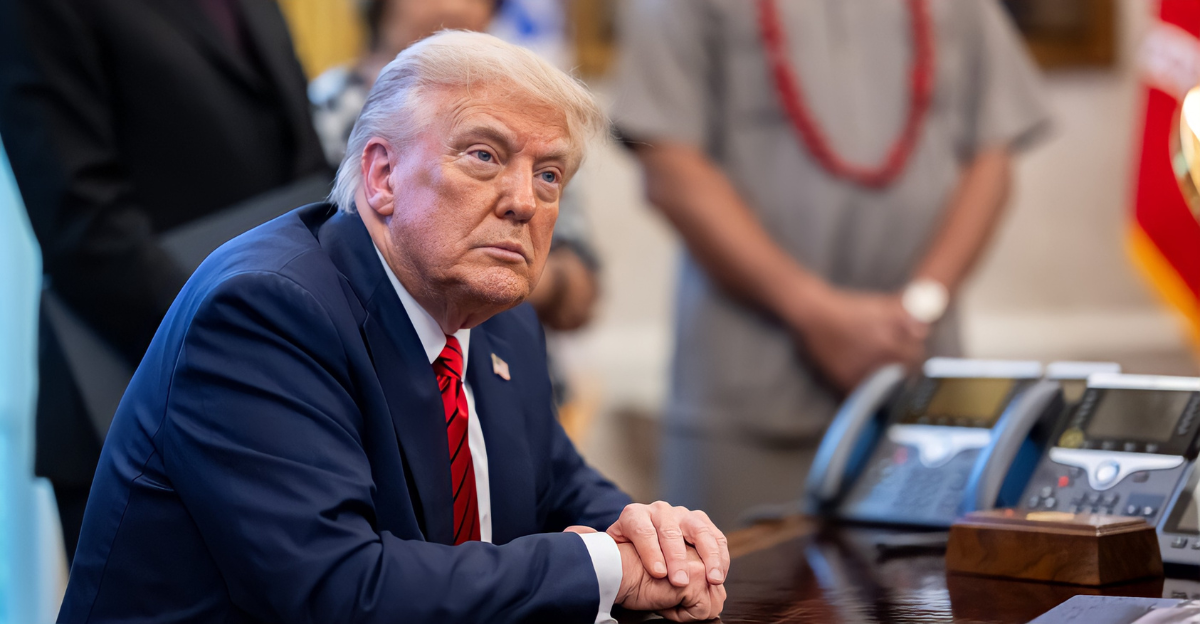
A seismic shift is underway in U.S. trade policy as Trump-era tariffs face scrutiny in federal courts. Billions of dollars in potential refunds are at stake, prompting businesses nationwide to monitor the unfolding situation closely. With experts estimating that up to $210 billion could be refunded if key rulings prevail, nervous anticipation circles the affected industries.
“We’re holding our breath,” said an importer from California, “the implications of these rulings will define our future.” As the legal battles unfold, the fabric of American trade relationships may be rewritten, setting the stage for what’s to come.
Economic Stakes Across the Nation
The challenges to historic tariff collections provoke anxiety from coast to coast. Companies, from importers in California to manufacturers in Pennsylvania, confront a landscape of unprecedented uncertainty. “Every decision we make now feels like a gamble,” remarked a Pennsylvania-based manufacturer.
The possibility of a $210 billion refund impacts businesses and carries significant implications for the broader economy. With industries bracing for considerable shifts, such volatility garners attention from policymakers, analysts, and industry groups alike, increasing pressure to navigate these turbulent waters and find a resolution.
A Deep Dive into Trump’s Tariff Strategy
The groundwork for this turmoil lies in the Trump administration’s controversial trade strategy, which imposed duties on over $300 billion in imports. Primarily targeting China, these tariffs were framed as necessary for national security and protecting American industries.
“I understand the sentiment,” shared a Chinese textile importer, “but these tariffs have been a hammer over our heads.” Challenges against these tariffs arose swiftly, and the legal grounds have gained momentum in various federal courts, leading to the current showdown over their legality.
Legal Questions Under Scrutiny

The rising tide of lawsuits against these tariffs sheds light on deep constitutional questions. Would the courts agree that presidential power was overreached without congressional oversight? Each ruling not only tests legal boundaries but could redefine American trade policy.
Lawyers see this as a pivotal moment, with a chance to establish new precedents. “We have to ensure that checks and balances are not merely a theory,” argued a legal expert closely following the case. The implications of this ruling could reshape the landscape of trade law for years to come.
Key Ruling On August 29
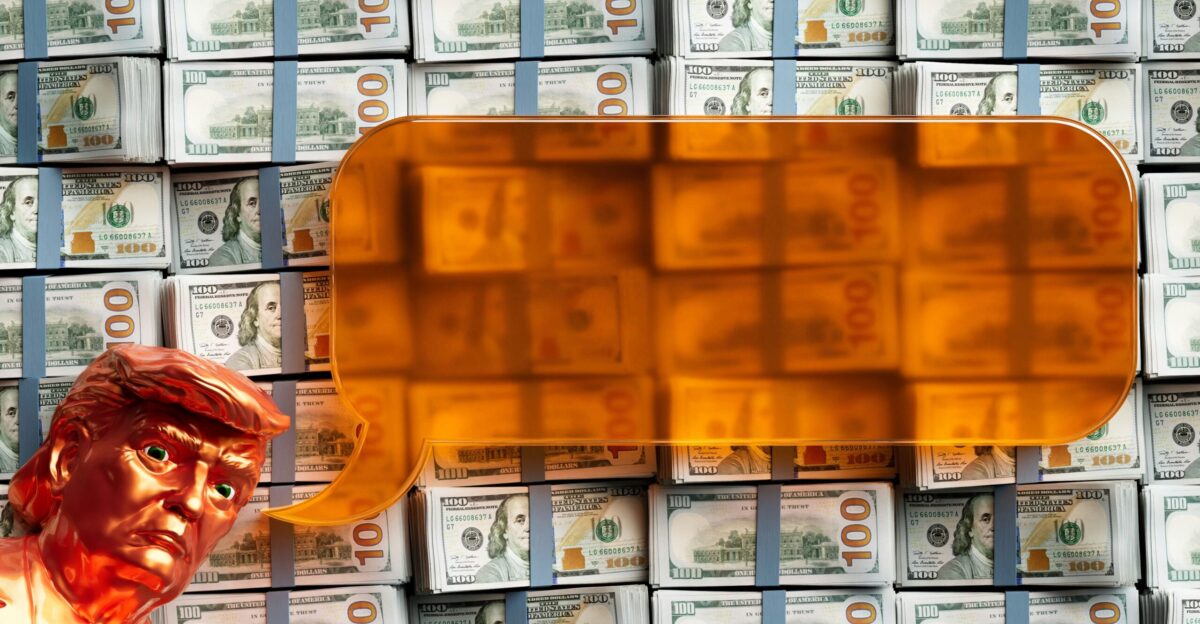
On August 29, 2025, a federal appeals court dropped the bombshell that most Trump-era tariffs were unlawful, sending shockwaves through the business community. This pivotal ruling poses the potential for more than $200 billion in refunds for firms adversely affected by the tariffs. “We’ve been waiting for this moment,” said a small business owner, relief visible in their eyes.
“We just hope the appeals don’t drag this out.” With appeals now underway, the outcome will significantly impact countless businesses struggling under these levies while shaping the future of U.S. trade policy.
California’s Response

With its deep ties to global trade, California has ramped up efforts to seek redress from the unpredictable nature of tariff changes. Its electronics, wine, and machinery importers are poised for potential recoveries that could amount to millions.
“Every delay in our supply chain costs us dearly,” explained a wine exporter in Napa Valley. As the legal challenges unfold, the state’s businesses hope relief lies on the horizon, demonstrating how intricate the ties between local economies are with policy decisions at high levels.
Small Businesses Bear the Brunt

The impact of tariffs on small businesses has been catastrophic, with companies like FishUSA articulating their challenges. “These tariffs make it nearly impossible to plan, price, or grow,” noted a spokesperson, shedding light on the real-world effects of these sweeping policies.
As hope for refunds rises, many small firms turn to advocacy groups and chambers of commerce for support, eager for clarity and direction through the chaos. This uncertainty stifles growth opportunities and challenges business continuity during a difficult economic climate.
Preparing for Regulatory Changes
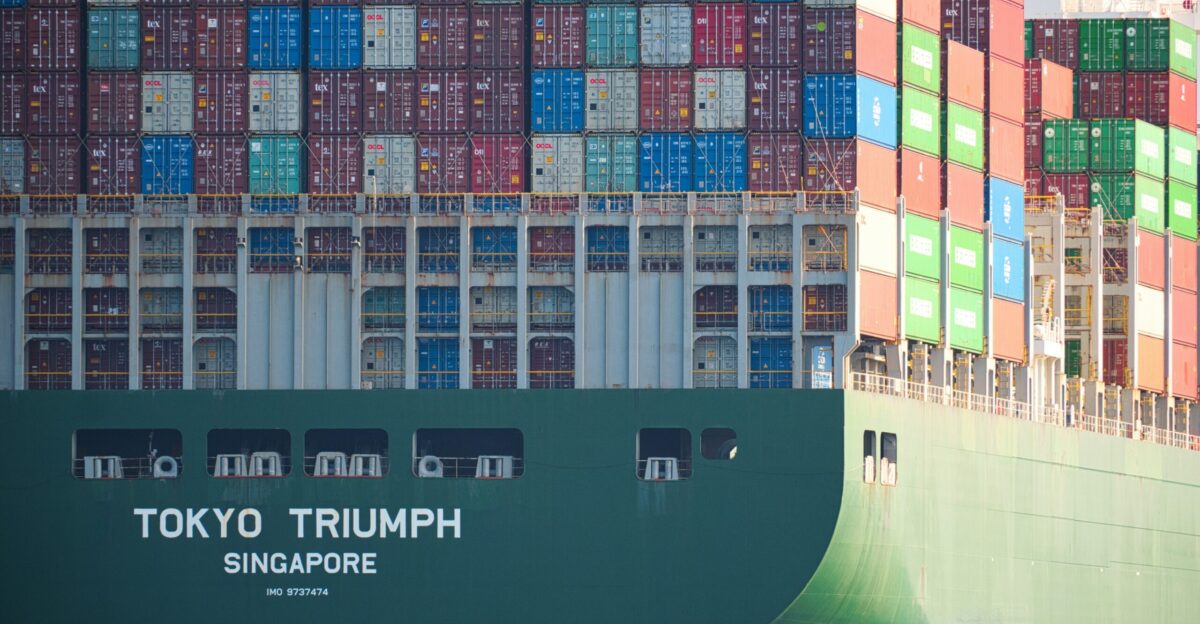
Container shipping firms and manufacturers are bracing for sweeping regulatory shifts as the landscape evolves. Some enterprises are pivoting their sourcing strategies or aggressively lobbying for new rules that might provide a buffer against losses.
“This feels like a reset button on global supply chains,” asserted an industry analyst, emphasizing the tumultuous nature of these changes. Businesses must navigate the impending changes quickly, preparing for new regulations while maintaining compliance to safeguard their futures in an uncertain market.
Macro-Economic Concerns

The prospect of a $210 billion windfall from potential refunds doesn’t just affect individual businesses; it poses significant concerns for U.S. fiscal stability and global trade dynamics. Analysts warn that such a payout could disrupt GDP forecasts and alter inflation expectations.
“We might be looking at a domino effect on American markets,” cautioned an economist. As policymakers grapple with these possibilities, the stakes heighten for businesses already on the brink, encapsulating the complexities of interconnected economic systems and the burden of unforeseen consequences.
Treasury’s Vulnerability Exposed

Recent analyses reveal that the Treasury Department may lose control over key tariff revenue streams, complicating federal budgeting in ways that hadn’t been anticipated. Government liquidity will be tested if payouts materialize, highlighting potential shortcomings in fiscal enforcement mechanisms.
“It raises serious questions about our financial posture,” noted a treasury expert. The fallout from this ruling may not only ripple through individual companies but could also have long-lasting implications for national financial health, exposing vulnerabilities previously overlooked.
Growing Frustration in Industries
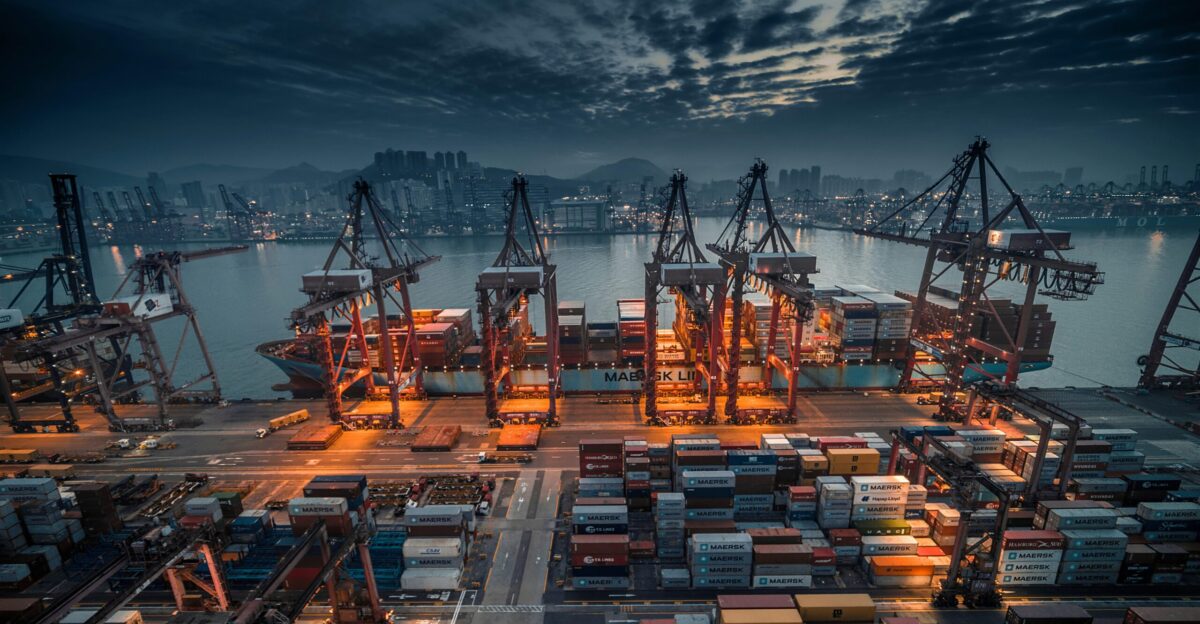
As legal battles continue, industry groups are frustrated over regulators’ lack of precise guidance. “Uncertainty creates tension, and we need transparency on refund processes,” emphasized the president of a significant trade association.
Businesses are desperate for clarity as they navigate the murky waters of compliance and potential refunds. The urgent push for communication reflects broader economic aspirations. Companies seek stability to prepare for what lies amid aggressive regulatory changes and evolving legal landscapes.
Leadership Changes Amidst Chaos

In light of recent legal setbacks, there have been significant leadership changes within tariff oversight offices. “Navigating these changes requires strong leadership and vision,” commented a regulatory analyst following the progress.
As new personnel step in to manage responses, some businesses turn to state authorities for guidance, hoping to find reassurance during this chaotic period. Adjusting to shifting regulatory priorities requires patience, while communities seek stability amid uncertainty.
Companies Crafting New Strategies

Facing potential refunds, affected companies actively seek to diversify their supply chains and renegotiate existing contracts. “Adaptation is essential in our line of work,” said a logistics manager. As businesses sharpen their legal compliance and transparent accounting, they brace for the repercussions of court decisions.
This proactive stance illustrates the resilience of American industries, ready to pivot and redress strategies to accommodate potential refunds while positioning themselves for sustainable growth moving forward.
Complications Ahead

Despite the optimism of potential refunds, experts caution that the claims process will be complex. “Controversies around eligibility will definitely emerge,” an independent economic advisor warned.
Absent Congressional action, the ambiguities surrounding mechanisms to secure refunds cast a long shadow of uncertainty over many businesses. Rival companies debate the true scope of who qualifies for relief, nurturing a climate of apprehension as leaders struggle to assess their positions amid competing interests and unclear guidelines.
A Supreme Court Showdown
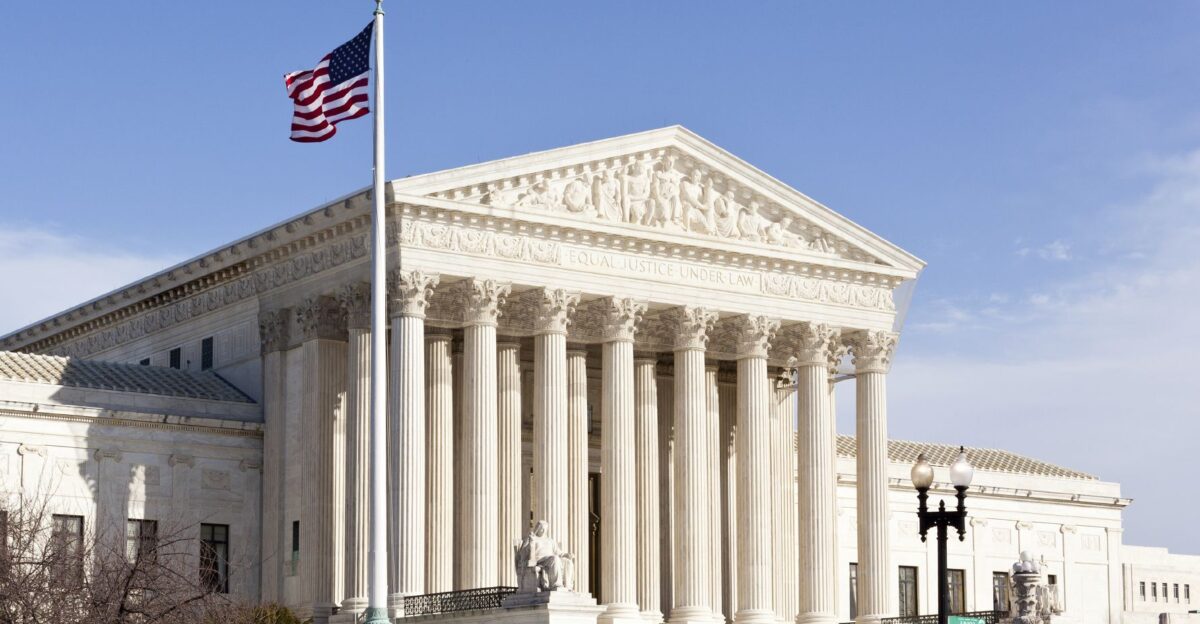
All eyes are now turning toward a likely Supreme Court appeal as businesses and regulators brace for more uncertainty. “If this gets to the highest court, the outcome will have lasting implications for American trade,” commented a legal analyst.
As the Trump administration defends its tariff policies, the debate intensifies, with key questions about the impact of tariffs on national economic security rising to the forefront. The outcome will shape traders’ futures and how American trade policy is historically approached.
Political Landscape Shifts
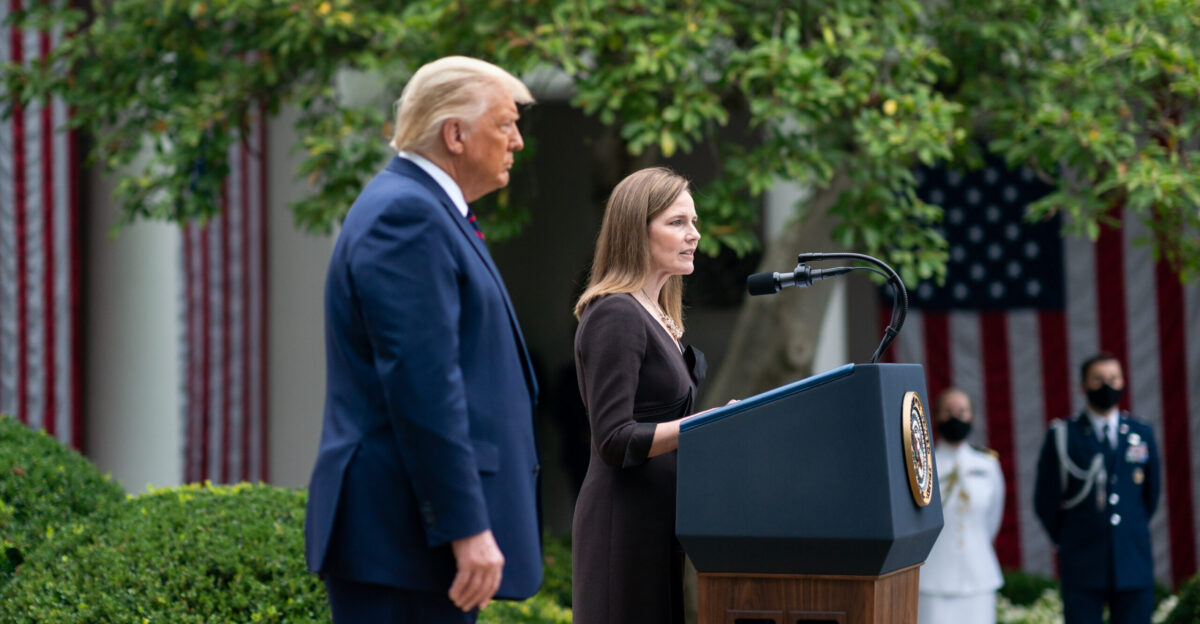
The legal maelstrom surrounding tariffs has ignited fierce debates within Congress, dividing lawmakers over long-term trade strategies. Progressive Democrats herald the recent ruling as a win for legislative authority against executive overreach. “This reaffirms Congress’s critical role,” stated a Democratic senator.
Conversely, Republican voices warn that rolling back tariffs compromises U.S. leverage internationally. “We risk our competitive edge,” cautioned a GOP member. This reflection of divided priorities encapsulates how deeply personal and political interests are intertwined in shaping the future of American trade policy.
The Global Perspective
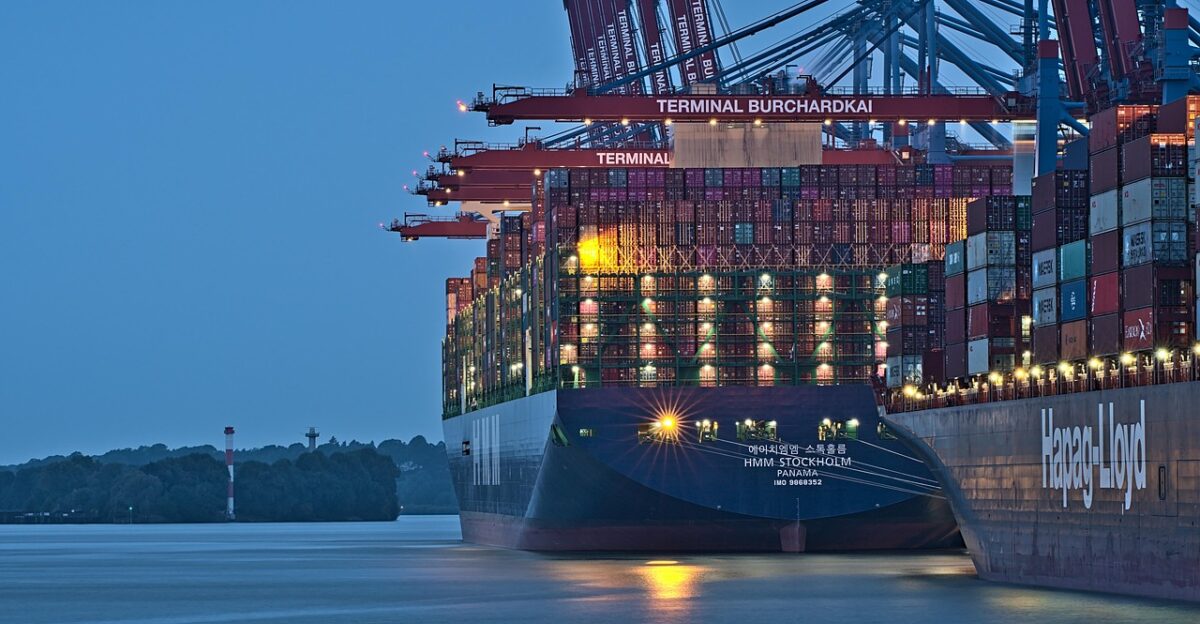
As the U.S. navigates potential refunds and legal challenges, the global community watches closely, analyzing how these developments affect international trade relations. “The reverberations will be felt beyond U.S. borders,” a foreign trade expert noted.
How the U.S. resolves these tariffs could set benchmarks for other countries grappling with similar issues. International partners are poised to respond, adjusting their policies in light of American actions. Ultimately, shifts in U.S. trade strategy may redefine diplomatic relationships that have taken decades to cultivate.
The Voices of Affected Workers

The cost of these tariffs extends beyond just businesses; workers increasingly feel the impact. “This uncertainty affects my livelihood,” shared a warehouse worker in Illinois. Job security hangs in the balance as companies reassess their operations amid ongoing legal challenges.
As employees rally for their futures, community solidarity strengthens, showcasing how deeply interlinked the fates of businesses and their workforce are in the face of policy-induced upheaval.
Stakeholders Demand Accountability
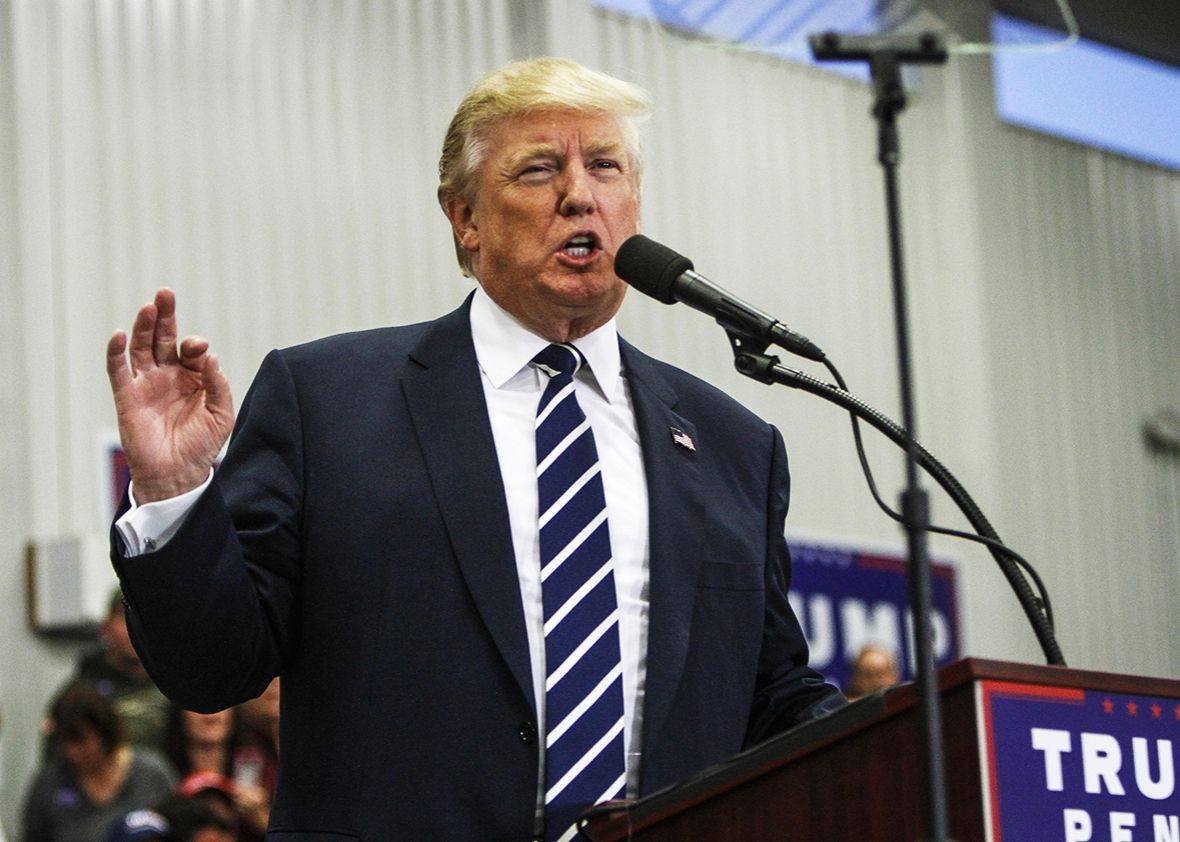
As the legal scenarios evolve, many stakeholders demand accountability and transparency. “We expect clarity as policies shift,” insisted the president of the local chamber of commerce. Business leaders, workers, and consumers are uniting to push for more robust stakeholder consultations as they navigate uncertainty.
The momentum for cooperative dialogue highlights the necessity of clear communication between regulators and those they impact, heralding a new chapter in engaging with trade policy.
Looking Ahead
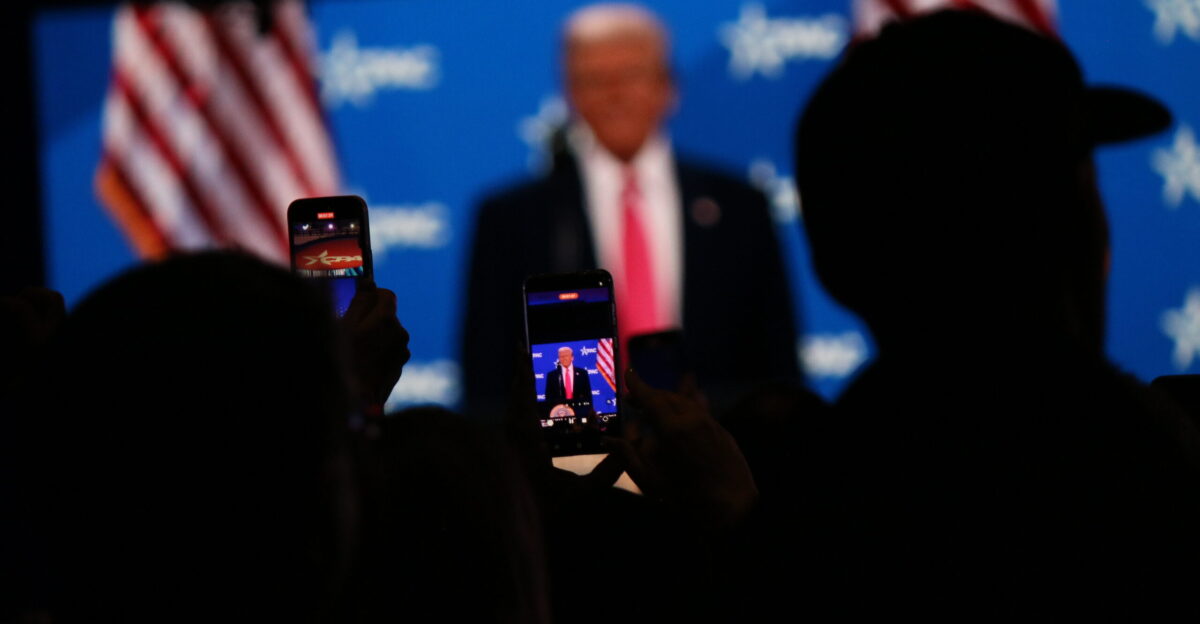
As the landscape of U.S. tariffs remains uncertain, one truth remains: this saga is far from over. Businesses, workers, and lawmakers alike will continue navigating the twists and turns of the legal challenges.
“We’re all in this together,” concluded a trade policy analyst, emphasizing the need for unity in the face of change. The future of U.S. trade will be shaped by the outcomes of these rulings, indicating that the journey towards resolution will test the resilience of the American economy in profound ways.