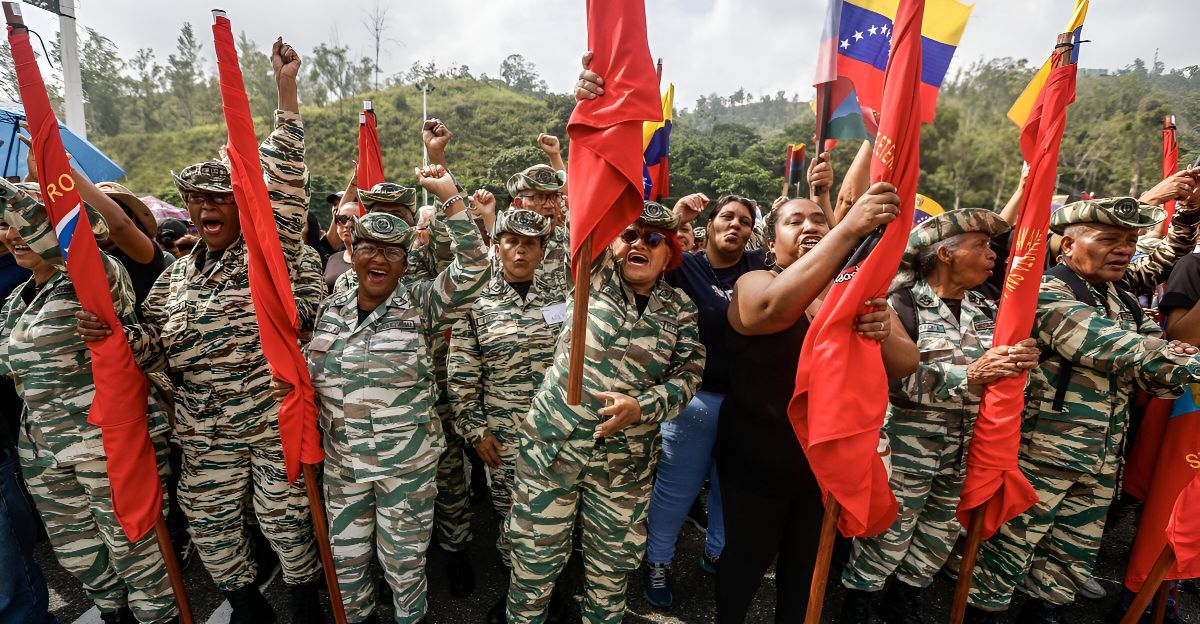
A new crisis is unfolding in the Caribbean, where Venezuela and the United States are both ramping up their military presences. President Nicolás Maduro’s urgent plea on national TV has spurred millions to join the militia, while US warships and troops close in on Venezuela’s shores.
The world is on edge, as both countries trade accusations and prepare for any possible clash, raising real concerns about the future of peace in the region.
Maduro’s Militia Call
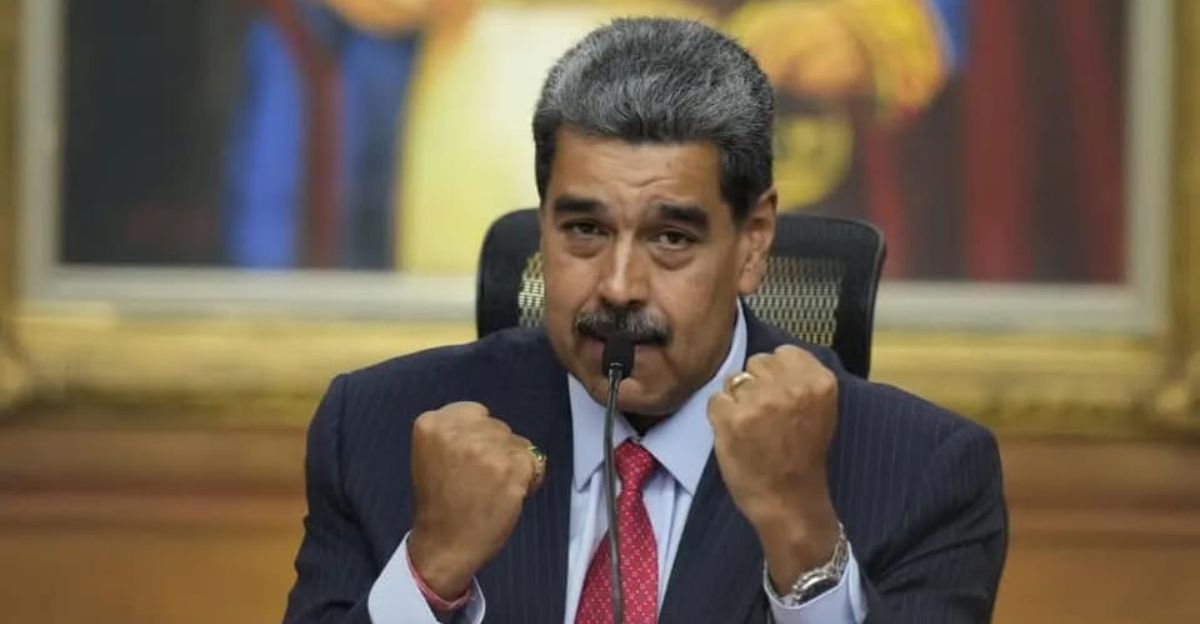
President Nicolás Maduro has launched Venezuela’s largest militia mobilization in years, calling 4.5 million citizens to join the National Bolivarian Militia in the face of intensifying US military activity nearby. Militia registration drives have popped up in public squares, government offices, and even the presidential palace, offering every Venezuelan the opportunity to take part in the country’s defense. Lines have formed with retirees, housewives, and civil servants stepping forward, moved by national pride and concern over escalating threats.
Maduro emphasized the scope of the campaign, “This week, I will implement a special strategy involving over 4.5 million militiamen to guarantee coverage across the entire national territory – these militias are ready, activated, and armed,” he announced in a televised statement.
US Military Gathers
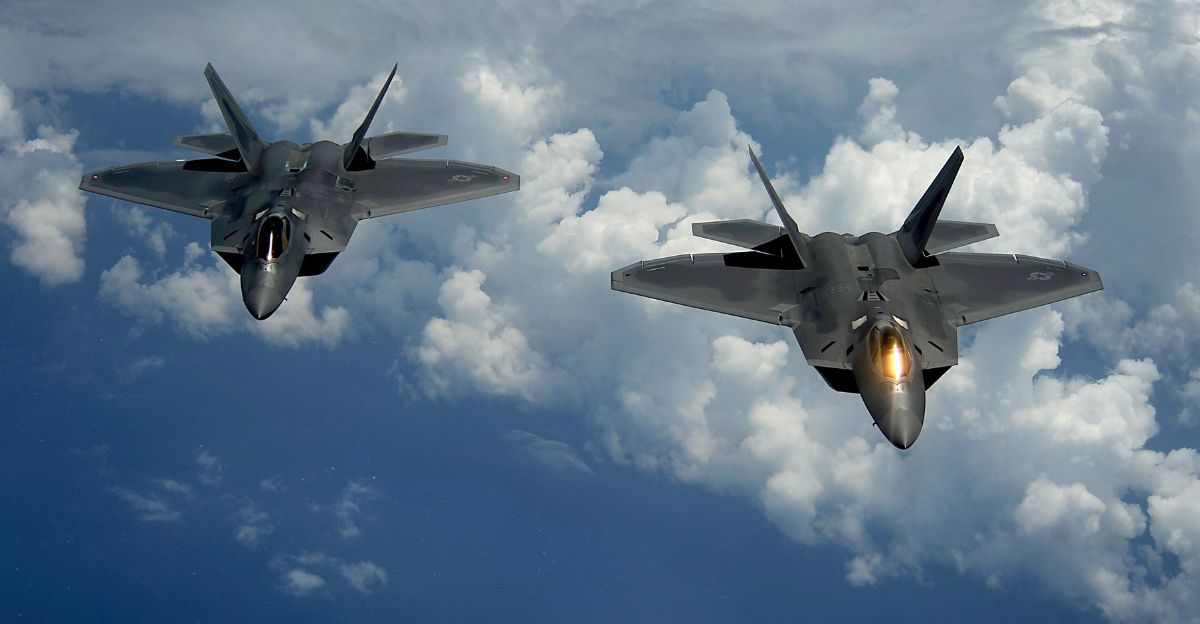
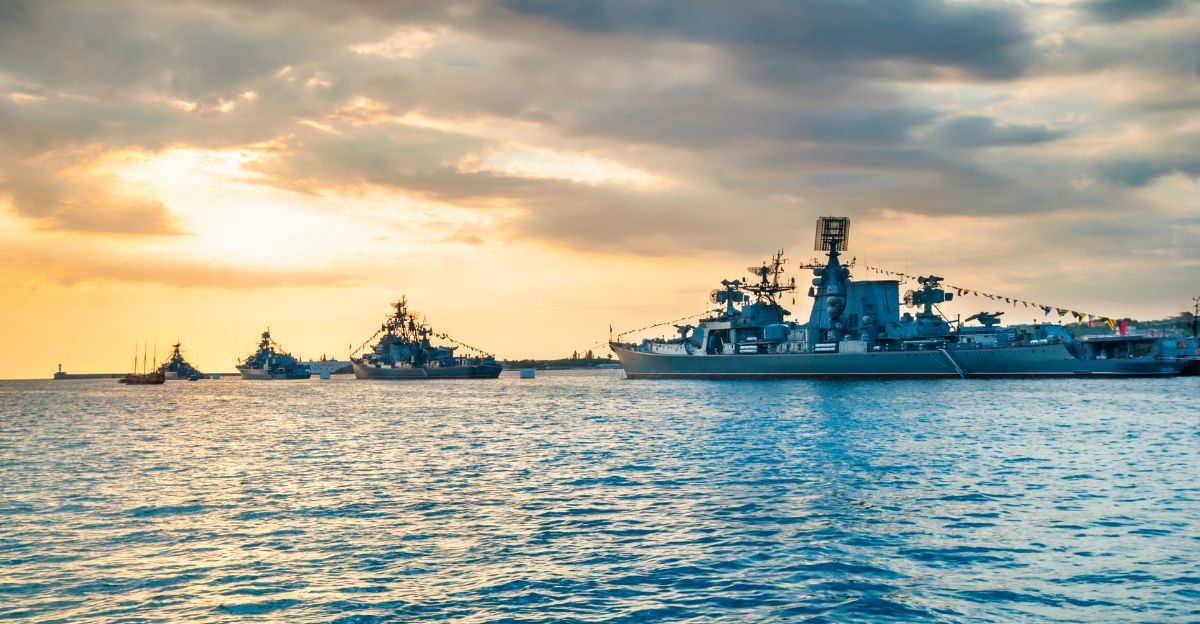
The US has sent eight warships, an attack submarine, and ten F-35 fighter jets to the Caribbean in just weeks, calling the move part of anti-drug cartel operations. Over 4,000 sailors and Marines are now stationed near Venezuela, making this one of the region’s largest US military displays in decades.
Pentagon officials officially frame these actions as anti-narcotics operations targeting groups such as the Tren de Aragua cartel, recently labeled as terrorists by Washington. “The cartel governing Venezuela is strongly urged to refrain from any additional efforts to obstruct, hinder, or interfere with counter-narcotics and counter-terrorism operations conducted by the US military,” the Pentagon warned after two Venezuelan F-16 jets flew near a US Navy vessel.
Growing Local Resistance
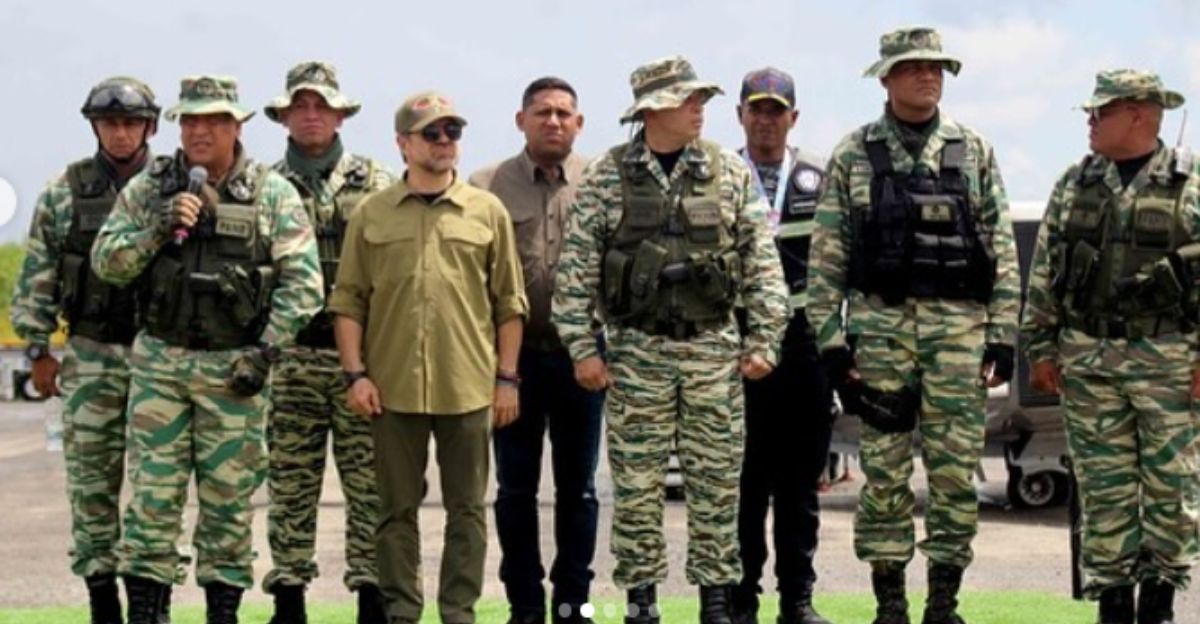
Over 15,000 defense bases and more than 5,000 communal units have now mobilized across the country, including major cities and isolated towns. Digital platforms have played a vital role, allowing citizens to enlist efficiently from every corner of Venezuela.
This mobilization reaches deep into society, drawing in workers, retirees, and even housewives, all vowing to protect their communities from what they see as foreign threats. “We will defend our seas, our skies, and our land… No empire can touch Venezuela’s sacred soil,” said Maduro.
Direct Mobilization
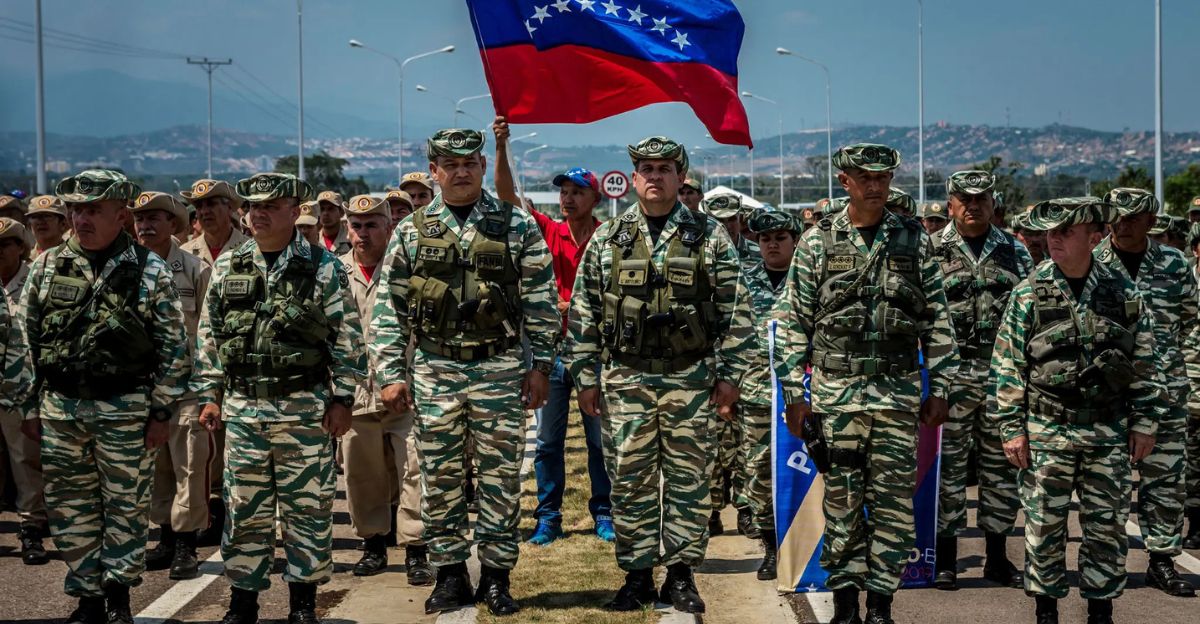
This week, Venezuela staged its biggest one-day militia deployment in years, running live military drills along coasts and the Colombian border. Troops patrolled sensitive areas, with 25,000 soldiers targeting drug hotspots. “We will defend Venezuela with all means necessary,” Maduro declared, signaling his resolve as tensions mount.
Impact on Civilians
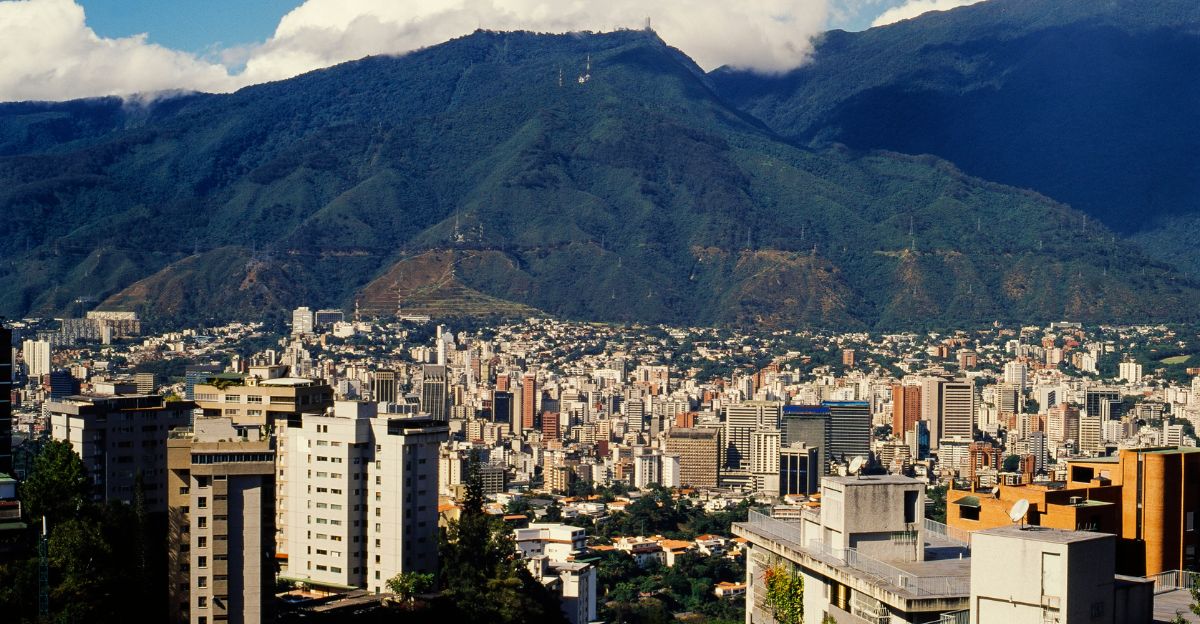
Civil servants, housewives, retirees, and even students are queuing at registration centers set up in public squares, government buildings, and historical sites like Hugo Chavez’s Mountain Barracks. This surge in enlistment is a visible show of patriotism as ordinary people vow to defend their country’s sovereignty.
The government encourages participation by invoking the nation’s history of resistance and unity, often showing documentaries about previous foreign interventions to inspire recruits. After signing up, volunteers receive basic training and learn about weaponry, even if their roles may be more symbolic than combative.
Border Communities Respond
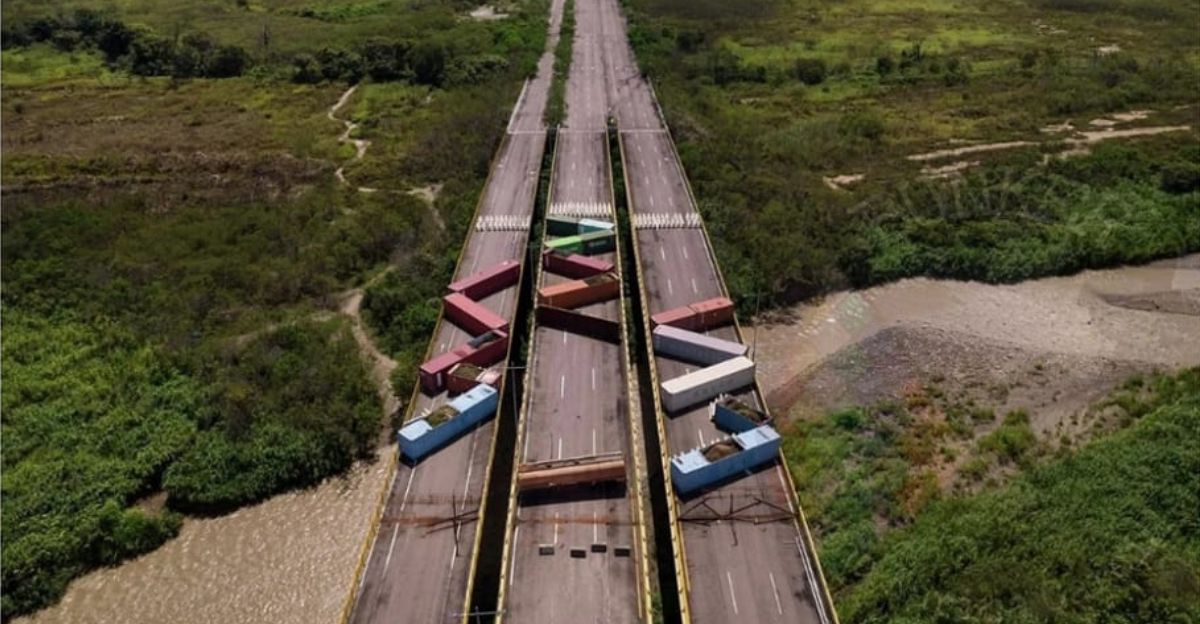
In border areas like Zulia and Táchira, military checkpoints and patrols have become a daily sight. Local militias have been called up to protect key routes from drug cartels and foreign threats, transforming quiet villages into defense frontlines.
The expansion of the Bolivarian Militia has reached remote villages and urban centers, guided by both physical and digital enlistment platforms. Community leaders urge calm and cooperation during these uncertain times.
Ripple Effects in Latin America
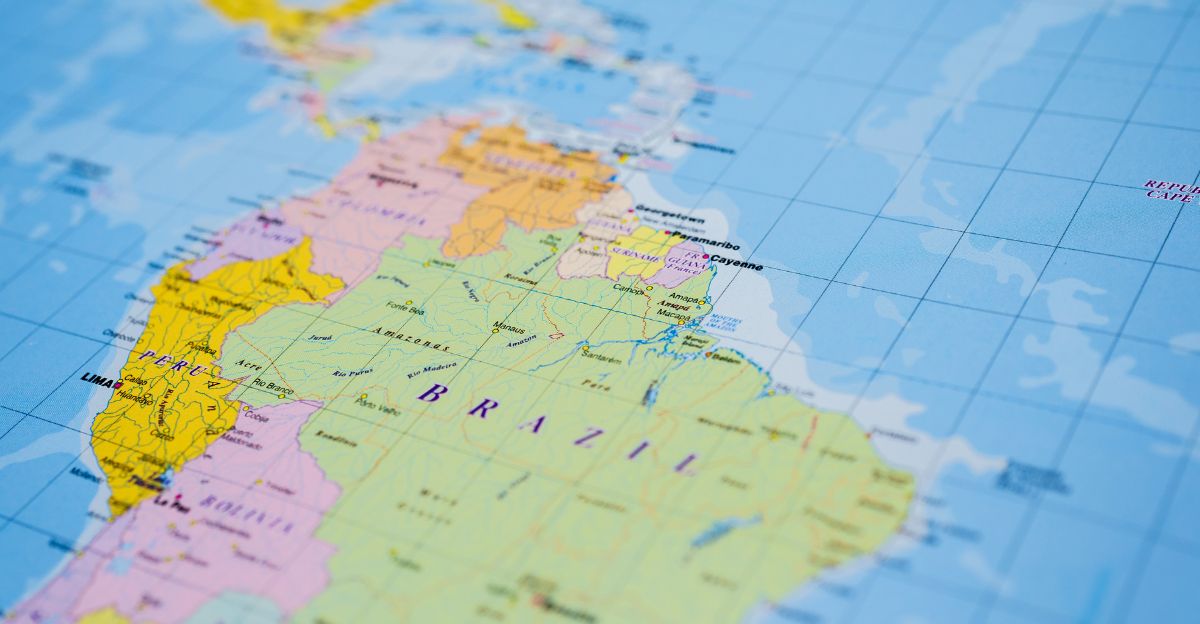
Many neighboring countries, including Colombia and Brazil, have issued urgent calls for dialogue and restraint, worried about the fallout from any escalation on their borders. Colombia, which has taken in over three million Venezuelan migrants fleeing instability and economic collapse, remains highly alert to cross-border security threats, especially as armed groups exploit chaos and porous boundaries.
“It is essential to avoid military engagement and promote regional dialogue,” said Brazilian Foreign Minister Mauro Vieira.
Drug Cartels and Security
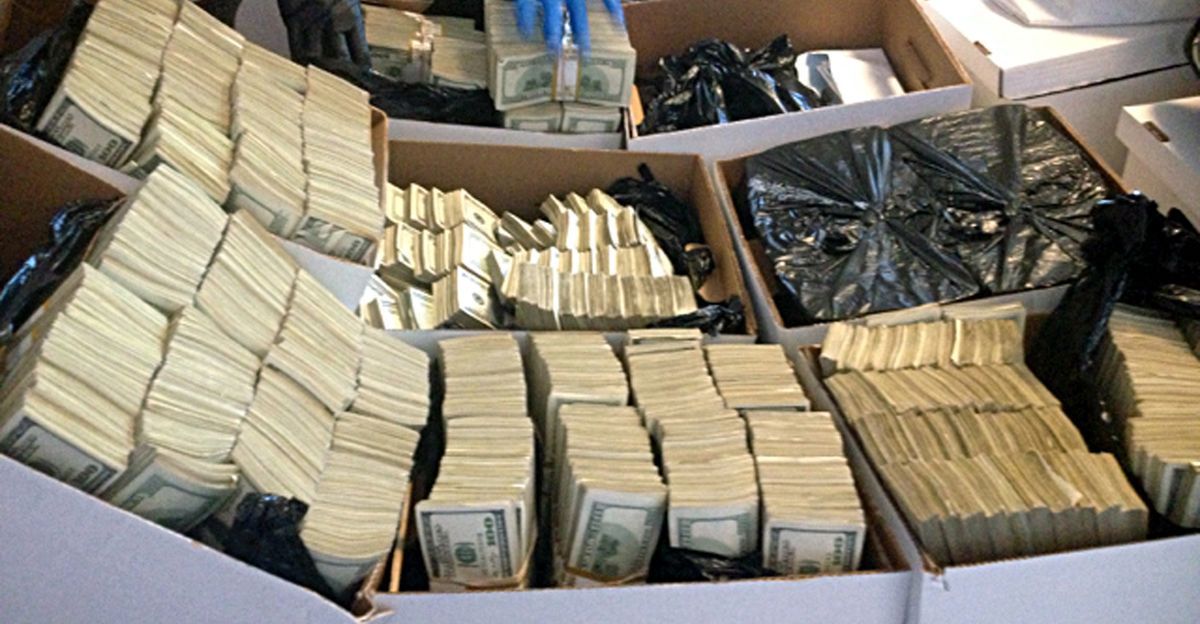
US military actions have targeted powerful criminal organizations operating out of Venezuela, notably the notorious Tren de Aragua gang, which has expanded its reach across Latin America and been classified by Washington as a foreign terrorist organization. On September 2, US forces carried out a dramatic strike on a boat suspected to be run by Tren de Aragua, reportedly killing 11 alleged cartel members.
Admiral Daryl Caudle of the US Navy explained, “US ships are heading into waters off South America to support missions that involve drug cartels.” However, he stopped short of providing operational specifics.
Presidential Showdowns
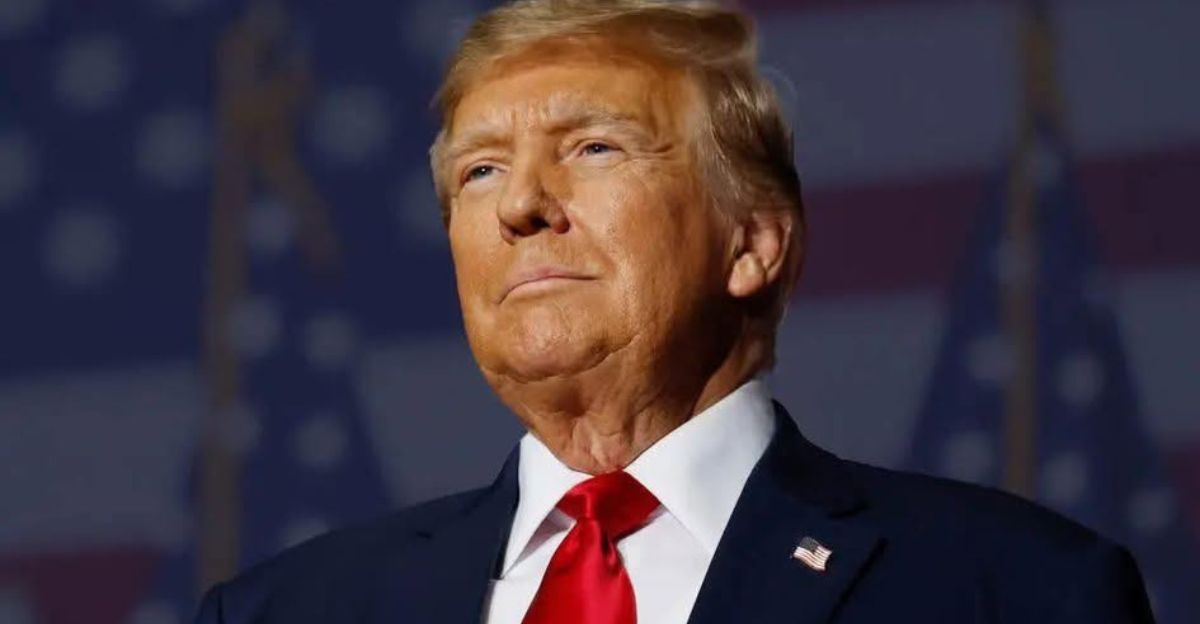
The clash between President Donald Trump and Venezuelan President Nicolás Maduro has become a dramatic centerpiece of the current Caribbean crisis, with both leaders issuing sharp public threats and escalating their rhetoric. Trump doubled the US bounty for Maduro’s arrest to $50 million, accusing him of being “one of the largest narco-traffickers in the world and a threat to our national security.”
Maduro described the US presence as “the greatest threat that has been seen on our continent in the last 100 years,” pointing to US warships, destroyers, and submarines equipped with hundreds of missiles off Venezuela’s coast.
Internal Divisions
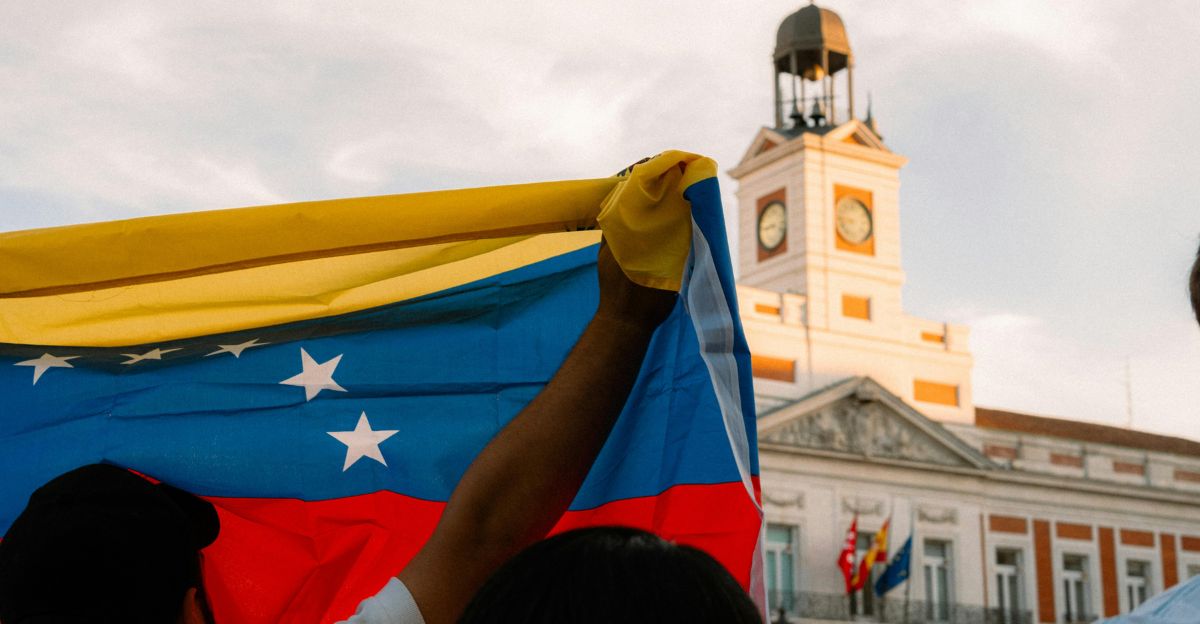
Maduro’s military push has exposed differences within Venezuela. While some support the call to arms, others question the wisdom and motives behind civilian militia mobilization. Political opposition demands international help, and humanitarian groups warn about risks to vulnerable citizens.
Military Capability Gaps
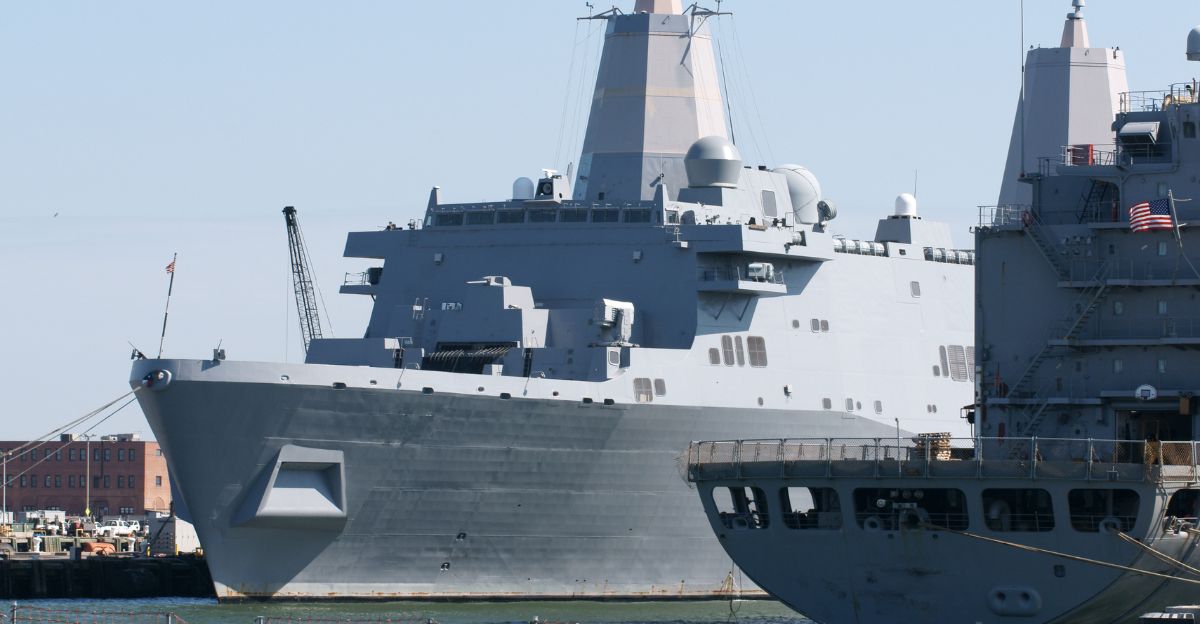
Venezuela’s military lags far behind the United States in both technology and sheer numbers, making any direct confrontation extremely one-sided. According to the Global Firepower Index for 2025, the US ranks first in the world for military strength, while Venezuela places 50th out of 145 nations.
The US boasts more than 1.3 million active troops, 13,000 combat aircraft, 391,963 armored vehicles, and 440 warships, compared to Venezuela’s forces of approximately 150,000 troops, 229 combat planes, 8,802 armored vehicles, and just 34 warships.
Regional Powers React
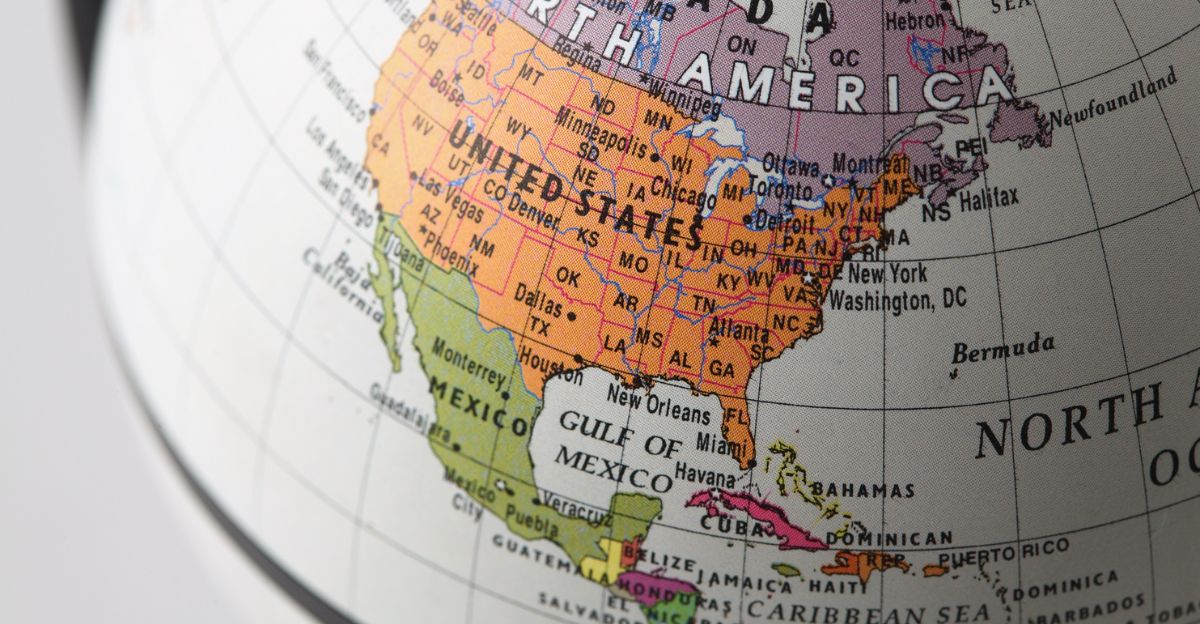
Regional powers across Latin America have responded to the Venezuela-US standoff with appeals for restraint, sovereignty, and institutional solutions. Brazil, Colombia, and Mexico all released a joint statement urging that disputes around Venezuela’s recent election and the wider crisis be resolved “through institutional means” and that “the fundamental principle of popular sovereignty must be respected through impartial verification of the results”.
The leaders of these nations advocated for open dialogue, expediting the release of election data, and asked all political groups in Venezuela to avoid violence.
Ownership of Defense
Maduro is putting ordinary Venezuelans front and center of security efforts, emphasizing that “the courage of the Venezuelan people inspires admiration around the world”. Local leaders organize training and push government narratives of unity and independence, aiming to blend top-down orders with grassroots action.
This rhetoric is meant to unify citizens and foster a sense of collective purpose, blending centralized directives with widespread civil participation.
Shadow of Escalation
Tensions between the United States and Venezuela have intensified dramatically, with the risk of direct military escalation looming ever larger. The Pentagon recently labeled a Venezuelan flyover of US Navy ships as “highly provocative,” stating, “The cartel in control of Venezuela is strongly urged to refrain from any attempts to obstruct, deter, or interfere with the counter-narcotics and counter-terrorism efforts conducted by the U.S. military”.
President Trump has fueled concerns by suggesting that any Venezuelan military jets posing a threat to US forces “will be shot down.” On the Venezuelan side, President Maduro’s response has been swift and forceful, mobilizing regular troops and millions of militia, and warning, “If Venezuela is attacked, it would instantly enter a phase of armed struggle,” while calling for respect for “sovereignty, the right to peace, and independence”.
New Investigations

Recent investigations into the US military’s strike on a suspected Venezuelan drug cartel boat in the southern Caribbean have ignited a heated debate about the operation’s legality and wider consequences. Experts, human rights groups, and international observers have all raised concerns, particularly since the US government has yet to clarify the legal grounds under which the action was authorized.
Adam Isacson of the Washington Office on Latin America described the incident as “a massacre of civilians at sea,” stressing that being “suspected of carrying drugs” or “not yielding to pursuers” shouldn’t merit a death sentence.
Ripple Effects on Markets

The risk of conflict or even the perception of instability is enough to push crude prices higher and disrupt supply chains, especially since Venezuela holds the world’s biggest proven oil reserves. Insurance rates for tankers loading Venezuelan oil have already risen as shipping through Caribbean lanes faces greater risk and volatility, forcing buyers to seek alternatives and pay premiums for similar heavy grades from places like Canada or Mexico.
For Venezuela’s battered economy, these tensions threaten any hope of recovery. The uncertainty deters new investment in the oil sector, even if some sanctions have eased, and makes financing prohibitively expensive for international partners.
Social Reaction & Misinformation

Social media is ablaze with rumors, some exaggerated, some false, about militia numbers and war plans. According to Adrián González of Cazadores de Fake News, “the government is using propaganda to neutralize information they cannot control,” by flooding feeds with pro-government posts and hashtags, sometimes repeated hundreds of thousands of times by bot networks.
Fact-checkers have investigated claims about the size and reach of Venezuela’s militia mobilization. Official figures often cite numbers as high as 8 million. Still, many experts and opposition leaders say these are likely inflated to boost morale and present an image of strength to domestic and foreign audiences.
Historical Precedent
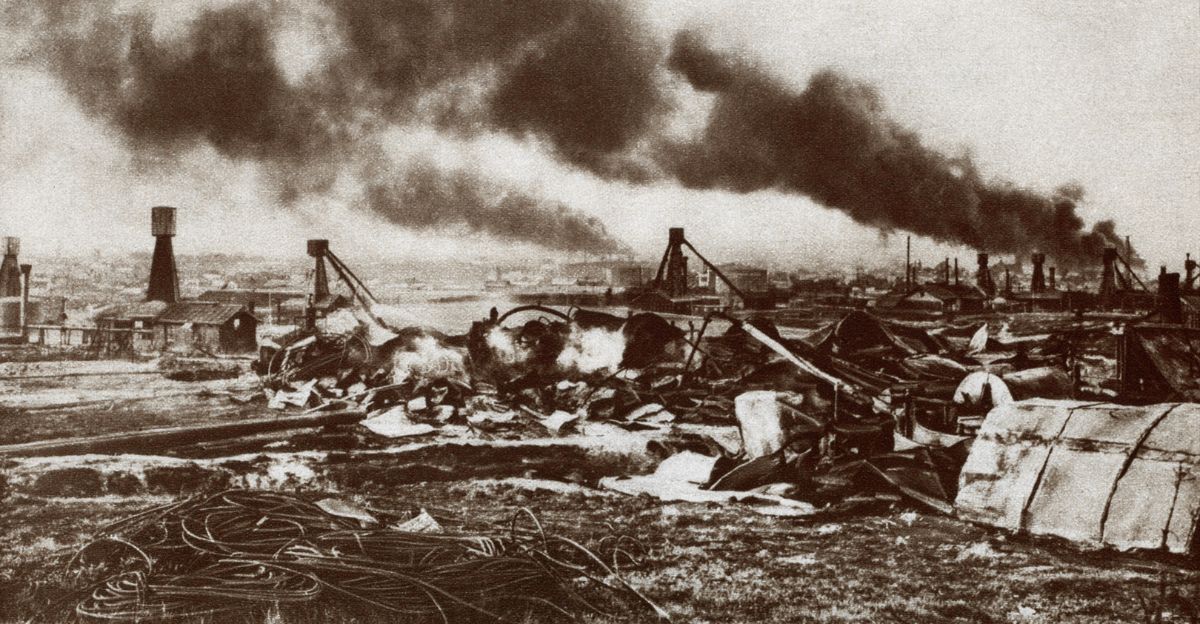
This crisis recalls prior standoffs between the US and Venezuela, such as the 2017 intervention scare. As analysts point out, past showdowns were resolved through talk, not war, but current tension could break that pattern if diplomacy fails.
Maduro recently declared during a military ceremony, “Venezuela is always prepared for dialogue, but we demand respect. None of our disagreements warrant a high-stakes military confrontation in South America”.
What’s Next?
Both the US and Venezuela are locked in a tense standoff, flexing military muscle and harsh words while regional peace hangs in the balance. Despite America’s greater power, Venezuela pledges its right to defend itself.
As markets tremble and humanitarian concerns grow, many insist dialogue is the best way to avoid disaster.