President Trump’s domestic military strategy faces its most severe constitutional challenge since Reconstruction. Federal Judge Charles Breyer’s September 2 ruling created a September 12 deadline that could force the chaotic withdrawal of 300 National Guard troops from Los Angeles. Reuters reports that the 9th Circuit Court of Appeals granted a temporary stay on September 4, maintaining current deployments while Trump appeals. This legal showdown threatens to expose the limits of presidential power over domestic military force.
Trump Rebrands Pentagon as “Department of War” Amid Crisis

According to Time magazine, Trump’s symbolic rebranding of the Pentagon as the “Department of War” on Friday signals his administration’s increasingly militaristic approach to domestic governance. Defense Secretary Pete Hegseth declared the change represents “maximum lethality, not tepid legality” while announcing plans for “violent effect, not politically correct” military operations. With 4,700 personnel implicated in the California ruling, NBC News confirms the legal precedent could block similar deployments nationwide.
Historic Law Born from Reconstruction Era Tensions
The Posse Comitatus Act emerged in 1878 following the military occupation of Confederate states during Reconstruction. It specifically prohibited federal troops from domestic law enforcement without Congressional approval. National Archives records show President Rutherford Hayes signed the legislation to ensure civilian control over policing after public outcry over military governance. The law carries criminal penalties, including fines up to $10,000 and two years’ imprisonment for violations.
Democratic Governors Unite in Unprecedented Resistance

Nineteen Democratic governors united in an unprecedented joint statement condemning Trump’s troop deployment threats as an “alarming abuse of power,” creating the largest coordinated state resistance in modern history. The New York Times reports California Governor Gavin Newsom deployed state police to major cities as a defensive measure against federal military intervention. WYPR indicates Baltimore residents staged overnight protests while Mayor Brandon Scott revealed extensive legal planning with Maryland Governor Wes Moore.
Federal Judge Delivers Devastating Ruling Against Trump

U.S. District Judge Charles Breyer delivered the constitutional bombshell on September 2, issuing a scathing 52-page ruling that Trump’s Los Angeles deployment “willfully” violated the Posse Comitatus Act by using 4,000 National Guard troops and 700 Marines for civilian law enforcement. NBC News confirms Breyer explicitly warned that Trump’s strategy creates “a national police force with the President as its chief,” finding troops conducted illegal arrests, traffic stops, and crowd control. The judge set a September 12 deadline for compliance unless stayed on appeal.
California Bears Financial Burden of Controversial Deployment

The ruling directly affects 300 National Guard members still stationed in Los Angeles under federal control, blocking their use for immigration raids and drug enforcement operations. The Los Angeles Times analysis reveals California taxpayers bore $120 million in deployment costs over 89 days, averaging $1.35 million daily for military operations that local police argued they could handle independently. Governor Newsom accused Trump of retaining troops through Election Day as “intimidation tactics to coerce Californians into submission.”
State Leaders Deliver Defiant Response to Federal Overreach

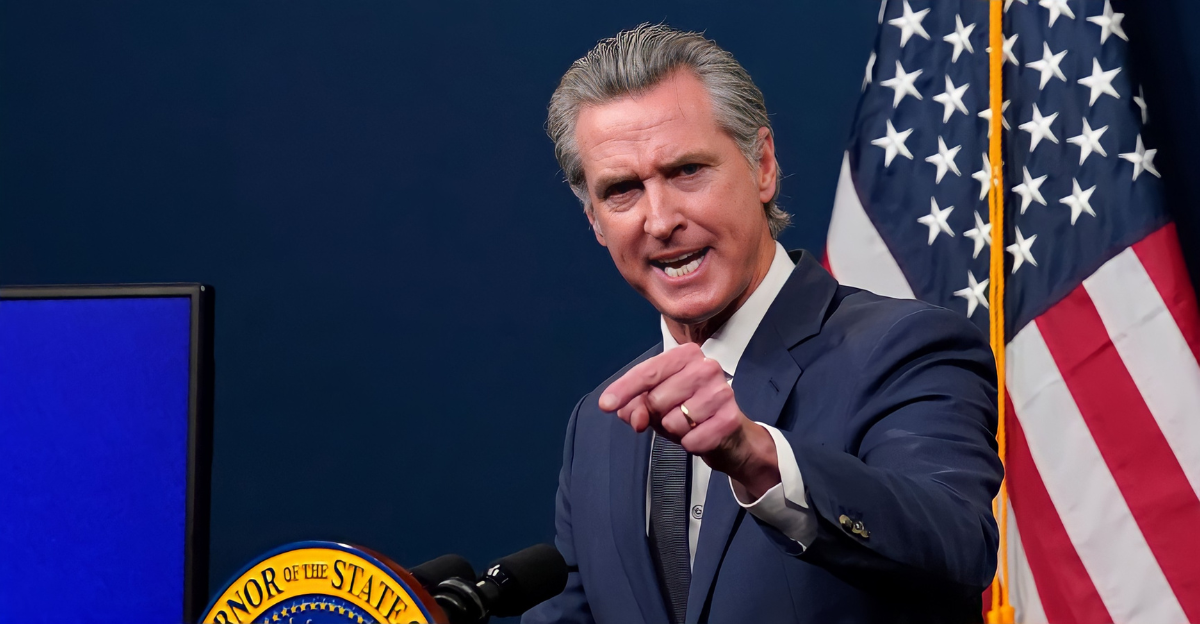
“No president is a king—not even Trump—and no president can override a state’s authority to protect its citizens,” Governor Newsom declared following the ruling, positioning himself as defender of democratic institutions. Los Angeles Mayor Karen Bass, who repeatedly accused Trump of “invading” her city, celebrated with defiant rhetoric, stating, “We will not be intimidated and we will not be silenced.” Baltimore protesters voiced fears about targeting cities with large Black populations, with one resident declaring, “Baltimore is not going to back down.”
White House Strikes Back at “Rogue Judge” Ruling
White House spokesperson Anna Kelly immediately criticized the ruling, declaring “a rogue judge is attempting to undermine the authority of the Commander-in-Chief to safeguard American cities from violence and destruction.” CNBC reports Trump characterized Judge Breyer as a “radical left judge” while emphasizing that troops could remain for federal property protection, stating, “That’s all we need.” The Justice Department argued that restricting military operations “undermines the Commander in Chief’s oversight” and “endangers federal personnel.”
Taxpayers Face Massive Bills for Domestic Military Operations

Pentagon estimates reveal that Trump’s domestic military operations cost taxpayers approximately $1 million daily in Washington, DC alone, and that the Los Angeles deployment exceeds initial projections. Taxpayers for Common Sense calculations show the $120 million California cost could have hired 2,000 additional Chicago police officers instead of deploying military personnel for civilian law enforcement. Military analysts noted domestic deployments reduce National Guard readiness for legitimate emergency responses, particularly during California’s peak wildfire season.
Pentagon Name Change Signals Dramatic Shift in Military Culture

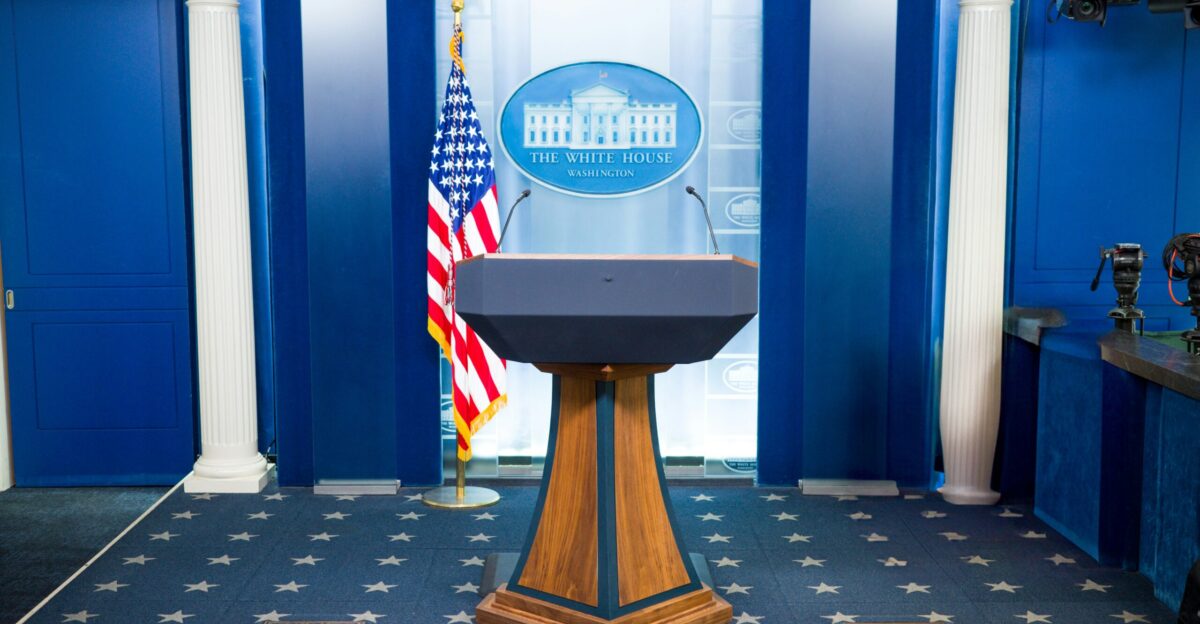
Beyond the constitutional crisis, Trump’s Friday executive order renaming the Pentagon as the “Department of War” represents a symbolic shift toward militaristic governance not seen since 1949. BBC coverage shows Defense Secretary Pete Hegseth declared the change signals “restoring the warrior ethos” and moving from “defense” to “offense,” with the department’s public briefing room renamed the “Pentagon War Annex.” This rebranding accompanies Trump’s threatening social media posts depicting himself as a Vietnam War character with helicopters over burning Chicago.
Appeals Court Weighs Constitutional Questions of Executive Power

The 9th Circuit Court of Appeals’ three-judge panel, consisting of Trump appointees Mark Bennett and Eric Miller alongside Biden appointee Jennifer Sung, granted a temporary stay while considering the administration’s whole appeal. Hill confirms that legal experts anticipate the case will reach the Supreme Court, given its constitutional implications for presidential authority and military-civilian separation. The Justice Department indicated readiness to seek Supreme Court intervention before the September 12 deadline if the appeals court denies their stay.
California Precedent Threatens Trump’s Nationwide Military Plans

Judge Breyer’s California-specific injunction could establish precedent for blocking Trump’s threatened deployments to Chicago, Baltimore, and New Orleans, creating a nationwide legal framework. NPR reports the administration shifted tactics following the setback, now focusing on Republican-led states like Louisiana, where Governor Jeff Landry welcomed federal troops. Trump floated New Orleans as an alternative to Chicago, where Democratic Governor JB Pritzker fiercely opposed military intervention.
Blue States Prepare Legal Arsenal Against Federal Troops

Democratic governors are implementing comprehensive legal countermeasures, with California filing preliminary injunctions and other states preparing similar constitutional challenges. Democracy Docket analysis reveals Washington, D.C., filed its own federal lawsuit challenging Trump’s deployment authority, arguing violations of the Administrative Procedures Act and constitutional separation of powers. Chicago Mayor Brandon Johnson signed executive orders directing city police not to cooperate with federal agents during potential military interventions.
Military and Legal Experts Question Trump’s Constitutional Authority

Legal scholars warn that Trump’s military deployment strategy faces significant constitutional barriers beyond California, with other federal circuits likely to embrace Judge Breyer’s reasoning. The Conversation reports that former FBI agents argue that National Guard troops lack proper law enforcement training and cannot constitutionally perform police functions. Military analysts emphasize that domestic deployments drain resources from legitimate defense missions while exposing service members to inappropriate civilian roles.
September Deadline Creates Constitutional Inflection Point

The September 12 deadline, though temporarily stayed, represents a constitutional inflection point testing whether Trump’s vision of militarized federal authority can survive judicial scrutiny. Consortium News indicates that with threatened deployments still pending in multiple cities, the legal precedent established in California could determine the scope of presidential power over domestic military use. The fundamental question remains whether federal executive authority can override state sovereignty in civilian law enforcement matters.
Federal-State Battle Echoes Civil War Era Constitutional Crisis

Trump’s military deployment threats represent the most direct challenge to federalism since the Civil War, forcing confrontations between federal executive power and state authority that echo Reconstruction-era tensions. The Times of India coverage shows that the 19-governor coalition opposing deployments creates an unprecedented blue state resistance network that could influence future elections and reshape federal-state relations. Democratic leaders frame the conflict as a fundamental defense of democratic norms against authoritarian overreach.
International Allies Question America’s Democratic Commitments
Trump’s domestic military strategy draws international scrutiny as allies question American commitment to civilian-military separation, which defines democratic governance. Human Rights Watch characterized Washington, D.C., deployments as “unwarranted and dangerous,” noting their departure from established democratic norms that the U.S. typically promotes abroad. Foreign observers view the military-police fusion as resembling authoritarian tactics commonly criticized by American foreign policy.
Constitutional Scholars Warn of Dangerous Precedent for Democracy

The Posse Comitatus Act violation raises broader questions about constitutional checks on presidential power during domestic situations that don’t meet rebellion thresholds. Daily Journal reports Judge Breyer rejected the administration’s “constitutional exception” argument, noting it lacks grounding in Supreme Court jurisprudence or historical precedent. The ruling reinforces the 147-year-old constitutional separation between military and civilian authority that has protected American democracy since Reconstruction.
Military Rebranding Reflects Broader Cultural Transformation

Trump’s “Department of War” rebranding reflects broader cultural shifts toward normalized military presence in American cities, challenging traditional civilian-military boundaries. The New York Times analysis suggests the symbolic change from “defense” to “war” signals an aggressive federal posture that prioritizes “warrior ethos” over legal constraints in domestic operations. Social media imagery of armed troops in American cities creates lasting impressions that reshape public expectations of government power and military role in civilian society.
America Stands at a Democratic Crossroads Over Military Power

Judge Breyer’s ruling represents more than a legal technicality. It embodies the foundational principle that American democracy depends on civilian control of military force and constitutional limits on executive power. Consortium News emphasizes the blue state resistance, revealing how federalism serves as democracy’s essential safety valve when central authority overreaches constitutional boundaries, creating a patchwork of legal challenges that could define future governance. Whether Trump’s vision of militarized federal authority prevails or democratic institutions successfully constrain presidential overreach will determine America’s constitutional future.