Russia unleashed 502 attack drones and 24 missiles across Ukraine on September 2-3, marking the largest single assault in 1,289 days of war. Ukrainian air defenses managed to intercept 430 drones and 21 missiles, reports from ABC News confirm, but the remaining strikes killed 2 civilians and injured over 35 others. The coordinated barrage targeted 14 locations nationwide, leaving widespread infrastructure damage and thousands without power.
Putin’s Strategic Show of Force During Beijing Military Parade
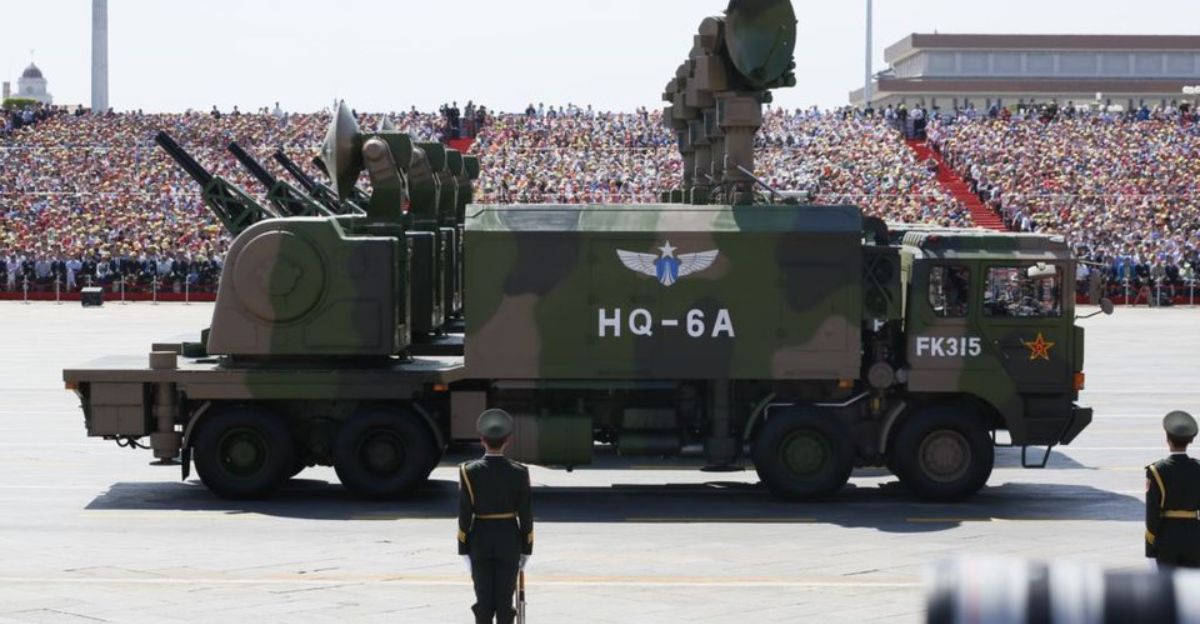
The massive attack coincided precisely with Putin’s attendance at China’s military parade in Beijing, where he stood alongside Xi Jinping and Kim Jong Un. Reuters reports this calculated timing sent a clear message: Russia can conduct devastating strikes while projecting diplomatic strength on the world stage. Ukrainian officials note the 82% air defense success rate couldn’t prevent significant civilian casualties and infrastructure damage.
How the War Has Escalated to This Breaking Point
Since February 24, 2022, Russia has launched over 19,000 missiles and 14,700 attack drones at Ukrainian targets, according to CSIS analysis. The conflict has claimed over 13,800 verified civilian lives and displaced millions, UN data shows. Previous large-scale attacks rarely exceeded 300 weapons, making the 526-weapon assault a dramatic escalation in Russia’s systematic campaign against Ukrainian infrastructure and civilian morale.
Trump’s Peace Efforts Hit Critical Roadblock
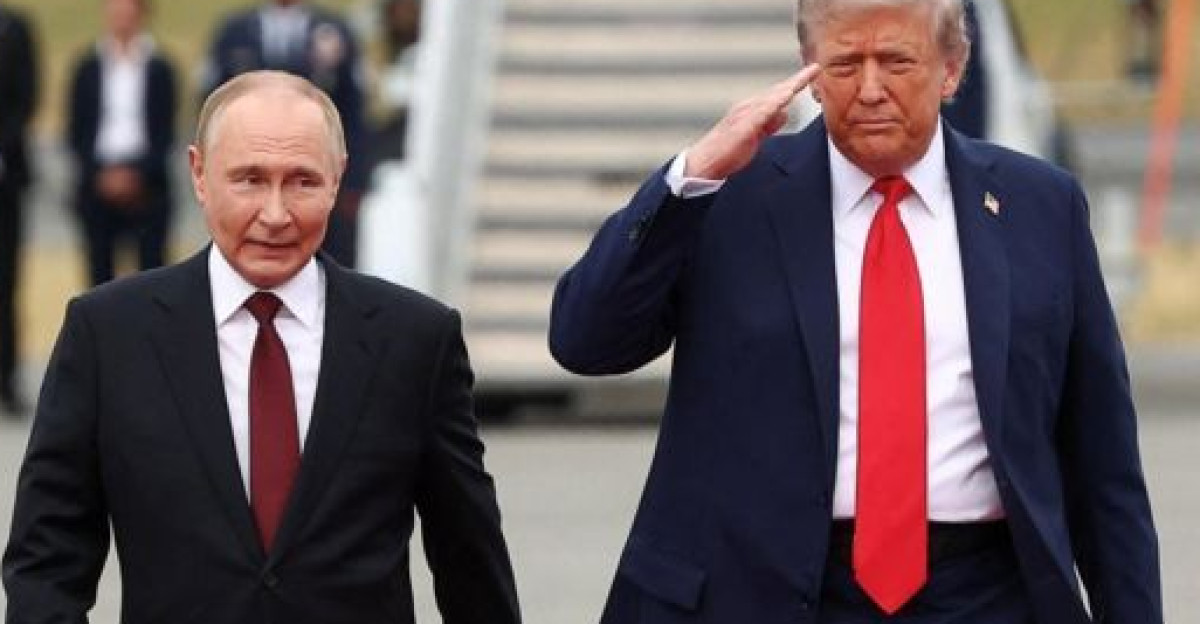
Trump’s peace initiative has stalled despite his August 15 Alaska summit with Putin, leading to increased frustration in Washington. European allies formed what they call a “Coalition of the Willing” to provide security guarantees for Ukraine. Meanwhile, the Institute for the Study of War reports Russia has stockpiled weapons during diplomatic talks, conducting four massive attacks exceeding 500 weapons since the Alaska summit.
Putin Issues Stark Ultimatum from Tiananmen Square
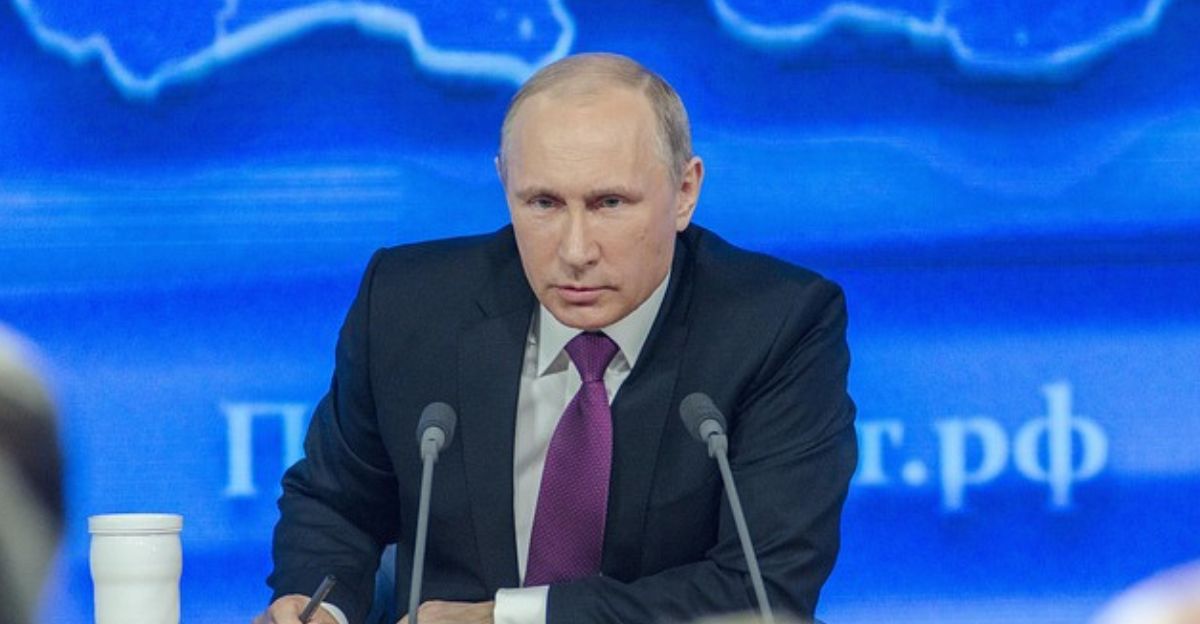
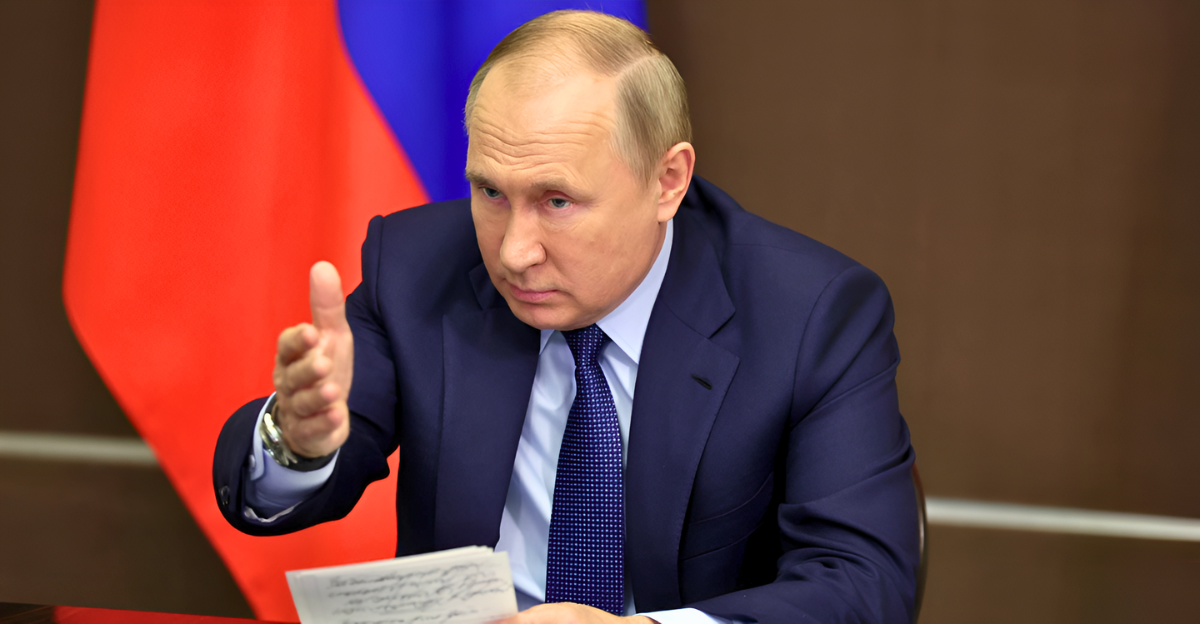
During his September 3 Beijing visit, Putin delivered his starkest warning yet: “If common sense prevails, it will be possible to agree on an acceptable solution to end this conflict. If not, then we will have to resolve all the tasks before us by force of arms.” Reuters captured the statement as he reviewed Chinese military hardware alongside Xi Jinping and Kim Jong Un in Tiananmen Square.
Northern Ukraine Bears Brunt of Infrastructure Attacks

Chernihiv Oblast bore the brunt of infrastructure targeting, with 30,000 households losing electricity after drone strikes on energy facilities. Four railway workers were wounded in central Kirovohrad region, where 28 residential buildings sustained damage, The Moscow Times reports. The attacks disrupted public transportation systems across multiple regions, with significant schedule disruptions reported in Khmelnytskyi Oblast.
Ukrainian President Condemns Putin’s Display of Impunity
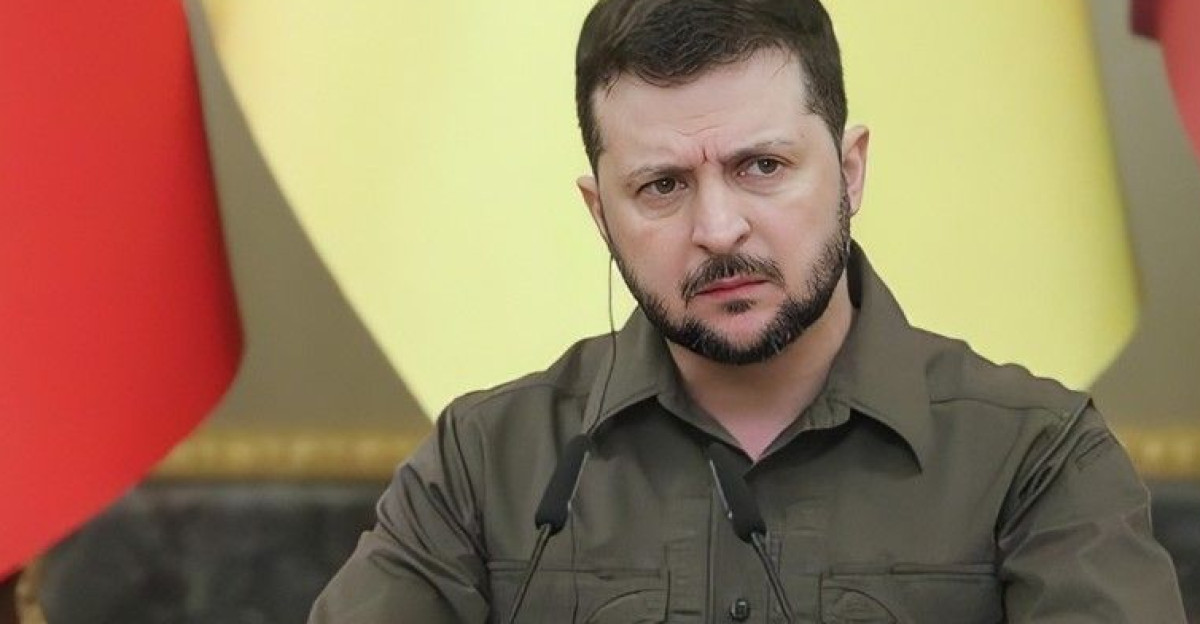
“These are clearly demonstrative Russian strikes. Putin is showing his impunity,” President Zelensky declared after the assault. Emergency services reported five people injured in Znamianka, with one resident killed in Khmelnytskyi Oblast, according to the Kyiv Independent. Rescue operations continued through the morning as authorities assessed damage across 28 affected areas, including both strike locations and debris impact sites.
NATO Forces Scramble Jets as Attacks Unfold
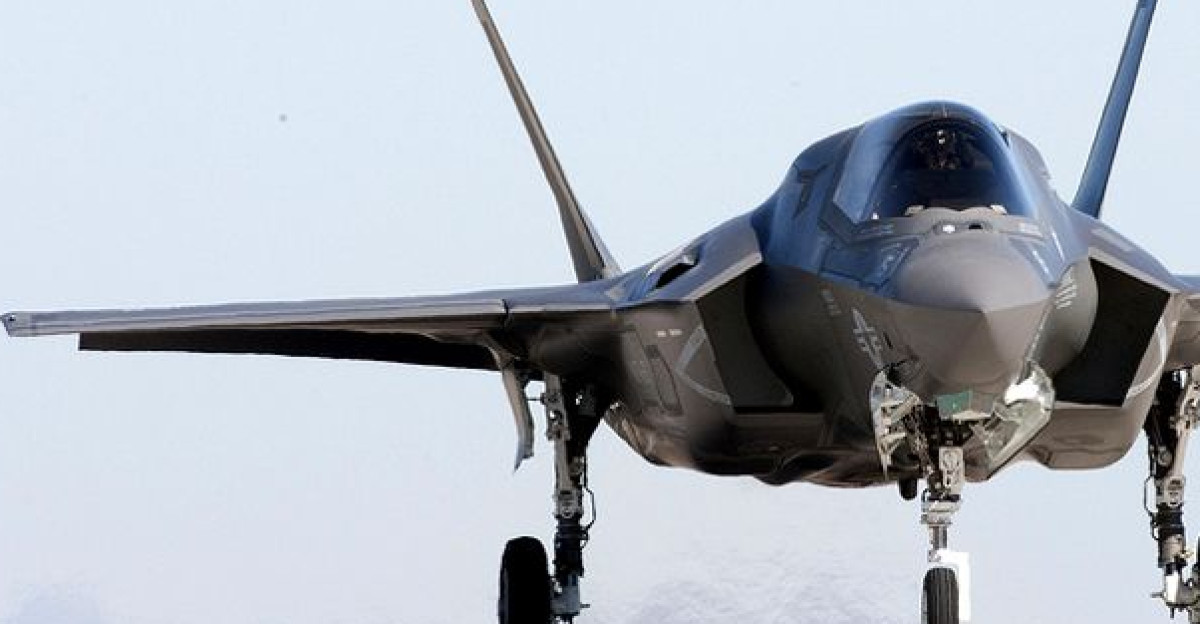
Polish and Dutch F-35 fighter jets scrambled over the Poland-Ukraine border as the massive Russian assault unfolded. Polish Armed Forces maintained heightened readiness for four hours until Russian strikes concluded. NATO forces activated ground-based air defense systems on full alert, with allied aircraft patrolling to secure Polish airspace against potential spillover effects.
The Staggering Cost of Russia’s Psychological Warfare Campaign
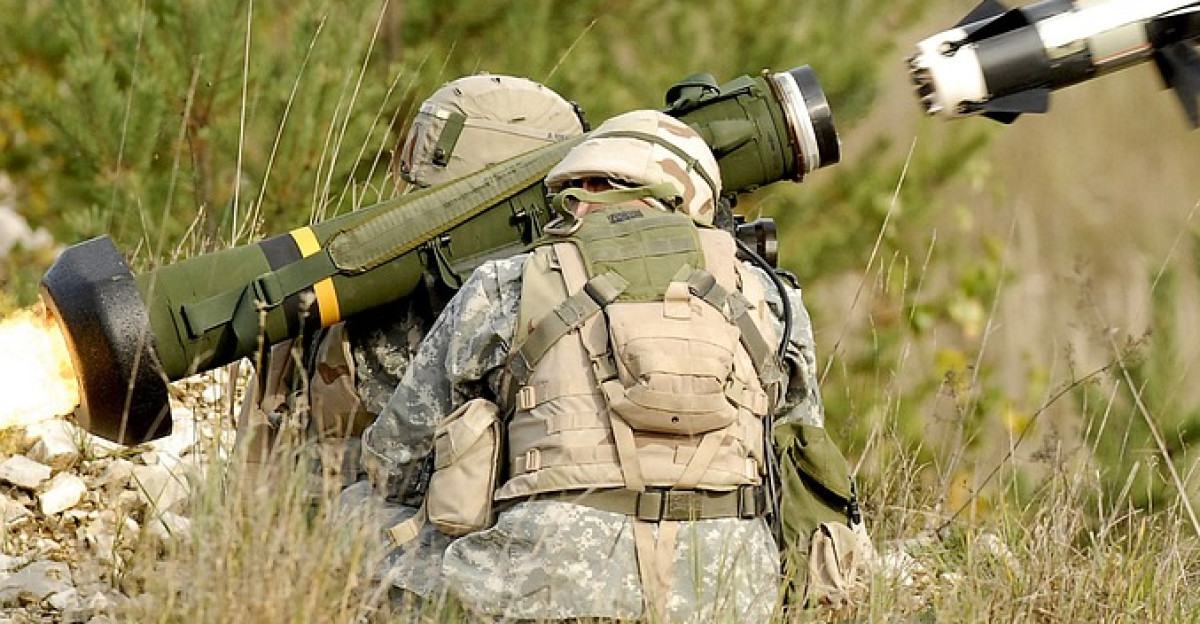
Military analysts estimate the 526-weapon attack cost Russia approximately $50 million, based on drone production costs of $20,000-$50,000 each and missile prices ranging from hundreds of thousands to millions per unit. CSIS research suggests this represents significant investment in psychological warfare, targeting civilian morale ahead of winter when energy infrastructure becomes critically important for Ukrainian survival.
Trump Abandons Restraint, Threatens Toughest Sanctions Yet
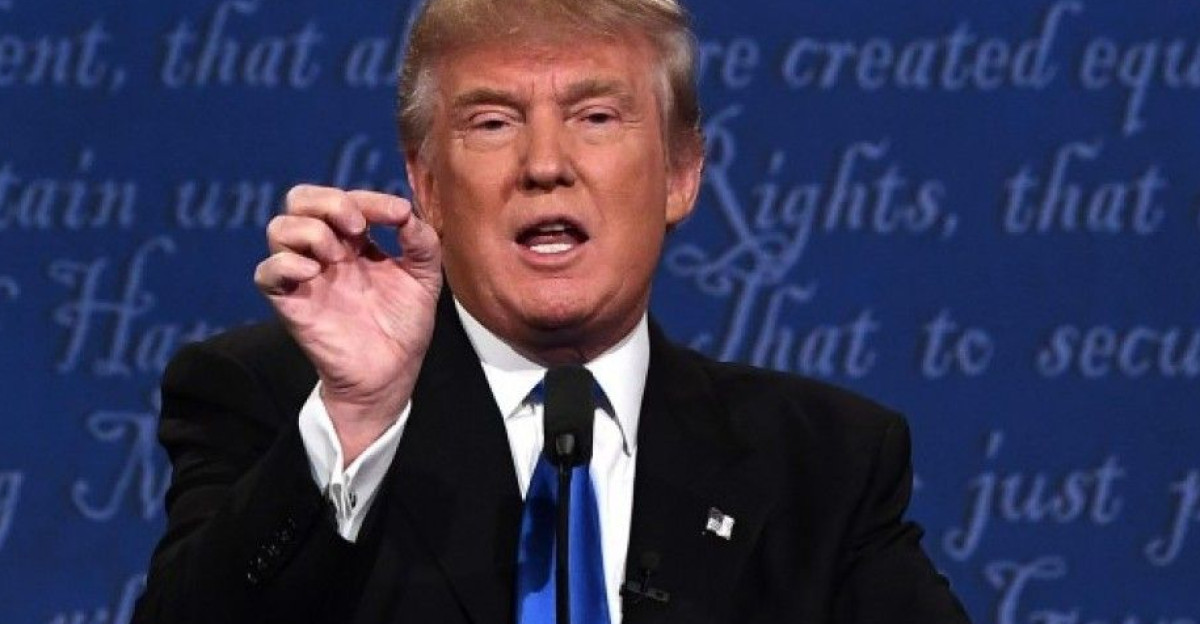
President Trump announced readiness for “phase two” sanctions against Russia following the record attack, marking his strongest threat yet after diplomatic efforts stalled. “Yeah, I am,” Trump told Reuters reporters when asked about escalating penalties. This represents a significant shift from his previous restraint, as he had withheld sanctions while pursuing peace negotiations with Putin.
European Allies Express Growing Frustration with Putin’s Double Game

European leaders in the “Coalition of the Willing” expressed mounting frustration with Putin’s duplicitous approach to negotiations while conducting the war’s largest attack. Twenty-six nations committed to deploying peacekeeping troops as post-conflict security guarantees, NBC News confirms. Ukrainian officials privately voiced concerns that Putin uses diplomatic discussions as cover for military escalation rather than genuine peace efforts.
Ukraine’s Air Defense Success Comes at Crushing Financial Cost
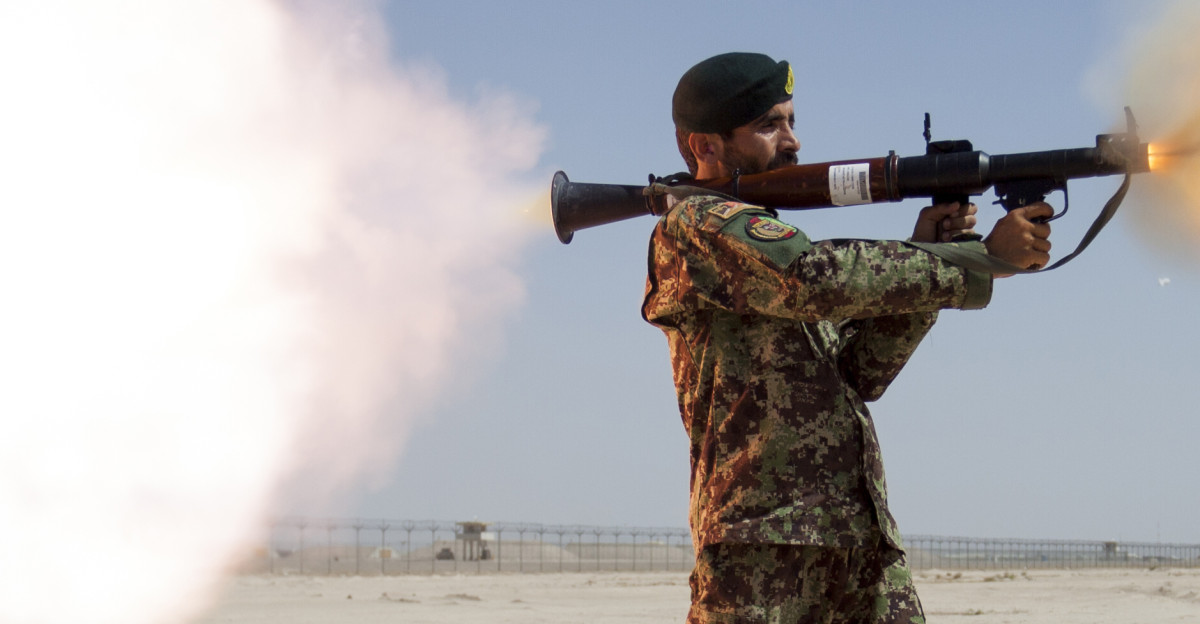
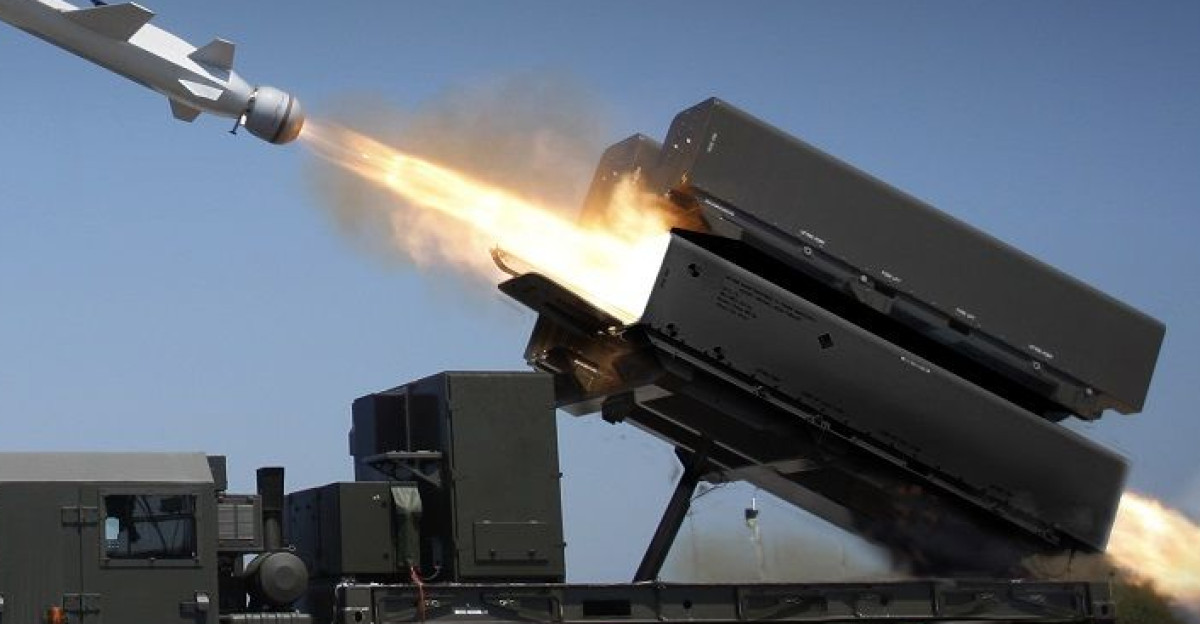
Ukraine’s air defense success came at enormous cost, with Patriot interceptors priced at $3.8 million each and NASAMS missiles at $1 million. Defense analysts calculate intercepting 451 weapons likely cost Ukraine over $500 million in defensive munitions. This stark asymmetry favors Russian attackers, who can replenish their drone stockpile within a week given current production capacity of 100 Shaheds daily.
Russia’s Drone Factories Work Around the Clock

Russia has dramatically scaled drone production capabilities, with satellite imagery showing expansion of Shahed manufacturing facilities across the country. Current estimates from the Institute for the Study of War suggest Russia can produce roughly 100 Shahed drones daily, meaning the 502 drones used in this attack could be replaced within five days. This production advantage enables sustained psychological pressure campaigns against Ukrainian civilians.
Military Experts Question Whether Sanctions Can Stop Putin
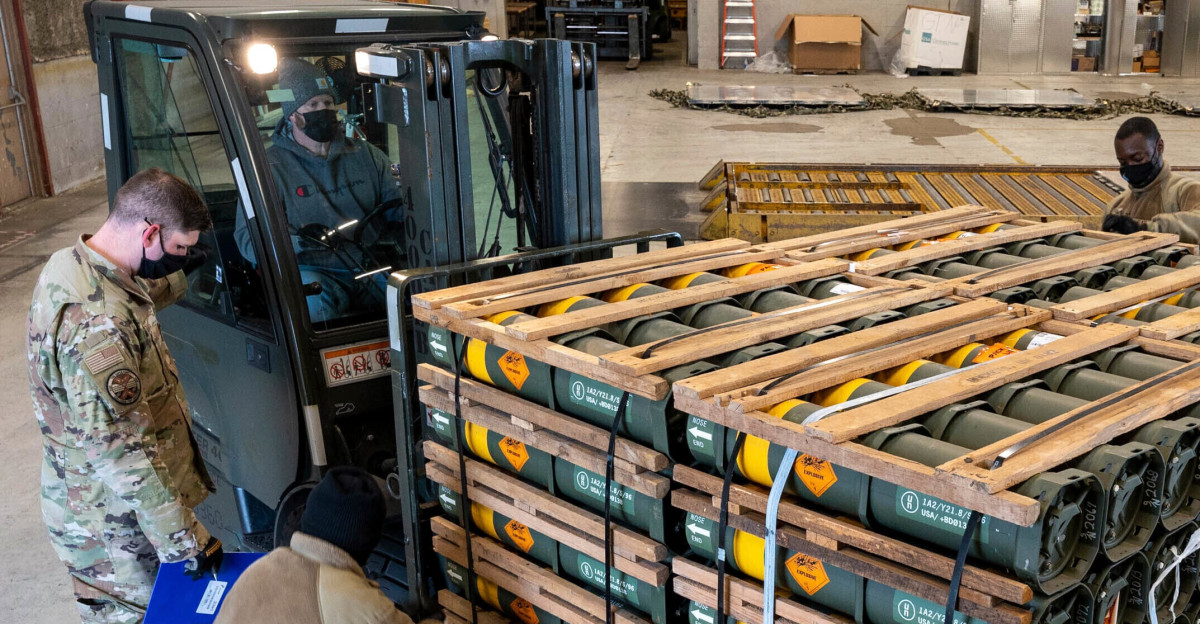
Defense analysts question whether economic sanctions alone can deter Putin given his demonstrated willingness to absorb massive costs. Russian military casualties exceed 220,000 killed according to independent BBC News Russian and Mediazona tracking, yet Moscow continues offensive operations. The timing gap between diplomacy and devastating attacks suggests calculated psychological warfare rather than good-faith negotiation efforts.
The Critical Question Facing World Leaders
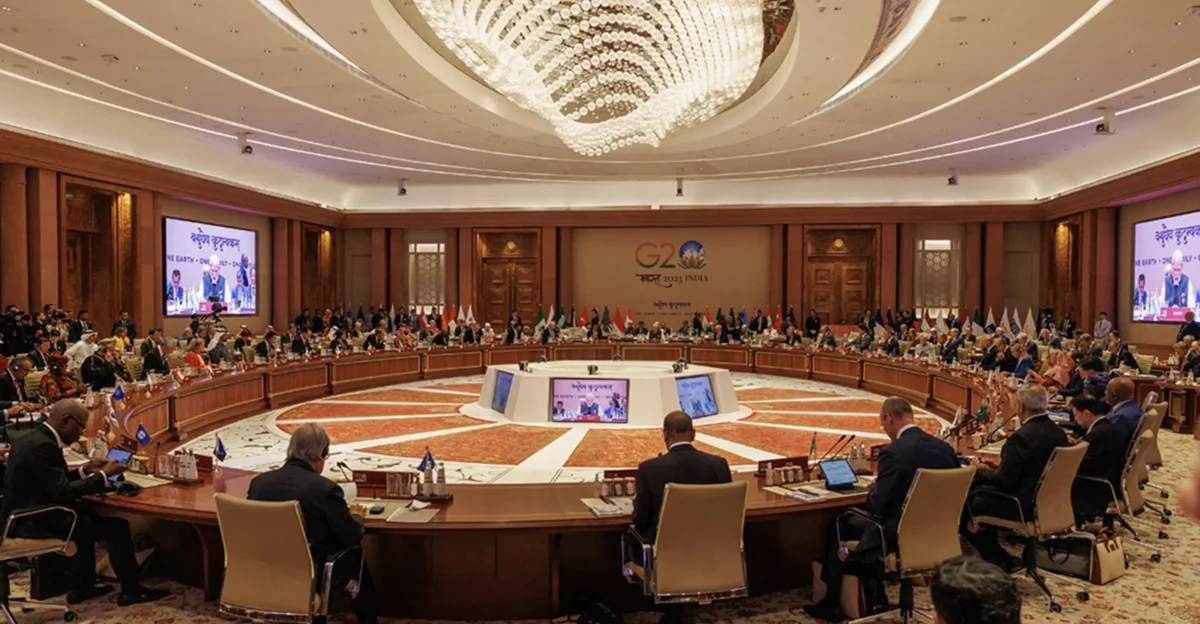
The largest attack since war’s onset raises fundamental questions about Putin’s true commitment to peace negotiations. Either Russia seeks stronger leverage through violence, or has abandoned diplomacy entirely for military victory. Trump’s sanctions threat and European security guarantees represent the West’s crucial test of resolve in deterring further escalation.
Congress Demands Tougher Action as Diplomatic Options Fade
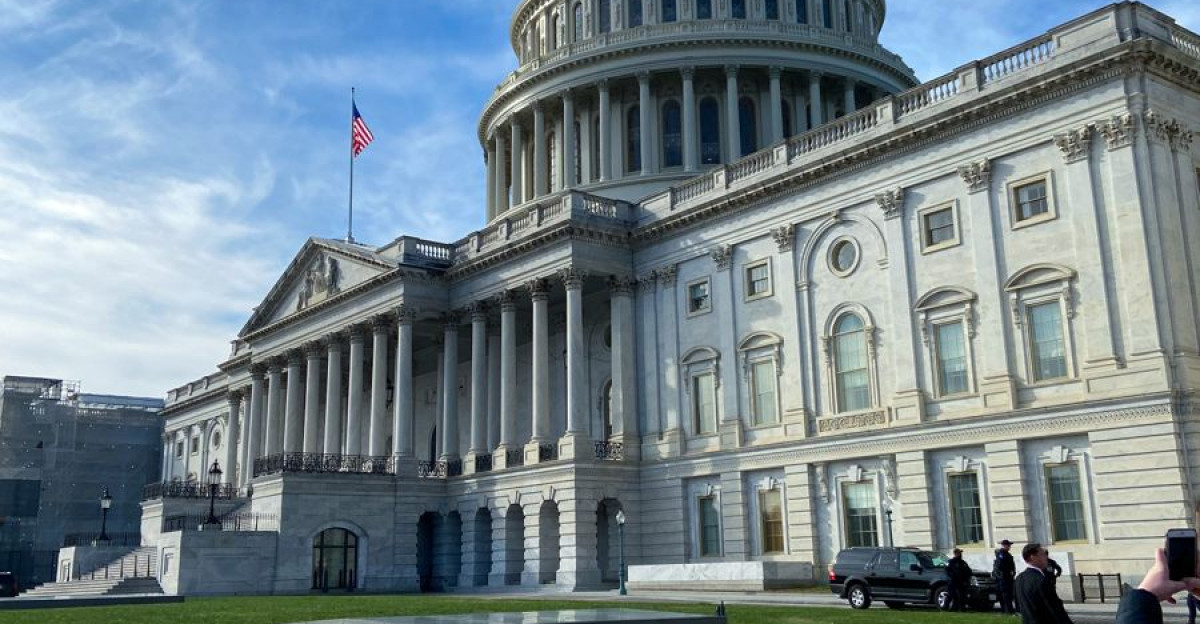
Bipartisan lawmakers are pressuring Trump to implement comprehensive sanctions beyond current energy export penalties. Congress previously authorized additional measures targeting Russian financial institutions and technology sectors supporting Moscow’s war effort, The Hill reports. Legislative momentum builds for designating Russia a state sponsor of terrorism, triggering automatic sanctions across multiple economic sectors.
China and India Complicate Western Sanctions Strategy

China’s continued Russian energy purchases complicate Western sanctions, providing Moscow crucial economic lifelines despite international pressure. India remains a major buyer despite Trump’s 25% tariffs, with annual energy imports reaching $13 billion, Financial Times analysis shows. European pipeline agreements limit comprehensive energy embargoes, constraining allied ability to impose maximum economic pressure on Russian war financing.
War Crimes Prosecutors Document Latest Attacks

International Criminal Court prosecutors are documenting the government building strikes as potential war crimes evidence. Ukraine’s prosecutor general filed formal ICC complaints regarding systematic attacks on civilian administration during active diplomatic negotiations, BBC News confirms. Legal experts suggest striking administrative targets while pursuing peace talks could constitute additional charges of negotiating in bad faith.
A Generation of Ukrainian Children Growing Up Under Terror

Ukrainian children have endured over 1,000 days of constant air raid sirens, displacement, and trauma. Mental health professionals document widespread psychological damage among youth, with entire generations growing up under threat of death from above, UN child welfare agencies report. The systematic targeting of civilian infrastructure represents a deliberate strategy to break Ukrainian societal resilience through terror.
The World Stands at a Crossroads as Putin Reveals His True Intent
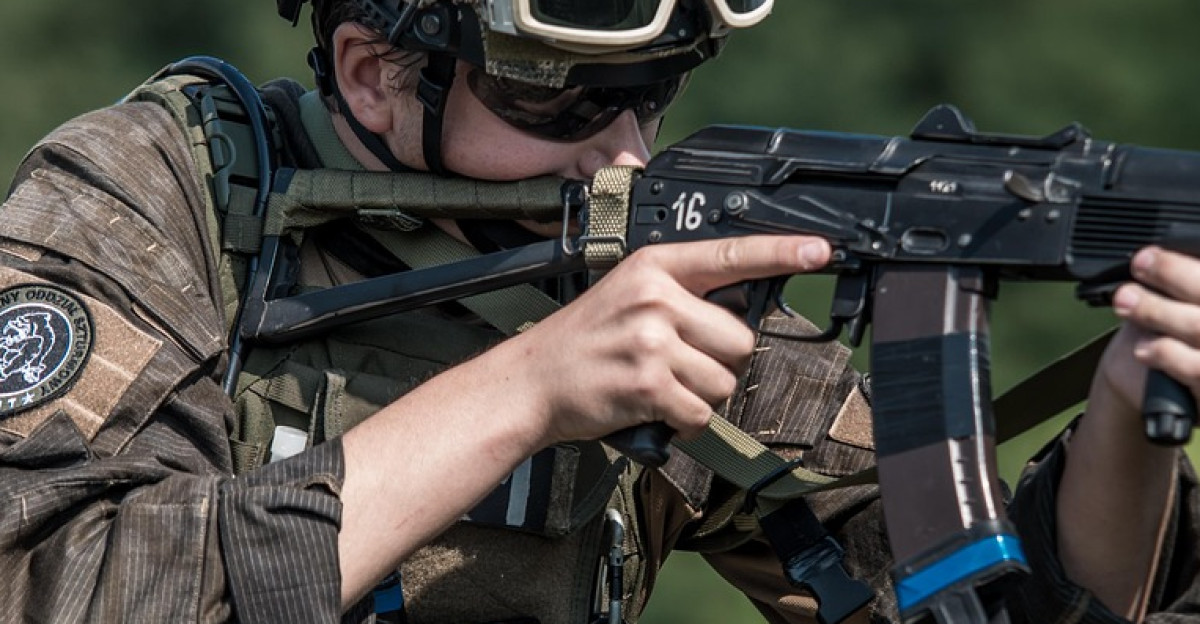
The 526-weapon assault crystallizes the central question facing world leaders: whether Putin views diplomacy as genuine negotiation or tactical deception. His Beijing ultimatum followed immediately by history’s largest attack suggests military victory remains his sole objective. The international response to this calculated escalation will likely determine whether 2025 marks the year of peace or deeper global conflict.