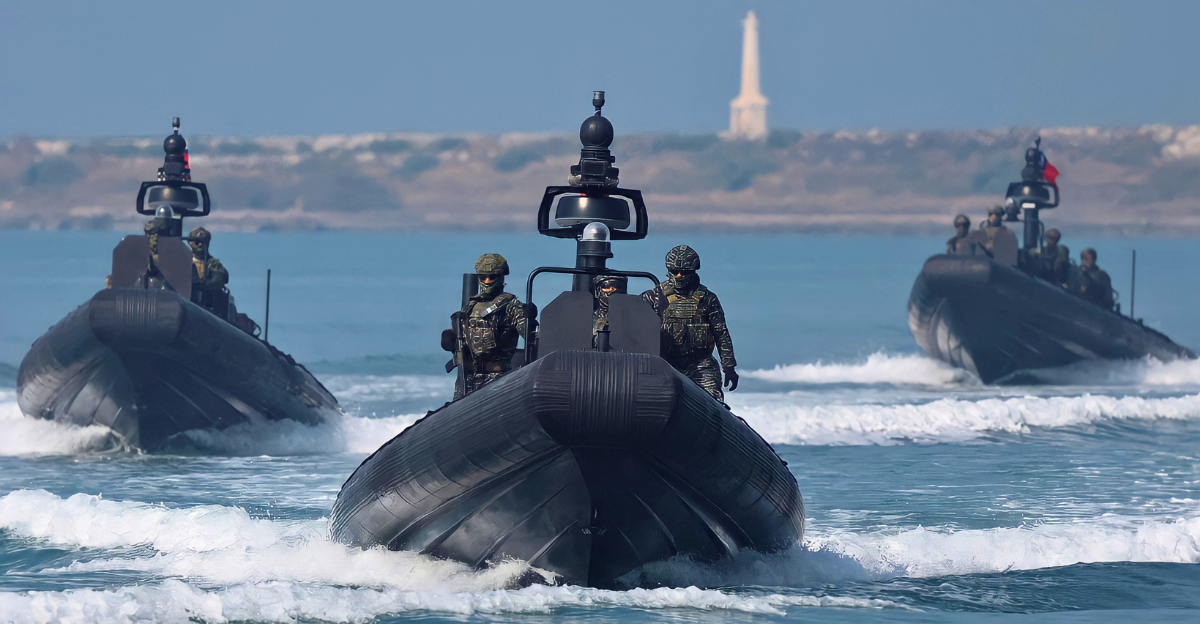
Tensions in the Taiwan Strait have escalated in 2025. According to Taiwan’s Defense Ministry, Chinese aircraft and warships have approached the island with unprecedented frequency, raising alarms in Taipei and Washington.
Analysts cited by Reuters say Beijing is establishing a persistent rhythm of military pressure, testing both Taiwan’s defenses and public resilience. U.S. Defense officials told The Washington Post that the PLA appears to be preparing contingencies ahead of the military’s 2027 centenary.
Experts caution that while symbolic, the milestone informs planning and strategy on both sides of the Strait.
Record-Breaking Military Movements
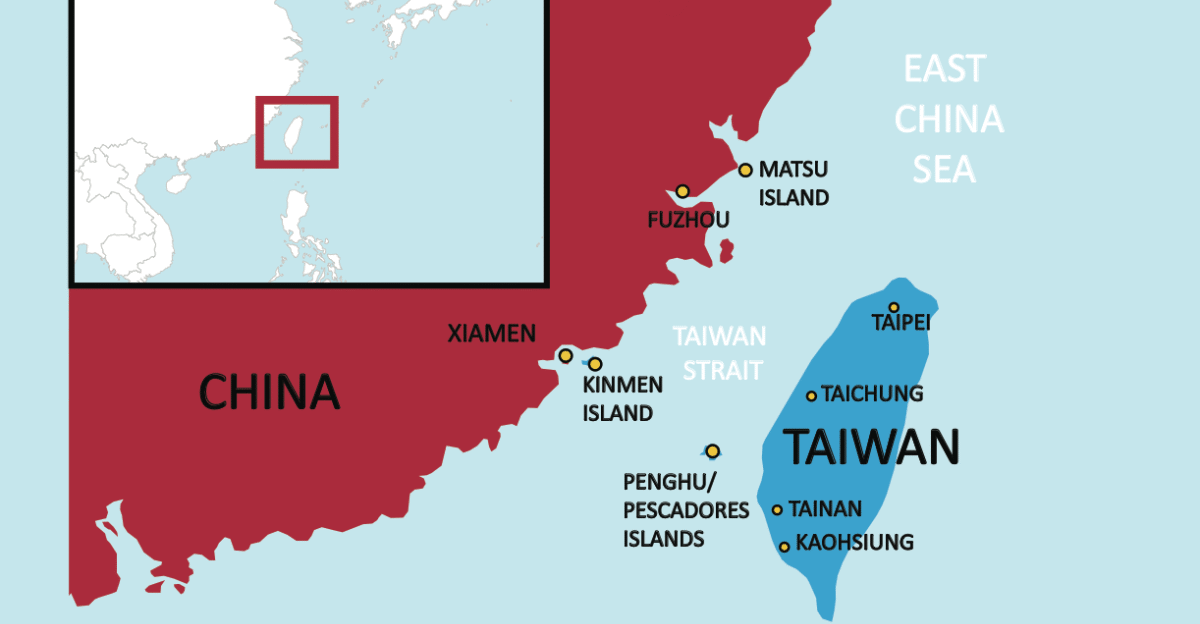
Taiwan’s Defense Ministry reported hundreds of PLA aircraft crossing the median line in 2025, alongside near-daily naval patrols. Speaking to Reuters, CSIS analysts said these maneuvers are no longer tied to specific political flashpoints but are a deliberate strategy to normalize presence.
They noted that the intensity of operations tests both military readiness and public perception. “China is sending a constant message of capability and presence,” a CSIS analyst said. For Taiwanese citizens, the Strait has shifted from a distant concern to a daily reality with tangible implications for security.
Drills That Send a Message
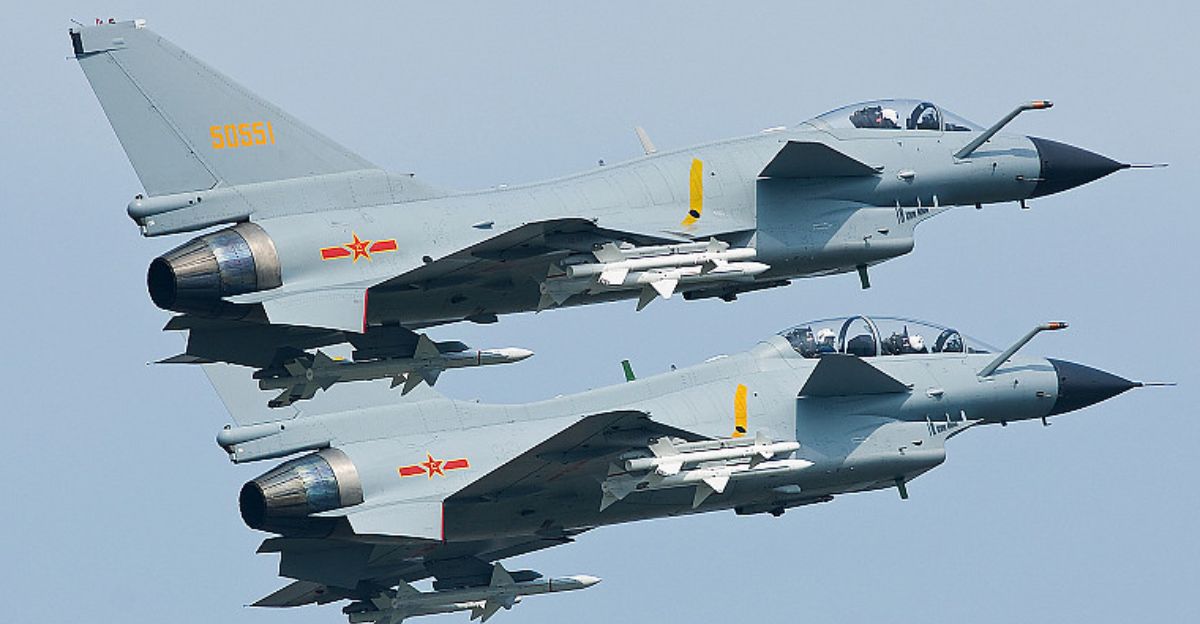
Speaking to AP, U.S. officials describe China’s military exercises as ‘dress rehearsals’ for potential invasion scenarios. Sorties by fighter jets, long-range bombers, and naval encirclement drills serve dual purposes: operational practice and psychological signaling.
Taiwan’s Ministry of National Defense said the exercises provide a stress test for both military and civilian preparedness. Experts, published in Defense One, note that the regularity and intensity of these operations underline Beijing’s strategic focus, reinforcing pressure even without direct confrontation.
Why 2027 Matters
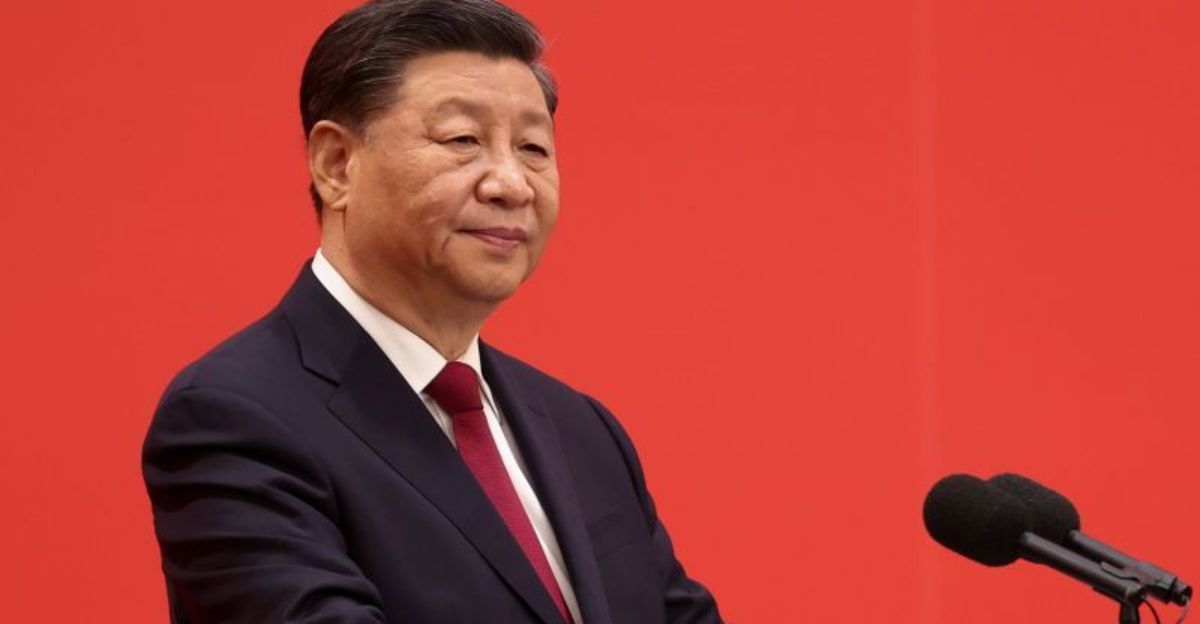
The year 2027 coincides with the PLA’s centenary, and analysts cited by The Washington Post and CSIS highlight it as a symbolic milestone. U.S. Defense Department reports published in 2023 note that President Xi Jinping directed forces to be prepared for contingencies by this year.
Analysts caution that 2027 should not be seen as a deadline but rather as a planning horizon influencing exercises and strategy. “The 2027 target is strategic and symbolic,” a RAND analyst said. Understanding its role provides context for both PLA activity and Taiwan’s expanded defense measures.
Taiwan Doubles Down on Defense
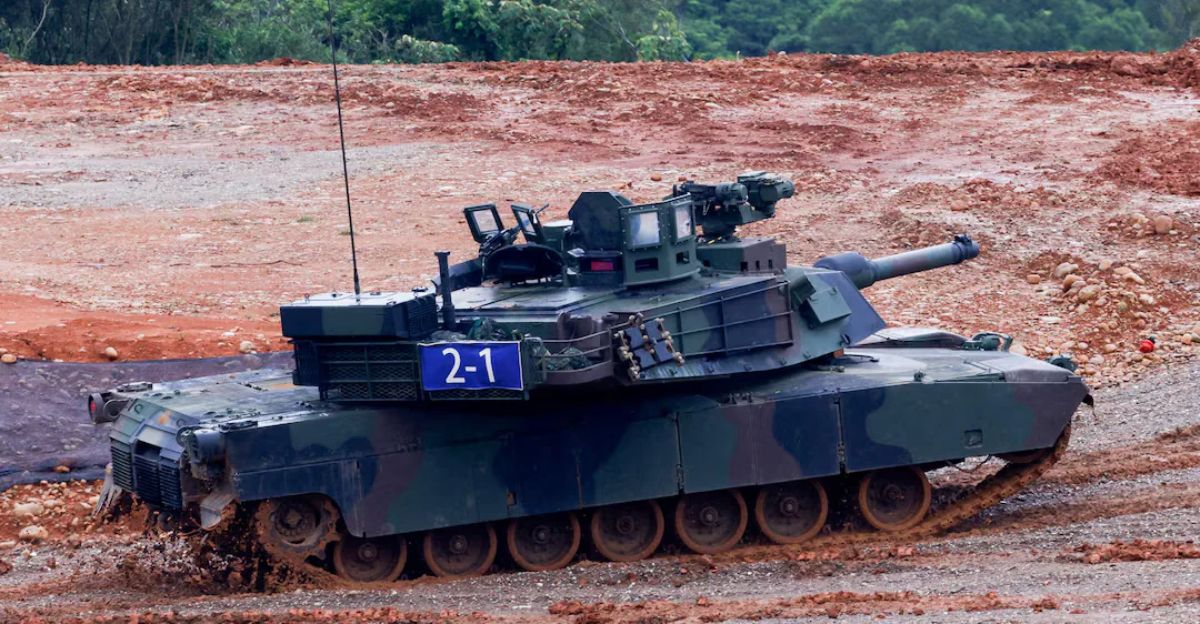
Taiwan’s Han Kuang exercises, widely reported by BBC and Nikkei Asia, doubled to ten days in 2025, the longest on record. The drills featured urban warfare, missile defense, and civil protection scenarios, including U.S.-supplied rocket systems. Officials said the expansion tested coordination across branches and society-wide resilience.
Analysts told Reuters that Taiwan’s approach signals a blend of frontline readiness with civil preparedness, reinforcing asymmetric strategies designed to counterbalance China’s numerical and technological advantages while sustaining public confidence in national defense.
Civilian Life Joins the Drill
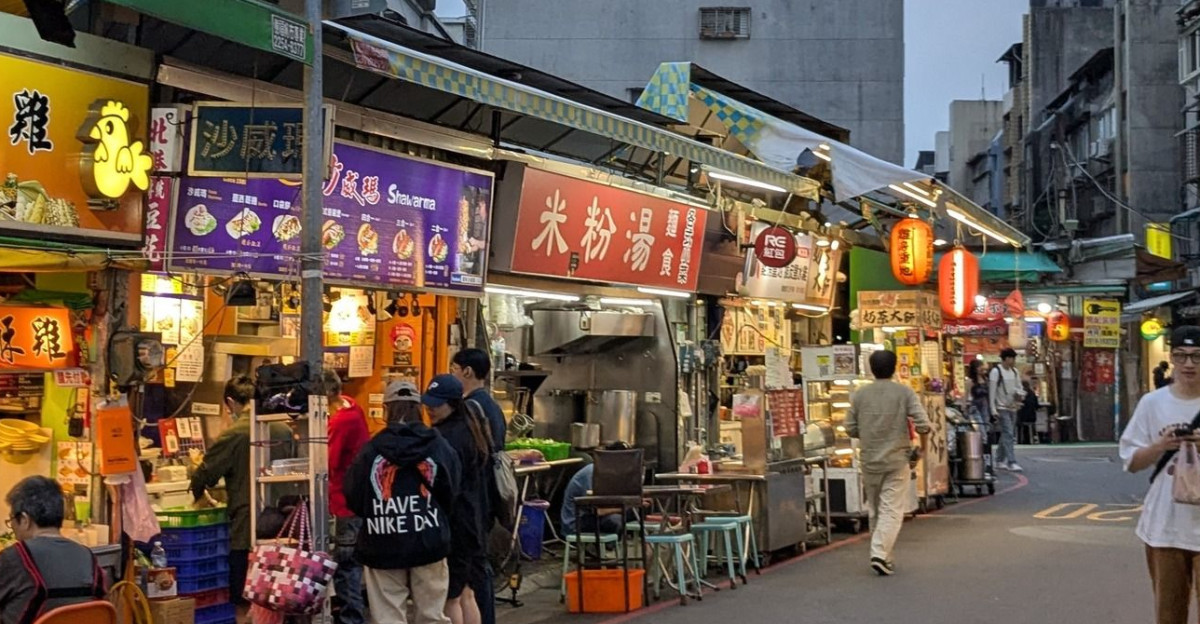
Taiwan’s Ministry of National Defense said that air raid alerts, evacuations, and transport disruptions during Han Kuang integrated civilians into defense planning like never before. Government agencies tested communication networks, hospitals, and emergency systems. Media coverage highlighted admiration for the realism and concern about stress on residents.
Analysts cited by Nikkei Asia stress that preparing civilians is critical as modern conflict would affect daily life beyond frontline units. For Taipei, resilience extends into neighborhoods, schools, and workplaces, requiring citizens to participate actively in readiness under sustained pressure.
Gray-Zone Tactics on the Rise

According to reports in Nikkei Asia and BBC, Beijing is complementing conventional maneuvers with cyberattacks, drone surveillance, and economic coercion. Taiwanese officials noted a surge in disinformation campaigns and cyber intrusions aimed at stretching resources and creating uncertainty.
Analysts say these gray-zone tactics habituate the population to ongoing pressure while testing Taiwan’s responses. Combined with military exercises, they create an environment where constant vigilance is essential. Experts stress that this multi-layered approach reflects Beijing’s broader strategy of leveraging both overt and covert pressure to achieve strategic leverage.
Leadership Shapes Tension
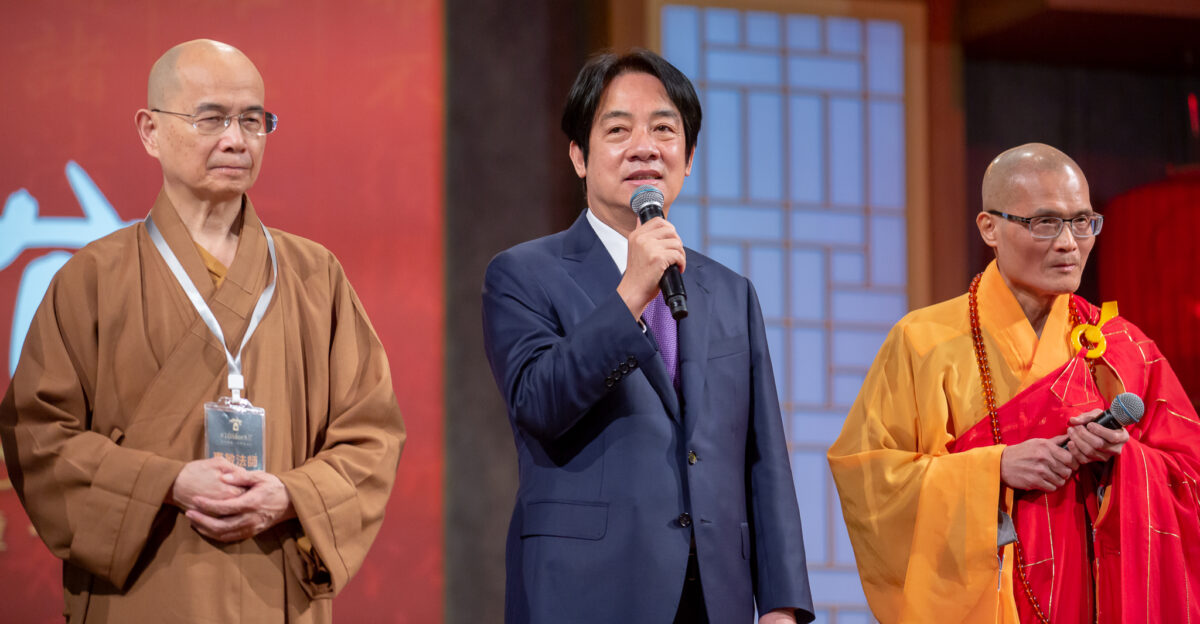
Analysts told Reuters that President William Lai’s assertive posture has prompted Beijing to label him a “separatist. ” Chinese officials accuse him of escalating tensions across the Taiwan Strait. Taipei has increased intelligence and surveillance operations in response. Analysts say leadership style directly influences cross-Strait friction, affecting both rhetoric and operational planning.
Some observers praise Lai’s firmness, while others caution that it could escalate tensions. Regardless, his administration’s approach highlights a key reality: Personal decisions at the top influence strategic calculations and shape the pace and intensity of military and diplomatic activity in the region.
Global Stakes Rise
The Taiwan issue resonates beyond the Strait. U.S. Officials told The Guardian that PLA modernization focuses heavily on the island, a central element of Xi Jinping’s “Chinese Dream.” Washington continues arms transfers and training programs, while Japan and Australia expand monitoring and coordination.
Analysts cited by Defense One warn that Beijing’s moves could entangle multiple nations, turning a regional dispute into a wider geopolitical challenge. For Taiwan, international support is crucial but introduces complexity, as every reassurance carries potential ramifications for cross-Strait tensions.
Lessons from Ukraine
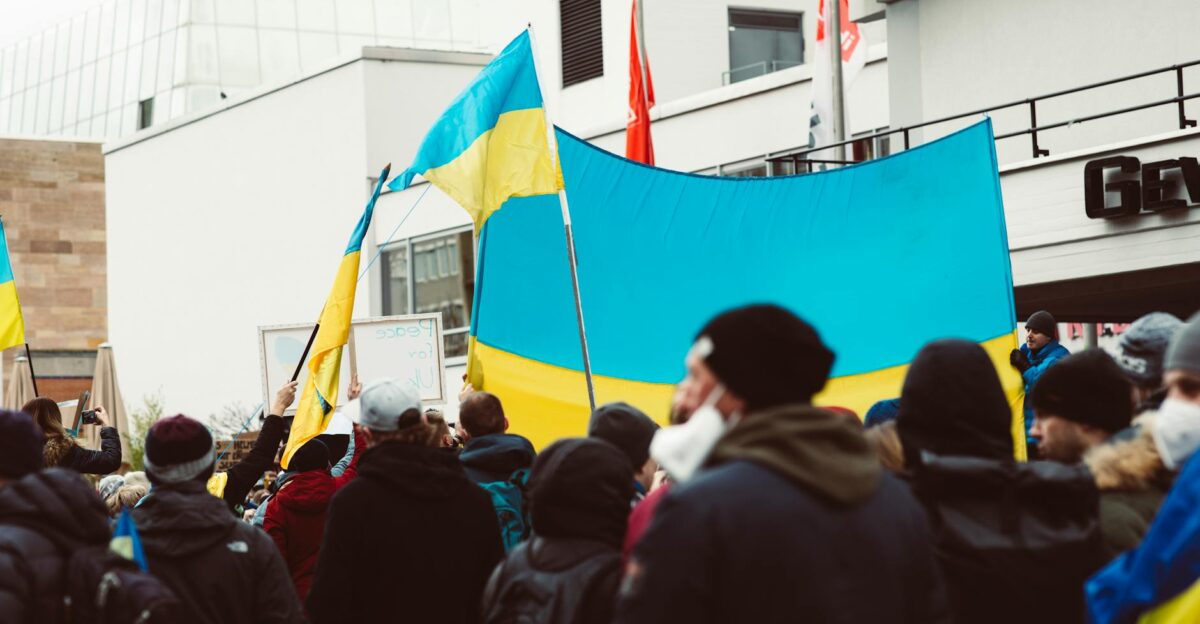
Russia’s invasion of Ukraine has influenced strategic thinking around Taiwan. Some analysts, cited by The Washington Post, say Moscow’s actions embolden Beijing, demonstrating the potential benefits of assertive action. Others argue that Russia’s struggles offer cautionary lessons.
Military observers published by RAND note that PLA planners monitor these developments closely, drawing operational and logistical lessons. Despite Europe’s warning signs, analysts say China’s military buildup continues.
Economic Pressure Mounts
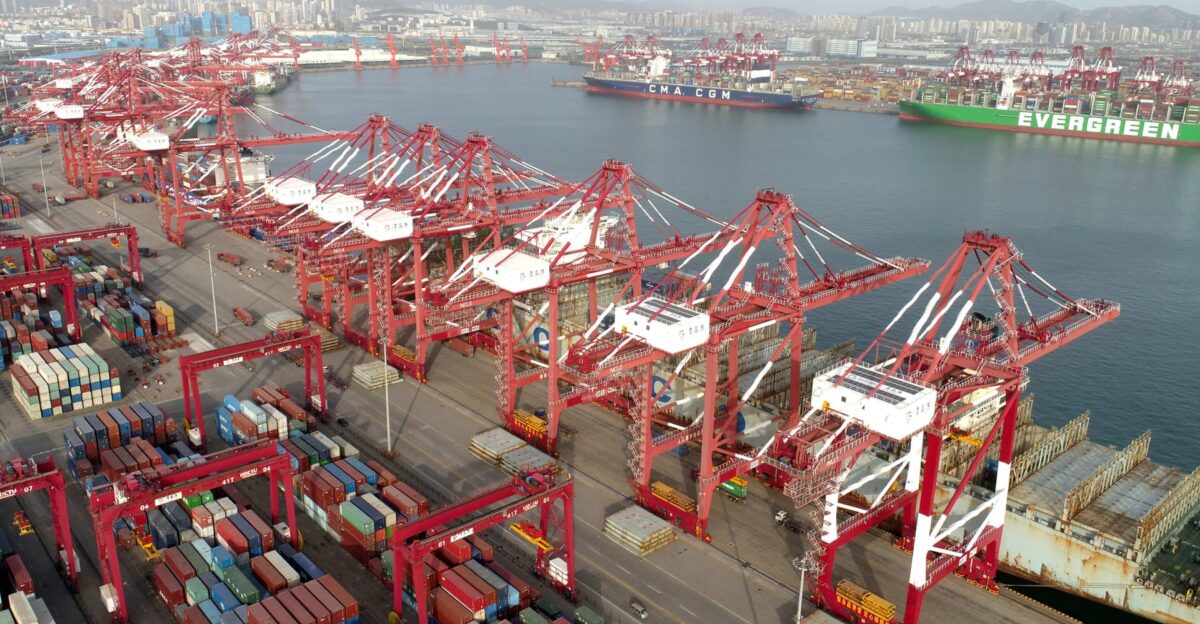
China now blends military pressure with sophisticated economic tactics. According to Reuters, Beijing has escalated trade restrictions and sanctions on firms linked to Taiwan, paralleling earlier measures taken against Lithuania in 2021. Experts say these moves are designed to make international support for Taiwan more costly, signaling risks for countries or companies engaging closely with Taipei.
Specialists emphasize that economic resilience is just as crucial as military strength. As Bloomberg reports, cross-Strait influence operations now extend well beyond traditional conflict zones, increasing pressure not only on Taiwan’s allies and partners but also testing the island’s ability to maintain durable diplomatic and trade relationships.
Warnings to the Philippines
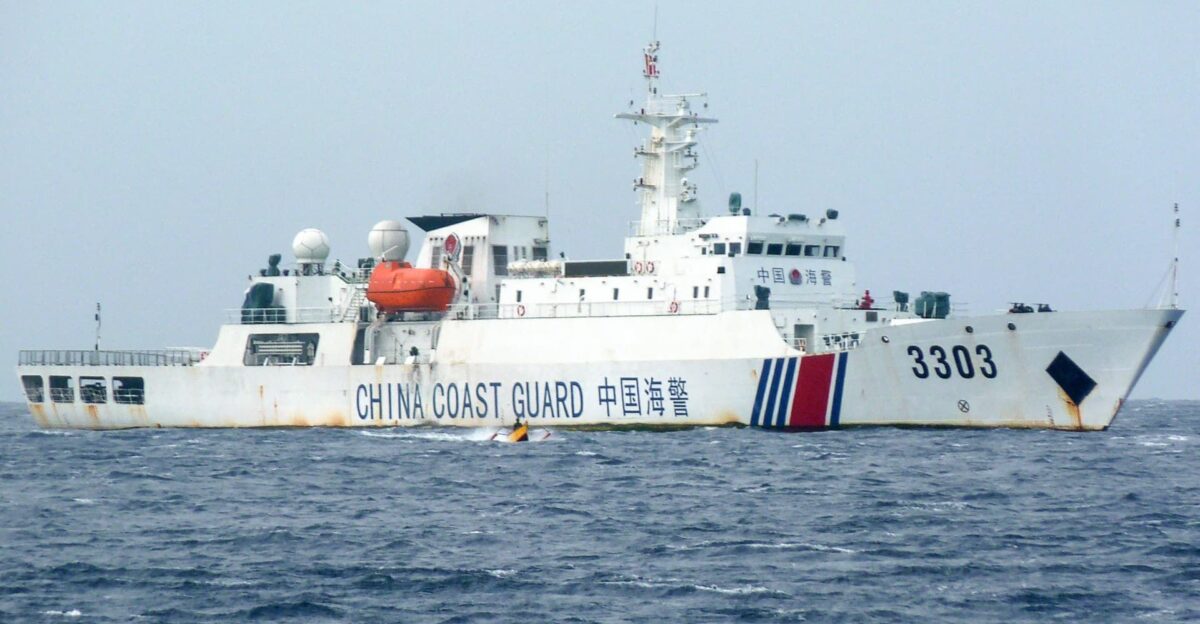
Reuters reported that Beijing issued sharp warnings to Manila in August after Philippine officials expressed concern over Taiwan. Analysts said China’s response reflects awareness of U.S. alliances and regional implications. The Philippines’ location and defense treaty obligations make it a potential participant in contingencies.
Philippine leaders emphasize sovereignty and defense planning, but analysts note that any cross-Strait conflict would have broad regional implications, reinforcing the idea that the Taiwan situation affects countries far beyond the immediate Strait.
PLA Expands Its Reach
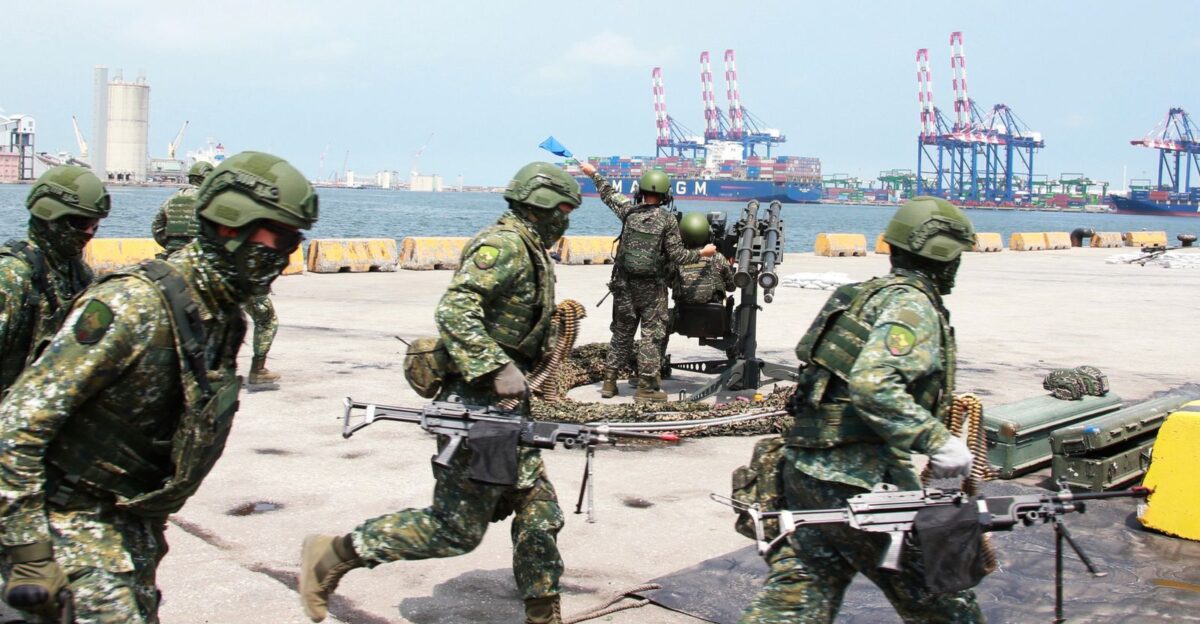
China’s military operations now extend beyond the Taiwan Strait. Taiwan’s Ministry of National Defense said that long-range flights, drone encirclements, and patrols in the Bashi Channel have become routine. Analysts told Nikkei Asia these operations strain Taiwan’s air and naval forces while providing real-world experience for PLA personnel.
Observers say the broader operational scope demonstrates Beijing’s intent to rehearse scenarios beyond immediate cross-Strait engagement, preparing for multi-domain challenges that test Taiwan’s ability to respond effectively.
Continuous Military Pressure
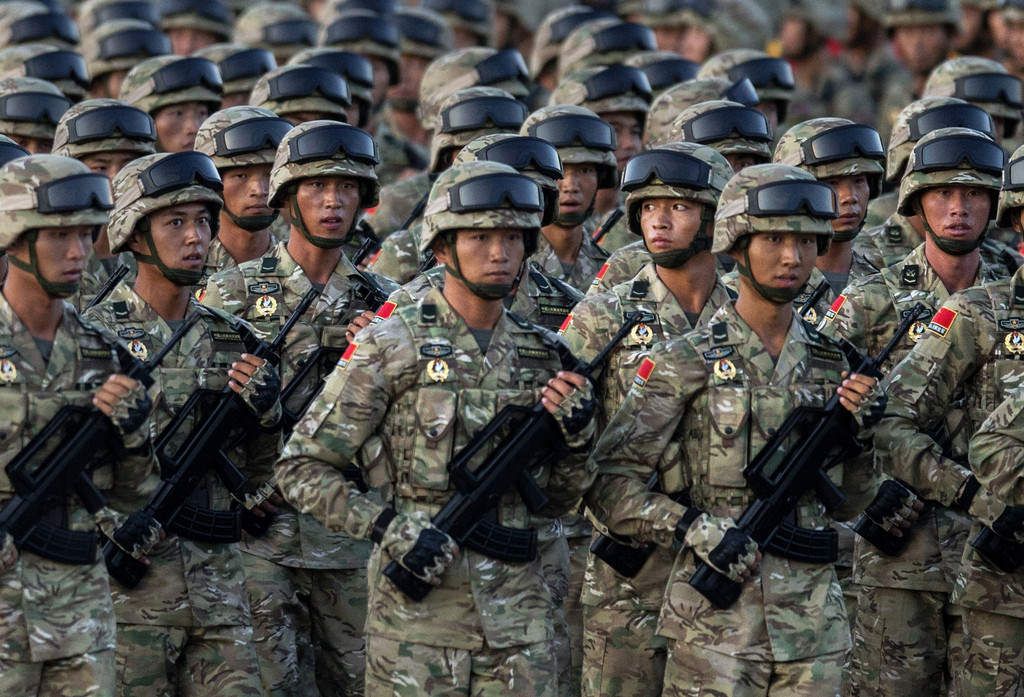
Taiwanese officials said Chinese exercises now occur year-round, even during traditional holidays. Analysts at CSIS told Reuters that the constant tempo signals Beijing’s intent to normalize high-alert operations.
For Taipei, the message is clear: vigilance is no longer temporary, and PLA presence has become a constant feature. Maintaining readiness under continuous pressure reshapes both military planning and societal expectations, leaving citizens and officials accustomed to a persistent operational tempo.
Taiwan Faces an Uneven Fight
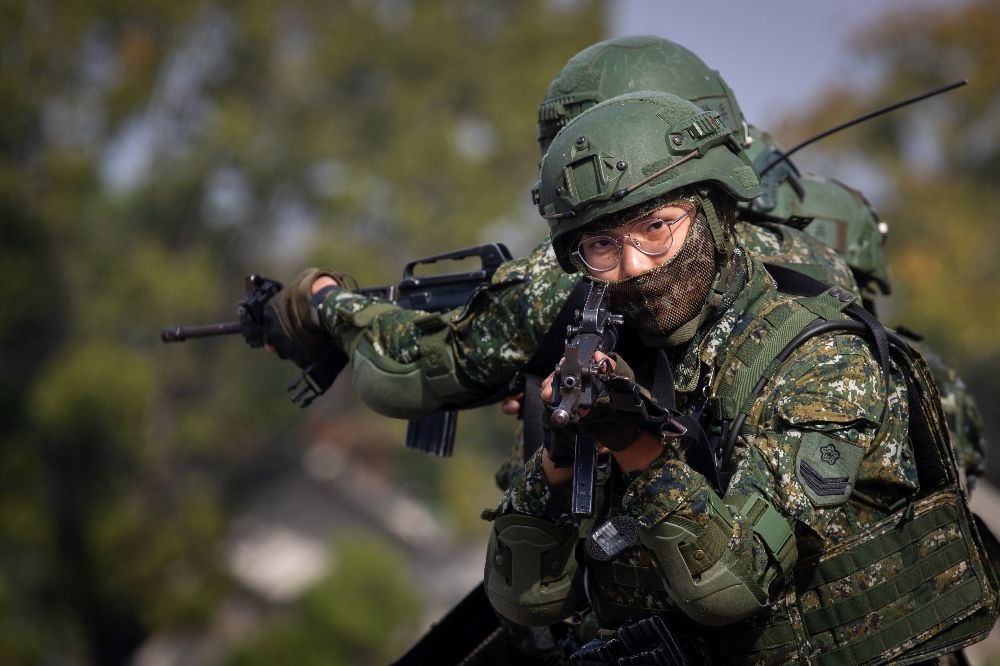
Despite a record $20 billion defense budget in 2025, Taiwan faces a significant disparity in scale compared with China, whose military spending exceeds Taipei’s by over eleven times, CSIS reported. Taipei relies on asymmetric strategies to offset the imbalance—mobile missile launchers, coastal defenses, and drones.
Military officials emphasize readiness, but experts warn that sustaining effective deterrence against a larger, persistent force requires innovation and adaptation across personnel, technology, and strategy.
The Will to Fight
Public morale and societal resilience play a central role. Surveys cited by Nikkei Asia indicate strong support for autonomy despite sustained pressure. Military exercises now emphasize psychological resilience and adaptability, preparing forces for disruption in communications or command.
Civil society programs reinforce unity and shared responsibility. Analysts say that while determination cannot replace material strength, it enhances deterrence and operational effectiveness, signaling to both domestic and international audiences that Taiwan is prepared to defend itself on multiple fronts.
Escalation Risks Remain High
High operational tempo increases the risk of unintended conflict. Analysts told The Washington Post that routine intercepts or near misses could escalate, particularly without direct communication channels. U.S. Defense officials noted that even minor incidents could spiral into broader confrontation.
Observers caution that sustained high-intensity drills leave little margin for error, making coordination and vigilance critical to avoid accidental escalation in a highly volatile environment.
Allies Walk a Delicate Line
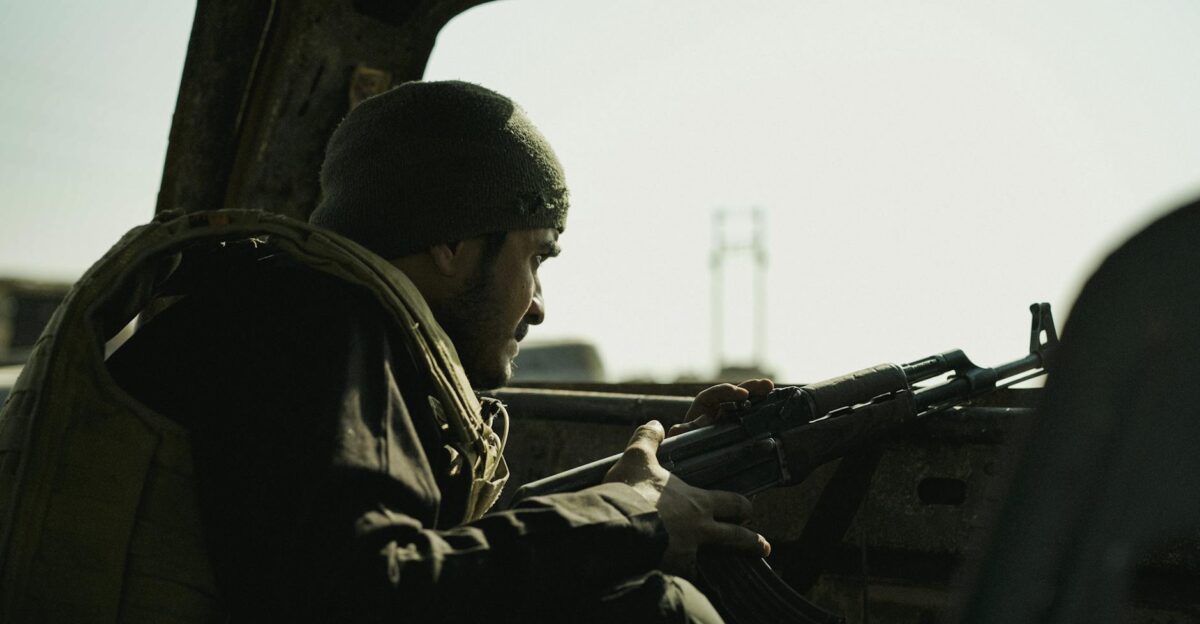
According to Defense One, the U.S. and Indo-Pacific partners maintain visible deterrence through exercises, intelligence sharing, and arms transfers. Japan, the Philippines, and Australia have expanded monitoring to reassure Taiwan while avoiding provocation.
Analysts note the challenge of balancing credible deterrence with caution. For Taiwan, allied support bolsters capabilities but adds complexity, requiring careful signaling to maintain stability while deterring aggression without escalating tensions unnecessarily.
Everyday Life Under Pressure
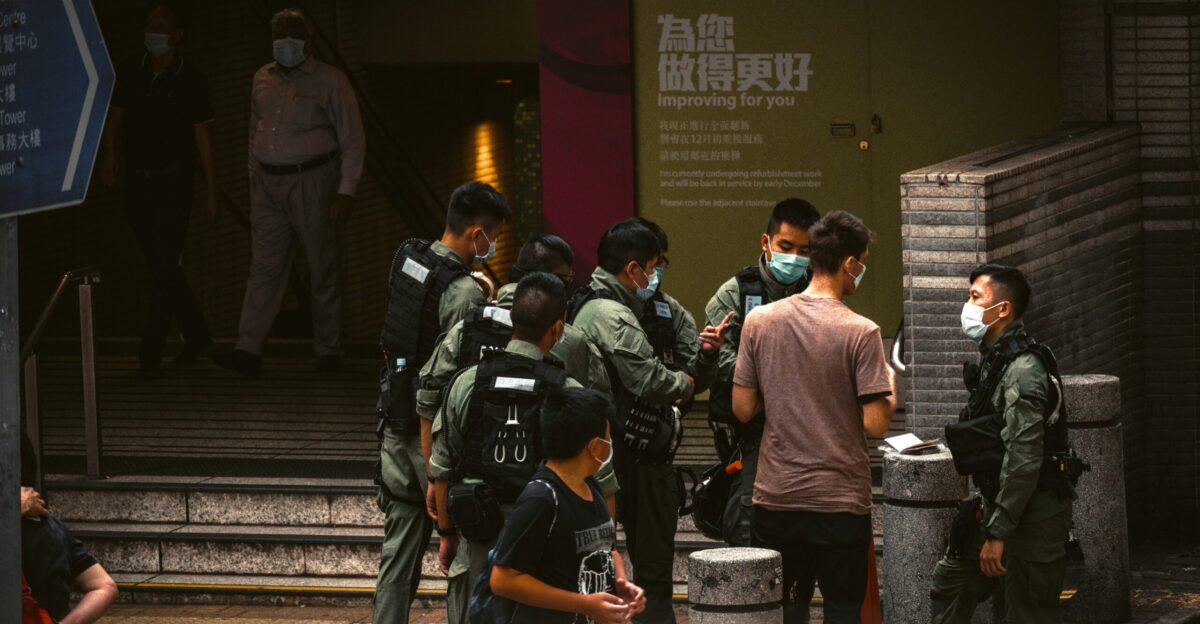
Tension has become part of civilian life. Alerts, drills, and disruptions punctuate routines, with surveys cited by Nikkei Asia showing growing stress, particularly among younger residents. Analysts note that public confidence is vital to military preparedness, as social fatigue can undermine resilience.
Taipei’s challenge is maintaining vigilance while preserving normalcy, ensuring readiness does not erode morale. Taiwan’s society is now central to its defensive posture, integrating civilians into broader security planning.
A Fragile Balance Holds
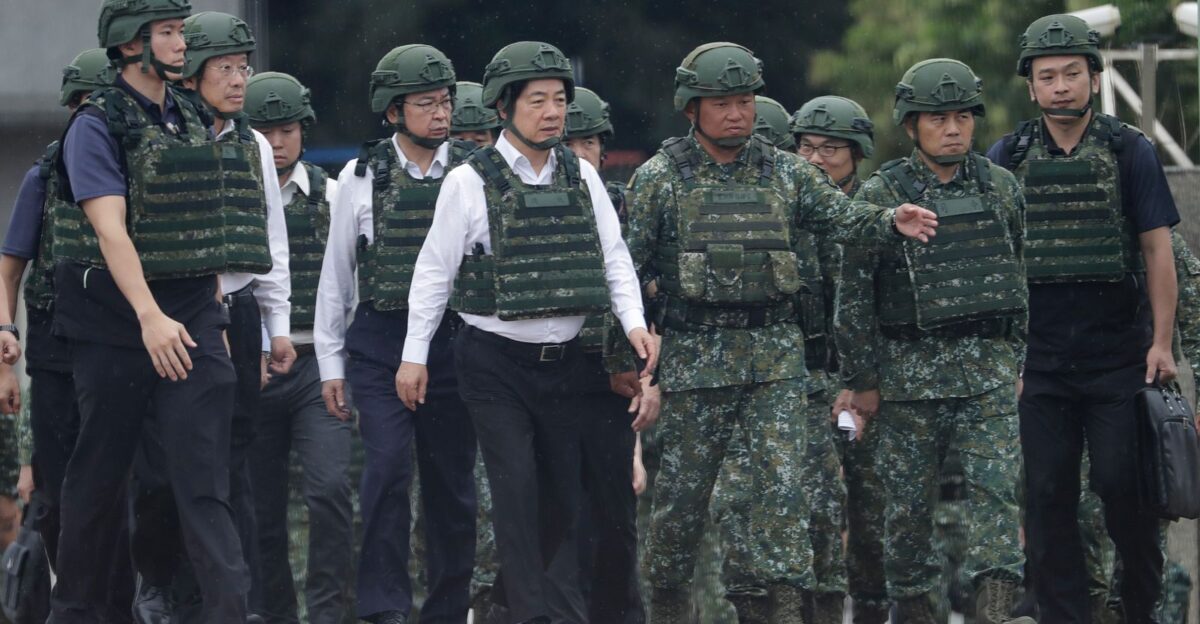
As 2025 ends, the Taiwan Strait remains in a delicate balance. Analysts cited by The Guardian caution that while 2027 is symbolic, the timing and likelihood of conflict remain uncertain. Continuous drills, gray-zone tactics, and international involvement keep tension high.
Experts say Taiwan’s task is to sustain readiness, reassure the population, and carefully navigate complex diplomatic dynamics. Observers agree that heightened tension is no longer episodic; it is now a constant in Indo-Pacific security, requiring continuous attention from policymakers and citizens alike.