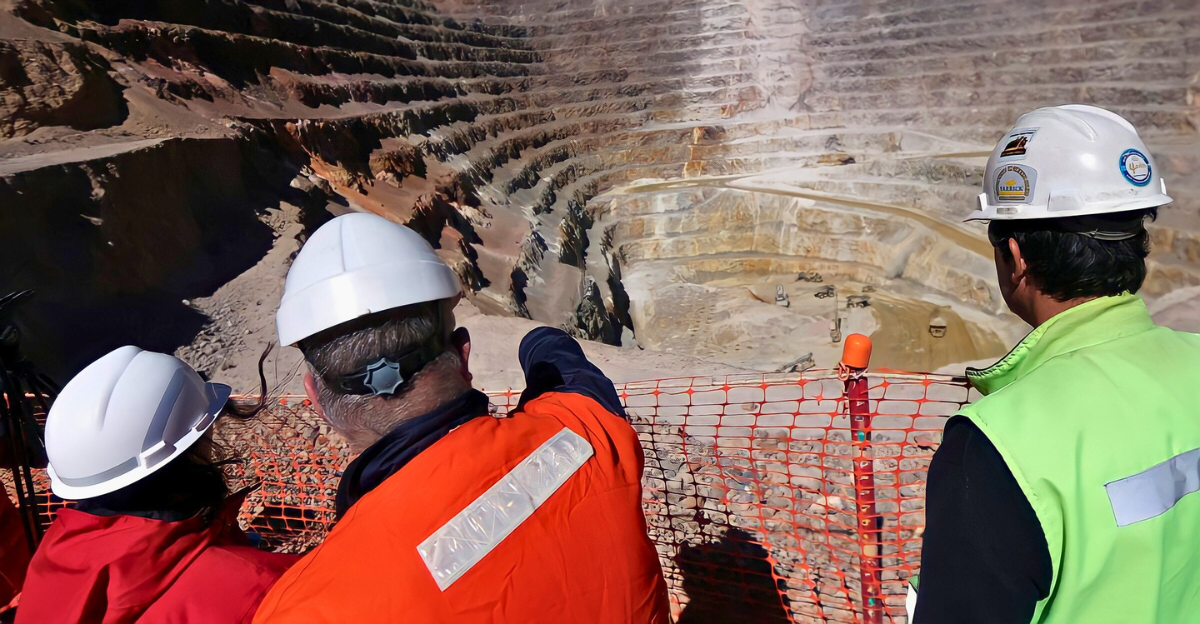
Mining companies are now processing copper-containing rocks with only 0.52% metal content, a 40% decline since 1991. This decline requires new extraction methods to maintain copper production.
Currently, operations produce around seven billion tons of waste annually and face cost increases of 5.1% in 2024, according to the Minerals Council of South Africa. These significant changes often go unnoticed by the public.
Critical Shortage
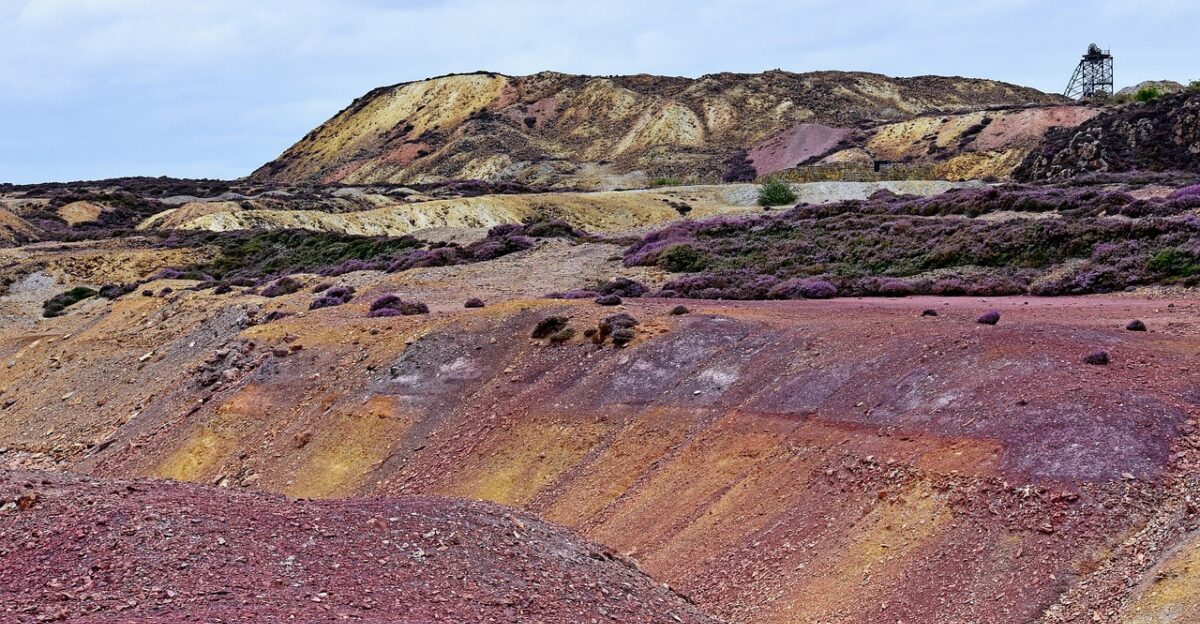
The demand for copper is expected to increase by 30% in the next decade, outpacing current mine production and threatening electric car and solar panel manufacturing.
The mining sector also faces workforce challenges, with Baby Boomers making up 22% of the workforce, nearing retirement. Additionally, rising energy costs are straining mining budgets, and new copper discoveries have significantly declined in recent years.
Century Legacy
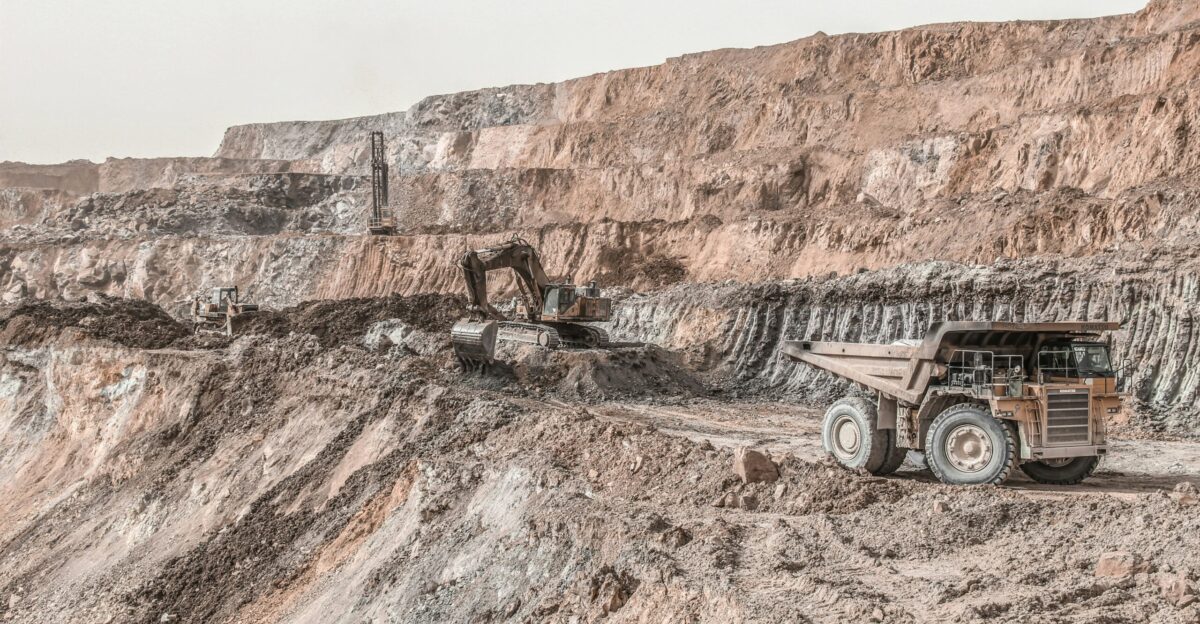
From 1910 to 2010, copper mining discarded around 100 million tons of metal as waste due to outdated processing methods. Legacy waste sites worldwide hold untapped resources worth hundreds of billions.
While traditional copper recovery achieved only 60-70% efficiency, modern methods exceed 99%, highlighting the potential of these discarded materials as valuable resources for the future.
Rising Pressure
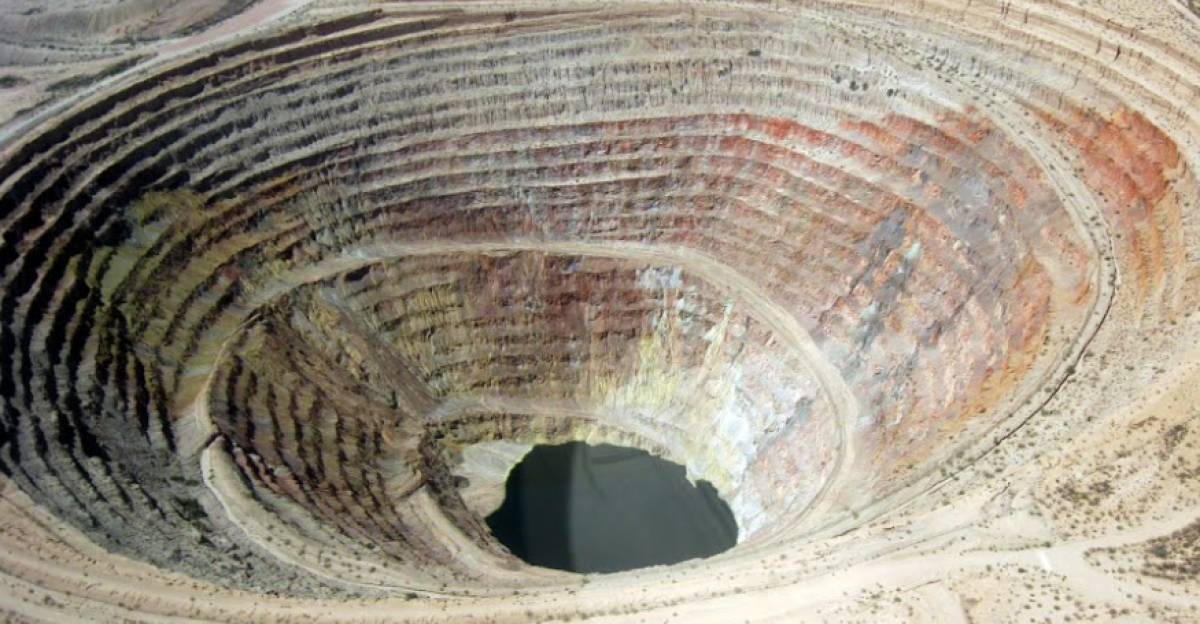
ESG considerations are becoming increasingly important for mining companies seeking investor trust and community acceptance. Investors managing trillions of dollars now require proof of responsible environmental practices and ethical sourcing.
In early 2025, mining costs rose by 3.8% annually due to higher electricity and labor expenses. Additionally, regulatory approval processes have become more stringent, necessitating thorough documentation in response to declining public trust in traditional mining methods.
Technology Revolution
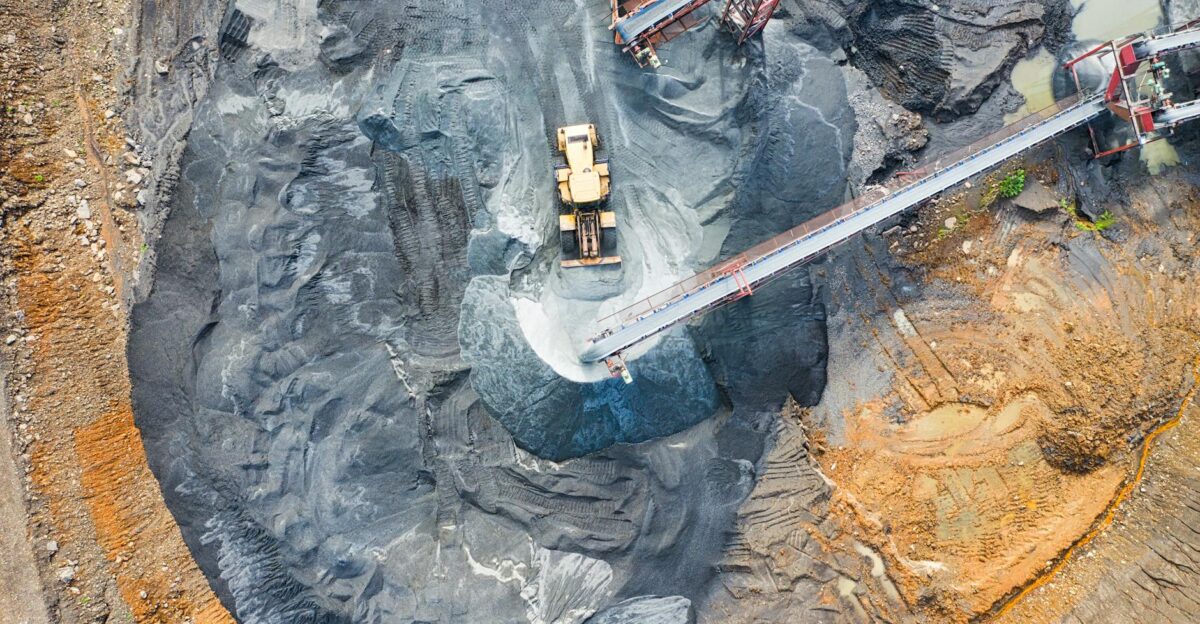
Rio Tinto is now extracting valuable metals like scandium and tellurium from waste streams, turning disposal costs into profits. BHP has employed artificial intelligence at the Escondida mine in Chile, increasing copper production by 5-10% through optimization.
Freeport-McMoRan’s AI collaboration with McKinsey adds 90,000 tons of copper annually, equivalent to a new $1.5 billion processing plant. These innovations underscore a technological revolution emerging in the mining industry.
Regional Impact
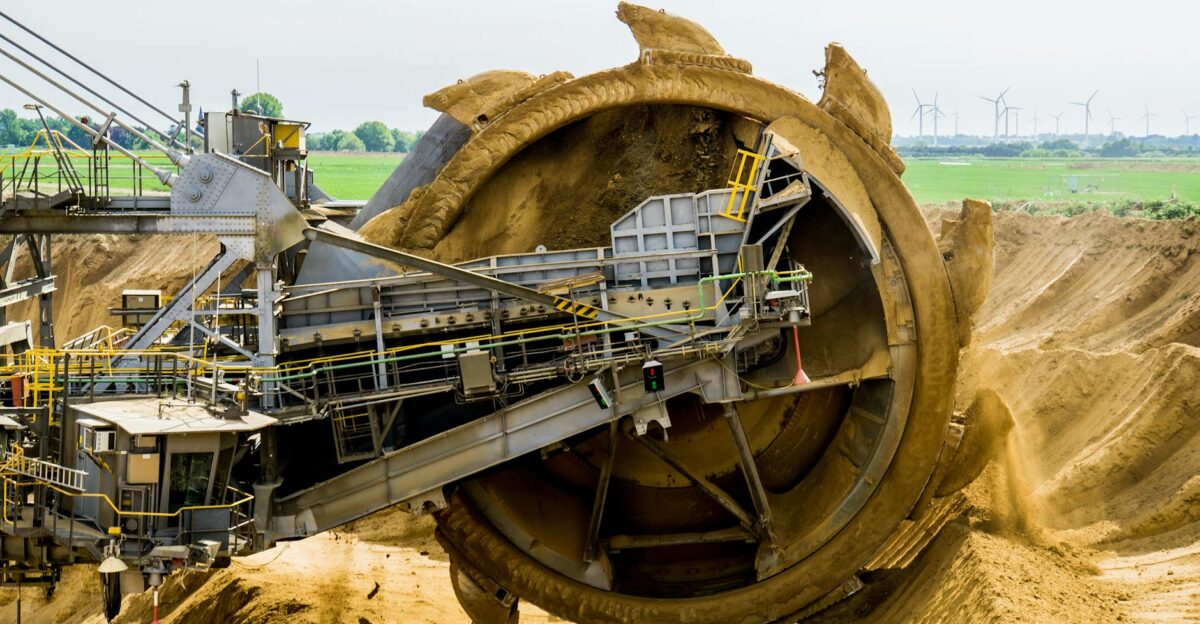
Studies reveal that North American operations leverage AI technologies to achieve annual productivity gains of 90,000 tons at individual facilities.
In Australia, companies are partnering with local governments to extract sulfur from century-old waste near Mount Isa. Canadian miners in Flin Flon are also investigating the reprocessing of nearly 100 years of waste for valuable metals while adapting technologies to fit local conditions and regulations.
Executive Vision
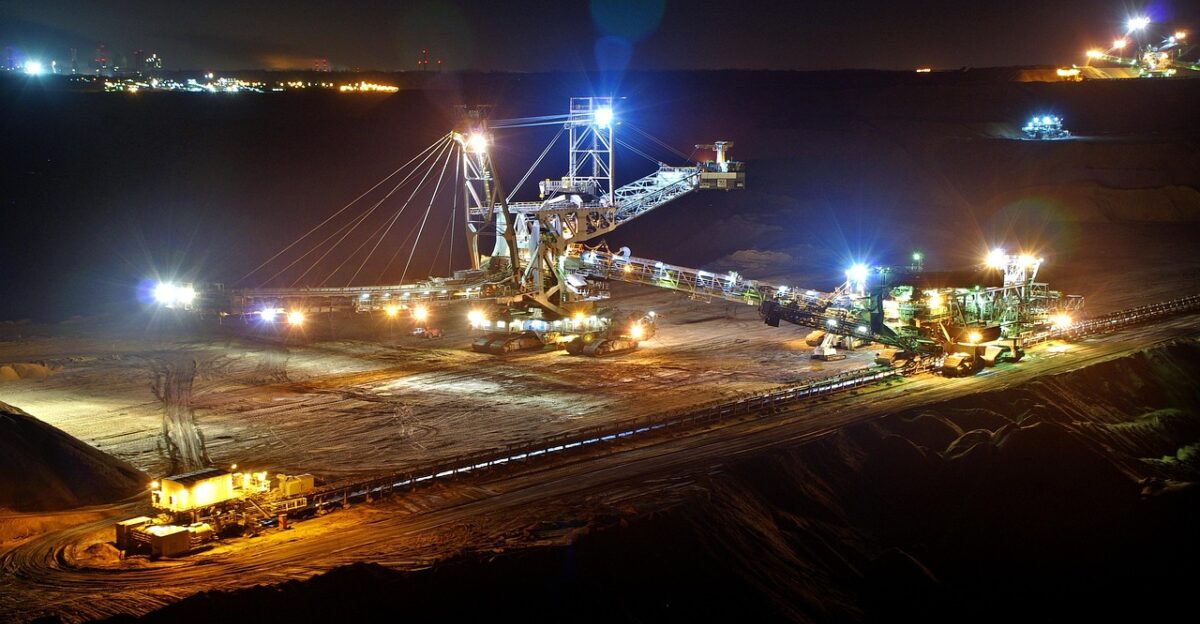
At a mining conference, BHP Chief Technical Officer Laura Tyler emphasized the potential for exploration and technological advancements as traditional extraction methods become outdated due to declining rock quality.
Farmonaut reports that more than 60% of mining companies are expected to adopt AI-driven predictive maintenance systems to meet increasing operational demands.
Competitive Response
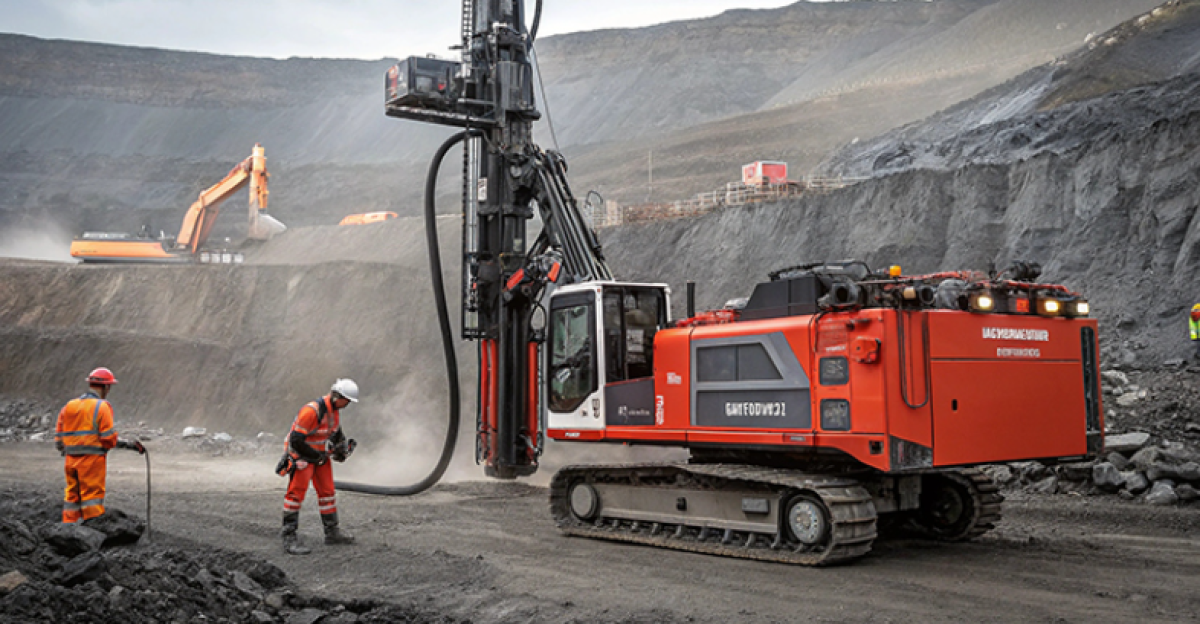
Glencore Technology’s Albion Process systems achieve a 99% copper recovery rate, pushing competitors to innovate faster. Meanwhile, Allonnia’s engineered microbes can remove 40% of harmful impurities, challenging traditional processing methods.
As a result, mining companies are hiring Chief Technology Officers at record rates, reflecting a shift towards prioritizing technology over production volume.
Market Context
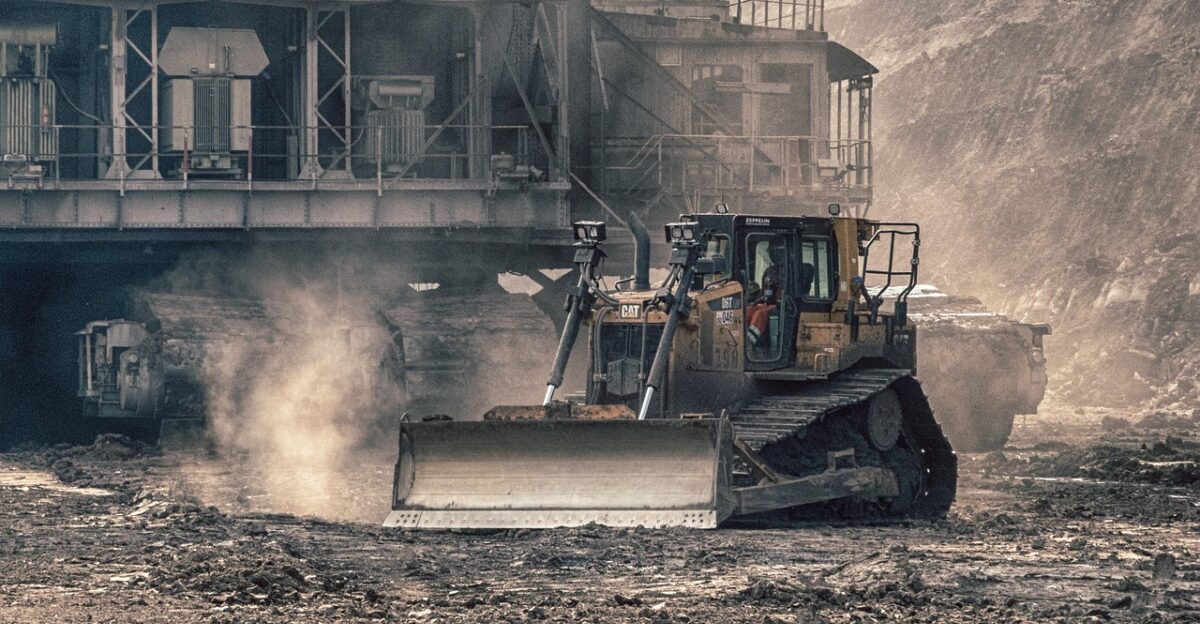
The global mining market, valued at $2.4 trillion, is expected to reach $3.0 trillion by 2029, driven by the demand for electric vehicles and renewable energy. Companies utilizing big data analytics can boost operational efficiency by 25% while reducing environmental impact.
China accounts for about 40% of global refined copper production and consumes nearly half of the world’s output, creating supply vulnerabilities amid ongoing political tensions.
Hidden Economics
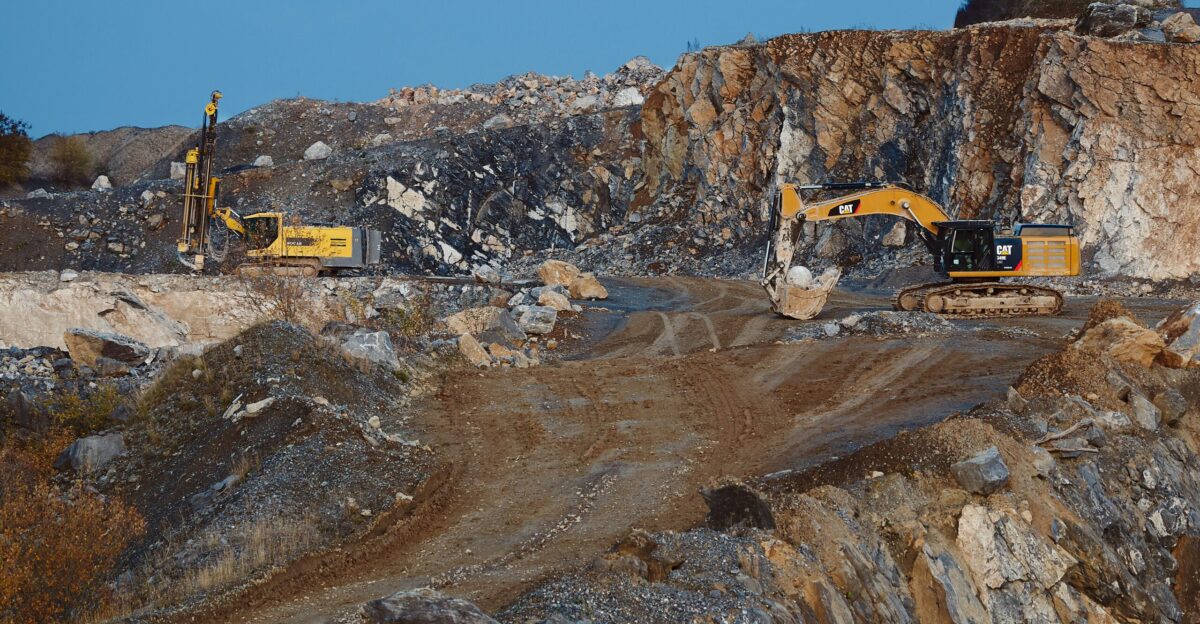
Recent advancements in processing technology are transforming the mining industry by eliminating the need for costly new $1.5 billion facilities and lengthy construction timelines.
Companies can now convert waste into profitable assets through tailings reprocessing, generating new revenue streams while reducing environmental cleanup costs. This approach allows businesses to meet production targets without relying on traditional exploration and development cycles.
Internal Resistance
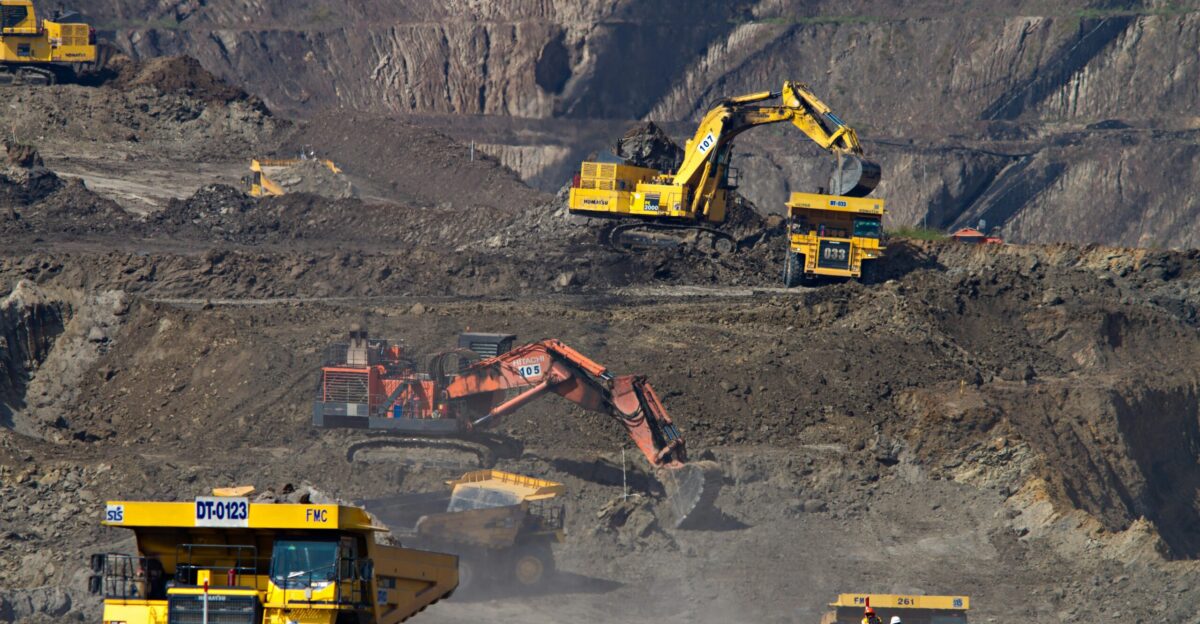
Traditional mining executives resist expensive technological investments, viewing AI and biotechnology as unproven experiments. Operations teams clash with technology departments over implementation priorities and budget allocations amid declining rock quality.
Senior management faces board pressure to deliver immediate returns, while technology requires multi-year development cycles. Generational divides emerge as younger employees embrace digital solutions while older leadership questions them.
Leadership Evolution
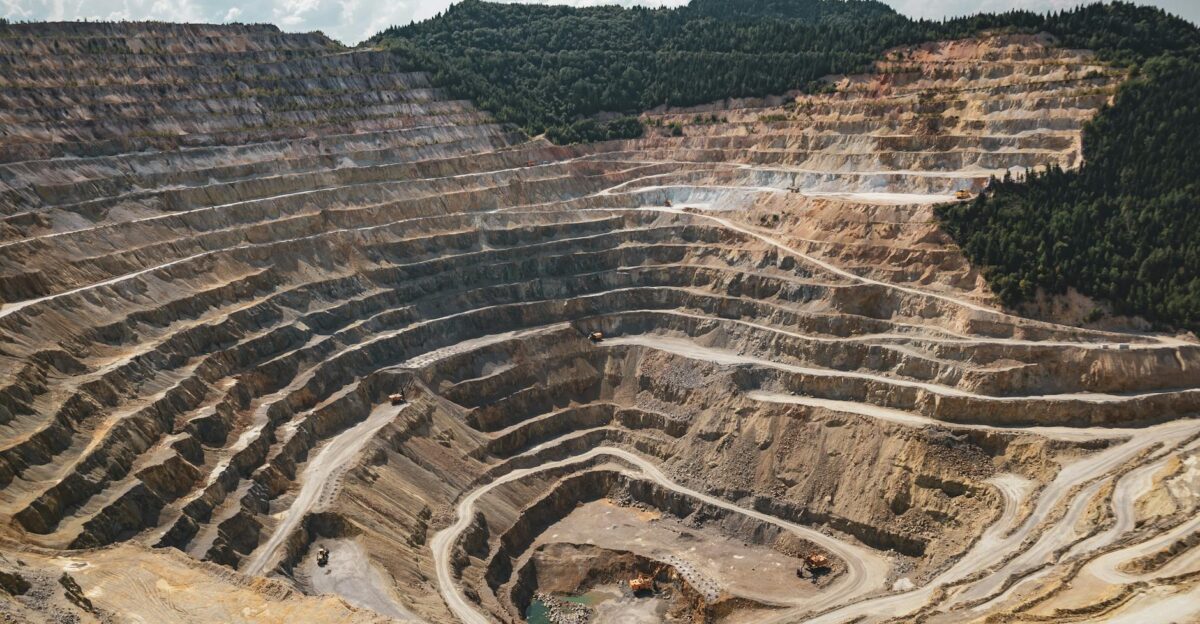
Mining companies are hiring Chief Digital Officers at unprecedented rates, signaling strategic priority changes beyond production metrics. Executive pay is increasingly tied to environmental performance and technology adoption rather than pure volume output.
Board compositions evolve to include technology and environmental expertise previously considered unimportant to core operations. Leadership succession planning prioritizes digital skills alongside traditional mining experience.
Strategic Investment
Companies announce billion-dollar technology programs spanning 5-10 years, treating innovation as a survival strategy rather than an optional enhancement. Partnerships multiply between traditional miners and technology firms as each sector recognizes mutual dependence for future success.
Mining firms establish internal innovation labs and venture capital arms targeting breakthrough technologies. Strategic acquisitions focus on data analytics and biotechnology capabilities rather than additional land reserves.
Expert Caution
Industry analysts question whether revolutionary promises will work at commercial scale within projected timelines amid historical disappointments. Technology deployment encounters unexpected geological challenges and regulatory hurdles that laboratory results cannot predict or replicate.
Some experts warn of over-investment in unproven solutions while fundamental mining challenges persist across global operations. Capital markets remain cautious about mining technology valuations.
Future Stakes
Can this quiet revolution transform mining quickly to meet soaring metal demands while satisfying mounting environmental constraints? Success depends on seamlessly integrating AI, biotechnology, and waste reprocessing across thousands of global operations within compressed timelines.
The implementation window narrows as copper shortages approach critical thresholds threatening energy transitions. Industry survival may depend on execution speed rather than technological capability alone.
Policy Complexity
Governments worldwide are drafting new regulations for self-driving mining equipment and AI-driven operations, creating compliance complexity across jurisdictions. Farmonaut reports that over 70% of mining deals will require enhanced environmental documentation for regulatory approval in 2025.
South Africa’s proposed Mineral Resources Development Bill increases state control over transactions, potentially deterring foreign investment. Policymakers struggle to balance innovation encouragement with safety oversight.
Global Ripples
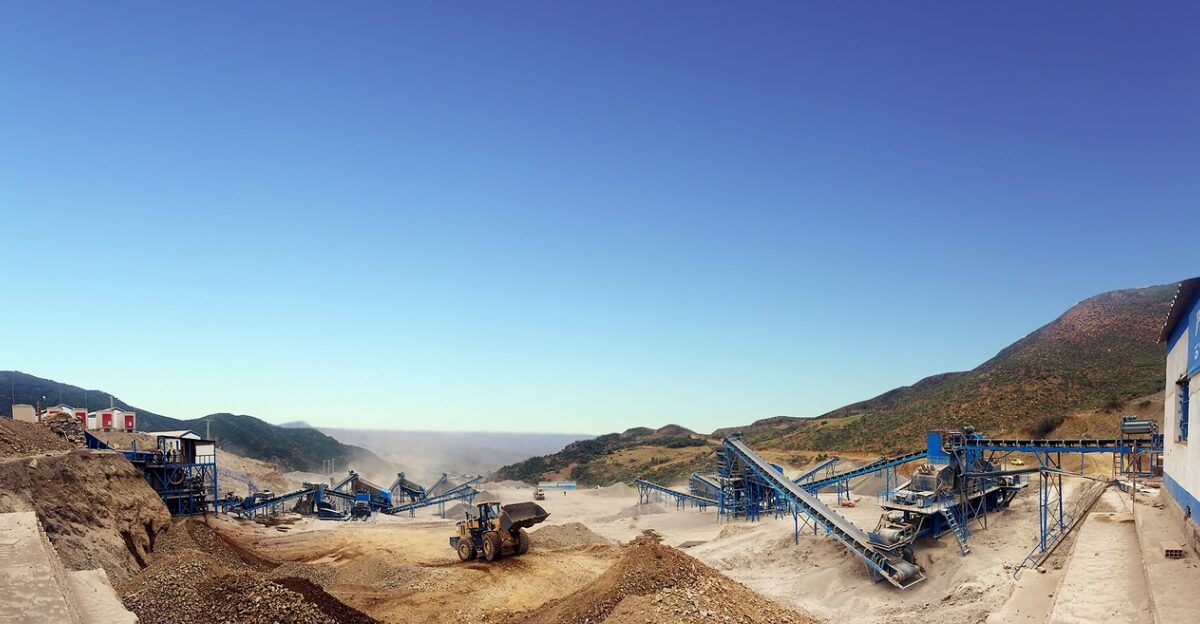
China’s dominance in copper processing creates supply vulnerabilities as Western nations seek alternative processing capacity. International mining companies face varying self-driving equipment regulations across jurisdictions, complicating global operations and technology deployment.
Trade tensions influence critical mineral partnerships and technology transfer agreements between major economies. Due to capital constraints, developing nations risk being excluded from revolutionary mining technologies.
Legal Evolution
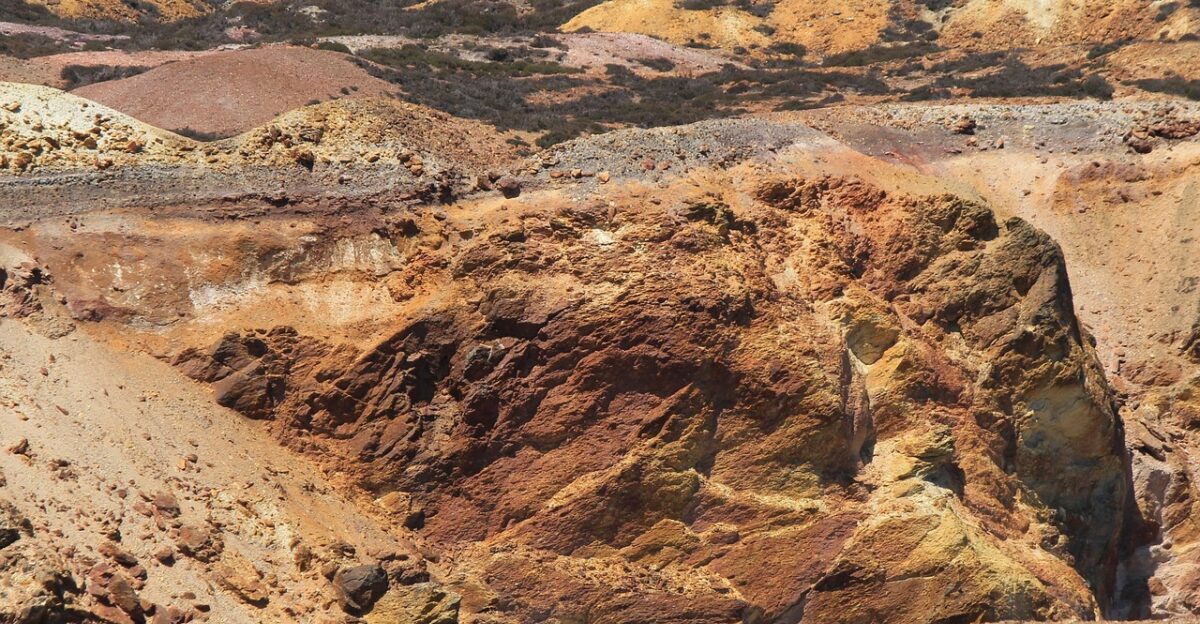
Mining companies implement AI-specific data protection measures as worker privacy concerns mount over comprehensive safety monitoring systems. Self-driving equipment regulations vary significantly between regions, creating compliance headaches for international global portfolio operators.
Legal frameworks struggle to address liability questions when AI systems make operational decisions affecting safety and production. Intellectual property disputes increase as mining technology becomes more valuable than mineral reserves.
Cultural Shift
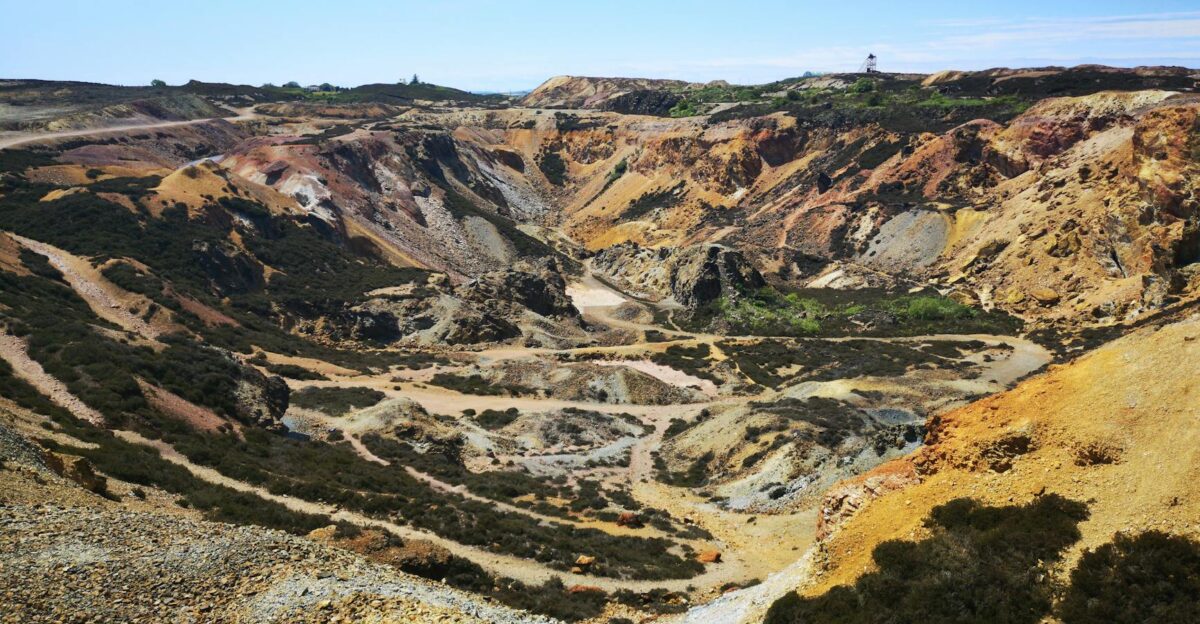
Mining’s traditional culture confronts technological demands requiring different skill sets and working approaches from established practices. Environmental activism intersects with technological optimism as communities evaluate whether innovations reduce mining’s ecological impact.
Younger workers embrace digital solutions while veteran employees question fundamental industry changes affecting decades of experience. Public perception slowly shifts toward viewing mining as potentially sustainable through technological advancement.
Transformational Moment
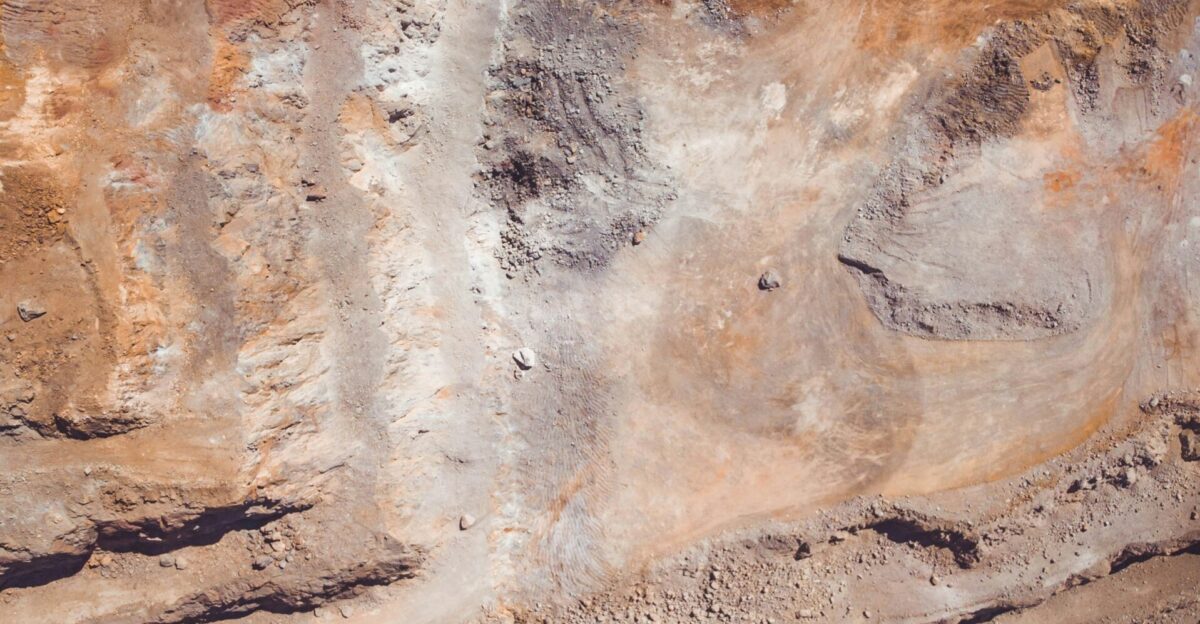
Mining’s evolved from an extraction industry to a sophisticated technology sector. Success will determine whether humanity can access materials needed for clean energy without destroying environments or communities.
The stakes extend beyond corporate profits to planetary sustainability and global development equity. Mining’s technological transformation may prove as consequential for civilization’s trajectory as the Industrial Revolution itself.