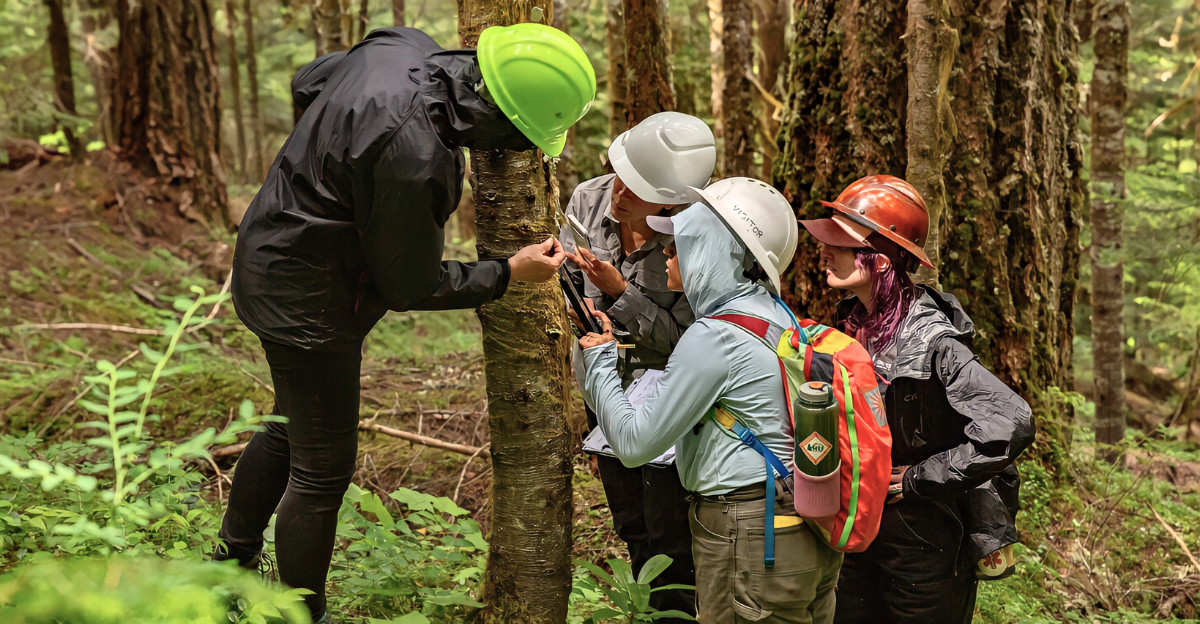
Hiking may look like simple freedom, but nature doesn’t forgive poor planning. Each year, beginner hikers get dehydrated, disoriented, or injured, especially those in their 30s, with accidents often caused by getting lost or blocked by hazards. And with search and rescue calls on the rise, mostly due to sudden weather or terrain issues, your first hike deserves more than just enthusiasm.
Want a safe, enjoyable outing? These expert-backed tips will help you avoid rookie mistakes and build confidence from your very first trail.
Why Prep Beats Overconfidence
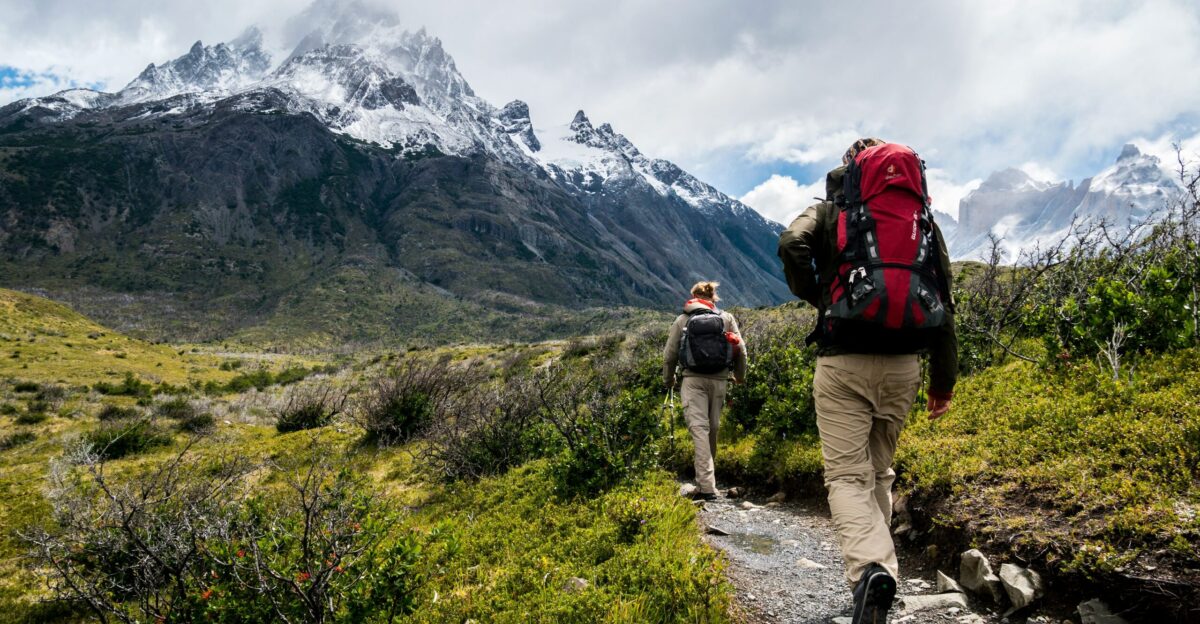
The number one beginner mistake? Thinking nature’s easy. Day hikers make up 42% of all search and rescue incidents, four times more than overnight backpackers. Traumatic injuries cause the majority of hiking-related deaths, not wild animal encounters or bad luck.
Preparation isn’t just about getting your gear ready; it includes knowing your route, packing smart, and respecting your limits. A little planning now leads to a lot more fun later.
Research First, Regret Less

That scenic trail you found online? It might have a washed-out bridge or closed section no app warned you about. Trail reports, official park sites, and detailed topographic maps offer real-time info you won’t get from Google Maps alone.
Do your homework before lacing your boots. Knowing what’s ahead means fewer wrong turns, and far fewer surprises.
Your 14-Tip Trail Cheat Sheet
You don’t need to spend a fortune on gear, but you do need a strategy. These 14 trail-tested tips draw from national rescue data, wilderness safety guides, and hard-earned lessons from seasoned hikers.
From choosing the right path to staying fueled, hydrated, and seen, this is everything you need to hike smarter—not harder.
#1: Pick the Right Trail
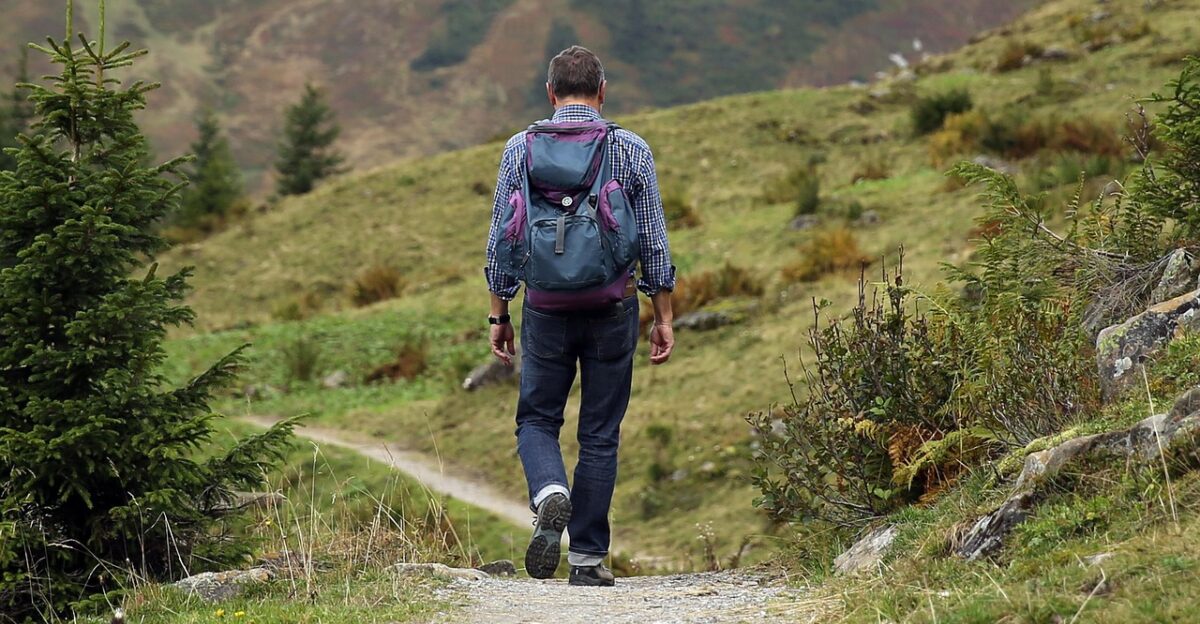
Scaling a mountain your first time out? Not the wise move. Choose a route that matches your current fitness and navigation skill. And this isn’t chickening out, it’s hiking wisely.
Stick with marked, “easy” or “moderate” paths and check trail reviews on crowdsourced apps like AllTrails to pick a realistic match.
#2: A Weather Check Can Save You

One overlooked forecast can turn a sunny stroll into a slippery, storm-soaked nightmare. Weather changes fast outdoors, especially at elevation.
Check conditions the day of your hike, including wind, rain, and temperature swings. A simple “go or no-go” check can literally be a lifesaver.
#3: Dress Smart, Ditch Cotton
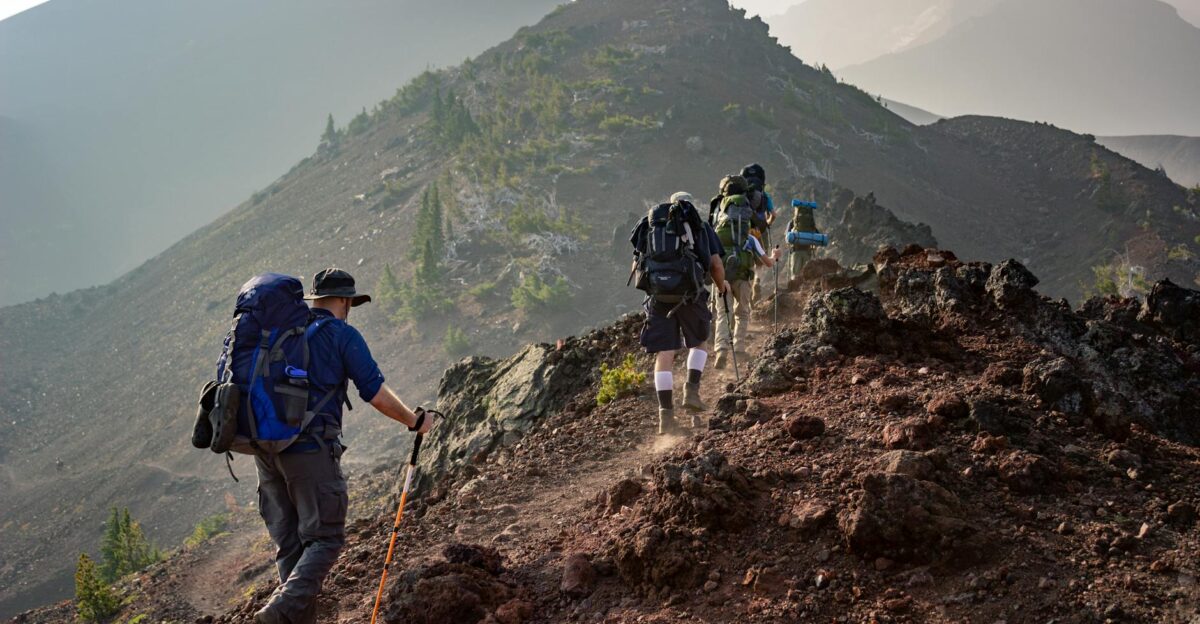
Cotton holds moisture and cools your body dangerously fast—especially when wet. That can lead to hypothermia, even in summer.
Layer up instead. Choose sweat-wicking fabrics underneath, insulating warmth in the middle, and a breathable shell on top. You’ll stay dry, warm, and safe as the weather shifts.
#4: Break In Those Boots
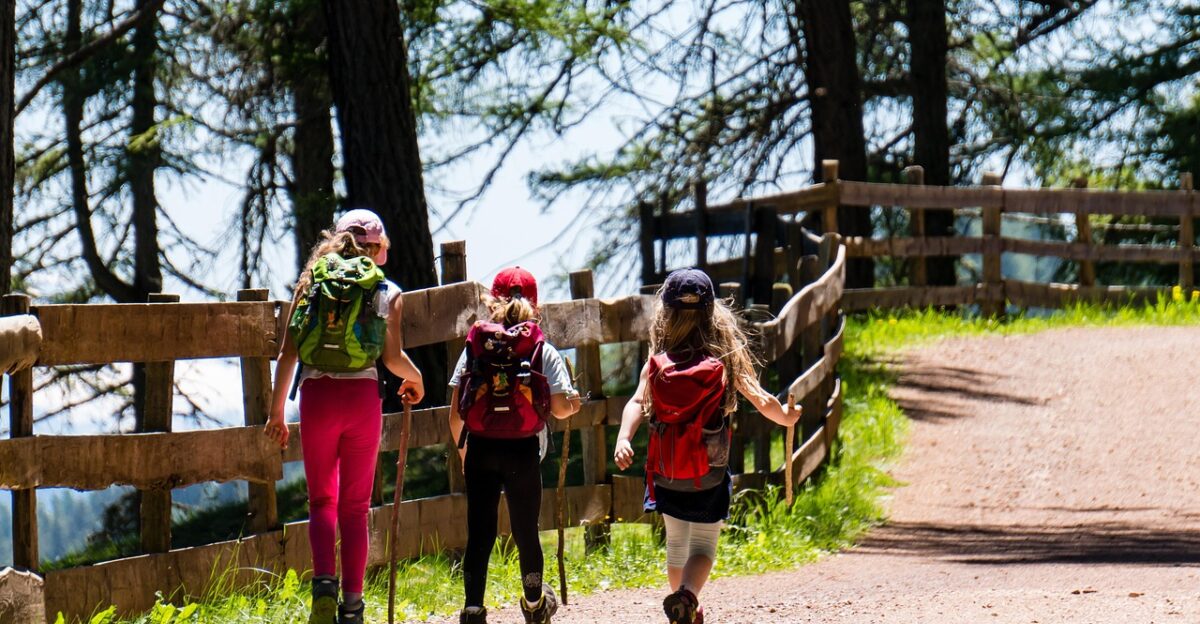
Too many blisters start with brand-new shoes worn on long hikes. Ill-fitting, stiff boots can quickly turn your first adventure into a painful slog.
Break in your hiking footwear on shorter outings first. And skip the sneakers unless you’re sticking to mellow, well-maintained paths.
#5: Don’t Leave Without the Essentials

There’s a reason seasoned hikers always carry the “10 essentials”: map and compass, headlamp, sun protection, first-aid kit, knife, fire starter, tarp or bivy, extra food and water, and spare clothing.
These aren’t “nice to haves”—they’re what rescue teams say often make the difference between discomfort and emergency.
#6: Hydrate Like It Matters—Because It Does

Dehydration can sneak up fast, especially in heat or at altitude. Aim for at least half a liter of water per hour—and more if it’s hot or strenuous.
Don’t assume you’ll find water en route. Filters, iodine tablets, or lightweight bladders give you options if natural water is scarce or unsafe to drink.
#7: Don’t Go It Alone
Solo hikes might sound peaceful, or empowering, but they’re also riskier. Data shows groups fare significantly better in emergencies.
Especially for beginner hikers, a buddy increases safety and morale. Two brains manage surprises twice as well as one. Leave the solo treks for later.
#8: Bring More Than a Phone
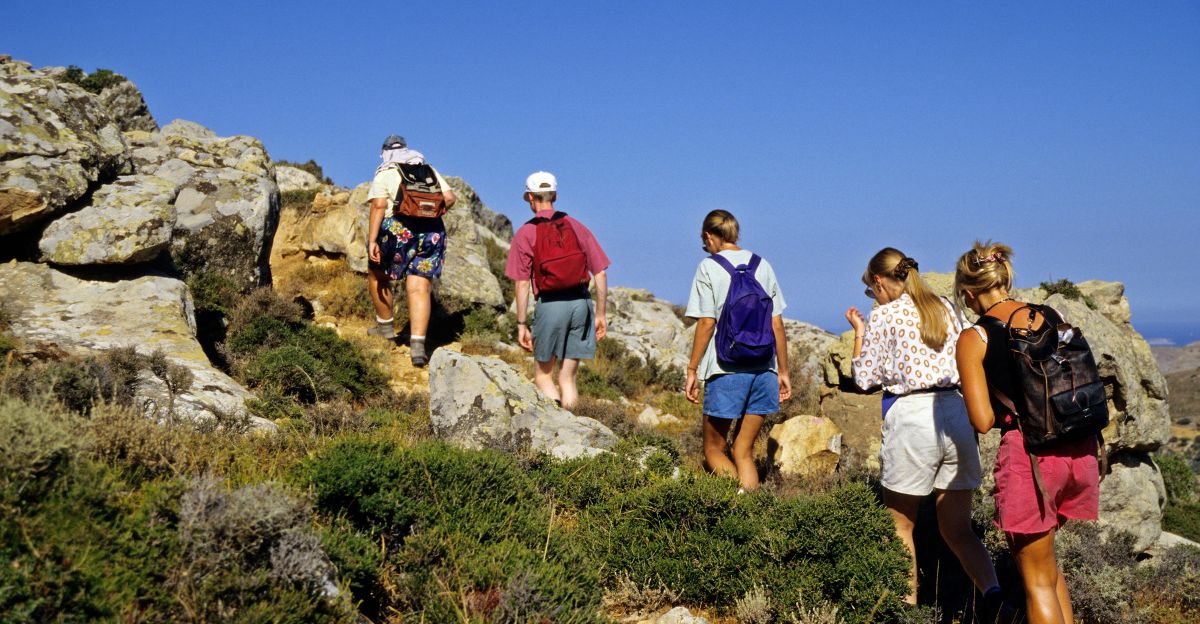
Phones die or lose signal miles from cell towers. And in cold weather, batteries tank even faster.
Offline maps, a paper trail map, and a compass should always be in your pack. Knowing how to use them? That’s a survival skill worth learning.
#9: Build an SOS Kit
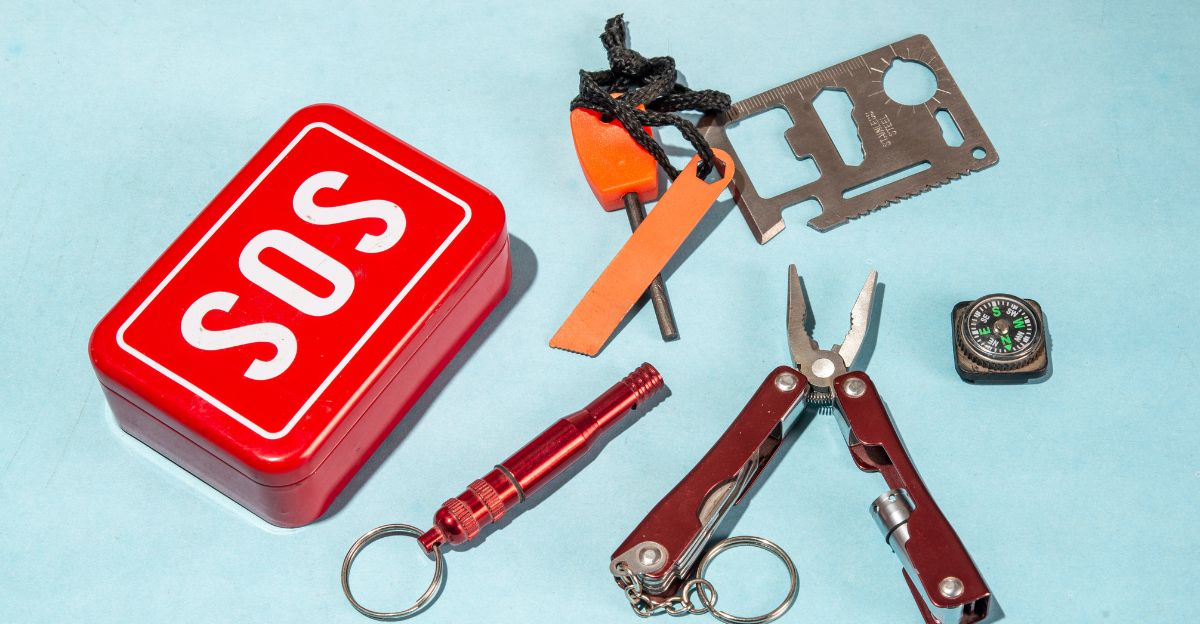
If you do get lost, yelling won’t help much—but a whistle will. Add a reflective mirror or flashlight for signaling during the day or night.
Serious hikers also carry satellite communicators or beacons for remote routes. Emergency gear is your lifeline when things go sideways.
#10: Hike Light, Leave No Trace
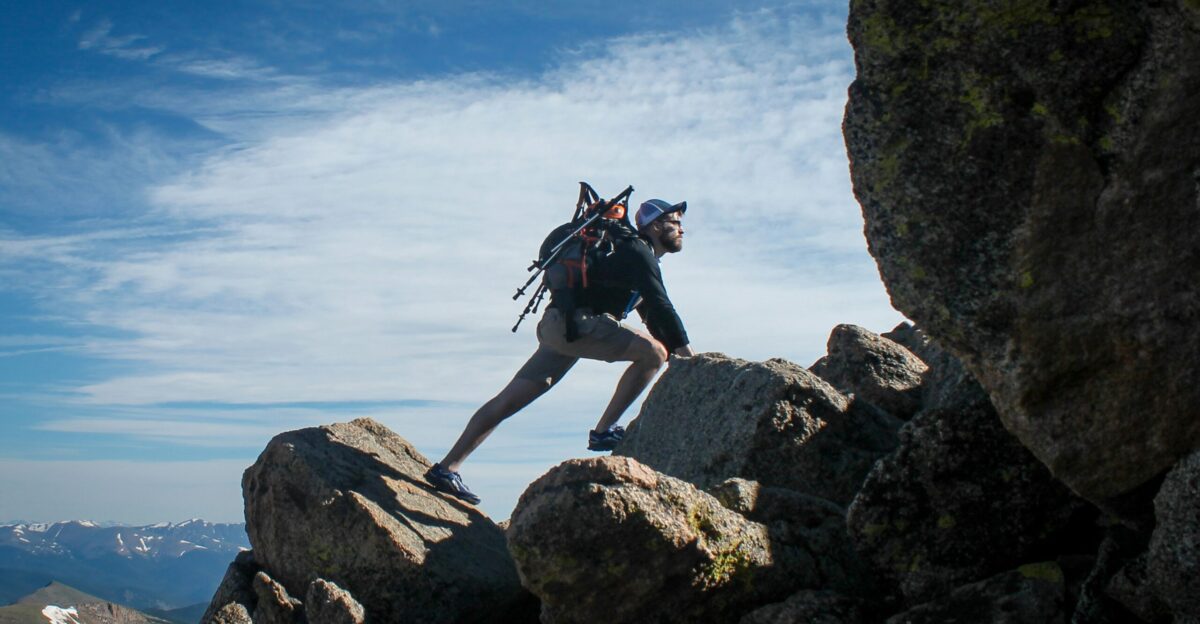
Trash on the trail, trampled brush, or carved trees? That’s long-term damage. The “Leave No Trace” guidelines are the gold standard for how to tread lightly and protect wild places.
Stay on trail, pack out everything you bring, and respect wildlife habitats. The outdoors will thank you—and so will future hikers.
#11: Mind the Ground—and the Trees
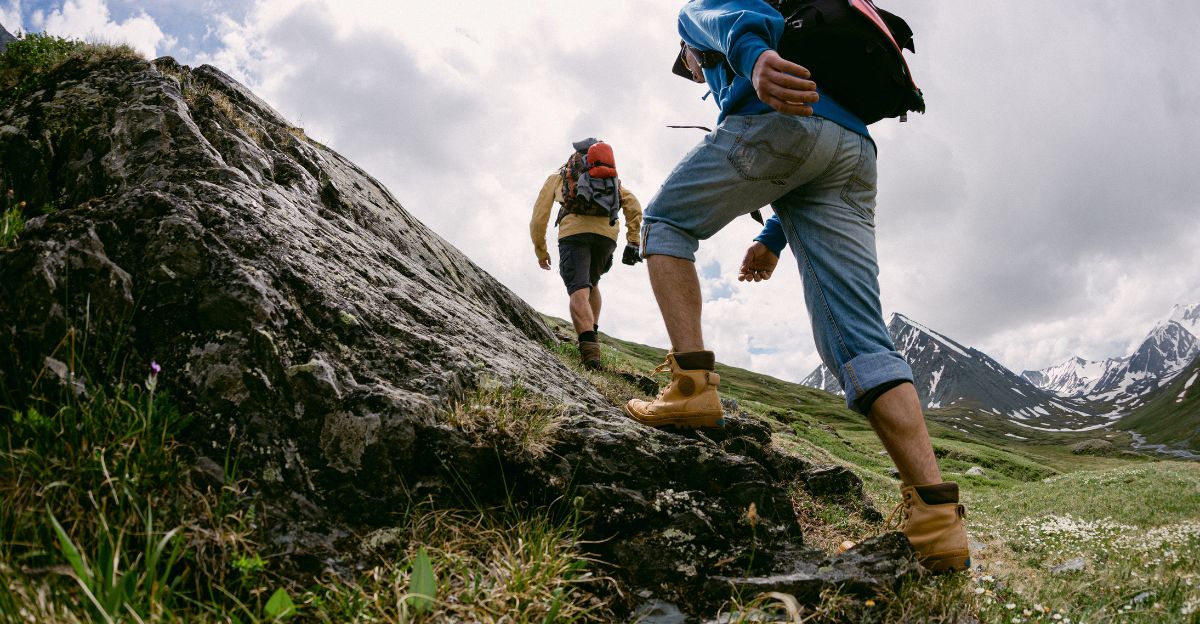
Most falls aren’t dramatic—they’re simple slips on mud, roots, or rocks. Sprains and rolled ankles are some of the most common hiking injuries.
Stay alert, watch your footing, and avoid distractions. Keep sharp eyes on the ground—and don’t forget overhead hazards like low branches or falling rock zones.
#12: Fuel Up Before You Fade
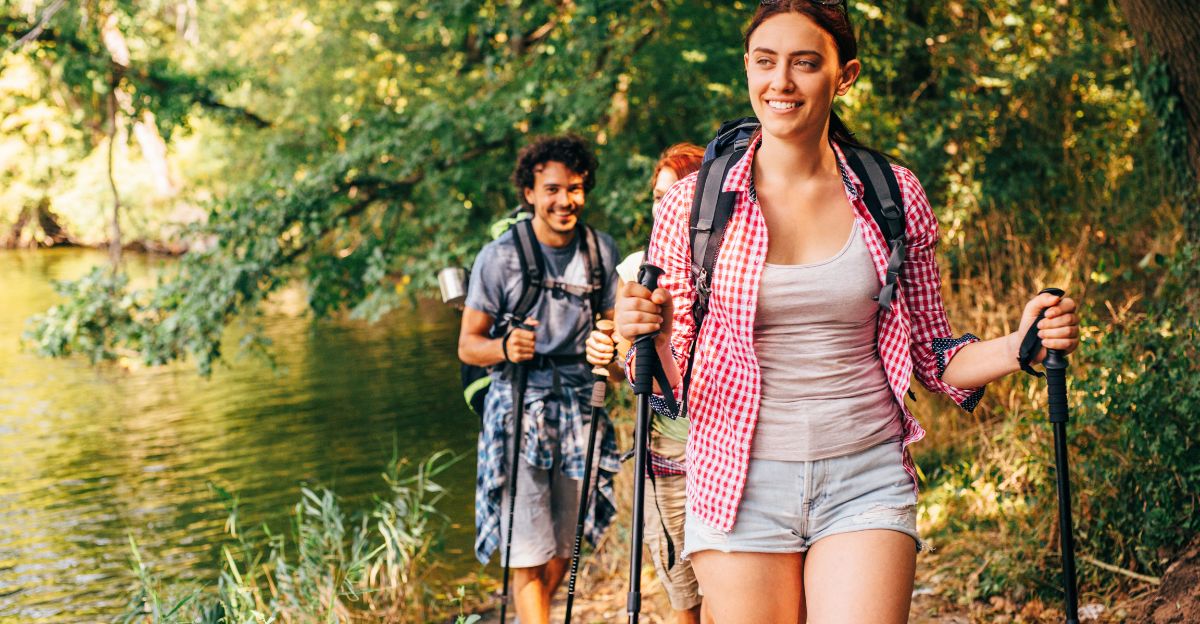
Running on empty? That “bonk” or energy crash is avoidable. Bring high-carb snacks—granola bars, fruit, or trail mix—and graze regularly.
Don’t wait until you’re starving. Eating every hour helps stabilize energy and mood, keeping your pace steady and your hike enjoyable.
#13: Beat the Sun and Bugs
Between sunburn, ticks, and mosquito bites, a little protection goes a long way. The CDC backs sunscreen, bug spray, and sun-blocking layers as hiking essentials.
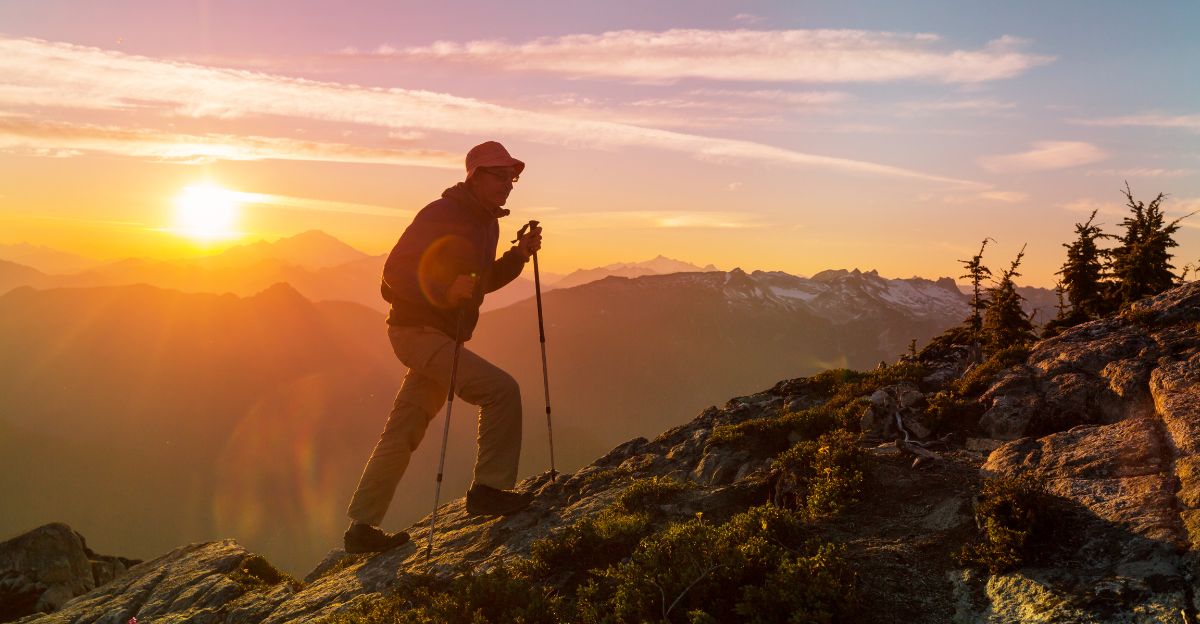
Use SPF 30+ on exposed skin, wear sunglasses and a brimmed hat, and treat clothes with repellent if venturing into buggy areas.
#14: Lost? Stop, Signal, Stay
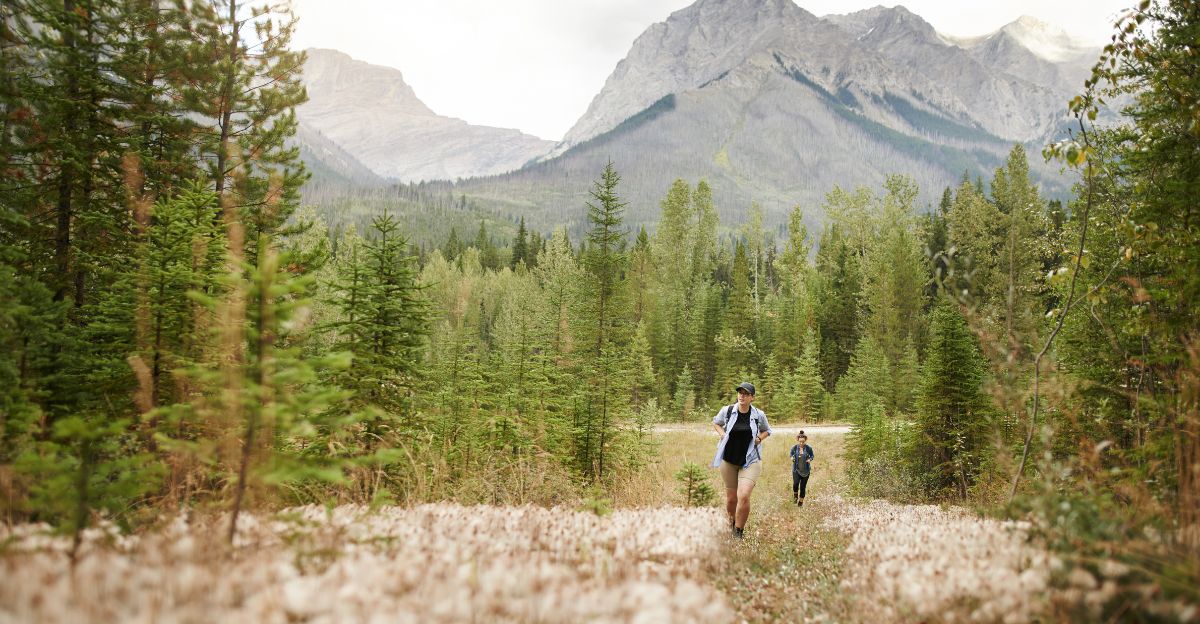
If you lose the trail—don’t panic. Pause, breathe, and assess where you last knew your location. Only backtrack if it’s clearly safe.
Stay in place, make yourself visible, and use a whistle to draw attention. Hikers who plan ahead and stay calm get rescued faster than those who wander.
Start Small, Think Big
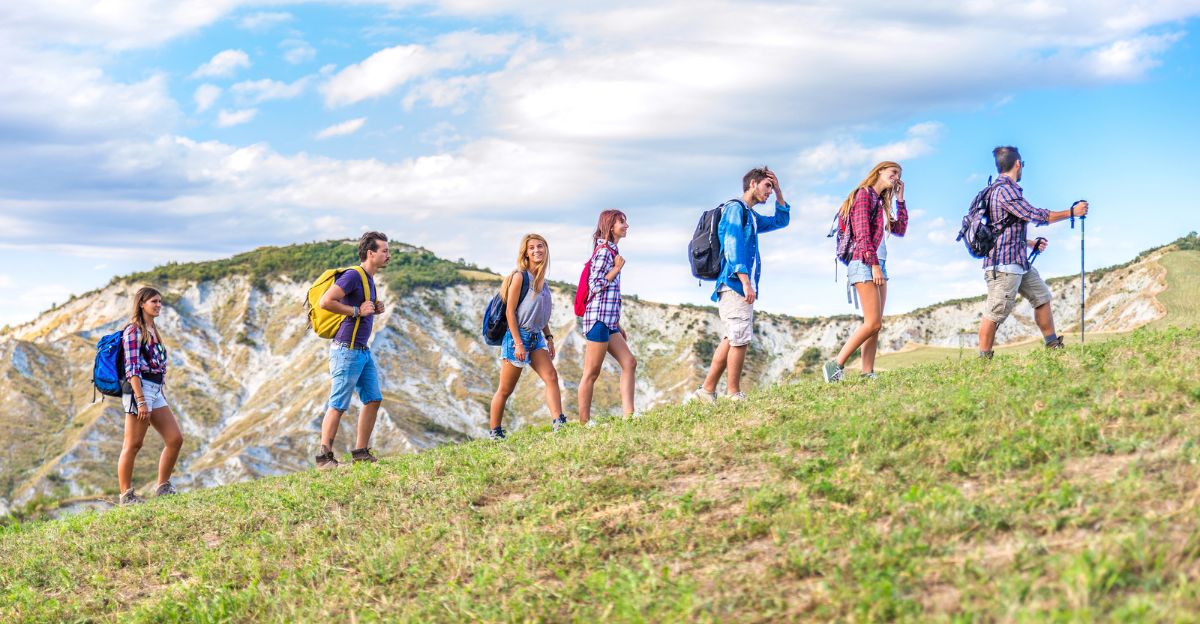
No one starts with Everest. Most lifelong hikers built skills little by little through scenic strolls, short loops, and weekend walks.
Every small trip builds your know-how and confidence. Don’t rush it—consistent experience is the key to bigger adventures, and safer outcomes.
Trail-Ready: Safe, Confident, Prepared
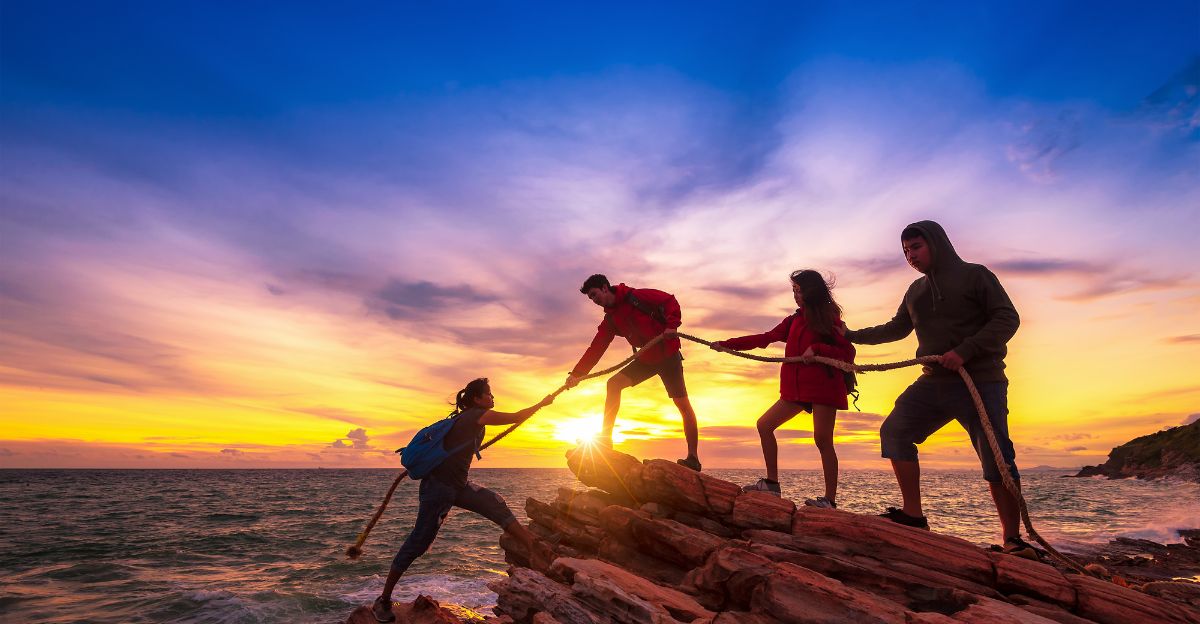
Adventure begins with smart choices, not just excitement. By following these 14 expert-vetted tips, you’ll hike with more confidence, make better decisions, and enjoy the trail while protecting yourself—and the land.
Plan wisely, pack smart, and keep learning. Your next unforgettable outdoor moment is waiting.