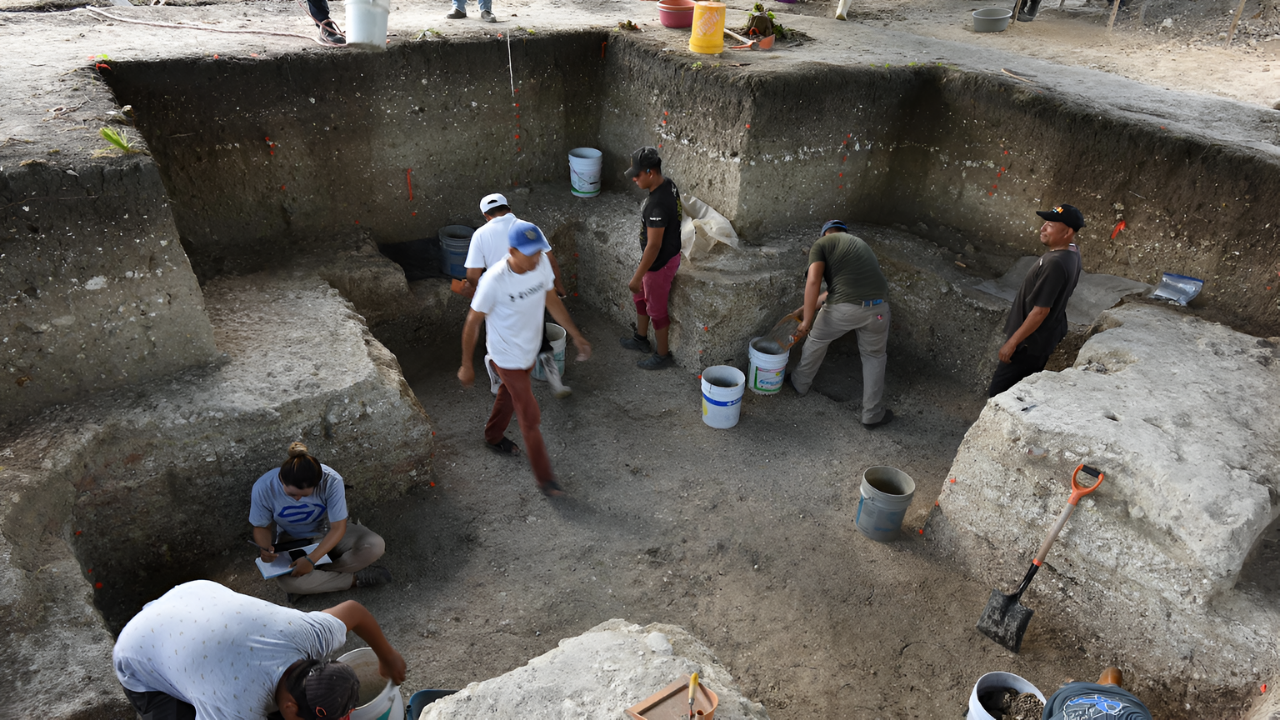
The Peruvian Andes hide a secret that’s baffled archaeologists for centuries: 5,200 meticulously carved holes stretching across Monte Sierpe. First discovered in the 1930s, the purpose of these holes remained unknown for nearly a century. But a recent breakthrough has uncovered their true role in Andean society, offering new insights into ancient economies.
In 2025, Dr. Jacob Bongers and his team revealed their purpose—barter markets and record-keeping systems that could change our understanding of pre-Inca Peru forever. This discovery has become a game-changer in Andean archaeology, offering fresh perspectives on ancient trade and administration.
The Puzzle Deepens
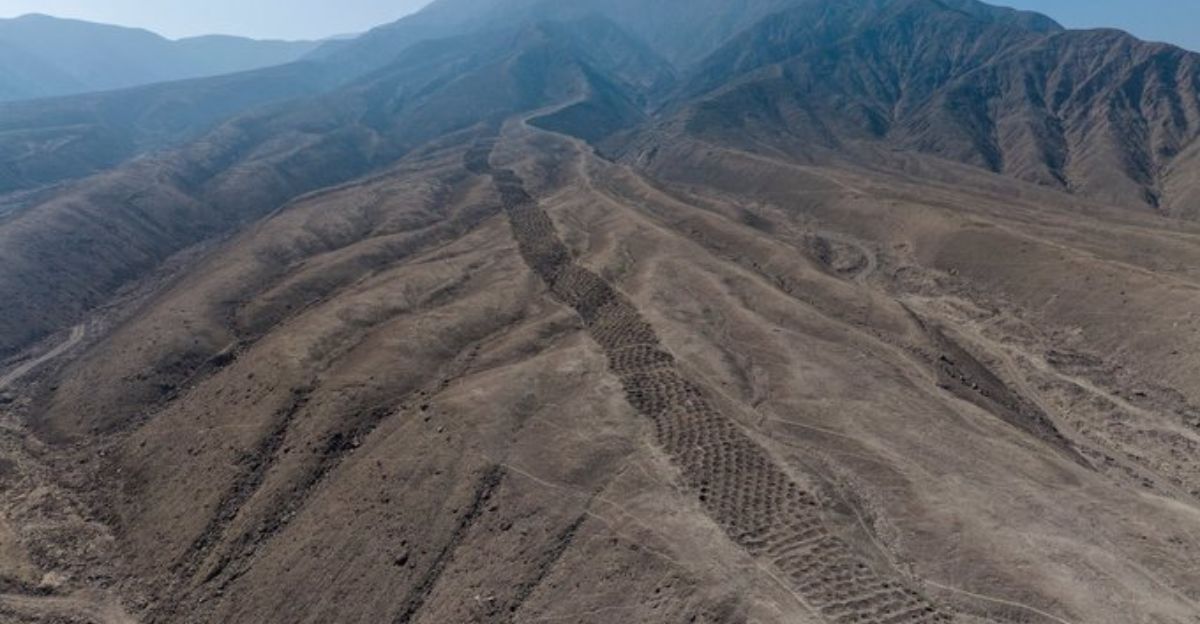
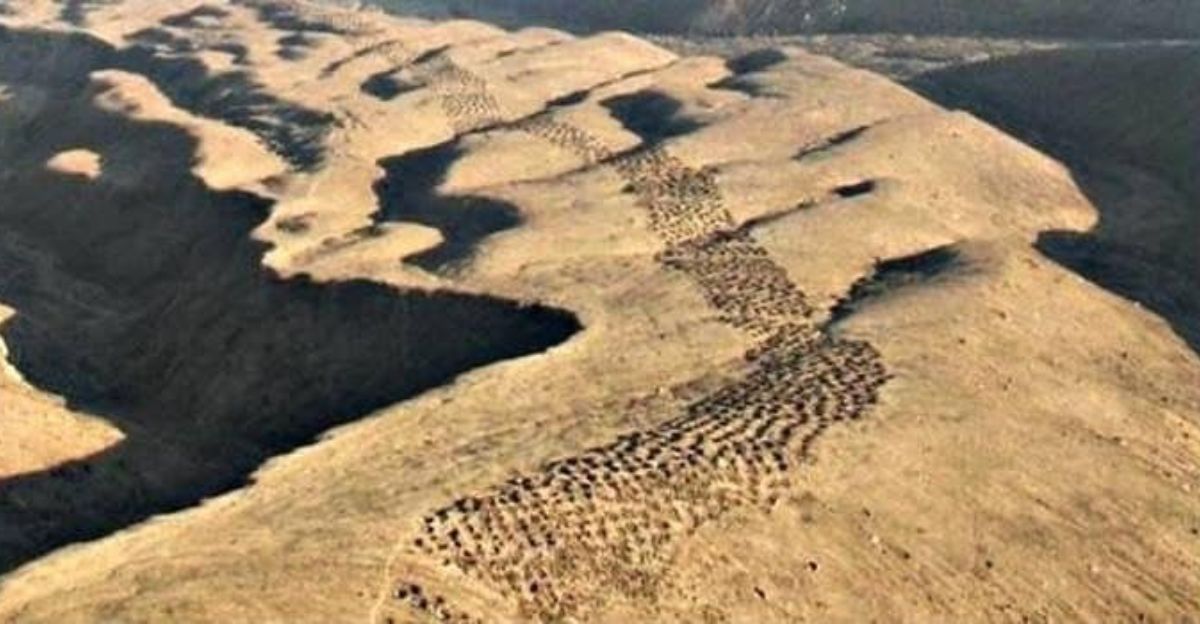
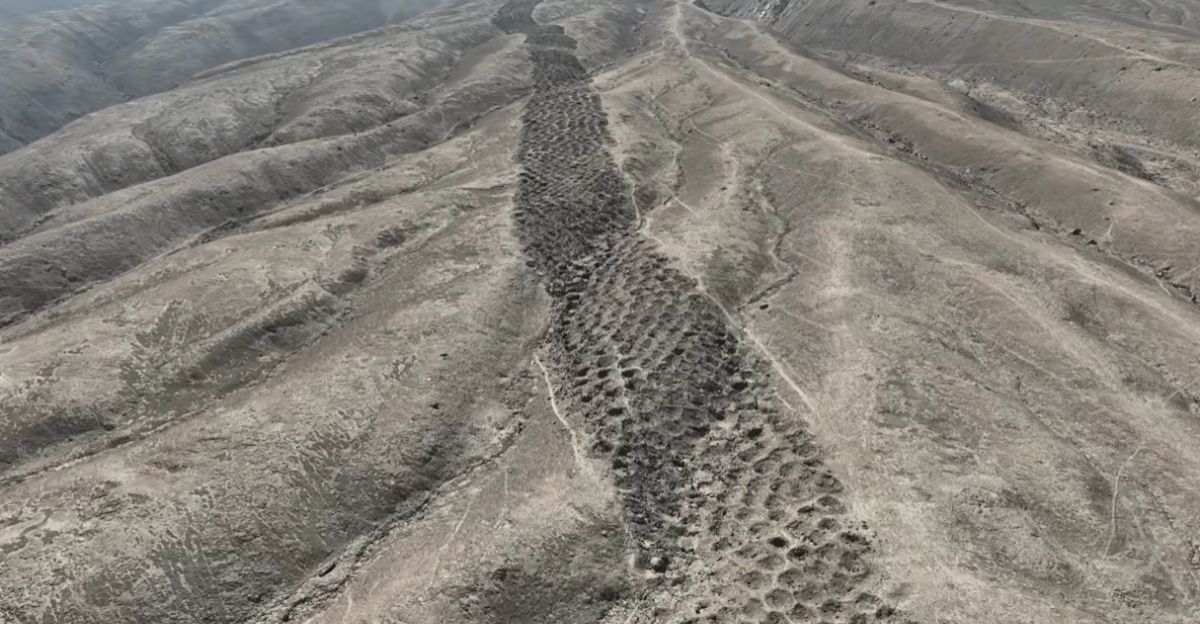
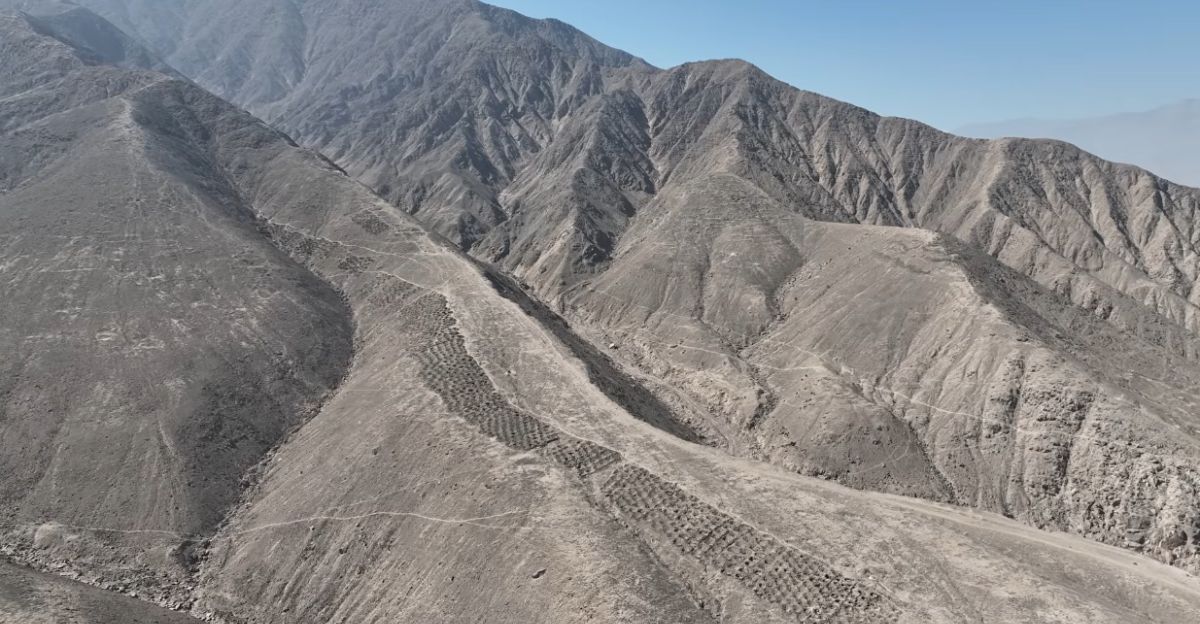
The “Band of Holes” at Monte Sierpe spans 1.5 kilometers across southern Peru’s Pisco Valley, making it one of the most enigmatic sites in archaeology. For decades, researchers struggled to decode the arrangement of holes, discovering new clues with the help of modern technology. Drone mapping and soil analysis have recently provided a breakthrough that reveals their sophisticated purpose.
The grid-like arrangement of the 5,200 holes suggests a complex economic and administrative system far more advanced than simple storage. This organized layout pointed researchers toward marketplace and accounting functions—a hypothesis confirmed by the latest research findings.
A Century of Speculation
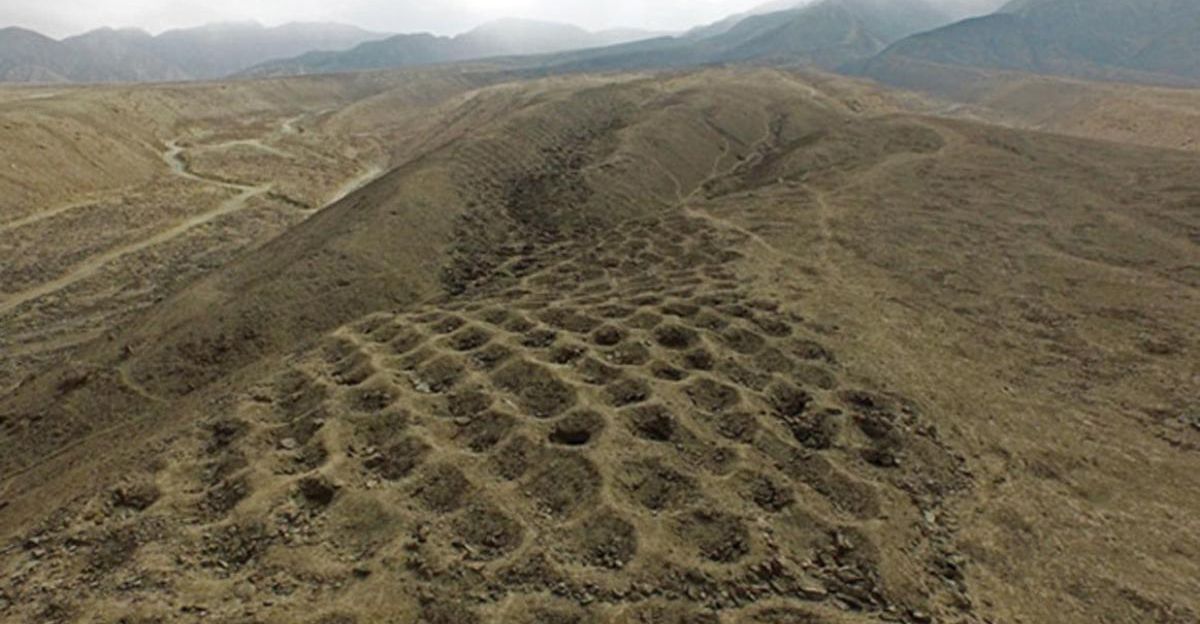
When the holes were first discovered in the 1930s, theories about their purpose varied widely. Some speculated they were used for agriculture, others for water storage, and even as military defense systems. Despite early interest from National Geographic in 1933, no consensus emerged.
Over time, the site faded from public attention, leaving archaeologists puzzled for decades. The mystery persisted until recent technological advancements provided the tools necessary to decode the site’s true function.
Pressure for Answers
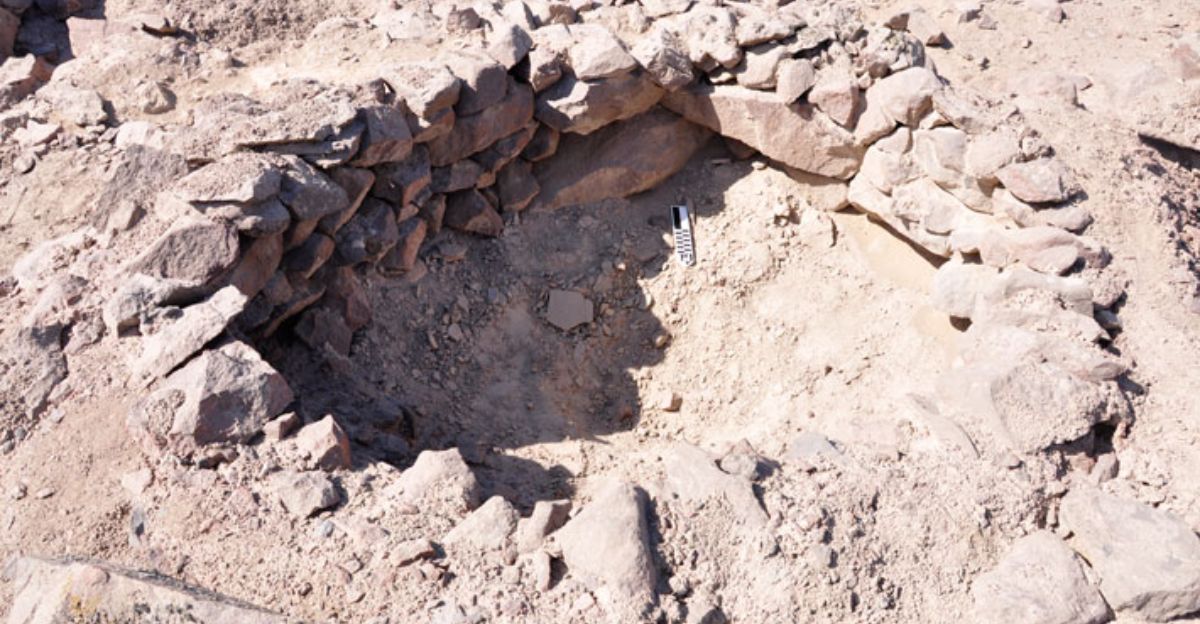
By the 1970s, the archaeological community had gathered substantial evidence of the site’s importance. However, with no definitive answers, the mystery deepened. The sheer number of holes—5,200 in total—combined with their precise, grid-like alignment, suggested a far more complex use than initially imagined.
The sophisticated arrangement raised fundamental questions about Andean engineering, social organization, and economic systems. These unanswered questions drove researchers to pursue deeper investigation into the site’s true purpose.
Breakthrough Discovery
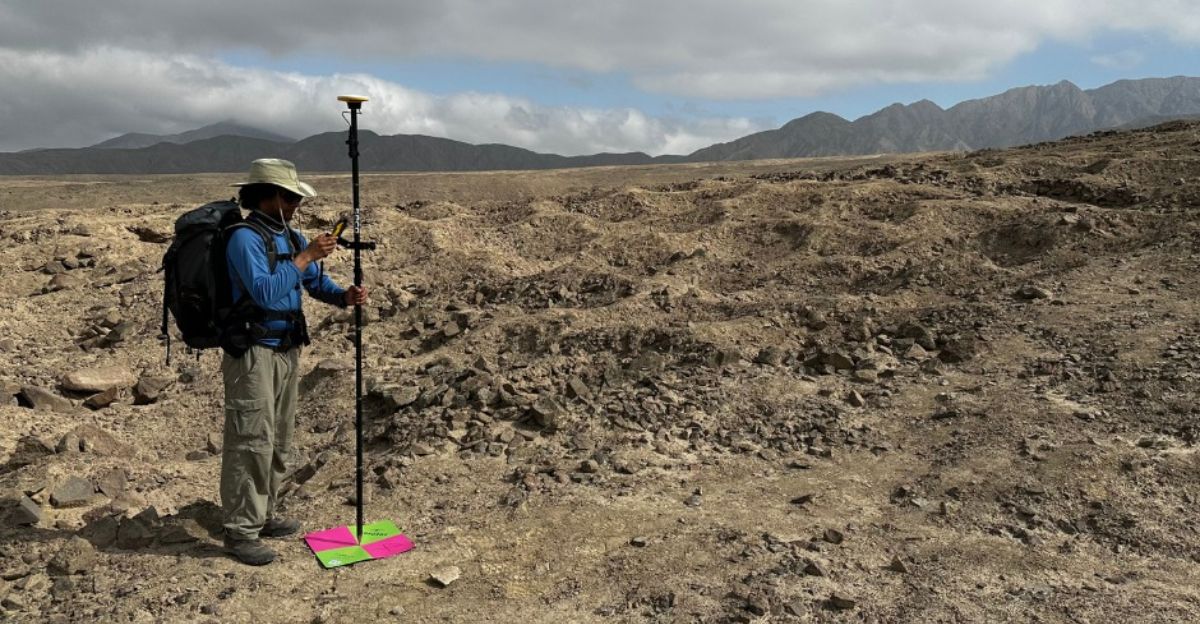
In November 2025, Dr. Bongers and his team published groundbreaking research showing that the holes likely functioned as part of a barter marketplace for the pre-Inca Chincha Kingdom. Later repurposed by the Inca Empire for accounting and tribute collection, the holes form a sophisticated economic infrastructure.
New findings, including drone imagery and botanical analysis, revealed mathematical patterns that resemble the Inca khipu—a record-keeping system that’s foundational to Andean history. These discoveries provide crucial evidence that the site played a central role in economic and administrative functions during the pre-Inca and Inca periods.
Regional Significance
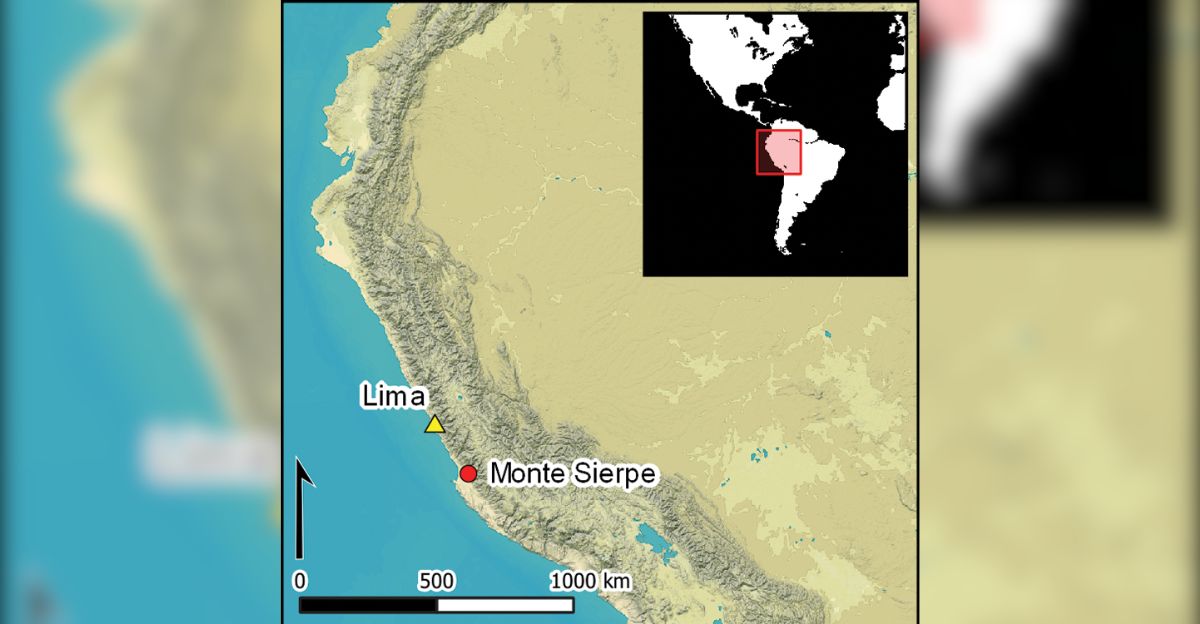
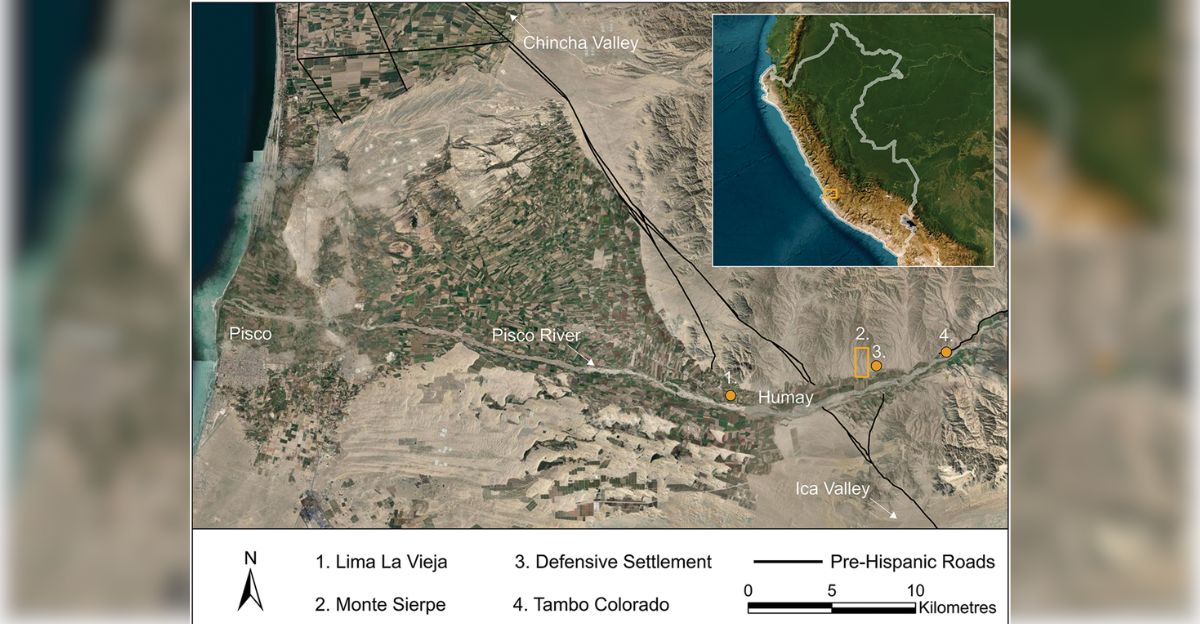
Monte Sierpe’s strategic location between two major Inca administrative centers in the Pisco Valley made it a vital hub for trade and cultural exchange. Situated in the chaupiyunga ecological zone, the site connected highland and coastal communities, offering a platform for diverse groups to exchange goods like maize, cotton, and fish.
This positioning transformed Monte Sierpe into a critical node in expansive Andean trade networks, linking agricultural producers with coastal fishers and mobile traders. The diversity of goods flowing through the site demonstrates its regional economic importance.
Stories Emerge
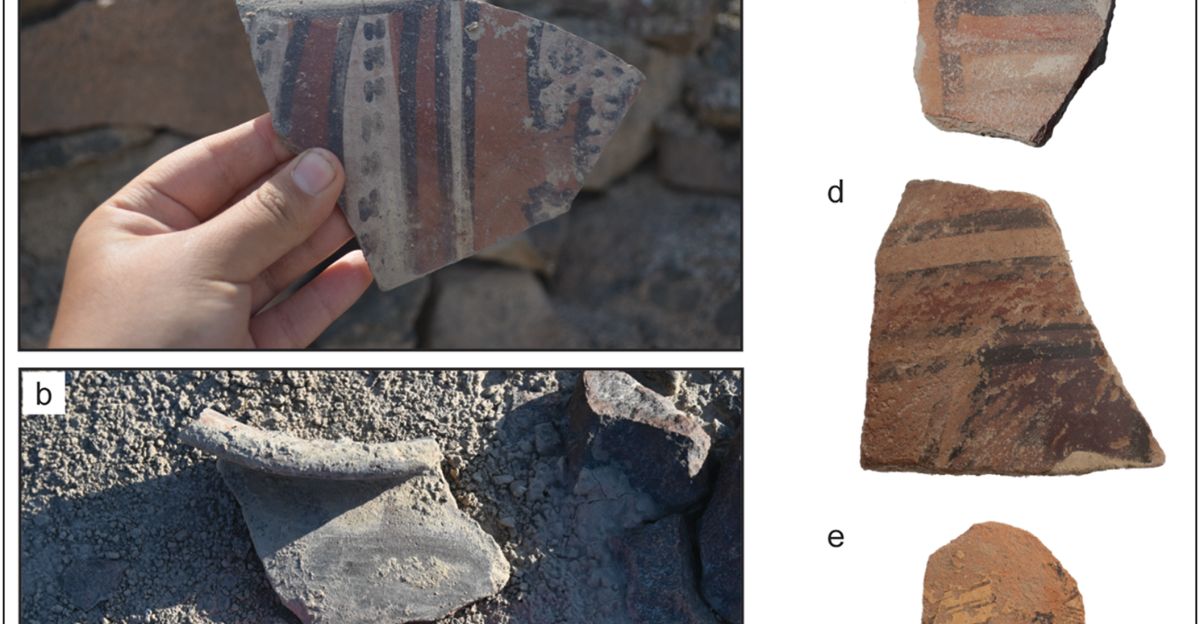
The site’s function as a marketplace paints a vivid picture of ancient life in the Andes. Researchers speculate that the holes served as storage or display spaces for goods like corn and cotton, traded by farmers, fishers, and mobile specialists. Dr. Bongers suggests that this site brought diverse groups together in a bustling economic hub.
The evidence indicates that Monte Sierpe enabled sustained economic activity and social interaction across communities, creating opportunities for exchange and building regional connections essential to Andean survival and prosperity.
Competing Theories
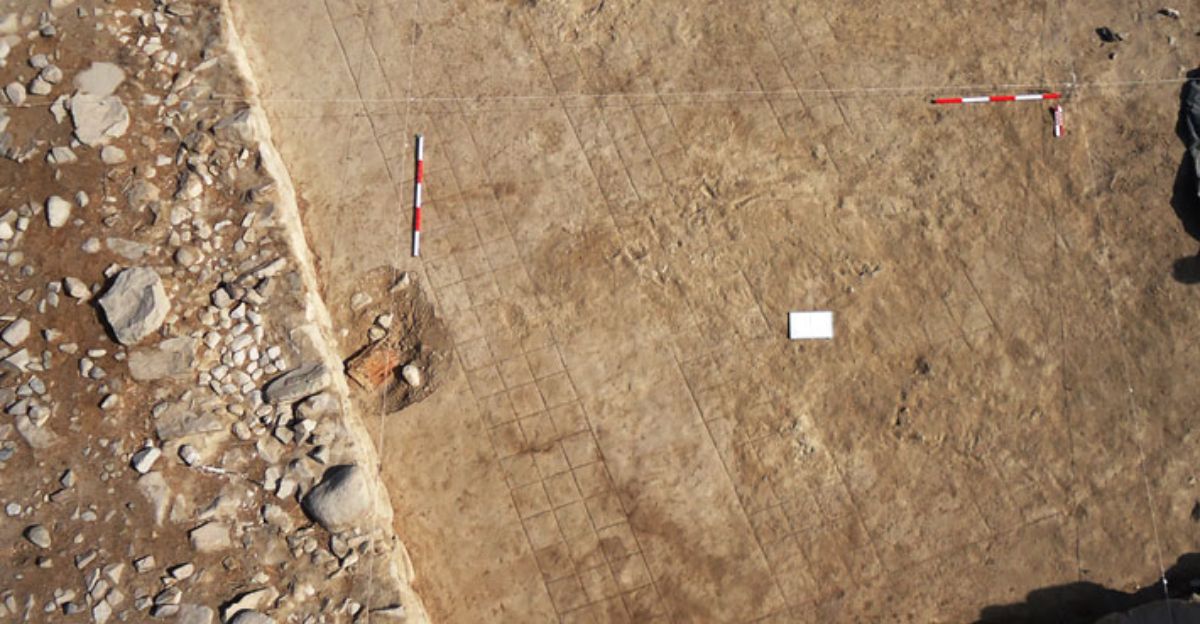
For decades, theories about Monte Sierpe’s function ranged from agricultural to military to ritualistic uses. Some researchers believed the holes had ceremonial significance, while others argued they were part of a defense strategy. The new findings provide empirical evidence that challenges these earlier interpretations.
The marketplace hypothesis, supported by botanical evidence and mathematical patterns, definitively demonstrates that the holes served practical economic purposes rather than ceremonial, defensive, or agricultural functions.
Macro Trends in Andean Archaeology
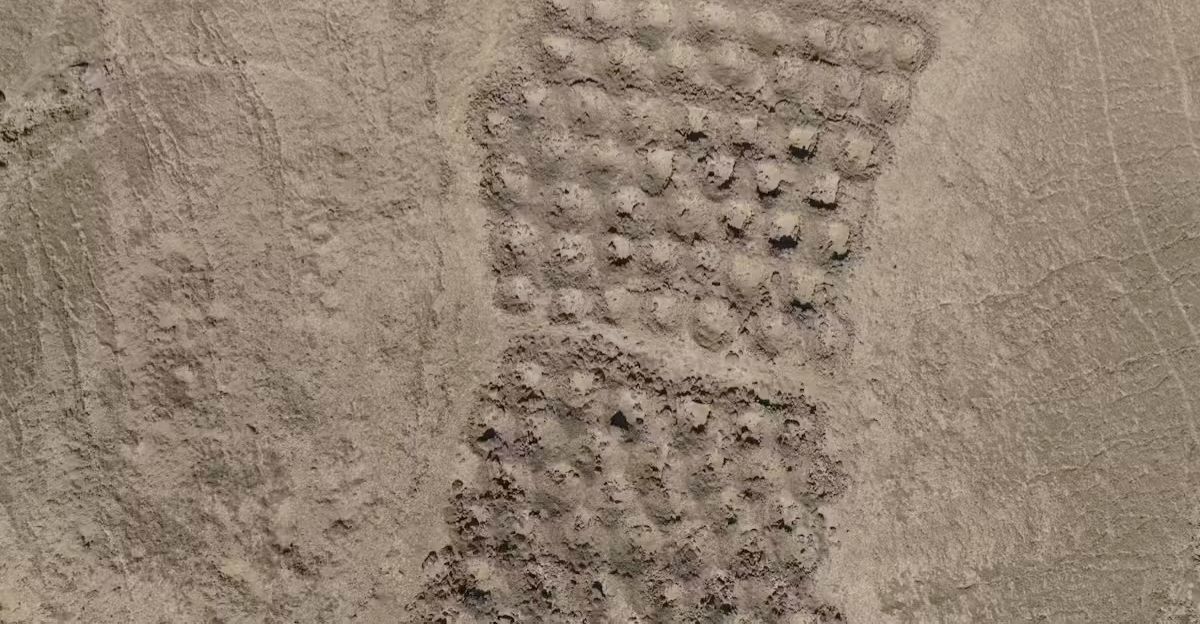
Monte Sierpe fits into a larger trend in Andean archaeology: the increasing recognition of sophisticated social technologies in pre-Inca and Inca civilizations. The site’s alignment with the Inca khipu system suggests that these early societies possessed complex methods of record-keeping and economic management.
These practices were integral to the functioning of powerful empires long before the arrival of the Spanish. The discovery of Monte Sierpe adds compelling evidence that Andean societies were far more advanced in their economic and administrative practices than previously thought.
Botanical Evidence

A critical discovery at the site was the presence of maize and bulrush pollen inside the holes, providing concrete evidence of trade. The presence of maize suggests that foodstuffs were exchanged at Monte Sierpe, while bulrush pollen indicates the use of woven baskets for storage or transport.
These botanical signatures directly confirm that the site functioned as an active trade center linking agricultural regions with coastal communities. The specific pollen evidence provides material proof of the marketplace hypothesis.
Internal Debate

Despite the compelling evidence, some archaeologists remain skeptical about specific interpretations. Questions about why such a system existed only at Monte Sierpe—and why it wasn’t replicated elsewhere in the Andes—persist among researchers investigating ancient economic systems.
Scholars continue to debate how Monte Sierpe fits into the broader context of Andean civilization and whether similar systems existed but remain undiscovered. The site’s unique grid design raises important questions about regional economic organization.
Leadership in Research
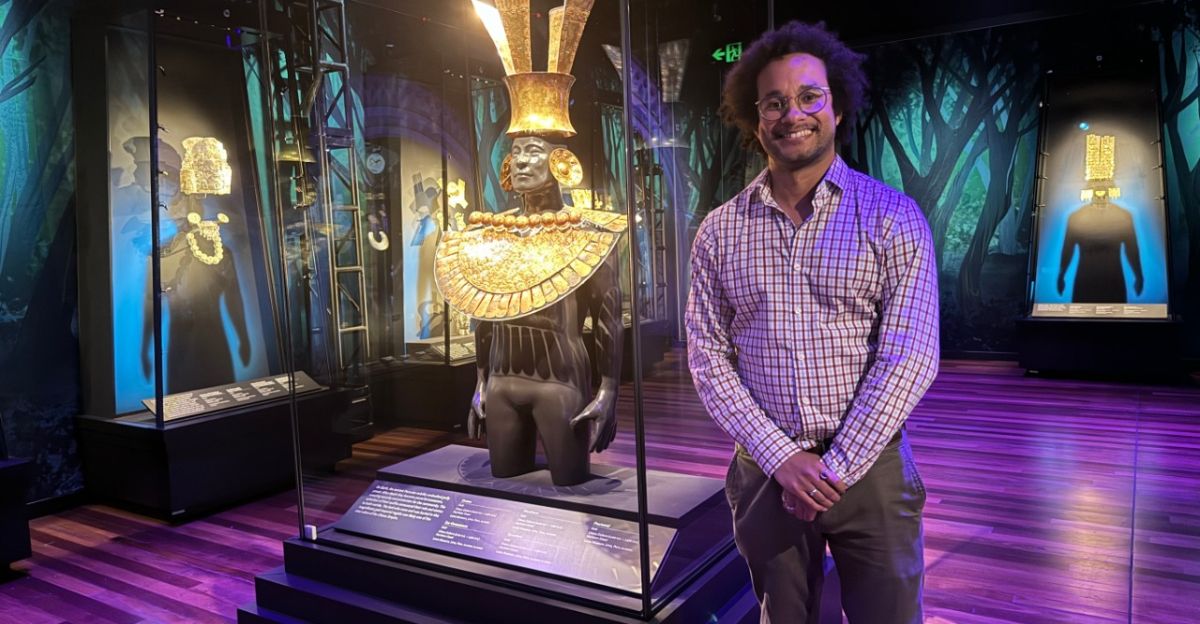
Dr. Jacob Bongers, an expert in digital archaeology at the University of Sydney, led the interdisciplinary team that uncovered the true purpose of Monte Sierpe. His work, combining drone mapping with traditional excavation methods, proved pivotal in revealing patterns previously invisible to conventional approaches.
Bongers’ innovative methodology and expertise in Andean archaeology positioned him to make the crucial breakthrough. His leadership has advanced archaeological research in the Andes by demonstrating the power of integrating digital technology with field archaeology.
Strategic Collaboration
The project was a collaborative effort between specialists in archaeology, botany, and digital mapping. Funding came from the Franklin Research Grant, and key institutions like the University of South Florida and UCLA’s Cotsen Institute supported the research.
Local authorities, including the Peruvian Ministry of Culture, granted excavation permits, ensuring the site’s preservation and the involvement of the local community. This collaboration demonstrates the necessity of interdisciplinary teamwork in solving complex archaeological mysteries.
Skepticism and Outlook
Though the marketplace hypothesis is gaining traction, significant unknowns remain. Further excavation is needed to uncover additional artifacts and refine the chronology of the site’s use. Dr. Bongers particularly emphasizes the need to understand why Monte Sierpe’s economic system appears unique within the Andean archaeological record.
Ongoing research promises to clarify these questions and deepen understanding of ancient Andean economies. Future investigations will determine whether similar sites exist but remain undiscovered or whether Monte Sierpe represents a distinctive economic experiment.
What’s Next for Monte Sierpe?
Future research will focus on expanded excavations and refining the timeline of Monte Sierpe’s use. Scientists hope to uncover additional artifacts and further explore the site’s role in Andean trade and economic systems.
The next excavation season will employ cutting-edge technology alongside traditional methods to map the entire site and analyze subsurface deposits. New discoveries are expected to provide definitive answers about the site’s chronology and functional evolution.
Policy and Heritage Implications

The recent discoveries at Monte Sierpe underscore the importance of protecting indigenous heritage sites. As the site gains international attention, policymakers face mounting pressure to preserve these archaeological treasures while enabling continued research.
Balancing scholarly access, tourism, and cultural heritage protection poses ongoing challenges for Peruvian authorities. Monte Sierpe’s newfound significance makes it a priority for long-term preservation and sustainable management strategies.
International Ripple Effects
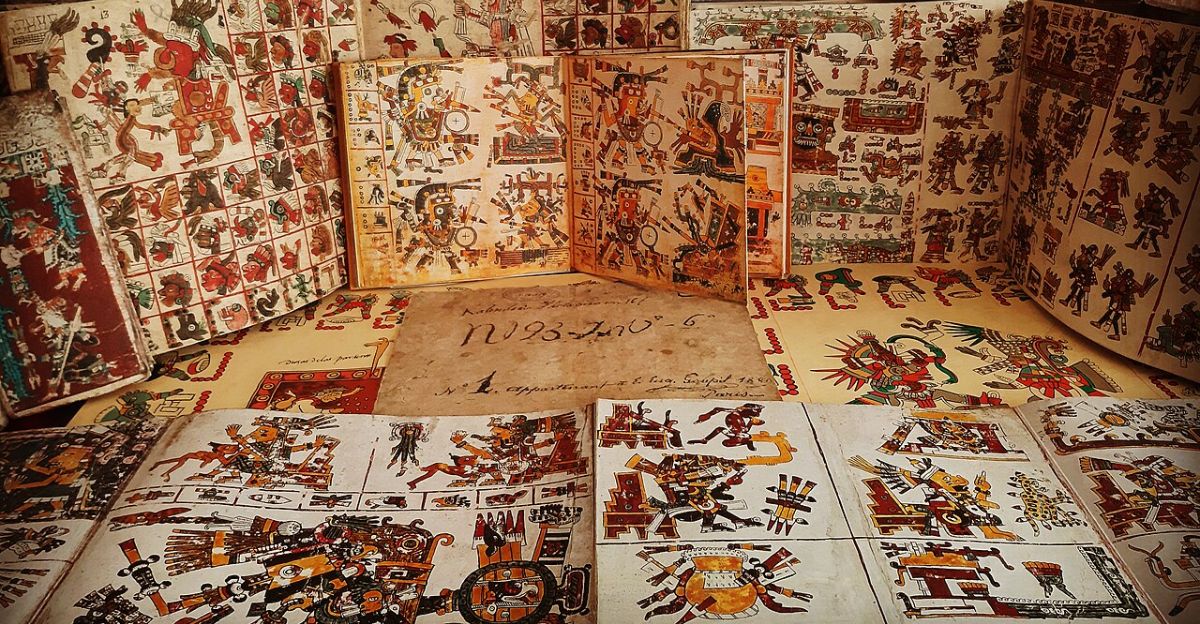
Monte Sierpe’s impact is being felt globally, influencing debates about indigenous innovation and record-keeping systems. Its resemblance to other ancient systems of accounting, such as Mesopotamian cuneiform or Mesoamerican codices, has prompted scholarly comparisons.
The site demonstrates how ancient civilizations independently developed sophisticated systems of trade and governance without written language. These discoveries expand understanding of human ingenuity across diverse cultures and time periods.
Legal and Environmental Stakes
As the site gains international attention, legal protections are being reviewed to prevent looting and environmental degradation. Monte Sierpe’s fragile archaeological context requires careful management by local authorities and international partners.
Sustainable research practices must be implemented to safeguard the site’s integrity while enabling scientific investigation. Balancing preservation with access remains a critical management concern as the site attracts growing international interest.
Cultural Shifts and Perceptions
Monte Sierpe’s discovery challenges long-standing stereotypes about pre-Hispanic Andean societies. The complexity of its design and the sophistication of its functions reveal that ancient Andean peoples possessed advanced technological and organizational capabilities.
This discovery reshapes global understanding of indigenous innovation and validates the intellectual achievements of pre-Columbian civilizations. Recognition of Monte Sierpe’s sophistication contributes to revaluing indigenous heritage and correcting historical misconceptions.
Why It Matters Now
Monte Sierpe’s rediscovery demonstrates the value of combining technological innovation with traditional archaeological methods. As a model for interdisciplinary research, the project illustrates how digital tools and field expertise can unlock ancient mysteries previously unsolved for centuries.
The site’s significance extends beyond archaeology, offering lessons about economic organization, regional integration, and human adaptability. Monte Sierpe stands as testament to the ingenuity of ancient Andean societies and the enduring importance of preserving and protecting cultural heritage for future generations.