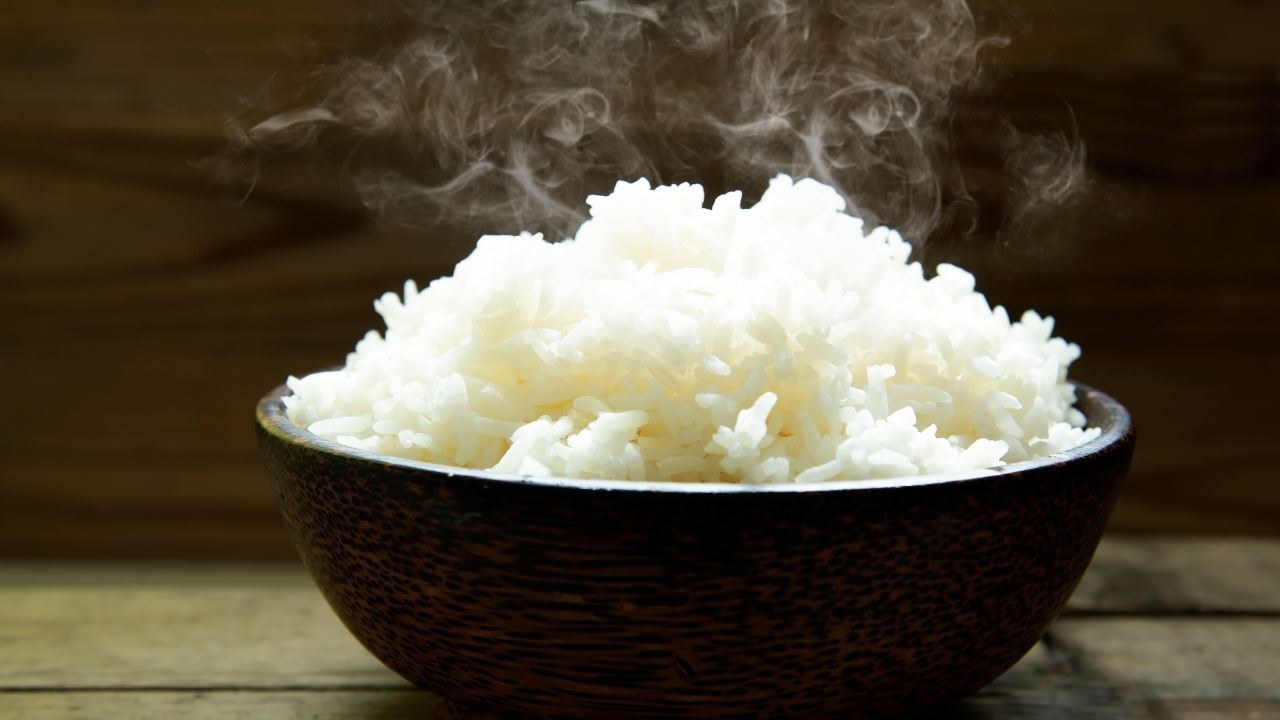
Cooking rice really comes down to one thing: getting the water ratio right. For most types of white rice, the classic rule is 2:1—2 cups of water for every 1 cup of rice. Some people prefer slightly firmer grains and use closer to 1½ cups of water per cup of rice, which also works well.
The type of rice you’re using makes a difference. Long-grain rice usually needs a bit more water than short-grain varieties because it contains less surface starch. Whatever ratio you choose, make sure you measure both the rice and the water using the same cup so your results stay consistent.
Rinsing your rice before cooking is optional, but it does help. A quick rinse removes excess starch, which keeps the grains from sticking together. If you do rinse, reduce the water slightly—about two tablespoons less per cup of rice—to avoid soggy results. Once your rice is rinsed, add it to a pot along with the water and a pinch of salt, if you like. Bring everything to a rolling boil over high heat.
Timing Matters More Than You Think
As soon as the water boils, turn the heat down to a gentle simmer and cover the pot with a tight-fitting lid. From this point on, resist the urge to peek. Lifting the lid lets steam escape, which can throw off the cooking process.
Let the rice cook undisturbed. White rice usually takes 15 to 18 minutes, while brown rice needs closer to 40 to 45 minutes. Stirring during cooking is a common mistake—it releases starch, turning fluffy rice into a sticky mess.
Once the cooking time is up, turn off the heat but leave the lid on. Let the rice rest for another 10 minutes. This step allows the remaining moisture to settle evenly, which makes a noticeable difference in texture.
The Real Secret to Fluffy Rice
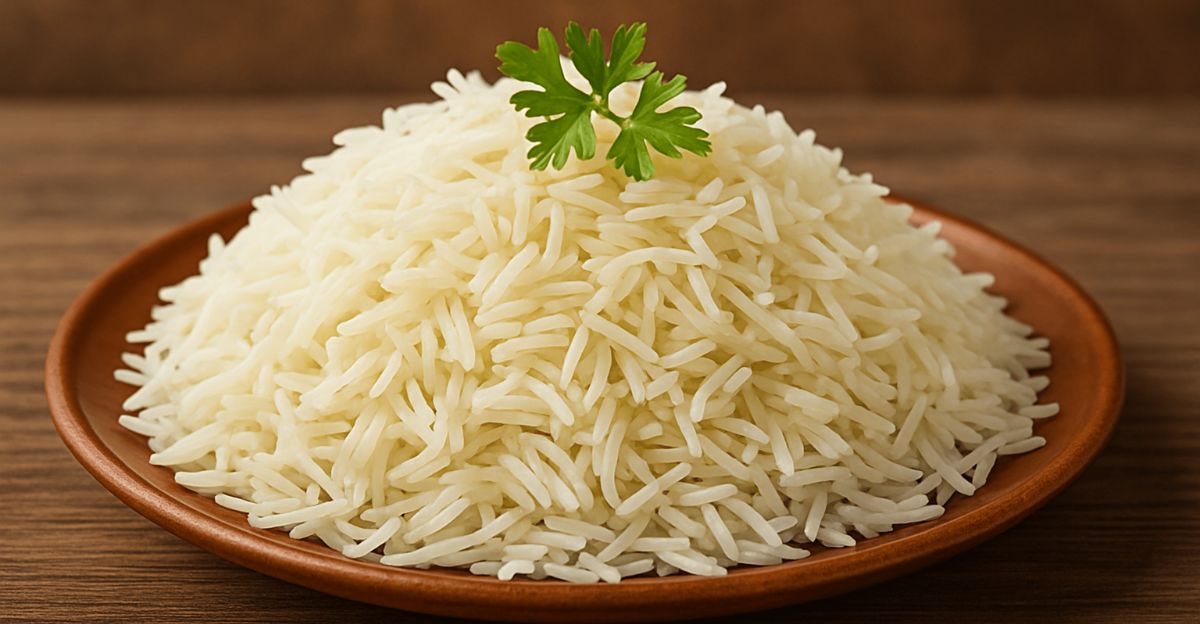
Perfect rice isn’t magic—it’s just a bit of simple food science. As rice heats up, it absorbs water and softens in a process known as starch gelatinization. Too much heat can scorch the bottom of the pot, while too little heat leaves the center undercooked. That’s why a steady, low simmer works best.
Your cookware also plays a role.
A heavier pot with a well-fitting lid helps trap steam and prevents too much moisture from escaping. Thin pots or loose lids let steam leak out, which can leave your rice dry or unevenly cooked. This is one reason the same recipe can work perfectly in one kitchen and fail in another.
If you prefer oven-baked rice, set the oven to 350°F (180°C). Place the rice and water in an oven-safe dish, cover it tightly with foil, and bake for 30 to 35 minutes. The sealed environment helps the rice cook evenly with minimal evaporation.
After the rice has cooked and rested, fluff it gently with a fork. This separates the grains and releases any trapped steam. Properly cooked rice should look light and fluffy, with each grain standing on its own rather than clumping together. Store leftovers in the fridge within two hours of cooking, and reheat them to at least 165°F (74°C) before eating.
Sources:
- Food Network, How to Cook Rice: A Step-by-Step Guide, September 25, 2024
- BBC Good Food, How to Cook Rice, January 14, 2026
- Lotus Ministry Trust, Fluffy White Rice Cooking Techniques & Science Explained, April 30, 2025
- RecipeTineats, How to Cook White Rice Easily and Perfectly, April 28, 2025
- Cook’s Science at America’s Test Kitchen, The Science of Good Cooking, May 1, 2016
- N.C. Cooperative Extension, Safety of Leftover Rice, February 18, 2024