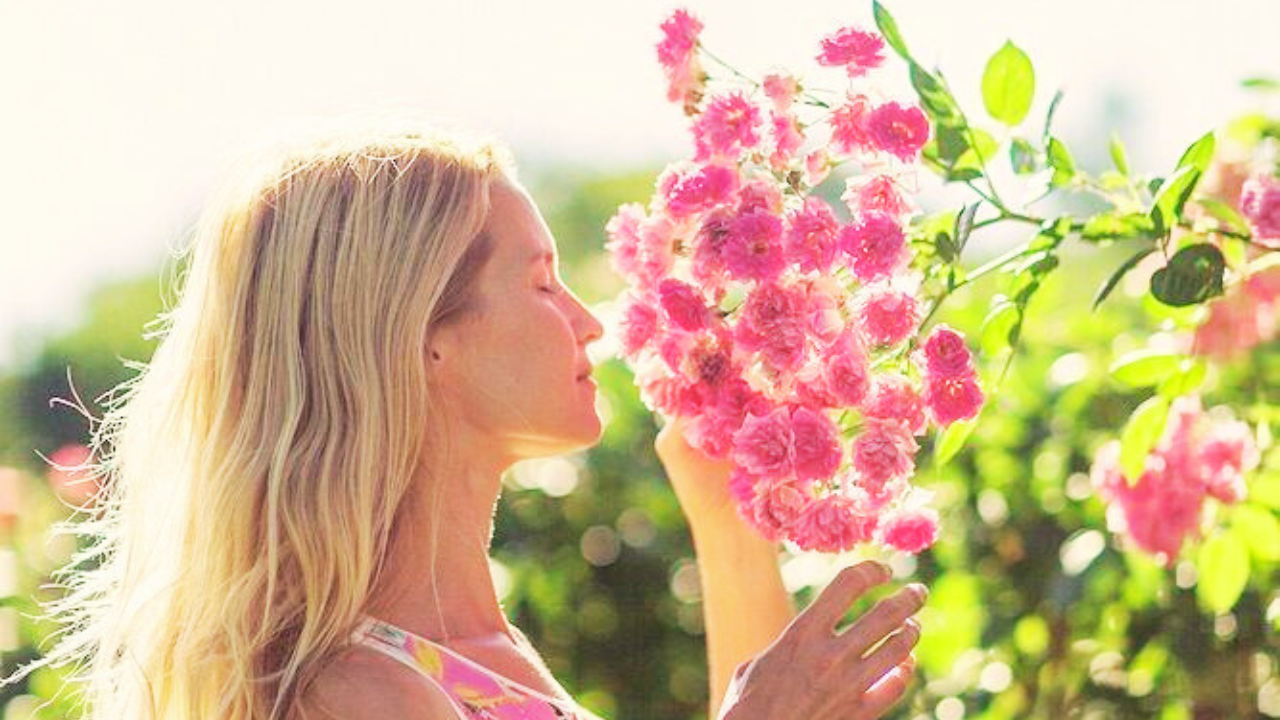
For years, many of us have blamed time for everything we can’t seem to finish. We buy new planners, set earlier alarms, and cram more into already crowded days only to end most evenings with the same nagging feeling: I should have done more. But what if the problem isn’t time at all? What if the real game-changer is your energy?
Designing your life around energy, not time, is less about squeezing productivity out of every hour and more about learning how you actually feel in those hours. Think of it as lifestyle design with your nervous system in mind. Instead of marching through a rigid schedule, you’re learning your own rhythm and building your day around it.

1. Start by noticing your natural rhythm
For the next three days, treat yourself like a quiet experiment.
- When do you feel clear, bright, and switched on?
- When do you get foggy or restless?
- When do you crave people, and when do you want silence?
You’re not judging, you’re observing. This is your personal “energy map.” Morning person, slow-starter, post-lunch zombie—it all belongs. The goal is simple: know when you’re at your best so you can stop fighting who you are.
2. Sort your tasks by energy, not importance
Now comes the practical magic. Instead of asking, “What’s most urgent?” ask, “What does this task need from me—high, medium, or low energy?”
- High energy: deep thinking, writing, strategy, creative problem-solving.
- Medium energy: meetings, calls, collaboration, learning something new.
- Low energy: admin, emails, tidying, simple errands—or deliberate rest.
Then, match them. Do your deep work when you’re naturally sharp, not when you’re running on fumes. Save admin for your slowest hours. Suddenly, “discipline” becomes less of a battle and more of a natural fit.
3. Design tiny rituals that recharge you
Energy isn’t a one-time resource you spend—it’s renewable, if you treat it that way. Scan your day for micro-moments where you can refuel instead of powering through.
- A five-minute walk between meetings.
- Two minutes of deep breathing before opening your inbox.
- A screen-free lunch instead of eating at your keyboard.
These small rituals are not indulgences; they’re maintenance. When you sprinkle them throughout your day, everything else feels lighter.
4. Protect yourself from quiet drains
Some things don’t just use your energy—they leak it. Constant notifications, cluttered spaces, certain conversations, even the way you multitask, can leave you feeling oddly flat.
Ask yourself a simple question throughout the day: “Is this giving me energy, keeping it steady, or taking it away?” When something keeps landing in the “draining” column, experiment with a boundary: mute it, move it, minimise it, or drop it altogether.
5. Let energy, not the clock, guide your day
Designing your life around energy doesn’t mean ignoring your responsibilities. It means honoring your humanity while you meet them. Time will always move in straight lines. Your energy won’t, and that’s okay.
When you build your days around how you actually feel, life stops being a race against the clock and starts feeling more like a rhythm you can dance with. And the real “productivity hack” is this: when your energy is on your side, you don’t just get more done—you feel more alive while you’re doing it.
Sources:
- Harvard Business Review – “Manage Your Energy, Not Your Time”
A foundational piece arguing that performance improves when people manage physical, emotional, mental, and spiritual energy rather than hours on the clock. - Intendify – “How to build a life around your energy (not a schedule)”
A practical, lifestyle-focused guide on noticing personal energy patterns, matching tasks to energy, and designing energy-friendly routines. - Acacia Learning – “Elevating Productivity: Energy Management vs. Time Management”
Explains the difference between time and energy management, with strategies for improving focus, recovery, and sustainable productivity.