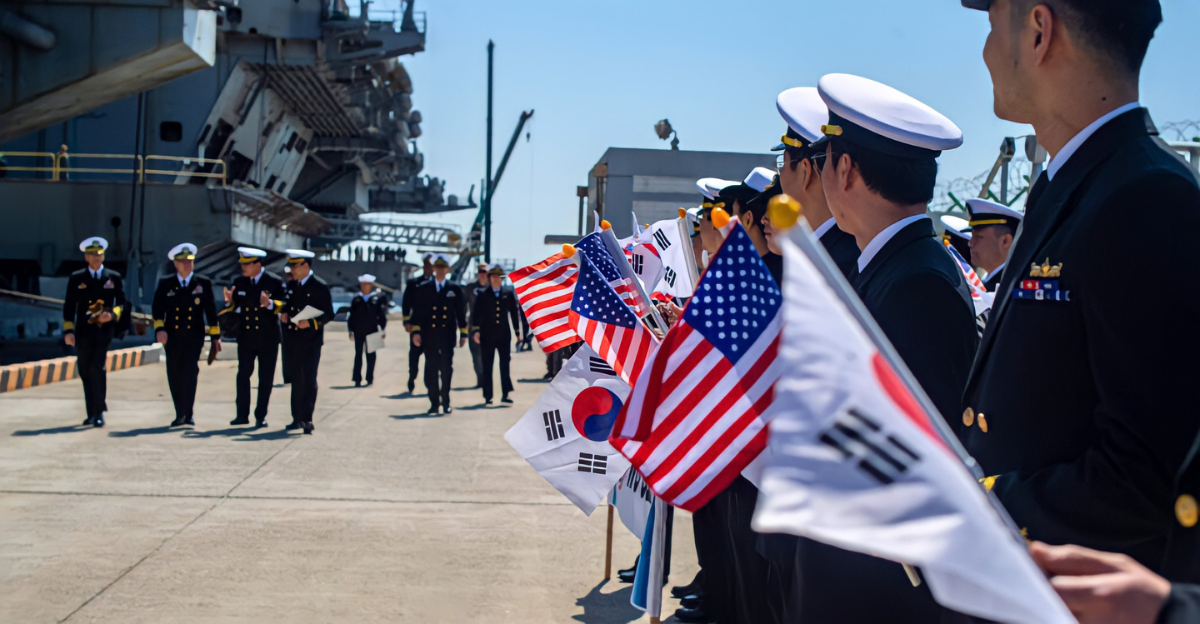
China’s military footprint in East Asia has tripled in recent years, with Chinese warships now routinely operating near key maritime chokepoints. The Japan Defense Ministry reports a dramatic surge in aerial confrontations, with fighter jets scrambling 704 times in fiscal 2024 alone, according to NTV News. This mounting pressure creates growing concerns about potential flashpoints in the region, particularly around disputed territories that could spark wider conflict.
Japan Breaks Defense Spending Records Again
Japan’s government approved a historic 8.7 trillion yen defense budget for fiscal 2025, marking the thirteenth consecutive annual increase. The Diplomat confirms this represents the largest military spending commitment in Japan’s post-war history, reflecting Tokyo’s assessment that it faces the most severe security challenges since World War II. Defense officials state that this budget surge signals Japan’s determination to counter regional threats from nuclear-armed neighbors.
Seven Decades of Partnership Under Pressure
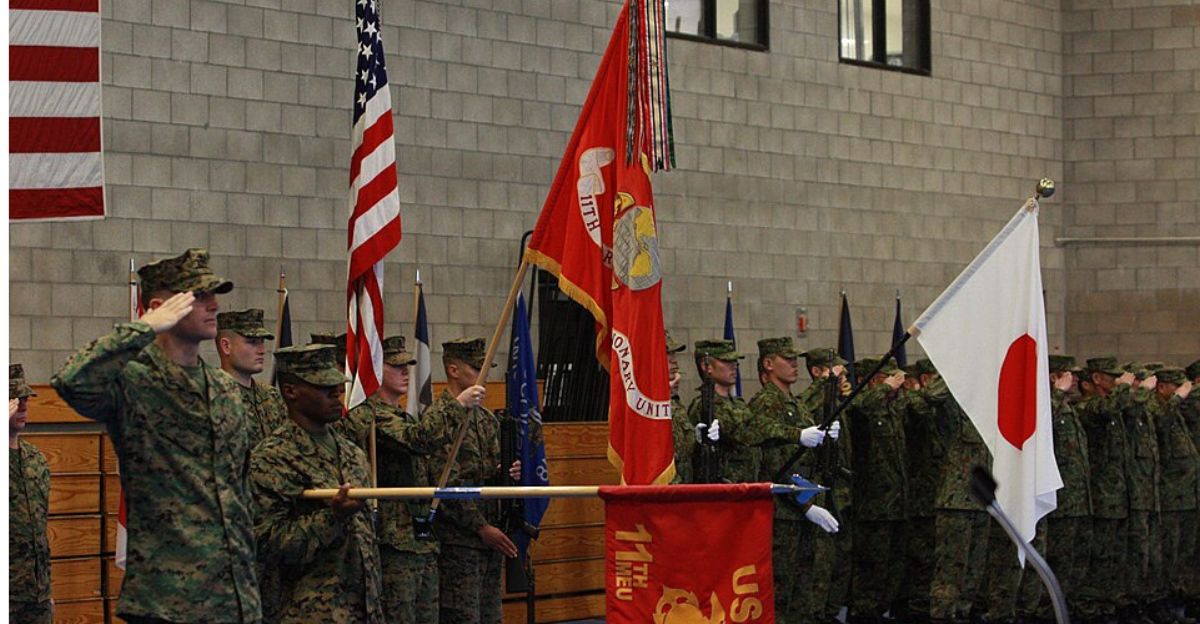
The U.S.-Japan security alliance, formalized through the 1960 Treaty of Mutual Cooperation and Security, forms the cornerstone of regional deterrence strategy against Chinese expansion. White House documents show Japan hosts approximately 50,000 American military personnel, more than any nation outside the United States. Military analysts note this partnership has evolved from post-war occupation arrangements into a comprehensive defense framework addressing modern security challenges from Beijing and Pyongyang.
Chinese Carriers Flex Muscle in Pacific Waters
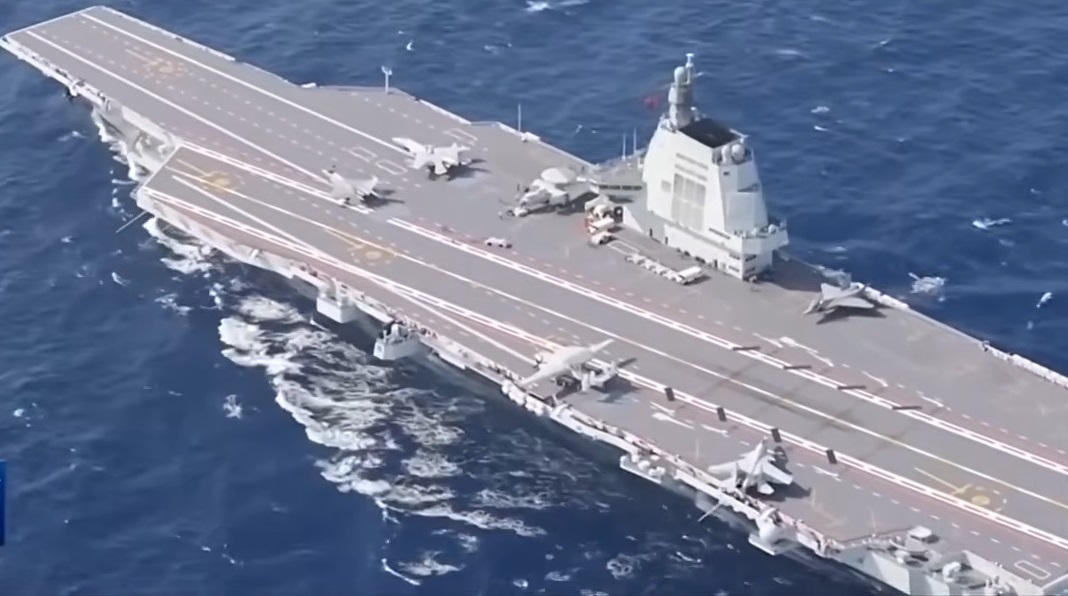
Chinese aircraft carriers operated together in the Pacific for the first time in 2024, conducting maneuvers within Japan’s exclusive economic zone and raising alarm bells in Tokyo. Naval News reports Beijing’s coast guard has expanded to 161 large vessels, including two 10,000-ton patrol ships among the world’s largest. Japanese officials describe these developments as representing China’s most assertive maritime posture in decades, creating new strategic realities that demand immediate response.
Japan Designates 40 Strategic Sites for Military Emergency Use
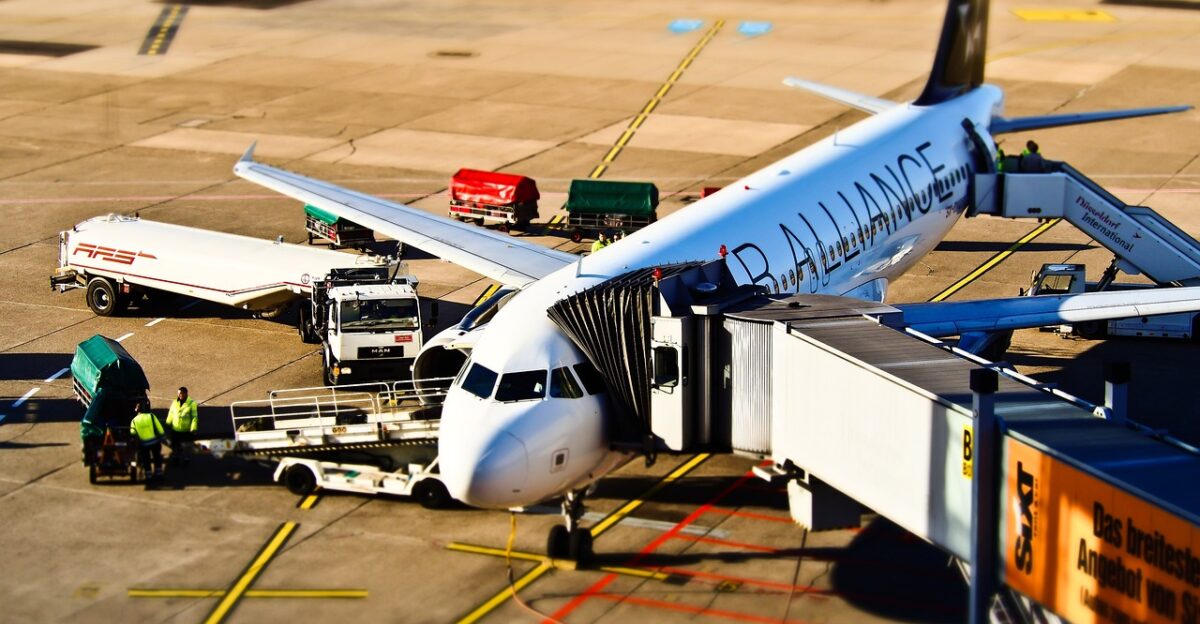
Japan has officially designated 40 strategic sites across the country for “specified use” by Self-Defense Forces and the Coast Guard during emergencies. Arab News Japan confirms the designation covers 14 airports and 26 seaports, approved in phases between April and August 2024. This grants military forces rapid access to civilian facilities during crises. The Asian Forum notes these sites concentrate in the southwestern regions closest to potential Taiwan conflict zones, representing the most significant civilian-military infrastructure integration since WWII.
Southwestern Islands Become Defense Priorities
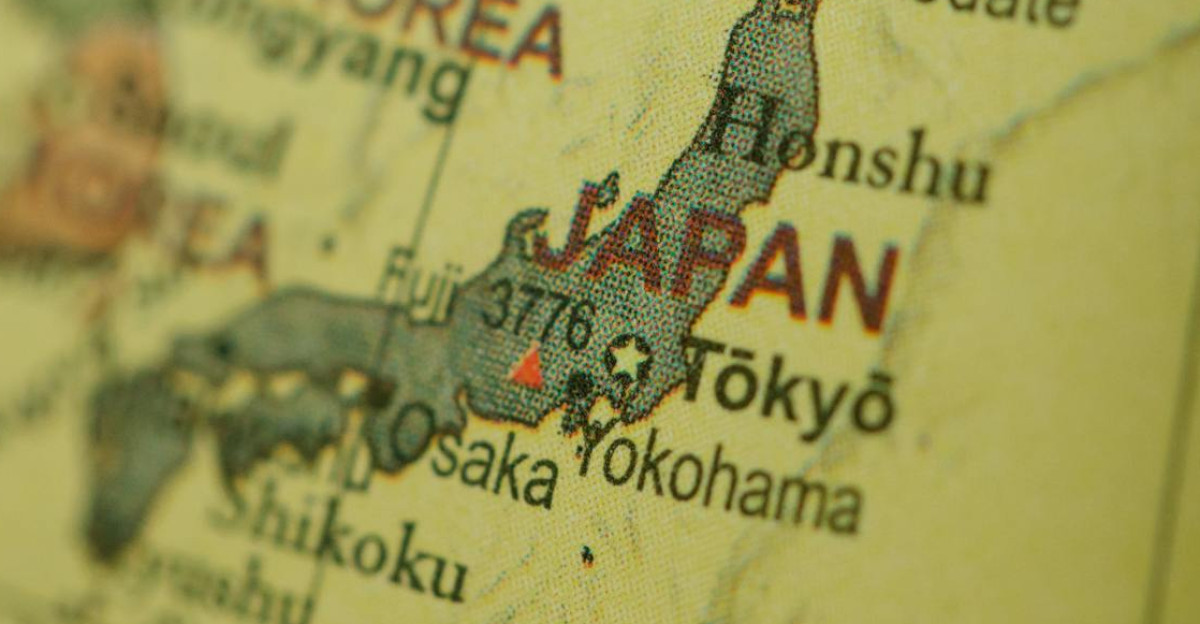
The Defense Ministry selected five airports and eleven seaports for significant infrastructure upgrades, including runway extensions and deeper docks capable of accommodating destroyers. Xinhua News reports facilities in Okinawa, Kyushu, and Hokkaido received priority designation due to their strategic positioning near potential flashpoints. Local governments signed agreements specifying emergency usage parameters while maintaining civilian operations as primary functions, balancing security needs with community concerns.
Cabinet Officials Defend Controversial Designations
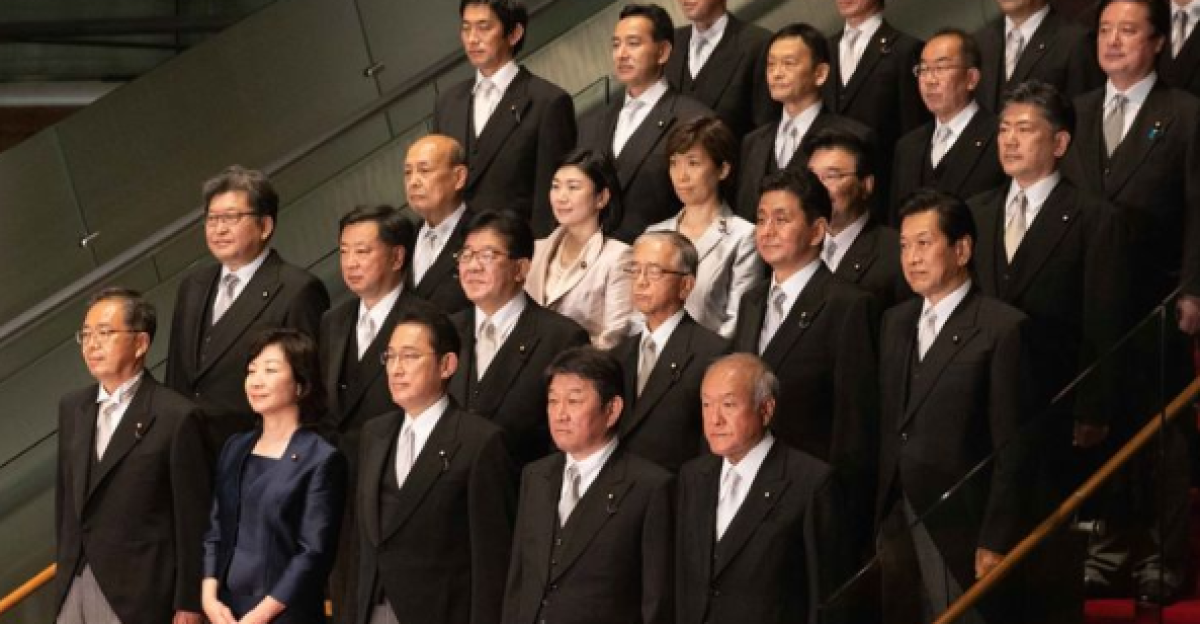
Chief Cabinet Secretary Yoshimasa Hayashi stated that “allowing the SDF and coast guard to use airports and ports where they are needed will enhance our defense capabilities,” defending the government’s approach to critics. Arab News Japan reports residents express mixed reactions, with some viewing upgrades as economic opportunities while others worry about becoming military targets. Government officials promised limited peacetime military usage to address growing community concerns about the militarization of civilian infrastructure.
Regional Arms Race Accelerates Across Pacific
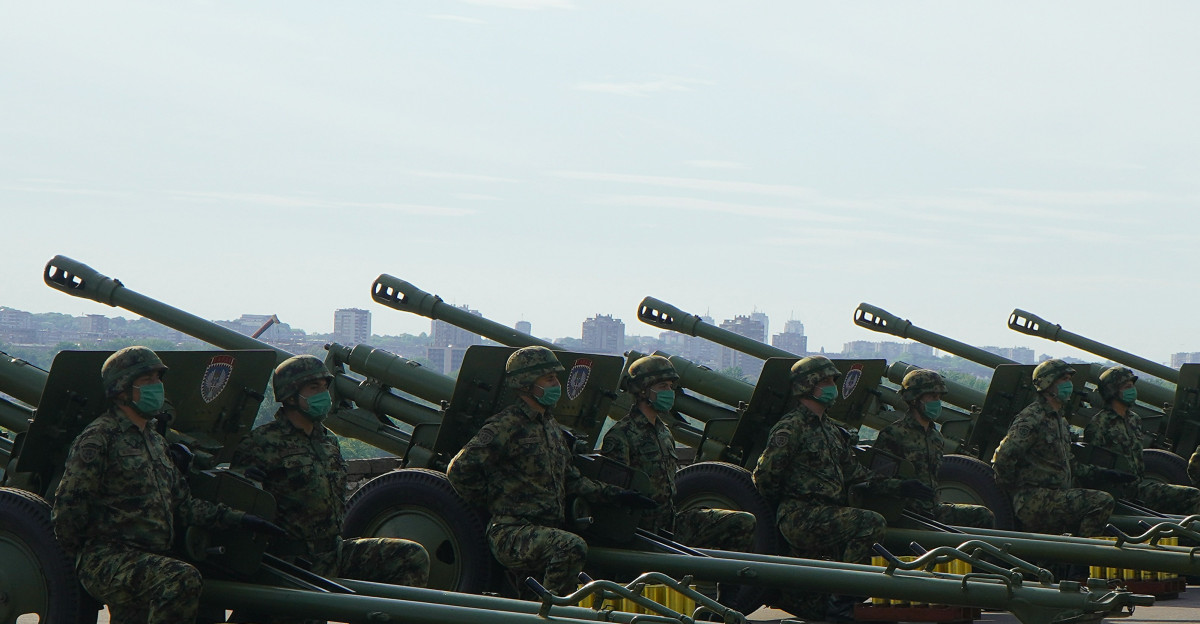
The United States deployed Typhon missiles to Japan in August 2025, putting China, Russia, and North Korea within strike range and escalating regional military tensions. United24 Media confirms that South Korea and the Philippines simultaneously announced their defense infrastructure modernization programs in response to Chinese assertiveness. These parallel developments reflect region-wide military preparations amid escalating threats from Beijing’s expanding military presence and North Korea’s nuclear weapons program.
Japan Abandons Decades of Pacifist Constraints
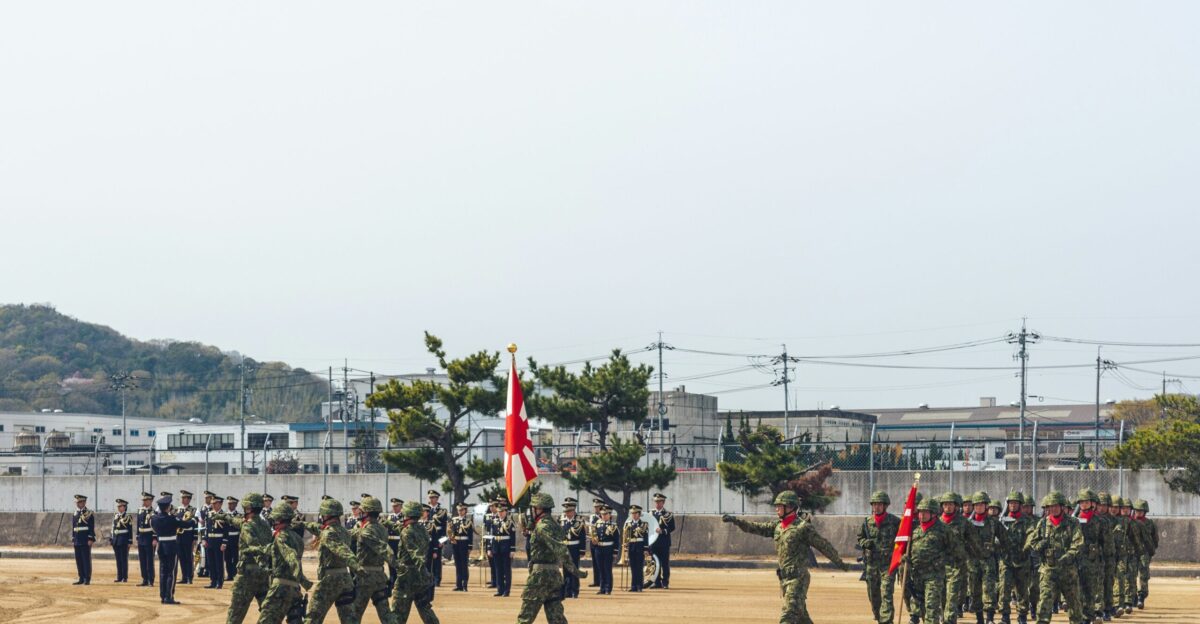
Japan’s 2022 National Security Strategy authorized unprecedented civilian-military infrastructure integration, breaking decades-old constitutional constraints on military activities. The Asian Forum explains that the strategy emphasizes “comprehensive” defense operations across all domains, requiring rapid military mobilization capabilities previously unthinkable. Defense experts consider this Japan’s most significant defense posture shift since adopting its pacifist constitution, reflecting fundamentally changed threat perceptions in the Indo-Pacific region.
Mass Evacuation Plans Ready for Taiwan Crisis
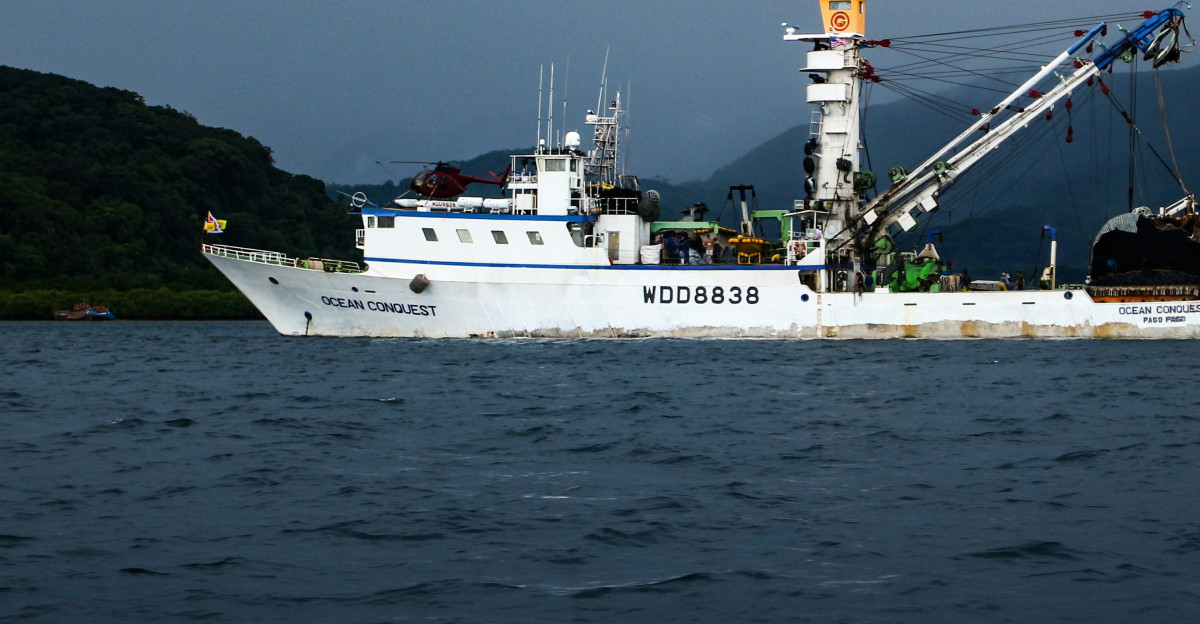
Japan unveiled comprehensive evacuation plans for 120,000 residents and tourists from Okinawa’s southwestern islands in potential Taiwan contingencies. Stars and Stripes details that the six-day operation would utilize designated airports and seaports to transport civilians to safety across eight prefectures in southwestern Japan. Government sources confirm this marks the first official acknowledgment of potential civilian displacement in regional conflict scenarios, highlighting the growing reality of war preparations.
Local Governments Initially Resist Military Designations
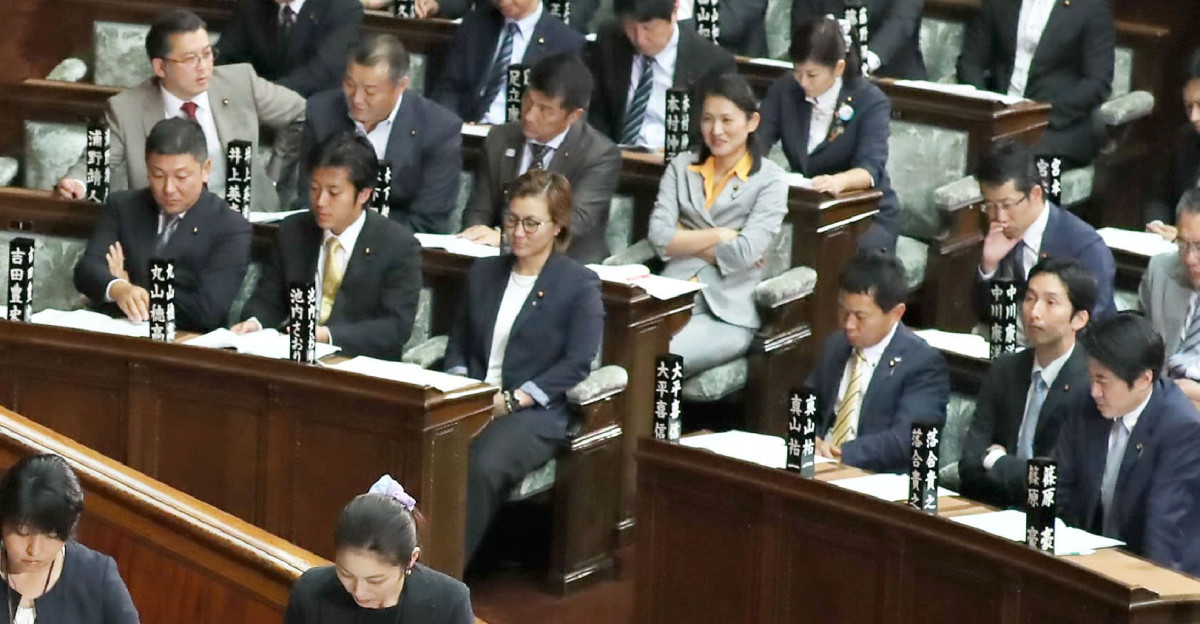
Several prefectures initially refused participation in the designation program, citing inadequate consultation with local communities about the militarization of civilian infrastructure. Arab News Japan reports that the Fukui, Kumamoto, and Kagoshima governments demanded better explanations before allowing military access to civilian facilities in their jurisdictions. Municipal leaders expressed serious concerns about becoming targets while questioning compensation arrangements for potential damages during military operations.
Command Integration Addresses Communication Gaps
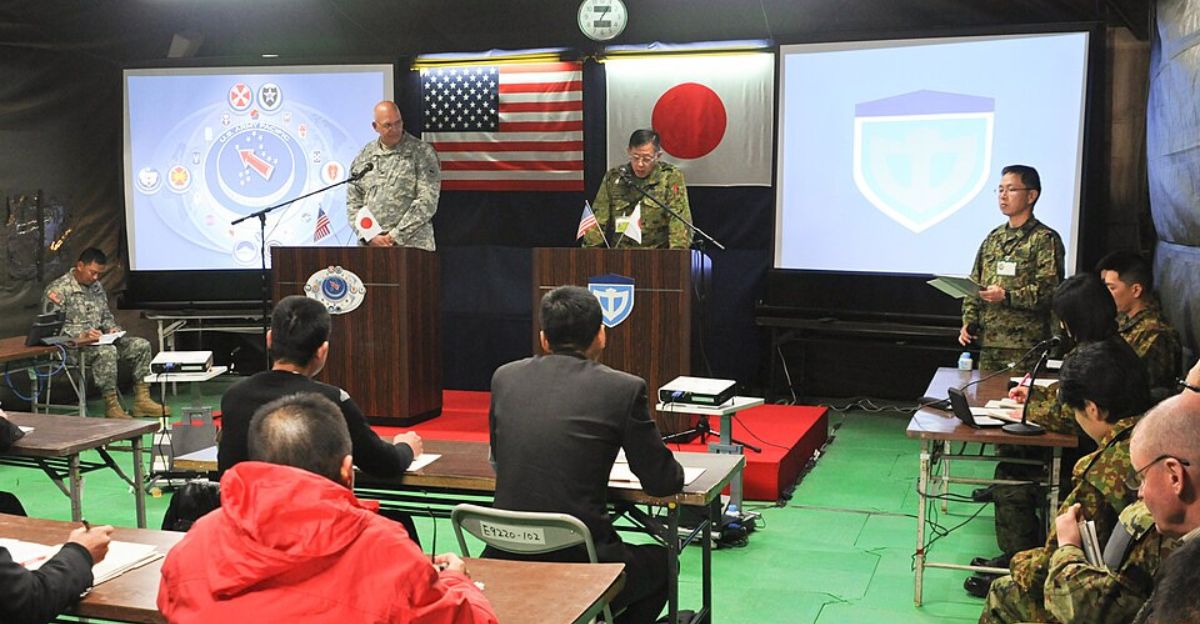
Japan and the United States agreed to upgrade their command frameworks to improve coordination during crises and address longstanding operational challenges. Straton News Global notes the plan tackles communication delays caused by the 19-hour time difference between the U.S. Indo-Pacific Command headquarters in Hawaii and Japanese forces. Enhanced integration aims to enable rapid joint operations across designated facilities, creating more effective deterrent capabilities against Chinese aggression.
Billions Allocated for Military Infrastructure Upgrades
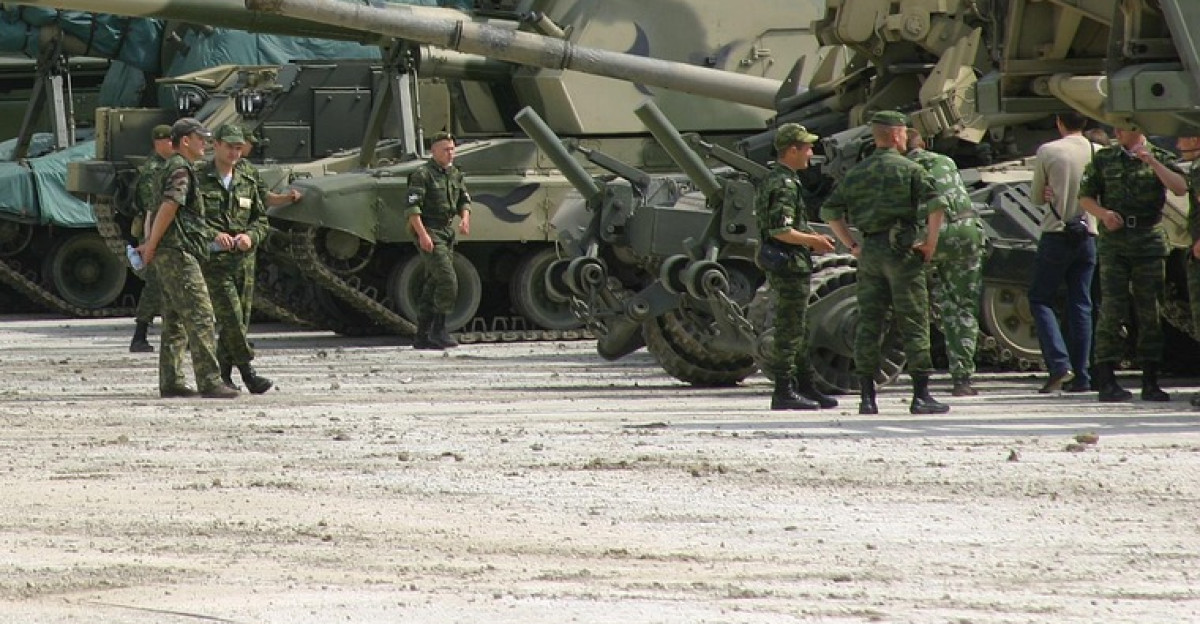
The government initially allocated 37 billion yen for infrastructure improvements at designated sites, with additional funding planned through 2027 for military readiness. Xinhua News confirms construction projects will strengthen runways for fighter jets and deepen ports for large naval vessels to handle emergency military operations. These enhancements also benefit civilian users through improved logistics capabilities and disaster preparedness, creating dual-use infrastructure for military and civilian purposes.
Experts Question Constitutional Compliance

Defense analysts view the designation program as Japan’s pragmatic response to changing threat dynamics while remaining within constitutional limits. The Asian Forum reports military experts emphasize the deterrent value of visible readiness preparations against Chinese expansion in the region. However, constitutional scholars question whether expanding military access represents gradual reinterpretation through administrative means, potentially undermining Japan’s pacifist principles without formal constitutional amendment.
Government Plans Large-Scale Crisis Drills
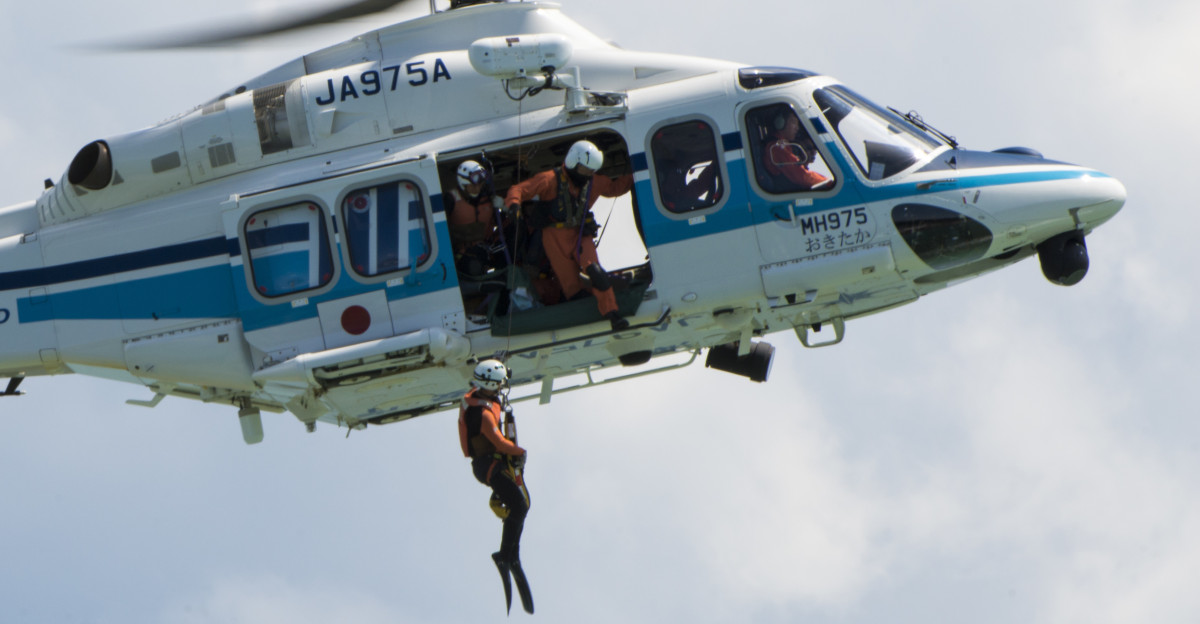
The government plans comprehensive evacuation drills by fiscal 2026 to test designated facility capabilities under emergency conditions and identify operational weaknesses. Japan News reports these exercises will evaluate coordination between civilian authorities and military forces across multiple prefectures during simulated conflict scenarios. Success in these drills will determine whether additional sites receive designation in subsequent phases, expanding Japan’s crisis response capabilities.
Constitutional Debates Intensify Over Military Expansion

Japan’s pacifist constitution limits military activities to self-defense, requiring careful legal justification for facility designations amid growing political opposition. The Asian Forum explains that the Civil Protection Act provides authority for emergency infrastructure use while maintaining constitutional compliance through defensive framing. Legal scholars actively debate whether expanding military access represents gradual constitutional reinterpretation through administrative means, potentially undermining pacifist principles without formal democratic amendment processes.
Beijing Condemns Japanese Military Preparations
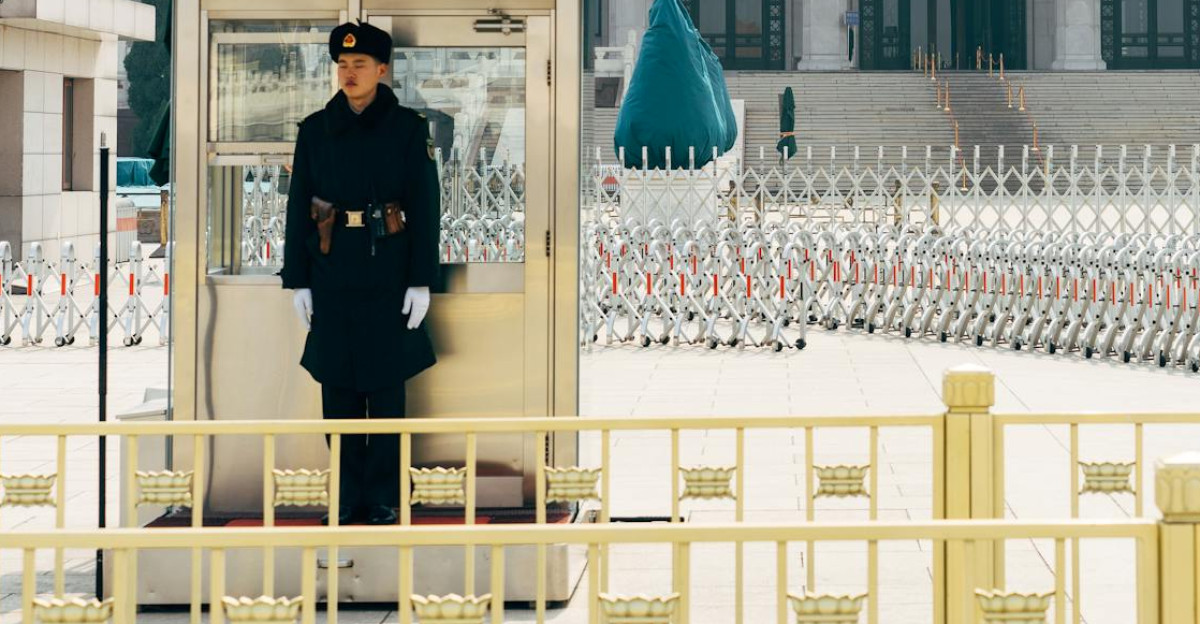
China immediately condemned the facility designations as provocative escalation, accusing Japan of “stirring up tensions” in the region rather than promoting stability. Anadolu Agency reports Beijing warned that military preparations increase conflict risks and threaten regional peace through unnecessary militarization of civilian infrastructure. Regional allies, however, praised Japan’s defensive measures as legitimate responses to changing security environments created by Chinese military expansion.
Defense Spending Creates Economic Opportunities and Risks
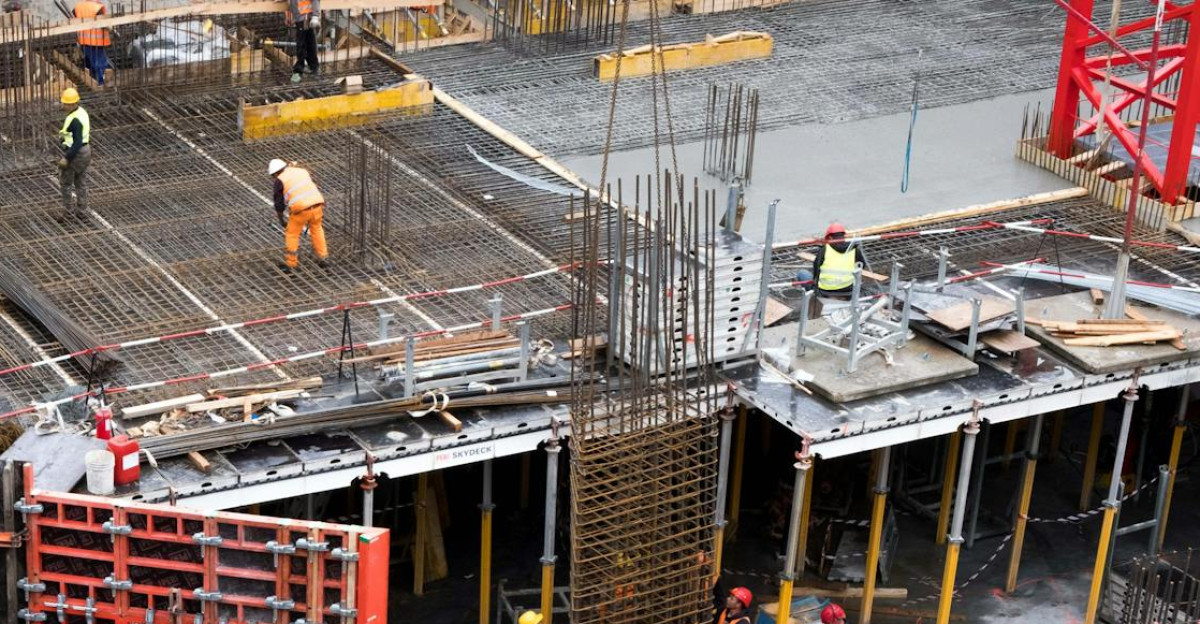
The defense infrastructure program creates significant opportunities for the Japanese construction and logistics industries while raising concerns about dual-use facility costs during wartime. The Asian Forum notes local economies benefit from substantial government investment, but potential target status during conflicts poses serious long-term risks to communities. Insurance companies are actively reassessing coverage for facilities with military designations, reflecting growing recognition of wartime risks.
Okinawans Express Deep Ambivalence About Military Concentration
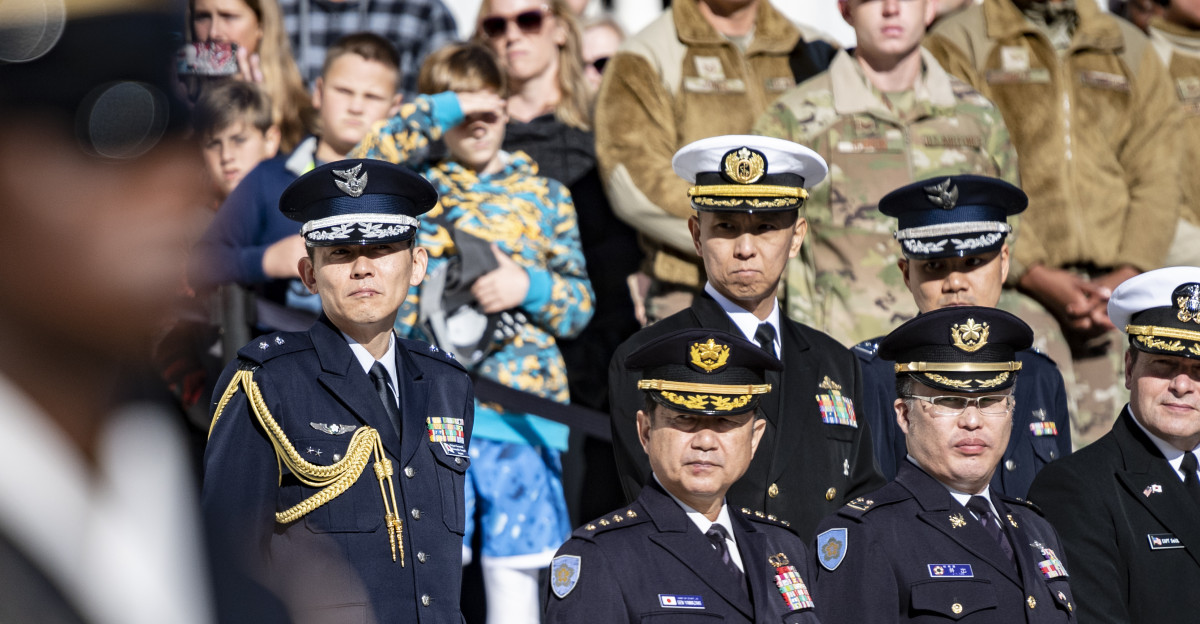
Opinion polls show that 70% of Okinawans consider the concentration of military facilities unjust, reflecting deep ambivalence about the expanded military presence on their islands. Deutsche Welle reports that younger generations are concerned about becoming frontline territories in potential conflicts between superpowers. The government faces ongoing challenges balancing urgent security needs with public acceptance, especially in communities bearing disproportionate military burdens.
Japan Prepares for Uncertain Future While Maintaining Peace
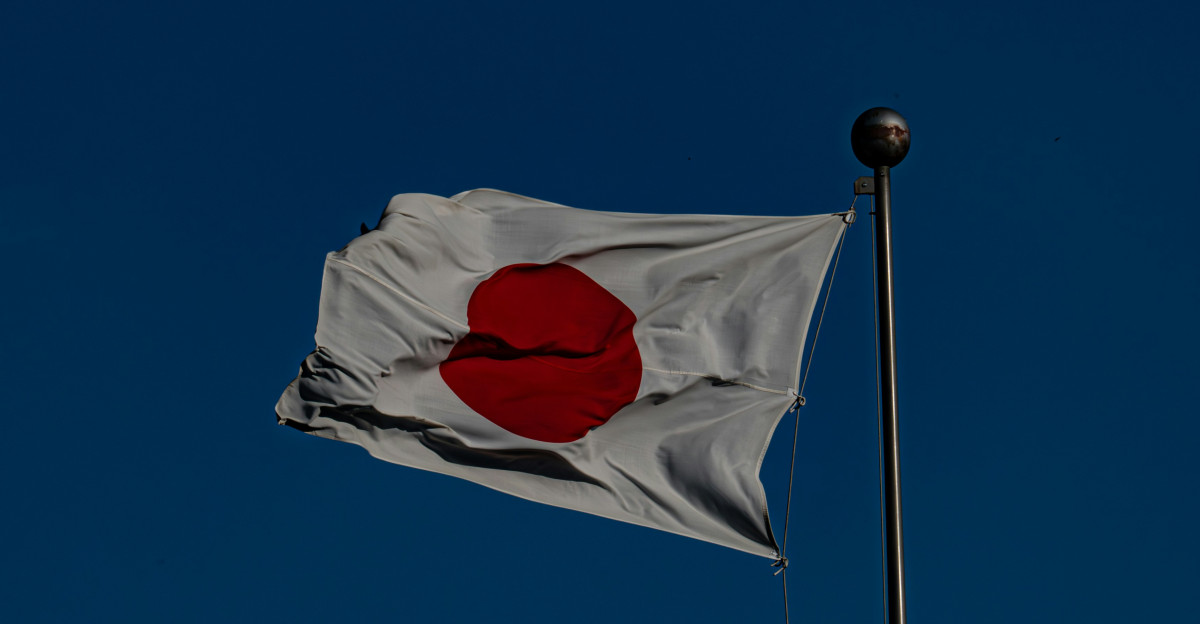
The designation program represents Japan’s quiet preparation for potential conflicts while carefully maintaining its defensive constitutional posture against Chinese expansion. The Asian Forum emphasizes that these civilian-military preparations signal Tokyo’s recognition that regional stability requires visible deterrent capabilities in an increasingly dangerous world. This initiative reflects broader questions about how democratic nations balance security imperatives with civilian protection in an era of great power competition and rising authoritarianism.