For a Midwest spring garden, focus on cool-season vegetables that tolerate chilly soils and light frost, then follow with a few quick warm-season crops once danger of frost has passed.
Understanding Midwest Spring
Most of the Midwest falls in USDA Zones 3–6, with cold winters and a last frost from about April to mid‑May depending on location. Cool‑season vegetables such as peas, spinach, and radishes can go in as soon as the soil is workable, often 4–6 weeks before your average last frost. Warm‑season crops like beans and cucumbers should wait until after the last frost date and when soil has warmed.
Top Cool-Season Vegetables
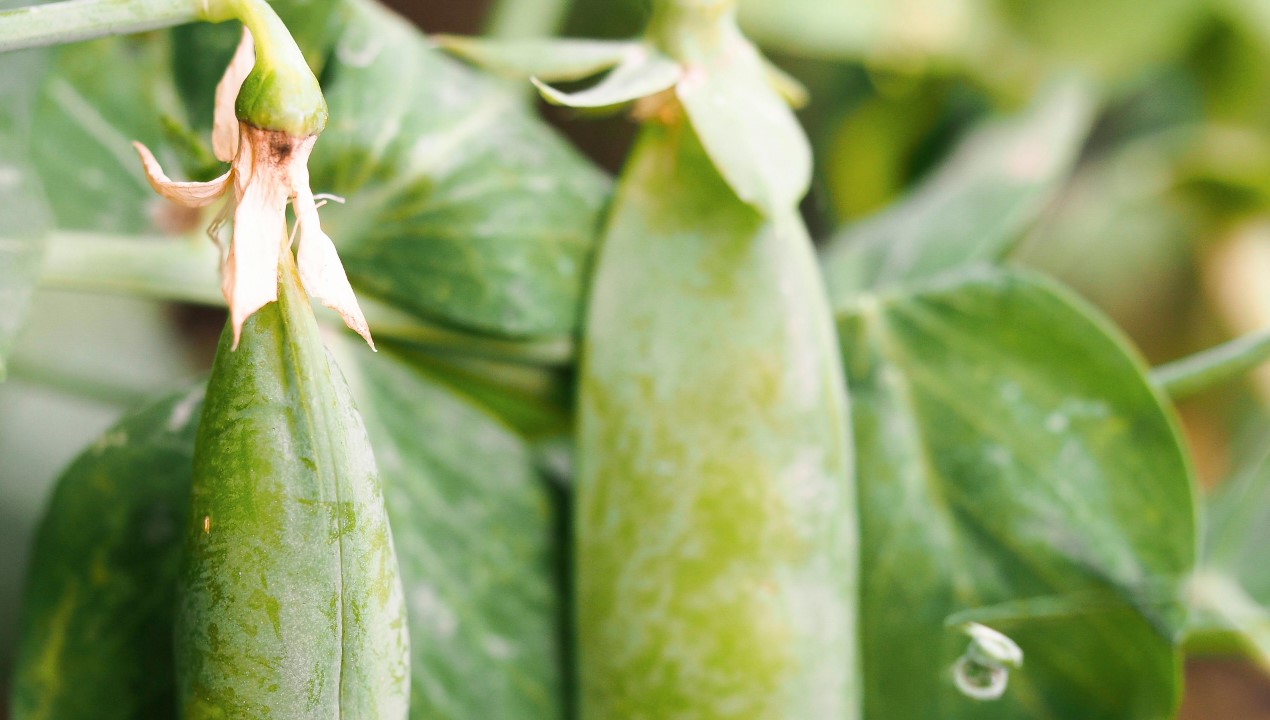
Peas: Snap and shelling peas thrive in cool weather and can be sown directly outdoors as soon as the soil can be worked, often late March to April in Zones 4–6. They handle light frosts and give a heavy harvest before summer heat arrives.
Lettuce: Leaf and romaine lettuces grow quickly in cool temperatures, and can be sown outdoors 4–6 weeks before the frost‑free date for tender, sweet leaves. Successive small sowings every 1–2 weeks keep salads coming into early summer.
Spinach: Spinach is very cold‑tolerant, germinating in cool soil and producing best before hot weather; it is listed among the hardy cool‑season crops for early spring sowing in Midwest zones. Many gardeners re‑sow spinach again toward late summer for a fall crop.
Radishes: Radishes are classic early spring vegetables that germinate in cold soil and mature in as little as 3–4 weeks. They fit well between slower crops like cabbage or carrots to maximize small beds.
Carrots and beets: Both root crops can be sown as soon as the soil is workable and above about 40°F, making them good early choices in the central Midwest. They tolerate light frost and store well in the ground into early summer.
Broccoli and kale: These brassicas are cool‑season workhorses; guides for Zones 4–6 highlight broccoli and kale as ideal spring crops that relish cool temperatures and mature by early summer. Start them indoors 4–6 weeks before planting out, then transplant a couple of weeks before last frost if hardened off.
Half-hardy spring choices
Some vegetables prefer cool weather but need slightly warmer soil, so they go in closer to the last frost date.
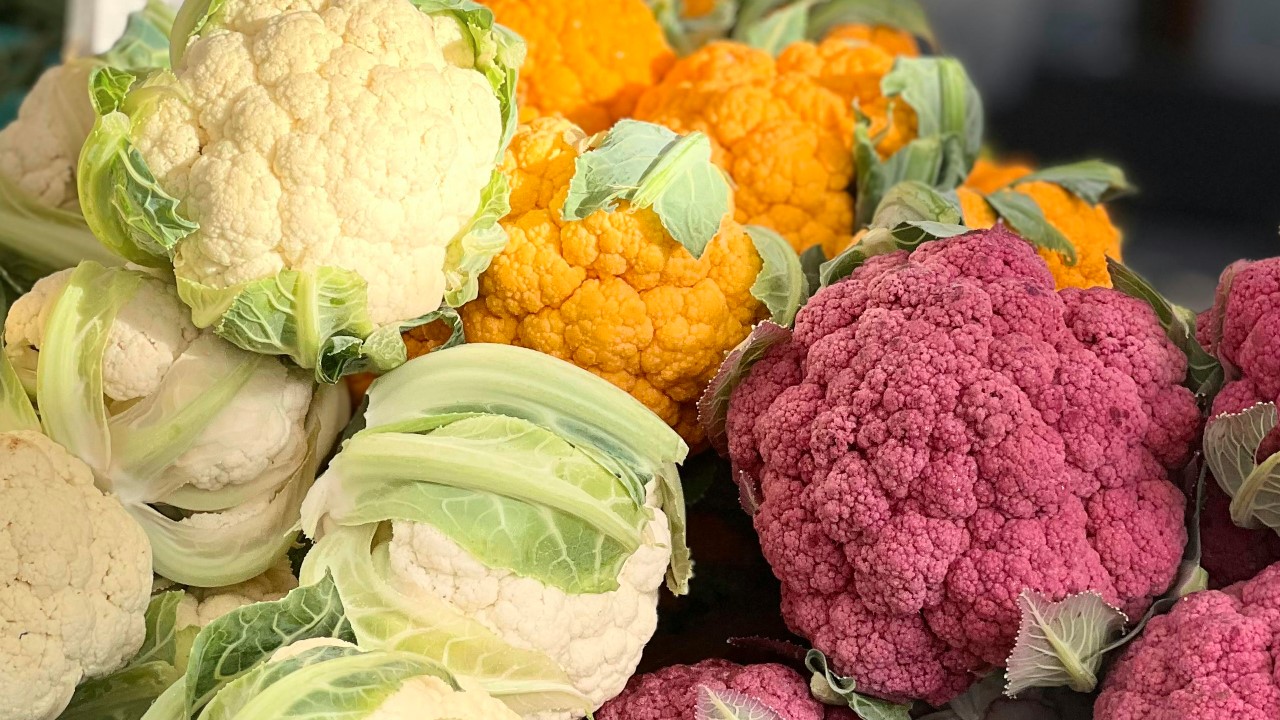
Cabbage and cauliflower: These half‑hardy brassicas can be transplanted outdoors about 2–3 weeks before the frost‑free date in much of Illinois and surrounding states. They appreciate rich soil and consistent moisture to form firm heads before summer heat.
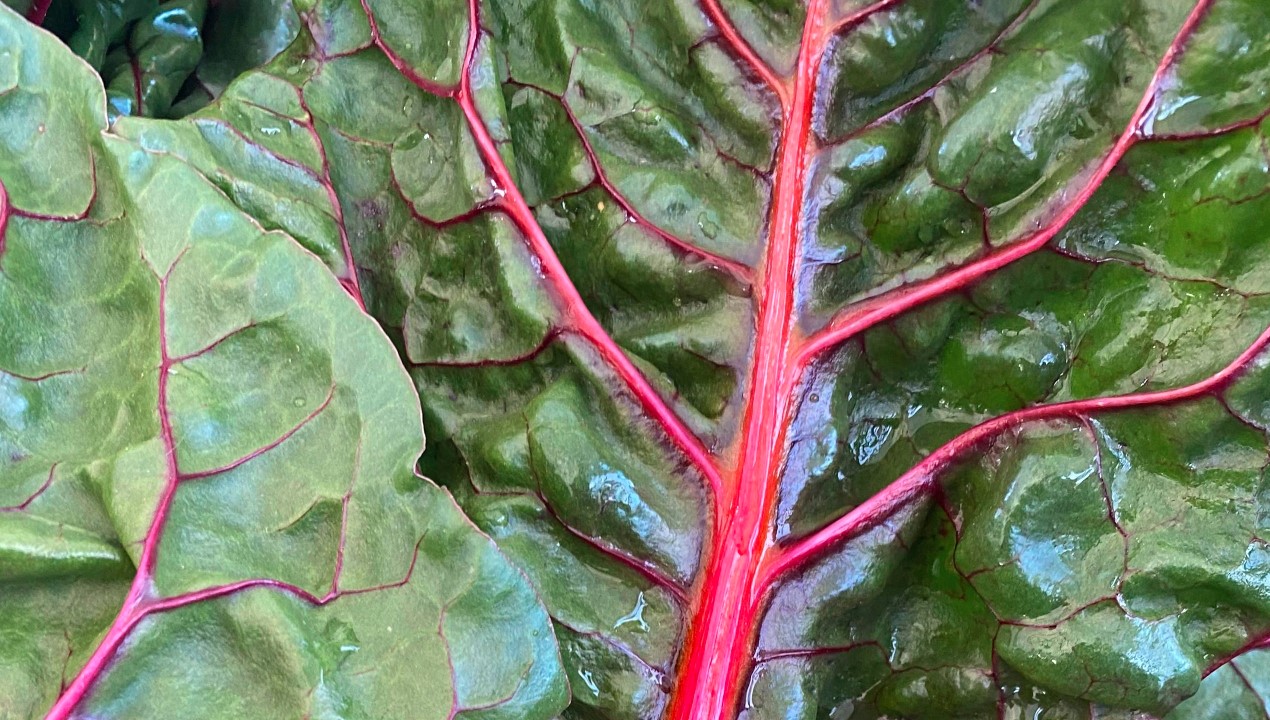
Chard and collards: Swiss chard and collard greens are reliable leafy crops that tolerate cool weather and modest heat, and they appear on central Midwest April sowing lists. Once established, you can harvest outer leaves over many weeks.
Early Warm-Season Follow-Ups
Once frost danger has passed (often early to mid‑May in Zones 5–6), you can transition parts of your spring bed into fast warm‑season vegetables.
Bush beans: Beans are recommended warm‑season vegetables for Zones 4–6, sown after soil warms; they grow quickly and fit well after early peas or radishes.
Cucumbers and summer squash: Plant these after your last frost, as they are frost‑tender but mature relatively quickly in the Midwest’s warm summers. You can direct‑seed where early spring greens were harvested.
In a small Midwestern bed, you might sow peas, spinach, and radishes in late March, then add transplants of broccoli and cabbage in early April. By late May, after harvesting radishes and some greens, you could replace that space with bush beans or cucumbers for a seamless transition from spring to summer crops.
Sources:
“Central Midwest Vegetable Planting Guide,” Mary’s Heirloom Seeds, Nov. 28, 2015.
“Planting Guide for All USDA Hardiness Zones,” Bentley Seeds, May 13, 2025.
“Cool-Season Vegetables,” Illinois Extension, University of Illinois at Urbana-Champaign.
“Month-by-Month Vegetable Gardening Guide for the Midwest,” Fleet Farm Everyday, May 26, 2025.