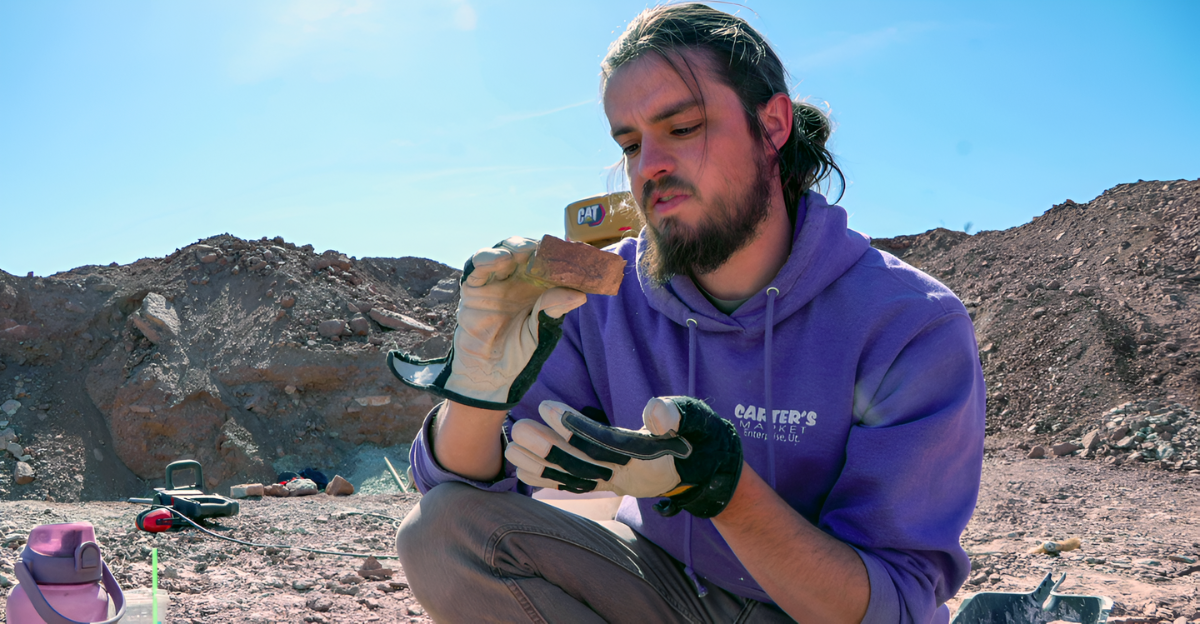
A student from McGill University stumbled upon a fossilized dragonfly wing in Alberta’s Dinosaur Provincial Park in 2023, shocking Canadian scientists. The wing is about 75 million years old and is the oldest dragonfly fossil found in Canada’s dinosaur-age rocks.
This discovery amazed experts who usually come to the area hunting dinosaur bones, not ancient insects. Suddenly, the park’s reputation grew beyond dinosaurs, showing that big surprises can hide where no one expects.
Dinosaur Provincial Park
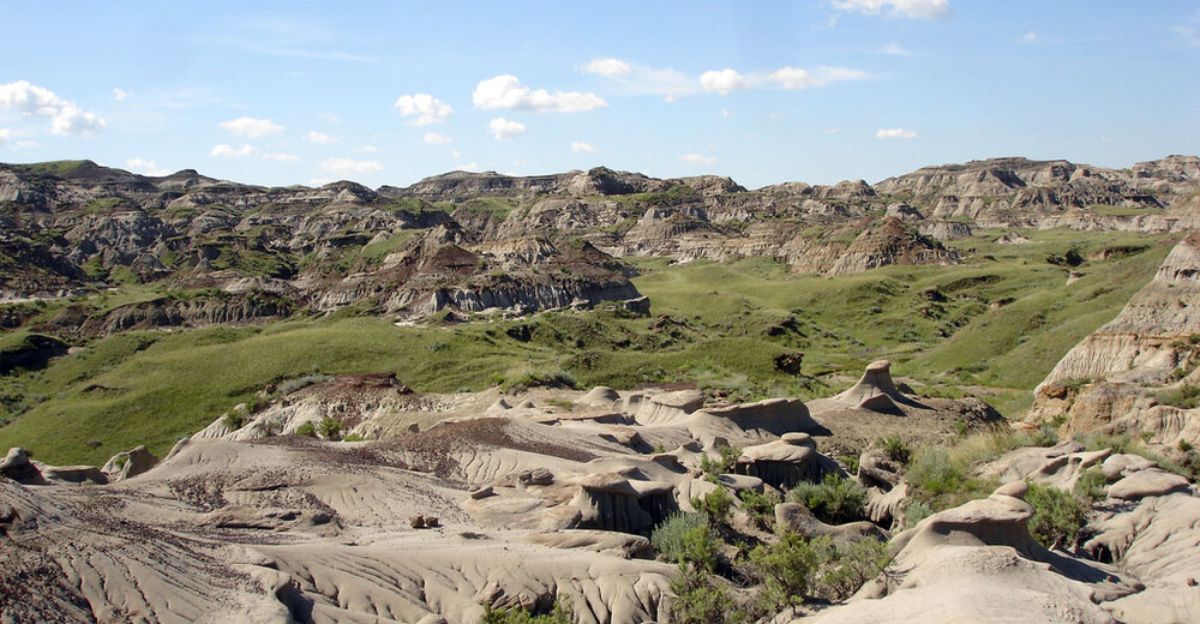
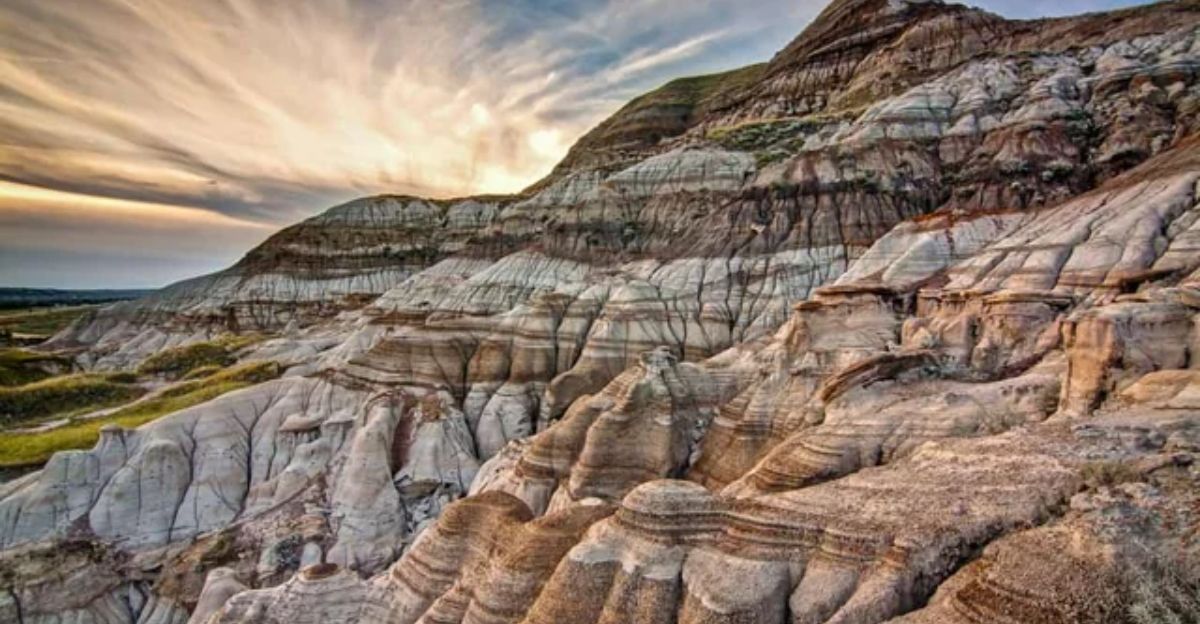
Dinosaur Provincial Park sits in Alberta’s Badlands and is a treasure trove of dinosaur fossils, boasting remains from over 40 dinosaur species. However, until now, almost nothing was known about the ancient bugs living there.
The only insect found before was a tiny aphid trapped in amber. Now, with the new dragonfly fossil, scientists realize there’s much more to the park’s story than just giant reptiles.
Students on a Mission
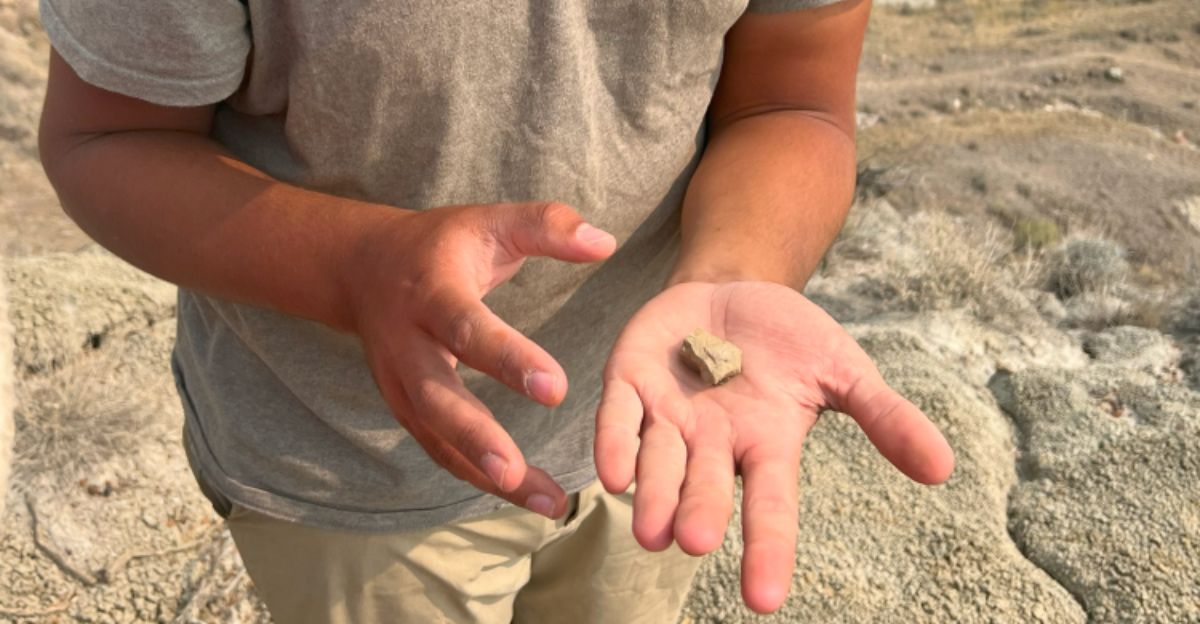
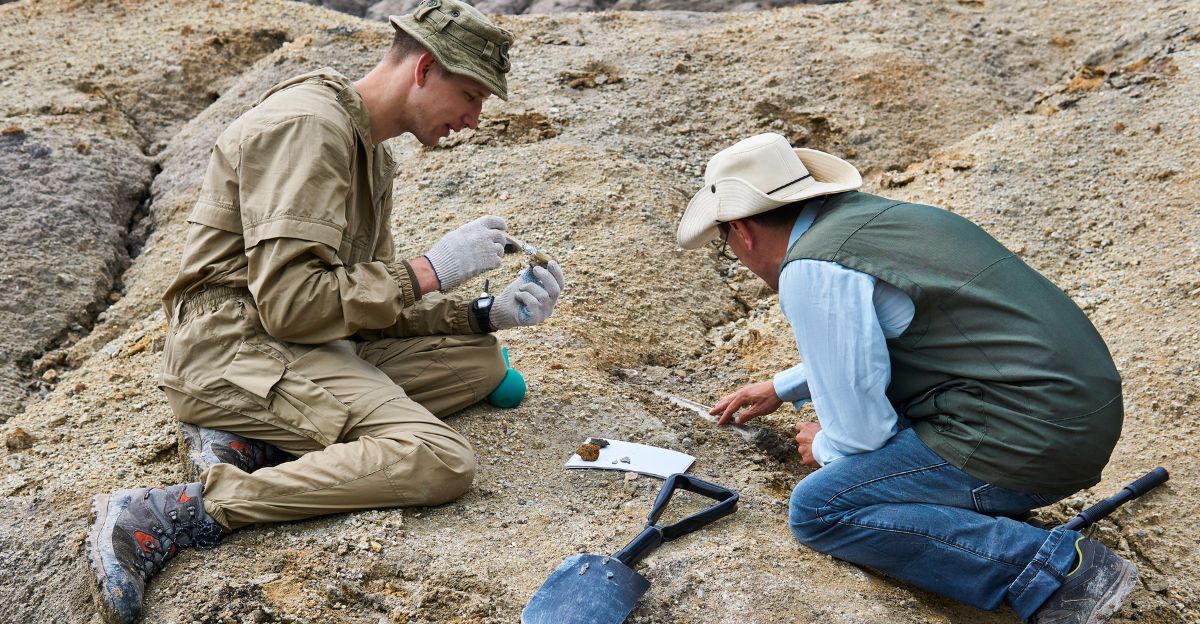
The discovery was made by a group of McGill University students led by Professor Hans Larsson. They broke open rocks to find plant fossils, but spotted an unusual wing mark. Master’s student André Mueller helped identify it.
Their teamwork turned a simple plant dig into a pioneering insect discovery, proving that exploring different fields at famous sites leads to unexpected breakthroughs. “We were taken by surprise,” Mueller explained. “We were not expecting to find any insects there.”
A Missing Chapter
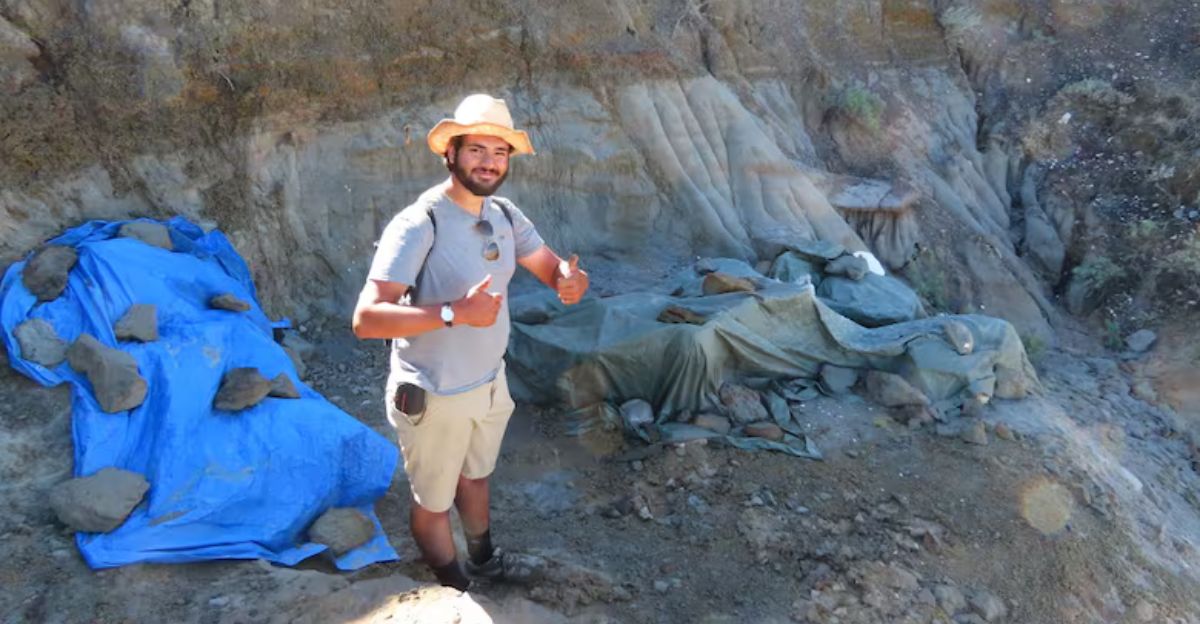
This fossil plugs a huge, 30-million-year hole in our record of how dragonflies evolved. Before this, no one had found insect impressions in these rocks, so the discovery gives scientists important clues about ancient ecosystems.
Since few insect fossils have ever come from Dinosaur Provincial Park, this wing is a game-changer for studying the region’s prehistoric bugs and could inspire many more digs for insects in Alberta. The dragonfly wing’s unique structure and clear outline open up fresh possibilities for studying ancient bugs, especially those never caught in tree resin.
The Dragonfly Discovered
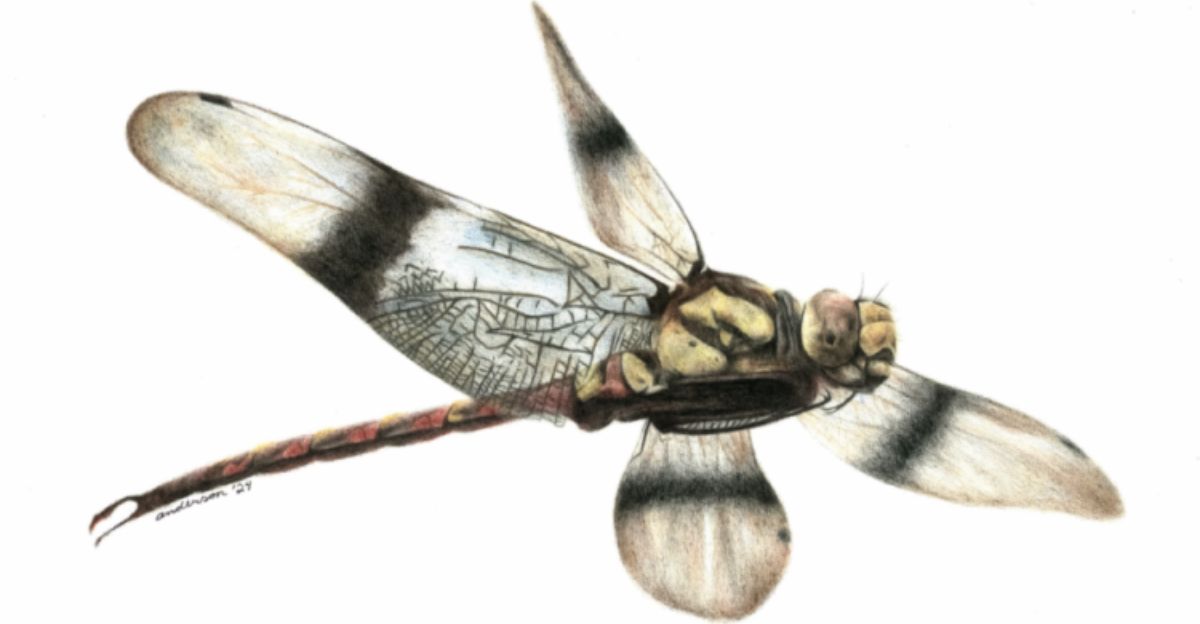
In 2023, McGill scientists declared the wing a new Cordualadensa acorni species, creating the brand-new Cordualadensidae family. It’s officially Canada’s first dinosaur-age dragonfly and the oldest North American specimen of the Cavilabiata group.
Experts published these findings in the Canadian Journal of Earth Sciences, making the fossil a scientific landmark. “Its wingspan was about the width of a human hand, and while small, it would have been an important part of the Cretaceous ecosystem—a tasty raptor snack, no doubt,” said Mueller.
Local Inspiration
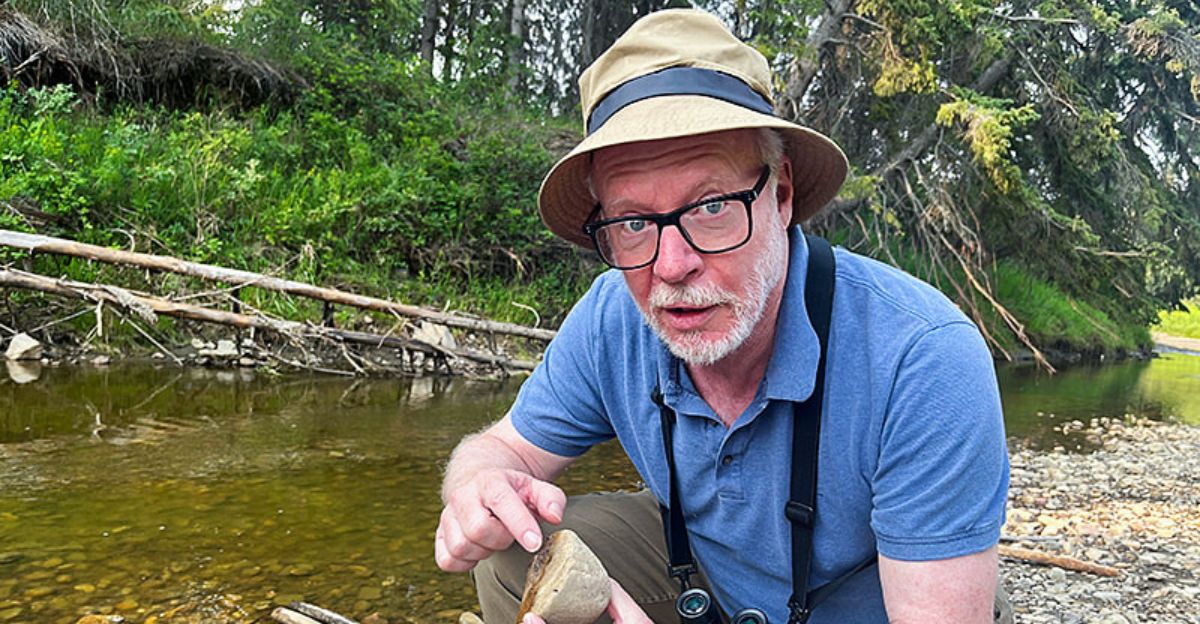
The “acorni” name honors John Acorn, a well-known Alberta lecturer and TV host famous for teaching science. Through decades of work, Acorn inspired both students and researchers. Naming the fossil after him celebrates local heroes and brings pride to Alberta.
The discovery also highlights how local experts and educators contribute to big scientific moments, making them more personal for the province’s people.
Personal Impact
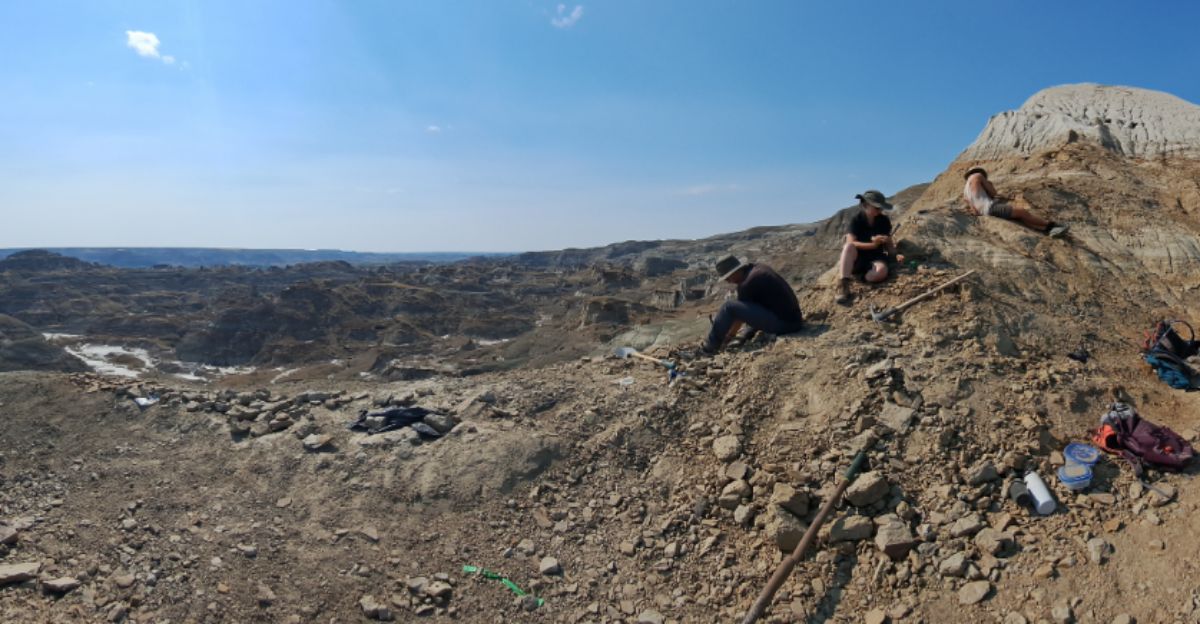
For André Mueller, finding the fossil was a dream come true. Growing up in Medicine Hat near the park, he always hoped to uncover traces of ancient life. His hands-on work made it possible to identify the wing.
Other students say this find sparked a new passion for paleontology and inspired a wave of interest in Canada’s hidden insect fossil record among young scientists. “We were taken by surprise as we were not expecting to find any insects there,” said Meuller.
Ecosystem Puzzle
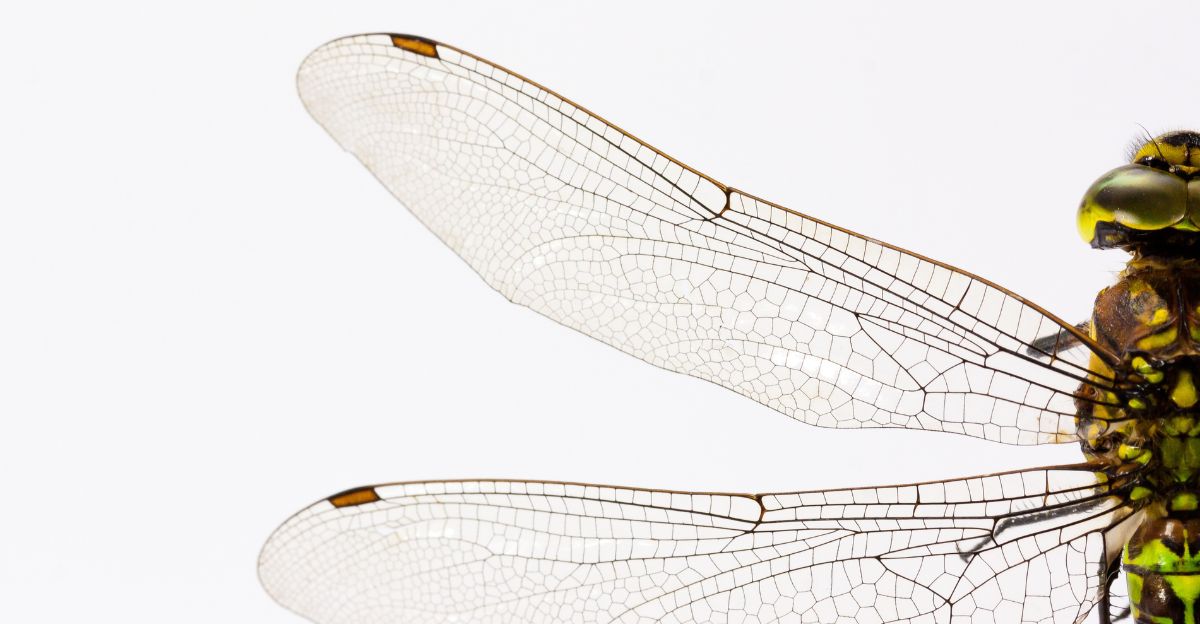
The dragonfly’s wing hints that it could glide, a trait seen in migratory dragonflies today. This ability helps researchers imagine the ancient environment, suggesting open landscapes and changing climates shaped how insects survived. Experts believe gliding may have been key for these bugs to escape predators.
These discoveries show that small insects were just as important to prehistoric life as giant dinosaurs. “Insects like this would have been crucial links in the ancient ecosystem,” said Professor Hans Larsson. “Their flight patterns and feeding habits influenced everything from the plants to the biggest dinosaurs roaming the landscape.”
Expert Analysis
Professor Hans Larsson and his team emphasize that this fossil means there were more ancient insects in Alberta than previously thought. Cordualadensa acorni is proof of diverse insect life that could have fed larger predators, including dinosaurs.
Many more insect fossils are now being found, suggesting Alberta’s ancient insect population was rich and is still largely unknown, promising more exciting finds ahead. “The insect fossil record in this formation is far richer than suspected. Each new specimen can teach us how the entire ecosystem operated during the Cretaceous,” explained Larsson.
First Impression
The fossil is the first insect “impression” found in the area’s rocks—previously, only amber-preserved insects were known. Now, scientists can study soft-bodied bugs that are usually missing from the fossil record.
This new method might soon reveal twice as many ancient insect species from Dinosaur Provincial Park. As researcher Dr. Demers-Potvin noted, “We’ve now started finding more insect fossils by expanding where and how we search.”
Ownership and Response

McGill University celebrated this rare find and worked with the government and museums to safeguard and display it. In Canada, fossil discoveries follow strict rules about who owns them. McGill’s research collections now house the dragonfly fossil, allowing scientists and the public to access and learn from it.
Exhibitions and educational programming connected to the find have helped raise awareness about Alberta’s ancient insect life and the importance of preserving such treasures for future generations.
Shifting Search Strategies
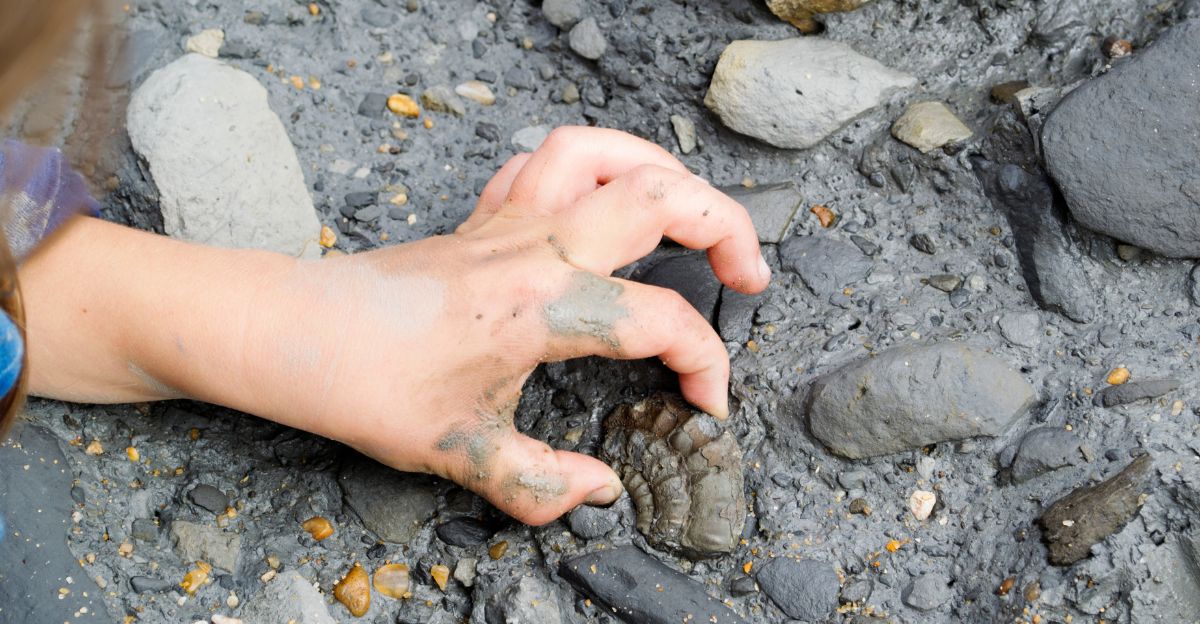
After finding the wing, researchers began looking in rock layers they’d mostly ignored before. This new approach led to a flurry of small fossil discoveries. This fresh strategy paid off quickly, teams began uncovering more insect fossils and impression marks, which doubled local knowledge of the ancient bug population almost overnight.
Alberta’s paleontologists now run broader digs, unearthing a fuller picture of ancient life, not just focusing on dinosaurs. “We realized our old habits were holding us back,” said Larsson. “By looking in new places, we opened the door to a hidden world of Cretaceous insects that we barely understood before.”
Scientific Skepticism
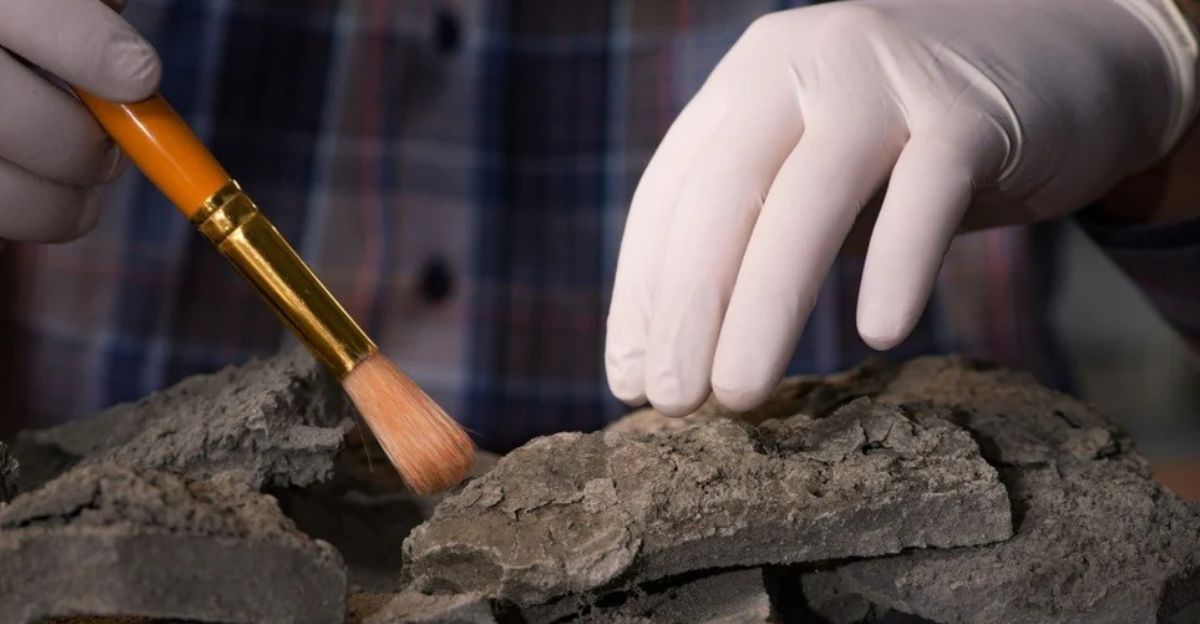
Like any major discovery, experts carefully checked the fossil’s age and details. Some questioned how well it was preserved, but studies of its structure and dating methods confirmed it documented a real Cretaceous dragonfly.
To address these doubts, the research team used advanced dating methods, such as stratigraphic analysis and isotope testing, and compared the fossil’s anatomy with that of known dragonfly species. “Rigorous peer review ensures we’re not fooled – it’s only after passing that test we can celebrate a real breakthrough,” said Larsson.
Academic Ripple

The news sparked projects at universities and museums to scan old “plant” fossils for overlooked insects. New workshops and seminars let researchers share tips on digging and identifying fossils. International scientists now hope to find similar fossils in their regions. This discovery has raised excitement about ancient insects in Canada and worldwide.
Looking Forward
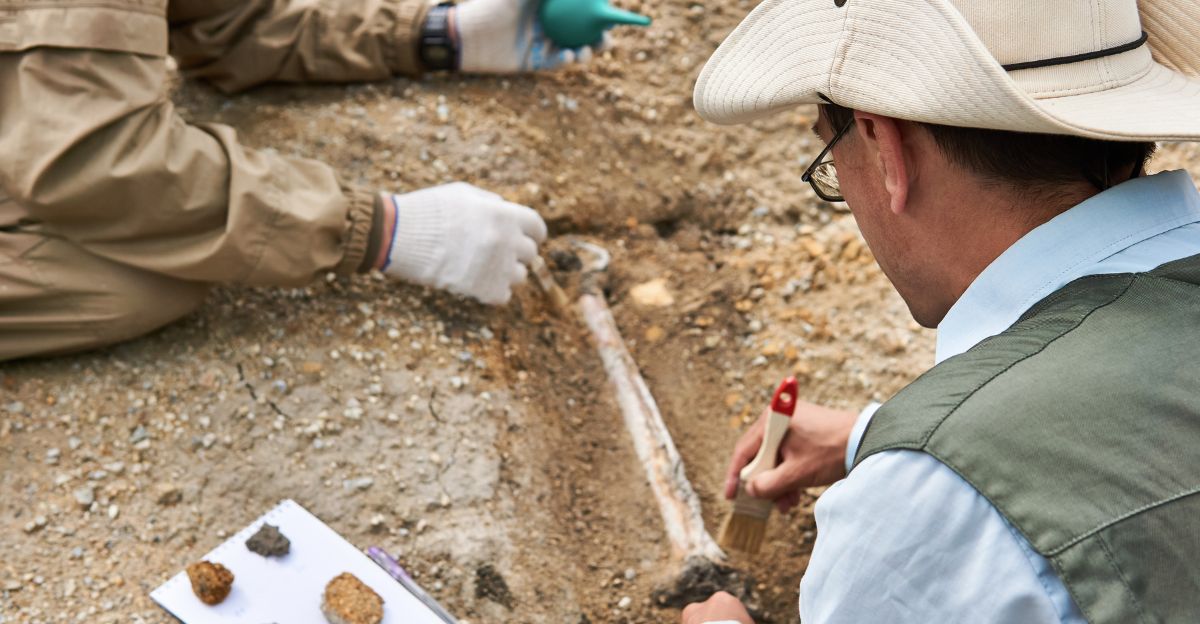
Future digs in Dinosaur Provincial Park aim to find even more insect fossils, changing how experts model old food webs. Experts planning to combine insect data with dinosaur records hope to create richer reconstructions of how life evolved and interacted in the Cretaceous period.
New tech, like drones, helps identify promising dig spots. Researchers believe Alberta’s Badlands will soon produce more breakthrough finds, keeping it at the center of fossil science.
Regulatory Milestones
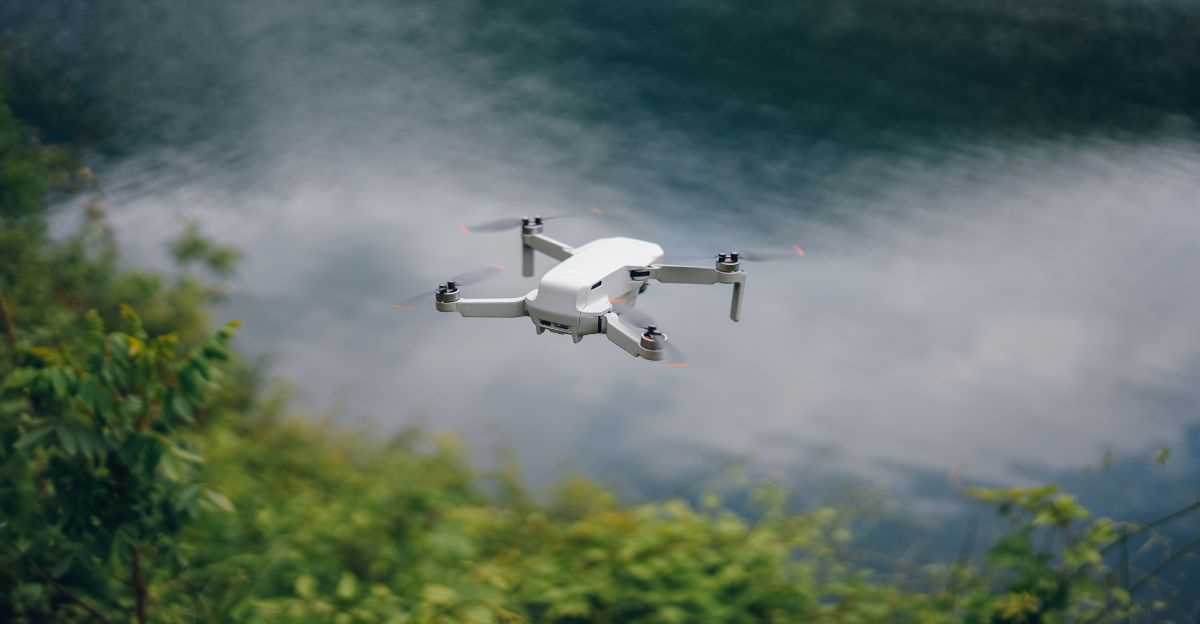
Recent McGill research recommends new fossil dating techniques, like drone-assisted 3D mapping, to improve accuracy. This could change rules on how fossils such as Cordualadensa acorni are catalogued and safeguarded.
Public agencies and scientists are now debating updates to preservation rules, including proposals for rapid reporting and registration of rare discoveries like Cordualadensa acorni. This ongoing discussion may lead to new legislation, ensuring that significant fossils are protected promptly and made available for research and education.
Industry Ripple Effects
The discovery of the dinosaur-era dragonfly fossil in Alberta has ripple effects far beyond paleontology, influencing local industries, technology, and public awareness. Mining companies are now employing the same advanced imaging and surveying tools developed for fossil digs to examine land for valuable minerals, speeding up exploration and improving accuracy.
The fossil’s impact has expanded to tourism, encouraging more visitors to Alberta’s Badlands and boosting the local economy as people flock to see the region where such rare discoveries occur.
Social Reaction

News about the fossil lit up social media. Some users confused the “dragonfly” with mythical dragons, but scientists quickly explained it was a prehistoric insect. The hashtag #DinosaurDragonfly went viral, with Alberta’s universities posting clear updates to squash myths and highlight the find’s actual scientific value.
The public’s excitement put Alberta in the spotlight for paleontology. Local pride was evident in Alberta, where residents celebrated the discovery of fossils and their link to the region’s ancient history. Museums and schools hosted special events to discuss the find, sparking new curiosity among students.
Historic Parallels
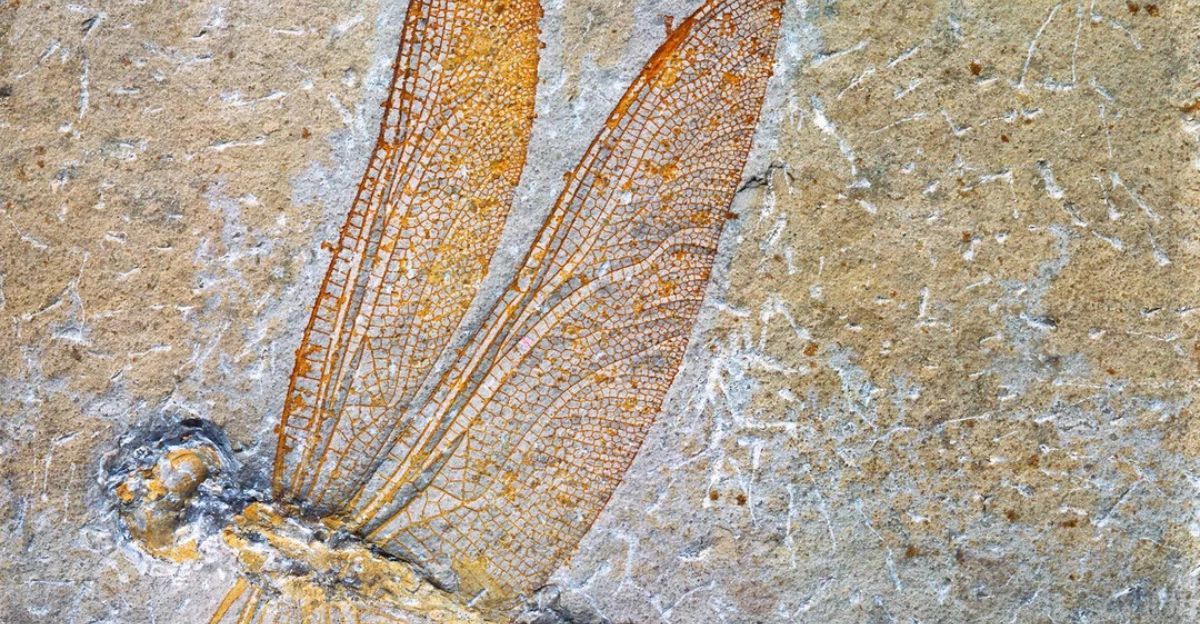
Alberta’s fossil record is full of stories of researchers who, sometimes by accident, made discoveries that changed how dinosaurs and ancient life are understood. The dragonfly fossil adds a valuable chapter, showing that not only large dinosaur bones but also tiny, delicate organisms can be game-changers for science.
“We keep learning that Alberta’s Badlands still have secrets that rewrite history. Surprises often come when we look beyond the usual bones and dig a little deeper,” said Larsson.
A New Understanding
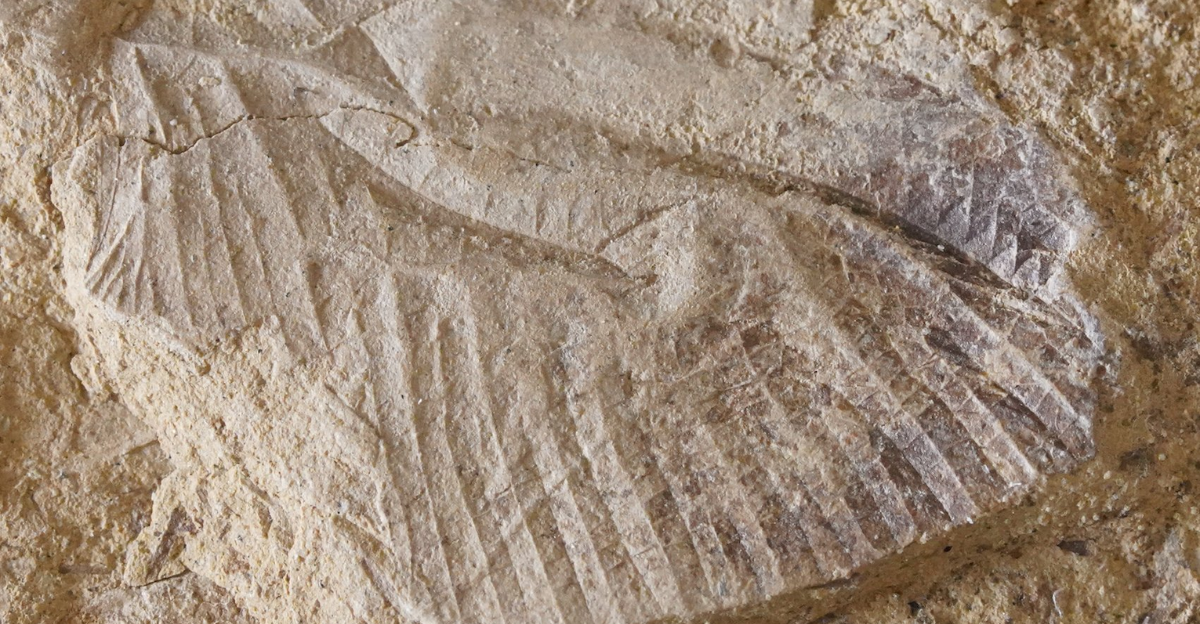
Finding Cordualadensa acorni didn’t just add a footnote, it expanded what scientists know about Alberta’s ancient world. The fossil bridges evolutionary gaps and introduces helpful new methods, changing our understanding of the park’s ecosystem.
It proves Dinosaur Provincial Park still hides untold stories for scientists, students, and curious readers, waiting to be discovered in the rocks.