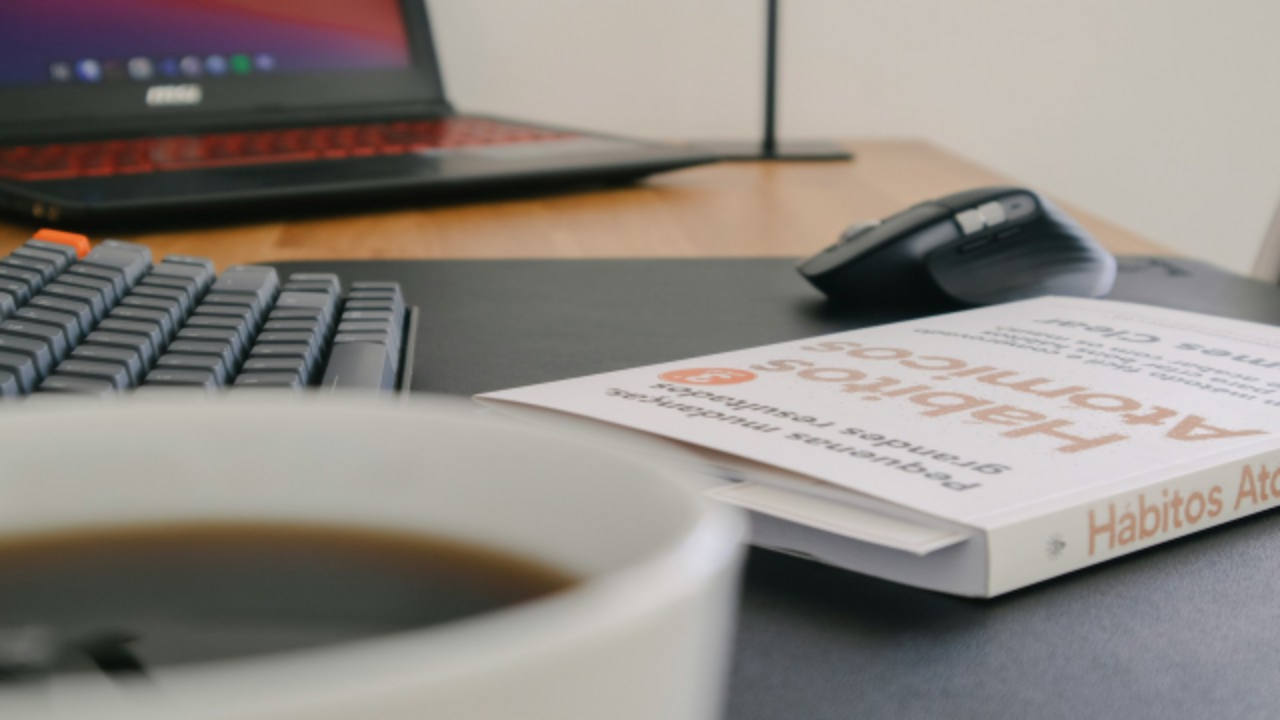
You know that feeling when you decide to completely transform your life? You’re going to wake up at 5 AM, meditate for an hour, hit the gym, and meal prep every Sunday. Then reality hits on day three, and you’re back to your old ways, feeling defeated.
The problem isn’t you. It’s that you’re starting way too big.
The most effective approach to building lasting habits is counterintuitive: make them so small they feel almost ridiculous, then let them grow naturally over time. No force. No pressure. Just consistent tiny actions that compound into real change.
Make It So Easy You Can’t Say No

When you’re starting a new habit, shrink it down until it takes less than two minutes to do. This isn’t about rushing through the full activity in two minutes—it’s about focusing on the very first step in the chain.
If your goal is reading more, your habit becomes “read one page” before bed. Not a chapter. One page. Want to build a yoga practice? Your daily habit is “unroll my yoga mat.” That’s it. Trying to become a runner? Just “put on running shoes”. This works because these gateway habits eliminate the mental resistance that usually stops us. Once your shoes are on, you’ll likely go for a walk. Once the mat is out, you’ll probably do a few stretches. You’re hacking your brain by making the starting point effortless.
Keep the Bar Low Forever

Here’s where most people sabotage themselves. They think progress means raising the bar each week—one push-up today, two tomorrow, three next week. But behavioral scientist BJ Fogg, who created the Tiny Habits method, says this is completely wrong.
His counterintuitive advice: set the bar low and never raise it. Go ahead and overachieve when motivation strikes, but your minimum expectation should stay tiny. On your worst days—when you’re sick, stressed, or exhausted—you still do that one tooth floss. That one page. Those shoes still go on. This is the secret to consistency. Habits aren’t built through intensity; they’re built through showing up, even when it’s just barely.
Let Growth Happen Organically
Now here’s the magic: you won’t stay at one push-up forever. Once the habit takes root, it expands on its own. That single push-up naturally becomes five, then ten. That one page turns into a chapter. The habit grows because it’s now wired into your daily routine, not because you forced it to.
Science backs this up. Research shows habits typically take two to five months to become automatic, though the range varies wildly from person to person—anywhere from four days to nearly a year. So give yourself grace and time. When you do want to scale up intentionally, do it gradually. Aim for one percent improvements instead of dramatic leaps. Break ambitious goals into manageable pieces—two 10-minute meditation sessions rather than one daunting 20-minute block, or five sets of ten push-ups instead of fifty straight.
Why Tiny Actually Wins
Starting micro-small does something powerful to your brain. It eliminates overwhelm, builds real confidence with quick wins, and physically rewires your neural pathways through repetition. Each time you complete that tiny action, you’re strengthening the circuits that make it automatic and proving to yourself that you’re becoming this type of person.
The 2-minute approach gives you immediate momentum, prevents burnout, and makes intimidating goals feel doable right now. You’re not just checking off a task—you’re building a new identity, one laughably small action at a time.
Real transformation doesn’t require heroic willpower. It requires showing up with something so tiny it feels almost silly. And that’s precisely why it works.
Sources:
James Clear | How to Stop Procrastinating With the “2-Minute Rule” | February 3, 2020
Osmosis / BJ Fogg interview | One Key to Behavior Change? Set the Bar Low and Keep It Low | March 1, 2022
Singh et al., Time to Form a Habit: A Systematic Review and Meta-Analysis | December 8, 2024