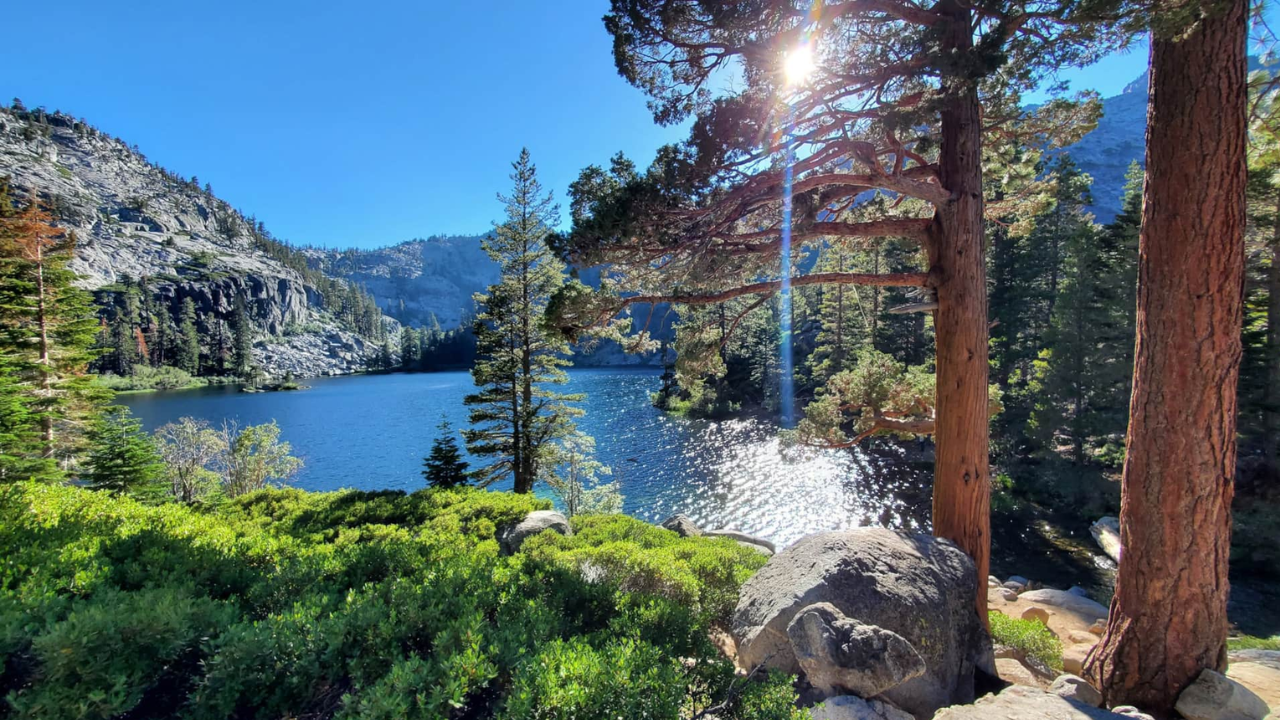
America’s big-name parks get all the hype, but some of the most mind‑blowing landscapes are hiding in plain sight. Some people think that once you’ve seen one, you’ve seen them all, but that’s simply not the case. Every one of these parks has their own special touch and if they aren’t on your bucket list yet, they definitely should be! Here are my top picks when it comes to National Parks that really deserve more credit.
Great Basin, Nevada
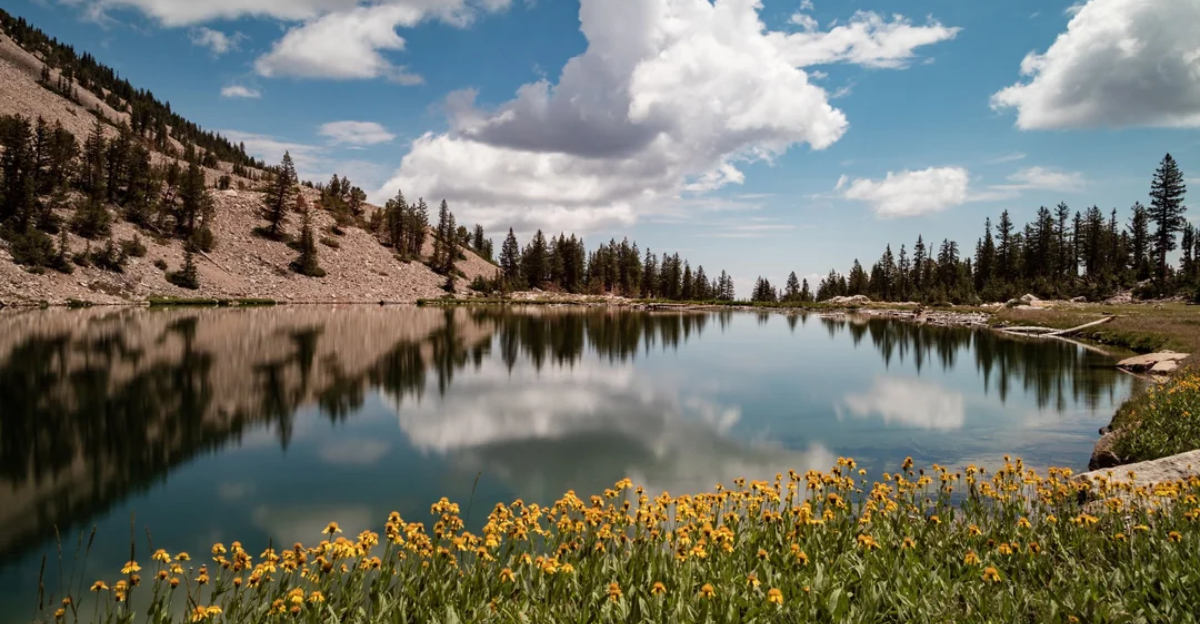
Tucked in remote eastern Nevada, Great Basin feels like you’ve stumbled into your own private national park with glacier‑carved peaks, ancient bristlecone pines, and insanely dark night skies which are perfect for stragazing. You can tour Lehman Caves in the morning, hike above 3 000 meters in the afternoon, then stargaze under some of the clearest skies in the Lower 48 at night. It’s like you’ve walked into a whole other world you never knew about.
Because so much of the park sits high, snow lingers on trails well into early summer, and the scenic Wheeler Peak road often doesn’t fully open until around mid‑June. Late summer through early fall is the sweet spot if you want the full package of open trails, comfortable temps, and golden aspens. The best time to visit the park is from July to September if hiking is your priority, and consider late spring at lower elevations if you’re more into wildflowers than summit views.
North Cascades, Washington
If you’ve ever seen photos of electric‑blue lakes with jagged, snow‑streaked peaks in the background and thought “Wow,” North Cascades gives off the same energy, but it’s right here in Washington state. It’s huge, rugged, and somehow still one of the least‑visited parks in the system, mostly because there’s very little road access and a whole lot nothingness.
For most people, the park really shines from June to September, when snow has melted off most trails, roads are open, and temps sit in that perfect 20–27°C range. This is prime time for backpacking, kayaking, and gawking at turquoise lakes under bluebird skies. Shoulder months like May and October can be gorgeous too, but you can expect lingering snow, closed higher‑elevation trails, and more unpredictable weather.
Kings Canyon, California
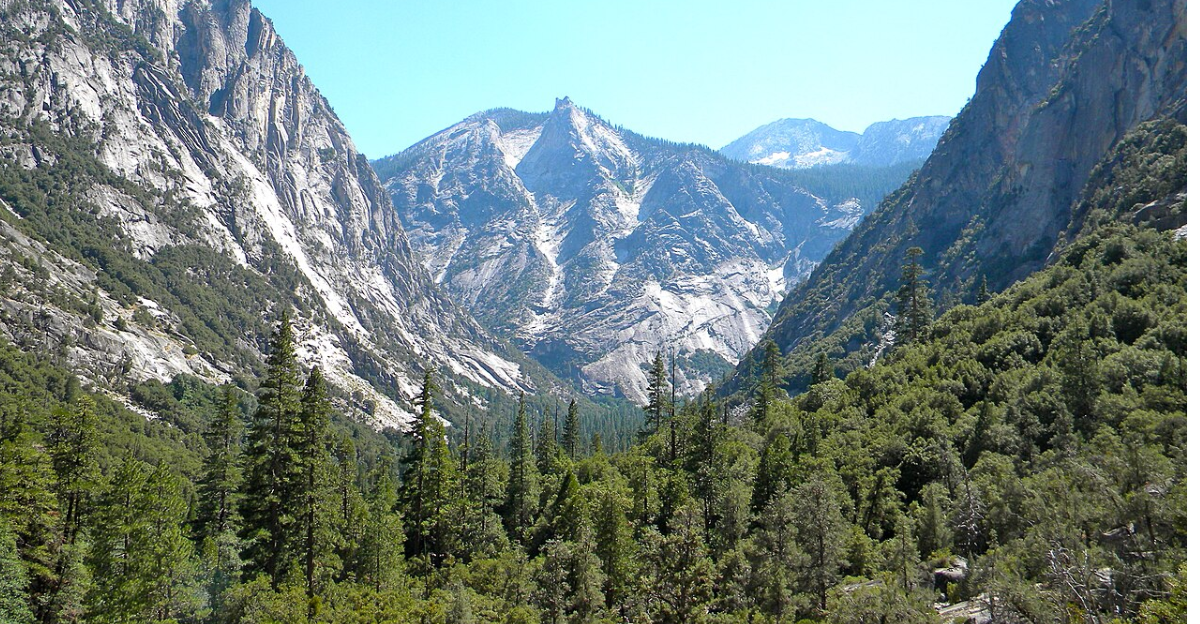
Kings Canyon is like Yosemite’s little brother and even shares a boundary with Sequoia, which means most travelers blast right past it and don’t even know it. Their loss. The heart of the park is a glacial valley over a mile deep, with sheer granite walls, roaring rivers, and meadows framed by 4 000‑plus‑meter peaks and John Muir once called it “a rival to Yosemite.”
The main canyon road is typically a late‑spring to fall experience, with snow and seasonal closures limiting access in winter and early spring. Summer often comes with warm days, full access to trails and campgrounds, and classic Sierra hiking conditions, while in early fall you can expect cooler nights and thinner crowds. If you want big‑mountain scenery without the elbow‑to‑elbow chaos of Yosemite Valley in July, Kings Canyon is the place you’ll want to be for sure!
Sources:
National Park Service, “Visiting in Spring – Great Basin National Park (U.S. National Park Service)”, 11 January 2023
Adventures of A+K, “10 Fun Things to Do in Great Basin National Park”, 30 May 2025
National Park Service, “Visiting North Cascades in the Non-Peak Season – North Cascades National Park (U.S. National Park Service)”, 3 October 2022
DayTrip Nomad, “Best Time To Visit North Cascades National Park (And Weather by Month)”, 17 September 2024